Category: Business

  • World Bank urges urgent economic reforms in Pakistan to tackle rising poverty

    World Bank urges urgent economic reforms in Pakistan to tackle rising poverty

    The World Bank has issued a grave warning regarding Pakistan’s economic state, urging the nation to take swift action. They propose taxing key sectors like agriculture and real estate while reducing wasteful expenditures to stabilise the economy. This endeavour aims for a significant fiscal adjustment, equivalent to over 7 percent of Pakistan’s economic size.

    The World Bank also revealed alarming statistics, with poverty levels surging to 39.4 percent in the last fiscal year, pushing an additional 12.5 million people below the poverty line. Currently, nearly 95 million Pakistanis live in poverty.

    To address these challenges, the World Bank has drafted a set of policy recommendations in collaboration with stakeholders, focusing on low human development, unsustainable fiscal practices, overregulation in the private sector, and issues in the agriculture and energy sectors.

    Immediate measures include raising the tax-to-GDP ratio by 5 percent and reducing expenditures by about 2.7 percent of GDP, primarily targeting previously protected sectors.

    Tobias Haque, the lead country economist at the World Bank, underscores the need for substantial policy changes, given Pakistan’s economic and human development crises.

    According to Express Tribune, the World Bank’s recommendations encompass a range of fiscal reforms, including the removal of tax exemptions, increased taxation on real estate and agriculture, and mandatory use of CNIC for transactions.

    Furthermore, the institution advises cutting energy and commodity subsidies, implementing a single Treasury account, and adopting temporary austerity measures for short-term savings. Medium-term savings entail streamlining federal spending and enhancing the quality of development expenditures.

    Najy Benhassine, the country director for Pakistan at the World Bank, emphasises the importance of political consensus and domestic solutions to address Pakistan’s challenges.

    The World Bank highlights the need to address the human capital crisis, reduce energy subsidies, and promote inclusive, sustainable, and climate-resilient development in Pakistan. These measures are imperative to stabilise the nation’s precarious economic situation and alleviate the growing poverty crisis.

  • Govt attributes UAE’s fresh meat export ban to faulty refrigeration systems in containers

    Govt attributes UAE’s fresh meat export ban to faulty refrigeration systems in containers

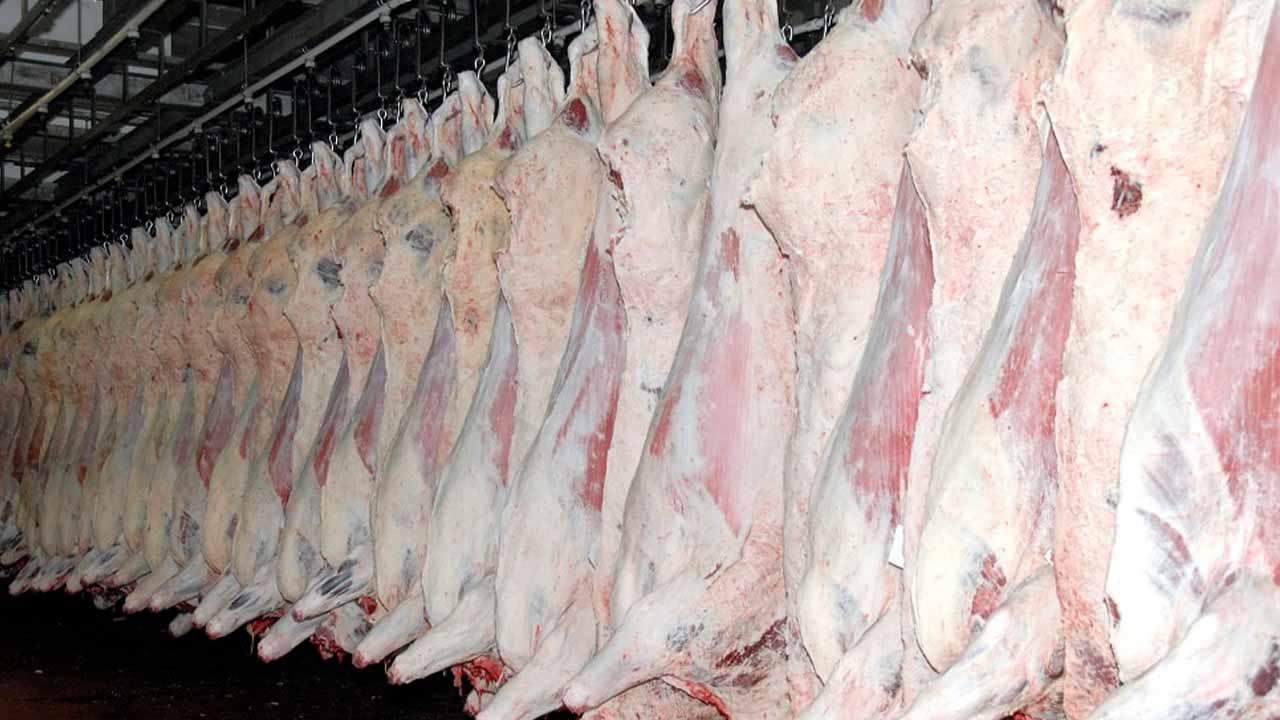
    The Trade Development Authority of Pakistan (TDAP) has attributed the United Arab Emirates’ (UAE) restriction on fresh chilled meat exports from Pakistan to issues with inefficient or non-functional refrigeration systems.

    The ban, effective October 10, 2023, was enacted in response to substandard fresh beef shipments detected in Dubai. TDAP revealed that subpar meat quality was linked to refrigeration problems in reefer containers, a responsibility of shipping lines. Exporters affected by the ban have filed claims against these shipping entities.

    According to Brecorder, the UAE’s Ministry of Climate Change and Environment revised its list of approved slaughterhouses for meat exports via sea routes, imposing specific requirements on shipments of fresh and chilled meat until October 10. Only vacuum-packed or modified-atmosphere-packed meat, conforming to specific shelf-life criteria, will be permitted via sea transport.

    Notably, this ban does not affect fresh and chilled meat shipments by air. TDAP is actively engaged in resolving the issue, with the Pakistani Consulate in Dubai collaborating with stakeholders to determine the cause. TDAP remains optimistic that constructive dialogue and cooperation will lead to a resolution, allowing the resumption of fresh chilled meat exports from Pakistan to the UAE.

  • Commerce minister warns of financial loss over proposed early market closure 

    Commerce minister warns of financial loss over proposed early market closure 

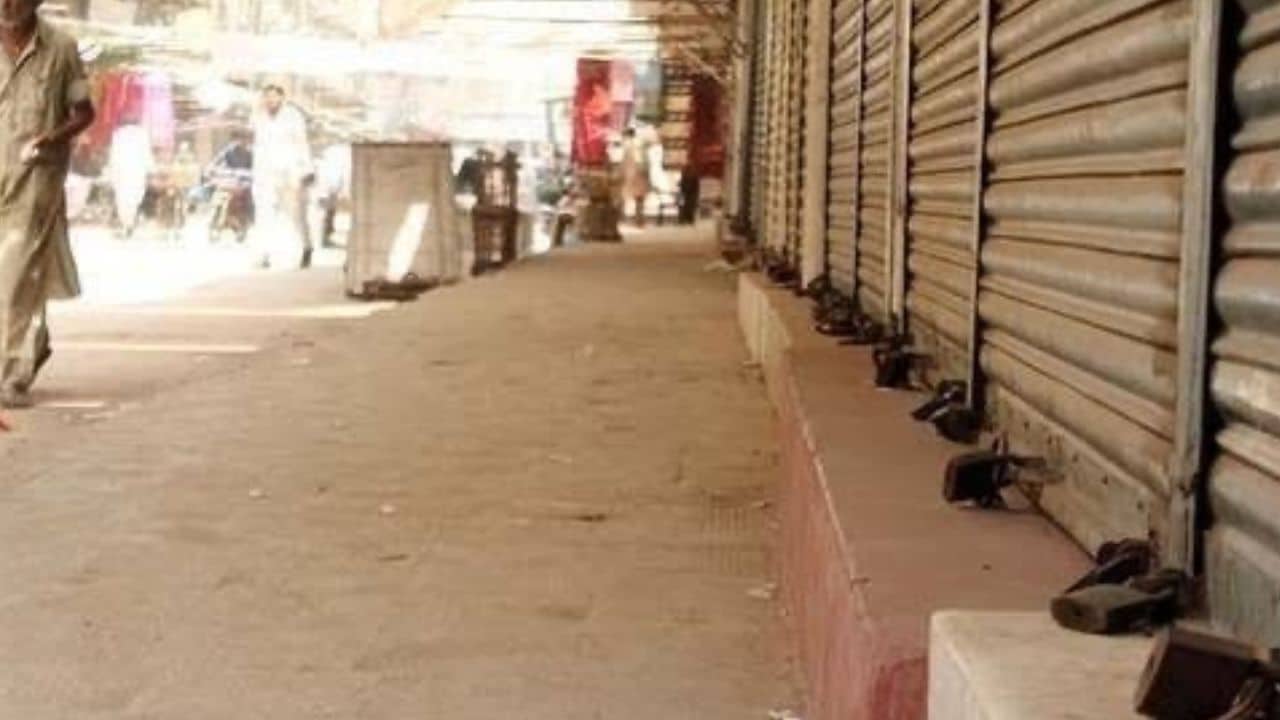
    Caretaker Minister for Commerce, Industries, and Production, Dr Gohar Ejaz, has voiced his opposition to the early market closure proposed as part of the energy conservation plan, expressing concerns over the significant financial losses the government could incur as a result.  

    According to ARY News, Dr Ejaz said that Pakistan currently has a surplus of electricity, making the decision to close markets prematurely economically unfavorable. 

    He revealed that recommendations were sought from all chambers of commerce across the country within a 30-day period. Additionally, Dr Ejaz announced an upcoming anti-gas theft initiative following the anti-power theft operation. He urged traders to be flexible, considering the limited gas resources in the country. 

    Furthermore, he revealed plans to invite 100 international brands to a conference in Pakistan, granting them the status of state guests. Dr Ejaz also mentioned the current exchange rate of the US dollar, which stands at Rs260. 

    To encourage the purchase of electricity from Thar, he directed Sindh and Punjab to do so, promising tax exemptions if they comply. This move aims to make electricity tariffs in these regions more competitive. 

    The caretaker minister stressed the need to boost exports, pointing out that Pakistan’s foreign direct investment is contingent on increased exports. He called for cooperation from business leaders to resolve various issues.  

    Dr Ejaz expressed his commitment to serving the country and previously outlined plans to support industry stakeholders in boosting exports and establishing business parks in major cities to stimulate economic growth. 

  • NEPRA recommends electricity rate increase of Rs3.28 per unit

    NEPRA recommends electricity rate increase of Rs3.28 per unit

    The National Electric Power Regulatory Authority (NEPRA) has officially proposed to the government an increase in the electricity tariff of Rs3.28 per unit, citing the need for a quarterly adjustment.

    In this proposal, NEPRA is looking to impose an additional financial burden of approximately Rs160 billion on consumers of electricity. According to ARY News, this recommendation has been conveyed to the caretaker federal government through an official summary, outlining the suggested increment of Rs3.28 in electricity rates as part of the fourth-quarter adjustment for the fiscal year 2022–23. 

    The proposed increase, subject to approval by the federal government, would also apply to K-Electric consumers. As a result of this adjustment, power consumers would be required to make additional payments over the next six months, spanning from October 2023 to March 2024. 

    It is worth noting that the proposed surge in power tariffs has incited protests throughout the country, with citizens expressing their displeasure over the considerable rise in electricity costs and the imposition of excessive taxes on electricity bills. In some instances, individuals infuriated by inflated bills have resorted to burning them as a form of protest, while certain political factions have threatened to stage sit-in demonstrations outside K-Electric offices. 

    This unrest surrounding the increased electricity tariffs coincides with Pakistan’s ongoing economic struggles, characterised by financial constraints and an inflation rate hovering around 29 per cent. 

    Furthermore, it is important to highlight that the International Monetary Fund (IMF) has reportedly discouraged Pakistan from offering relief to consumers using over 200 units of electricity on a monthly basis. According to sources, the IMF argued that reducing electricity bills for such consumers would not address the issue of circular debt. 

    Consequently, relief in the form of deferred payments for electricity bills will be exclusively extended to consumers who consistently utilise less than 200 units for six consecutive months. This relief would be rescinded if a consumer’s bill exceeded 200 units within the same timeframe, as per the sources. 

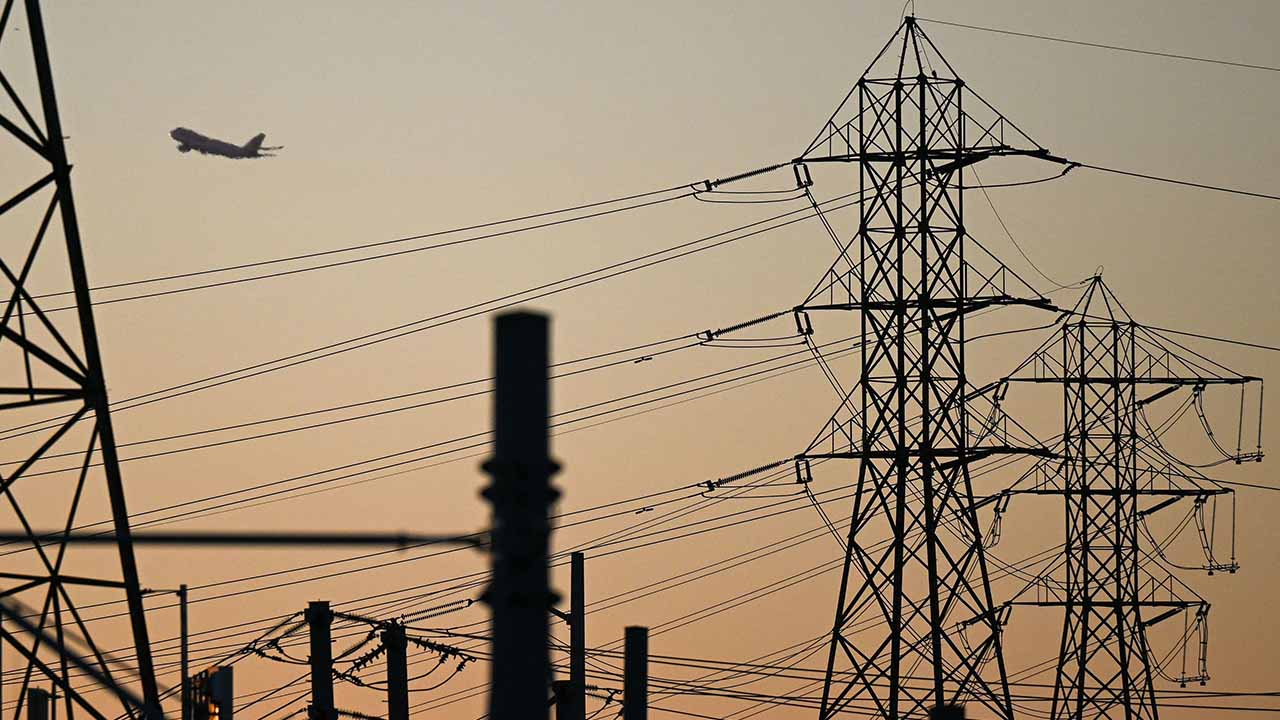
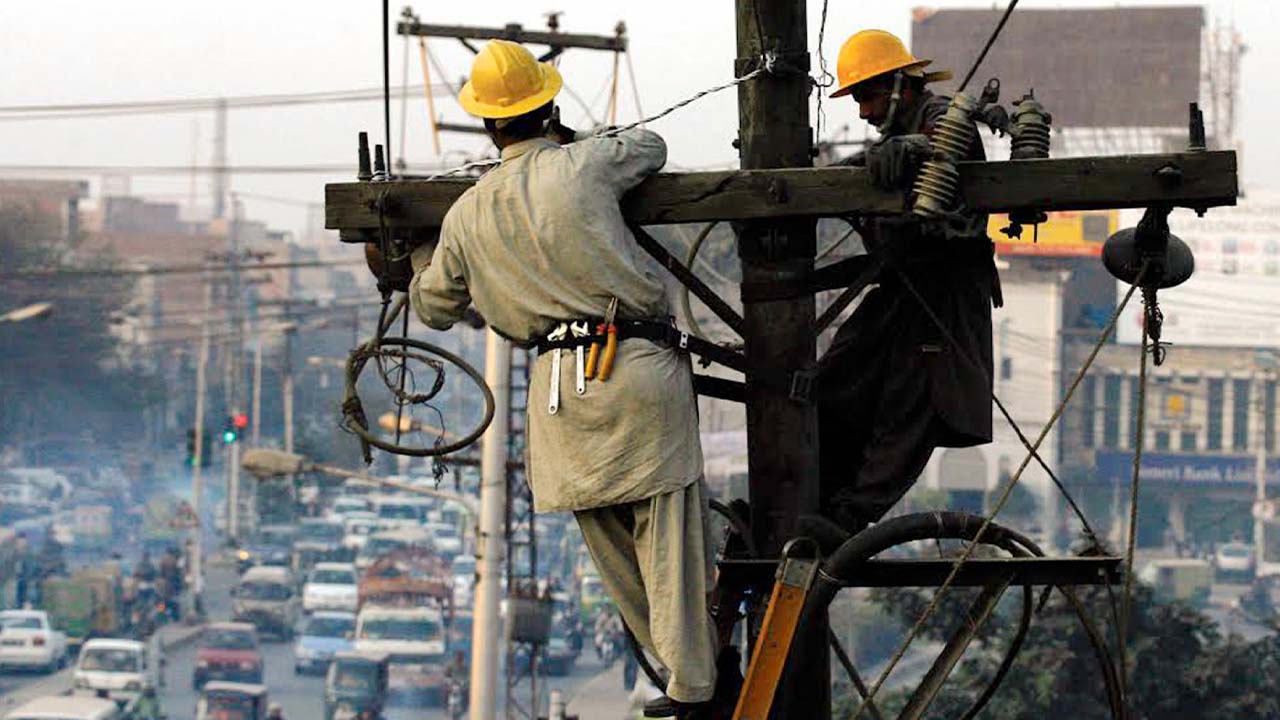
    Caretaker Federal Minister for Energy, Power, and Petroleum, Muhammad Ali, has also announced that the revised electricity tariff will be introduced before October 31. During a press conference held alongside Sindh Governor Kamran Tessori, Minister Ali emphasised the government’s commitment to combating electricity and gas theft through indiscriminate measures. 

    He added that efforts are being made to regulate and potentially lower electricity tariffs, with a goal to supply cost-effective electricity to industries starting on October 31. Muhammad Ali attributed the surge in electricity bills to electricity theft and the increased price of the US dollar. 

    While acknowledging the challenges of amending previous agreements, the minister pledged that the government would explore solutions within the framework of existing arrangements. He also expressed the government’s commitment to promoting solar energy despite the lack of reductions in solar equipment prices, outlining plans to devise a strategy for the promotion of solarization. 

  • IG Punjab orders aggressive action against electricity thieves costing nation Rs600 billion annually 

    IG Punjab orders aggressive action against electricity thieves costing nation Rs600 billion annually 

    Inspector-General Police Punjab, Dr Usman Anwar, has directed top police officials in Punjab, including Regional Police Officers (RPOs), City Police Officers (CPOs), and District Police Officers (DPOs), to intensify efforts against anti-national and anti-social elements involved in electricity theft, which is causing a staggering annual loss of Rs600 billion to the national treasury. 

    In a special video message, Dr Usman Anwar emphasised that Punjab Police’s crackdown on electricity thieves has gained momentum, with over 1,000 cases registered daily, spanning the entire province, including Lahore. This financial loss surpasses the cumulative losses from 15 years of various crimes, such as dacoity and robbery, across Punjab. 

    According to Business Recorder, Dr Usman Anwar clarified that the scale of this theft far outweighs other criminal activities and assured that, following the directives of the Prime Minister and Chief Minister of Punjab, there will be no leniency for those involved in electricity theft. Offenders, regardless of their methods, will face legal consequences. 

    He expressed concern that innocent citizens must bear the financial burden of others’ theft, emphasising that no one will be allowed to rob citizens of their hard-earned money. Dr Usman Anwar urged citizens to cooperate with law enforcement, district administrations, and relevant institutions by reporting electricity theft in their areas to accelerate actions against these elements harming the nation’s financial interests. 

  • Names of politicians not paying their electricity bills made public

    Names of politicians not paying their electricity bills made public

    In a shocking revelation, the Quetta Electric Supply Company (QESCO) has unveiled a roster of prominent individuals who have failed to meet their obligations regarding electricity payments. 

    According to Samaa, this list comprises former Members of the National Assembly (MNAs), Senators, and individuals associated with the transportation industry, thereby bringing to light the substantial unpaid dues of these notable figures. 

    According to a QESCO spokesperson, the most significant defaulter on this list is none other than the former Federal Minister, Mir Hamayoun Aziz Kurd, who is currently indebted to the tune of an astounding Rs4.95 million. 

    Following closely behind, we find former Provincial Minister Asim Kurd with an outstanding balance of Rs2.06 million, while former Interior Minister Mir Zia Ullah Langau’s dues are accounted for at Rs1.57 million. 

    Among other noteworthy entries on this list, former Provincial Minister Zafar Zehri is recorded with unpaid bills totaling Rs1.16 million, former MNA Abdul Qahar Uddin with an outstanding amount of Rs916,253, and former Provincial Minister Sardar Abdul Rehman Khetran showing Rs468,770 in unsettled bills. 

    This compilation also reveals that Feroz Lehri, a prominent transporter, owes QESCO a sum of Rs493,310, while Senator Naseeb Ullah Bazai has failed to clear Rs447,810 in unpaid bills. Additionally, former MPA Haji Ahmed Nawaz’s dues amount to Rs179,009, and tribal leader Wadera Sheeren Marri has an unsettled bill of Rs86,953. 

    KESCO, in response to the rampant issue of electricity theft across Balochistan, including Quetta, has undertaken rigorous measures. According to the spokesperson, a total of 322 cases have been registered against electricity thieves, resulting in the apprehension of 122 individuals.  

    Quetta leads with the highest number of cases at 64, followed by Loralai with 75, Khuzdar with 65, Sibi with 88, and Pishin with 25 cases. In addition to these, 5 cases have been filed in Makran. 

    Read more: Govt considers substantial gas tariff hike as energy concerns loom 

    The stringent crackdown on electricity theft has culminated in the collection of approximately Rs75 million in fines from the culprits, with Rs42.6 million already successfully recovered.  

    In response to non-payment issues in Balochistan, authorities have seized 15 transformers, and an additional 6 illegal transformers have been confiscated. Furthermore, 435 defaulters in Quetta, Loralai, Khuzdar, Pishin, Sibi, and Makran have had their connections disconnected due to their persistent outstanding bills. 

  • Govt considers substantial gas tariff hike as energy concerns loom 

    Govt considers substantial gas tariff hike as energy concerns loom 

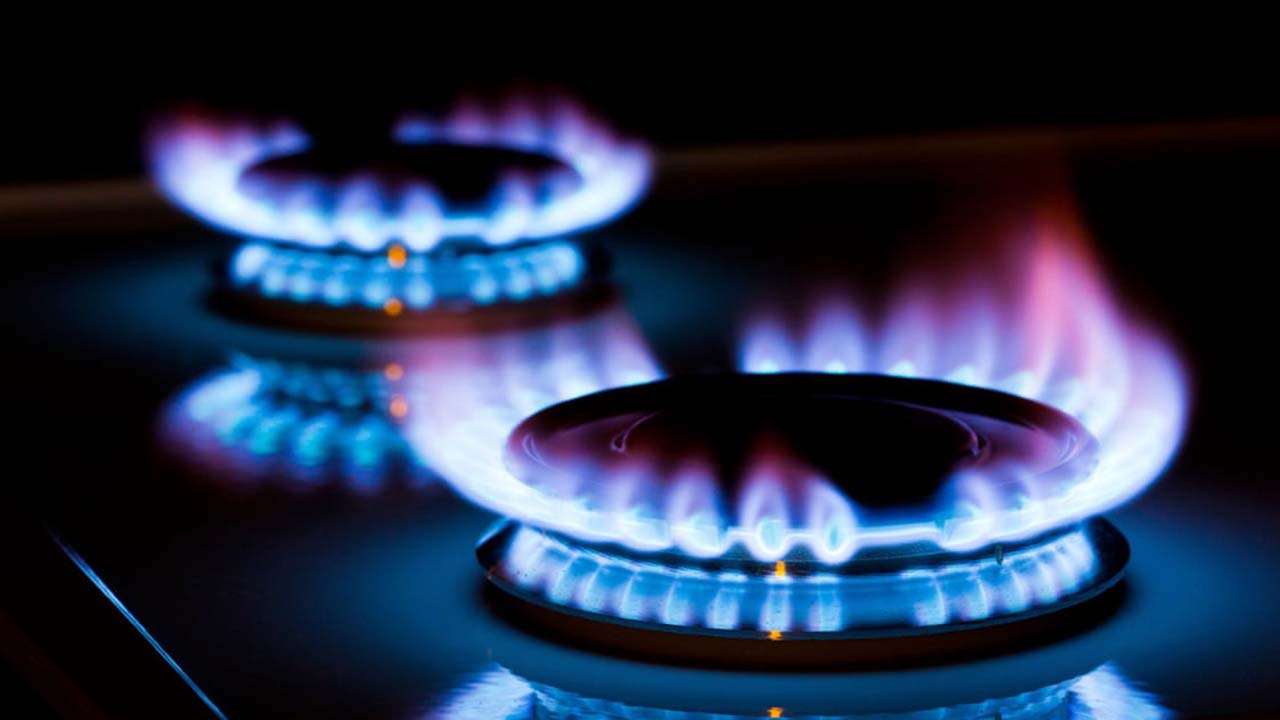
    Caretaker Minister for Energy, Muhammad Ali, addressed concerns about gas prices during a visit to the Lahore Chamber of Commerce and Industry (LCCI), accompanied by Caretaker Federal Minister for Commerce, Industries, and Production, Gohar Ejaz.

    He revealed that impending announcements would detail changes in gas prices, acknowledging that gas prices have consistently been a matter of concern. According to Dawn, the Oil and Gas Regulatory Authority (OGRA) had proposed a 45–50 per cent gas tariff increase earlier in the year to meet revenue requirements for gas utilities. However, the government has not yet made a formal decision. 

    Ali emphasised regional disparities in gas prices, with the North having higher prices than the South. He also discussed the challenges of inadequate long-term LNG contracts and efforts to combat electricity theft. He noted that while steps were being taken to reduce energy price disparities, an overnight reduction was impossible due to the country’s commitment to the IMF programme. 

    Commerce Minister Ejaz highlighted efforts to address issues related to Afghan Transit Trade (ATT) and its impact on the dollar rate. He pointed out that industry inputs, raw materials, and energy prices were vulnerable to international market fluctuations, affecting exports due to currency devaluation. However, recent measures have stabilised the exchange rate. 

    Read more: IMF urges Pakistan to increase taxation on the rich and ‘protect the poor’

    Ejaz also stressed that currency devaluation had hindered export growth and highlighted how disparities in gas supply and prices hampered development efforts nationwide. He called for unity and collaboration, emphasising that traders were vital assets for the country’s strength and prosperity. 

    Notably, the caretaker government had recently raised petrol and high-speed diesel prices, leading to widespread criticism and sporadic protests due to the significant price surge amid high inflation. 

  • Pakistan imports tea worth Rs31.64 billion in just two months 

    Pakistan imports tea worth Rs31.64 billion in just two months 

    According to data from the Pakistan Bureau of Statistics (PBS), Pakistan’s imports of food items in the first two months of the fiscal year 2023–24 amounted to Rs378.98 billion. 

    The PBS data reveals that during this two-month period, Pakistan imported tea worth Rs31.64 billion, a notable increase from Rs20.23 billion during the corresponding period in the previous year.  

    Additionally, Pakistan imported palm oil valued at Rs158.7 billion and soybean oil worth Rs13.56 billion. 

    Furthermore, Pakistan imported pulses worth Rs48.25 billion and dry fruits valued at over Rs2 billion during the same two-month period. 

    It is worth noting that in July, the State Bank of Pakistan (SBP) lifted all import restrictions as part of its efforts to meet the conditions set by the International Monetary Fund (IMF). 

    Read more: Pakistani rupee gains value, now at Rs292.78 per US dollar 

    The central bank issued a circular to abolish these import restrictions and authorised banks to facilitate remittances to clear more than 6,000 containers. 

    The SBP clarified in the circular that remittances would be made available for all imports following the implementation of the latest order. 

  • Pakistan plans to establish 5,000 e-working centres to empower freelancers 

    Pakistan plans to establish 5,000 e-working centres to empower freelancers 

    Dr Umar Saif, the Caretaker Federal Minister for Information Technology and Telecommunications, has announced a significant government initiative to establish 5,000 collaborative e-working centres designed specifically for freelancers.  

    In a recent statement, Minister Saif unveiled plans to provide interest-free loans for the creation of these joint E-Working Centres, with the primary goal of facilitating freelancers and, in turn, generating millions of job opportunities throughout the country.  

    A press release from the Ministry, issued on Thursday, also highlighted Minister Saif’s commitment to attracting global investors to support startup ventures. Additionally, he mentioned an upcoming visit to Saudi Arabia to further these discussions.  

    Furthermore, Minister Saif emphasised a positive dialogue with Caretaker Finance Minister Shamshad Akhtar, focusing on a comprehensive 5-point agenda centred on the IT sector. One key topic of discussion was the issue of retaining dollars within the IT industry.   

    According to Geo News, the Ministry believes that addressing this matter will not only repatriate overseas IT accounts to Pakistan and restore investor confidence but also enhance the inflow of foreign currency into the country, consequently boosting the volume of IT exports.  

    Separately, Minister Saif stressed the need for the Pakistan Software Export Board (PSEB) to redefine its role. He proposed that the PSEB should actively assist IT companies in securing international clients and expanding their businesses on the global stage, ultimately promoting the image of Pakistan in the international market.  

    During the 58th meeting of the PSEB, Minister Saif underlined Pakistan’s unique strengths in terms of IT professionals and its favourable time zone. He emphasised the importance of presenting Pakistan’s IT/ITeS products to the world effectively. He suggested that the PSEB should collaborate with Pakistan’s trade and commerce missions in embassies worldwide to support the growth of exports by Pakistani IT companies.  

    In a directive to the PSEB, Minister Saif urged the expedited implementation of all necessary measures to train 200,000 IT professionals, with the goal of contributing $5 billion to the country’s IT exports. The meeting also delved into discussions concerning the IT industry and strategies for increasing investment within Pakistan. 

  • Efforts underway to resolve UAE meat export ban

    Efforts underway to resolve UAE meat export ban

    The Trade Development Authority of Pakistan (TDAP) is optimistic about resolving the issue of fresh chilled meat exports from Pakistan to the United Arab Emirates (UAE) in a friendly manner. 

    According to Geo News, TDAP is actively working to address the recent ban imposed by the UAE’s Ministry of Climate Change and Environment on shipping fresh chilled meat from Pakistan by sea. 

    TDAP’s initial investigation suggests that the meat quality issue in the UAE may be due to problems with the refrigeration systems on the shipping containers. TDAP emphasises that it’s the responsibility of the shipping line to ensure proper refrigeration during transport. 

    Furthermore, TDAP mentions that the exporters involved have filed claims against the shipping line for damages. 

    Read more: Fungus found: UAE bans fresh meat imports from Pakistan 

    To resolve the situation, the Pakistani Consulate in Dubai has formally requested a meeting with the UAE Ministry of Climate Change and Environment. 

    The goal of this meeting is to present Pakistan’s viewpoint and address the UAE’s concerns. TDAP is committed to both addressing these concerns and strongly advocating for the ban to be lifted.