Category: Business

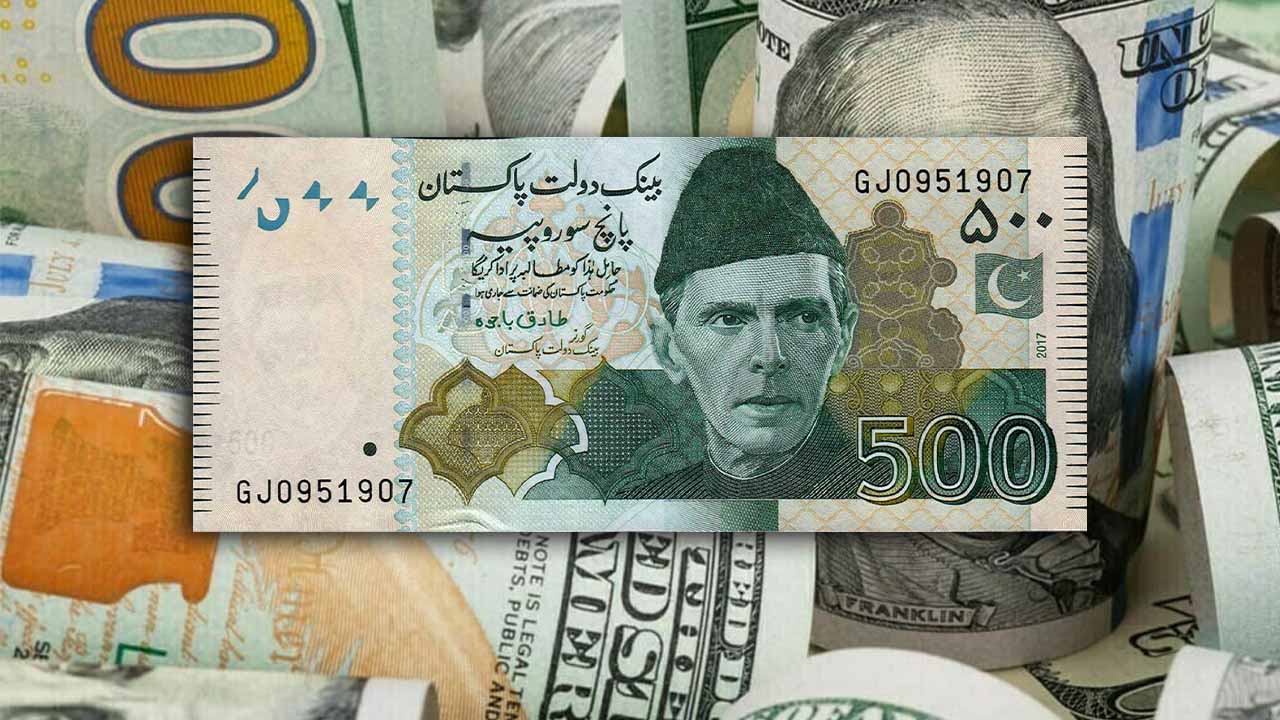
  • Pakistani rupee gains value, now at Rs292.78 per US dollar

    Pakistani rupee gains value, now at Rs292.78 per US dollar

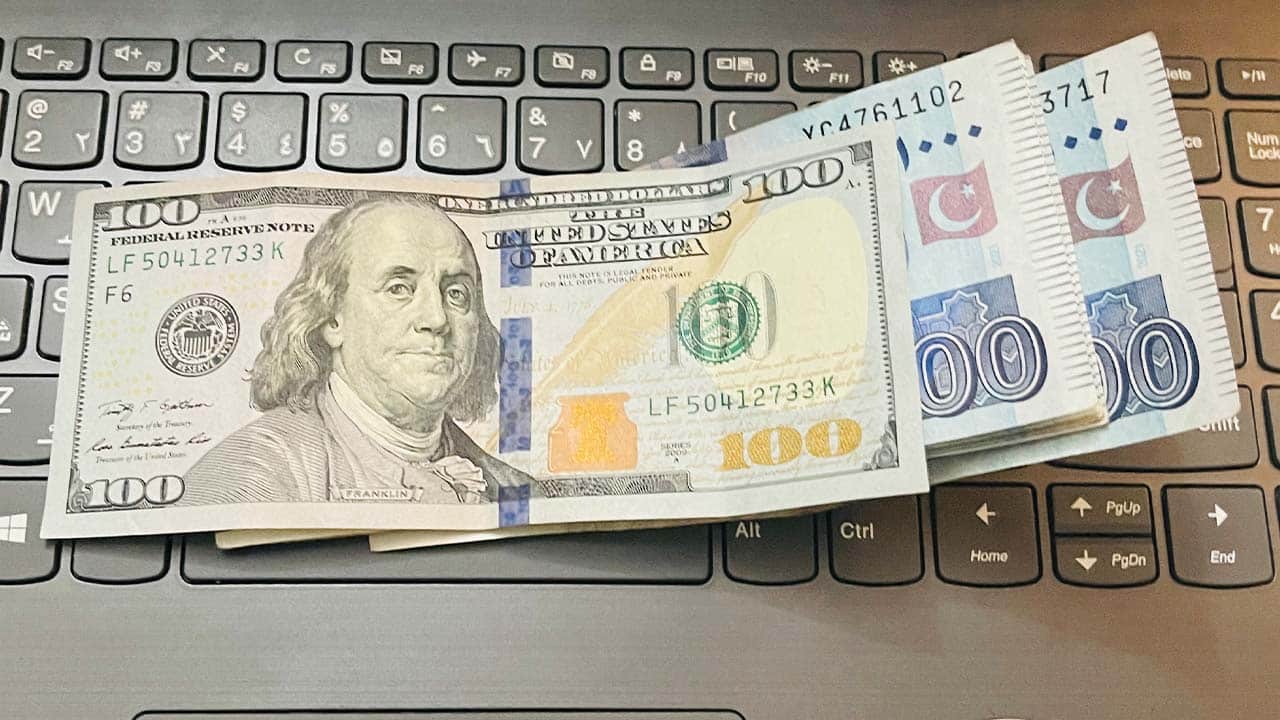
    The Pakistani rupee’s ascent against the US dollar persisted for the 12th consecutive session in the inter-bank market on Thursday, registering a 0.38 per cent gain.

    According to the State Bank of Pakistan (SBP), the rupee settled at 292.78, marking a notable increase of Rs1.1 within the inter-bank market. Just the day before, on Wednesday, the rupee had exhibited a similar upward trend, appreciating by 0.35 per cent and settling at 293.88.

    This remarkable turnaround in the rupee’s value follows a recent period of decline, during which it hit a record low of 307.1 in the inter-bank market on September 5.

    The transformation in its fortune can be attributed to a series of structural reforms introduced by the State Bank of Pakistan (SBP) within the Exchange Companies’ (ECs) sector, along with various administrative measures implemented by authorities to combat currency smuggling and hoarding.

    On the global stage, the US dollar reached new heights on Thursday, notably against the yen, marking its strongest position since November.

    This surge in the dollar’s strength followed a hawkish stance taken by the US Federal Reserve at its recent monetary policy meeting, where it opted to maintain interest rates within the 5.25 per cent–5.50 per cent range.

    The Fed’s decision reflected a growing confidence among officials that their assertive monetary policy approach can effectively combat inflation without causing significant economic disruption or substantial job losses.

    Conversely, oil prices experienced a decline on Thursday, following the previous session’s significant drop, as expectations of US interest rate hikes overshadowed the impact of reduced US crude stockpiles.
  • Punjab food department ceases wheat quota subsidy 

    Punjab food department ceases wheat quota subsidy 

    The Punjab Food Department has decided to discontinue a substantial subsidy programme linked to the allocation of government wheat quotas. 

    Officials responsible for this matter have informed the media that the government has set the price of wheat at Rs3,900 per maund, with the distribution of wheat from the government quota to flour mills commencing on October 15th.  

    Within the framework of the government quota, wheat will be made available to 1,000 operational flour mills at a rate of Rs4,450 per maund.  

    In the wake of the issuance of government wheat quotas, a 20-kilogramme bag of flour will be retailed at Rs2,600, while in the open market, the same 20-kilogramme bag of flour is currently selling for Rs2,750.  

    These officials have also disclosed that the Punjab Food Department currently maintains a wheat stockpile of over 40 lakh tonnes.  

    Read more: IMF urges Pakistan to increase taxation on the rich and ‘protect the poor’ 

    In June, the Punjab Food Department had temporarily halted the allocation of wheat quotas to flour mills, opting instead to conduct wheat auctions in accordance with the regulations set forth by the Public Procurement Regulatory Authority (PPRA).  

    As reported by ARY News, the Punjab Food Secretary mentioned that mill owners are eligible to participate in these auctions.  

    Furthermore, the provincial government is contemplating the provision of direct subsidies on flour, with these measures aimed at curbing any irregularities associated with the allocation of wheat quotas. 

  • IMF urges Pakistan to increase taxation on the rich and ‘protect the poor’

    IMF urges Pakistan to increase taxation on the rich and ‘protect the poor’

    International Monetary Fund (IMF) Managing Director (MD) Kristalina Georgieva has urged Pakistan to increase taxation for the rich and safeguard the well-being of the less privileged. She said that these actions align with the desires of the people in Pakistan. 

    According to Geo News, speaking on the sidelines of the 78th United Nations General Assembly (UNGA) session in New York, she stated, “What we are asking in our programme is that you please collect more taxes from the wealthy and please protect the poor people of Pakistan. I do believe this is in line with what people in Pakistan would like to see for the country.”

    In a separate social media post after a meeting with Pakistan’s caretaker prime minister, Anwaar ul Haq Kakar, Georgieva stated, “Very good meeting with Pakistan’s PM today on Pakistan’s economic prospects. We agreed on the vital need for strong policies to ensure stability, foster sustainable and inclusive growth, prioritise revenue collection, and provide protection for the most vulnerable in Pakistan.”

    Furthermore, the Prime Minister’s Office (PMO) released a statement expressing gratitude for the IMF’s approval of a $3 billion stand-by agreement (SBA) to support Pakistan’s economy. The arrangement, approved by the IMF’s Executive Board in July, is set for its second review in November.

    The statement mentioned that Kakar briefed the MD IMF on various measures taken by the Government of Pakistan to stabilise and revive the country’s economy, with a focus on creating a stable environment for sustainable economic growth and investment, particularly for vulnerable segments of society.

    Kristalina Georgieva commended Pakistan’s concerted efforts in implementing policies and reforms to revive the economy and assured continued engagement with Pakistan.

    Read more: UAE bans fresh meat imports from Pakistan 

    In July, Pakistan secured a last-minute SBA with the IMF, providing relief to its economy, which had long grappled with a boom-and-bust cycle due to the absence of meaningful structural reforms. High inflation and a balance-of-payments crisis have led to economic distress, prompting the Asian Development Bank (ADB) to revise its growth outlook for the country.

    Low foreign exchange reserves have resulted in import restrictions as debt payments remained high and avenues for dollar inflows were limited.

    Anwaar-ul-Haq Kakar also called upon the international community to find a lasting solution to the debt issues faced by 59 countries in debt distress, emphasising the need for global and regional cooperation to achieve sustainable development goals. 

    He highlighted the importance of resources for developing countries and reiterated Pakistan’s commitment to supporting the Global Development Initiative. Kakar also noted the significance of China’s Belt and Road Initiative (BRI) and China-Pakistan Economic Corridor (CPEC) in achieving sustainable development goals.

  • Fungus found: UAE bans fresh meat imports from Pakistan

    Fungus found: UAE bans fresh meat imports from Pakistan

    The United Arab Emirates (UAE) has imposed a ban on the importation of fresh meat from Pakistan.

    This decision stems from the discovery of fungal contamination in frozen meat shipments from Pakistan via the sea route.

    As reported by ARY News, the presence of fungus on meat imported by a Karachi-based company prompted the UAE to enact this ban, which will be in effect until October 10.

    It’s worth noting that Pakistan typically exports fresh meat valued at $12 million monthly to the UAE through maritime channels.

    Pakistan primarily directs a significant portion of its meat exports towards the United Arab Emirates, Saudi Arabia, and Bahrain.

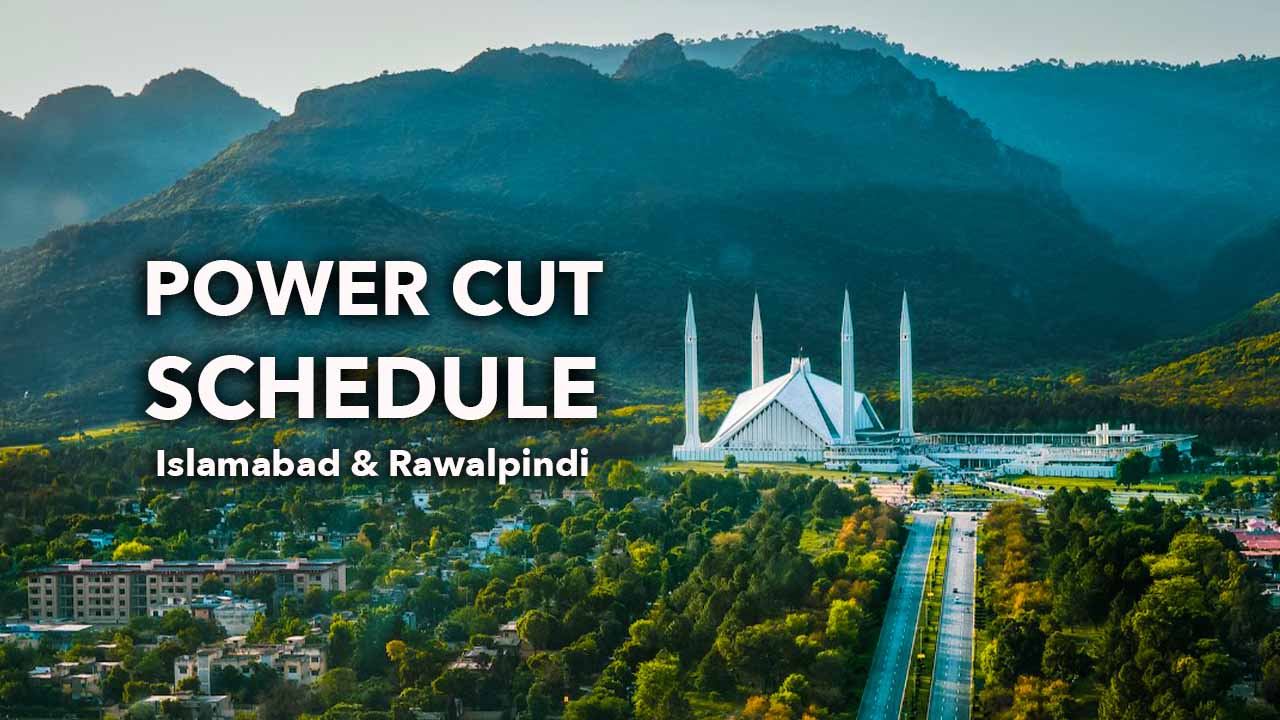
  • Power outage alert: Residents of Rawalpindi and Islamabad to experience disruption today 

    Power outage alert: Residents of Rawalpindi and Islamabad to experience disruption today 

    Residents of Rawalpindi and Islamabad are slated to experience a power outage today. The Islamabad Electric Supply Company (IESCO) has announced a scheduled power suspension programme for various areas within its jurisdiction. This planned interruption is imperative to facilitate necessary maintenance and routine development work. 

    According to an IESCO spokesperson, the power supply to different feeders and grid stations will be temporarily suspended during specific time windows. From 08:00 AM to 01:00 PM, the affected areas include Islamabad Circle, Anguri, NCP, Mengyal, Shahdara, Shahpur, Khayaban Iqbal, Pir Suhawah, Quaid-e-Azam University, Punjab House, Bari Imam, Mandala, Athal, NIH, and Suhadran Road Feeders. 

    Additionally, from 07:00 AM to 12:00 Noon, the power supply will be interrupted in the following areas: Islamabad Circle, SES, Fazal Ghi, NDC-1, H-11/4, I-10/2, New Exchange, Kidney Centre, Dr AQ Khan, Islamic University, Bahria University, G-10/1, 2 & 4, G-9/1, CWO, Dhok Najo, Raja Sultan, Eid Gah, Khasala, I-8/4, Service Road, Muslim Town, and FHS Feeders. 

    This scheduled power outage will also affect areas within Rawalpindi Cantt Circle, including FECHS, Swan Garden-I, IST, New Rawat, Old Rawat, CWO, AOWHS, and Sparco Feeders. Furthermore, areas covered by Rawalpindi City Circle, Pindhon, I-14/3, Noon, I-16/1, HPT Radio Pak, Lakho Road, Ameer Hamza, Officer Colony, New Milpur, Jinnah Camp, KRL, Zeeshan Colony, and Lakho Feeders will experience power interruptions. 

    According to APP, residents in Attock Circle, specifically Ghorghashti, Bara Zee, Maskinabad, Shah Dir, Radio Pak-I & II, Larnpur, Qaziabad, GBHP Colony, HMC Road, Taxila, Sher Shah Suri, Islampura Feeder, Chakwal Circle, Chakra Feeders, Jhelum Circle, and F-3 Gul Afshan, Sanghui, Chotala, Kantrela, Pakhwal feeders, and their surrounding areas will also be affected by this planned power suspension. 

  • PKR gains for 11th straight session, reaches Rs293.88 per dollar

    PKR gains for 11th straight session, reaches Rs293.88 per dollar

    The Pakistani rupee continued its upward trend against the US dollar, marking the 11th consecutive session of appreciation in the interbank market on Wednesday.

    According to the State Bank of Pakistan (SBP), the rupee closed at 293.88, reflecting a 0.35 per cent increase. This follows a 0.36 per cent appreciation on Tuesday, when it settled at 294.90.

    Recent days have seen a remarkable strengthening of the rupee, with a nearly 4.5 per cent gain since hitting a record low of 307.1 in the inter-bank market on September 5. 

    This turnaround is attributed to structural reforms introduced by the State Bank of Pakistan (SBP) in the Exchange Companies’ (ECs) sector and reported efforts to combat smuggling, both of which have provided support to the currency markets.

    Globally, the US dollar remained steady on Wednesday, with a slight softening against the yen, in anticipation of the Federal Reserve’s highly anticipated rate decision later in the day. 

    The US dollar index, which gauges the greenback against a basket of currencies, held steady at 105.13 as traders awaited the Fed’s announcement. Market expectations are that the Fed will likely maintain interest rates in the range of 5.25 per cent to 5.50 per cent, putting the spotlight on the central bank’s forward guidance.

    Meanwhile, oil prices, a significant indicator of currency stability, declined by nearly $1 on Wednesday, ahead of the US Federal Reserve’s interest rate decision. Investors remain uncertain about when peak interest rates will be reached and the potential impact on energy demand. 

    These price drops occurred despite larger-than-expected reductions in US oil stockpiles and weaker US shale output, both of which point to limited crude supply for the remainder of 2023.

  • Significant decline in mobile phone imports in two months

    Significant decline in mobile phone imports in two months

    In the current financial year, the volume of imports of mobile phones was 89.93 million dollars

    In the first two months of the current financial year, a significant decline has been recorded in the imports of mobile phones.

    According to data from the State Bank of Pakistan, the volume of imports of mobile phones in July and August was 8.314 million dollars. In the same period last year, the volume of imports of mobile phones was recorded at 59.31 million dollars.

    The statistics also revealed that during the last month in August, foreign exchange was spent on the import of mobile phones worth 4.979 million dollars, which was 3.33 million dollars in June and 43.66 million dollars in August last year.

    The volume of imports of mobile phones recorded in the current fiscal year was 89.93 million.

  • Power sector’s circular debt surpasses Rs2 trillion despite massive tariff increase 

    Power sector’s circular debt surpasses Rs2 trillion despite massive tariff increase 

    Despite raising tariffs significantly, Pakistan’s power sector debt grew to Rs2.31 trillion by June 2023, up from Rs2.25 trillion in the previous fiscal year (FY22). This increase of Rs57 billion (about 3 per cent) over 12 months is quite different from FY22 when the debt actually decreased by Rs27 billion. 

    Here’s a breakdown of the key points: 

    1. In FY22, the debt was Rs2.25 trillion, but by June 2023, it had risen to Rs2.31 trillion. 

    2. In FY22, power producers were owed Rs1,351 billion, generation companies owed Rs101 billion to fuel suppliers, and Rs800 billion was held in Pakistan Holding Limited (PHL).  

    3. In FY22-23, the debt to power producers increased to Rs1,434 billion, while the debt to PHL decreased to Rs765 billion in FY23. 

    4. In FY22, some subsidies were reduced by Rs12 billion, but in FY23, there were no subsidies left. 

    5. The interest charges on delayed payments by independent power producers (IPPs) increased to Rs105 billion in FY22 but dropped to Rs100 billion by the end of FY23. 

    6. The markup paid on IPPs’ claims by PHL increased from Rs29 billion in FY22 to Rs43 billion in FY23. 

    7. The pending generation cost, including tariff adjustments and fuel charges, decreased from Rs414 billion in FY22 to Rs250 billion in FY23. 

    8. K-Electric’s outstanding dues went from Rs107 billion in FY22 to an excess payment of Rs53 billion in FY23. 

    9. However, power distribution companies (Discos) saw their losses due to inefficiency rise from Rs133 billion to Rs160 billion in FY23. 

    Read more: Pakistan to launch digital rupee to reduce printing and distribution costs 

    In simple terms, even though the government raised tariffs to collect more money for the power sector, the debt continued to increase. This debt is owed to various power-related entities, and some subsidies and charges also changed over the years. Additionally, while some costs went down, the losses due to inefficiencies in power distribution increased. 

  • Rice exports from Pakistan decline by 17.33% in first two months of current fiscal year 

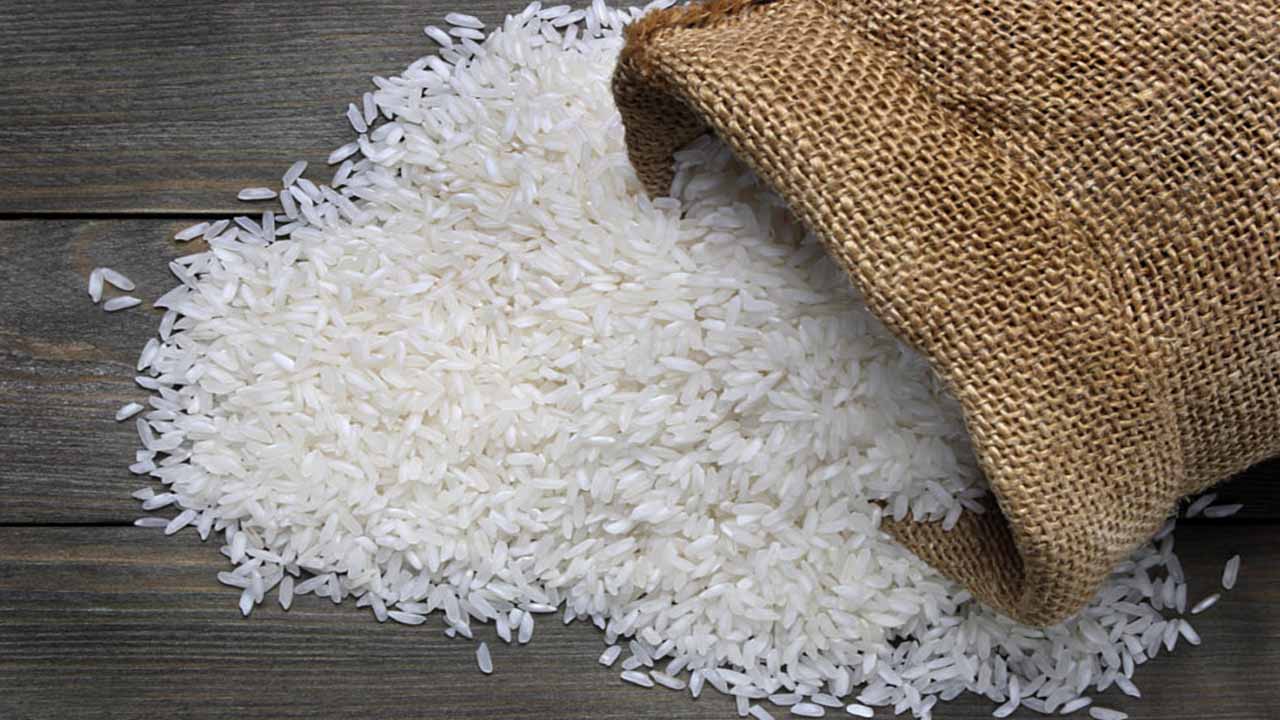
    Rice exports from Pakistan decline by 17.33% in first two months of current fiscal year 

    During the initial two months of the current fiscal year, a total of 340,237 metric tonnes of rice, with a market value of $233.991 million, were exported. This marked a notable contrast with the previous year’s corresponding period, which recorded exports of 507,144 metric tonnes of rice valued at $283.056 million.  

    According to data provided by the Pakistan Bureau of Statistics, rice exports from July to August 2023 witnessed a 17.33 per cent decline in comparison to the same period in the previous year. 

    However, within this timeframe, Basmati rice exports experienced 8.29 per cent growth. Approximately 79,257 metric tonnes of Basmati rice, valued at $94.733 million, were exported, compared to the previous year’s figures of 84,709 metric tonnes at a cost of $87.480 million. 

    Concurrently, the nation achieved earnings of $39.338 million by exporting approximately 20,539 metric tonnes of fish and fish preparations, showing an improvement from the previous year when 15,922 metric tonnes of these products were exported, amounting to $38.086 million. 

    Read more: WhatsApp to introduce animated avatars for video calls soon 

    It is noteworthy that overall food group exports in the first two months of the current fiscal year registered a modest decrease of 1.65 per cent. The total value of food commodities exported during this period amounted to $711.748 million, contrasting with the previous year’s export value of $723.696 million for the same duration. 

    On the other hand, food group imports into the country during the initial two months of the current fiscal year witnessed a substantial decline of 26.91 per cent when compared to the corresponding period of the previous year. From July to August 2023, food imports decreased from $1.783 billion to $1.303 billion. 

  • US Embassy in Islamabad reduces visa wait times for Pakistanis

    US Embassy in Islamabad reduces visa wait times for Pakistanis

    The US Embassy in Islamabad has announced to reduce the visa appointment wait times for Pakistani people.

    According to the official announcement by the US Embassy on their X, formerly Twitter account, ‘Demand for US visas is the highest it has ever been. We are processing more visa applications than ever before and are working hard to bring down visa appointment wait times.’

    In order to reduce the waiting time, the US has announced three ways for visa applicants from Pakistan to meet the ‘unprecedented demand’ for US visas.

    ‘First, we have expedited thousands of non-immigrant visa appointments. More than ten thousand Pakistani visa applicants originally scheduled for 2024 at the US Consulate General in Karachi are receiving notice that their appointments have been rescheduled for 2023, some as early as next week. If you have a visa appointment in the next few months at the US Consulate General in Karachi, please check your e-mail and log-in to your account at our website to confirm your expedited appointment time.’

    The second method is that ‘to create added flexibility for Pakistani travellers, visa applicants can rebook appointments at either the Consulate General in Karachi or the US Embassy in lamabad—whichever  works best for them. Our hope is that this will allow applicants more freedom and flexibility to find a convenient date, time, and location.’

    Furthermore,’starting September 25, US Consulate General Karachi will begin accepting new interview waiver applications for some applicants who have previously been issued US visas. Applicants can check ustraveldocs.com/pk to determine whether they are eligible, print out a confirmation letter, and submit their application materials to a drop box without the need for an appointment. The US Embassy in Islamabad is already accepting interview waiver applications for qualified applicants.’

    It is pertinent to mention here that the United States Embassy in Pakistan has announced that it will facilitate Pakistanis applying for the country’s visa with a new optional visa delivery policy.