Category: Business

  • Rangers seize sugar worth Rs1 billion in crackdown against hoarders 

    Rangers seize sugar worth Rs1 billion in crackdown against hoarders 

    In a well-executed operation against sugar hoarders in Karachi, Rangers seized a significant quantity of sugar valued at Rs1 billion.

    They conducted raids at two separate sugar warehouses on Hub River Road in Baldia Town, resulting in the recovery of about 140,000 bags of sugar, as confirmed by the paramilitary spokesperson.

    The estimated value of the confiscated sugar is over Rs1 billion. Interestingly, this sugar was destined for illegal smuggling into Afghanistan via Balochistan, and it has been handed over to the civil authorities for legal action.

    The surge in sugar prices, exceeding Rs200, prompted the government to crack down on sugar hoarding nationwide, aiming to control the artificial inflation of this essential commodity.

    This crackdown not only recovered thousands of sugar bags but also led to the arrest of individuals involved in the illicit sugar trade, known as “sugar mafias,” who were stockpiling and selling sugar at high prices.

    While effectively addressing sugar hoarding, this campaign also reduced sugar prices in the local market. Recent data from the Pakistan Bureau of Statistics (PBS) shows a significant 9.11 per cent decrease in sugar prices.

    In a well-executed operation against sugar hoarders in Karachi, Rangers seized a significant quantity of sugar valued at millions of rupees, as reported by The News on Saturday.

    They conducted raids at two separate sugar warehouses on Hub River Road in Baldia Town, resulting in the recovery of about 140,000 bags of sugar, as confirmed by the paramilitary spokesperson.

    The estimated value of the confiscated sugar is over Rs1 billion. Interestingly, this sugar was destined for illegal smuggling into Afghanistan via Balochistan, and it has been handed over to the civil authorities for legal action.

    The surge in sugar prices, exceeding Rs 200, prompted the government to crack down on sugar hoarding nationwide, aiming to control the artificial inflation of this essential commodity.

    This crackdown not only recovered thousands of sugar bags but also led to the arrest of individuals involved in the illicit sugar trade, known as “sugar mafias,” who were stockpiling and selling sugar at high prices.

    While effectively addressing sugar hoarding, this campaign also reduced sugar prices in the local market. Recent data from the Pakistan Bureau of Statistics (PBS) shows a significant 9.11 per cent decrease in sugar prices.Additionally, this effort against hoarders and smugglers had a broader positive impact.

    Weekly inflation decreased by 0.25 per cent in the week ending on September 14, reversing seven consecutive weeks of inflation, mainly due to lower prices of chicken and sugar in local markets following government intervention.
  • Govt raises petrol price by Rs26.02 per litre, diesel by Rs17

    On Friday night, the interim government implemented a significant adjustment in fuel prices. The cost of petrol rose by Rs26.02 per litre, reaching a new rate of Rs331.38 per litre, while high-speed diesel (HSD) saw an increase of Rs17.34 per litre, settling at Rs329.18 per litre.

    The Ministry of Finance made this announcement via a post on X (formerly known as Twitter) after midnight.

    This decision was driven by the continuous upward trajectory of petroleum prices in the global market. It’s important to note that there were no alterations made to the rates of kerosene or light diesel oil.

    This latest price surge closely follows a substantial hike on September 1, when the interim government elevated fuel prices by up to Rs18 per litre. This increase was preceded by similar adjustments made by the interim government on August 15.

    The rationale behind these price adjustments lies in adherence to existing tax structures and import parity prices. These changes were primarily necessitated by currency fluctuations and a slight uptick in international oil prices.

  • Karachi wholesale grocers announce market shutdown in protest against alleged illegal raids, fines

    Karachi wholesale grocers announce market shutdown in protest against alleged illegal raids, fines

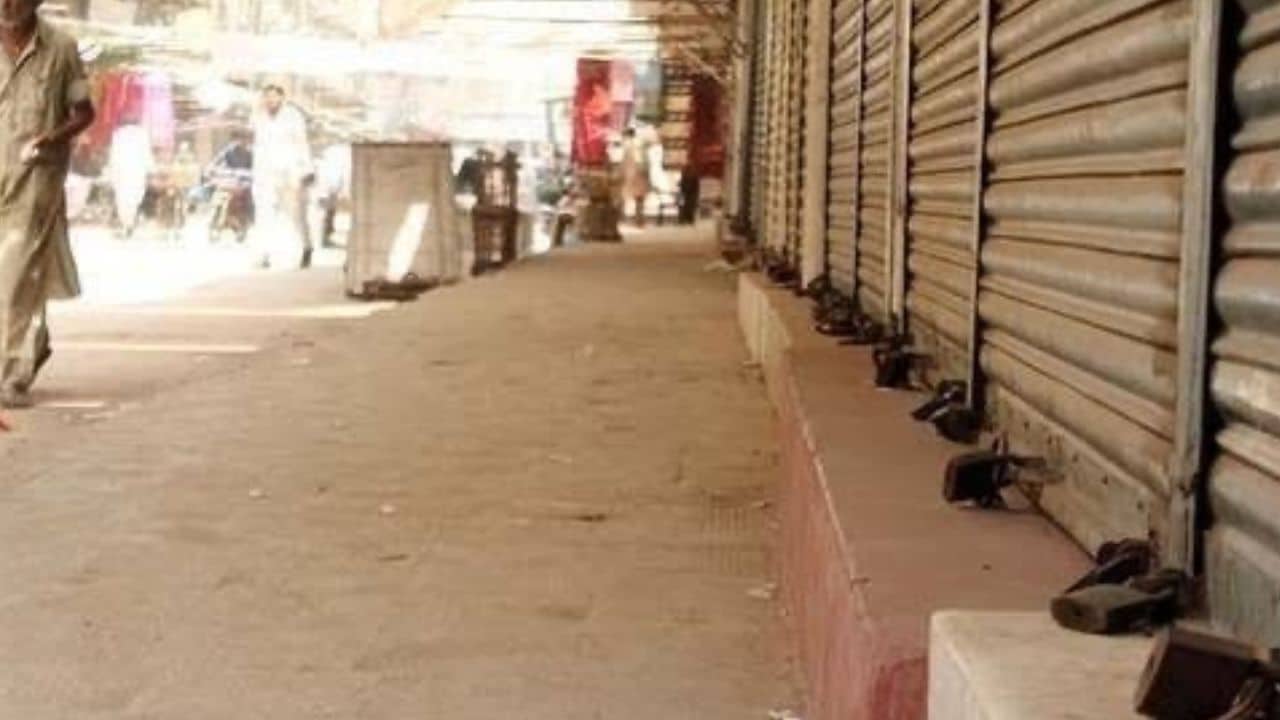
    Wholesalers in Karachi are set to stage a market shutdown on Monday in protest of what they consider unlawful raids and penalties imposed by the district administration in an effort to combat hoarding.

    According to ARY News, Rauf Ibrahim, the Chairman of the Karachi Wholesale Grocers Association (KWGA), held a press conference today, expressing concern that the district administration’s actions have created fear among traders due to shop and go-down closures. 

    He cautioned that they would cease operations at wholesale markets on Monday unless the district administration unseals these establishments. He said if these unjust raids and fines persist, we will suspend commodity markets on Monday.

    Ibrahim alleged that the district administration is sealing shops and go-downs under the pretext of cracking down on hoarding. He cited an instance where a shop owner in Joria Bazar was fined Rs30,000 for storing just two sacks of sugar.

    He criticised the categorisation of wholesalers with 100 to 500 sacks of sugar as hoarders and stressed that traders are willing to cooperate with authorities during hoarding crackdowns.

    Ibrahim urged the administration to take decisive action against genuine hoarders.

    To combat hoarding, federal and provincial governments have initiated operations in various cities, including Lahore, Rawalpindi, Islamabad, Faisalabad, Peshawar, Quetta, and Dera Ismail Khan, resulting in the confiscation of illegally stockpiled sugar.

    Meanwhile, a spokesperson for the Utility Stores Corporation (USC) assured that there is an ample supply of sugar available at controlled prices nationwide.

  • Only over our dead bodies: PIA HR chief refutes closure rumours

    Only over our dead bodies: PIA HR chief refutes closure rumours

    The Head of Human Resource (HR) at Pakistan International Airlines (PIA) dismissed media reports about the airline’s poor financial condition and potential closure. He stated, “It will happen only over our dead bodies.” 

    These comments came during a meeting with the Chairman of the Senate Standing Committee on Aviation, Hidayatullah, who had noticed a senior PIA director’s statement about possible closure within 15 days.

    Hidayatullah initiated an investigation and mandated that only the airline’s spokesperson or PR department should communicate with the media.

    A private TV channel had reported concerns about flight operations being suspended by September 15 without emergency funds.

    During the meeting, the HR chief presented an overview of PIA employees, including qualifications, experience, and positions, with a focus on Group IV and above.

    According to Dawn, the committee members stressed their preference for hiring native Pakistanis for overseas roles. The HR chief highlighted the predominance of Pakistani-origin staff in such positions. 

    Performance evaluations for UK-based employees were discussed to ensure fair assessments.

    Furthermore, the HR chief disclosed the dismissal of two employees in Saudi Arabia due to fake degrees, with another under scrutiny. He assured me that all cases were being closely monitored.

  • PIA faces flight cancellations and delays as financial crisis intensifies

    PIA faces flight cancellations and delays as financial crisis intensifies

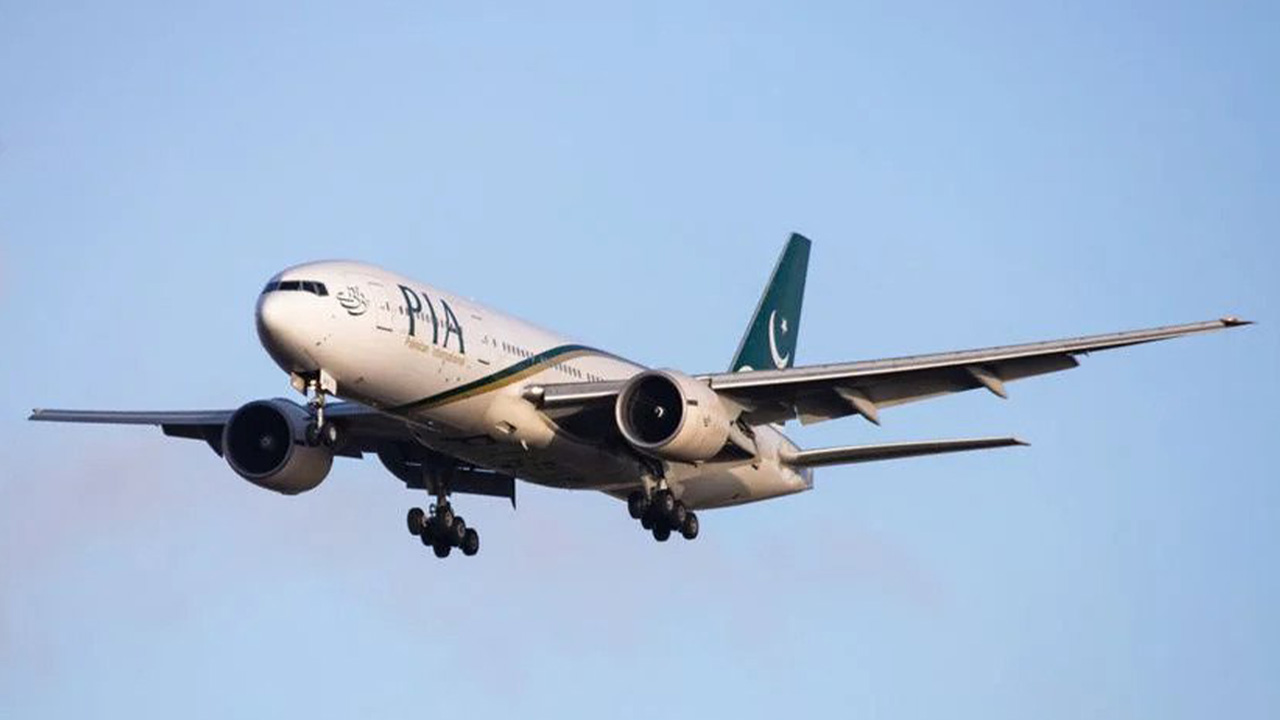
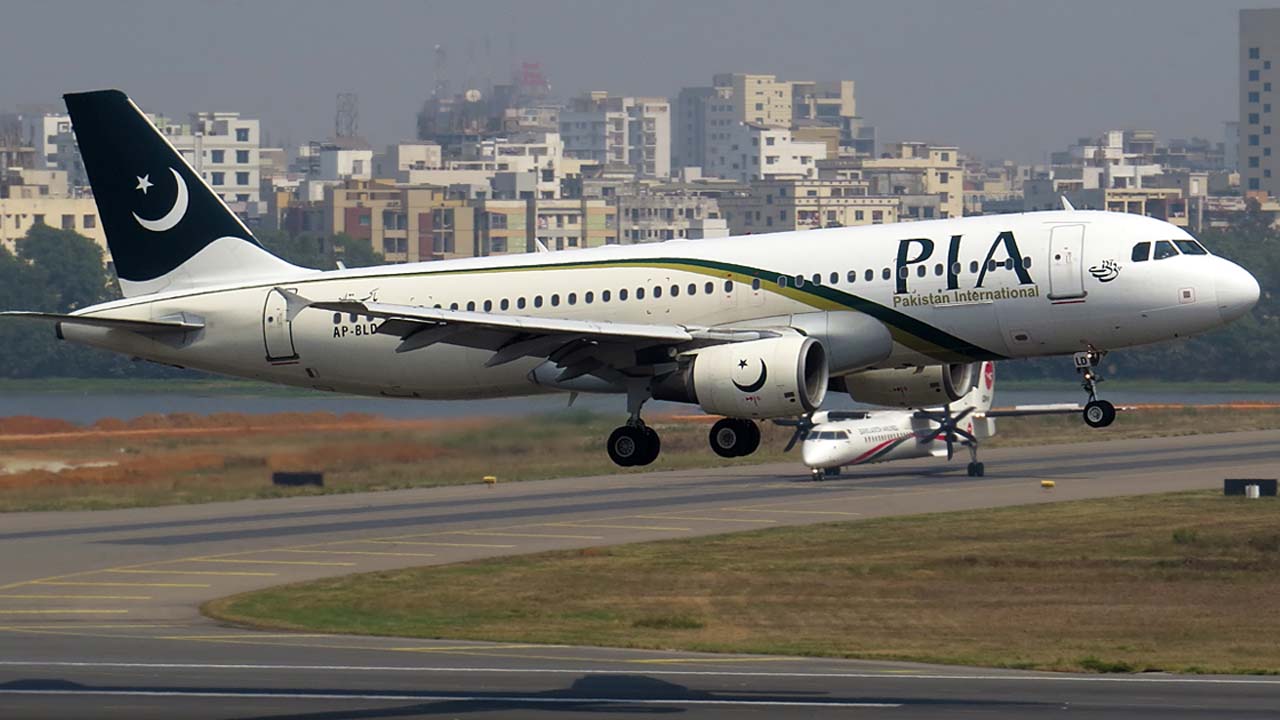
    Pakistan International Airlines (PIA), currently grappling with severe financial challenges, has been compelled to cancel multiple domestic and international flights.

    An authoritative representative of the national flag carrier conveyed to Geo News that there’s a looming risk of suspending flight operations by September 15, today, unless urgent financial support is extended.

    This predicament initially materialised on August 12, when numerous domestic flights, both departing from and arriving in Karachi, had to be abruptly canceled. This unfortunate situation was attributed to a combination of financial constraints and the inability to settle outstanding dues owed to Pakistan State Oil (PSO) for fuel supply.

    An examination of today’s schedule at Jinnah International Airport reveals a series of disruptions in PIA’s services. Notably, flights from Karachi to Bahawalpur (PK588 and PK589) and Karachi to Lahore (PK302 and PK303) have been canceled.

    Furthermore, the Karachi to Islamabad flight (PK368) faces a three-hour delay, while the Karachi to Lahore flight (PK304) encounters an extensive delay of eight and a half hours.

    Additional disruptions include the cancellation of PIA flights between Karachi and Rahim Yar Khan (PK582 and PK583), along with delays for Karachi to Multan (PK330) and Dubai (PK213), both postponed by two hours.

    Moreover, the Islamabad to Karachi flight (PK301) has been cancelled; Islamabad to Riyadh (PK753) is running three hours behind schedule; and Lahore to Karachi (PK305) faces a delay of two and a half hours.

    PIA’s financial struggles have been escalating, with the airline revealing on September 7 that it had grounded five of its 13 leased aircraft, potentially grounding an additional four due to the ongoing financial strain. 

    A plea for an urgent bailout of Rs22.9 billion was met with rejection by the Economic Coordination Committee (ECC). The ECC also declined the request to defer payments, including Rs1.3 billion per month to the Federal Board of Revenue (FBR) for Federal Excise Duty (FED) and Rs0.7 billion per month to the Civil Aviation Authority (CAA) for embarking charges.

    Adding to the airline’s woes, PIA cautioned of possible suspensions in the supply of spare parts by Boeing and Airbus come mid-September. In the previous month, the Federal Board of Revenue of Pakistan (FBR) took the drastic step of freezing 13 PIA bank accounts due to non-payment of Rs8 billion in FED.

  • Pakistani rupee surges 0.43% versus US dollar in inter-bank trading

    Pakistani rupee surges 0.43% versus US dollar in inter-bank trading

    The Pakistani rupee displayed resilience against the US dollar, registering a noteworthy 0.43 per cent appreciation in the early hours of trading within the inter-bank market on Friday.

    By 11:15 am, the rupee had reached a level of 296.68, marking a substantial increase of Rs1.28 in the inter-bank market.

    In contrast, on the previous Wednesday, the rupee had demonstrated a 0.29 per cent appreciation, ultimately settling at 297.96.

    Concurrently, the Monetary Policy Committee (MPC) of the State Bank of Pakistan (SBP) opted to maintain the key policy rate at 22 per cent, anticipating a future decline in inflation.

    This decision mirrors the MPC’s stance during the preceding meeting, indicating a consistent status quo in the policy rate despite market expectations of a potential rate hike.

    Internationally, the US dollar maintained relative stability in the Asian market on Friday, slightly retreating from its recent gains against other currencies. This shift coincided with the strengthening of the yuan, driven by positive economic data from China.

    The US dollar’s surge was driven by an unexpected increase of 0.6 per cent in August retail sales, surpassing the estimated 0.2 per cent rise. Additionally, market participants reacted to the European Central Bank’s 25-basis-point hike.

    While the US dollar index currently stands at 105.32, marginally lower than Thursday’s six-month peak of 105.43, it still maintains its overall strength.

    Furthermore, oil prices experienced an uptick on Friday, marking their third consecutive weekly gain. This rise was influenced by better-than-expected Chinese economic data and reports indicating record oil consumption, reinforcing the belief in continued high demand from the world’s second-largest crude consumer.

  • PM Kakar urges rapid privatisation of PIA as flight suspensions loom

    PM Kakar urges rapid privatisation of PIA as flight suspensions loom

    Interim Prime Minister Anwaar-ul-Haq Kakar has issued a directive to accelerate the privatisation process of Pakistan International Airlines (PIA), which has been facing substantial financial losses. This move comes in response to reports suggesting that PIA’s flight operations could be halted by September 15 unless emergency funding is secured. 

    In a recent interview with Geo News, a senior PIA director revealed that the airline had reduced its operational fleet from 23 to just 16 aircraft, resulting in numerous flight cancellations. Additionally, major aircraft manufacturers, Boeing and Airbus, had suspended the supply of spare parts to PIA due to outstanding payments, causing daily losses amounting to millions of rupees.  

    The dire situation was further exacerbated when a PIA plane was detained at Dammam airport and four others were held at Dubai airport due to unpaid fuel bills. 

    The official cautioned that unless emergency funds amounting to Rs23 billion were secured, flight operations might come to a standstill by September 15. In response to these pressing concerns, Prime Minister Kakar chaired a meeting regarding PIA-related matters and assigned the caretaker Minister for Privatisation, Fawad Hasan Fawad, to oversee the privatisation process with the utmost urgency.  

    The prime minister stressed the need for a swift privatisation process to ensure reliable services for users and to bring PIA’s standards in line with global aviation standards. 

    Furthermore, the prime minister urged all relevant stakeholders to collaborate in finding immediate solutions to the challenges associated with privatization. The meeting also included a briefing on the progress of the privatisation process at PIA. 

    Read more: Islamabad Police launches campaign to catch students bunking school and college 

    According to Geo, PIA has been grappling with severe financial difficulties, including the grounding of five out of its 13 leased aircraft, with the possibility of grounding four more due to ongoing financial constraints. The airline had previously requested an emergency bailout of Rs22.9 billion, which was rejected by the Economic Coordination Committee (ECC).  

    Additionally, requests for deferring payments of Rs1.3 billion per month to the Federal Board of Revenue (FBR) and Rs0.7 billion per month to the Civil Aviation Authority (CAA) were also denied by the ECC.  

    Moreover, PIA had warned of potential disruptions in the supply of spare parts by Boeing and Airbus by mid-September. In a further blow, the FBR froze 13 of PIA’s bank accounts due to unpaid dues totaling Rs8 billion in Federal Excise Duty (FED). 

  • State Bank maintains interest rate at 22% as inflation takes a breather 

    State Bank maintains interest rate at 22% as inflation takes a breather 

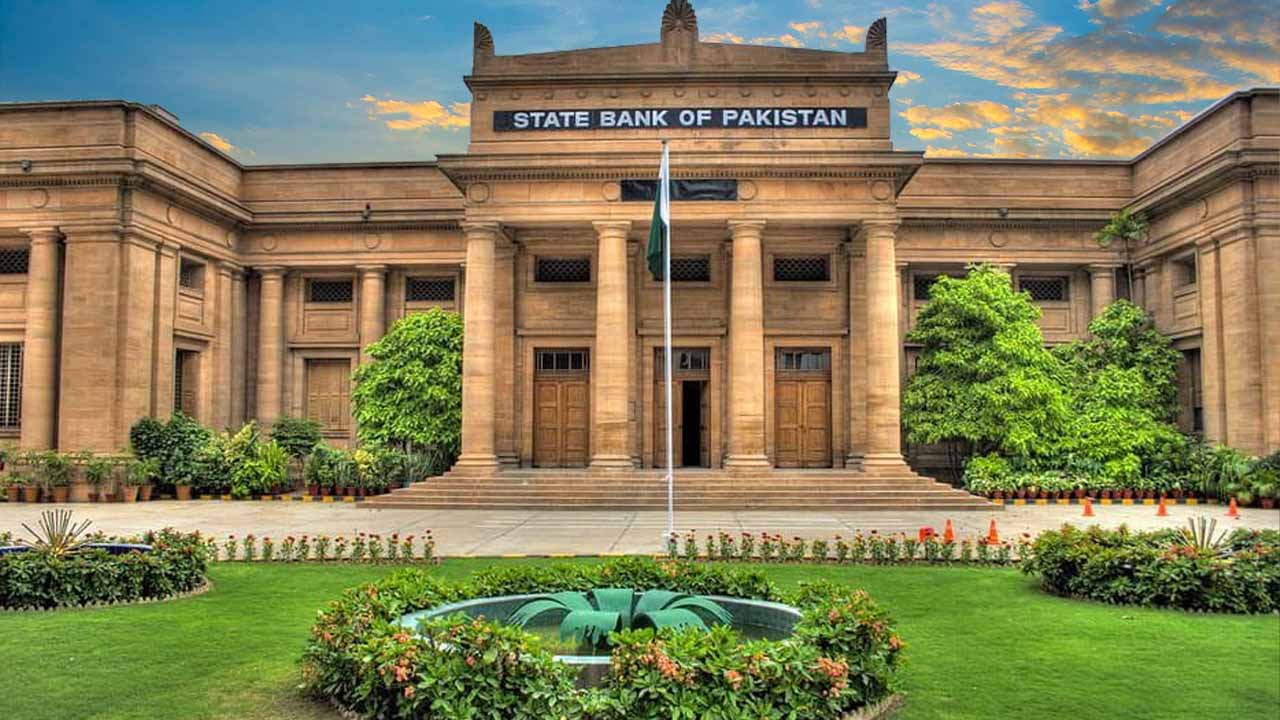
    The Monetary Policy Committee (MPC) of the State Bank of Pakistan (SBP) has announced its decision to maintain the key policy rate at 22 per cent, as outlined in their official statement released today. 

    The decision to uphold the policy rate at 22 per cent was reached after careful consideration by the MPC, which took into account various economic factors. One of the pivotal factors influencing this decision was the recent trend in inflation.

    In particular, the MPC noted a significant decline in inflation from its peak of 38 per cent in May to 27.4 per cent in August 2023. This trend, coupled with the expectation of a continued downward trajectory in inflation, was a key factor in maintaining the current policy rate. 

    Despite recent increases in global oil prices, which have been passed on to consumers through adjustments in administered energy prices, the MPC remains confident in the outlook for inflation, particularly in the latter half of the year. This optimism is based on several factors, including the positive territory of real interest rates on a forward-looking basis.

    Additionally, the expected alleviation of supply constraints due to improved agricultural output and recent administrative measures against speculative activities in the foreign exchange and commodity markets are anticipated to support a favorable inflation outlook. 

    The MPC also highlighted four noteworthy developments that have occurred since its last meeting in July: 

    1. Improved Agricultural Outlook: The latest data on cotton arrivals, improved input conditions, and satellite data indicating healthy vegetation for other crops have contributed to an improved outlook for agriculture. 

    2. Rising Global Oil Prices: Global oil prices have experienced an upward trajectory and are currently hovering around the $90/barrel level. 

    3. Current Account Deficit: As expected, the current account shifted from surplus to deficit in July, partly attributed to the recent relaxation of import restrictions. 

    4. Positive Regulatory Measures: Recent administrative and regulatory actions aimed at enhancing the availability of essential food commodities and curbing illegal activities in the foreign exchange market have started to yield positive results, narrowing the gap between interbank and open market exchange rates. 

    The SBP’s MPC affirmed its commitment to closely monitoring risks to the inflation outlook and expressed its readiness to take appropriate actions when necessary to achieve the objective of price stability.

    Furthermore, the MPC highlighted the importance of maintaining a prudent fiscal stance to manage aggregate demand effectively. This fiscal responsibility is seen as crucial to achieving the medium-term target of 5-7 per cent inflation by the end of the fiscal year 2025. 

  • 7th straight win: Pakistani rupee gains 86 paisas, closes at Rs297.96 per US dollar

    7th straight win: Pakistani rupee gains 86 paisas, closes at Rs297.96 per US dollar

    The Pakistani Rupee (PKR) has extended its impressive winning streak against the US dollar for the seventh consecutive session, concluding at PKR 297.96 to the dollar. This marks a gain of 86 paisas when compared to the previous rate of Rs298.82 in the interbank foreign exchange market on Wednesday.

    The PKR’s recent surge follows its all-time low of PKR 307.10 on September 5, 2023. Within this short span, the Pakistani rupee has appreciated by PKR 9.14, equivalent to an impressive 3 percent increase in the interbank foreign exchange market.

    Following a concerted effort by authorities to suppress illicit black market activities in the major cities of Pakistan, the Pakistani rupee continued its upward trajectory against the US dollar, marking a substantial three-point gain in the open market on Thursday.

    The Exchange Companies Association of Pakistan (ECAP) reported a noteworthy recovery of the rupee, which surged to 298 in relation to the greenback, reflecting a significant increase.

    This crackdown on black market operators was initiated earlier in the month in response to a precipitous decline in the rupee’s value, hitting a record low of Rs333.7 on September 5. The impetus for this decisive action stemmed from appeals made to Chief of Army Staff (COAS) Gen. Asim Munir by currency dealers, beseeching him to intervene and stabilise the escalating value of the American currency.

    As a direct outcome of these concerted efforts, the Pakistani currency rebounded to a level below 300 per dollar in the open market earlier this week. This positive shift also saw a substantial influx of tens of millions of dollars back into the country’s interbank and open markets, according to reports from dealers.

  • Indian-made iPhone 15 units expected to reach Pakistan soon

    Indian-made iPhone 15 units expected to reach Pakistan soon

    Apple is expected to release iPhone 15 units manufactured in India for sale in India and other countries. This means that we might also see these made in India iPhones in Pakistan, as Pakistani mobile sellers import iPhones from various countries like China, Japan, Hong Kong, and the US. While these Indian-made iPhones may not arrive in Pakistan directly from India, they are likely to become available as they enter international markets.

    Unfortunately, there are no official Apple stores in Pakistan, and there are limited authorised Apple product sellers. It remains uncertain how many iPhones made in India will be available in Pakistan in the future, but as Indian iPhone production increases, we can expect to see more of them.

    Although the majority of iPhone 15 units will still come from China, Apple’s efforts to scale production in India are making progress, reducing its reliance on Chinese manufacturing. Apple began assembling previous iPhone generations in India in 2017 and has been producing flagship iPhones there since 2020. The company aims to increase its production in India from 7 per cent to 25 per cent by 2025. However, there may still be some delays due to logistical challenges.

    Closing the production gap between China and India is crucial for Apple, as it provides a reliable manufacturing alternative and helps the company comply with India’s Make in India law to avoid steep tariffs. This move also aligns with Apple’s strategy to navigate geopolitical issues and local labour disputes.

    Given recent Chinese nationalism, which encourages the use of domestic brands like Huawei, this shift in production location is timely. Despite their high cost and the requirement for PTA approval in Pakistan, Apple iPhones remain popular among those who can afford them.