Category: Business

  • Petrol and diesel prices expected to surpass Rs300 per litre this week

    As global oil rates surge and the rupee’s value against the US dollar weakens, there are growing indications that petrol and diesel prices in Pakistan could soon breach the significant Rs300 mark. The Oil and Gas Regulatory Authority (Ogra) is reportedly contemplating recommending a substantial increase in petroleum product prices for the upcoming fortnight, in an attempt to address the challenges posed by these economic dynamics.

    Sources indicate that if the proposal is approved, petrol prices might experience a sharp upswing of around Rs12 per litre, while diesel could see an even more substantial increase of Rs14.83 per litre. These potential hikes, set to take effect from September 1, 2023, have sparked concerns about their impact on the already high inflation rate, which currently stands at 28 per cent.

    A senior official from the Energy Ministry has expressed apprehensions regarding the potential consequences of these price adjustments. Balancing the need to mitigate citizens’ financial burdens with the demands of existing agreements, the government is grappling with a challenging decision. Notably, any attempt to counteract the price hikes could put the caretaker government in a precarious situation, as it might be perceived as a default on the International Monetary Fund’s (IMF) stipulations tied to a $3 billion standby agreement (SBA) loan.

    The depreciation of the rupee against the dollar has further fueled the need for these adjustments. With the dollar’s value reaching Rs301.75 in the interbank market and around Rs319 in the open market, the impact on petroleum prices is undeniable. The authorities have decided to recalibrate their calculations, opting for a dollar rate of Rs299 to account for the recent Rs12 exchange rate impact.

    Beyond the exchange rate, the recent surge in LC (letter of credit) confirmation charges, marked by a 10 per cent increase, has also played a role in pushing petroleum prices upwards. These charges have contributed to the overall increase in the cost of PSO (Pakistan State Oil) petroleum products. Presently, Mogas (motor gasoline) is priced at Rs290.45 per litre; however, this could rise by Rs12 per litre if the recommendations are greenlit. Similarly, the price of HSD (high-speed diesel) might surge from Rs293.40 per litre to Rs308.23 per litre, assuming the proposed Rs14.83 increase goes into effect.

    According to The News, of particular concern is the potential hike in diesel prices, given its primary use in powering heavy transport vehicles, trains, and various agricultural engines. This ripple effect could raise the cost of essential commodities, putting pressure on consumers’ wallets. 

    On the other hand, a surge in petrol prices would directly affect private transportation, rickshaws, two-wheelers, and small vehicles, disproportionately impacting the budgets of middle and lower-middle-class citizens. The impending decision on petroleum prices presents a delicate challenge for the government, requiring a careful balance between economic realities, inflation concerns, and public sentiment.

  • Fact check: Islamabad Police confirm elderly protester is safe, debunking suicide rumours

    Fact check: Islamabad Police confirm elderly protester is safe, debunking suicide rumours

    In the midst of ongoing nationwide protests against escalating electricity bills, rumours of a tragic incident have emerged, capturing the attention of social media users and news outlets alike. A post that quickly gained traction depicted an elderly man, purportedly driven to despair by soaring electricity prices, who tragically took his own life by jumping off a bridge in Rawalpindi.

    The accompanying image showed the man lying on the road, an electricity bill resting on his chest. However, an investigation by the Islamabad Police has since confirmed that these claims are false.

    The viral post elicited an outpouring of sympathy and concern from prominent social media figures and digital news platforms, who shared the purported tragedy with deep sadness. However, as the post gained momentum, it also caught the attention of the Islamabad Police. Responding to the viral news, the authorities swiftly addressed the situation, clarifying that the incident as portrayed never occurred.

    In an official statement, the Islamabad Police stated, “The case of an elderly citizen jumping from a bridge has been circulating on social media. However, there is no truth to this news. While the elderly citizen did fall during the protest, he later safely returned home. Videos of this incident went viral among citizens on social media platforms. It’s important for citizens to refrain from disseminating such false information and instead report any suspicious activities by calling 15.”

    This incident serves as a reminder of the critical role that accurate information plays in shaping public perception and understanding of events. As protests continue to unfold across Pakistan, staying vigilant against the spread of unverified news is paramount to upholding the integrity of the ongoing discourse.

    Read more: Taxes in your electricity bill: What Pakistanis are paying and what for?

    It is crucial for both individuals and media outlets to exercise responsible reporting, ensuring that the facts are presented accurately and without distortion.

  • Taxes in your electricity bill: What Pakistanis are paying and what for?

    Taxes in your electricity bill: What Pakistanis are paying and what for?

    Protests against exorbitant electricity prices continued to grip Pakistan as consumers from all corners of the country voiced their frustration by burning electricity bills and chanting slogans denouncing overcharging. With Pakistan facing a severe economic crisis and inflation rates surging to a staggering 29 per cent, citizens are grappling with the overwhelming impact of inflated electricity costs.

    The outcry has intensified as incumbent authorities adhering to an IMF deal have slashed power sector subsidies, resulting in unprecedented price hikes that have burdened already inflation-weary citizens. The new pricing structure has set electricity rates at a record high, significantly affecting the cost of living for the nation’s over 240 million inhabitants.

    Central to the grievances is the manner in which electricity bills are calculated. The basic charge is linked to kilowatt-hours (kWh) or units consumed, a component that carries an array of additional taxes. These taxes, directly borne by the masses, have contributed to the mounting frustration felt by the population.

    An individual from Gujranwala recently shared an eye-opening example of the impact of these charges. Despite consuming around 212 units in the previous month, he received an electricity bill of Rs10,500, while the cost of the electricity consumed was merely around Rs6,400. The disparity between consumption and billing has drawn attention to the various components contributing to the final cost.

    For those consuming slightly over 200 units, the Fuel Price Adjustment (FPA) accounts for approximately Rs250. This adjustment is contingent on the price of the fuel used in electricity generation. If the cost of fuel rises during power generation, WAPDA (Water and Power Development Authority) levies an additional charge in subsequent billing cycles.

    Breaking down the bill further, it reveals a complex web of charges. An electricity duty of around Rs100 is imposed, accompanied by a General Sales Tax (GST) of Rs1,316.

    Additional charges include Income Tax amounting to Rs900 and Extra Taxes totaling Rs366. The bill also features a peculiar charge of Rs227 labeled as ‘Further Taxes,’ which has prompted criticism from citizens questioning its purpose and transparency.

    Additional charges on the bill encompass Rs365 for Sales Tax, Rs680 for Financing Cost Surcharge (FC Surcharge), and Rs115 designated as ‘Taxes on FPA.’ Notably, non-filers of income tax are subjected to supplementary charges on their utility bills.

    As confusion mounts among consumers regarding the breakdown of charges, it is imperative for electricity consumers to comprehend the various taxes levied on their monthly bills. Diverse categories of consumers are subject to a range of taxes, duties, and surcharges, contributing to the complex structure of electricity pricing in Pakistan.

    Below is a list of the taxes and levies imposed on electricity consumers in Pakistan:

    Electricity Duty: Ranging from 1.0 per cent to 1.5 per cent of Variable Charges, this provincial duty is levied on all consumers.

    General Sales Tax (GST): At a rate of 17 per cent of the electricity bill, GST is levied on all consumers under the Sales Tax Act 1990.

    PTV License Fee: Domestic consumers pay Rs35, while commercial consumers pay Rs60 as PTV license fee in their electricity bills.

    Financing Cost Surcharge: This surcharge of Rs0.43 per kWh applies to all consumer categories except lifeline domestic consumers.

    Fuel Price Adjustment (FPA): FPA represents the difference between actual fuel charges and reference fuel charges. Positive variation leads to a charge, while negative variation benefits the consumer.

    Extra Tax: Imposed on industrial and commercial consumers not registered in the active taxpayer list, rates range from 5 per cent to 17 per cent based on different bill amount slabs.

    Further Tax: Levied at a 3 per cent rate on all consumers without a Sales Tax Return Number (STRN), except for domestic, agriculture, bulk consumers, and street light connections.

    Income Tax: Charged at varying rates depending on the applicable tariff and the electricity bill amount.

    Sales Tax: Commercial consumers face a 5 per cent sales tax on bills up to Rs20,000 and a 7.5 per cent tax on bills exceeding Rs20,000.

    With public discontent on the rise, authorities are urged to address the concerns of citizens and seek a balanced approach that mitigates the impact of these charges on the already struggling populace.

    As the nation grapples with economic uncertainties, finding a solution that eases the burden on citizens while ensuring the sustainability of the power sector remains a pressing challenge.

  • Planning to travel on the motorway? You’ll be paying more for it now

    Planning to travel on the motorway? You’ll be paying more for it now

    The toll tariff for the Lahore-Islamabad Motorway (M2) underwent a 10 per cent increase, with the new rates becoming effective starting from Saturday, August 26th, 2023.

    The decision to revise the toll rates comes as the National Highways Authority (NHA) releases an official notification, citing the execution of a concession agreement with M/s Motorway Operations and Rehabilitation Engineering (Private) Limited, a subsidiary owned by the Frontier Works Organisation (FWO). 

    The agreement, which was formalised on April 23, 2014, pertains to the modernisation and overlay of the Lahore-Islamabad Motorway (M-2) under the Build-Operate-Transfer (BOT) framework. The agreement spans two decades.

    As per the terms stipulated in the concession agreement, an escalation of 10 per cent in toll rates is set to be implemented from the second operational year onward. Thus, from the 26th of August 2023 to the 25th of August 2024, the revised toll rates are set to take effect.

    According to the official notice provided by the NHA, the revised toll rates are outlined as follows:

    • Car/Jeep/Pickup: Rs1,100, equivalent to Rs3.07 per km
    • Van: Rs1,840, equivalent to Rs5.15 per km
    • Coaster: Rs2,590, equivalent to Rs7.22 per km
    • Coach: Rs3,690, equivalent to Rs10.29 per km
    • Truck: Rs4,800, equivalent to Rs13.39 per km
    • Trailer: Rs6,170, equivalent to Rs17.22 per km

    The decision to raise toll rates by 10 per cent reflects the ongoing economic trends in Pakistan, where a range of commodities and services have experienced notable price increments. 

    The revised toll rates are envisaged to contribute to the sustainability and enhancement of the Lahore-Islamabad Motorway infrastructure, supporting ongoing operational and maintenance efforts.

    As Pakistan grapples with economic dynamics, this adjustment in toll rates underscores the authorities’ focus on maintaining and improving critical transportation networks across the country.

  • PM Kakar sets 48-hour deadline for relief plan amid electricity bill protests

    PM Kakar sets 48-hour deadline for relief plan amid electricity bill protests

    Amid escalating protests across the nation demanding relief from inflated power bills, Caretaker Prime Minister Anwaar ul Haq Kakar has taken proactive steps to address the pressing issue. In response to the ongoing unrest, Prime Minister Kakar convened a high-level meeting yesterday to strategise and formulate a comprehensive relief plan within the next 48 hours.

    The focal point of the meeting was an informative briefing provided by the Power Division, shedding light on the notable increase in power bills during the month of July. Attended by esteemed members of the interim cabinet, including Dr Shamsad Akhtar, Dr Gohar Ijaz, and the PM’s advisor, Dr Waqar Masood, the meeting aimed to address the mounting concerns over the substantially high electricity bills. There are growing fears that if swift action is not taken, the situation could spiral into widespread public protests and potentially even riots.

    In the aftermath of the meeting, PM Kakar took to social media to communicate the intended course of action. “The Ministry of Energy and the Ministry of Finance have been tasked with collaboratively devising an action plan aimed at providing relief to the public with regard to their electricity bills,” announced the Prime Minister, reiterating the government’s commitment to addressing the pressing issue.

    Beyond seeking immediate measures to curtail electricity consumption on government premises, Prime Minister Kakar emphasised that consultations would be initiated with all provincial representatives. He further assured the public that the caretaker government was resolute in its commitment to providing the maximum possible relief while remaining within its designated mandate.

    The Caretaker Minister for Information and Broadcasting, Murtaza Solangi, echoed the Prime Minister’s sentiments by sharing the key outcomes of the meeting via social media. He conveyed that PM Kakar had stressed the urgency of devising an action plan within the next 48 hours to alleviate the mounting financial burden caused by excessive charges on electricity bills. The Prime Minister’s emphasis was on implementing measures that wouldn’t have a detrimental impact on the national exchequer yet would genuinely alleviate the financial strain on consumers.

    The meeting concluded with a comprehensive commitment to tackle electricity theft, roll out energy-efficient initiatives, and initiate dialogue with provincial chief ministers regarding the substantial charges incurred in July. The meeting also included detailed briefings on pertinent issues within the electricity sector and strategies to counteract electricity theft.

    Against the backdrop of sustained protests, political parties from diverse backgrounds have voiced their concerns and demands. Jamaat-e-Islami has taken a decisive step by announcing a nationwide strike on September 2 as a means of voicing their discontent with the drastic surge in electricity bills. The party’s leader, Siraj-ul-Haq, articulated his intention to mobilise people across the country to participate in these protests, lamenting the financial hardship faced by salaried individuals due to soaring living costs.

    According to Brecorder, adding to the chorus of concerns, MQM-P leaders have issued a stern warning that the ongoing protests could rapidly escalate into violent riots if prompt relief measures are not taken. Farooq Sattar, Senior Deputy Convener of MQM-P, highlighted the burden of multiple taxes contributing to the high electricity bills, underscoring the palpable frustration among the populace.

    As the nation anticipates the proposed relief plan within the stipulated 48-hour timeframe, the government’s actions in response to the mounting crisis will significantly shape the trajectory of the ongoing protests and public sentiment at large.

  • PM Kakar highlights the positive aspect of Pakistanis going abroad for ‘better opportunities’

    PM Kakar highlights the positive aspect of Pakistanis going abroad for ‘better opportunities’

    The issue of emigration from Pakistan has gained significant traction as more than 450,000 Pakistanis have departed the country in pursuit of improved job prospects overseas during the first half of 2023. Caretaker Prime Minister Anwaar ul Haq Kakar addressed this pressing concern, emphasising the dual nature of this trend as both a challenge and an opportunity for the nation.

    Speaking to an audience at the University of Harvard’s interactive session in Islamabad, Prime Minister Kakar acknowledged the historic pattern of individuals leaving Pakistan in search of better livelihoods abroad. He highlighted the positive contributions that these expatriates make to the country through remittances, underscoring the integral role they play in supporting their families and contributing to Pakistan’s economy.

    Amid discussions about Pakistan’s desire for a constructive long-term partnership with the United States, the premier also turned the spotlight on the phenomenon of emigration. He stressed that the exodus of individuals seeking better opportunities was a recurrent trend and not exclusive to the present time. Prime Minister Kakar further asserted that the pursuit of a better life beyond national borders was a valid aspiration, echoing the sentiment that the success of these individuals, whether at home or abroad, was of paramount importance.

    Prime Minister Kakar’s address touched upon the challenges posed by high expenditures and limited resources in Pakistan. In this context, he emphasised that democracy served as a cornerstone of the nation’s strength and resilience. He commended the Pakistani populace for their ability to navigate crises with determination.

    The premier’s discourse extended to the issue of unemployment, which he identified as a concern shared by individuals both within the country and those who have sought opportunities abroad. However, Prime Minister Kakar also shed light on the positive aspects of this migration trend.

    “This is not only a challenge but also an opportunity, as these individuals bring benefits to the country through remittances,” Kakar said.

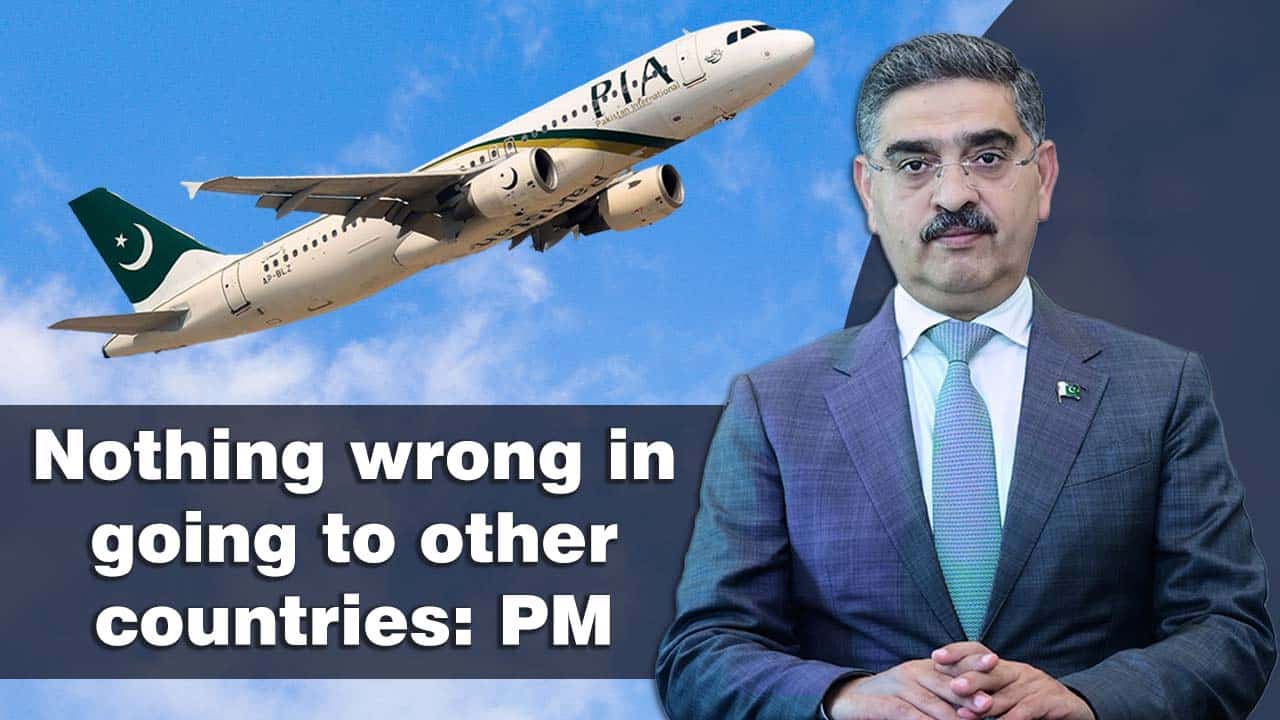
    “It is not wrong for them to go to other countries in search of better opportunities,” he said, adding that when individuals return to Pakistan, they bring not only financial assets but also valuable professional skills, enriching the country’s human capital.

    While the emigration trend remains a matter of significance, Prime Minister Kakar drew attention to the historical context. In the past, the country has witnessed varying levels of emigration, with the highest numbers recorded in 2015 and 2016. He underlined that this movement was a testament to individuals’ quest for better prospects and should be understood in that light.

  • PM calls emergency meeting as public outcry grows over high electricity bills

    PM calls emergency meeting as public outcry grows over high electricity bills

    On Saturday, people residing in various areas of the country openly expressed their deep sense of despair and frustration due to the shockingly high electricity bills they had received.

    Some individuals even went so far as to issue veiled threats of organising protests and, in more extreme cases, initiating a campaign of civil disobedience. These actions were contingent on the condition that the additional taxes included in the bills were not waived.

    The intensity of these emotionally charged reactions prompted the caretaker Prime Minister, Anwaar ul Haq Kakar, to swiftly convene an emergency meeting at the Prime Minister’s residence. This urgent gathering is scheduled to take place on the subsequent day, Sunday.

    Clarifying the purpose of the meeting, the premier stated, “In the meeting, a briefing will be taken from the ministry of power and distribution companies, and consultations will be held regarding giving maximum relief to consumers regarding electricity bills.”

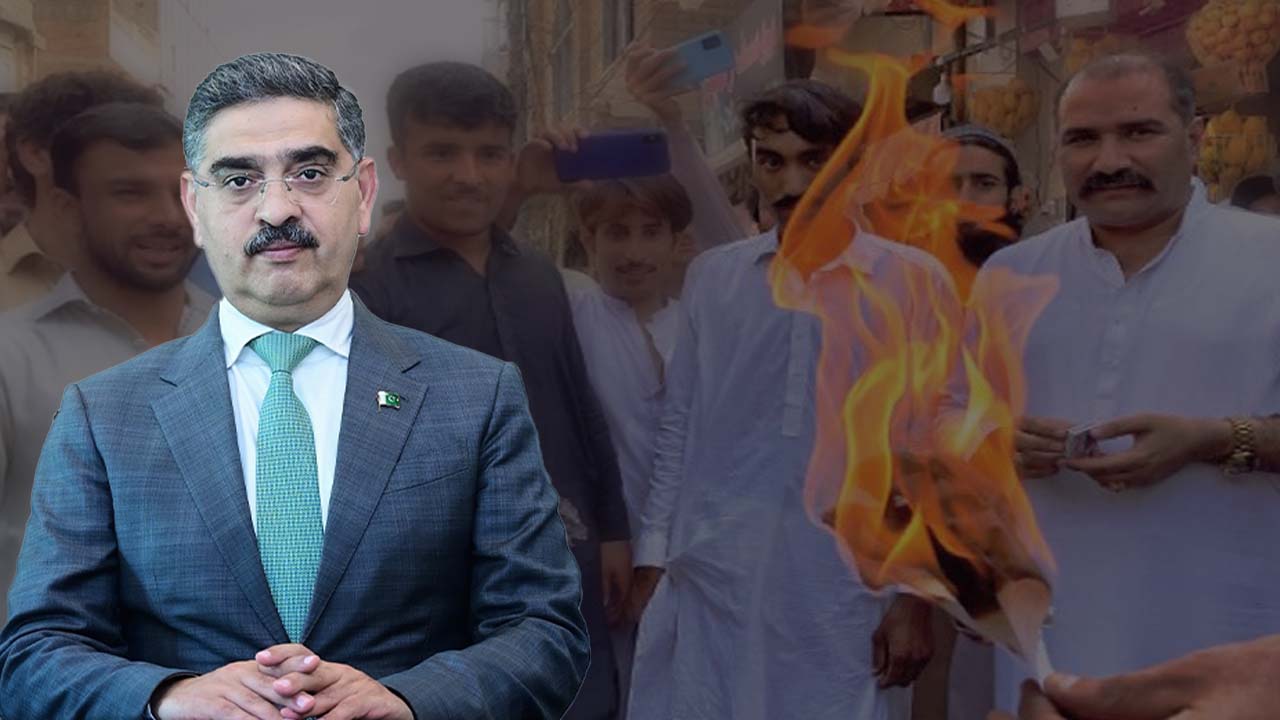
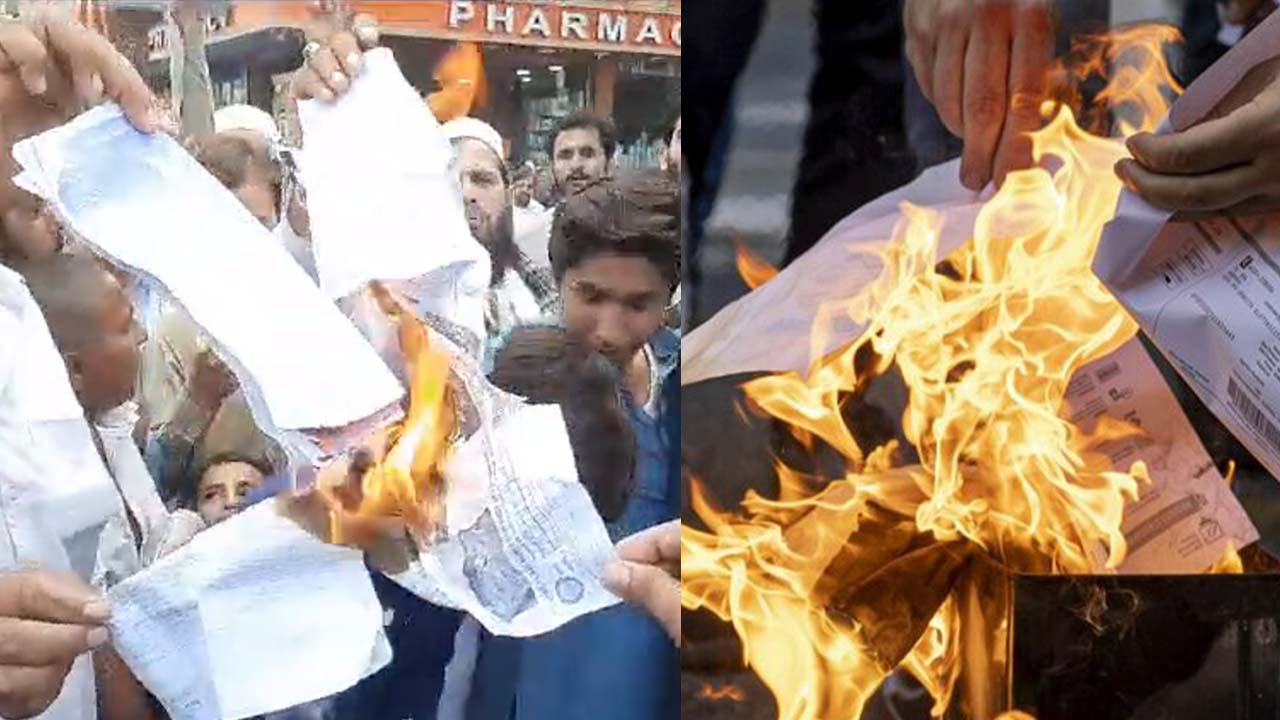
     Protests took place in several cities including Islamabad, Rawalpindi, Multan, Rahim Yar Khan, Gujranwala, Narowal, Kasur, Attock, Sargodha, Peshawar, Haripur, and numerous other cities across the nation. Numerous videos were shared on social media, depicting individuals burning their electricity bills and chanting slogans against power companies.

  • Over 500 personnel deployed by Rawalpindi police to provide security for IESCO and WAPDA employees amid protests

    Over 500 personnel deployed by Rawalpindi police to provide security for IESCO and WAPDA employees amid protests

    Large-scale protests erupted across Pakistan on Friday as traders’ associations and the general public voiced their frustration over skyrocketing electricity bills and heavy taxes. The demonstrations, which gained momentum in cities like Karachi and Islamabad, highlighted the widespread discontent with the financial burden faced by the population.

    In Karachi, a significant protest gathered steam with the backing of the Jamaat-e-Islami (JI) party. The focal point of the protest was a call for a reduction in the surging electricity prices and the additional taxes added to power bills.

    Rawalpindi saw its own protest against added electricity charges, with citizens chanting slogans against the Islamabad Electric Supply Company. Protesters in various cities also directed their chants against the Water and Power Development Authority (WAPDA) while symbolically burning electricity bills.

    https://twitter.com/ImranKhan_Force/status/1695065893334650976

    The backdrop of these protests is the recent approval by the federal cabinet to increase the national average tariff. This move led to an increase of up to Rs7.5 per unit in the national uniform electricity tariff starting July 1, 2023. This pushed the total cost of electricity, including extra charges and taxes, beyond Rs55 per unit for certain categories of consumers.

    520 police officers deployed to secure IESCO and WAPDA offices

    The growing protests have also raised concerns about the safety of power company employees, prompting calls for enhanced security measures. In Rawalpindi, over 500 police personnel have been deployed to address potential public unrest.

    Here is a letter from IESCO requesting the police to enhance security at electricity offices:

    Amidst the escalating situation, the IESCO (Islamabad Electric Supply Company) has taken steps to secure their offices and installations. The Superintendent Engineer of Rawalpindi sent a request to the Central Police Officer (CPO) of Rawalpindi for additional security. According to Express Tribune, this step was taken due to agitated consumer groups visiting IESCO offices and staging protests, putting the safety of IESCO employees at risk during work hours.

    Following the request, the Rawalpindi police have taken action by assigning over 500 personnel to enhance security at electricity offices. A police spokesperson has confirmed that 520 officers and personnel are now in charge of keeping IESCO and WAPDA employees safe.

    The authorities are closely monitoring the situation, and the police officials are on high alert to ensure everything runs smoothly.

  • Pak Suzuki’s fiscal year ends with Rs9.68 billion loss: Operational disruptions and low demand

    Pak Suzuki’s fiscal year ends with Rs9.68 billion loss: Operational disruptions and low demand

    Pak Suzuki Motor Company Limited (PSMCL) has reported a substantial net loss of Rs9.68 billion for the fiscal year that ended on June 30, 2023. The loss was attributed to import restrictions and weakened demand, causing a significant increase compared to last year’s Rs17.238 million loss.

    The drop in sales was due to operational disruptions caused by inventory shortages. The loss per share (LPS) reached Rs117.58 for this year, a stark contrast to the Rs0.21 LPS recorded from January to June 2022. Despite these challenges, the cost of sales remained stable at Rs39.037 billion, compared to Rs108.415 billion the previous year.

    Financial expenses surged to Rs10.141 billion from Rs1.842 billion last year, contributing to the increased losses. However, the company did manage to achieve a Rs3.238 billion profit for the quarter ending on June 30, a significant improvement from the Rs442.989 million recorded during the same quarter the previous year. Earnings per share for this quarter were Rs39.36, compared to Rs5.38 per share in the previous year.

    Experts noted that the second-quarter results exceeded expectations due to increased gross margins from car price hikes. The company also gained from finance income of Rs2.6 billion due to exchange rate gains.

    During this time, the company’s revenue dropped by 67 per cent year-on-year and 2 per cent quarter-on-quarter due to lower sales volume caused by disruptions in raw material supply and reduced demand. Despite challenges, the company achieved a 10 per cent gross profit margin in 2QCY23, a significant increase from 4 per cent the previous year.

    According to The News, the auto sector faces challenges like obtaining Letters of Credit (LCs) for imports and sluggish demand due to high prices and interest rates. Car sales declined 57 per cent year-on-year in the first month of fiscal year 2023–24, as reported by the Pakistan Automotive Manufacturers Association (PAMA). PAMA-registered car manufacturers sold only 5,092 units in July, a 16 per cent decrease from the previous month.

    Despite the challenges faced by Pakistan’s auto industry, including low sales and various disruptions, it’s worth noting that car prices in the country remain at their highest point.

  • Pakistani rupee’s fall continues, settles at new record low of Rs301 against US dollar

    Pakistani rupee’s fall continues, settles at new record low of Rs301 against US dollar

    The Pakistani rupee continued its unsettling descent, marking a fresh all-time low against the US dollar, with a settlement at Rs301 in the inter-bank market on Friday. As reported by the State Bank of Pakistan (SBP), the local currency reached the 301 mark, experiencing a decline of Re0.78 or 0.26 per cent.

    On the preceding day, the rupee concluded at a historic low against the US dollar, reaching a settlement of Rs300.22.

    On the global front, the US dollar achieved its highest position in over two months on Friday, poised for its sixth consecutive week of gains, as financial markets eagerly awaited a speech by Federal Reserve Chair Jerome Powell to gain insights into the trajectory of monetary policy.

    The dollar index, a measure of the US dollar’s strength against six other major currencies, witnessed a 0.019 per cent increase, reaching 104.11, the highest level since June 7. With a 2 per cent increase in August, the index is poised to end its two-month losing streak.

    Oil prices, a pivotal gauge of currency equilibrium, surged by over 1 per cent on Friday due to the firming of the dollar, as anticipation built ahead of a highly awaited speech by the head of the US Federal Reserve. This speech is expected to provide insights into the future of interest rates.