Category: Business

  • Remittances to Pakistan decline by 19.3% to $2 billion in first month of fiscal year

    Remittances to Pakistan decline by 19.3% to $2 billion in first month of fiscal year

    Pakistan has experienced a notable decline in remittances during the first month of the current fiscal year, as data released by the central bank reveals a year-on-year drop of 19.3 per cent, amounting to $2 billion. This concerning trend was further accentuated by a month-on-month reduction of 7.3 per cent.

    In the month of July, remittance inflows from Pakistanis residing abroad amounted to $2.2 billion. The distribution of these remittances showed that Saudi Arabia held the top spot with a contribution of $486.7 million, followed by the United Arab Emirates with $315.1 million. The United Kingdom and the United States of America followed closely with $305.7 million and $238.1 million, respectively.

    Economic analysts anticipated this decline in remittances for the month of July, given the post-Eid ul Adha period. The reduction was expected, as Pakistani expatriates tend to increase their cash transfers back home during festive seasons. Interestingly, it seems that some of these remittance inflows have been diverted to the grey market due to more favourable exchange rates for dollars.

    Samiullah Tariq, the head of research at Pak-Kuwait Investment Company, shed light on this shift: “In my view, as this was the month after Eid ul Adha, flows were relatively subdued. Some Pakistanis are opting for unofficial channels to transfer money.” The continuous devaluation of the Pakistani currency is also impacting investment sentiment among overseas Pakistanis, discouraging them from contributing more significantly to the economy.

    The recent release of these remittance statistics coincides with the International Monetary Fund’s (IMF) approval of a $3 billion bailout package for Pakistan. The nation’s economy had been teetering on the edge of default due to mounting debt obligations. Governor Jameel Ahmad of the State Bank of Pakistan (SBP) reassured that the SBP remains committed to upholding its obligations, including maintaining a controlled difference between the interbank and open market exchange rates, as specified in the agreement with the IMF.

    Fahad Rauf, the head of research at Ismail Iqbal Securities, voiced his concern over the decline in remittances: “The extent to which remittances have declined is indeed worrying. Unofficial channels offering higher rates have played a role in this scenario.” He also highlighted the SBP’s efforts to attract more remittances through proposed changes in incentive schemes, including a 50 per cent increase in the reimbursement rate for Saudi Riyal conversions.

    The SBP’s latest monetary policy statement forecasts the current account deficit for fiscal year 2024 to range between 0.5 per cent and 1.5 per cent of the gross domestic product. This projection takes into account both evolving domestic and global economic conditions. The SBP remains optimistic about the prospects of multilateral and bilateral inflows following the IMF’s stand-by arrangement, which is expected to bolster external buffers and address short-term external financing requirements.

    As the nation navigates through these challenges, the market-determined exchange rate will continue to play a pivotal role as the first line of defence against external shocks, further supporting the buildup of reserves. With a cautious eye on global commodity prices and a moderate domestic economic recovery, Pakistan aims to manage its imports and strengthen its economic stability.
  • Pakistan seeks economic stability through multi-billion dollar Gulf investments

    Pakistan seeks economic stability through multi-billion dollar Gulf investments

    Pakistan is engaged in high-stakes negotiations with Gulf nations to secure billions of dollars in investments. These discussions come as Islamabad strives to stabilise its economy by attracting much-needed foreign currency, while the oil-rich Gulf monarchies seek to diversify their economies and extend their influence.

    According to a report by Saeed Shah published on the Wall Street Journal, a significant development on the horizon involves Saudi Arabia’s potential involvement in a massive copper mining project. Canada’s Barrick Gold is spearheading the development of this colossal mine, located in western Pakistan, at an estimated cost of $7 billion. Sources familiar with the project reveal that Saudi officials are in talks about acquiring a stake in this ambitious venture.

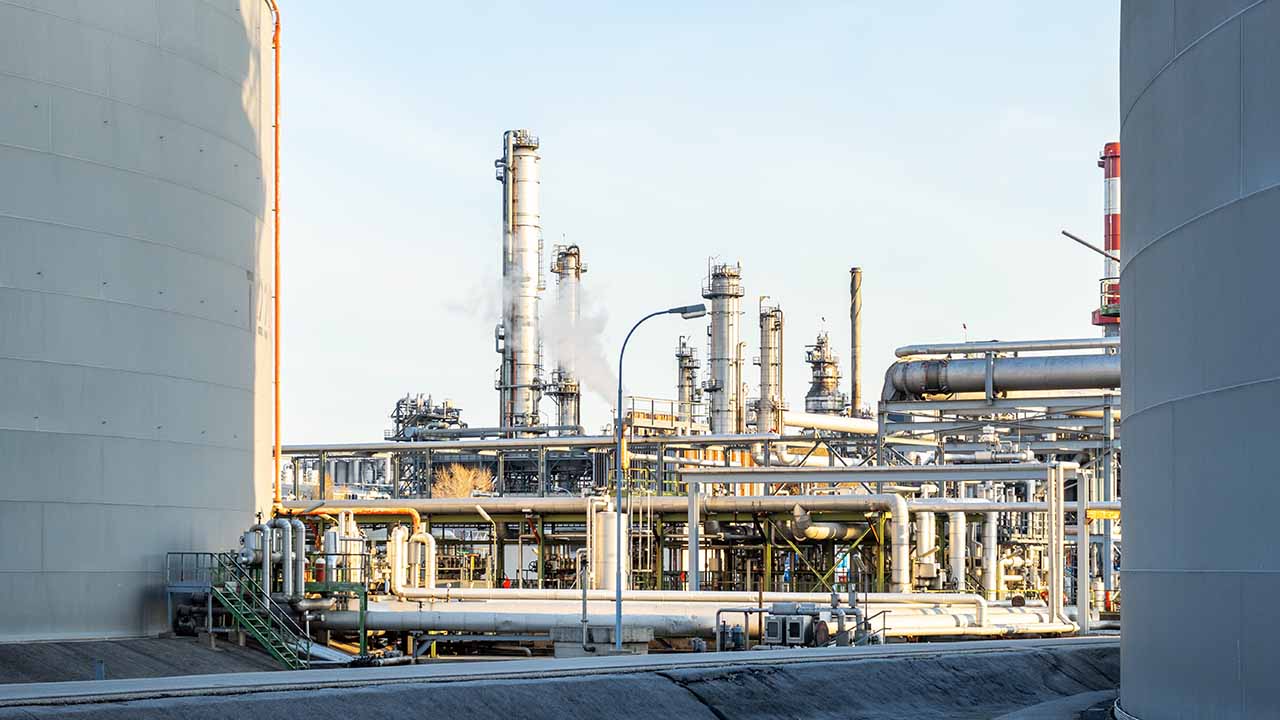
    Furthermore, advanced negotiations are underway for the establishment of a Saudi oil refinery within Pakistan’s borders. This ambitious project, estimated to cost up to $14 billion, has garnered the attention of both Islamabad and Gulf officials.

    This marks a notable shift for the Gulf states, moving away from traditional loans and grants to a strategic focus on acquiring assets to bolster their sovereign wealth funds.

    For Pakistan, these investments come at a critical juncture. The nation, home to a population of 240 million and armed with nuclear capabilities, has been grappling with economic turmoil and political instability. In June, an agreement was reached with the International Monetary Fund for another bailout, reflecting the urgency of the situation.

    To pave the way for these investments, Pakistan’s military, a dominant institution within the country, is taking measures to streamline the deal-making process. This initiative aims to address previous concerns raised by Gulf investors regarding bureaucratic hurdles and political uncertainties.

    The potential investments span a wide range of sectors, including mining, energy infrastructure, farmland, and the privatisation of government businesses. Notably, Pakistan’s newly established Special Investment Facilitation Council, which includes the army chief, has been designed to expedite the bureaucratic procedures associated with Gulf investment.

    Ahsan Iqbal, Pakistan’s outgoing planning minister and head of the executive committee of the Special Investment Facilitation Council, emphasised the strategic positioning of Pakistan as a gateway to growth in Asia. He stressed the importance of providing investors with the assurance of policy continuity for their investments.

    The Saudi deputy mining and foreign ministers have recently visited Islamabad to discuss this significant investment endeavour. These discussions align with Pakistan Prime Minister Shehbaz Sharif’s announcement that parliament will dissolve, potentially paving the way for a nonpolitical caretaker government and facilitating economic decisions.

    Pakistan’s relationship with its military is pivotal, with the army wielding considerable influence in the country. The Gulf has maintained direct ties with Pakistan’s military for decades, underscoring the military’s role as a key facilitator in these negotiations.

    The scope of the potential deals is substantial, with Pakistan hoping to secure around $25 billion in investments. Key areas of interest include solar energy, information technology, and the defence industry. Furthermore, Pakistan is prepared to offer uncultivated government land on long leases for agriculture, aiming to attract diverse investments.

    While concrete figures from the Gulf nations have yet to be disclosed, the prospect of significant investments has generated substantial interest. In this context, the ongoing economic challenges faced by Egypt and Pakistan have presented an opportunity for asset acquisition on favourable terms.

    Efforts to secure investments will likely see competition between Gulf nations, particularly Saudi Arabia and the United Arab Emirates (U.A.E.). Both nations have expressed keen interest in various sectors, including infrastructure and logistics.

    Amidst these negotiations, Islamabad has announced a tender for terminal services at Islamabad airport, a contract that is expected to draw interest from both the U.A.E. and Qatar. Pakistan’s transition to a nonpolitical caretaker government is anticipated to catalyse these investment deals.

    At the heart of the negotiations lies the prospect of a Saudi oil refinery, a deal that is reportedly on the cusp of realisation. The potential partnership with Saudi Aramco for this project underscores Pakistan’s strategic significance in the region.

    The mining sector also offers a lucrative opportunity, particularly in copper, a critical resource for the transition to cleaner energy. The joint venture between Barrick Gold and the Pakistani government in the Reko Diq mine has attracted Saudi interest, with the Saudi sovereign wealth fund, the Public Investment Fund, and Saudi mining company Ma’aden reportedly eyeing a stake in the mine.

    While challenges and security concerns persist, these negotiations mark a pivotal moment for Pakistan. With the potential for substantial investments across various sectors, the country seeks to harness its untapped potential and forge strategic partnerships in the Gulf region.

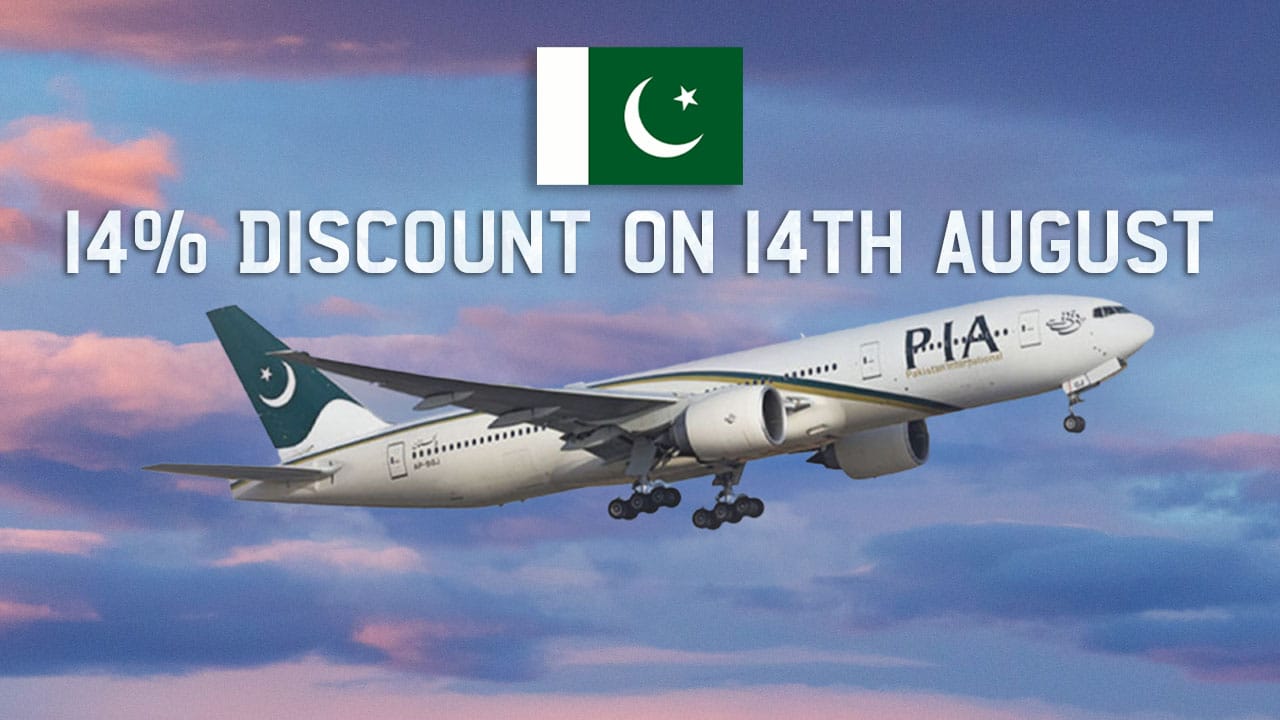
  • PIA offers 14% ‘Azadi Offer Discount’ on all domestic flights on Independence Day

    PIA offers 14% ‘Azadi Offer Discount’ on all domestic flights on Independence Day

    On the occasion of the 76th Independence Day, Pakistan International Airlines (PIA) has extended a generous gesture to its passengers by announcing a significant discount.

    According to ARY News, the national carrier has declared a 14 per cent price reduction on all domestic flights, bringing forth a unique opportunity for citizens to travel within the country at a more affordable cost.

    In an official statement released on Thursday via their Twitter handle, the PIA spokesperson elaborated on the offer, stating that travellers would be able to avail themselves of this limited-time promotion on August 14.

    This special Independence Day discount is being offered as a token of appreciation to fellow compatriots for their unwavering support and patriotism.

    “The discount is a gift from the national carrier to the compatriots for Independence Day,” the spokesperson affirmed, highlighting the airline’s dedication to celebrating the nation’s sovereignty.

    As the nation prepares to commemorate the 76th Independence Day, citizens are set to rally around the ideals of the Pakistan Movement. This annual celebration, which falls on August 14, marks a pivotal moment in Pakistan’s history and provides an occasion for citizens to renew their commitment to building a robust Islamic welfare state.

    With the PIA’s gracious discount offer, many citizens are expected to capitalise on the opportunity to explore the diverse landscapes and cultures that Pakistan has to offer, fostering a sense of unity and connectivity as the nation celebrates its journey towards progress and development.

  • Utility Stores hike sugar, ghee, and flour prices following subsidy withdrawal

    In a surprising move, the Utility Stores Corporation (USC) has raised the prices of crucial commodities such as sugar, ghee, and flour, affecting consumers across the board, including those enrolled in the Benazir Income Support Programme (BISP). This price increase comes in the wake of the outgoing government’s decision to eliminate subsidies on these essential items.

    Among the notable price hikes, a 10-kg bag of flour has witnessed a substantial increase of Rs200; sugar prices have surged by Rs30; and ghee prices have risen by Rs53 per kilogramme. This unforeseen surge in prices has left many consumers bewildered, especially considering that the government recently augmented the subsidy allocation for the USC from Rs30 billion to Rs35 billion in the ongoing fiscal year’s budget.

    In a bid to alleviate the burden on consumers, the Prime Minister’s Azadi package for BISP beneficiaries is set to launch on August 11. This relief package aims to cushion the impact of the price hikes by offering a 10-kg bag of flour at a reduced price of Rs648. Additionally, a discount of Rs25 per kilogramme will be applied to rice and pulses for eligible beneficiaries.

    However, the plight of consumers has been compounded by widespread shortages of essential goods at utility stores. Frustration among citizens has mounted as they endure long lines for houRsin the hope of purchasing subsidised items, only to be met with empty shelves and disappointment. The lack of availability has further exacerbated the challenges posed by the recent price increases.

    Curiously, authorities at the utility stores have refrained from commenting on the escalating situation. This silence has left consumers and observers alike wondering about the root causes of these unexpected developments and the potential implications for the broader economic landscape.

  • Chery Pakistan increases Tiggo 4 Price to Rs7 million

    In the face of mounting economic uncertainty, import restrictions, and complications surrounding Letter of Credit (LC) transactions, Chery Pakistan has been forced to implement a significant price hike on one of its popular crossover SUVs.

    According to Pakwheels, the Chery Tiggo 4, a favoured choice among Pakistani car enthusiasts, will now come with a heftier price tag, soaring from Rs6,399,000 to Rs6,999,000, reflecting an increase of Rs600,000. This move comes as Chery Pakistan grapples with the multifaceted challenges posed by a volatile economic landscape and supply chain disruptions, as the company revealed in an official statement.

    The surge in pricing has been attributed to the prevailing precarious economic conditions and the stifling supply constraints that have been a constant thorn in the side of numerous industries, including the automotive sector. Nevertheless, Chery Pakistan aims to mitigate the impact on its customers by extending a price lock guarantee to all new bookings for the Chery Tiggo 4, providing a semblance of stability amidst the tumultuous market fluctuations.

    The price escalation, while not entirely unexpected, underscores the current tribulations faced by Pakistan’s local auto industry. As a sector heavily reliant on imported components, particularly critical vehicle parts, the domestic car manufacturing industry is inherently susceptible to the ripple effects of foreign exchange rate fluctuations.

    Compounding the challenges are the import restrictions introduced by governmental authorities, leading to a cascade of delays and, in some instances, complete production standstills for various car manufacturers.

    The predicament has been further exacerbated by the non-issuance of LCs by the State Bank of Pakistan (SBP), casting a darker shadow over an already beleaguered landscape. Industry experts predict that the situation is poised to persist for the foreseeable future, with a grim timeline of at least 2–3 years for the auto sector to regain its footing.

    The intertwining of persistent economic woes with a backdrop of political instability paints a disheartening picture, further clouding the prospects of a swift recovery.

  • IMF willing to work with prolonged caretaker setup for SBA programme success

    IMF willing to work with prolonged caretaker setup for SBA programme success

    The International Monetary Fund (IMF) is reportedly willing to collaborate with a prolonged caretaker government in Pakistan to wrap up the $3 billion Standby Arrangement (SBA) programme, offering relief for the country’s economic challenges. 

    The ongoing SBA programme, set to conclude around March–April 2024, has garnered support from the IMF for this approach.

    Pakistan has informed the IMF about the possibility of extending the caretaker government’s term after the approval of the 7th Population and Housing Census. This change pushes the next elections to the first quarter of 2024 instead of the anticipated 2023 date.

    Candidates for crucial ministries, like finance, include Sultana Allana, Dr Ashfaque Hassan Khan, and Tariq Bajwa. For other economic portfolios, Muhammad Mian Soomro and Ijaz Gohar are being considered.

    Former FBR chairman Shabbar Zaidi declined a role in the interim setup due to personal reasons.

    In scenarios where Jalil Abbas Jilani or Dr Abdul Hafeez Shaikh become caretaker premiers, potential finance minister candidates shift. 

    Outgoing finance minister Ishaq Dar aims for a team member to secure a significant role.

    Ultimately, the decision rests on the appointment of the PM’s top official.

  • Nepra approves Rs2.31 per unit tariff increase for K-Electric consumers

    The National Electric Power Regulatory Authority (Nepra) has approved a tariff increase of Rs2.31 per unit for K-Electric (KE) consumers due to June 2023’s monthly fuel charges adjustment. This is slightly below KE’s requested Rs2.34 per unit hike. The new tariff takes effect in August and excludes lifeline consumers and electric vehicle charging stations.

    A public hearing on July 26, 2023, discussed KE’s proposal to address higher fuel costs for electricity generation in June. KE generated electricity at Rs24.90 per unit internally, while government-supplied electricity cost Rs11.56 per unit during that period. Nepra’s analysis resulted in an upward revision of Rs2.31 per unit for June, compared to KE’s requested increase.

    Conversely, Nepra raised the power tariff by Rs1.81 per unit for ex-Wapda distribution companies (DISCOs) in June’s fuel charges adjustment, slightly less than the hike for KE consumers. The Central Power Purchasing Agency-Guarantee (CPPA-G) requested a tariff increase of Rs1.88 per unit on behalf of DISCOs.

    This tariff adjustment, effective in August, applies to all DISCOs customers except lifeline consumers and electric vehicle charging stations. It follows a public hearing held by Nepra on July 26. Earlier, DISCOs customers paid Rs1.90 per unit under May 2023’s fuel charges adjustment, making the new rate Rs0.09 per unit lower.

    While the tariff increase has raised concerns among consumers, it has also spotlighted the delay in approving renewable energy projects. During KE’s petition hearing, an industrial consumer, Rehan Javed, highlighted pending Requests for Proposals (RFPs) with Nepra, which could expedite affordable electricity production through renewables, benefiting Karachi’s businesses.

    Nepra member Rafique Ahmed Shaikh expressed disappointment in KE’s slow progress in embracing renewable energy. Delayed approval of RFPs has hindered renewable energy initiatives.

    The Ministry of Energy’s bid to raise the base tariff for the new fiscal year, potentially leading to record-high prices, underscores the urgency of integrating renewable energy into the national energy mix.

  • Pakistan invites Saudi Arabia to invest in key sectors like agriculture, IT, and energy

    Pakistan invites Saudi Arabia to invest in key sectors like agriculture, IT, and energy

    Prime Minister (PM) Shehbaz Sharif has extended a warm invitation to companies from Saudi Arabia, encouraging them to explore exciting investment prospects in various sectors such as agriculture, mining, technology, energy, and more.

    This friendly call was made during a meeting with Saudi Arabia’s Vice Minister for Foreign Affairs, Waleed Abdulkarim El Khereji, held in Islamabad.

    To boost economic partnerships, PM Shehbaz highlighted the creation of a Special Investment Facilitation Council (SIFC). This council is designed to simplify and speed up potential investments from countries in the Gulf Cooperation Council (GCC), with a special focus on enhancing collaborations with Saudi Arabia.

    PM Shehbaz also expressed heartfelt appreciation for Saudi Arabia’s timely financial support, particularly in the aftermath of natural disasters like floods. He acknowledged the Kingdom’s crucial role in helping Pakistan work towards a stable economy.

    He emphasised the importance of the visit by the Saudi delegation, underscoring the shared interest and eagerness on both sides to elevate their long-standing friendly relations to a practical and mutually beneficial economic partnership.

    In a significant earlier announcement, PM Shehbaz revealed plans to auction gifts from the Toshakhana. The funds generated from this auction will be directed towards the well-being of underprivileged individuals, especially those who are orphaned and vulnerable.

  • Govt aims to collect extra Rs721 billion from electricity consumers in current fiscal year

    Govt aims to collect extra Rs721 billion from electricity consumers in current fiscal year

    In a significant move to address the mounting circular debt crisis in the energy sector, the government has unveiled a plan to collect an additional Rs721 billion from electricity consumers during the current financial year. The decision comes as a response to the pressing need to reduce the burgeoning circular debt and stabilise the energy sector’s financial health.

    Sources within the Finance Ministry have revealed that the government has informed the International Monetary Fund (IMF) of its comprehensive strategy, which entails a multi-pronged approach to boost revenue and mitigate circular debt. The plan involves a series of phased electricity tariff hikes and adjustments over the coming months.

    According to the proposed timeline, the electricity price will initially be raised by Rs1.25 per unit until September. This adjustment is projected to generate approximately Rs39 billion in additional revenue through quarterly adjustments. This initial step aims to provide a quick injection of funds into the energy sector.

    Following this, from September to December, electricity tariffs are set to witness a further increase of Rs4.37 per unit under the banner of fuel adjustment charges. This particular measure is anticipated to contribute Rs122 billion to the overall revenue pool, providing a substantial boost to the government’s efforts to reduce circular debt.

    Moreover, an ambitious plan to raise the power tariff by Rs5.75 under annual rebasing is on the horizon, with projections suggesting that this move could generate an impressive Rs560 billion in revenue. The cumulative effect of these tariff hikes is expected to bring about a significant reduction in the circular debt that has plagued the energy sector for years.

    The government’s overarching objective is to curtail the circular debt of the power sector, which had skyrocketed to an alarming Rs2,700 billion by June 2023. With the implementation of the proposed tariff adjustments and revenue generation measures, officials are optimistic that the circular debt will be reined in substantially.

    By the end of the current financial year, the government aims to limit the circular debt to Rs2,130 billion, marking a significant milestone in the long-standing battle to stabilise the energy sector’s finances. These measures, though they might impose a temporary burden on electricity consumers, are viewed as critical steps towards achieving a more sustainable and reliable energy infrastructure for the country.

  • Heatwave woes: Rising temperatures pose new threats to air travel

    Heatwave woes: Rising temperatures pose new threats to air travel

    In a twist of fate, climate change is exacerbating the challenges of air travel, creating a new layer of misery for passengers and airlines alike. As temperatures soar due to global warming, the very air that planes need to lift off becomes less cooperative.

    When the mercury climbs, hot air’s reduced density causes planes to struggle for lift, complicating takeoffs and in-flight stability. Airlines often resort to delaying flights or unloading cargo and passengers to mitigate the issue, leading to a cascade of disruptions across the aviation system. Stranded on runways, passengers endure stifling conditions within grounded aircraft.

    Experts warn that this problem is set to intensify as the planet heats up further and the frequent occurrence of extreme heat becomes the norm. A Columbia University study projected that by mid-century, up to 30 per cent of all US flights could be subject to weight restrictions during periods of high heat.

    Regrettably, there’s no silver bullet to overcome this challenge. Ethan Coffel, an assistant professor at Syracuse University, explains that it’s a physical limitation tied to air density, leaving limited room for technological solutions.

    Heat-related delays are emerging as a more substantial issue than snow or ice. Last summer, Chicago’s O’Hare International Airport faced twice the number of weather-related delays compared to the previous winter. The impact is especially pronounced at airports with shorter runways, like New York’s LaGuardia Airport, which struggles to handle the volume of traffic it receives.

    Airports in high-altitude regions and warm climates are hit particularly hard by this heat-induced predicament. Denver and the Sun Belt cities face additional hurdles, with workers on scorching runways at risk due to the “heat island” effect. Despite efforts to make aircraft lighter and more efficient, progress is incremental, leaving airports to rely on conventional solutions like rescheduling flights and strengthening runways.

    The compounding effects of climate change on air travel are undeniable. Turbulence grows riskier, flights lengthen due to shifting wind patterns, and extreme weather spawns more delays. To truly address this issue, a holistic approach is required, including a concerted effort to reduce fossil fuel emissions, a primary driver of climate change. Amidst these challenges, the future of air travel remains uncertain, prompting travellers to brace for increasingly tumultuous skies.