Category: Business

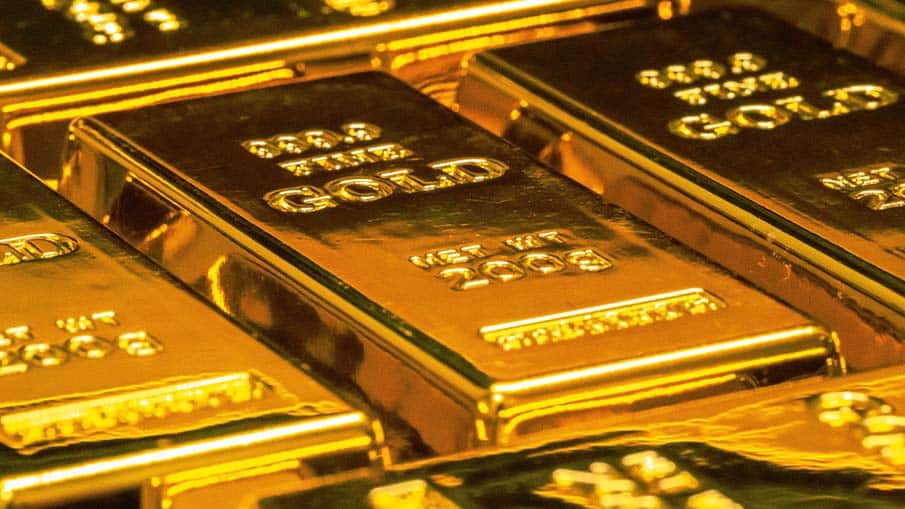
  • Gold bounces back by Rs2,200 to Rs207,200 per tola

    Gold bounces back by Rs2,200 to Rs207,200 per tola

    As the international precious metal markets rose Thursday in response to a hawkish US Federal Reserve, investors were also drawn to gold as their available saving choices remained constrained. Pakistan’s gold price likewise maintained its impressive run.

    The price of gold (24 karats) climbed by Rs2,200 per tola and Rs1,887 per 10 grammes to settle at Rs207,200 and Rs177,641, respectively, according to data issued by the All-Pakistan Sarafa Gems and Jewellers Association (APSGJA).

    A stagnant International Monetary Fund (IMF), declining foreign exchange reserves, and a weak rupee have all contributed to the precious metal’s advances over the past two sessions. These factors will increase the price of importing gold.

    However, investors were only buying gold bars, not jewellery, which had lowered goldsmiths’ profit margins and put the labour force at risk of losing jobs as jewellery manufacturers turned to other careers in the absence of work.

    As investors continued to believe that the US Federal Reserve will end its rate-hiking cycle soon after announcing a 25-basis-point hike, gold reached a nine-month high on the international market due to a weak dollar.

    Having earlier in the day reached its highest level since April 2022, spot gold was up $31 at $1,955 per ounce.

    After a year of bigger rate hikes, the US central bank on Wednesday reduced the rate rise to a quarter percentage point. It said that the battle against high inflation had reached a turning point, but that “winning” would still require raising rates and keeping them there at least through 2023.

    Moreover, local silver prices rose by Rs50 per tola and Rs42.88 per 10 grammes to settle at Rs2,300 and Rs1,971.88, respectively.
  • IMF rejects Pakistan’s circular debt management plan, advises raising power tariff

    IMF rejects Pakistan’s circular debt management plan, advises raising power tariff

    In order to cap the extra subsidy at Rs335 billion for the current fiscal year, the International Monetary Fund (IMF) has rejected the circular debt management plan (CDMP) that the government had given and requested the authorities to hike the power tariff by Rs12.50 per unit.

    Talks on the ninth review are now being held in Pakistan by an IMF team; they will last until February 9 and are anticipated to result in a staff-level agreement between the two parties.

    During the second day of technical discussions, the Washington-based lender referred to the amended CDMP as “unrealistic,” which is based on several incorrect assumptions. Therefore, the government would need to make further adjustments to its recommended course of action to limit the losses in the cash-strapped electricity industry.

    A fiscal deficit will be worked up between the IMF and the Finance Ministry, and various extra taxing measures will then be finalised through the forthcoming mini-budget.

    The international lender has asked Pakistan to impose Rs600–800 billion in additional taxes in the second round of talks to revive the $7 billion Extended Fund Facility (EFF), which has been stalled for months.

    According to details, the Federal Board of Revenue held a second round of technical talks with the IMF mission, led by Mission Chief to Pakistan Nathan Porter, on the ninth review of a $7 billion loan programme.

    The lender also demanded the government increase tax collection to 1 per cent of the gross domestic product (GDP). Sources claimed that the fund demanded the government fix the next fiscal year’s tax collection target at Rs8.3 billion.

  • Apple may launch a folding iPad in 2024: Apple analyst

    Apple may launch a folding iPad in 2024: Apple analyst

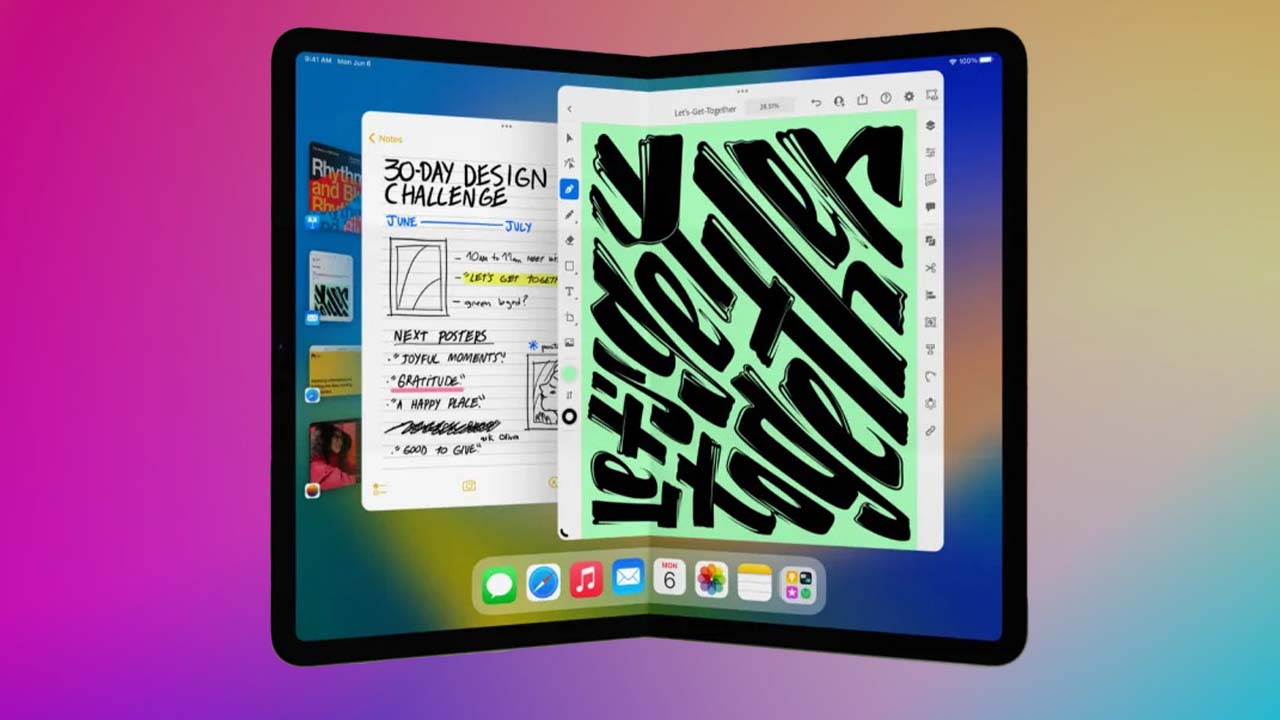
    According to a recent report by analyst Ming-Chi Kuo, Apple is expected to launch a foldable iPad in 2024. According to Kuo, the next iPad will not be released this year, and mass manufacturing of the new iPad Mini will start in Q1 of 2024.

    These iPads will be manufactured by Anjie Technology and will contain a carbon fiber kickstand at their back.

    Apple will “continue benefiting from the growing trends of foldable devices, equipped with kickstands in the future,” said Kuo.

    It’s likely that the kickstand Kuo mentioned will be fixed in the iPad case since foldables can easily stand without the need for a kickstand. On the other hand, the foldable iPad might not be as stable and need a kickstand at its back for support.

    While the tech giant is currently experiencing a 15 per cent decline in tablet shipments, analysts believe that the release of the first foldable iPad will be a big break for the company.

    The bigger displays and OLED panels of the new iPad Pro tablets, which were also introduced, are likely to make them broader for hand usage.

    A foldable tablet can significantly improve portability because it can be difficult to carry usual tablets because they often do not fit in pockets. Apple users will soon be able to carry their iPads with ease thanks to the folding iPad.

  • Highest single-day fall: Gold price drops by Rs9,000 to Rs201,500 per tola

    Highest single-day fall: Gold price drops by Rs9,000 to Rs201,500 per tola

    As the rupee marginally strengthened against the US dollar and investors closely followed the US Federal Reserve’s interest rate rise decision and policy outlook, the price of gold in Pakistan saw its worst one-day decline.

    The price of gold (24 carats) fell by Rs9,000 per tola and Rs7,716 per 10 grammes to settle at Rs201,500 and Rs172,754, respectively, according to data issued by the All-Pakistan Sarafa Gems and Jewellers Association (APSGJA).

    The jewellers’ association also claimed that local gold in Pakistan was “overcost” by Rs2,500 per tola when compared to the bullion market in Dubai.

    The price of gold has fallen as demand has decreased as investors appear to have abandoned the safe-haven commodity in favour of the dollar, which is now freely available on the open market following the lifting of the dollar cap.

    As a result of the events surrounding the negotiations with the International Monetary Fund (IMF), the Pakistani rupee began to show signs of recovery today, rising by about Rs2 to settle at Rs267.89.

    However, investors were only buying gold bars, not jewellery, which had lowered goldsmiths’ profit margins and put the labour force at risk of losing jobs as jewellery manufacturers turned to other careers in the lack of work.

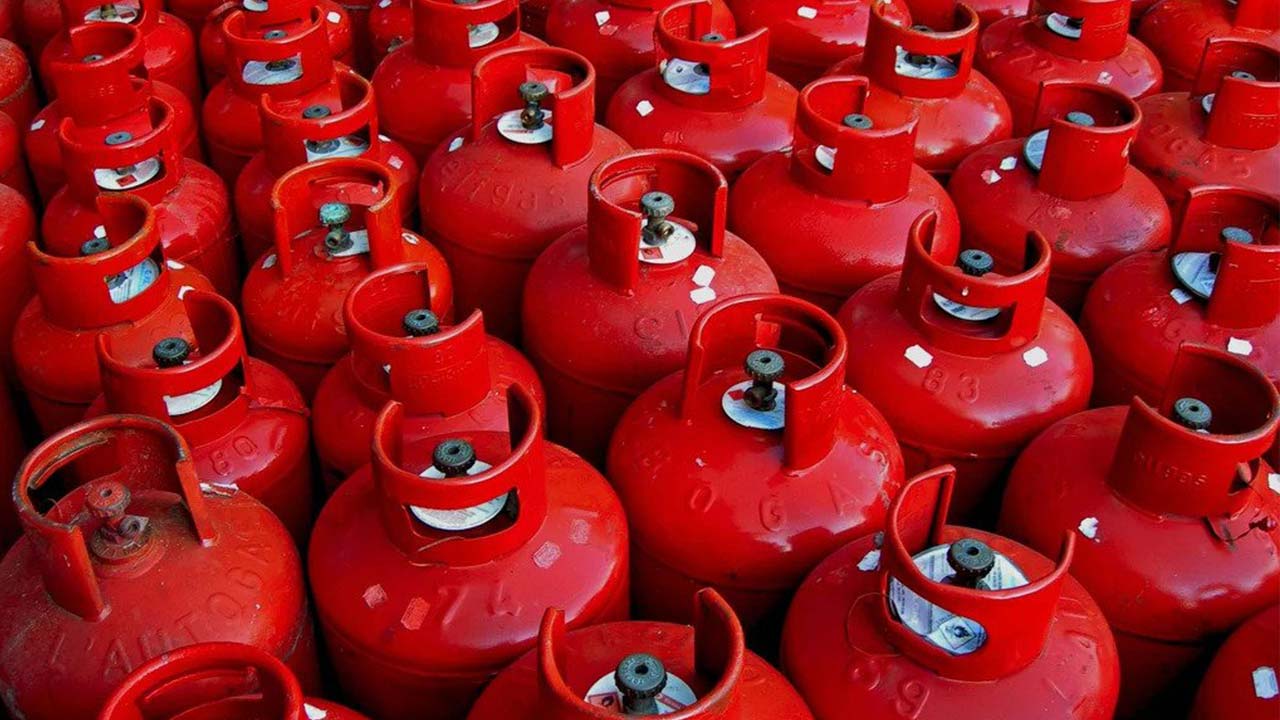
  • OGRA jacks up LPG price by Rs60 per kg

    OGRA jacks up LPG price by Rs60 per kg

    The Oil and Gas Regulatory Authority (OGRA) raised the cost of liquefied petroleum gas (LPG) by Rs60 per kilogramme after a hike of Rs35 in petrol prices.

    The price of liquefied petroleum gas (LPG) has increased by Rs60 per kg to Rs264 per kg, according to a statement from the OGRA.

    The price of a domestic LPG cylinder has gone up by Rs703 and a commercial cylinder by Rs2,706 following the latest price revision. Domestic cylinders will now be sold at Rs3,115 and commercial cylinders at Rs11,984.

    In a statement, LPG Industries Association of Pakistan Chairman Irfan Khokhar lambasted the regulatory authority and called it “mafia.” “Liquefied petroleum gas was now out of reach of consumers after the historic increase in prices,” he said.

    It is pertinent to mention here that the federal government on January 29 announced raising the prices of gasoline and diesel by Rs35 per litre.

    In a televised address, Ishaq Dar said that an 11 per cent increase was witnessed in the prices of petroleum products in the international market. Dar further announced that the prices of kerosene oil and light diesel oil have been increased by Rs18 per litre.

    After the latest round of hikes, petrol is currently priced at Rs249.80, diesel at Rs262.80, kerosene oil at Rs189.83, and light diesel at Rs187.

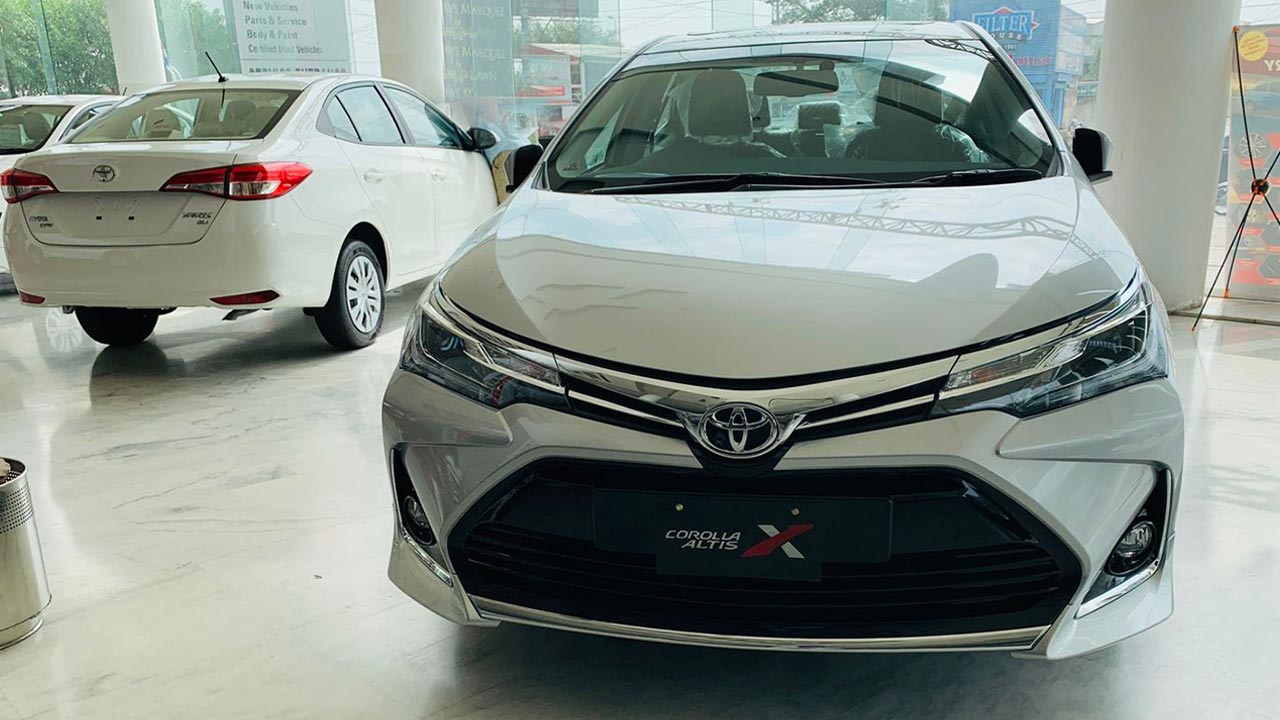
  • ‘Insufficient inventory levels’ force Toyota IMC to suspend car production for two weeks

    ‘Insufficient inventory levels’ force Toyota IMC to suspend car production for two weeks

    Due to the continuing economic crisis, Pakistan’s automobile industry is struggling much like all other businesses. In the most recent development, Toyota Indus Motor Company (IMC) has temporarily halted automobile production.

    Non-production days (NPDs) will be observed by the automaker from February 1 to February 14, 2023. Due to limited supply, the corporation will also switch to single-shift manufacturing from February 15, 2023.

    An official notification from Toyota IMC reads:

    The company and its vendors continue to face major hurdles in import of raw materials and receiving clearance of their consignments from commercial banks. This has disrupted the entire supply chain and the vendors are unable to supply raw materials and components to the company. Accordingly, the company has insufficient inventory levels, therefore, the company is unable to continue its production activities.

    Last month, the State Bank of Pakistan decided to withdraw the restrictions placed on imports with effect from January 2, 2023. The SBP said that Authorised Dealers (ADs) may prioritise or facilitate imports under essential imports, energy imports, imports by export-oriented industry, imports for agriculture inputs, deferred payment / self-funded imports and import for export-oriented projects near completion.

    However, import restrictions due to dollar shortage are still hampering many industries including the auto sector.

    The prices of Toyota IMC’s vehicles have already increased twice in a single month. The uncertainty caused by the continued economic decline is now casting doubt on the future of Pakistan’s auto sector.

  • Kia increases car prices by up to Rs1.3 million ‘due to significant devaluation of Pakistani rupee’

    Kia increases car prices by up to Rs1.3 million ‘due to significant devaluation of Pakistani rupee’

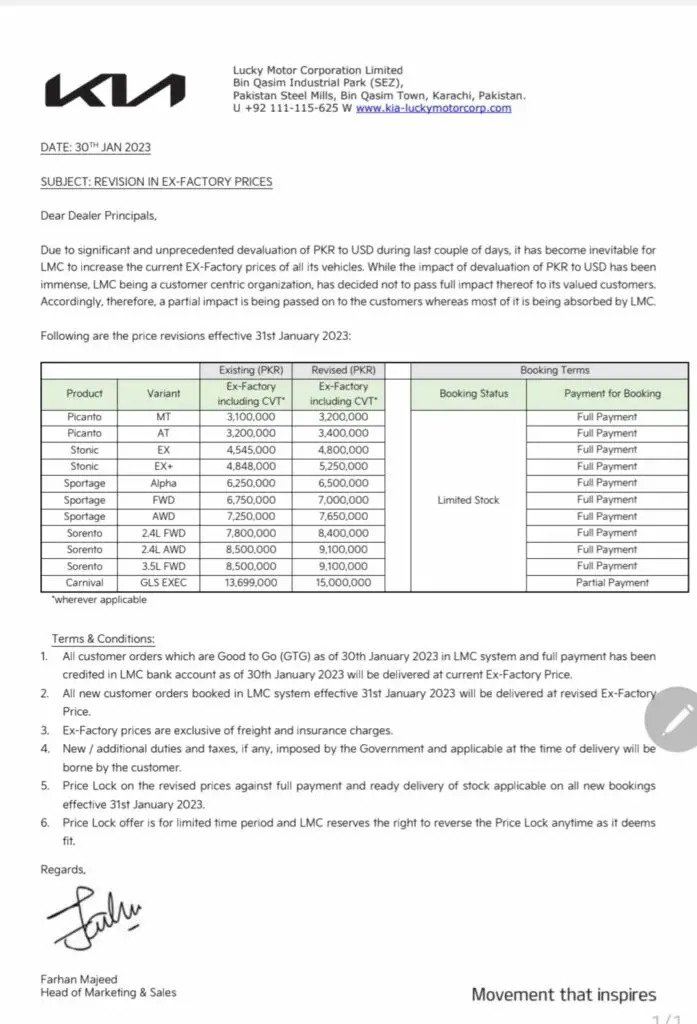
    As the value of the Pakistani rupee (PKR) against the US dollar falls to an all-time low, Kia Lucky Motors Corporation (KLMC) has announced a significant hike in their car prices in Pakistan.

    Details indicate that, depending on the model, the manufacturer has increased the price of the Kia Picanto, Kia Sportage, Kia Stonic, Kia Sorento, and Kia Carnival in Pakistan by up to Rs1.3 million.

    “Due to the significant and unprecedented devaluation of PKR to USD during the last couple of days, it has become inevitable for LMC to increase the current ex-factory prices of all its vehicles,” the company announced in its notification to dealers.

    The new rates will go into effect on January 31, 2023.

    “While the impact of the devaluation of PKR to USD has been immense, LMC, being a customer-centric organization, has decided not to pass the full impact thereof to its valued customers,” it said, adding that only a partial impact is being passed on to the customer and the rest has been absorbed by LMC.

    It is important to note that on January 30, 2023, the interbank market closed with the Pakistan rupee at an all-time record low of Rs269.63 versus the US dollar.

    The price of the Kia Picanto in Pakistan has been increased by a massive Rs100,000 for both variants, bringing the new price of the M/T variant to Rs3,200,000 and the A/T variant to Rs3,400,000, compared to the old prices of Rs3,100,000 and Rs3,400,000, respectively.

    Here are the new prices for all Kia cars:

  • ‘Toughest’ technical level talks between Pakistan and IMF on ninth review begin in Islamabad

    ‘Toughest’ technical level talks between Pakistan and IMF on ninth review begin in Islamabad

    Negotiations to reach a staff-level agreement on the ninth review of the $7 billion Extended Fund Facility (EFF) have started between Pakistan and the International Monetary Fund (IMF) on Tuesday.

    As the cash-strapped government launches new efforts to conclude the lingering ninth review, Finance Minister Ishaq Dar is leading the Pakistani side and Nathen Porter is in charge of the IMF review team. The review team from the IMF arrived in Islamabad on Monday.

    Pakistan is likely to discuss its strategy for implementing further revenue measures with the visiting review delegation.

    The Fund has refused to compromise on the terms it outlined for the restoration of the lending facility, causing analysts to label the technical level negotiations as “toughest.”

    According to The News, Pakistan is experiencing a severe economic crisis, with the currency falling, inflation skyrocketing, and a shortage of electricity. Because he was worried about backlash before the upcoming elections in October, Prime Minister Shehbaz Sharif resisted the IMF’s demands for tax increases and subsidy reductions for months.

    However, Islamabad has begun to yield to pressure in recent days as the threat of national insolvency grows and no friendly nations are ready to give less severe bailouts.

    To manage a growing illicit market in US dollars, the government relaxed limitations on the rupee, which led to the currency falling to historic lows. Additionally, artificially low petrol costs have increased.

    “We’re at the end of the road. The government has to make the political case to the public for meeting these (IMF) demands,” former World Bank economist Abid Hasan told AFP.

    “If they don’t, the country will certainly default and we’ll end up like Sri Lanka, which will be even worse.”

    Last year, Sri Lanka entered into debt default and experienced months of food and fuel shortages that led to unrest and finally forced the nation’s government to depart the country.

  • Intraday update: Pakistani rupee drops to all-time low of Rs270 against US dollar

    Intraday update: Pakistani rupee drops to all-time low of Rs270 against US dollar

    According to information provided by the Forex Association of Pakistan (FAP), the Pakistani rupee depreciated by an additional Rs7.4 after falling to a record low last week, trading at Rs270 per dollar in the interbank market at approximately 1:30 pm on Monday.

    From Friday’s close of Rs262.6, this represents a loss of more than 2.5 per cent.

    The decline of the rupee was blamed on a lack of dollars by Zafar Paracha, general secretary of the Exchange Companies Association of Pakistan (ECAP). He said that the dollar supply had not been resumed. Even though there is no agreement, we do not know where the banks will obtain their supplies.

    The SBP deputy governor assured representatives of exchange businesses last week that commercial banks would be instructed to provide money to the exchange companies.

    “There is a lot of panic in the market.” If dollars are received, it will cool down a bit. “As long as the market doesn’t settle, people will not sell their remittances or export proceeds,” Paracha said.

    The current spell of depreciation came after the coalition government ended its control on dollar’s price in order to convince the International Monetary Fund (IMF) officials to revive the $7 billion loan programme.

  • Govt increases petrol, diesel prices by Rs35 per litre

    Govt increases petrol, diesel prices by Rs35 per litre

    Finance Minister Ishaq Dar on Sunday announced that the federal government has decided to hike the prices of petrol and diesel by Rs35 per litre, which will be applicable from 11 am today.

    Dar said that 11 per cent increase was witnessed in the prices of petrol products in the international market.

    The prices of kerosene oil and light diesel oil have been increased by Rs18 per litre.

    After the latest round of hikes, petrol is now priced at Rs249.80, diesel at Rs262.80, kerosene oil at Rs189.83 and light diesel at Rs187.

    The minister was of the view that prices of petroleum products were not increased in the past 4 months, adding that prices of diesel and kerosene oil also decreased during the period.

    The minister went on to say that the speculations had also led to an artificial shortage of petroleum products in the market. “On social media, it was reported that [fuel prices] were to be jacked up by Rs47-80 which unfortunately became an incentive for them [hoarders],” he added, “because of this, we have received reports of artificial shortages in the market.”