Category: Business

  • Pakistani rupee strengthens by Rs2.82 against dollar, closes at Rs270.51

    Pakistani rupee strengthens by Rs2.82 against dollar, closes at Rs270.51

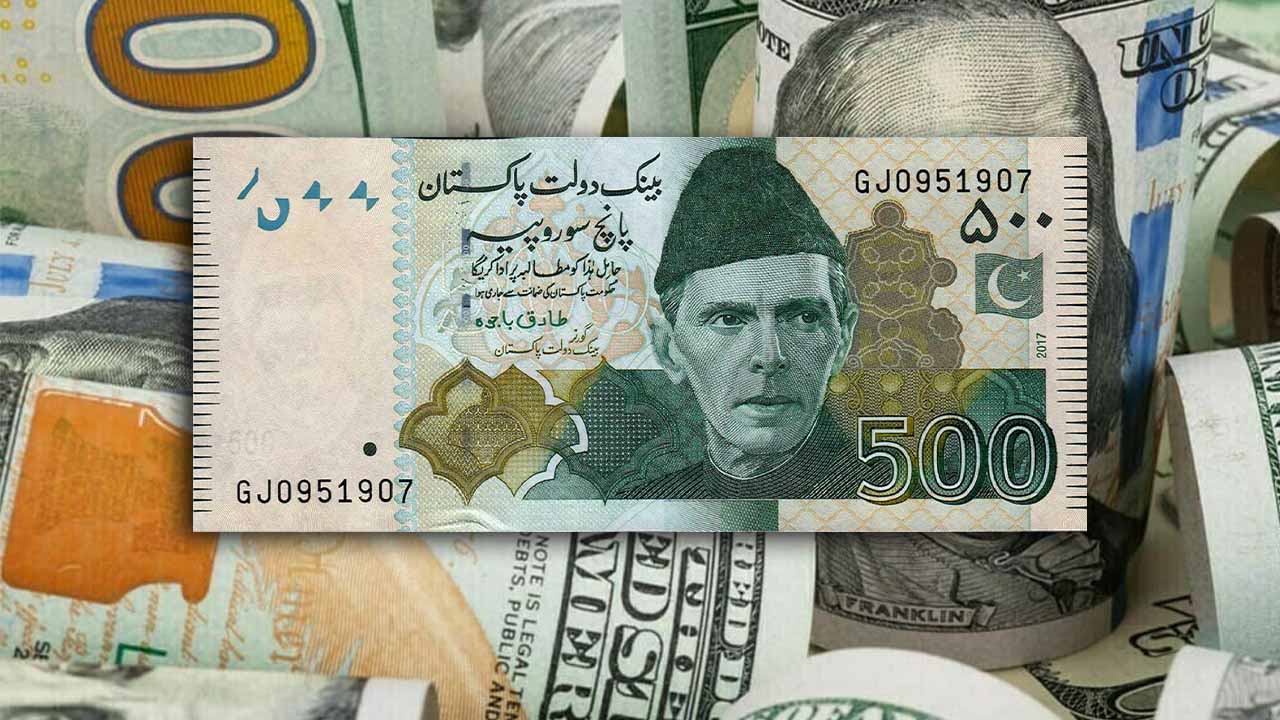
    The Pakistani rupee (PKR) experienced an upward trend against the US dollar in the inter-bank market on Thursday, appreciating by 1.04 per cent due to expectations surrounding the revival of the International Monetary Fund (IMF) program.

    According to the State Bank of Pakistan (SBP), the currency closed at Rs270.51 against the US dollar, reflecting an increase of Rs2.82. Despite this improvement, the currency has depreciated by 23.7 per cent during the current fiscal year against the US dollar.

    On Wednesday, the PKR also saw significant gains against the US dollar, closing at Rs273.33, reflecting an appreciation of Rs2.95 or 1.08 per cent.

    In a key development, Finance Minister Ishaq Dar said on Thursday negotiations between Pakistan and the IMF are “on track” and “we will announce good news soon”.

    Speaking to the media, Dar said talks between the two sides had entered the final round, progress has been “satisfactory” and he hopes discussions will conclude today.

    The dollar index, which measures the US currency against six rivals, was 0.029 per cent higher on Thursday at 103.460, having dropped nearly 0.3 per cent in the previous session.

    Gold prices, rose for a fourth straight session as the dollar faltered, although bullion’s outlook remained cloudy amid the comments made by Fed officials.

    Meanwhile, oil prices, a key indicator of currency parity, were broadly steady on Thursday as the prospect of higher fuel demand in China as it reopens post-COVID curbs were offset by fears that US crude stocks hitting their highest for months may signal weakening demand in the world’s number one economy.

  • Everything is going alright with IMF, says Ishaq Dar

    Everything is going alright with IMF, says Ishaq Dar

    Finance Minister Ishaq Dar said on Thursday that it is expected that the matters between the government and the International Monetary Fund (IMF) regarding the conclusion of the 9th review of the $7 billion loan program will be settled today.

    “Everything is going alright,” replied the finance minister when asked about the status of the discussions with the visiting IMF delegation. “The final round is currently underway. I have daily meetings with the IMF team and will do so again today,” he added.

    “It is expected matters will be settled today,” Dar said. “We will give you the news very soon.”

    A delegation from the IMF, led by Nathan Porter, has arrived in Islamabad for discussions surrounding the completion of the ninth review. The discussions are set to conclude on the same day.

    The successful completion of the review would result in the disbursement of $1.2 billion from the IMF and also unlock additional funding from friendly nations and other multilateral lenders, which is crucial for Pakistan to avoid default.

    Minister of State for Finance and Revenue Aisha Ghaus Pasha informed journalists on Wednesday that the government and the IMF are in close proximity to finalizing the Memorandum of Economic and Financial Policies (MEFP).

    Minister of State for Finance and Revenue Aisha Ghaus Pasha stated that the Memorandum of Economic and Financial Policies (MEFP) would be delivered to Pakistan by the IMF once all issues have been resolved. The Minister noted that significant progress had been made, but added that the IMF was seeking clarification on certain aspects, which the government team is working to address.

    In a written statement, the ministry said the talks with the IMF continued on Wednesday and “focused on fiscal table, financing, etc. There is a broad consensus on the reform actions and measures”.

    Additionally, the mission chief also held a meeting with the finance minister to provide an update on the discussions. “The mission is working on putting it all together and will finalise the MEFP,” stated the finance secretary, who declined to comment on the possibility of extending the scheduled talks in order to reach a staff-level agreement.

    According to Dawn, it is of utmost importance for Pakistan to reach a agreement with the IMF, as the foreign exchange reserves have depleted to a low of $3.09 billion as of January 27th, which is only sufficient to cover 18 days’ worth of imports.

  • Punjab police seizes 1.3 million litres of illegally hoarded petrol in a crackdown

    Punjab police seizes 1.3 million litres of illegally hoarded petrol in a crackdown

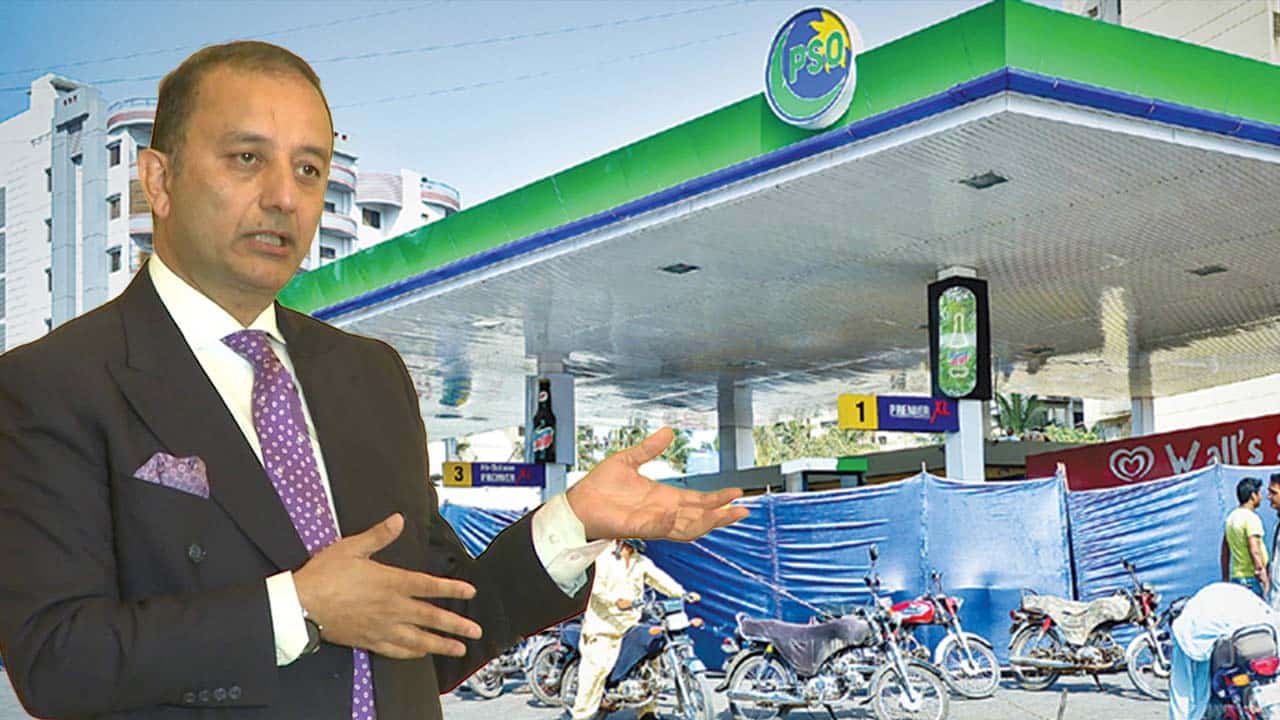
    Pursuant to the warning issued by Petroleum Minister Dr Musadik Malik, the Punjab police initiated a crackdown against individuals engaged in the illicit stockpiling of petrol and diesel in several areas of the province, including Sheikhupura, Patoki, and Daska.

    The Inspector General of Punjab issued directives for strict enforcement against such practices and instructed that decisive action be taken against those found to be responsible.

    In accordance with the directives, police teams conducted raids on multiple fuel stations in Sheikhupura and Patoki, resulting in the recovery of over 1.3 million litres of petrol that had been illegally stockpiled by mafias. The contraband was found stored in underground tanks in warehouses, and over a dozen containers filled with gasoline were also seized.

    The District Police Officer, Zahid Marwat, reported that the value of the recovered gasoline exceeds 300 million rupees. He further stated that appropriate legal action, including the filing of charges, will be taken against those found to be responsible for the hoarding of fuel.

    On Wednesday, Minister of State for Petroleum, Musadik Malik, dispelled all rumors of a shortage of petroleum products in the country.

    According to ARY News, during a press conference held in Islamabad, the state minister stated that Pakistan has an ample supply of both diesel and gasoline. He issued a warning to those engaged in hoarding, stating that the government will revoke licenses for those found to be artificially creating a shortage of these products.

    The minister also sought to dispel any notion that the government is responsible for increasing the prices of petroleum products.

  • Inventory shortage forces Pak Suzuki to temporarily halt operations

    Inventory shortage forces Pak Suzuki to temporarily halt operations

    Pak Suzuki Motor Company (PSMC) announced on Wednesday that it will temporarily halt operations at its automobile plant from February 13th to 17th, due to an insufficient inventory.

    The management of Pak Suzuki, the local assembler, manufacturer, and marketer of Suzuki vehicles and related spare parts, has informed the Pakistan Stock Exchange (PSX) that it will temporarily cease operations at its automobile plant from February 13th to 17th, 2023, due to an ongoing shortage of inventory.

    The company’s motorcycle plant, however, will remain in operation. This decision follows a previous temporary shutdown of the automobile plant from January 2nd to 6th and January 16th to 20th, also due to inventory constraints.

    PSMC has reported that the recent introduction of a prior approval mechanism for imports by the State Bank of Pakistan (SBP) has negatively impacted the clearance of its import consignments, leading to a shortage of inventory.

    As a result, PSMC has suspended new bookings for its motorcycles starting January 20th, due to supply chain constraints and an uncertain production outlook. The company has stated that bookings will resume when the situation improves and it is able to serve fresh customers.

    Pakistan’s auto industry, which heavily relies on imports, is facing a crisis as the SBP has imposed restrictions on the opening of Letters of Credit (LCs) due to the persistent depreciation of the rupee. The country’s depleted reserves have resulted in operational challenges for various industries.

  • Pakistan has enough petrol for 20 days: Musadik Malik refutes fuel shortage rumours

    Pakistan has enough petrol for 20 days: Musadik Malik refutes fuel shortage rumours

    On Tuesday, many petrol stations in the cities of Punjab were closed, causing inconvenience for commuters searching for fuel. However, State Minister for Petroleum, Musadik Malik, refuted reports of a nationwide fuel shortage.

    Despite a recent increase of Rs35 per litre in petrol and diesel prices, consumers are still facing difficulties due to limited supply.

    This situation mirrors a similar occurrence earlier this month prior to the price hike. On January 29, the government raised the prices of petrol and diesel by Rs35 per litre in response to the significant devaluation of the rupee against the dollar.

    The devaluation of the local currency against the dollar reached historic lows after the unofficial cap on the greenback was removed. Consumers in cities such as Faisalabad, Gujranwala, Sargodha, Shakargarh, Khushab, Mandi Bahauddin, and Gojra have encountered difficulties obtaining fuel. Petrol stations that remained operational have experienced long lines of vehicles, with reports of owners rationing the commodity by only providing limited amounts to customers.

    According to Geo, the State Minister for Petroleum has issued a warning against hoarding, as the fuel supply is already precarious. The minister stated that hoarders should be prepared for the possibility of having their licenses revoked.

    He said that there is a 20-day supply of petrol and a 25-day supply of diesel in the country. He urged the public to report any petrol stations that may be restricting supply for profit.

    Malik emphasized that there is no shortage of petrol in the country and confirmed that there will be no increase in the prices of petroleum products before February 15.

  • IMF should protect low-income people in Pakistan’s economic crisis: Human Rights Watch

    IMF should protect low-income people in Pakistan’s economic crisis: Human Rights Watch

    International Monetary Fund (IMF) should collaborate with the government of Pakistan to protect the economically disadvantaged by expanding social protection systems and minimizing reforms that may have adverse effects on the most vulnerable population, according to Human Rights Watch.

    The country is currently grappling with pressing issues such as inflation, poverty, inadequate governance, limited reserves, and high unemployment. Pakistan initiated discussions with the IMF on February 1st to formulate a plan to revive the economy, including securing the ninth tranche of $1.1 billion in loans from the $6.5 billion bailout.

    “Millions of Pakistanis have been pushed into poverty and denied their fundamental social and economic rights,” said Patricia Gossman, associate Asia director at Human Rights Watch.

    In addition, she emphasized that the IMF and the Pakistani government have a duty to manage this crisis in a manner that prioritizes and safeguards the well-being of low-income individuals.

    According to data from the State Bank of Pakistan (SBP), foreign exchange reserves have reached their lowest level at $3.09 billion, a decrease of 16%, sufficient to cover less than three weeks of imports.

    Pakistan is currently experiencing its highest inflation rates since 1975, with the cost of perishable food items rising by over 60% in January. In response to IMF demands, the government of Pakistan recently raised prices of petrol and diesel by Rs35 and removed the cap on the dollar, as it was a crucial condition of the IMF and the dollar should be market-driven.

    The ongoing negotiations with the International Monetary Fund (IMF) are aimed at concluding the ninth review of the IMF’s Extended Fund Facility, designed to support countries facing balance-of-payments challenges.

    The completion of this review would provide the necessary clearance for the IMF’s bailout installment, which would alleviate the severe shortage of foreign exchange and enable access to additional funding sources, including from multilateral and bilateral donors.

  • Daraz Group to reduce 11% workforce in response to challenging market conditions

    Daraz Group to reduce 11% workforce in response to challenging market conditions

    Daraz Group, an e-commerce subsidiary of Alibaba Group, will be reducing its workforce by 11 per cent in response to the challenging market conditions.

    The CEO, Bjarke Mikkelsen, noted the adverse impact of a war in Europe, significant supply chain disruptions, rising inflation, heightened taxes, and the elimination of crucial government subsidies on the company’s operations, which are in Pakistan, Bangladesh, Sri Lanka, and Nepal.

    Daraz, which was founded in Pakistan in 2012 and acquired by Alibaba in 2018, is the largest e-commerce platform in Pakistan and serves over 100,000 SMEs in the country.

    According to Ehsan Saya, Managing Director of Daraz in the country, Pakistan remains the company’s largest market with the largest number of employees across its markets.

    He adds, “almost one-third of the staff in Pakistan is from regional teams which work with teams in Bangladesh, Nepal, Sri Lanka, Myanmar, Singapore, and China.”

    Ehsan Saya confirmed to Reuters that the 11 per cent reduction in the workforce of Daraz Group will also result in an equivalent cut in its workforce in Pakistan. The group did not provide further details regarding the specific number of employees affected and further details on the restructuring.

    In a letter, CEO Bjarke Mikkelsen stated that Daraz has been able to grow its active shopper base from three million in 2018 to over 15 million currently, with an average order growth of nearly 100 per cent until last year. The company reported having access to 500 million customers in 2021 and a workforce of 10,000 employees. In the past two years, Daraz has invested $100 million in Pakistan and Bangladesh.

  • Supreme Court directs FBR to collect 50% super tax from big companies within seven days

    The Supreme Court of Pakistan has ordered organisations earning more than Rs150 million to submit 50 per cent of the super tax imposed on them to the Federal Board of Revenue (FBR) within seven days.

    A two-member bench consisting of Chief Justice of Pakistan Umar Ata Bandial and Justice Athar Minallah heard the plea filed by the FBR against an interim order issued by the Lahore High Court (LHC). The FBR’s counsel, Salman Akram Raja, informed the bench that the LHC had temporarily prohibited the FBR from collecting the tax pending a final decision.

    However, counsel for the respondents argued that the government’s super tax on corporations was unconstitutional. The Supreme Court suspended the interim order of the high court and allowed the FBR to collect 50 per cent of the super tax from these industries within seven days.

    Last year, Prime Minister Shehbaz Sharif announced the implementation of a 10 per cent super tax, also referred to as the “poverty alleviation tax,” on 13 key industries to increase tax collection. The government stated that the “tough decisions” were made to safeguard the economy.

    According to Geo, the sectors subject to the tax included cement, steel, banking, airlines, textile, automobile assembly, sugar mills, beverages, oil and gas, fertilizer, cigarettes, chemicals, and LNG terminals.

  • PM Shehbaz approves hike in gas and electricity tariffs to fulfill IMF demands

    PM Shehbaz approves hike in gas and electricity tariffs to fulfill IMF demands

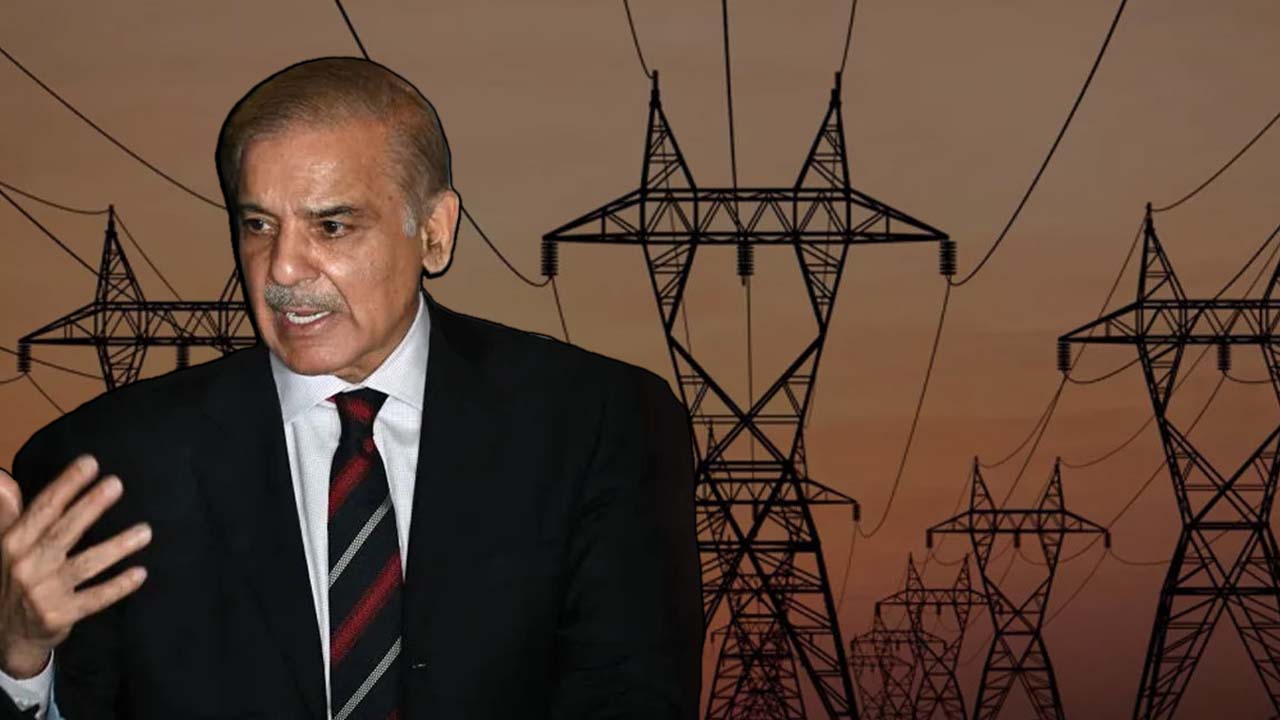
    With only three days remaining to resolve differences, Prime Minister Shehbaz Sharif approved an increase in electricity prices on Monday in an attempt to reach an agreement with the International Monetary Fund (IMF). The annual base tariff is expected to increase by approximately 33 per cent.

    The decision was made during a virtual meeting held at the Prime Minister House after the IMF maintained its stance that Pakistan must fulfill its prior commitments.

    Sources familiar with the discussions indicated that there may be an average increase of Rs7.74 per unit in the base tariffs, but the increase for higher consumption levels will be much higher. Despite this, the Prime Minister still hopes that the Power Division can negotiate with the IMF to reduce the demanded increase.

    With the Prime Minister’s approval, the revised circular debt reduction plan, which includes details of the increase in prices due to quarterly and annual base tariff adjustments, will be shared with the IMF today.

    Power Minister Khurram Dastgir declined to comment on whether the Prime Minister had agreed to increase electricity prices, including the maximum increase for high-end consumers.

    According to sources, the IMF is seeking a 50 per cent increase in prices, while the government is proposing a range of 20 per cent to 33 per cent increase. The discussions began on January 31st and the IMF delegation was in Islamabad until February 9th.

    The IMF has stated that it is in Pakistan at the request of Prime Minister Shehbaz Sharif, with the expectation that the government will implement all of its outstanding actions, including tax increases. If the IMF agrees to the measures proposed by the government, a meeting between Finance Minister Ishaq Dar and IMF Mission Chief Nathan Porter may take place the same day to finalise the measures.

    The sources stated that the Power Division presented several options for increasing tariffs to the Prime Minister, including a Rs4.26 per unit increase in quarterly tariffs and a Rs7.74 per unit average increase in the base tariff.

    The IMF has asked the government of Pakistan to increase electricity prices by over Rs12 per unit to fully cover the additional budget subsidy demand of Rs675 billion. The Power Division believes it can recover Rs43 billion with a lag from July to December 2023, reducing the need for a price hike by the same amount.

    During budget planning, the government allocated only Rs355 billion for power subsidies in the current fiscal year, but the Power Division has requested an additional Rs675 billion in subsidies, bringing the total requirement to over Rs1.03 trillion. In a recent meeting, it was noted that the delayed decision-making has increased the cost of reviving the IMF program.

    The government still hopes the IMF will consider absorbing some of the increase through subsidies, but these subsidies must be supported by additional revenue measures. The IMF also refused the government’s request to exempt up to 300 units for consumers from the price increase, remaining firm on its stance to raise prices for consumers who use 200 units or more per month.

    According to Express Tribune, the Prime Minister has given direction to implement a maximum increase in electricity prices to those with high consumption levels. However, these consumers may struggle to bear the additional cost, which is primarily due to political decisions such as subsidies for exporters and insufficient subsidies in the budget, as well as inefficiencies in the power sector.
  • Pakistan nears finalisation of IMF loan agreement: Power Minister announces positive progress

    Pakistan nears finalisation of IMF loan agreement: Power Minister announces positive progress

    Power Minister of Pakistan, Khurram Dastgir, announced that the country is close to sealing a deal with the International Monetary Fund (IMF) and that the agreement has been achieved on almost all the issues between the two sides.

    With a $350 billion economy, Pakistan is in need of a crucial installment of $1.1 billion from the IMF to avoid default. However, the IMF has identified a significant gap of approximately Rs900 billion, equivalent to 1 per cent of the country’s Gross Domestic Product (GDP), which has been a hindrance in reaching a staff-level agreement.

    Minister Dastgir reassured that the IMF has not demanded the government to cut its defense budget during his appearance on the Geo News program “Capital Talk” on Monday.

    The Minister stated that instead of cutting the defense budget, the IMF has asked the Energy Division to reduce its losses. The Fund has also emphasized the need for the government to reduce line losses in the northern, southern, and western regions of the country. The Minister emphasized that the IMF has made it clear to Pakistan that the country must establish its financial stability by increasing its tax revenues and reducing losses.

    He also mentioned that the international community is not displaying leniency towards Pakistan since the US withdrawal from Afghanistan. The Minister indicated that the country must take the necessary measures to align its financial position and meet the expectations of the IMF and the international community.