Category: Business

  • India beats UK to become fifth-largest economy in the world

    India beats UK to become fifth-largest economy in the world

    India has surpassed the United Kingdom to take over as the world’s fifth-largest economy. The country was ranked as having the fifth-largest economy after outperforming England in the first three months of 2021.

    The UK has moved up to the sixth spot from where it was rated during the 2019 fiscal year. According to a survey by Bloomberg, the US economy was worth USD 854.7 million in ‘nominal’ cash terms in the quarter ending in March, compared to USD 816 million for the UK.

    According to reports, the mark was calculated using an adjusted basis and the dollar exchange rate on the last day of the relevant quarter.

    The update was released two days after the government published the first-quarter GDP figures.

    According to statistics, the Indian economy is expanding by 13.5 per cent annually. Despite the fact that this figure was lower than the RBI’s prediction, the rate is reported to be the highest among emerging nations.

    This fiscal year, India is expected to grow at a rate of about 7 per cent.

  • IMF report exposes incorrect PTI policies that led to rupee’s devaluation

    IMF report exposes incorrect PTI policies that led to rupee’s devaluation

    The International Monetary Fund (IMF) has issued its country report for Pakistan, exposing erroneous policies implemented by the PTI administration that, according to the Fund, undermined the country’s currency reserves and led to the rupee’s devaluation.

    The study also discloses what the present administration, led by the PML-N, has promised the international lender, according to Samaa.

    The study does not identify any political party, but it does mention rising GDP, which the PTI has said is the outcome of its policies. Pakistan’s GDP increased by 6 per cent in fiscal year 2021-22 (FY22), which ended less than three months after Imran Khan was overthrown by parliament in early April.

    According to experts, the increase in GDP was driven by unsustainable expansion, which resulted in economic overheating. The IMF study comes to the same conclusion.

    According to the Fund, GDP growth in FY22 was “driven by permissive fiscal policy and a delayed monetary reaction to inflationary pressures.”

    These factors, together with worldwide food and fuel price shocks, resulted in a major worsening of the external situation, including an unsustainable current account deficit, a considerable decrease in reserves, and a significant devaluation of the rupee.

    The PTI administration failed to respond to the worldwide commodity price increase, and its policies caused the rupee to depreciate and currency reserves to dwindle, according to the international lender.

    Pakistan is at a crossroads in its economic development. Internal demand reached unsustainable levels as a result of a challenging external environment paired with procyclical domestic measures. According to the IMF, the resulting economic overheating resulted in high fiscal and external deficits in FY22, contributed to increasing inflation, and destroyed reserve buffers.

    The PTI administration broke its pledges quickly after collecting roughly $1 billion from the IMF. Following the completion of the sixth evaluation, programme implementation worsened. In the midst of a volatile political scene, planned fiscal adjustment was reversed, and some significant EFF agreements were honoured, as per the report.

    According to the report, the present administration has informed the Fund that it would reimpose the general sales tax (GST) on petroleum products and will not provide any fuel subsidies.

    The current administration will not declare a tax amnesty unless Parliament first approves it. It will also simplify the sales tax on services throughout the country. Currently, different provincial territories apply varying rates of sales tax on services.

    The Fund takes notice of the actions implemented by the PML-N administration to re-establish the IMF programme, including a budget based on a basic surplus, a rise in interest rates, and the elimination of fuel subsidies.

    The IMF has advised the government to maintain a market-based currency rate, enhance tax income, and strengthen foreign reserves. The IMF also said that the lending programmes entail exceptional risks even after policy adjustments.

  • Pakistan inflation hits highest level since 1973

    Pakistan inflation hits highest level since 1973

    According to the Pakistan Bureau of Statistics (PBS), Pakistan’s Consumer Price Index-based inflation (CPI) climbed by 27.3 per cent on a year-over-year basis in August 2022 as opposed to an increase of 24.9 per cent the previous month and 8.4 per cent in August 2021.

    Inflation has increased by an average of 26.1 per cent in the first two months of the current fiscal year 2023 compared to 8.36 per cent in 2022. August’s inflation rate was the highest since November 1973.

    According to brokerage house Arif Habib Limited (AHL) the Consumer Price Index (CPI) for the month of Aug’22 clocked in at 27.26 per cent YoY (+2.45 per cent MoM). This takes 2MFY23 average inflation to 26.1 per cent compared to 8.36 per cent in 2MFY22.

    CPI inflation

    Urban

    In August 2022, urban CPI inflation was 26.2 per cent on an annual basis, up from 8.3 per cent in August 2021 and 23.6 per cent the month before.

    It climbed by 2.6 per cent month over month in 2022, compared to 4.5 per cent the month before and 0.5 per cent in August 2021.

    Rural

    In addition, rural CPI inflation reached 28.8 per cent on an annual basis in August 2022, up from 8.4 per cent in August 2021 and 26.9 per cent in the preceding month.

    In August 2022, it climbed by 2.2 per cent month over month, compared to 4.2 per cent the month before and 0.7 per cent in August 2021.

    Further increase expected

    Rising inflation has become a major worry for Pakistan’s economy, which is already experiencing a loss of foreign exchange reserves.

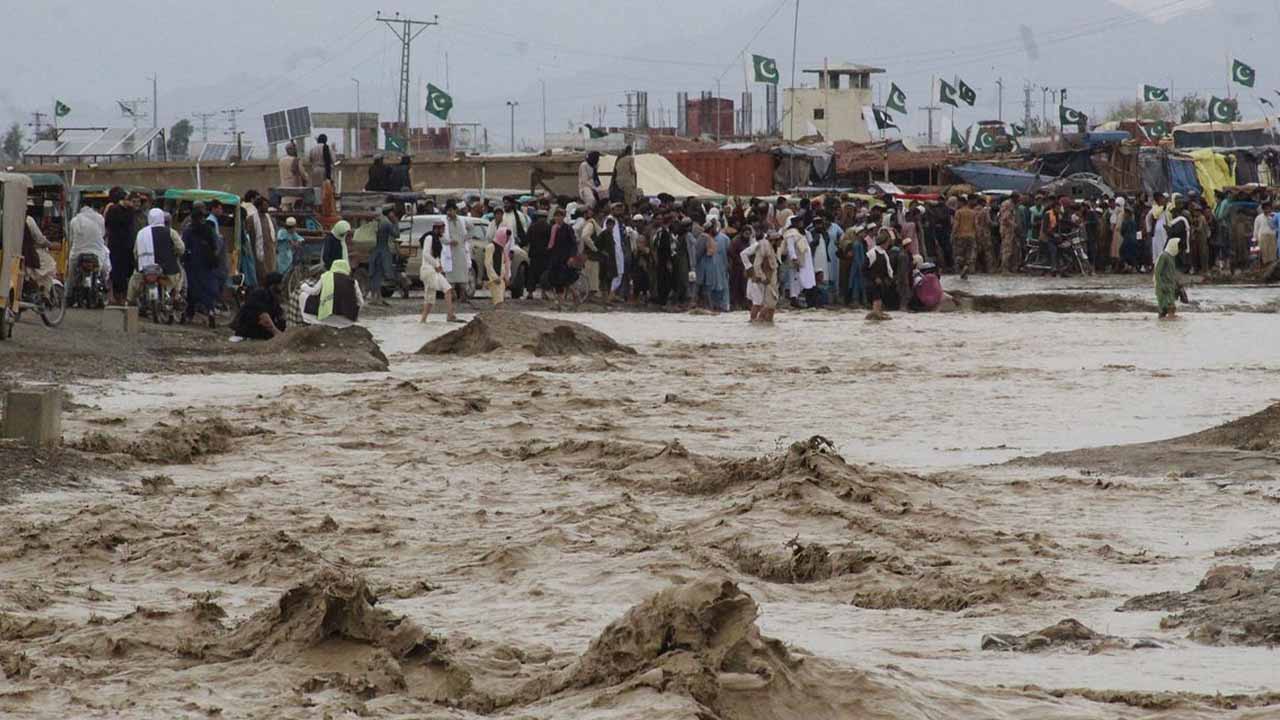
    In the midst of severe flash floods that have resulted in at least 1,100 fatalities, extensive destruction, and millions of displaced people, experts have cautioned that the country will experience additional increases in food costs.

  • Govt raises petrol price by Rs2.07 to Rs235.98 per litre

    Govt raises petrol price by Rs2.07 to Rs235.98 per litre

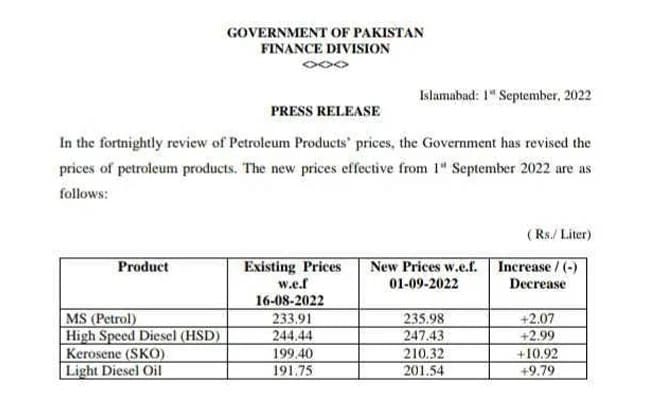
    The price of petrol was raised by the government on Wednesday by Rs2.07 per litre, making it Rs235.98 for the upcoming two weeks.

    Additionally, it announced a hike in the costs of kerosene oil by Rs9.79 per litre to Rs201.54, high-speed diesel by Rs2.99 per litre to Rs247.43, and light diesel oil by Rs10.92 per litre to Rs210.32.

    Contrary to what the market anticipated, the decision to raise gasoline prices, even more, was finally made. In the first half of September 2022, the market anticipated a price drop of up to Rs 20 per litre for the two main petroleum products—petrol and high-speed diesel.

    Expectations were sparked by a decline in the average exchange rate for the purchase of Pakistan State Oil (PSO), which fell from Rs227 in the first half of August to Rs217 in the next15 days.

    Similar to this, the premium paid on gasoline and HSD in the first half of August had decreased from $17 and $8.5 per barrel, respectively.

  • UK’s £1.5 million financial support for Pakistan flood victims termed ‘pathetically small’

    UK’s £1.5 million financial support for Pakistan flood victims termed ‘pathetically small’

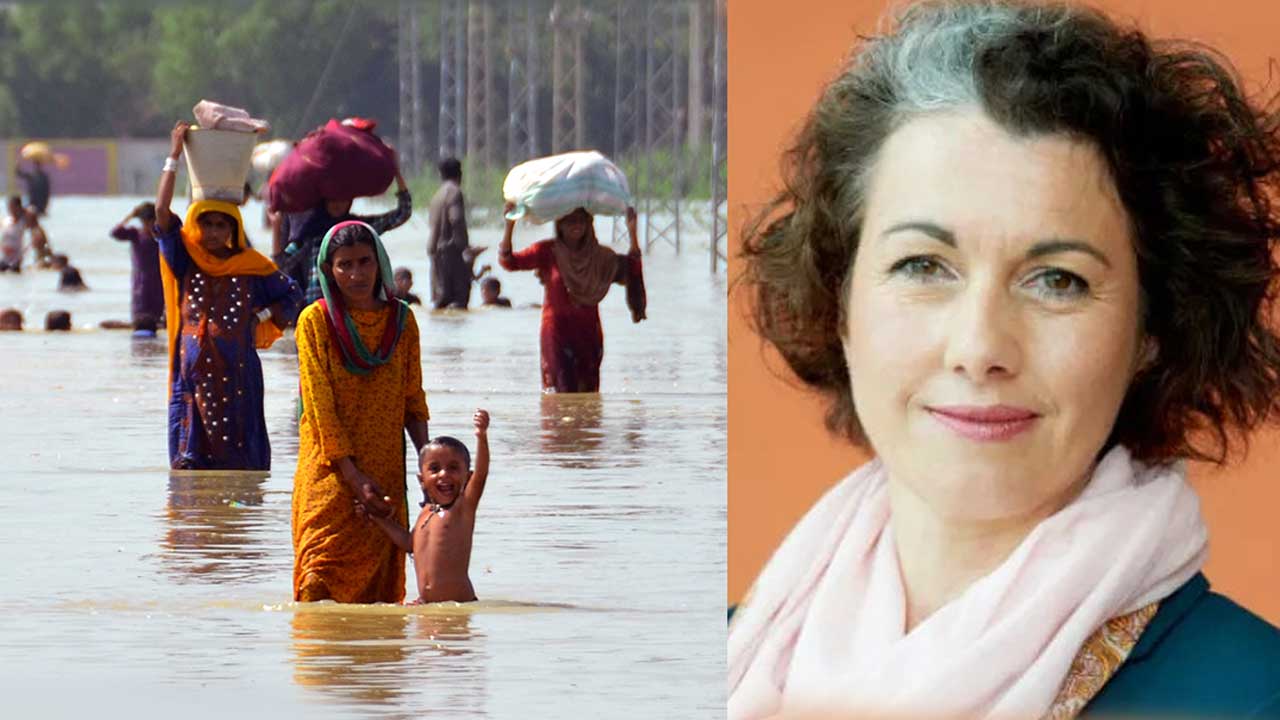
    The International Development Committee (IDC) of the British Parliament has called the UK’s financial support for disastrous floods in Pakistan ‘risible’.

    The “pathetically small” amount of support provided, according to IDC chair Sarah Champion, made her feel ashamed. She further said that by choosing to take the money out of Pakistan’s current aid, the UK was really doing nothing for Pakistan.

    According to Independent, the contribution of up to £1.5 million announced last week, according to IDC chair Sarah Champion in a letter to foreign secretary Liz Truss, equals less than 5p for each individual impacted by the heavy rain that has devastated more than 700,000 homes.

    As soon as parliament reconvened on Monday after its summer recess, she requested Ms Truss make an urgent statement regarding the calamity.

    The response to the floods, according to Ms Champion, revealed Boris Johnson’s administration policy of continued apathy towards Pakistan, which has dropped from first to seventh in the list of countries receiving bilateral aid from the UK since 2019.

    Last week, Lord Ahmad, a minister in the Foreign Office, expressed his thoughts and prayers for the millions of people impacted by the floods that have apparently inundated a third of Pakistan’s territory. “The UK stands with the people of Pakistan during this time of need,” he said.

    And on Tuesday, Mr Johnson expressed his deepest sympathies for the Pakistani people, saying, “We have witnessed the destruction there, and it is truly heartbreaking.

    “Pakistan is traditionally one of the biggest recipients of UK overseas aid. We will of course make sure that we send a fitting package commensurate with the vital relationship that there is between the UK and Pakistan and people’s natural sympathies with those who have been affected by the floods.”

    However, Ms. Champion wrote to Ms Truss in her letter, saying, “Considering the scope and impact of the flooding, I was ashamed to read the government’s declaration of ‘up to £1.5m from the UK’ in humanitarian support on August 27, 2022.”

    “Even if the full £1.5m were delivered, it would amount to less than 5p for each person affected.”

    “Furthermore, that pathetically small sum will be subtracted from ‘existing support to Pakistan’. The UK government’s risible response to this humanitarian disaster arguably amounts to nothing.”

     “However, UK aid funding to Pakistan has been cut dramatically. Pakistan has fallen to seventh in the list of UK bilateral aid recipients since it experienced the largest single decrease in any country budget.”

    A Foreign Office spokesperson said that Ms Champion’s letter had been received and a response would be made in due course.

    It is important to note that Ahsan Iqbal, Pakistan’s Minister of Planning, previously estimated that the cost of the flood damage could reach $10 billion.

  • Govt may add 9,000 MW solar energy to national grid as an alternative power source

    Govt may add 9,000 MW solar energy to national grid as an alternative power source

    The federal government intends to prioritise the addition of 9,000 megawatts (MW) of solar energy to the national grid.

    According to Express Tribune,  the government may spend money on producing 6,000 MW of solar energy. A scheme to install 2,000 MW of solar photovoltaic (PV) power on 11 kV feeders is also being considered. The government has chosen a number of locations in south Punjab for this purpose.

    By solarizing the public-sector buildings, the government will also add 1,000 MW of solar energy to the national grid.

    Through a single-stage, two-envelope bid process and a tariff indexation of 70 per cent every three months, the authorities will implement a straight-line tariff. In this regard, it aims to provide friendly nations with competitive tariffs.

    The government may acquire all the electricity produced on a 25-year BOOT (Build, Own, Operate, and Transfer) basis due to increased demand. It also intends to guarantee power off-take and offer the land for the projects.

    Additionally, the government intends to exempt all investors from import customs and other taxes, as well as from income tax on gains and profits for the first ten years.

    Incentives for the 4MW solar generation to be installed at 11kv feeders through a bid process may also be announced by the Ministry of Energy.

    In this context, the government can propose a straight-line tariff and a quarterly 50 per cent Pak CPI indexation with a 15 per cent maximum. Additionally, a bid/lease procedure will be used to install the solar rooftop system.

  • Pakistan to import vegetables from neighbouring countries to overcome shortage

    Pakistan to import vegetables from neighbouring countries to overcome shortage

    After devastating floods ravaged the nation, Pakistani officials made the decision to import onions and tomatoes from Iran and Afghanistan due to the rising prices and imminent food crisis.

    The production and supply of vegetables and other crops has been impacted by the recent torrential rains and flooding.

    At a meeting presided over by Commerce Minister Naveed Qamar, the Ministry of Commerce made the announcement. The minister also examined the country’s supply of tomatoes and onions.

    To address the nationwide demand for these crops, the session voted to facilitate the import of onions and tomatoes from Afghanistan and Iran.

    According to The News, the panellists predicted that there will be a tomato and onion shortage in the nation within the next three months. They also stated that because recent flooding has harmed crops, a shortage and price increase are anticipated.

    The News reports that the importation of tomatoes and onions will help to uplift their availability and maintain their pricing.

    The Ministry of Commerce would collaborate with the FBR and the Ministry of National Food Security, it was decided at the meeting. The session also resolved to request reductions in taxes and charges from the federal cabinet’s Economic Coordination Committee for imported tomatoes and onions.

    Earlier, Qamar had emphasised the importance of taking quick action to make tomatoes and onions available to consumers and to stabilise the skyrocketing costs of these commodities. Due to a lack of supply in the market as a result of recent floods, the price of onions and tomatoes has reached Rs 300 per kg.

  • Here’s a list of the top 10 richest people of the world

    According to the latest list by Forbes, these are the world’s richest people who have made it to the top 10.

    Elon Musk

    Elon Musk, who is in the news because of his battle with Twitter, has a net worth of $263.4 billion.

    SpaceX is valued at almost $100 billion and Tesla is the world’s most important automaker.

    Bernard Arnault and Family

    Europe’s richest man who earned a $100 billion fortune last year, the chairman and CEO of LVMH, Bernard Arnault, is second on the list with a net worth of $167.7 billion. The family owns more than 70 brands.

    Jeff Bezos

    Jeff Bezos is the founder and CEO of Amazon and has a net worth of $162.7 billion. Even though he transferred much of his wealth to his wife after their divorce, the e-commerce giant remains the third richest.

    Gautam Adani and family

    India’s Gautam Adani has diversified Adani Group into multiple sectors, including aerospace, logistics, and energy. At $142.7 billion, he is now the fourth richest person in the world.

    Bill Gates

    Bill Gates has a net worth of $113.4 billion.

    Larry Ellison

    With a net worth of $108.5 billion, Larry Ellison — the founder of software firm Oracle — stands at the sixth position. Ellison has also been on Tesla’s board after he bought three million shares in 2018, reported Business Insider. Almost all of the Hawaiian island Lanai belongs to Ellison.

    Larry Page

    Google’s co-founder Larry Page has a net worth of over $100 billion. Among other interesting projects, he is funding “Flying Car”.

    Sergey Brin

    Sergey Brin is the co-founder and board member of Alphabet. He also co-founded Google. He has a total net worth of $97.0 billion.

    Mukesh Ambani

    Mukesh Ambani with a total net worth of $94.2 billion is at the 10 position in the world. He owns Reliance Industries and has been the richest person in Asia.

  • Flood-related losses may exceed $10 billion: Ahsan Iqbal

    Flood-related losses may exceed $10 billion: Ahsan Iqbal

    Planning Minister Ahsan Iqbal said that the initial economic losses caused by the floods in Pakistan cost at least $10 billion.

    The estimated cost was disclosed by Planning Minister on Monday, saying that Pakistan needed help from the rest of the world to deal with the consequences of climate change.

    Unexpected monsoon rains have caused historic flash floods that have destroyed bridges, crops, infrastructure, and highways, killing over 1,000 people and affecting more than 33 million. “I think it is going to be huge. So far, (a) very early, preliminary estimate is that it is big, it is higher than $10 billion,” Iqbal said.

    The minister estimated that the 200-million-person South Asian country, which will be facing an acute food scarcity, may take five years to reconstruct and recover.

     Along with significant damage to the rice fields, he claimed that 45 per cent of the cotton harvests had been washed away. “I think it is going to be huge. So far, (a) very early, preliminary estimate is that it is big, it is higher than $10 billion,” Iqbal said.

    According to Reuters, the Pakistani military said in a statement on Tuesday that rescue operations were still in progress and that foreign aid, including seven military aircraft from Turkey and three from the United Arab Emirates, was beginning to reach the nation.

    More aid will be sent to Pakistan as a result, which will assist it in overcoming its current condition.

    More than 300 stranded persons had been airlifted away, more than 23 metric tonnes of relief supplies had been provided, and more than 50 medical camps had been set up, with more than 33,000 patients receiving treatment, according to the statement.

    Moreover, China will send two aircraft on Tuesday (today) carrying 3,000 tents and Japan will send tarpaulins and shelters, in addition to the announcements of financial support from the UK, Canada, Australia, and Azerbaijan.

    As the cash-strapped nation struggles with political and economic unrest made worse by the historic floods, the International Monetary Fund (IMF) threw it another lifeline on Monday by releasing $1.17 billion in bailout funding.

    “Pakistan is in dire need and the damages are here and we will be in this a very long time,” Iqbal said. “It’s not months but years we are talking about.”

  • Vegetable prices soar amid low supply due to floods

    Vegetable prices soar amid low supply due to floods

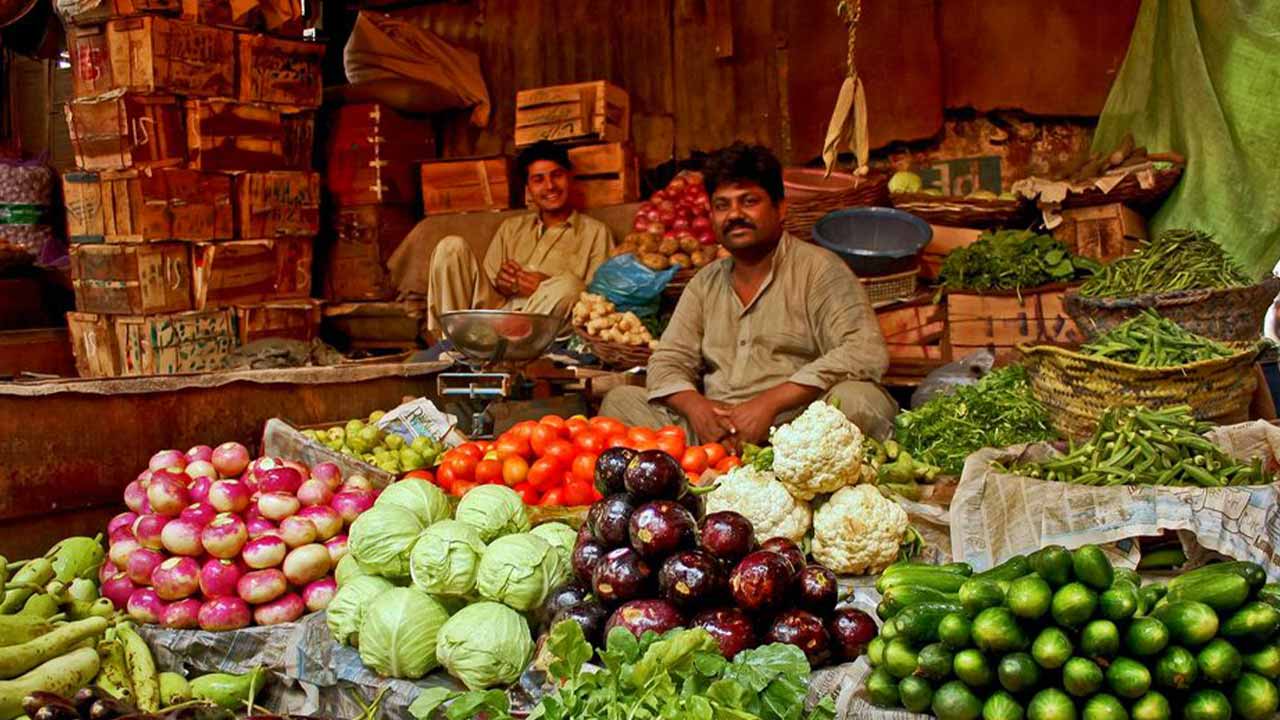
    Extreme flooding has hampered the supply of perishable items from agricultural areas, driving up the prices of onions and tomatoes in city markets.

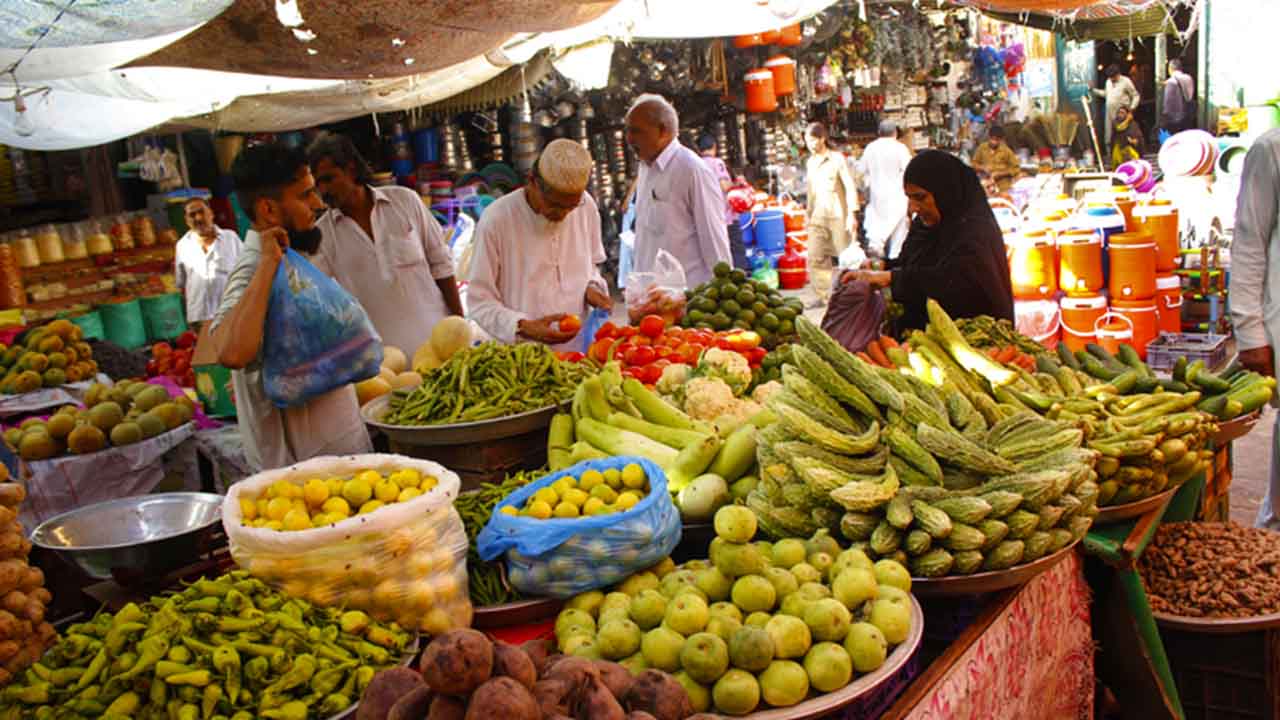
    While tomatoes cost Rs400-450 per kilogramme (kg), onions cost Rs350-400 per kg. Onion prices rose by Rs75 per kg week over week in the official rate list, while tomato prices rose by Rs234 per kg.

    The supply chain is hampered by road blockages and transportation restrictions in flood-affected areas, according to The News.

    Onion A-grade cost Rs75 more per kg, was fixed at Rs180-190, and was sold for Rs350-400 per kg. Onion B-grade cost Rs160-167 per kg, was sold for Rs235-250 per kg, and onion C-grade was priced at Rs180-200 per kg.

    Tomato A-grade price increased by Rs234 per kg, maintained at Rs320-330 per kg, sold for Rs400-450 per kg, followed by B-grade price increase to Rs290-300 per kg, C-grade price increase to Rs240-250 per kg, and B&C price increase to Rs350 per kg.

    Chinese carrot prices increased by Rs11 per kg, from Rs80 to Rs85 per kg to Rs120 to Rs160 per kg for sale. Fenugreek (Methi) remained constant at Rs250-260 per kg and was sold for Rs400 per kg.

    This week, the price of chicken also climbed by Rs20 per kg, from Rs240 per kg to Rs280–300 per kg, and the price of chicken meat by Rs30 per kg, from Rs362/kg to Rs380–650/kg.

    Cucumber Farm increased its price by Rs50 per kg, fixed at Rs120-125 per kg, sold at Rs150 per kg, and locally sold cucumbers were sold for Rs200 per kg.

    Brinjal price increased by Rs5 per kg, from Rs86 to Rs90 per kg, and was sold for Rs120 to Rs140 per kg.

    Price of bitter gourd rose by Rs10 per kg, fixed at Rs160-165 per kg, and sold at Rs200 per kg.

    Local lemon prices increased by Rs20 per kg, from Rs235-245 per kg to Rs280-320 per kg when sold. Pumpkin remained at Rs60–63 per kg, sold for Rs80–100 per kg, and pumpkin long was sold for Rs140–150 per kg.