Category: Business

  • Government will soon lift the import ban on certain items

    Government will soon lift the import ban on certain items

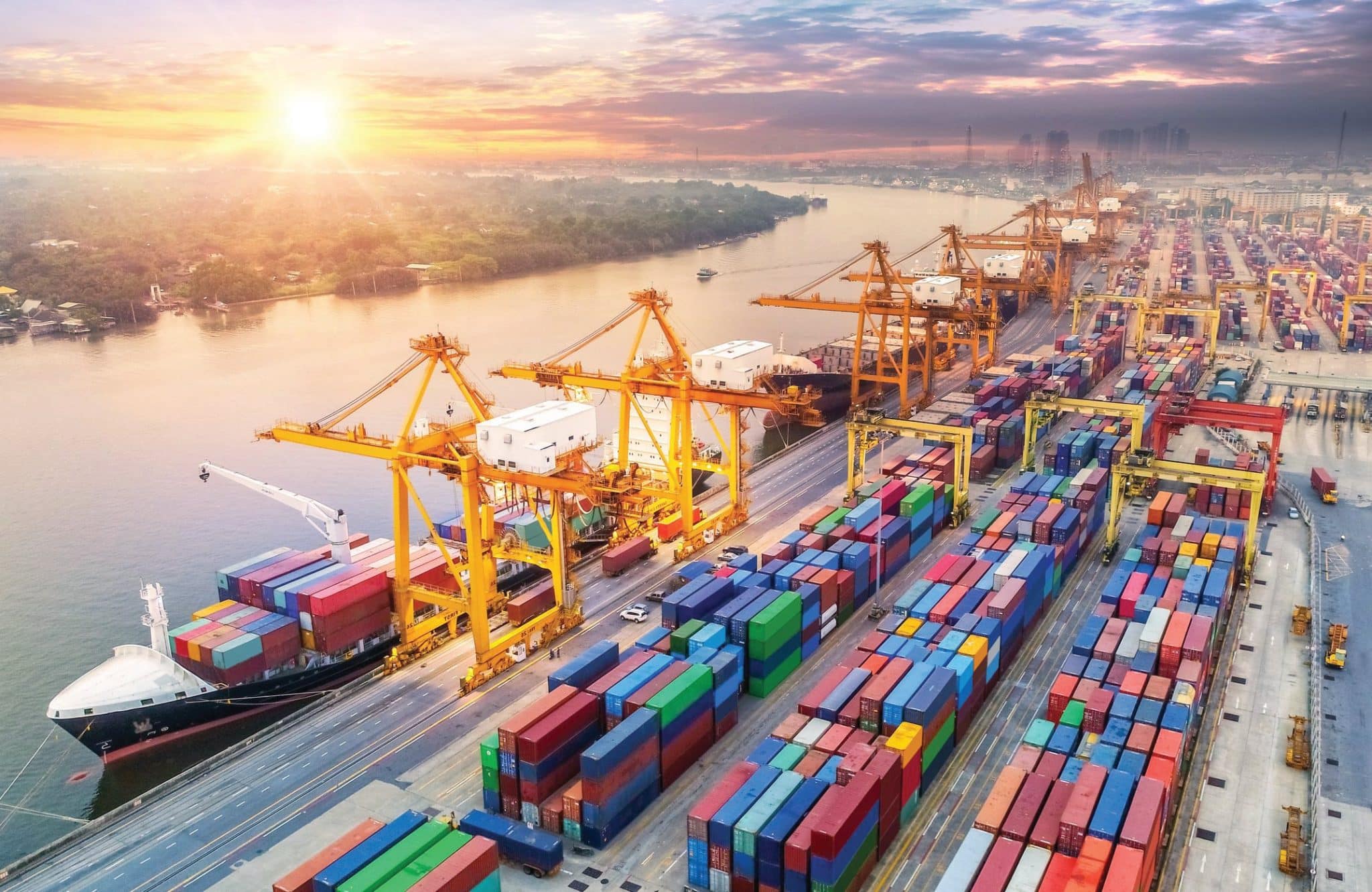
    The government will lift the import ban on some items in the upcoming weeks, according to Finance Minister Miftah Ismail, but restrictions for cellphones, cars, and home appliances will remain in place.

    He stated that the Commerce Ministry has sent a summary to the federal cabinet for removing restrictions on the import of non-essential and luxury items while speaking at a seminar about the performance of state-owned enterprises (SOEs) here in the federal capital.

    According to the finance minister, the decision was made in light of a lower import bill as a result of restrictions placed on the import of new machinery and raw materials, as well as lower oil prices on the global market. “In the upcoming months, we anticipate a decrease in petroleum product imports. Lower imports will enable Pakistan to conserve its foreign currency, he continued.

    He continued by saying he was hopeful for higher dollar inflows compared to outflows starting in the upcoming month, which would ease pressure on the local currency.

    “Imports in Pakistan as of July 25 were $3.758 billion and our total imports are likely to be $4.824 billion. This number will be less than our exports plus remittance”, he had written on Twitter a day earlier.

    The ban on 30 categories and 83 Customs headings was reportedly requested to be lifted by the finance minister on Tuesday to Prime Minister Shehbaz Sharif.

    He did, however, suggest that the Commerce Ministry keep the ban on completely built units (CBUs), cars, and home appliances in place.

    Speaking with Profit, sources said that between May 19 and July 19, 2021, Pakistan imported CBU automobiles, mobile phones, and home appliances worth Rs399 million. However, after the ban was imposed on May 19, 2022, the trend of importing these items decreased.

    Pakistan imported goods worth Rs123 million between May 19 and July 19, 2022, a difference of Rs276 million compared to the corresponding months of the previous fiscal year.

    It is important to note that the government has outright banned the import of cars, mobile phones, home appliances, dry fruits (aside from those from Afghanistan), crockery, shoes, chandeliers, lights (except energy savers), headphones, and loudspeakers.

    Some items on the list included condiments, doors and window frames, travel bags and suitcases, sanitary ware, fish and frozen fish, preserved fruits, tissue paper, furniture, shampoos, confectionery, luxury mattresses, and sleeping bags, jams and jellies, cornflakes, toiletries, heaters, blowers, sunglasses, kitchenware, aerated water, frozen meat, juices, pasta, ice cream, cigarettes, shaving supplies, luxury leather apparel, and musical instruments.
  • Gold prices hit an all-time high of Rs152,000 per tola

    Gold prices hit an all-time high of Rs152,000 per tola

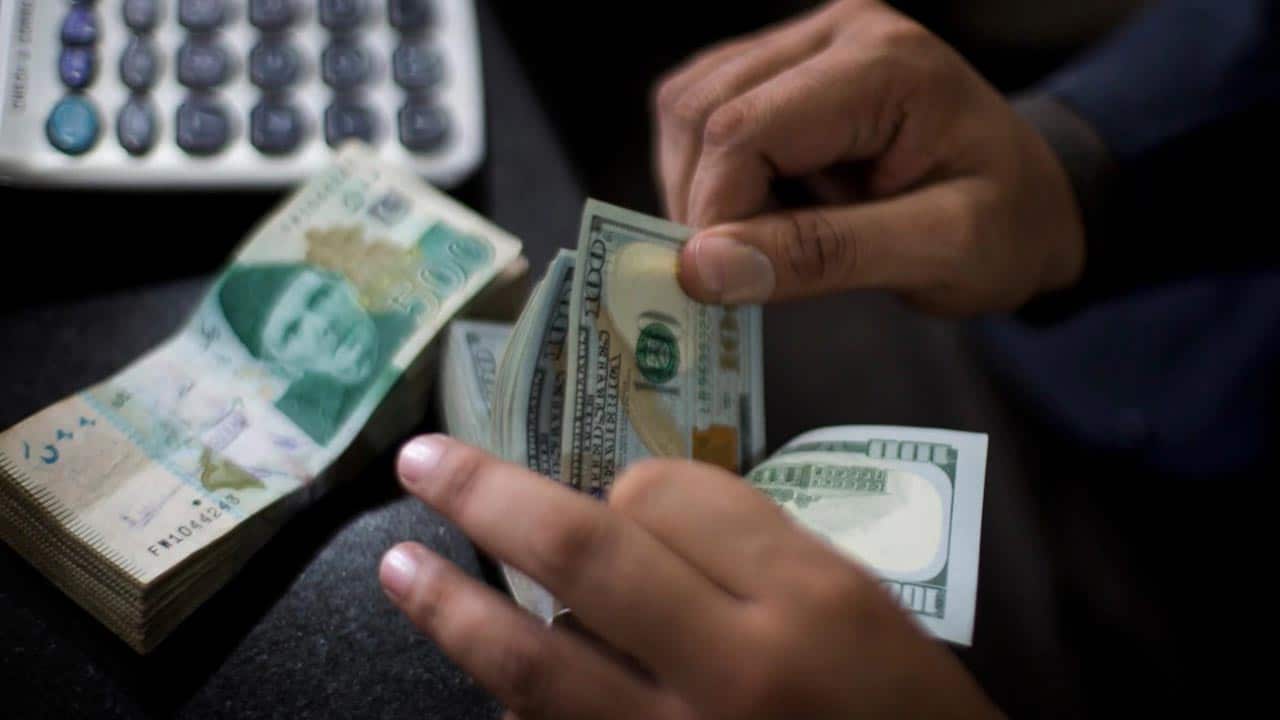
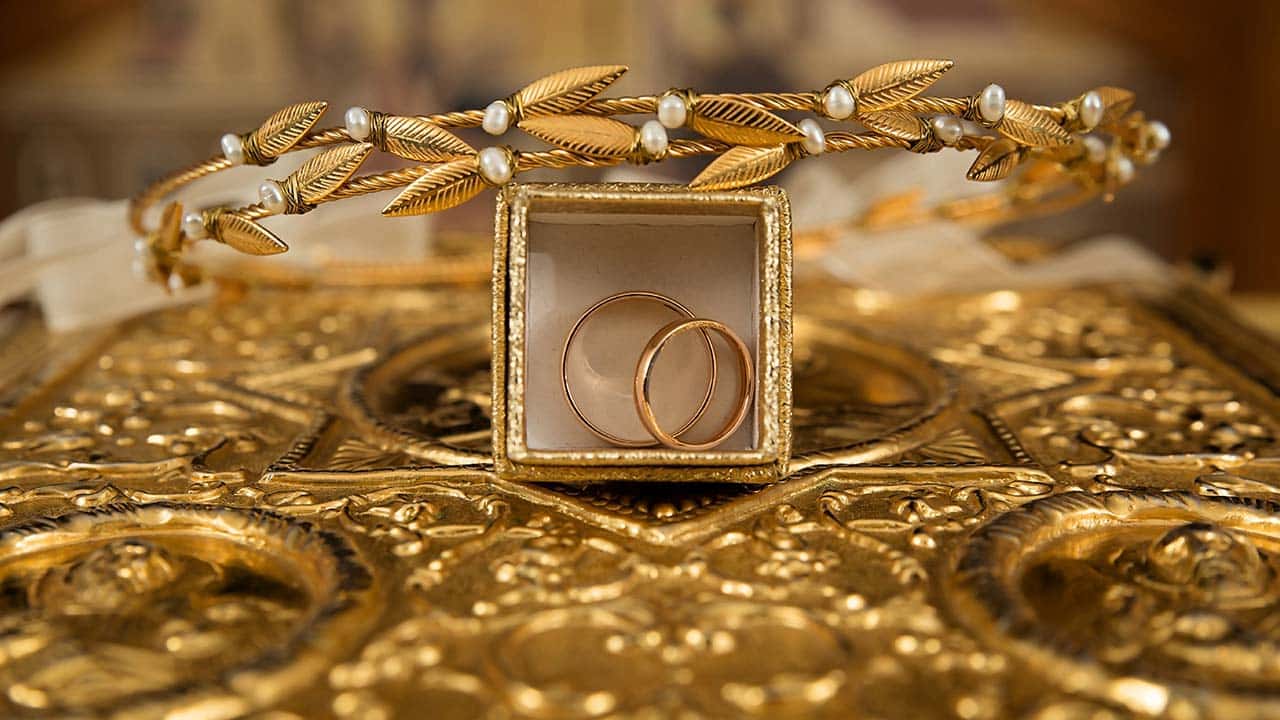
    On Wednesday, the price of gold in Pakistan rose to an all-time high, reaching Rs152,000 per tola, primarily as a result of increased demand and the weakening of Pakistani rupee (PKR).

    Just on Wednesday, gold prices increased by Rs2,500. The price per tola has climbed by a total of Rs10,900 since July 1 with the most recent hike.

    Pakistan often follows the trajectory of the global market for bullion and other precious metals. A declining rupee, however, has altered the situation.

    According to Akhtar Tesori, chairman of the Pakistan Gems Jewellery Traders and Exporters Association (PGJTEA), demand for gold jewelry was significantly decreased in the country during the past several months.

    In the interbank market on Wednesday, the rupee finished at Rs236.02. This is a new record low for the rupee versus the US dollar.

    The cost of silver in the domestic market remained steady at Rs1,600 for a tola and Rs1,371.74 for a gramme.

  • Pakistani rupee crashes to another record low of Rs236.02 against US dollar

    Pakistani rupee crashes to another record low of Rs236.02 against US dollar

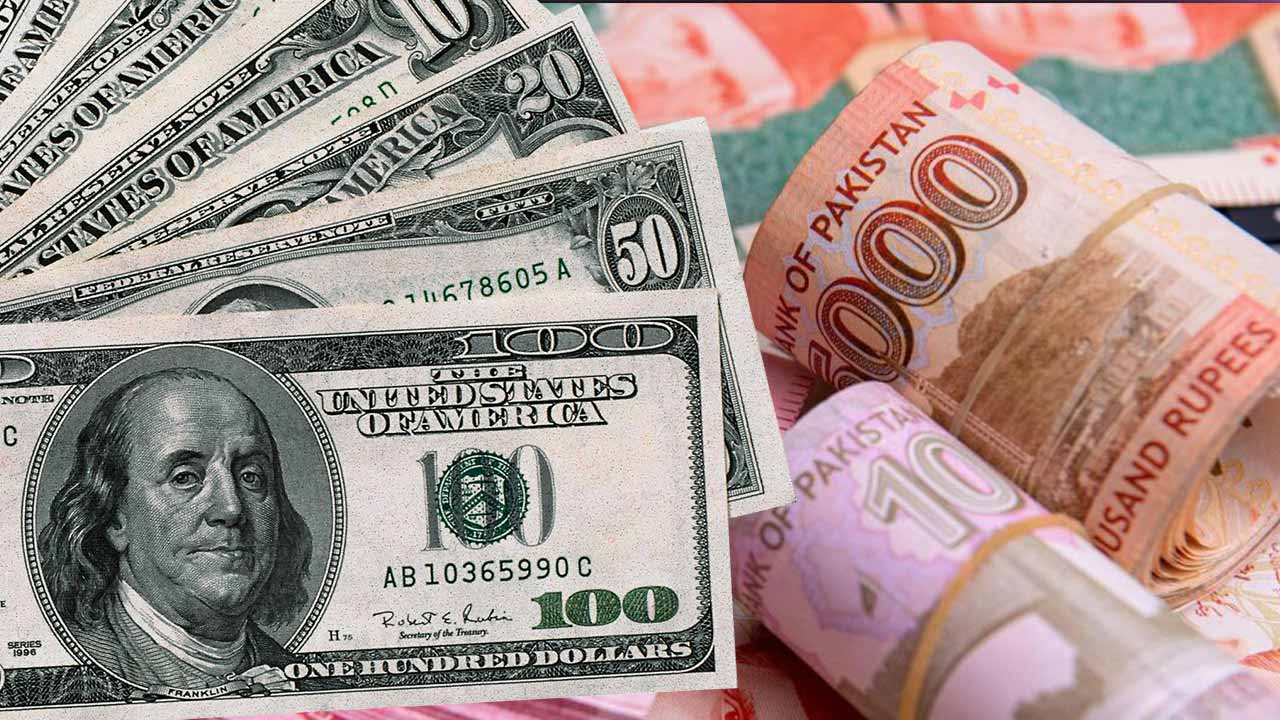
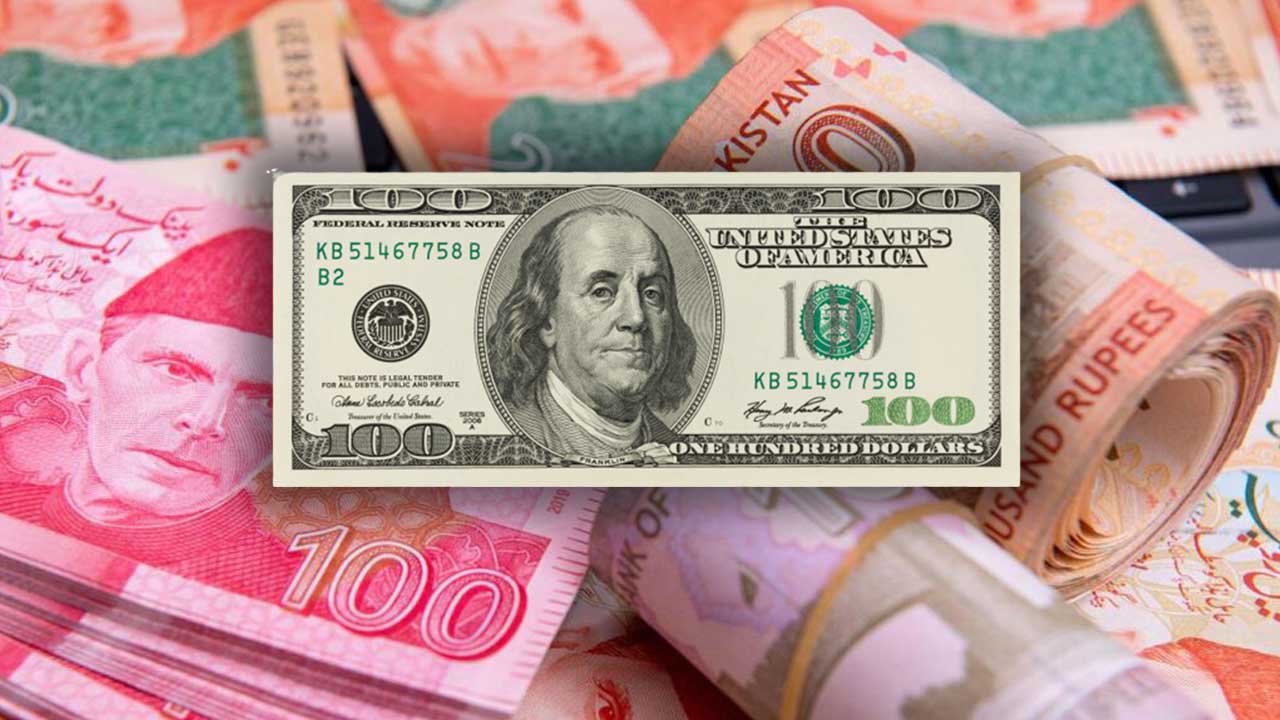
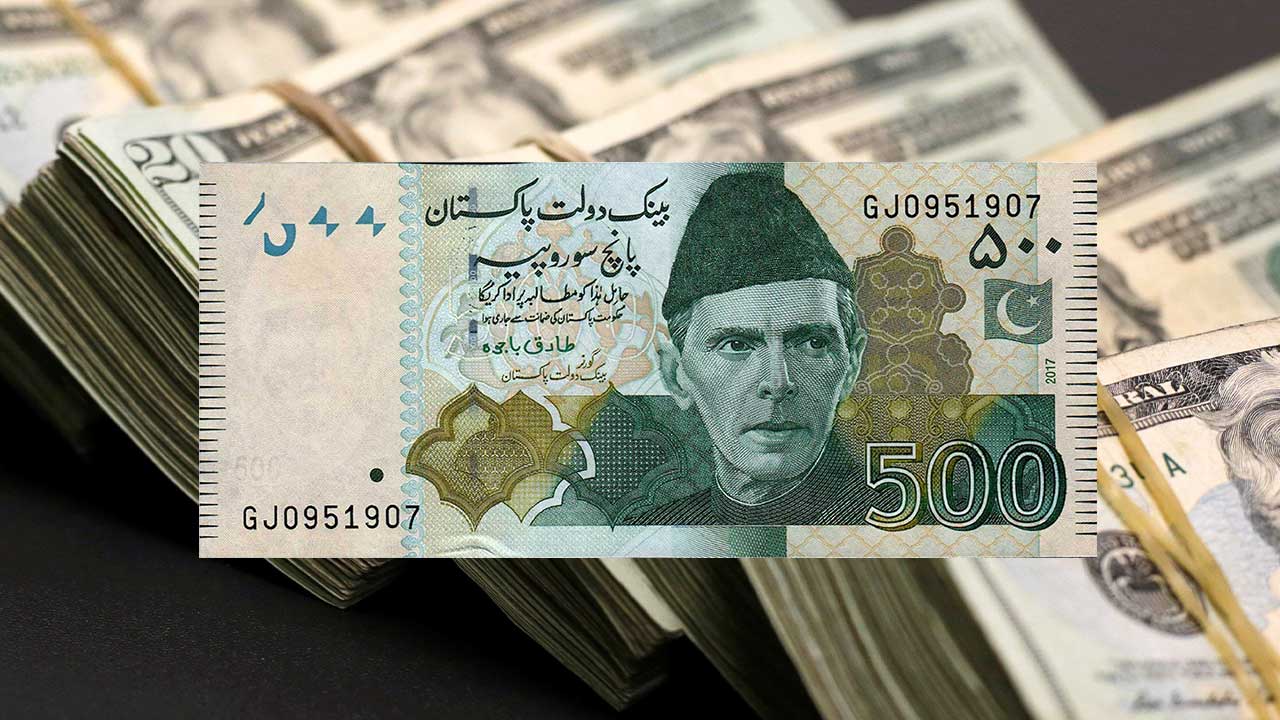
    During intraday trade today, the Pakistani Rupee (PKR) plunged to a new low versus the US Dollar (USD). It lost Rs3.09 in the interbank market today and depreciated by 1.31 per cent against the USD, closing at Rs236.02.

    During today’s open market session, the local currency was quoted at an intraday low of Rs238.5 against the US dollar. The dollar has increased by Rs52.07 against the PKR since the change of government.

    It is important to note that the Pakistani rupee has been among the worst-performing currencies in the world, falling more than 30 per cent since the beginning of 2022.

    However, the dollar has declined globally as well, reaching a 20-year high against other currencies in part due to anticipation that the Federal Reserve will raise interest rates more quickly than the majority of central banks.

    In addition, dealers told The News that the local currency was under pressure due to the ongoing political unrest and a lack of dollar liquidity.

  • Hyundai sedan prices raised up to Rs830,010 amid rupee devaluation

    Hyundai sedan prices raised up to Rs830,010 amid rupee devaluation

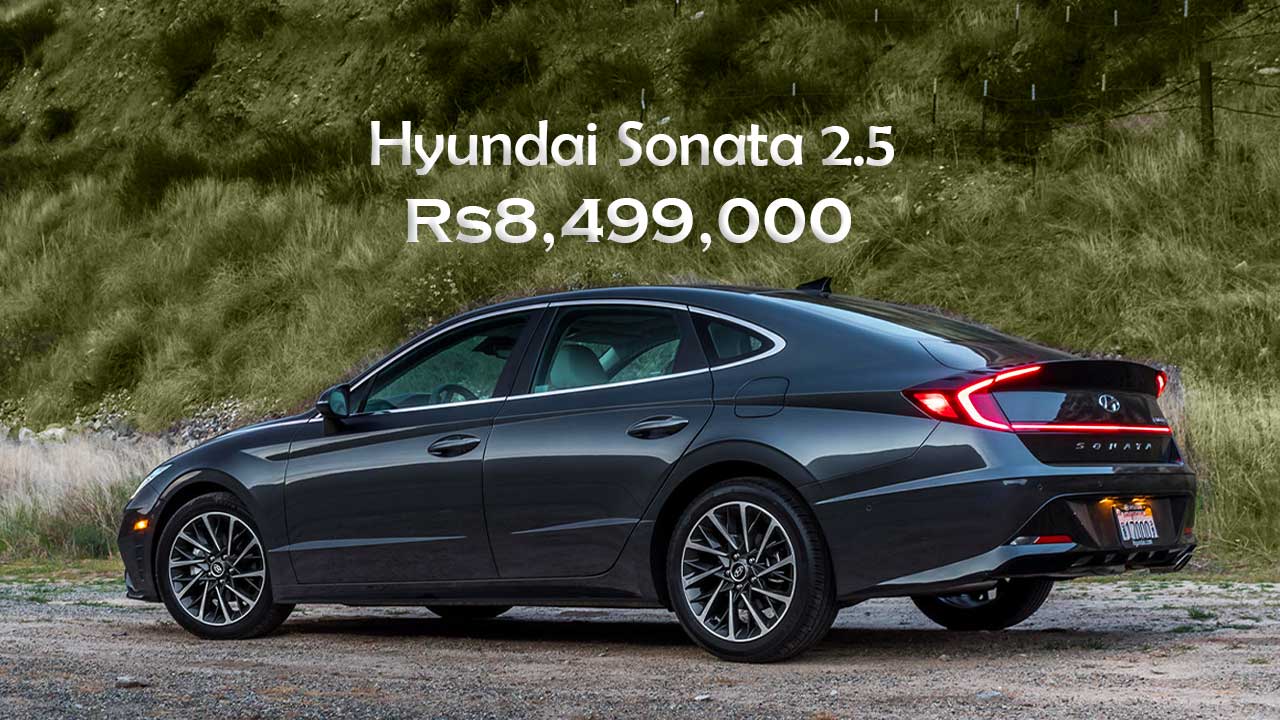
    Hyundai Nishat, like other automakers, has announced a major hike in costs for the Elantra and Sonata variants as a result of the unstable local currency and increased tax rates.

    The updated price for the Hyundai Elantra 2.0 is Rs5,499,000 (including CVT) compared to the old rate of Rs4,998,490 after an increase of Rs500,510. The new price for the Hyundai Elantra 1.6 in Pakistan is Rs5,099,000 (including CVT) compared to the old rate of Rs4,341,9900 after an increase of Rs757,010.

    The revised price of the Hyundai Sonata 2.0 is Rs7,899,000 (with CVT) in Pakistan, up Rs830,010 from the previous rate of Rs7,068,990, while the updated price of the Hyundai Sonata 2.5 is Rs5,499,000 (including CVT), down Rs571,510 from the previous rate of Rs7,927,490.

    Due to local currency devaluation, logistical expenses, tax rate increases, and overall economic uncertainty in the nation, Pakistan’s auto sector is struggling.

    During intraday trade today, the Pakistani Rupee (PKR) lost value against the US Dollar (USD) and fell below the Rs238 mark. The local currency was trading at Rs238.50 in the open market at noon after losing more than Rs5.57 in relation to the dollar.

    Major automakers have been compelled by these problems to lower their production goals in Pakistan. While Honda Atlas Cars Limited (HACL) and Kia Lucky Motor Corporation Limited (KLMCL) are switching to single-shift manufacturing schedules, Toyota Indus Motor Company (IMC) has ceased production for an unknown length of time.

  • Toyota to temporarily suspend production in Pakistan

    Toyota to temporarily suspend production in Pakistan

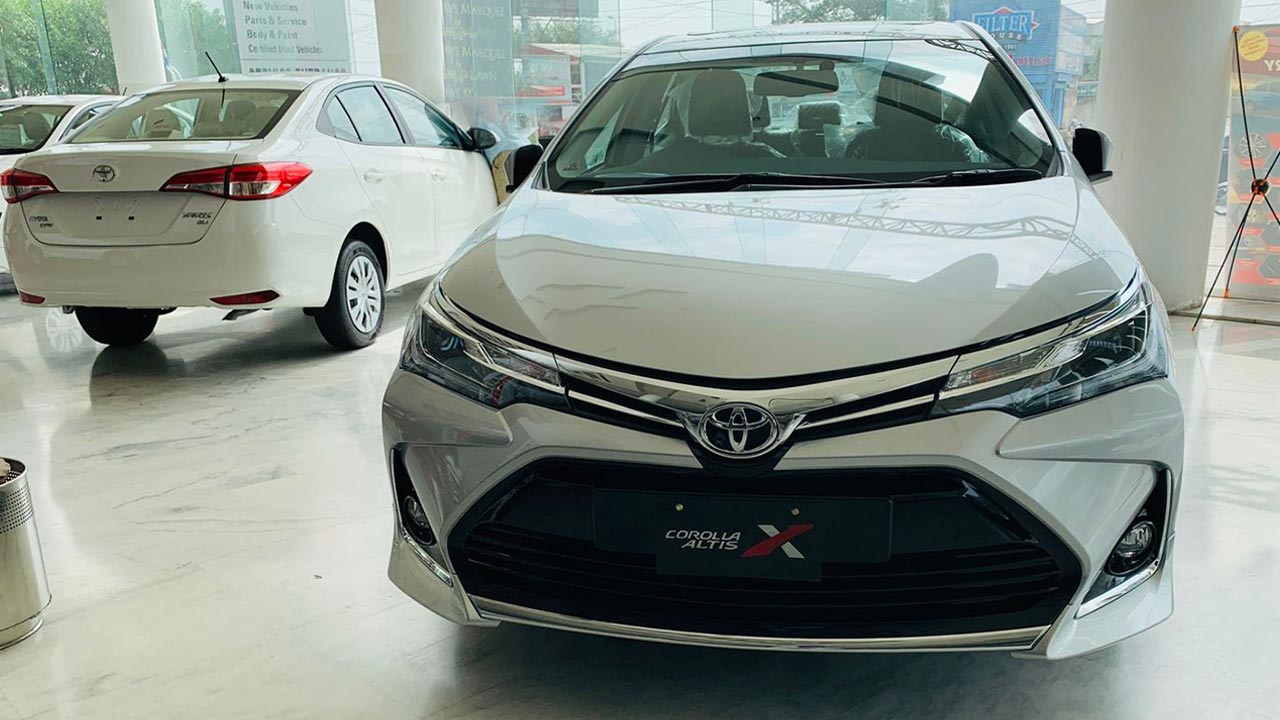
    The impact of the current economic crisis has reportedly forced Toyota Indus Motor Company (IMC) to halt production in Pakistan.

    In accordance with the information, Toyota IMC will reimburse clients who paid deposits for reservations since the business is unable to complete such orders.

    Toyota IMC previously cited restrictions on the State Bank of Pakistan’s (SBP) approval of Letter of Credit (LCs) for the import of Completely Knocked Down (CKD) kits as one of the main causes of production interruption, which also resulted in a backlog of orders.

    Customers who are unable to wait for delayed deliveries will receive their advance payments back from Toyota IMC, and the company plans to disclose this by the end of the month.

    Fans are now speculating as to whether Toyota IMC intends to entirely cease operations in Pakistan in light of the recent situation.

    The issue might only last a short while because Toyota IMC will refund customers for purchases they have already placed, but it won’t cancel orders if the client accepts a delayed delivery of the vehicle and is willing to pay an extra amount to cover the exchange rate changes.

  • Cabinet approves Rs7.91 per unit increase in power tariff

    Cabinet approves Rs7.91 per unit increase in power tariff

    After several postponements, the Federal Cabinet finally decided to approve the Rs7.91 per unit increase in the power tariff.

    The Federal Minister of Power, Khuram Dastgir, and Minister of Petroleum, Musadik Malik, made the announcement during a press conference.

    Dastgir claimed that because Prime Minister (PM) Shehbaz Sharif wanted to provide relief to the masses. The consent was not given until 45 per cent of the population had been exempted from the tariff increase.

    Musadik Malik, the minister of petroleum, disclosed that by leaving out the protected sector, the homes with consumption of less than 200 units per month, or up to 90 million people, had been left out of the price increase.

    Previously, the government’s proposal for the tariff increase was subject to the National Electric Power Regulatory Authority’s (NEPRA) reserve decision, according to Dawn.

    In accordance with the approval, the government will raise the rate by Rs3.5 per unit starting on July 26. A similar price rise will be implemented in August. The cost would then be raised by Rs0.91 per unit in October by the government, bringing the total rise to Rs7.91.

    Malik blamed the previous administration’s lack of frequent fuel adjustments and transmission losses rebasing for the sharp increase in tariffs. Fuel surcharges were raised without notifying the public at the final rebasing, which took place in February 2021.

    The power minister informed the media that the present administration had paid Rs214 billion toward circular debt, bringing the total down from Rs2,476 billion on March 31, 2022, to Rs2,253 billion on June 30, 2022.

  • Pakistani rupee falls to Rs233 per US dollar in the interbank market

    Pakistani rupee falls to Rs233 per US dollar in the interbank market

    The Pakistani rupee (PKR) continued to fall on Tuesday as the country’s political turmoil worsened, trading at Rs233 to the dollar in the interbank market.

    Today, the US dollar gained Rs3.12 versus the local currency, compared to the previous day’s finish of Rs229.88, which was an all-time high at the time.

    The local currency has been under pressure for the past week due to increased political tensions in the country following the July 17 by-elections in Punjab, which the PTI easily won. Also, the rupee has been one of the world’s worst performers, falling 30.2 per cent since the beginning of 2022.

    PKR had its worst week in more than two decades, ending on July 22, highlighting investor fear that a $1.2 billion loan tranche from the IMF approved last week could not be enough to alleviate the balance of payment crisis.

    Fears of Pakistan defaulting on its foreign repayments remain in the market, despite the central bank’s guarantee that the country would comfortably cover its funding obligations as long as an International Monetary Fund (IMF) loan programme remained in place.

    The rupee fell by nearly 8 per cent last week, the most in a single week since October 1998.

  • Pressure on Pakistani rupee may decrease in August

    Pressure on Pakistani rupee may decrease in August

    Finance Minister Miftah Ismail expressed his continued faith in Pakistani rupee’s (PKR) ability to withstand pressure despite the PKR continuing to hit historic lows versus the US dollar and suffering its biggest weekly slide in more than 20 years.

    The finance minister stated in an interview with Radio Pakistan that the political climate and the fact that import payments are being made for shipments beginning in June are both contributing factors to the pressure on the PKR.

    “Import of $80 billion were made during the last fiscal year. We are still making payments for energy commodities purchased last month. Therefore, the rupee is under pressure. However, as we are importing less in July, its effect would be reflected from next month or, I should say, next week.”

    “The rupee’s fall is connected to the political situation as well. Before July 17, the situation wasn’t like this,” he added.

    Miftah also spoke about Pakistan’s economic issues, stating that the poor export base continues to be a matter of concern.

    The local currency has continued to depreciate against the US dollar, losing 7.6 per cent last week, more than what businesses typically account for in terms of annual currency depreciation, as the inter-bank market experienced a turbulent five sessions due to renewed political uncertainty and increased worries about Pakistan’s external financing needs.

    He also revealed that one friendly country is ready for an instant investment in Pakistan.

    It is worth noting that Pakistan anticipates receiving the next International Monetary Fund (IMF) tranche before the end of the following month following the board meeting.

  • Pakistani rupee falls to record low of Rs230 versus US dollar

    Pakistani rupee falls to record low of Rs230 versus US dollar

    As the political situation in the country worsens, the Pakistani rupee (PKR) touched an all-time low versus the US dollar on Monday during intraday activity in the interbank market.

    Data from the State Bank of Pakistan (SBP) show that during intraday trade, the PKR fell to Rs230 from a rate of Rs228.37.

    As local currency fell by over 8 per cent against the greenback in the most recent trading week, its foreign exchange reserves fell below $10 billion, and inflation reached its highest point in more than a decade, worries about the country’s ailing economy have grown.

    According to Geo, the acting governor of Pakistan’s central bank, Murtaza Syed, stated this in a recent speech to foreign investors: “Markets are responding to these shocks in an unfairly broad-brush way, without paying enough attention to Pakistan’s relative strengths.”

    On Monday, a tola of 24-karat gold costs Rs147,700 in Pakistan.

    10 grammes of 24 karat gold were priced at Rs126,700. A single tola of 22-karat gold was being offered for Rs135,391 while 10 grams of 22k gold was being traded for Rs116,141.

  • Bugatti delivers last unit of 1600 HP Chiron Super Sport 300+ unit for Rs82 crore

    Bugatti delivers last unit of 1600 HP Chiron Super Sport 300+ unit for Rs82 crore

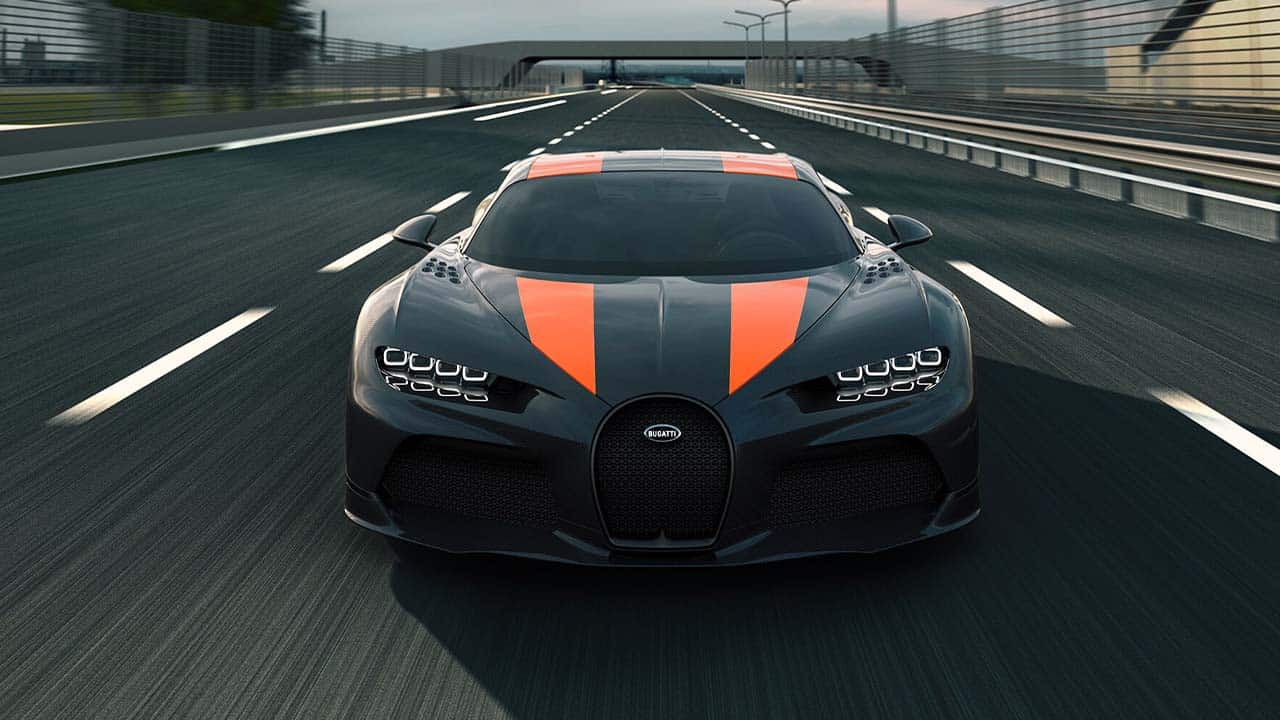
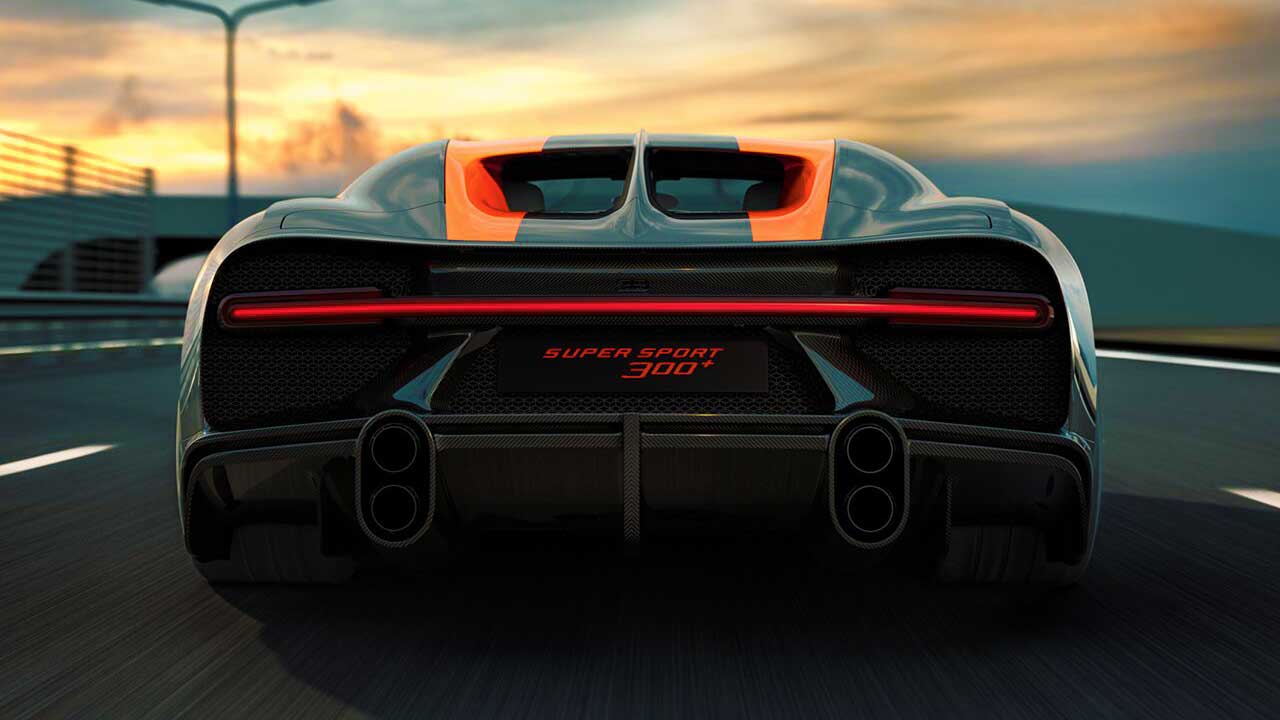
    The last Chiron Super Sport 300+ has been delivered by Bugatti, bringing an end to the first production road car to reach 483 km/h.

    The Molsheim factory of Bugatti only produced 30 of the 300+ vehicles, and each one cost its owner nearly Rs82 crore ($3.6 million) to own.

    At Volkswagen’s Ehra-Lessien testing facility, Andy Wallace, the official nutjob of Bugatti and a former McLaren Le Mans driver, smashed the speed record for the Super Sport 300+ in late 2019.

    In order to achieve that, Bugatti’s engineers modified the gearing, increased the horsepower of the 8.0-liter W16 from 1480 to 1579, and created new longtail bodywork that stretched the Chiron by 9.8 inches (250 mm), lowering the aerodynamic stall by 40 per cent.

    The stock Chiron’s top speed without those upgrades is 420 km/h, but only after you’ve used the second ‘speed key’ to disable the 236 mph (380 km/h) electronic limiter.