Category: Business

  • Netflix introduces ‘add a home’ feature to prevent password sharing

    Netflix introduces ‘add a home’ feature to prevent password sharing

    Netflix has opposed password sharing for a while now since it allows multiple users to watch their favorite seasons on an account while paying only one subscription fee.

    It had previously signaled about restricting the sharing of passwords, but users were convinced that it wouldn’t happen. Unfortunately, Netflix is now testing a feature to charge additional users.

    Users can purchase additional ‘homes’ to share their Netflix account with by using the ‘add a home’ feature. Although there is an additional monthly fee for each home Rs670 ($2.99) on top of your regular subscription fee, this fee is still significantly less than the price of a full Netflix subscription, allowing a few households or users to save some money on Netflix.

    Additionally, you can use the feature to watch Netflix while travelling on a tablet, laptop, or phone. According to Netflix, a new setting will soon be available that will allow users to manage where their accounts are being used and to instantly remove any additional homes.

    The feature will go live on August 22nd, according to Netflix. When a user shares their account with another household, Netflix points out that it will not automatically add homes and charge a fee; instead, users will be prompted to add homes and consent to the additional fee.

    Read more: Netflix subscriber count drops by 1 million

    The feature’s use is subject to a few restrictions. Depending on its tier, a particular account may only be able to add so many additional “homes”: A second home may be added to a Basic account, a Standard account, two, and a Premium account, three.


  • Netflix subscriber count drops by 1 million

    Netflix subscriber count drops by 1 million

    As the streaming giant battles fierce competition and viewers tightening their purse strings, Netflix on Tuesday reported losing subscribers for the second consecutive quarter. However, the company reassured investors that better days were ahead.

    Netflix had just under 221 million subscribers after the most recent quarter, which was less than anticipated given the loss of 970,000 paying customers.

    The number of subscribers worldwide fell by 1 million, with a drop of 1.28 million in the US and Canada alone between the end of March and the end of June, according to Netflix’s Q2 earnings report, which came after the company reported losing subscribers for the first time in more than a decade last quarter.

    “Tough in some ways, losing a million and calling it success, but really we are set up very well for the next year,” the company´s co-chief and founder Reed Hastings said in an earnings presentation.

    In its earnings report, the company stated that it had forecast a million new paid subscribers for the current quarter. In after-hours trading, Netflix stock was slightly up, indicating that investors were still sticking with the company.

    Analysts noted that the results were troubling even though they were not as bad as anticipated.

    “Netflix´s subscriber loss was expected but it remains a sore point for a company that is wholly dependent on subscription revenue from consumers,” said analyst Ross Benes.

    “Unless it finds more franchises that resonate widely, it will eventually struggle to stay ahead of competitors that are after its crown,” Benes added.

  • Govt to distribute 100,000 laptops under Prime Minister’s Laptop Scheme

    Govt to distribute 100,000 laptops under Prime Minister’s Laptop Scheme

    About 100,000 students enrolled in government universities and colleges will soon receive free laptops as part of the Prime Minister’s Laptop Scheme, according to the Special Assistant to the Prime Minister (SAPM) for Youth Affairs, Shaza Fatima Khawaja.

    She said in a Monday interview with APP that the programme will only award young people with high-quality laptops based on their merit.

    “These laptops will be provided to all Ph.D. and postgraduate students, while the top performers in undergraduate programmes will also be included in the scheme,” she said.

    The SAPM claimed that the laptop program’s allotted quota for Balochistan students has been doubled, along with quotas for students who are disabled and 50 per cent of the program’s allotted quota for women. Prime Minister Skilled Programme will provide skills and information technology training to up to 100,000 youth.

    She claimed that the Pakistan Muslim League (N) government launched the Prime Minister Youth Program in 2013, which had six steps for empowering youth.

    Khawaja rejected the impression of closing the Prime Minister Youth Loan Scheme terming it wrong, and added, the restructuring of this program has been done under which the loan limit has been revised.

    “Now the youth will be provided interest-free loans up to Rs500,000, while loans from Rs500,000 to Rs7,500,000 will be provided on easy terms,” she told APP.

    She emphasised the urgent need to provide these youth with skills education in line with market needs by stating that 20 lakh graduates enter the market each year after completing their education.

  • Pakistani rupee hits new all-time low of Rs224 against US dollar

    Pakistani rupee hits new all-time low of Rs224 against US dollar

    Despite the International Monetary Fund’s (IMF) announcement that the multibillion-dollar loan programme would resume, the Pakistani rupee plunged to an all-time low against the US dollar on Tuesday, reaching Rs224 in the interbank market.

    Today, the local currency continued to lose value against the US dollar and lost another Rs8.80. In the interbank market on Monday, the rupee fell by Rs4.25 or 1.97 per cent against the US dollar.

    With ongoing political unrest and a bad macroeconomic environment, the currency has considerably depreciated.

    The State Bank of Pakistan (SBP) has begun to stifle the outflow of small dollar amounts of less than $100,000 in order to prevent a further decline in the reserves, putting numerous factories at risk of closure and financial penalties.

    According to the sources, Pakistan is using a variety of capital controls, including restrictive measures, to prevent a situation resembling default while the IMF takes its time approving and disbursing a $1.12 billion loan tranche.

    Resuming the loan programme will increase the nation’s ability to make international payments and unlock foreign currency inflows from other bilateral and multilateral sources as well.

    Additionally, China has extended its $2.3 billion loan to Pakistan and deposited it in the State Bank a few weeks ago. In line with the decline in the rupee, the Pakistan Stock Exchange (PSX) fell 770 points during Monday’s intraday trading. After “political and economic uncertainties in Pakistan,” the capital market came under fresh pressure, a specialist claimed.

    Finance Minister Miftah Ismail stated in an interview that the government would keep making difficult choices in an effort to save the economy and keep the nation from going bankrupt.

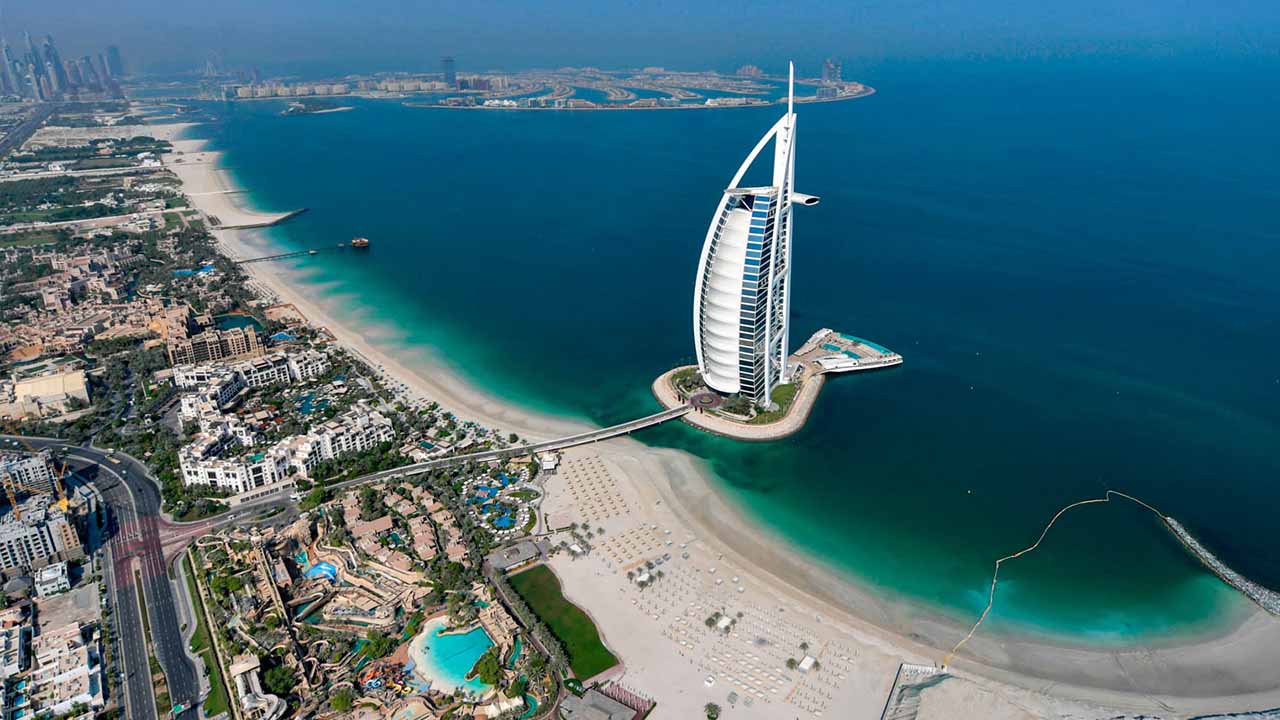
  • Dubai retains its position as top FDI tourism destination in the world

    Dubai retains its position as top FDI tourism destination in the world

    Dubai has continued to lead the world in luring foreign direct investment (FDI) into the tourism industry in 2021.

    The emirate attracted Dh6.4 billion ($1.7 billion) in foreign direct investment (FDI) over 30 projects in the last year, placing it at the top of the list for FDI capital, projects, and job creation in the tourism sector, according to The Financial Times’ FDI Markets data.

    The Dubai FDI Monitor report, released by the Dubai Investment Development Agency, states that these new projects and investments resulted in the creation of 5,545 new jobs over the course of the year.

    “Dubai’s rank as the top FDI destination for tourism is a testament to the sector’s resilience and stability. It reaffirms the sector’s role as a key economic driver that offers international investors confidence and an exceptional opportunity for stable and sustainable returns,” Sheikh Hamdan bin Mohammed, Crown Prince of Dubai and Chairman of The Executive Council of Dubai, said on Twitter.

    As the city strives to become the most popular travel destination in the world, Dubai attracted more than 7.28 million foreign overnight visitors in 2021, an increase of 32% from the previous year.

    The goal of Dubai’s Department of Economy and Tourism, which will be created with the merger of the tourism and economy departments, is to attract 25 million visitors to the city by the year 2025.

    To streamline government organisations, keep up with quick changes, and maintain Dubai’s business and tourism sectors’ competitiveness, the merger was achieved.

    “The newly-formed department seeks to support the economic and tourism transformations taking place in the emirate. It will adopt the same competitiveness and efficiency of the private sector and work together with it on various development projects,” said Sheikh Hamdan.

    In spite of the inflationary environment, business activity in the private sector grew steadily in June, expanding at the quickest rate in three years.

    Its highest reading since June 2019, the headline seasonally adjusted S&P Global Dubai Purchasing Managers’ Index increased to 56.1 in June from 55.7 in May.

    The main engine of growth in the emirate continued to be the travel and tourism industry.

    As travel restrictions around the world continued to loosen, businesses in Dubai, the commercial and touristic centre of the Middle East, reported a noticeable increase in tourism-related business activity. This solidified Dubai’s position as a major travel hub.

    Prior to that, Dubai became the first Middle Eastern location to receive the coveted Michelin star, further solidifying its position as a top culinary and travel destination. Eleven restaurants in total received awards for outstanding dining.

  • Pakistan Railways paying Rs35 billion pension to unverified employees annually

    Pakistan Railways paying Rs35 billion pension to unverified employees annually

    About 115,000 Pakistan Railways (PR) retired employees who have not been verified have been receiving annual pensions totaling Rs35 billion, according to research by the government-funded Pakistan Institute of Development Economics (PIDE), a think tank housed within the Planning Commission.

    It revealed in a statement yesterday that between 2015 and 2020, Pakistan Railways lost Rs144 billion. A deficit of Rs44 billion in 2020, which includes Rs36 billion for the pensions of 120,000 PR employees, is included in the losses, according to Dawn.

    According to the PIDE report, the PR also received a subsidy from the government in 2020 worth Rs45 billion to make up for these losses.

    Due to the intense competition from the road transportation industry and PR’s inability to implement a customer-centric business strategy due to a complicated bureaucratic structure, the public agency has been inefficient, underfunded, and overstaffed for the past 35 years, making losses.

    The study also noted that 115,000 unverified PR retirees receive an annual pension of Rs35 billion. To solve the problem, a biometric verification system to confirm the pensioners in question has been proposed.

    A Pay and Pension Commission (PPC) has also been established in this respect, and it will take into account issues pertaining to the railways and other public organizations.

  • Interbank trade: Pakistani rupee falls to all-time low of Rs214.74 against US dollar

    Interbank trade: Pakistani rupee falls to all-time low of Rs214.74 against US dollar

    As a result of the ruling PML-N’s defeat in the Punjab by-elections, which has caused political turmoil in the nation, the Pakistani rupee (PKR) on Monday fell to an all-time low of Rs214 against the US dollar in interbank trade.

    Today’s intraday trade saw Rs3.79 depreciation of the local currency against the US dollar. It is still unknown where the local currency will end up after the day’s trading.

    The local currency has reached an all-time low because the US dollar was trading for Rs214.74 on the interbank market, according to the Exchange Companies Association of Pakistan (ECAP).

    Pakistani rupee’s record low against the dollar was Rs211.48 on June 21. Since then, the currency has remained erratic.

    The Pakistan Stock Exchange’s (PSX) benchmark KSE-100 index is also down, with the bears controlling trading at the bourse. As of 11:34 am, the index was trading at 41,532.46 points, down nearly 550 points.

    Pressure on import payments and political unpredictability, according to Samiullah Tariq, Head of Research at Pakistan-Kuwait Investment Company, are to blame for the rupee’s decline.

    The results of the by-election on Sunday, according to the analyst, provided clarity, but the market is still waiting for a plan of action.

    PKR is weakening, but Arif Habib Limited analyst Ahsan Mehanti expressed optimism that it would soon rebound because all predictions favour the local currency.

    Mehnti was of the view that Pakistan will benefit greatly from the funds it will receive from the International Monetary Fund (IMF) as a result of the staff-level agreement.

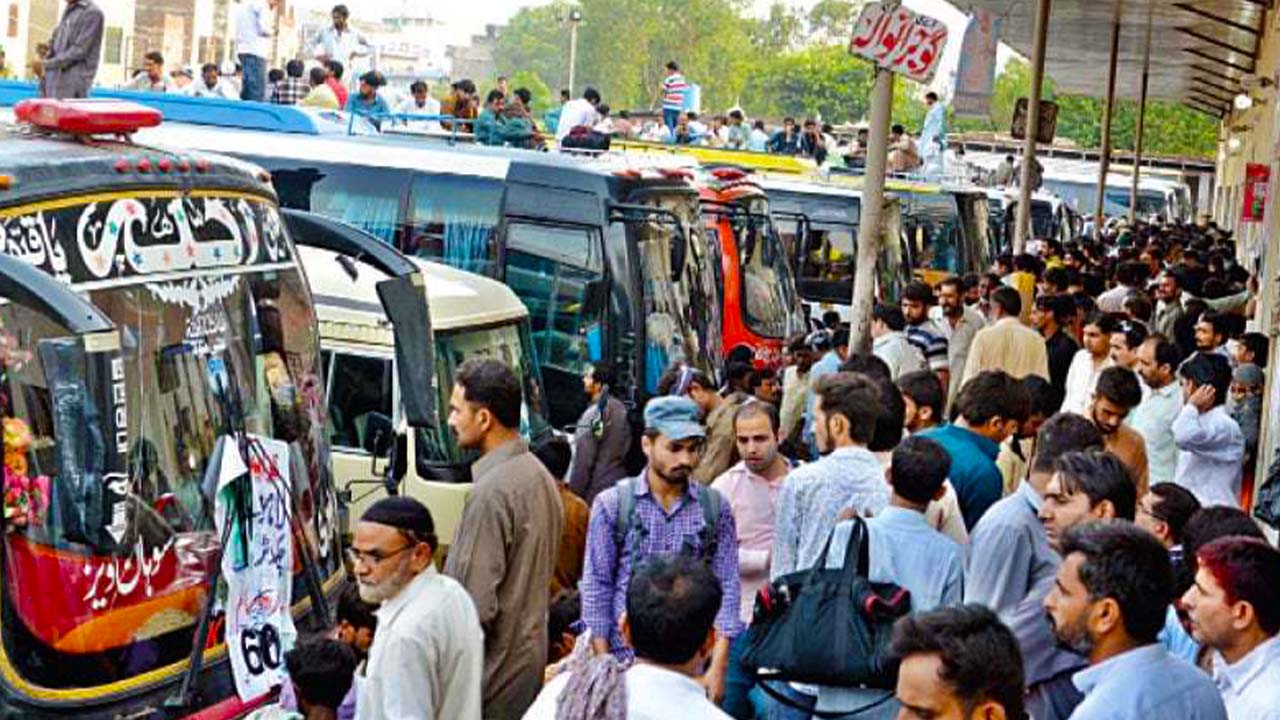
  • Transport companies asked to reduce fares by 20 per cent

    Transport companies asked to reduce fares by 20 per cent

    On Saturday, the D-Class Bus Stand Association delegation met with Additional Deputy Commissioner (ADC) General Rawalpindi, Qasim Ijaz, who requested that the transporters reduce their ticket prices by 20 per cent to help the populace.

    The meeting was attended by representatives of the D-Class Bus Stand Association from Kainat, Safeway, New Shaheen, Darbar, Kohistan, Ghosia, and other locations. The ADC requested that the transporters reduce their rates by 20 per cent in light of the drop in fuel prices.

    He continued by saying that the government was doing everything it could to help the populace. The association fully guaranteed a 20 per cent reduction in prices.

    He instructed the transporters to post banners at their respective bus stops that clearly displayed previous and current fares in order to facilitate travelers. The Commissioner of Rawalpindi, Noor ul Amin Mengal, gave the transporters instructions to keep their waiting areas and restrooms tidy and clean so that the public could be served.

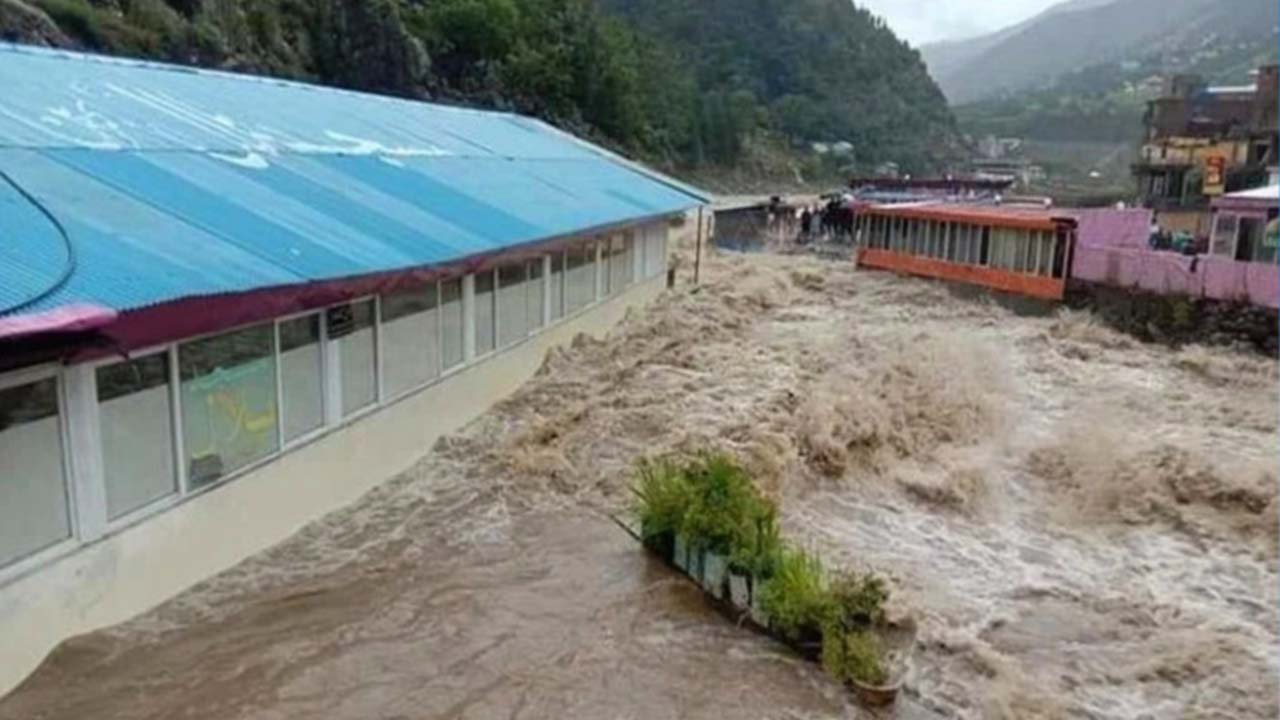
  • KP CM announces Rs200 million relief package for flood-hit areas

    KP CM announces Rs200 million relief package for flood-hit areas

    Chief Minister of Khyber Pakhtunkhwa (KP), Mahmood Khan, announced that Rs200 million would be provided for the relief and rehabilitation of the district’s union councils that had been flooded.

    He made this announcement while visiting the flood-affected areas of district Tank, accompanied by Tehreek-e-Insaf leader Ali Amin Gandapur, KP Minister for Relief Iqbal Wazir, Commissioner Dera Amir Affaq, Deputy Commissioner Tank Hameed Ullah Khattak, and secretaries and top officials of the province’s different departments.

    The Chief Minister announced an additional Rs500,000 for the grieving families who lost loved ones in the flood and promised to use all available resources to restore normalcy to the flood-affected areas. He stated that the sum was in addition to the previously announced Rs300,000.

    Additionally, he announced that each fully damaged home would receive Rs400,000 in compensation, while partially damaged homes would receive Rs160,000.

    According to the chief minister, the KP government prioritises the development of southern districts, and the first budget approved by his administration only included $300 million for a tank. Afterward, it approved Rs150 million, and as of late, Rs500 million.

    In relation to the southern districts’ issues with access to clean drinking water, he claimed that the government was taking proactive steps. According to him, as part of these efforts, the Gomal Zam Dam would guarantee the availability of clean drinking water in Tank city within a year.

  • IMF board to approve Pakistan’s $1.17 billion tranche in August

    IMF board to approve Pakistan’s $1.17 billion tranche in August

    The International Monetary Fund (IMF) Board’s approval for the release of $1,177 million to Pakistan is expected in the third or fourth week of August, according to Minister for Finance and Revenue Miftah Ismail.

    “Most probably August 26 is the date of board approval,” he said.

    A staff-level agreement (SLA) was achieved between the IMF team and the Pakistani government on Thursday to conclude the Extended Fund Facility’s (EFF) combined seventh and eighth evaluations, according to Brecorder.

    As per IMF’s statement, “Subject to Board approval, about $1,177 million (SDR 894 million) will become available, increasing the total disbursements under the Programme to approximately $4.2 billion.” The agreement also included a nine-month extension of the EFF programme and an additional $1 billion.

    The federal government stated that the administration has already performed all of the preliminary steps necessary for approval. “Therefore, after the staff-level agreement, the approval from the board could be considered a formality,” he said.

    The World Bank, the Asian Development Bank (ADB), and the Asian Infrastructure Investment Bank (AIIB), among others, may all provide finance as a result of the development, he claimed.

    “Pakistan can easily borrow money from multilateral institutions,” he said.

    While discussing commodity pricing, Miftah remarked that the people will also profit from the falling costs of goods like edible oil and wheat on the world market.

    The administration made difficult choices, the finance minister continued, to prevent the nation from going into debt and to help it from its current economic crisis.

    He said that the government is exerting every effort to address the circular debt and poor governance problems.