Category: Business

  • ‘Maybe Pakistan will be selling oil to India some day’: Trump announces deal with Islamabad

    ‘Maybe Pakistan will be selling oil to India some day’: Trump announces deal with Islamabad

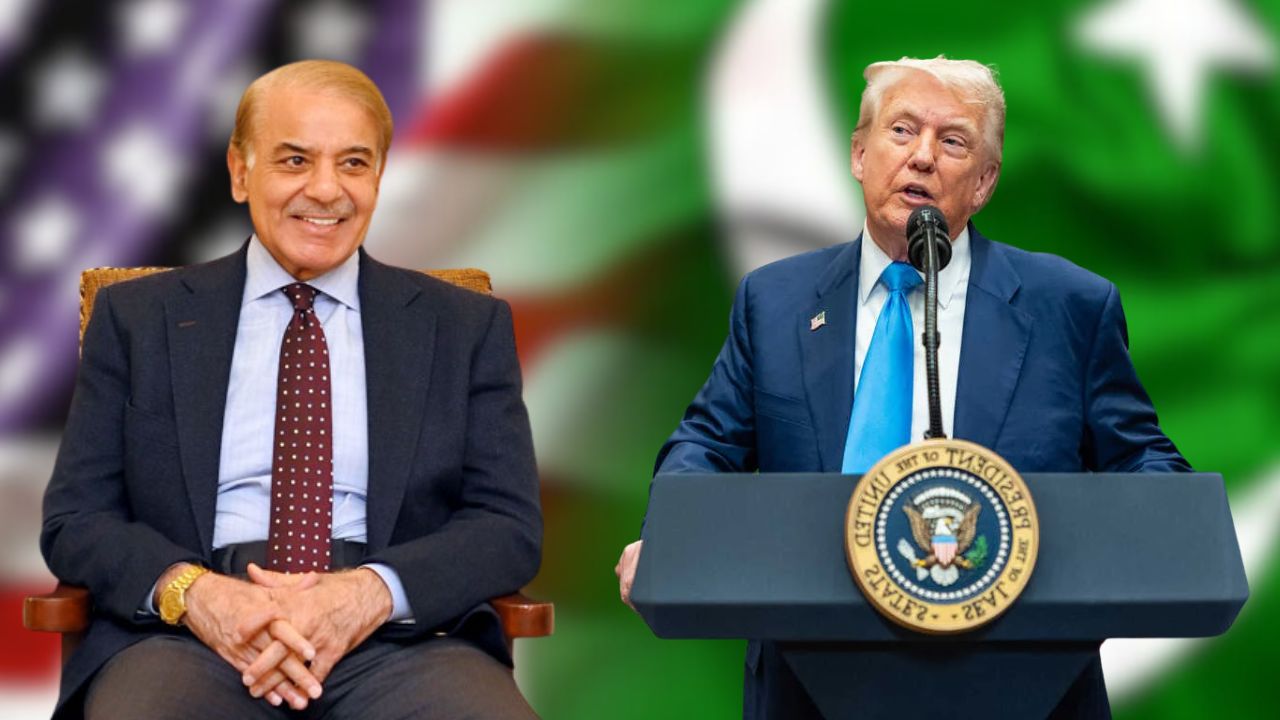
    United States (US) President Donald Trump on Wednesday night announced that the US has concluded a deal with Pakistan, allowing both countries to work together on developing Pakistan’s vast oil reserves.

    “We have just concluded a Deal with the country of Pakistan, whereby Pakistan and the United States will work together on developing their massive Oil Reserves,” President Trump wrote in a post on Truth Social.

    “We are in the process of choosing the Oil Company that will lead this Partnership. Who knows, maybe they’ll be selling Oil to India someday!” the post read.

    The announcement, however, does not make reference to a possible agreement on tariffs, taxes imposed on imported goods between Pakistan and the US.

    According to the Ministry of Finance, the breakthrough came during Finance Minister Muhammad Aurangzeb’s meeting with the US Secretary of Commerce and the US Trade Representative. Pakistan’s Ambassador to the US, Rizwan Saeed Sheikh, and Commerce Secretary Jawad Paul were also in attendance.

    The official statement said, “The purpose of the deal is to boost bilateral trade, improve market access, attract investment, and strengthen cooperation in areas of mutual interest.”

    “Under the agreement, there will be a reduction in tariffs, particularly on Pakistani exports to the US, and a fresh start in economic cooperation between the two countries.

    “The two sides will focus on energy, minerals, information technology, cryptocurrency, and other key areas,” the statement added.

    Trump punishes India with 25 per cent tariff

    Hours before announcing the deal with Pakistan, the US president said in a post on Truth Social that the US has done relatively “little business” with India over the years due to its extremely high tariffs, among the highest in the world. “They have the most strenuous and obnoxious non-monetary trade barriers of any country,” he added.

    The US president also criticised New Delhi’s continued reliance on Russian arms and energy purchases. “They have always bought a vast majority of their military equipment from Russia and are Russia’s largest buyer of ENERGY…” the post read.

    “India will therefore be paying a tariff of 25pc, plus a penalty for the above, starting on August 1,” the post concluded.
  • Second-hand car owners to apply for new number plates under fresh policy

    Second-hand car owners to apply for new number plates under fresh policy

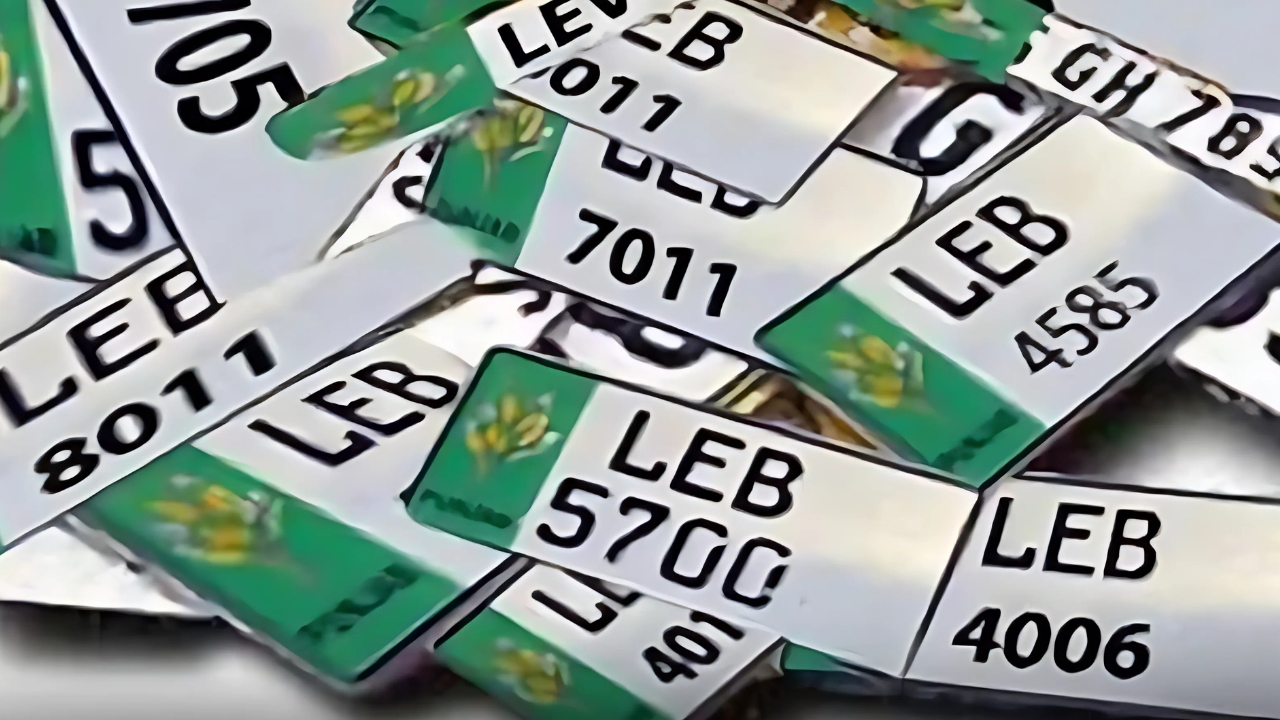
    In a bid to reduce instances of vehicle-related fraud, the Government of Punjab has reportedly announced a new vehicle registration system. According to reports, under the new system, owners of vehicles will be issued number plates instead of the number plate being issued to a particular car.


    Officials from the Excise and Taxation Department have indicated that all vehicles, including motorcycles, registered in Punjab will be associated with the owner’s ID Card. This means that buyers of vehicles can either request for the issuance of a fresh plate or can choose a number plate for their new vehicle from any number plates that are available and are issued in their name.


    If an individual chooses to sell their car, the number plate will not be transferred to the new owner, remaining with the original owner instead. As per reports, vehicle owners will have the ability to give up their old number plate in exchange for a new one when purchasing a new vehicle. 


    It merits a mention that this new registration system will go into effect from the first week of August 2025. Reports suggest that officials from the Excise Department expect these developments to streamline the registration process and improve enforcement efforts. 
    Authorities have also revealed that number plates will now fit into categories, with motorbikes and cars fitting into different automobile types. This means that a number plate issued to a car cannot be used on a bike and vice versa.


    Reports reveal that individuals found to be using a plate on their vehicle not fitting their vehicle type will result with fines being issued to offenders. As per the details, this fine will likely boost compliance with the new regulations as it will range from Rs500 to Rs8,000.


    Moreover, it merits a mention that the aforementioned fine can also be levied upon individuals using a previously issued number plate on a different vehicle. Reports cite officials who confirm that the procedural rules and the summary of legal amendments have already been submitted to the government for approval.


    With the implementation of the new number plate system expected to begin in August it is likely that a surge in the provincial government’s revenues will be noted. This is because compliance with the new law is expected to result in the issuance of fines to vehicles using number plates that are of a different category.

  • Govt to grant licenses for crypto operations to banks, exchange companies

    Govt to grant licenses for crypto operations to banks, exchange companies

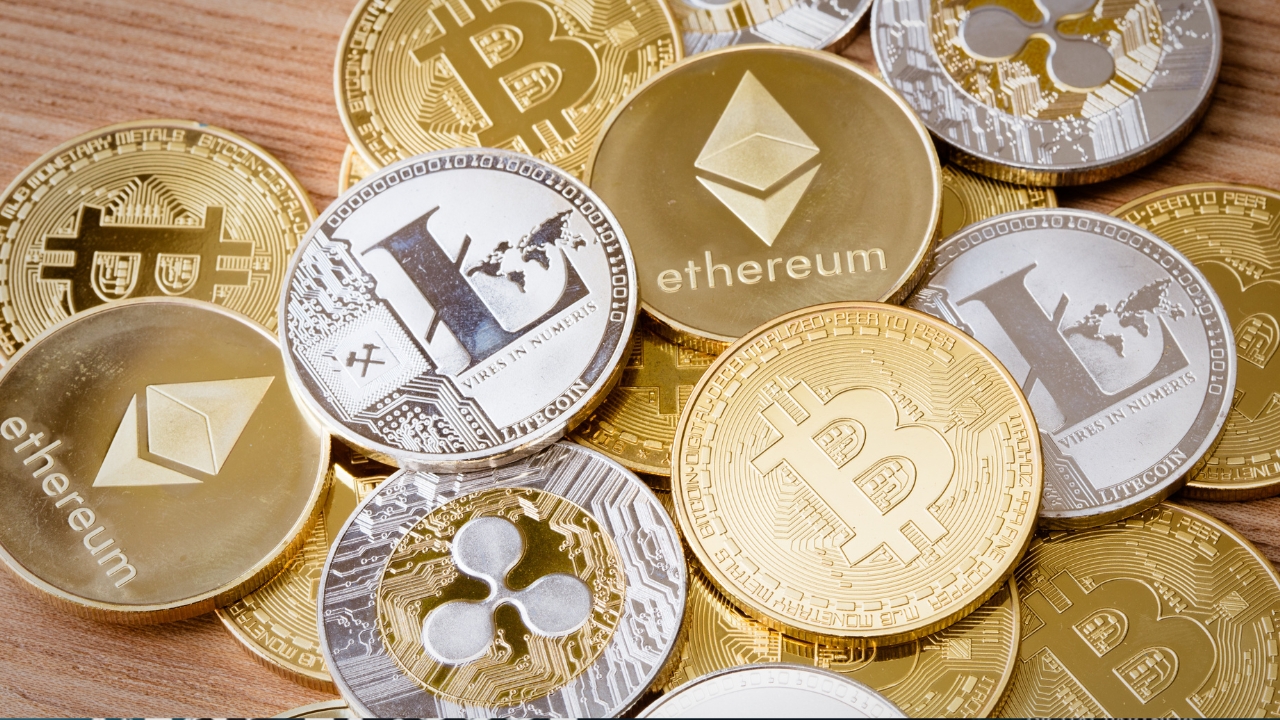
    In a bid to establish Pakistan as a digital asset hub, the federal government is moving forward with the implementation of its virtual asset regulatory framework. According to reports, stakeholders were briefed on the Virtual Assets Act, 2025, at a high-profile meeting in Islamabad on Tuesday, attended by representatives from exchange companies, banks, and the jewellery sector.

    The Virtual Assets Act, 2025, was approved by the Prime Minister, President, and Cabinet just weeks before it was shared with stakeholders. As per reports, the developments are progressing rapidly.

    The Pakistan Virtual Assets Regulatory Authority (PVARA) has been established under the Act to serve as an independent regulator, responsible for aligning guidelines laid out by the Financial Action Task Force (FATF) and other international practices.

    The PVARA has also been tasked with monitoring, licensing and overseeing the operations of virtual asset service providers (VASP). Banks and exchange companies will be granted licenses to operate in the digital asset sector under the new law, according to reports citing the meeting.

    Moreover, the State Bank of Pakistan’s (SBP) Governor Jameel Ahmed has stated that the SBP is finalising legislation to establish a central bank digital currency (CBDC).

    In recent crypto-related developments, the Pakistan Crypto Council (PCC) revealed Pakistan’s first-ever government-led Strategic Bitcoin Reserve. PCC’s Chief Executive Officer (CEO) Bilal Bin Saqib made the announcement during a keynote speech at Bitcoin Vegas 2025 in Las Vegas, United States.

    The PCC’s CEO delivered his speech to a crowd including high-profile attendees such as United States Vice President JD Vance, Donald Trump Jr and Eric Trump. Reports reveal that the PCC’s CEO is attempting to encourage investment inflows into domestic crypto markets.

    Recent reports suggested that in order to facilitate the inflow of crypto-related investments, Pakistani authorities greenlighted the allocation of 2,000 megawatts (MW) of power to individuals who would set up crypto mining operations in the country. However, the International Monetary Fund (IMF) reportedly expressed displeasure over the provision of surplus power at uneven rates to different segments of Pakistani society.

    Data from reports suggests that the government intended to provide crypto miners with electricity at eight to nine rupees per unit. For reference, the base rate stands at a significantly higher Rs24 to Rs25 per unit, showcasing the magnitude of savings bitcoin miners would have enjoyed.

  • Petrol prices projected to drop by Rs6.82 per liter

    Petrol prices projected to drop by Rs6.82 per liter

    Prices of petroleum products are expected to be cut by up to Rs6.82 per litre in the next fuel price revision. According to Arif Habib Limited (AHL), persistent increases in fuel prices have created room for the government to reduce the prices of both high-speed diesel and petrol.

    Currently, the price of petrol stands at a staggering Rs272.15 per litre. Similarly, HSD prices have surged to a whopping Rs284.35 per litre.

    Previous price revisions resulted in an increase of Rs11.37 per litre of HSD. Moreover, earlier this month, petrol prices reportedly surged by Rs5.36 per litre, causing strain on consumers. 

    This marked the second consecutive increase in fuel prices in one month. However, AHL has suggested that the federal government can now reduce petrol prices by Rs6.82 per litre for the next fortnight.

    HSD prices could also drop by Rs1.68 per litre, with the new petrol price estimated at Rs265.33 per litre, while HSD is expected to fall to Rs282.67 per litre.

    The drop in HSD prices could provide cost savings for the transport and agriculture sectors. Lower HSD prices have positive effects on the economy as they directly decrease the prices of food. This is because it is widely used in the agricultural sector to power tractors and other mechanised farming equipment.

    A fall in HSD rates could also benefit the transport sector, given its reliance on fuel. For instance, the transportation sector has diesel as a primary input and thus requires vast quantities of the commodity. Lower HSD prices imply lower operational costs for businesses in the transportation sector.

    Moreover, the projected drop in fuel prices is likely to boost economic activity for businesses that transport goods from factories to stores, as transportation costs will decrease, resulting in a rise in profit margins.

    However, the benefit of lower fuel prices is not likely to extend completely to individuals who rely on private buses and wagons to commute. This is because analysts have suggested that fares tend to be sticky when rates drop after an increase. As such, the expected drop in the price of fuel might not result in a proportional decrease in fares.

  • Lower electricity bills likely as NEPRA set to review adjustment

    Lower electricity bills likely as NEPRA set to review adjustment

    Consumers may soon receive financial relief in the form of lower electricity bills, as the National Electric Power Regulatory Authority (NEPRA) has reportedly scheduled a hearing on August 4 to consider a discount under the quarterly tariff adjustment. According to reports, the proposed relief will apply to the April–June 2025 quarter.

    Reports suggest that the aggregate discount requested by power distribution companies (DISCOs) sits at a staggering Rs53.93 billion. Officials have reportedly proposed adjustments that include market fees, capacity charges and transmission costs. 

    Consumers in Faisalabad are likely to witness the bulk of the overall relief as Faisalabad Electric Supply Company (Fesco) has reportedly requested an adjustment of Rs15.97 billion. Users in Lahore are also expected to witness reductions in electricity bills as Lahore Electric Supply Company (Lesco) has sought a quarterly tariff adjustment of Rs12.75 billion.

    Data from reports suggests that the Tribal Areas Electricity Supply Company (Tesco) has asked for the lowest tariff adjustment out of all the DISCOs, with the requested adjustment sitting at just Rs2.55 billion. Reports reveal that NEPRA has invited all relevant stakeholders and parties to register their objections prior to August 4. Reports claim that any decision made by NEPRA is likely to result in a nationwide reduction in electricity prices. 

    While DISCOs are pushing for financial relief, it merits a mention that a recent report by the Auditor General of Pakistan implicated eight DISCOS in a staggering financial fraud case amounting to Rs244 billion. According to reports, the Discos overcharged users to hide the true magnitude of power theft, line losses and major operational inefficiencies.

    The Auditor General’s report indicates that Electric Supply Companies of Islamabad (Iesco), Lahore (Lesco), Hyderabad (Hesco), Multan (Mepco), Peshawar (Pesco), Quetta (Qesco), Sukkur (Sepco), and Tribal Areas (Tesco) grossly overbilled consumers from 2023-24. As per the data, consumers were overbilled for a staggering 900 million units of power.

    Details from the audit suggest that five discos overcharged consumers by a whopping Rs47.81 billion in a single month. Reports reveal that 278,649 consumers faced higher bills as a result of this action by these discos.

    According to reports, consumers in Quetta bore the brunt of the fraud as Qesco passed on a staggering Rs148 billion in extra charges to agricultural users. Authorities levied inflated tube well charges in the region to reduce the financial losses faced by Qesco.

  • Brain drain costing economy $4.2 billion a year despite growing remittances

    Brain drain costing economy $4.2 billion a year despite growing remittances

    Pakistan achieved a staggering $2.1 billion current account surplus in fiscal year (FY) 2024-25, marking the largest surplus in 22 years through record-high remittance inflows.

    According to reports, while remittance inflows from migrant workers prop up Pakistan’s economy, the loss of human capital downgrades the productivity of the domestic labour force. Data from the Pakistan Institute of Development Economics (PIDE) has revealed that in terms of human capital migration, Pakistan ranks third in South Asia and sixth globally.

    Pakistani workers have been heading abroad in large numbers for better economic prospects as the country remains beset by political uncertainty, economic instability and a lack of opportunities. Reports reveal that the emigration of highly skilled professionals jumped up by a staggering 26.6 percent between 2022 and 2023. 

    On the surface, higher emigration levels seem to be a beneficial outcome for Pakistan. This is because a decrease in the supply of workers in the domestic labour market results in an increase in wages as companies offer higher salaries to attract the smaller number of workers left in Pakistan.

    Moreover, an uptick in emigration levels caused remittances to balloon to $38.5 billion in 2024-25 after witnessing a 25.2 percent increase on a year-on-year (YoY) basis. This has helped stabilise the State Bank of Pakistan’s (SBP) foreign exchange reserves along with improving the standard of living for the families of migrant workers.

    However, reports suggest that the surge in remittances conceals the true cost of brain drain on Pakistan’s economy. For reference, brain drain is the phenomenon wherein highly skilled individuals emigrate from a particular country, often in large numbers.

    As per reports, Pakistan invests a large sum of money annually into training and educating these workers who move abroad. When these workers emigrate, Pakistan essentially loses the funds invested in that individual. 

    This “investment” can come in various forms, such as infrastructure utilised by emigrants during their time in Pakistan, subsidised education and training. 

    While Pakistan bears the cost to attract highly skilled workers, it loses out on tax revenues from their incomes as they choose to work abroad. As such, every emigrant is a sort of bad investment for the government as their expenditures do not yield any revenues.

    Calculations by an economist suggest that Pakistan could be losing upwards of $4.2 billion to foreign countries as a result of brain drain. However, it is unlikely that the emigration of highly skilled workers will halt, as a survey conducted by Gallup Pakistan in 2023 revealed that 62 percent of young workers wanted to work abroad if they had the opportunity to do so.

  • FACT CHECK: Is Pakistan heading towards a currency crisis?

    FACT CHECK: Is Pakistan heading towards a currency crisis?

    A social media post on X (formerly Twitter) by a private media outlet regarding “Pakistan’s currency crisis” has been gaining traction, outlining the country’s precarious economic position. Data, however, indicates that the entire post is riddled with misinformation and statistical inconsistencies. 

    According to the outlet, Pakistan’s total external debt is $219 billion when “hidden exposures” are included. Moreover, the post claims that external debt amounts to 73 percent of Pakistan’s GDP, as opposed to the “official” figure of 42 percent. The language suggests that the authorities are actively attempting to conceal the true extent of the country’s foreign debt by manipulating data.

    However, the State Bank of Pakistan (SBP) or the Finance Division has never denied the aforementioned foreign debt-to-GDP ratio. In fact, the only instance of data manipulation appears to be by the media outlet itself, as the 42 percent figure actually refers to the domestic debt-to-GDP ratio.

    The media outlet’s post also claims that the SBP has sold $5 billion to defend the rupee from depreciation pressures in 2024 and that the SBP spends “$5+ billion annually” to artificially stabilise the value of the rupee. However, a press release from the SBP from earlier this month indicates an increase in year-on-year (YoY) reserves of $5.12 billion.

    The outlet’s post mentions how Pakistan is running a trade deficit against its trading partners, a situation akin to spending $32,000 while only earning $58,400. However, the post does not mention the large $2.1 billion current account surplus Pakistan has achieved during fiscal year (FY) 2024-25.

    For reference, the current account value is determined by adding up the trade balance, Net Income from Abroad, and Net Current Transfers (remittances). A positive current account value means that inflows exceed outflows. Since Pakistan has posted a current account surplus, this rubbishes the outlet’s example stated above.

    The outlet’s post garnered over 257 thousand views, misleading many readers. However, netizens outlined how the statistics were incorrect and that it was a clear attempt to make Pakistan’s economic condition look much worse than it actually was. 

    An X user commented: “This entire thread is outright lie and total fabrication”. Another user highlighted that the post was “Data manipulation at its peak”. 

    It merits a mention that running the outlet’s entire thread through multiple AI detectors yields an average AI probability score of 79 percent, which may explain the inconsistencies in the data

  • Rupee posts largest weekly appreciation in over 21 months

    Rupee posts largest weekly appreciation in over 21 months

    The Pakistani rupee appreciated sharply against the US dollar on Friday, with data from reports marking it as the largest weekly appreciation in over 21 months. According to reports, the gain can be attributed to a shift in the State Bank of Pakistan’s (SBP) tactics to build foreign reserves and a crackdown on the trade of currencies in the black market.


    As per the data, the rupee posted a 0.27 percent gain in value, settling at Rs283.45 against the dollar. This increase caused the weekly gain to reach 0.5 percent. 


    Reports indicate that the rate in the open market has improved as well, coming to rest at 286.55 against the dollar. This was a result of the rupee being strengthened by Rs1.05. 


    The SBP has reportedly decided to pull back on its dollar purchases, allowing the rupee to witness an increase in value. This is because the SBP uses rupees to buy up dollars to build up its reserves, resulting in an increase in the supply of rupees and consequently, a decrease in the currency’s value.


    Moreover, authorities have been targeting currency smugglers which has also allowed for the rupee to appreciate. The siphoning off of dollars out of Pakistan results in a decrease in their supply, causing the dollar to appreciate against the rupee.


    Reports suggest that actions taken by law enforcement against illegal currency exchanges have also backed the surge in the rupee’s value. However, analysts have outlined the importance of robust remittance inflows, highlighting their impact on stabilizing the rupee’s value.


    Pakistan recorded a strong current account surplus of $2.1 billion for the fiscal year 2024–25 because of strong remittance inflows. For reference, a current account surplus usually leads to an increase in the value of the currency. This is because the currency experiences a surge in demand causing its price to balloon. 


    As per recent reports, the Finance Minister’s adviser confirmed that remittance inflows played a key role in achieving the current account surplus, outlining how remittances ballooned to a staggering $38 billion during FY 2024-25.


    Reports have suggested that remittance inflows logged a 27 percent growth rate on a year-on-year (YoY) basis. With throngs of Pakistani citizens likely to head abroad for better economic prospects in the coming periods, it is likely that remittance inflows will grow, applying appreciation pressures on the value of the rupee.

  • Pak, US eye long-term partnership with special focus on minerals sector

    Pak, US eye long-term partnership with special focus on minerals sector

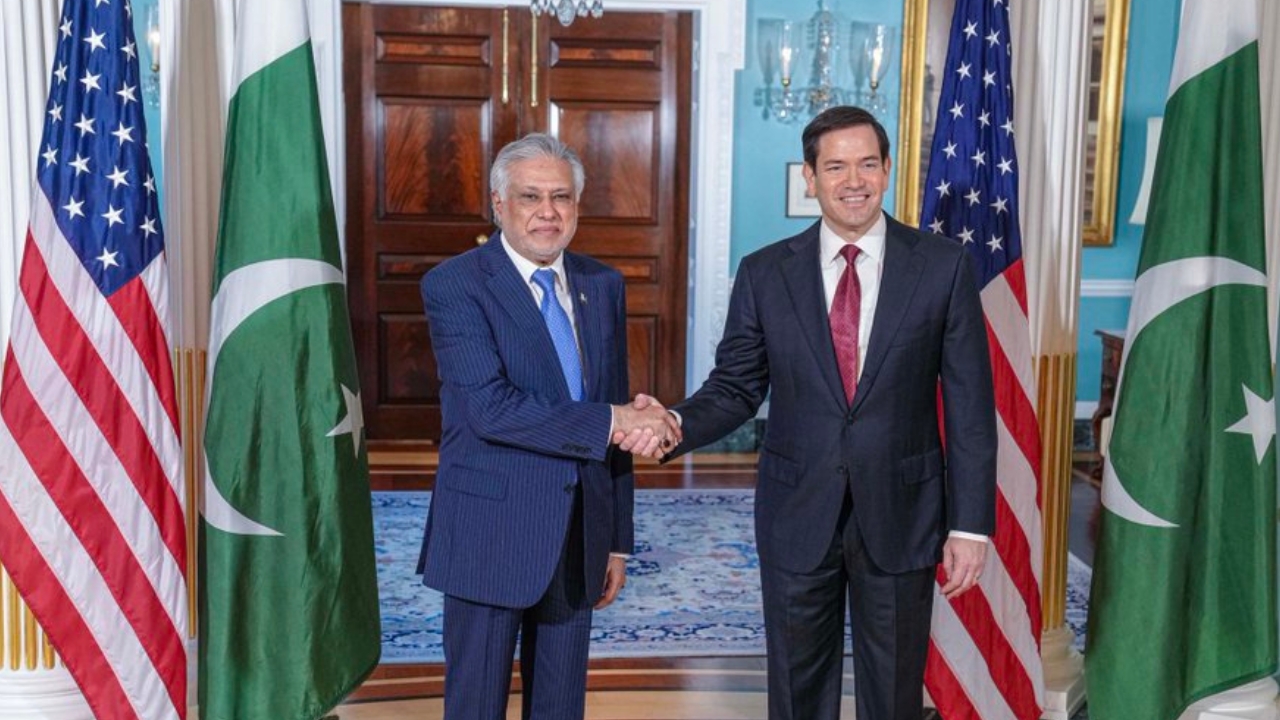
    In a bid to strengthen bilateral Pakistan-US economic ties and discuss the skirmishes following the unwarranted Indian aggression in May, Foreign Minister (FM) Ishaq Dar met with the US Secretary of State Marco Rubio. According to reports, both officials engaged in talks concerning investments, trade and collaboration in counterterrorism initiatives.

    Reports hail the meeting as a “breakthrough in diplomacy” as both foreign ministers have not engaged in such capacity in three years. As per reports, the timing of the meeting coincides with the US naming an ambassador in Islamabad to represent the US in Pakistan. 

    This meeting was held after both the FM and the US Secretary of State collaborated to broker a ceasefire between India and Pakistan in May. 

    The US Secretary of State took to X (formerly Twitter) to outline the outcomes of their meeting in which he discussed “expanding bilateral trade and enhancing collaboration in the critical minerals sector” with Pakistan’s FM. 

    Similarly, according to a post shared by FM Dar post-meeting, Pakistan is committed to “the long-term Pakistan-US partnership, with renewed focus on economic, trade, investment, IT/AI, and CT [counterterrorism] cooperation.”

    Both officials were reportedly accompanied by key state officials present in their respective delegations, which considered investment opportunities in minerals, technology, energy and agriculture. Pakistan’s FM reportedly outlined how Pakistan was a good place for American investors to park their funds.

    In related developments, Pakistan has been attempting to attract US investors to participate in the extraction of its minerals. Previously, Federal Minister for Energy Ali Pervaiz Malik reportedly called on US companies and firms to tap into Pakistan’s mineral deposits in a bid to increase foreign direct investment (FDI) inflows.

    The Minister for Energy’s aim was to encourage investors to enter into joint ventures and public-private partnerships during a webinar titled “Opportunities in Pakistan’s Mining Sector – Unlocking Mineral Potential webinar.”

    The online event was jointly held by the US Embassy in Pakistan and the Ministry of Energy. Both parties organised the webinar to boost bilateral economic ties and investment opportunities in the mining sector. 

    Prior to the FM’s visit to the US, the Energy Minister highlighted Pakistan’s vast deposits of coal, copper, gold, and other rare elements. He stated that the Special Investment Facilitation Council (SIFC) and the Government of Pakistan aim to streamline the process of foreign investments in the country, reaffirming the country’s commitment to facilitating the international parties seeking to tap into its mineral resources

  • FBR mandates strict compliance with vehicle SOPs after officer misbehaves with traffic police

    FBR mandates strict compliance with vehicle SOPs after officer misbehaves with traffic police

    Following an incident of misbehavior by an officer of the Federal Board of Revenue (FBR), reportedly involving an unregistered car with an FBR logo, the revenue watchdog has instructed field formations to comply with Standard Operating Procedures (SOPs). According to reports, these SOPs concern the use of the Honda City cars which the FBR has recently purchased.


    Reports reveal that instructions were sent to a comprehensive list of officials, including Collectors of Customs, Chief Commissioners of Inland Revenue and Director Generals. The FBR was pushed to issue the instructions after traffic police stopped an unregistered car with no number plate in Karachi that bore the logo of the FBR on its body. 


    As per reports, an Assistant Commissioner of the FBR was operating the car and began to misbehave with the police officers during the routine traffic stop. The FBR however, has condemned the act by issuing a letter that outlined that public officials are to conduct themselves with restraint, dignity and professionalism.


    More importantly, the FBR has highlighted that violations of vehicle usage guidelines will not be tolerated regardless of the circumstances. As such, the board has called for all officers to follow all SOPs as non-compliance sheds negative light on the institution.


    To prevent any such instances from occurring in the future, an internal meeting concluded that the new, unregistered, cars can only operate after receiving formal approval. Officials present at the meeting also prohibited the unnecessary use of FBR’s cars.
     
    According to reports, any officers found to be involved in the misuse of operational vehicles will face severe disciplinary action. It merits a mention the FBR made special mention of the misuse of cars bearing an FBR logo and that the use of such cars will bring forth consequences.


    The FBR has also warned against the installation of certain modifications on its cars. As per the details, the board has mandated that its vehicles must not have tinted windows. 


    Reports reveal that the FBR has made the effort to instruct heads of field formations to review all relevant SOPs with their teams. This could allow for officers to learn how to conduct themselves with professionalism, especially in public settings.


    The Honda City cars in question here are part of the FBR’s latest acquisition of motor vehicles. Earlier this year, the FBR placed an order of 1,010 Honda city cars worth approximately Rs6 billion.