Category: Business

  • Airlift raises $85 million in Pakistan for online delivery service

    Airlift raises $85 million in Pakistan for online delivery service

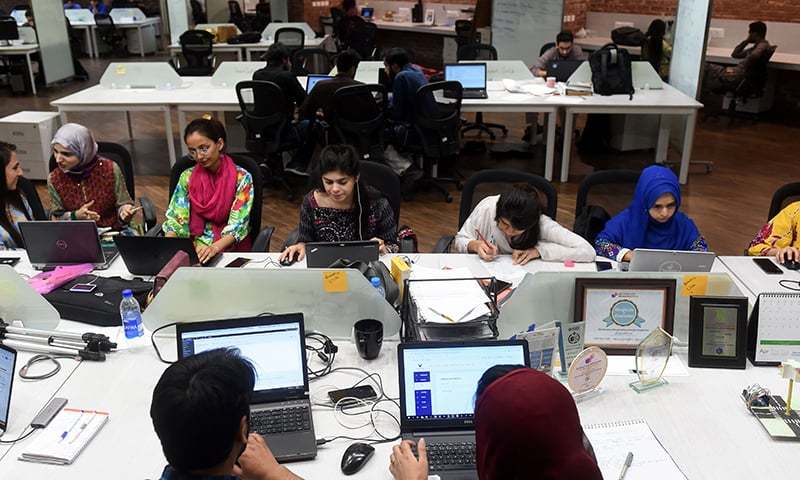
    As Pakistan joins a regional startup financing boom, Airlift Technologies Pvt. has raised the biggest single private investment round in the country’s history, ahead of plans to enter international markets.

    As per details, with involvement from former Y Combinator president Sam Altman, the Lahore-based online retail delivery company received $85 million in Series B funding headed by Harry Stebbings of 20VC and Josh Buckley of Buckley Ventures Ltd. According to a data tracker from venture capitalist firm Invest2Innovate, it would be the largest-ever investment for a Pakistani company.

    Pakistan is “in the very early stages, but the transformation is happening very, very quickly and we are seeing a shift in behavior,” Airlift co-founder Usman Gul said in an interview. “We have a lot of people who previously didn’t shop online.”

    The investment in Pakistan, a country with a population of more than 200 million people and a nascent digital sector, parallels a surge of investment over the border in India.

    According to Invest2Innovate statistics, Pakistani entrepreneurs, most of which are focused on e-commerce, raised a record $101 million in the first half of this year, compared to $66 million in all of 2020. That still pales in comparison to its neighbor, where technology companies made a record $6.3 billion in the second quarter.

    The investment comes after Airlift switched to e-commerce with 30-minute shipping in September after the epidemic forced them to abandon their primary business of providing air-conditioned bus trips. It joins a very competitive market across the globe, where supermarkets and e-commerce companies like Dunzo, Gorillas, Getir, and GoPuff compete for fast deliveries in congested areas ranging from Delhi to New York and London.

    The total money raised by Pakistani startups in the first half of the year is equal to the amount raised by Airlift. According to statistics collected by Bloomberg, it also surpasses the biggest initial public offering by the private sector in the United States.

    It now intends to expand to 15 Pakistani cities by the end of the year, up from the existing eight. It’s also on a recruiting frenzy, with ambitions to increase its core staff to 400 people by the end of next year, according to Gul. In approximately three months, the firm plans to join a growing market abroad.

    “Very quickly we realised that the distribution of consumer goods was quite broken,” he said. “I ordered groceries and had to wait six hours to get that delivery. So we wanted to change that.”
  • Pakistan bonds fall as investors brace for Afghanistan fallout

    Pakistan bonds fall as investors brace for Afghanistan fallout

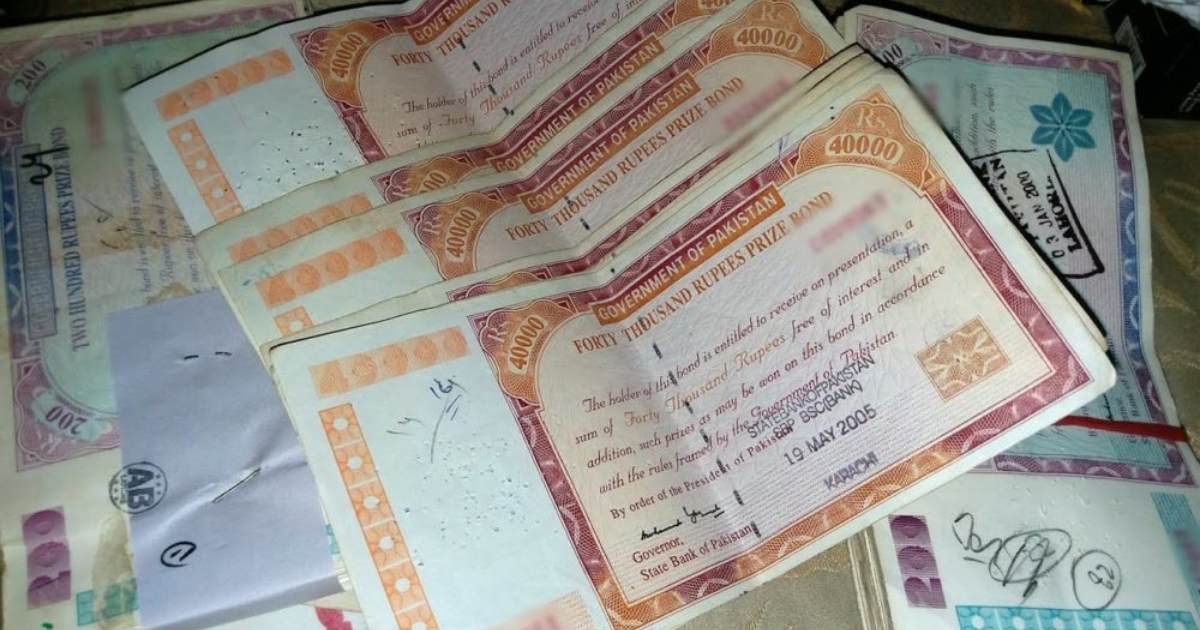
    Pakistan’s international bonds came under selling pressure on Monday as market investors brace themselves for the fallout from the crisis in Afghanistan.

    Afghanistan’s US-backed government collapsed over the weekend as Taliban fighters seized the capital, Kabul, following a stunning advance that had seen the Islamist group take over most of the country.

    The likely evacuation of refugees from Afghanistan could strain the finances of neighbouring countries, fund managers say, and there is also concern over the potential for ‘western retaliation’ against Pakistan for providing a safe haven for the Taliban.

    As per a report of Financial Times, Pakistan’s dollar-denominated bonds fell by about one per cent to just above 100 cents on the dollar, with some longer dated issues sinking to their lowest prices in nine months. The yield on a 10-year bond issued in April this year, which moves in the opposite direction to the debt’s price, climbed by about a quarter of a percentage point to roughly 7.3 per cent.

    The country’s $8.8bn of dollar bonds have now fallen by about four per cent since mid-June.

    “There are a few concerns driving this move,” said head of emerging market debt at Legal and General Investment Management, Uday Patnaik to Financial Times. “One is the refugee crisis — clearly Pakistan is going to be affected by that, and that’s going to be expensive.”

    “A lot of people are also debating the possibility of formal or informal sanctions on Pakistan for working with the Taliban. We’ve been underweight for the last couple months because of these issues but like everyone else we didn’t expect this to happen so quickly.”

    Even prior to the recent sell-off, Pakistan already had some of the highest bond yields among emerging economies that are not considered to be at immediate risk of default. Its debt is rated B minus by Standard & Poor’s and by Fitch.

    The market’s focus has fallen on Afghanistan’s neighbours as the country itself does not have any internationally traded debt, with the ousted government having received most of its financing from western governments and other donors such as the World Bank and the IMF.

    The Current reached out to Chairman of KASB Securities, Ali Farid Khwaja for a word on this situation and said: “Global investors are and will be concerned about the spillover impact of the fall of Kabul and takeover by Taliban. Of course, they will need assurance that such a thing cannot happen in Pakistan and a Taliban government in Afghanistan will not destabilize Pakistan. The jury is still out. I think there are two important aspects of this. First the world would want to see whether Pakistan is standing by them on the values they claim to preach and promote, or do we share the ethos with Taliban. So far, from the commentary it seems that it is the latter. Except for a few media celebrities most politicians seems to be pleased with the Taliban victory. This alone is a bit disturbing purely from an image perspective. Secondly, we need to prove that the wall we have made on the border with Afghanistan will be strong enough to keep Taliban out of Pakistan. Global markets are sensitive to sentiment and hence managing perception is very important,” he added.

    While a Bloomberg journalist in Pakistan, Faseeh Mangi has also shed some light on the situation of Pakistan’s dollar bonds after Taliban takeover in Afghanistan.

  • Huawei faces lawsuit after allegedly spying on Pakistani citizens through stolen tech

    Huawei faces lawsuit after allegedly spying on Pakistani citizens through stolen tech

    Huawei has been sued in California federal court for creating a “backdoor” that allowed it to collect sensitive data “important to Pakistan’s national security”, reports Reuters.

    Business Efficiency Solutions (BES), a California-based IT consultant company, filed a complaint against the China-based tech giant on Wednesday, August 11.

    According to the complaint, Huawei subcontracted with BES in 2016 for its $150 million bid to develop software for a Pakistani government programme providing new technology for police and law enforcement in Lahore. BES said it created software for the project that collects data from government agencies, controls access to buildings, monitors social media and manages drones, among other things.

    Huawei officials allegedly demanded that BES send this information to the company in China for testing, and BES said it agreed to the demand but terminated its authorisation to use the technology after Huawei revoked its access to the testing laboratory.

    The complaint said Huawei has yet to return any of the confidential software design tools or uninstall the software, as BES said it had agreed to.

    BES said Huawei later demanded it install its data-aggregation software – used by Pakistani law enforcement to collect and analyse “sensitive data from different sources and government agencies” – in its Chinese lab, “this time not merely for testing purposes but with full access to data at the Lahore Safe City project.” BES said it agreed, under threat of termination and withheld payments, after Huawei said it had approval from the Pakistani government.

    Huawei has yet to respond to the lawsuit filed by BES through its legal team. BES also did not share any more information beyond the case that it filed in the federal court.

    The IT consulting firm also accused Huawei of stealing the “trade secrets, and other intellectual properties in its possessions after officials of the China tech company demanded it for testing.”

    Up until now, the lawsuit alleged that Huawei has not returned the software design tools to BES.

    Moreover, BES said that it only allowed Huawei to use the software with full access as the latter threatened that they will not be paid, which the Chinese giant has yet to do for some of the software in the project.

    Huawei is a Chinese firm that has been banned in the United States (US) after it was accused of being a security risk. Thus, Google forcibly removed its services from the devices of the Chinese phone maker.

    However, Huawei recently decided to live without Google by debuting its own operating system across all of its devices.

  • PIA denies reports of not providing mineral water to passengers

    The Pakistan International Airlines (PIA), has denied the rumours that it will not supply mineral water to passengers on domestic flights, Geo News has reported.

    Some media reports suggested that PIA has decided to stop serving bottles of mineral water to passengers on all domestic flights as part of the national carrier’s efforts to reduce its huge losses.

    “PIA refutes a web news item intended to damage our repute that we will not provide water onboard,” said the PIA, adding that it is a “misrepresentation by some prominent media outlets”, which is both irresponsible and unprofessional.

    PIA categorically rejected the reports saying that “such reports only intended to mislead passengers”.

    In a separate development, Civil Aviation Authority (CAA) has barred barred airlines from serving food on domestic flights due to the sharp increase of Covid-19 cases in the country.

  • ‘The Current is the reason why State Bank regulations changed,’ Info Minister lauds media startup

    ‘The Current is the reason why State Bank regulations changed,’ Info Minister lauds media startup

    For the longest time, our country’s private sector has dealt with obstacles that don’t fully allow small companies to flourish. These obstacles combined with lack of opportunities cause a lot of frustration and reduce the ability to move forward.

    In some respects, startups are not too different. After all, they also take birth in the same corporate culture. So naturally one wonders if regulations, opportunities, efficiency, and the business environment were more conducive, would our entrepreneurs be able to do things differently?

    Could there be an area where progressive rules were introduced and one could monitor the changes and see if that made a major difference to the mechanics of the industry?

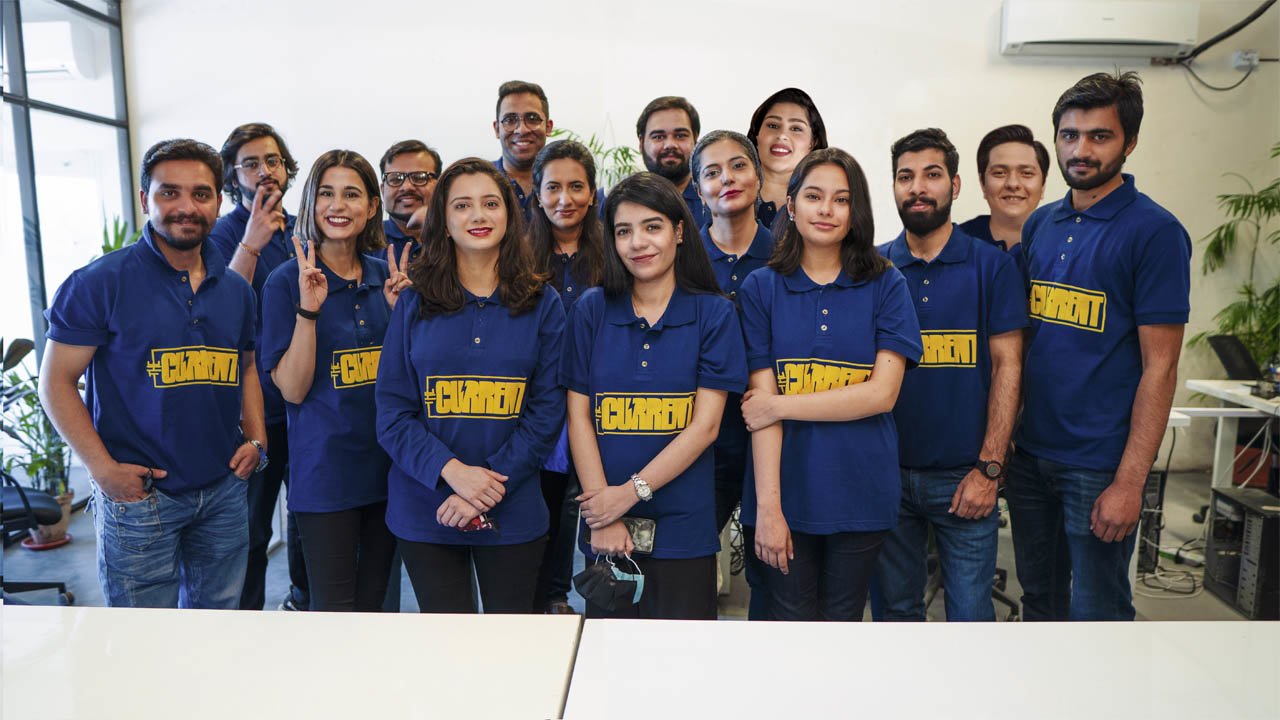
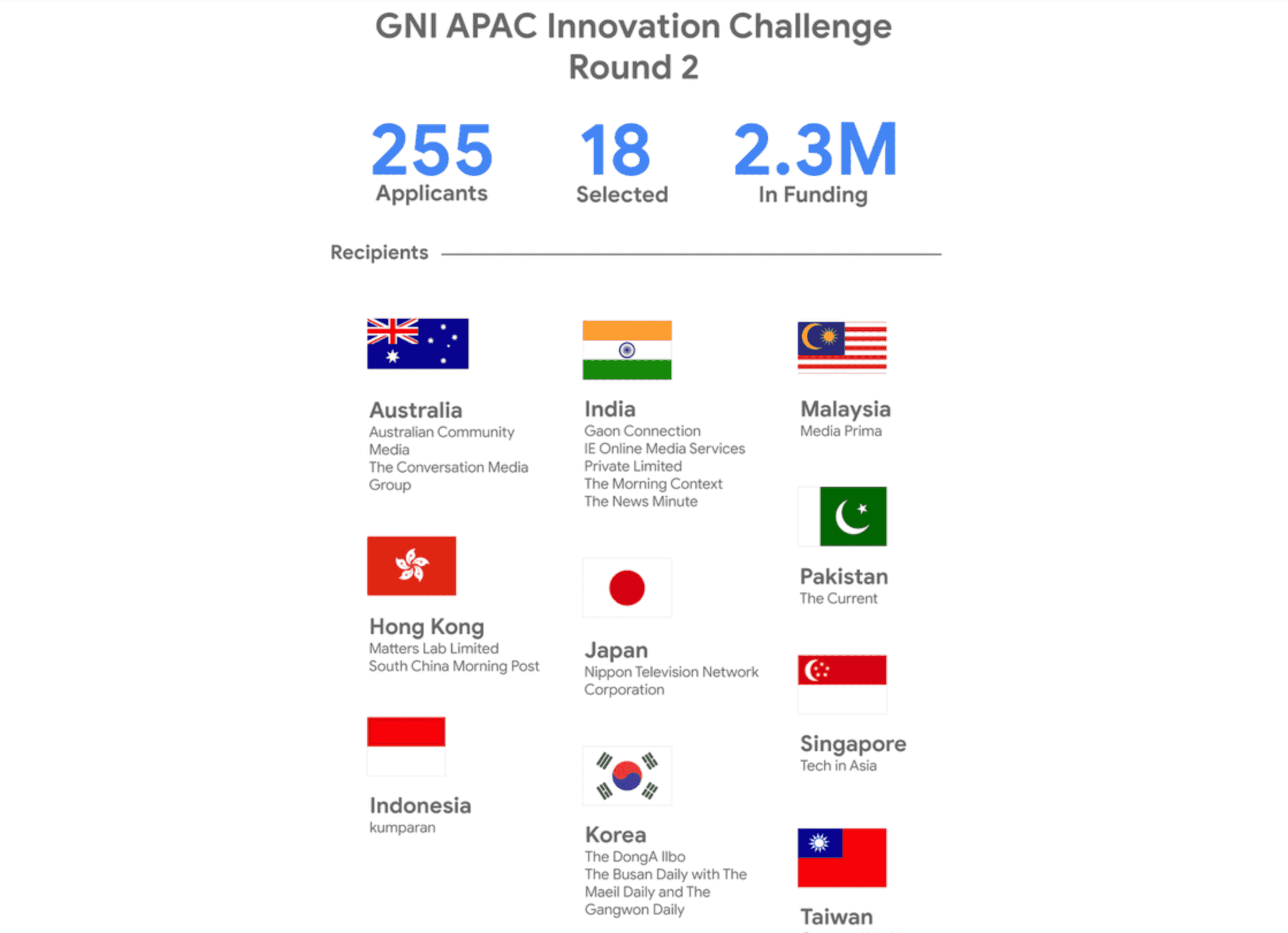
    The Current, Pakistan’s first digital news-lifestyle platform that simplifies news for Pakistani millennials, is a startup. After winning the Google News Innovation Challenge in 2020, we faced immense challenges. When Google was sending over the first half of our grant, we were unable to meet the requirements to open a US Dollar bank account. We reached out to six different banks and were refused every time. Frustrated, we kept at it, until one bank took a chance and allowed us to open the account, granted we provide details that the money was indeed coming in from Google. We did and waited for our money to come in. When it did, the bank sent it back, citing that, according to State Bank regulations, getting the money into the country would be tough. Desperate, we appealed to the then Science and Technology Minister, Fawad Chaudhry, as well as contacting State Bank’s President Reza Baqir. Chaudhry was receptive and got us in touch with the right people to help us get our grant across. We were lucky that tech giant Google was in the picture. We finally got our money through and now, will be launching Pakistan’s first membership program.

    The Current now comes around bearing good news for all startups. After we became the catalyst that pushed the State Bank of Pakistan (SBP) to understand the issues being faced by tech startups, the SBP introduced a new policy to facilitate startups and provide them a way to get their money home.

    “You won the Google grant and there were issues bringing the money to Pakistan. Since I was the Science and Technology Minister at the time, I discussed the issue with Reza Baqir (President State Bank of Pakistan). Since the State Bank is in very capable hands, they made a new policy to facilitate startups,” says Fawad.

    Chaudhry further added, “The credit goes to State Bank President, his team and to The Current, the reason why this issue was highlighted in the first place.”

    SBP officially removed a major obstacle that has been subsequently thwarting the growth of the startup companies by allowing them to avail foreign loans as convertible debt.

    Startup firms face funding issues due to the unavailability of collateral or security. Foreign investors, including equity funds and angel investors, show interest in startups but they try to cover the risk through alternative means like high return on loan, reports Dawn.

    A company may raise funds from abroad in the form of convertible debt, i.e. the lender shall have the option to convert the loan into the equity of the borrowing company.

    “It is expected that this initiative will help in attracting more foreign investment as it will provide another option to the international investors to invest in startup companies operating in Pakistan,” said the SBP.

    We at The Current are immensely happy that we have helped carve a way and provide an easier path for Pakistani startups.

  • ‘Get your money out from under the mattress,’ KTrade to be the next big thing in business

    ‘Get your money out from under the mattress,’ KTrade to be the next big thing in business

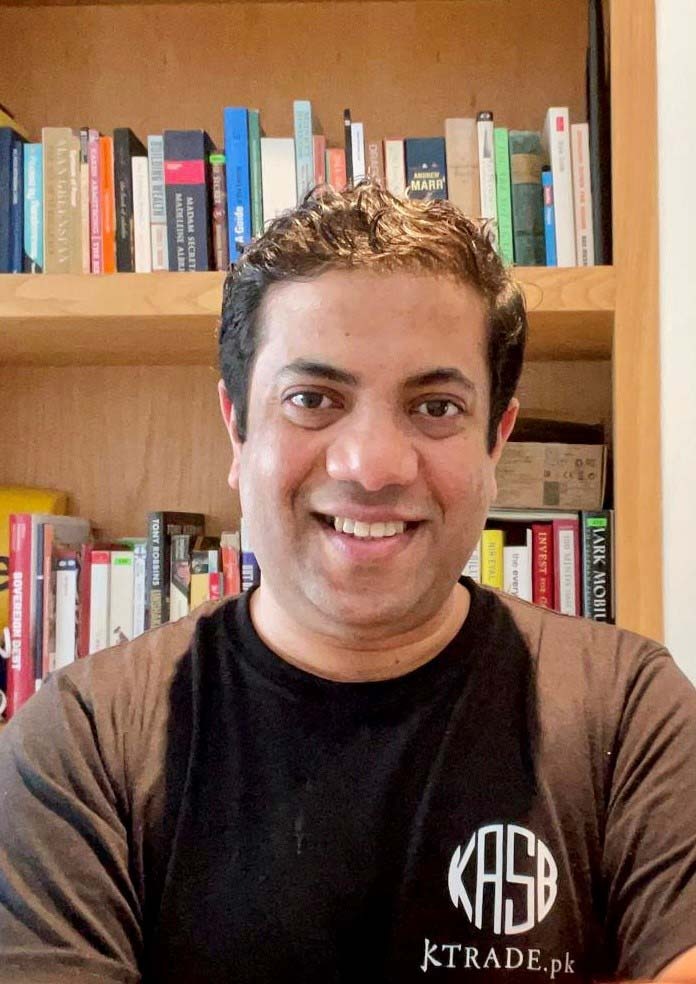
    Could Pakistan be the latest world stock market to see a blow-up of interest from retail investors? Ali Farid, the cofounder of KTrade , thinks that KTrade is the next big thing.

    As reported in Forbes, the brokerage firm will be announcing a $4.5m funding round that Farid believes will position KTrade perfectly as a new generation of Pakistanis embracing the stock market. “It is time for people to get their money out from under their mattresses and get a better return from more formal types of savings,” Farid insists.

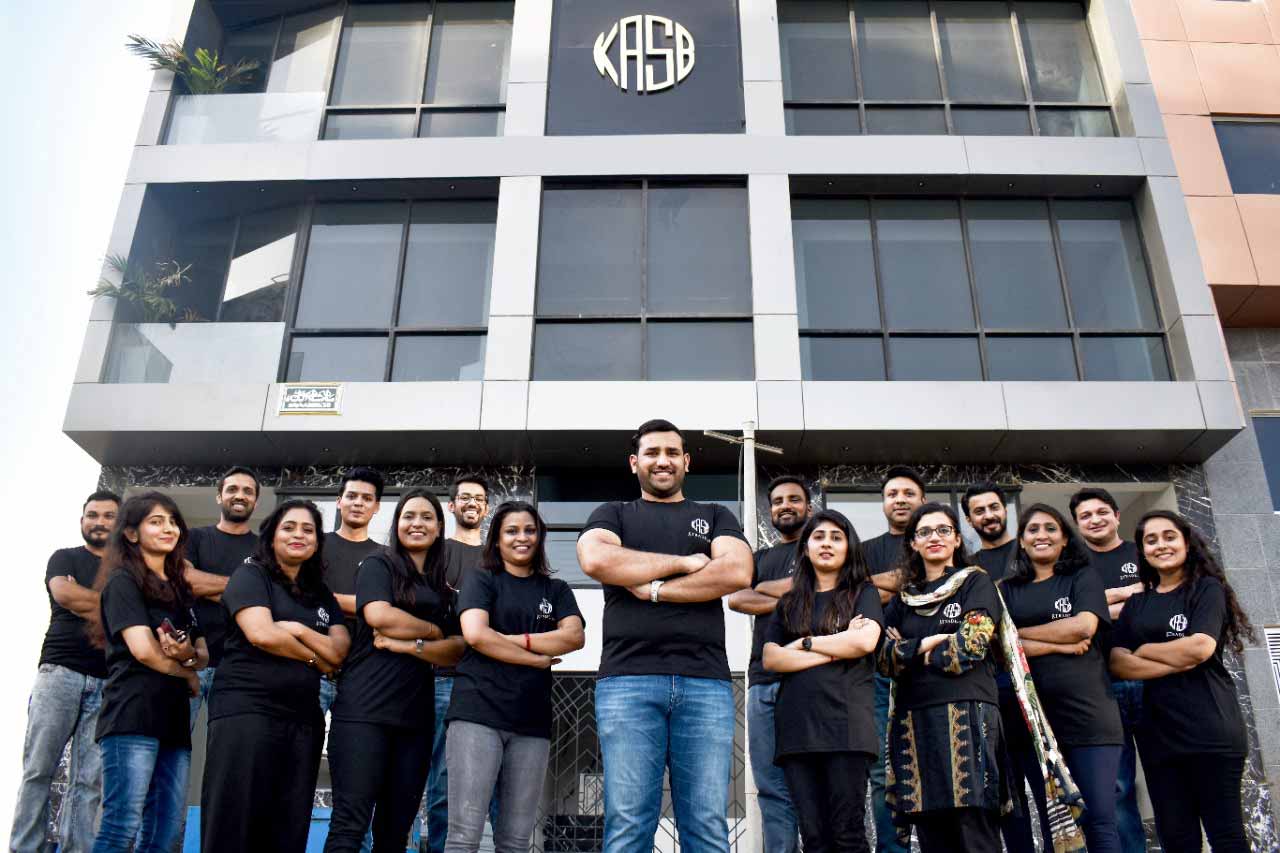
    KTrade is the fintech retail trading app created by Khalid Ali Shah Bukhari (KASB) securities, the leading stock brokerage in Pakistan. KTrade provides easy access to financial markets for retail investors much like its global peers such as XP in Brazil, Zerodha and Groww in India, Tiger in China, Flatex in Germany, and Robinhood in the US.

    Ali Farid led the creation of KTrade. He was previously the CFO of UK listed fintech company SafeCharge (acquired by Nuvei) and a Partner at Autonomous Research (acquired by Alliance Bernstein) in London. Ali is a Rhodes Scholar and has been a top ranked Technology Analyst in Europe since 2013. 

    Ali Farid, the cofounder of KTrade

     “KTrade will enable this mobile-first population to participate in the investment opportunity. By connecting these people to companies we can drive capital trapped in unproductive assets into the formal economy which would eventually drive a virtuous cycle of economic growth and higher investments”, says Farid.

    KASB’s aim is to provide retail savers access to financial education, information and financial products and to help them make better decisions in the field of finance.

    “We aim to regularise access to the capital markets and enable them to make stock market investments. The strong demand for KTrade shows that the market is ready for this transformation. Other regional and emerging markets have seen similar evolution led by successful fintech companies” added Farid. 

  • GSMA funds £668,000 to three Pakistani startups

    GSMA funds £668,000 to three Pakistani startups

    The Global System for Mobile Communication’s innovation Fund has announced three Pakistani startups as winners out of 597 applications.

    These startups are working on the inclusion of Mobile, Internet and Digital technologies in Pakistan. The winning startups Vceela and Orenda Pakistan will get a grant of £668,000 (Rs146 million).

    The head of Asia Pacific GSMA, Julian Gorman, said that digital technologies would transform how people work and live in Pakistan. By 2023 the economic contribution of the mobile industry in Pakistan will reach $24 billion that is 6.6 per cent of the expected Gross Domestic Product (GDP).

    Pakistan has also moved forward with significant mobile services tax reforms. “As we saw in the GSMA 2020 Digital Societies Report, which tracks the progress of 11 focus countries in the Asia Pacific, Pakistan is advancing its societal, economic and digital ambition, as outlined in Digital Pakistan Vision,” Mr Gorman said.

    Pakistan has achieved one of the highest scores overall as per the GSMA report on the digital society index.

    Federal Minister for Information Technology (IT) Syed Aminul Haq said that the Ministry of IT & Telecom (MOITT) lauded the efforts of the GSMA for its endeavours to bring revolutionary changes in the field of telecommunication in Pakistan.

    He added that the reforms taken by the incumbent government in the telecommunication sector have made it possible for investors in the broadband and communication sector to facilitate the investors’ sentiment.

    He said the “right way of policy” has been implemented by the government, which was one of the demands of the telephony and internet service providers for the last 24 years.

    Haque has also said that the government was taking steps to provided 3G and 4G services all across Pakistan, but the COVID pandemic has changed the landscape. However, the Telecommunication sector strategy has not changed because of high demand and technological relevance.

    Not just GSMA, even World Economic Forums (WEF) has ranked Pakistan as one of the best countries in terms of affordability of ICT services.

  • Man sets textile shop on fire over unpaid salary

    Man sets textile shop on fire over unpaid salary

    A Dubai salesman has been sentenced to two years in prison for setting a textile shop on fire, causing losses of nearly Dh1 million to the owner.

    As per reports, the 27-year-old salesman from Afghanistan was fined Dh985,000 fine. He will be expelled after he has served his sentence.

    He reportedly wanted to take revenge from the owner, who did not pay his salary for a year. In December last year, the defendant went to the shop and unlocked the shop using a cutter. He accused the owner didn’t pay his salary for one year. He expected to find some cash inside the shop, but couldn’t find any.

    The suspect told Dubai Police that he found a lighter inside the shop and decided to set the textile shop on fire in vengeance.

    Read More: Flight returns after bat seen flying in business class cabin

    The shop’s owner testified that he checked the CCTV footage in the area and saw the defendant braking into the shop. “I was alerted about the fire and discovered that the defendant was responsible. He damaged the lock and the glass door before setting the shop on fire,” the 40-year-old Pakistani owner said.

    Dubai Public Prosecution charged the defendant with setting fire to a property and causing damages worth Dh985,000. The verdict will be subject to appeal within 15 days.

  • Rs 827.2 billion drawn from ATMs during Ramazan, Eid

    Rs 827.2 billion drawn from ATMs during Ramazan, Eid

    Around Rs 827.2 billion were reportedly drawn from Automated Teller Machines (ATMs) during Ramazan and Eid holidays, through approximately 63.2 million transactions.

    Only on Eid, Rs137.8 billion were withdrawn through 11.6 million ATM transactions. The State Bank of Pakistan (SBP) collaborated with commercial banks to make ATM services available for people on holidays and other festivals.

    SBP formed a special team through which they monitored ATMs during Ramazan and Eid as there is a high demand for cash during these festivals.

    Besides, the banks also managed to sustain an average uptime of 96.5 percent which further improved to 98 percent during Eid-ul-Fitr holidays earlier this month. The special team performed nationwide operations on all banks through both on-site and off-site inspections and monitoring.

    During these holidays, only 500 complaints were received from the public and were immediately resolved. SBP praised the efforts of the banks to maintain the availability of services during these festivals.

    “SBP firmly resolves to keep facilitating the public and carrying out similar exercises in future as well to facilitate the general public at large,” read a statement from the bank.

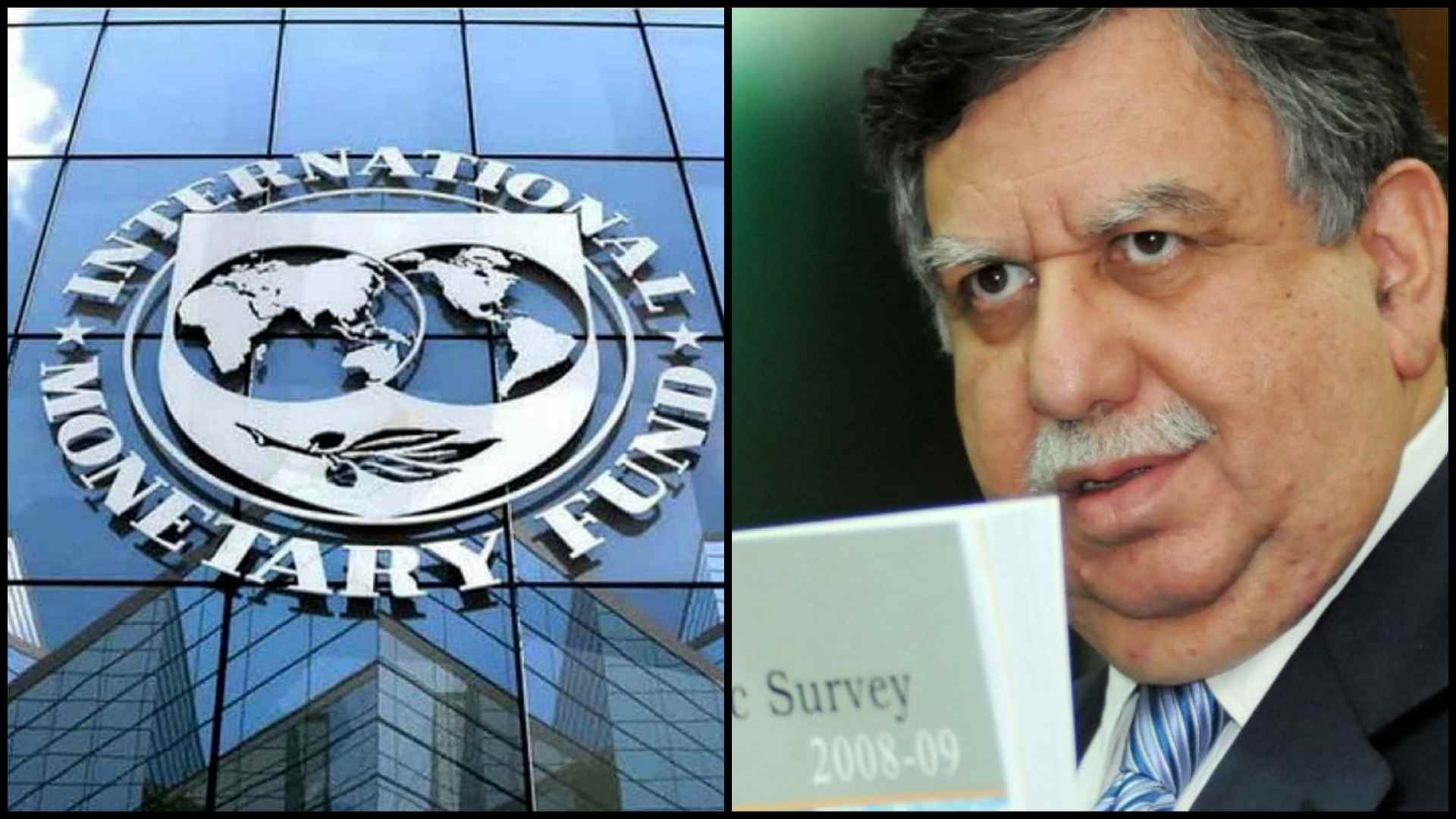
  • ‘Will not increase electricity tariffs, told IMF,’ says Tarin

    ‘Will not increase electricity tariffs, told IMF,’ says Tarin

    The Federal Minister for Finance Shaukat Tarin predicted that the economy of Pakistan would grow by six per cent as the incumbent government has dealt with COVID-19 in a better way.

    “Growth rate is projected at five percent this year and would move further upwards to six percent during the next fiscal year. The government has developed short and long-term plans to achieve the target,” Tarin said while addressing a virtual press conference.

    “The government of Pakistan is doing long-term planning not just to stabilise the economy but to push economic growth,” he added.

    The strategy is divided into short, medium, and long-term planning for almost 12 sectors, and the plan will be presented to Prime Minister (PM) Imran Khan for approval by the end of May. Shaukat Tarin made these strategies after taking over again as finance minister.

    In addition, Pakistan is going through food scarcity and has to import from outside. Tarin blamed the lack of agriculture industry behind food shortage.

    By paying attention and taking action against people who are profiting and hoarding food, these issues are addressable. “We will tackle this through the creation of strategic reserves and dump food wherever people try to profit,” Tarin said.

    On the financial sector, he said that we will bring more people into the tax net. Besides, people should be encouraged to deposit money into banks so it could be used productively, and the money can be spent on all provinces rather than “nine cities”.

    While responding to a question about power tariffs, he said the government would not increase tariffs to prevent further burden on the people, and the same would follow for taxes.

    He said the International Monetary Fund (IMF) had been told that money would instead be collected through other “innovative ways” and he had “full hope” that the IMF would give space.

    He also explained that Pakistan had fulfilled most of the Financial Action Task Force’s conditions with one or two “transactional items” left so he said the government was hopeful of a favourable response in the meeting in June.