Category: Business

  • After Ukraine, United States turns to Pakistan’s trillion-dollar mineral deposits

    After Ukraine, United States turns to Pakistan’s trillion-dollar mineral deposits

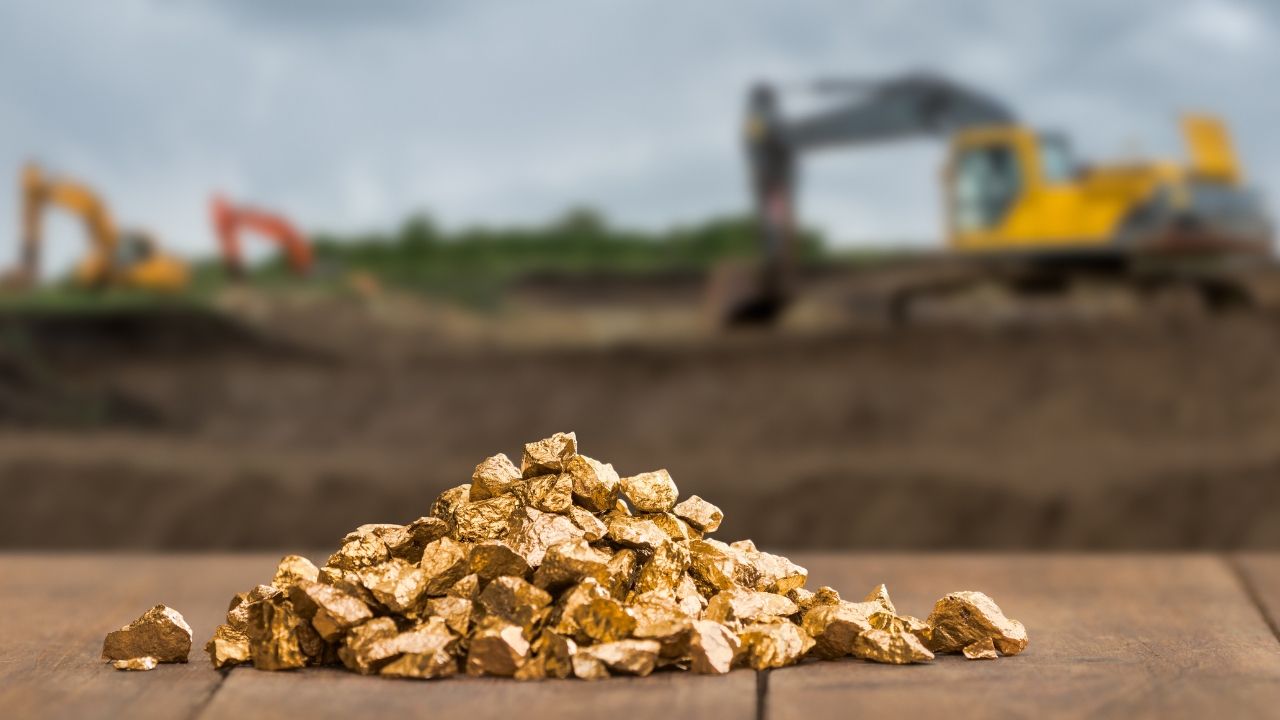
    In a quest to remain the economic hegemon of the world, the United States (US) has set its eyes on Pakistan’s precious minerals. As per credible reports, a key official from the State Department Bureau of South and Central Asian Affairs expressed American interest in Pakistani minerals to Prime Minister Shehbaz Sharif.


    The development came about after the Minerals Investment Forum was held  to boost investment inflows into the mining sector. Reports reveal that a multitude of multinational firms and foreign state officials visited the forum. 


    US based companies are considering exploiting Pakistan’s resources in mutually beneficial ventures. Reports suggest that Shehbaz Sharif believes that collaboration with the US could yield great results for cash-strapped Pakistan.


    Pakistan’s immense debt burden could be cut down if investments pour into the country. Shehbaz Sharif has outlined how the country contains precious minerals and elements worth ‘trillions of dollars’.


    There is merit to this claim as Pakistan currently possesses one of the largest deposits of gold, copper and lithium. Additionally, with China refusing to export seven rare elements to the US, it makes intuitive sense as to why the US wants to secure extraction rights and trade deals with countries other than China.


    Previously, the US was locked in negotiations with Ukraine to gain access to its resources in exchange for support in the war effort against Russia. However, many believe that if Ukraine inks this deal, it would get the short end of the stick – as it is seemingly exploitative.


    The US wants Ukraine to allocate approximately 50 percent of proceeds from mining and extraction operations to the US. Moreover, the Trump administration also seeks to secure partial ownership in important infrastructure across the war-torn country.


    While Ukraine might not sign the deal, the US is likely to find a commercial ally in Pakistan. This is because Shehbaz Sharif has reportedly expressed the federal government’s inclination to solidify ties with the US.


    His decision to send a delegation, right after the mining investment forum, to the US indicates the government’s willingness to collaborate with the superpower. Pakistan could witness significant growth because of US-led mining operations as the Pakistani premier has forbidden the export of raw minerals, claiming that foreign companies must produce goods from these elements before they can be exported.


    However, it is unclear if mining operations can run unimpeded in Balochistan – the province with the largest deposits of minerals. A rise in terrorist activities has been recorded across the region which could potentially drive away investment inflows.
  • Petrol prices could fall, govt might levy GST on fuel

    Petrol prices could fall, govt might levy GST on fuel

    Crude oil prices in the international market continue their downward trend, causing many analysts to predict a possible fall in domestic petroleum prices. Data indicates that Brent crude oil prices have been plummeting significantly.

    Brent crude oil futures recorded a 2.38 percent decline in just 24 hours, causing the price to drop below $64 per barrel. However, the drop in Brent crude oil prices has been more pronounced over the past fortnight as prices reportedly sat at a comfortable $74.95 per barrel on March 31.

    As Pakistan is a net importer of petroleum products, the $10 per barrel fall in Brent prices could allow consumers to witness relief if the government does not tack on additional charges. According to reports, the petroleum development levy currently stands at its maximum legal limit of 70 rupees per liter on both petrol and diesel.

    Analysts have predicted that the price of petroleum products could drop by approximately 11 to 12 rupees per liter. Reports indicate Islamabad might consider levying the General Sales Tax (GST) on local petroleum products.

    This is because while fuel prices are estimated to fall, consumers may not realise the full magnitude of the fall in price as the government may attempt to boost its own revenues. This could allow the government to consolidate its fiscal position, as levying taxes on fuel does not substantially decrease the quantity of fuel the economy demands.

    Currently, Pakistan does not charge consumers any general sales tax (GST) on petroleum products. However, fuel suppliers and distributors tack on an additional 17 rupees per litre as markup.

    All eyes are on the Oil and Gas Regulatory Authority (Ogra), which is responsible for making revisions to fuel prices. Analysts have highlighted the benefits of slashing fuel prices.

    A fall in High-speed diesel (HSD) rates could benefit the transport sector given the sector’s reliance upon HSD. The fall in HSD prices is likely to spur economic activity across various sectors. 

    For instance, the transportation sector has diesel as a primary input and thus requires vast quantities of the commodity. With a fall in HSD prices, these businesses could witness a drop in operational costs and, ultimately, a rise in profit margins.

    As per analysts, bus fares tend to be sticky when diesel rates drop. As such, drops in the price of diesel might not benefit commuters and could rather funnel funds into the pockets of the owners of transport companies.

  • ‘Digital Detonation’: Binance founder joins Pakistan Crypto Council

    ‘Digital Detonation’: Binance founder joins Pakistan Crypto Council

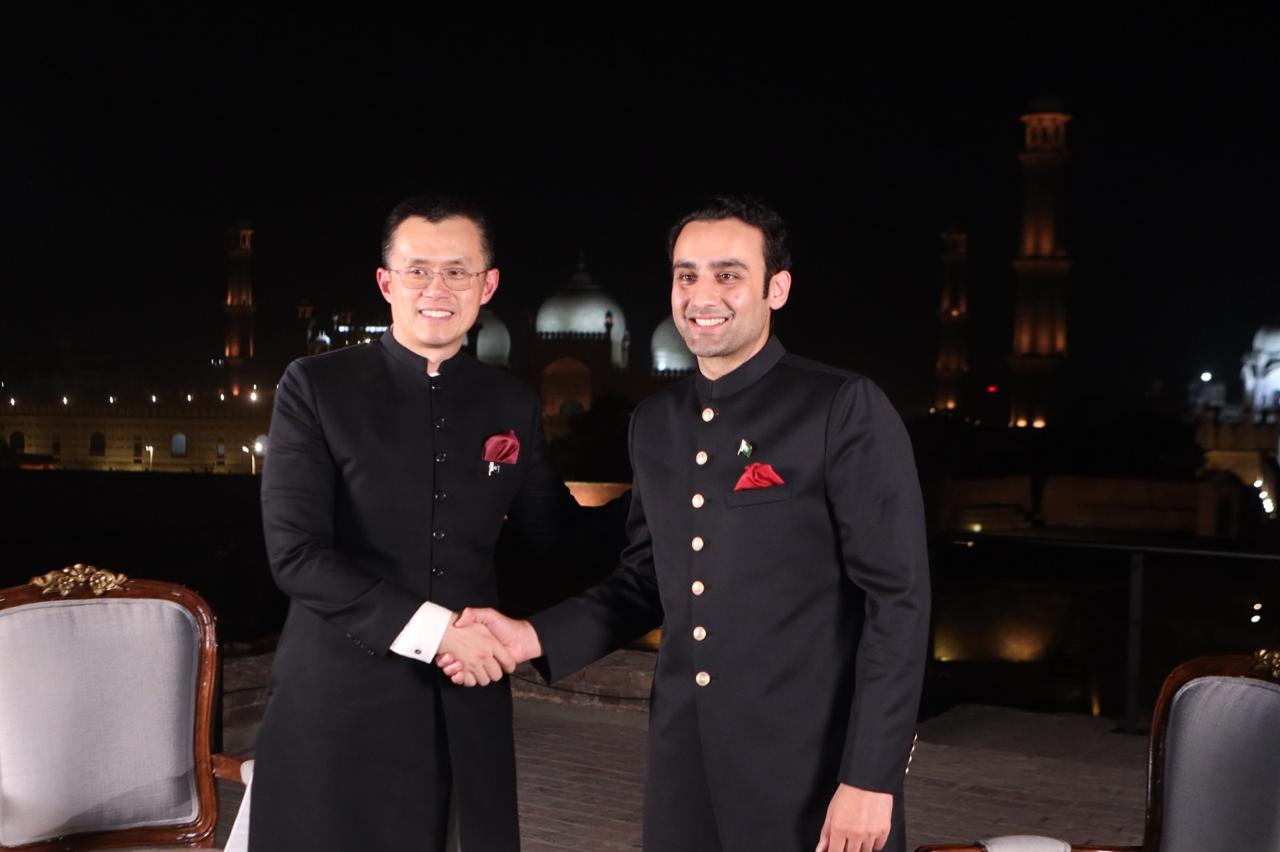
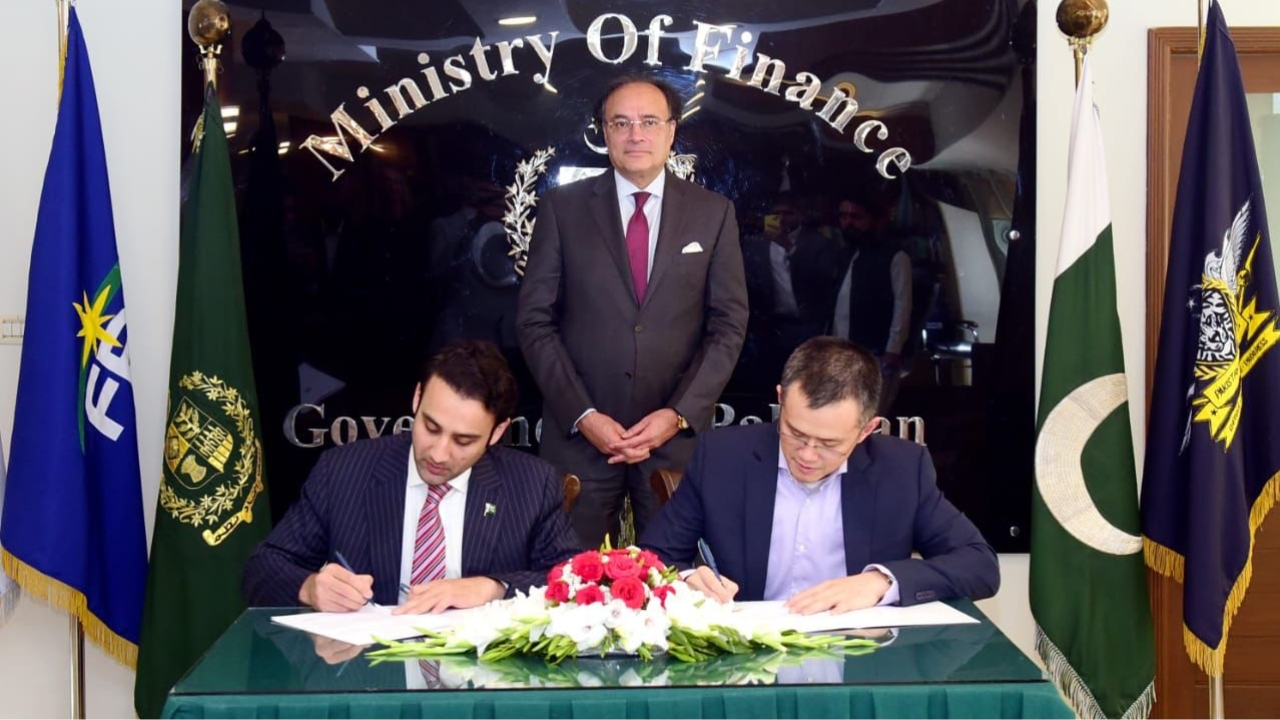
    In a historic move that could redefine the digital future of emerging economies, Pakistan has appointed Changpeng Zhao, widely known as CZ, the founder and former CEO of Binance, as the Strategic Advisor to the Pakistan Crypto Council.


    This momentous step positions Pakistan as a first mover in the global race for digital value creation, akin to setting off a nuclear blast in the age of digital transformation — a bold detonation not of destruction, but of innovation, inclusion, and economic upliftment.


    The announcement was made during CZ’s high-profile visit to Pakistan, hosted by Bilal Bin Saqib, CEO of the Pakistan Crypto Council. “In a world shifting from industrial might to digital value, Pakistan just pulled the trigger on a new era — and made CZ a key architect of that future,” said Bilal Bin Saqib.


    While many nations are still debating the regulatory future of digital assets, Pakistan is forging ahead, leveraging its untapped energy reserves, vast youth population, and strategic geographic position to become the next global hub for crypto, blockchain, and tokenized innovation.


    With CZ joining as strategic advisor, the Council gains more than global credibility — it gains the insight of the man who built the largest crypto exchange in the world. This alliance serves a dual purpose: it helps rehabilitate CZ’s global legacy post-Binance, and it positions Pakistan as his next frontier — a place where he can empower an entire nation and leave a lasting mark on digital finance.


    This announcement is deeply symbolic. In 1998, it was India that took the lead in the regional nuclear race. But in 2025, Pakistan takes the lead in the digital race — and this time, it’s not about atomic might, but digital sovereignty, innovation, and global economic influence.


    For CZ, this isn’t just about strategy — it’s about legacy. Pakistan offers a canvas to write a story no other Web3 visionary has dared to pursue: uplifting an entire emerging economy through the transformative power of crypto and blockchain.


    In the writer’s opinion, “This is not just another appointment. This is Pakistan stepping into the future — with intention, with strategy, and with global firepower,”


    Pakistan’s decision to bring CZ into its highest-level crypto advisory body marks a decisive pivot in its economic trajectory. In the post-industrial era, digital value is the new gold — and Pakistan just set off a chain reaction that the world can no longer ignore.


    As the world watches this new chapter unfold, one thing is clear: the arms race of the 21st century will be fought not just with missiles and tanks, but with algorithms, blockchain nodes, and global influence — and Pakistan just launched the first strike.

  • Tariffs war: Pakistan to send high-profile delegation to US fearing massive losses

    Tariffs war: Pakistan to send high-profile delegation to US fearing massive losses

    Lawmakers in Islamabad have decided to send a high-profile delegation to the United States (US) to go over the tariffs that US President Donald Trump has levied on Pakistani goods entering the US. As per credible reports, the delegation intends to boost trade volume between the two economies.

    This move was authorised by Prime Minister (PM) Shehbaz Sharif as the government grew worried about a potential drop in export volume to the US. Pakistan, along with several other countries, has been slammed by tariffs.

    The situation is alarming for Pakistani exporters as their goods will now face a 39 percent tariff once they reach the US’s shores. Pakistan’s tariff is comprised of a country-specific rate of 29 percent and a baseline rate of 10 percent – which was unilaterally imposed on all countries. This has caused the competitiveness of Pakistani exports to shrink in the international market.

    While many consider this move to be hostile by the US, analysts have outlined how Pakistan itself has historically levied high tariffs against the US. Currently, Pakistan has a 58 percent tariff rate against all US products entering the country.

    Facing falling competitiveness because of taxes, PM Shehbaz Sharif has authorised the Pakistani delegation to draw up a framework that can protect Pakistan’s commercial interests.  As per reports, the Pakistani delegation consists of several exporters and business leaders. If successful, the delegation may secure better terms with its largest single-country export destination: The United States.  

    Data from reports suggests that the value of exports to the US stand at a respectable $6 billion, which are now under threat. These exports are primarily textiles, causing many business owners to evaluate the confidence they had placed in the textile sector.

    Projections from analysts indicate that the aforementioned developments could result in Islamabad’s failure to realise approximately $500 to $700 million in duties. While it might seem like a small amount at first glance, many believe that the effects could be devastating for the cash-strapped economy.

    Reports have revealed that PM Shehbaz Sharif is willing to work with the Trump administration to attain a better deal for Pakistan. This is because the decision to send a team to the US came mere hours after the Pakistani premier held a meeting with senior officials from the US.

    During this meeting, PM Sharif outlined Pakistan’s willingness to cooperate with the US in matters pertaining to trade, investment, counter-terrorism and regional security.

  • PIA records profit after 21 years

    PIA records profit after 21 years

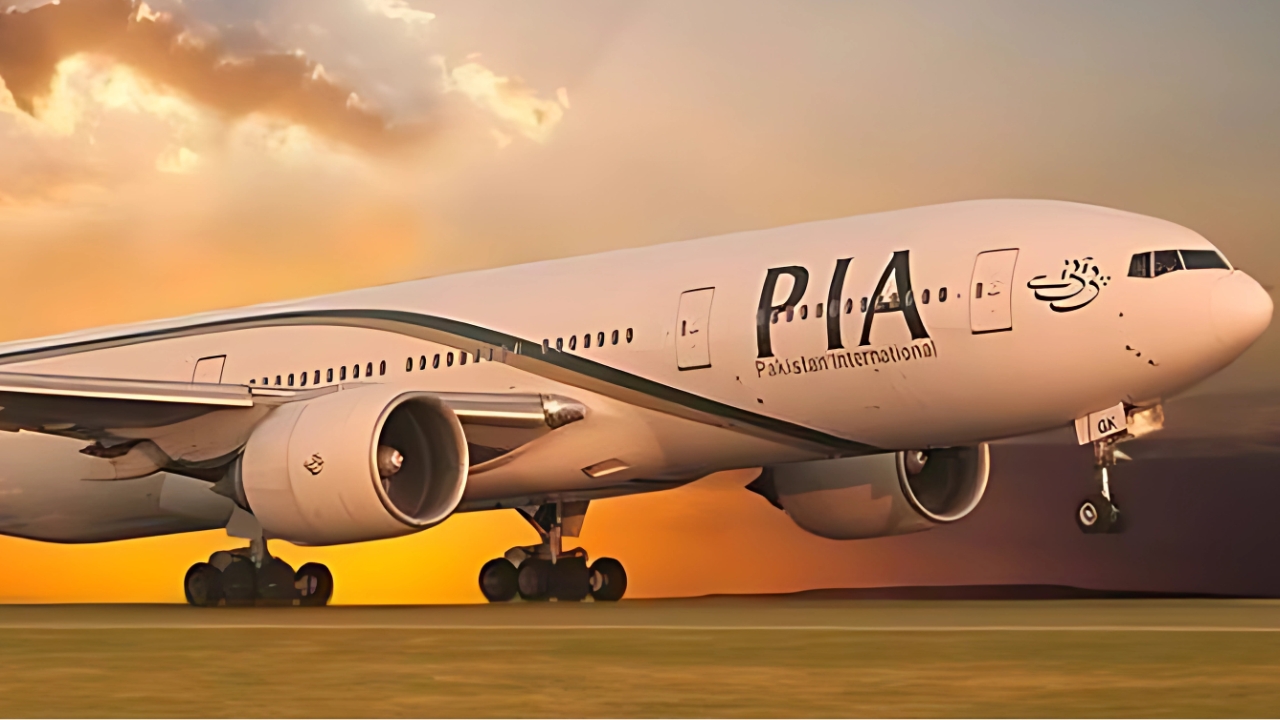
    After 21 long years of remaining locked in a financial nosedive, Pakistan International Airlines (PIA) has successfully posted its first profit. According to credible reports, PIA has logged an operational profit of Rs3.9 billion, with net profit remaining at a healthy Rs2.26 billion.

    The national carrier’s board of directors approved financial results for 2024, which showed the airline’s improving financial health. A spokesperson from PIA claimed that the airline enjoyed an operating margin of over 12 percent.

    According to the spokesperson, the national carrier’s financial performance is now in line with that of some of the best airlines in the world. PIA has been able to achieve this feat after making major changes to its business operations and structure.

    These changes allowed PIA to lift the suspension that had been placed on its flights to major destinations, such as Europe and the United States. This moratorium on PIA’s services came about as a direct consequence of a post-crash speech by then-Minister Ghulam Sarwar, who had claimed without any evidence that 40 percent of PIA’s pilots were flying with fraudulent licenses. Sarwar’s speech detrimentally impacted the airline’s credibility, and the airline lost its goodwill with customers, which it had earned over the years. 

    With PIA now regaining its reputation and working tirelessly to adhere to security regulations, it has regained the right to fly lucrative routes to Europe. Moreover, the airline continues to lease out its slots to airports to which it is barred from flying, such as London Heathrow airport. 

    In addition to boosting revenues, the airline has focused on cutting costs, as reports indicate that annual expenditures fell considerably during 2024. PIA was able to slash its manpower while suspending flight operations to non-profitable routes.  

    Lawmakers have taken to social media to celebrate improvement in PIA’s financial health. Defence Minister Khawaja Asif posted on X (formerly Twitter) and outlined how the profit would boost the chances of the airline getting privatised.

    However, many question if it would be a good idea to privatise the national carrier right as it’s beginning to take off again. Reputable institutions have highlighted how the airline would previously witness frequent flight cancellations and plane seizures at airports.

    The airline’s poor financial health was responsible for the aforementioned incidents. As per reports, PIA was teetering on the edge of default and would run annual deficits, prompting Islamabad to consider privatising the state-owned enterprise.

    Previous privatisation attempts ended in failure as the government unsuccessfully attracted a bid that was far below the minimum price of $306 million for part of the airline.

  • Trump’s tariff war: iPhone price in Pakistan could surge past Rs1 million

    Trump’s tariff war: iPhone price in Pakistan could surge past Rs1 million

    As the tariff war between the United States and China escalates, global markets have tumbled. A growing concern among individuals, both abroad and in Pakistan, is whether they can continue to afford their annual subscription fees for the ultimate status symbol: the iPhone upgrade.


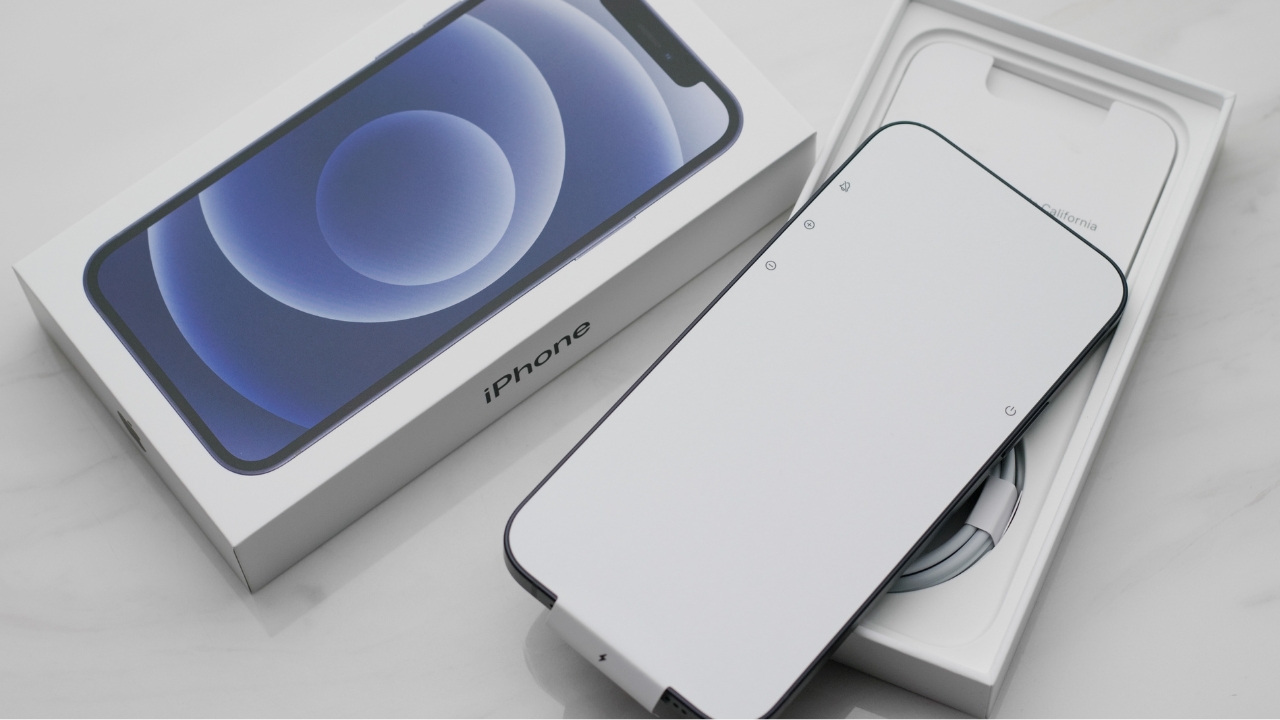
    The line, “Designed by Apple in California, Assembled in China”, once a symbol of class, is now being read as ‘$$$’ by consumers as both countries continue to tack tariffs onto each other. A certified financial planner has predicted that the price of Apple products could surge by 20 to 40 percent – causing many existing users to rush to upgrade their phones before prices are revised upwards.

    Fears of Apple product prices rising arose when US President Donald Trump levied unilateral tariffs with reports suggesting that the tariff rate on Chinese goods entering the US was 54 percent. These fears intensified when China retaliated against the US by slapping a 34 percent retaliatory tariff on the US.

    Reports claim that Trump took to social media and responded to Beijing by threatening an additional 50 percent in tariff rates, which could bring the total tariffs on China to a staggering 104 percent. There are no undone concerns regarding possible spikes in the prices of Apple products. 


    Currently, the price of the iPhone 16 rests at $799 in the US, which, for reference, translates to about 224,000 Pakistani rupees (PKR). With input costs rising for Apple, the company has to decide between protecting profit margins by raising prices or maintaining the current sales volume by keeping prices unchanged.

    If Apple decides to raise prices and pass on the financial burden to consumers, the iPhone 16 could retail for approximately $1,142 in the US, which is about PKR 320,000. 

    The iPhone 16 Pro Max’s price could reportedly surge by 43 percent from $1,599 to $2,300. In rupees, the US retail price of the iPhone 16 Pro Max has increased by PKR 200,000.

    However, the figures above are retail prices that US consumers would face and are expected to be much higher for Pakistan – in the case of a price hike by Apple. As per reports, some iPhone models could potentially surge past Rs.1 million, largely because of the slew of duties and taxes that Pakistan imposes on its own trading partners.


    An official confirmation of price hikes has not been reported yet, and the decision rests with the company’s executives back in Apple’s headquarters in California.

  • Binance founder joins Pakistan Crypto Council as advisor

    Binance founder joins Pakistan Crypto Council as advisor

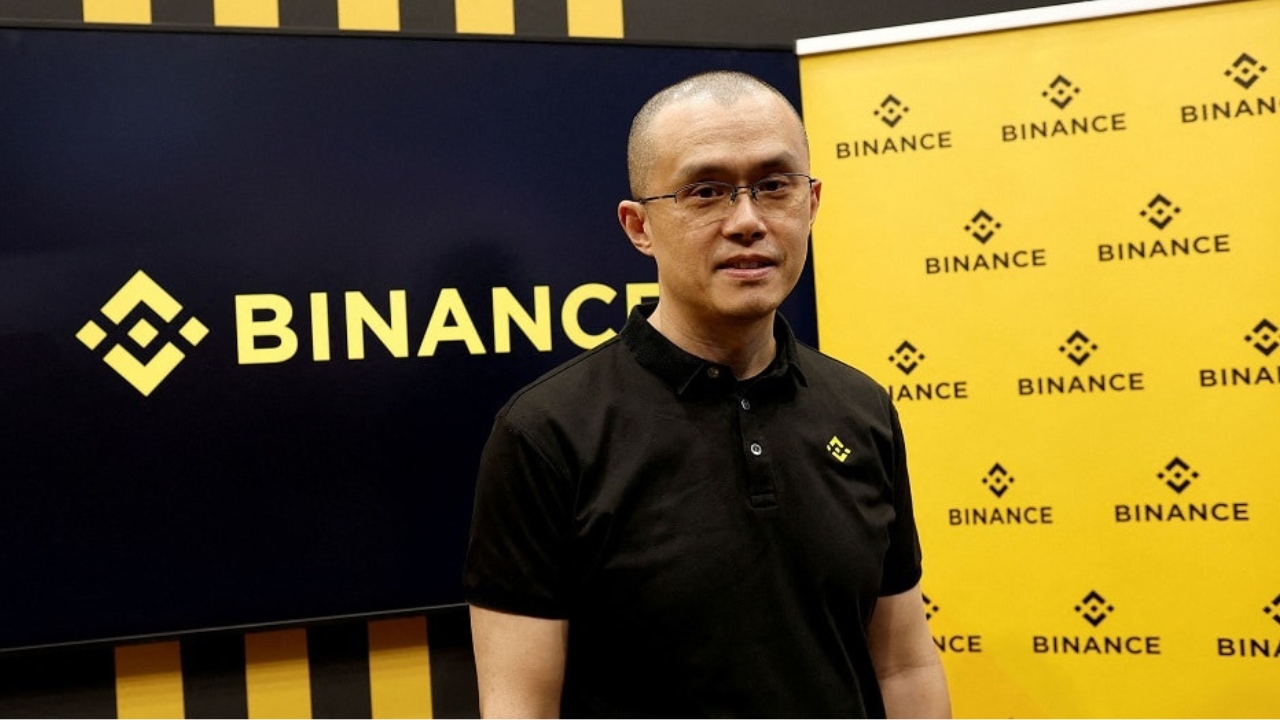
    In an effort to embed blockchain technology and digital assets into the economy’s financial system, Binance’s founder Changpeng Zhao has officially been selected to serve as a key advisor to the country’s recently formed Pakistan Crypto Council (PCC).

    For reference, Binance is a world-renowned cryptocurrency exchange which offers trading services for digital assets.  

    An update on Changpeng Zhao’s appointment came from a press release issued by the Finance Division.  However, the initial announcement was made during Changpeng’s meeting with the PCC.

    As per credible reports, several key government officials attended the aforementioned meeting, which Finance Minister Muhammad Aurangzeb chaired.  The exchange’s founder was also involved in high-profile meetings with both Prime Minister Shehbaz Sharif and Deputy Prime Minister Ishaq Dar.

    Information from a press release suggested that this step could effectively transform the “global cryptocurrency landscape”. Reports indicate that Changpeng’s role has already been defined and that he will help the PCC with matters pertaining to the adoption, education, infrastructure and regulation of digital assets.

    Chengpeng has highlighted how the potential in Pakistan is “limitless” given how 60 percent of Pakistan’s 240 million people happen to be below the age of 30. This factor could significantly assist with the adoption of digital assets on a wide scale as some believe that younger individuals are more likely to park their funds into them.

    He aims to collaborate with public and private sectors to foster inclusivity and competition in the domestic crypto landscape. These developments have allowed Pakistan to become a Web3-ready country, joining the likes of Dubai and Singapore. However, many are uncertain if being part of a decentralised digital future is the best move for Pakistan.

    Cryptocurrencies are highly volatile in nature and are subject to massive fluctuations in price. For instance, data from crypto exchanges on Monday indicated that approximately $230 billion had been wiped out from digital asset markets in just 24 hours.

    Moreover, according to a mainstream crypto exchange, an 8.82 percent decline was recorded in the total crypto market capitalisation from Sunday to Monday, causing it to fall to $2.42 trillion. While Singapore and Dubai might be able to absorb such fluctuations and downturns in the price of digital assets, cash-strapped Pakistan might not fare too well.

  • Crypto tumbles amid tariff war

    Crypto tumbles amid tariff war

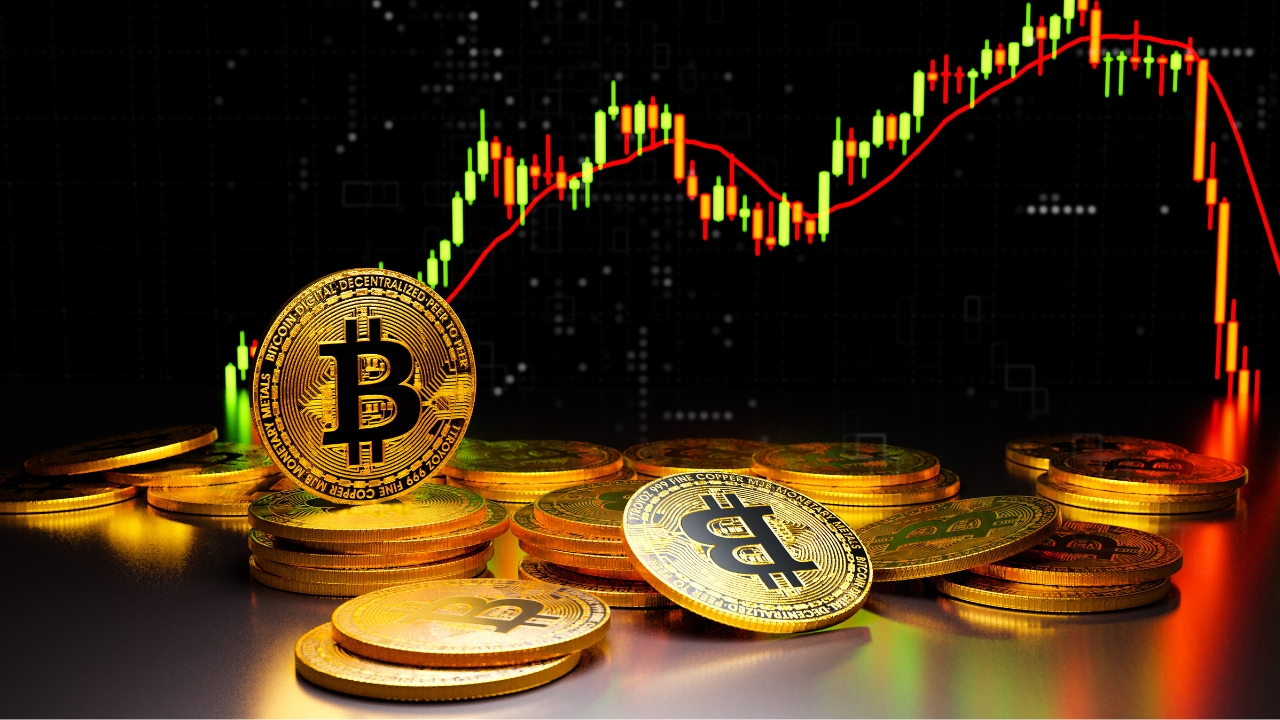
    Following a bloodbath in global capital markets, the cryptocurrency space has witnessed the shockwaves from the US-China tariff war. Data from crypto exchanges indicates that approximately $230 billion has been wiped out from digital asset markets in the past 24 hours.

    The possibility of a financial downturn looms as both the US and China remain locked in their tariff war. As per credible reports, China has retorted to the extortionately high tariffs that the US levied.

    Reports indicate that China has levied ‘retaliatory levies’ of 34 percent on all goods imported from the US. Moreover, China has restricted the export of seven rare elements, further escalating the trade war.

    According to a mainstream crypto exchange, an 8.82 percent decline has been recorded in the total crypto market cap over 24 hours, causing it to fall to $2.42 trillion.

    As of publishing, Bitcoin was in the red as it fell by approximately 7.46 percent in 24 hours – with its price plummeting to $76,687.34. Ethereum (priced at $1484.14), the second largest cryptocurrency by market cap, registered an even sharper fall,  with its value shrinking by 17.07 percent.

    Solana (SOL), Doge coin (DOGE) and Ripple (XRP) remained locked in a free fall, too. According to data from exchanges, DOGE fell by 16.12 per cent, while both SOL and XRP fell by approximately 15.5 percent.

    In mere hours, the Fear and Greed Index value plummeted from a conservative 27 to an even lower value of 17. With fear gripping investors and the subsequent fall in market cap, it could signal the start of a bear run.

    The CoinMarketCap 100 (CMC100) index measures the performance of the most important digital assets based on market cap. As per data from coinmarketcap.com, the CMC100 has fallen by a staggering 8.02 percent in the past 24 hours and has come to settle at $147.42.

    While most digital assets remained in the red, capital markets fared even worse. The New York Stock Exchange (NYSE) composite has recorded a sharp decline of 6.12 percent after falling by an alarming 1,148.58 points in 24 hours and currently sits at 17,618.61 points.

    The National Association of Securities Dealers Automated Quotations (NASDAQ) has plummeted by a whopping 5.82 percent as it fell by 962.82 points during trading hours to settle at 15,587.79. For reference, the NASDAQ is the second largest US-based stock exchange by market capitalization – second only to the NYSE.

  • PSX records partial recovery after largest single-day drop

    PSX records partial recovery after largest single-day drop

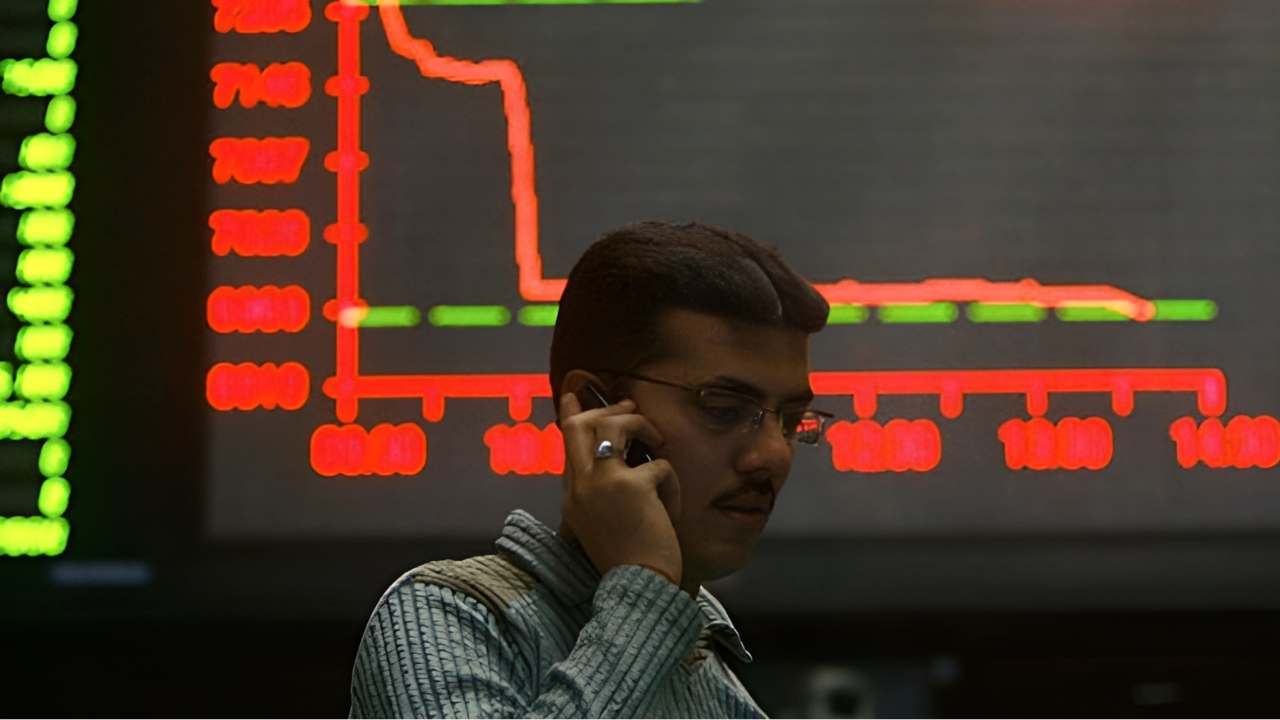
    The Pakistan Stock Exchange witnessed a historic downturn as the benchmark index of the exchange, the KSE-100, recorded its single largest fall in intraday trading history after falling by a staggering 8,400 points during trading hours.

    The KSE-100 index plummeted to an intraday low of 110,103.97 points at approximately 1:15 PM, triggering widespread concern across trading floors. The steep drop was driven by aggressive sell-offs largely because of China’s response to the tariffs that the US levied on it by slapping substantial tariffs of its own through “retaliatory levies” on all goods imported from the US.

    This move resulted in the KSE-100 index closing at a much lower level of 114,909.48 points. For context, the index had closed at 118,791.66 points the day before. As today’s trading session came to a close, the index had suffered a staggering decline of 3,882.18 points, marking a sharp 3.27 percent drop in a single day.

    The market continued its downward trajectory till around 1:30 PM, after which it attempted a major rally but failed to make a comeback that could allow it to claw out of the red.

    All major indices on the PSX closed in the red, with the broader All-share index (ALLSHR) also facing a significant contraction. Unlike the KSE-100, which tracks the top 100 performing companies, the ALLSHR index reflects the overall performance of all publicly listed companies and also showed a 3.31 percent decline.

    Despite previous signs of recovery in the PSX, the current fall has wiped out significant gains made over the past year. Trading data revealed a marked increase in panic selling in all sectors as the selloff indiscriminately ravaged all areas of the economy listed on the PSX.

    Multiple companies saw their share prices plunge sharply, with First IBL Modaraba (FIBLM) experiencing the largest drop of the day – falling by 15.67 percent during intraday trading.

    Overall, the volume of regular stock trading stood at 710,788,421 shares, translating into a total value of approximately 43 billion rupees – a reflection of the heightened activity driven by uncertainty and sell-offs.

  • Global bloodbath: PSX suffers historic decline as markets crash amid US-China tariff war

    Global bloodbath: PSX suffers historic decline as markets crash amid US-China tariff war

    The Pakistan Stock Exchange (PSX) Monday experienced a meltdown as the benchmark KSE-100 Index fell by a staggering 6,287.22 points, representing a decline of 5.29 percent; whereas the ALLSHR index lost 3700.05 points to now sit at 70,171.43.

    The carnage was followed by trading activities being suspended for 30 minutes, giving time to both regulators and investors to assess the situation.

    While Pakistan’s KSE-100 tracks the performance of the 100 largest and most liquid companies, the ALLSHR index records the performance of all publicly listed companies on the PSX. However, the bloodbath was not limited to the PSX as capital markets across the globe reel from the effects of the trade war between the United States (US) and China.

    According to reports, China has retorted to the US by slapping substantial tariffs of its own through “retaliatory levies” on all goods imported from the US. This levy has been accompanied with China restricting its exports on seven rare elements.

    The trade war has left many investors to believe that a recession is on the horizon, prompting massive sell-offs in international capital markets. Despite being the one to issue the retaliatory tariffs, China’s own capital markets have witnessed large selloffs, causing the Shanghai Stock Exchange Composite Index to fall by 7.34 percent. 

    The effects have reached US shores too as the New York Stock Exchange (NYSE) composite has recorded a sharp decline of 6.12 percent after falling by an alarming 1,148.58 points in 24 hours and currently sits at 17,618.61 points.

    The National Association of Securities Dealers Automated Quotations (NASDAQ) has plummeted by a whopping 5.82 percent as it fell by 962.82 points during trading hours to settle at 15,587.79. For reference, the NASDAQ is the second largest US based stock exchange by market capitalisation — second only to NYSE.

    The Saudi stock market hasn’t fared well either, as the imposition of tariffs coupled with falling oil prices have wiped out large sums of investments causing a loss of 500 billion riyals. As of publishing, the Saudi benchmark index, Tadawul All-Share Index (TASI) has declined by 3.05 percent after falling by 337.72 percent. As per reports, this has caused a loss of $90.5 billion to Saudi Aramco alone. Notable companies such as the Saudi National Bank have also recorded substantial losses.