Category: Business

  • Moody’s recognises improvements to Pakistan’s banking sector

    Moody’s recognises improvements to Pakistan’s banking sector

    International rating agency Moody’s has recognised improvements in the performance of Pakistan’s banking sector. The sector has displayed signs of progress over the past year after conditions in the wider economy weakened the sector.

    As per reports, the rating agency has promoted the banking outlook in Pakistan from ‘stable’ to ‘positive’. Seemingly inconsequential at first glance, this change in ratings could prove beneficial to Pakistan’s economy.

    According to a statement from Moody’s, the rating agency made the change after noting the strong financial performance of Pakistani banks alongside improvements in Pakistan’s macroeconomic indicators. Banks were able to record robust growth rates because of sky-high interest rates, which sat at 22 percent over Fiscal Year (FY) 2023-24.

    However, lending to the private sector remained abysmally low. Analysts and experts alike have outlined how commercial banks refrained from extending credit to the private sector in a way that some could describe as systematic.

    With the private sector ‘systematically’ locked out of receiving loans, government borrowings from banks are responsible for the large profits banks have enjoyed over the past few years.

    In 2023, all top rating agencies unanimously demoted Pakistan’s economic outlook, which resulted in the country being locked out of receiving credit from international sources. As per credible reports, this caused Pakistan to lose the right to ‘launch Eurobonds to raise dollars’.

    While this restriction has still not been lifted, some believe that the situation could soon change once other rating agencies reconsider Pakistan’s status. Finance Minister Muhammad Aurangzeb recently collaborated with agencies in the United States to discuss Pakistan’s development.

    According to reports, Moody’s has outlined the riskiness of Pakistan’s debt holdings, highlighting how it may be tough to sustain such a debt burden. Moreover, the agency also brought up the country’s fiscal position, which is currently weak.

    Despite Pakistan’s persisting macroeconomic hurdles, Moody’s believes that the local economy is set to grow by a respectable three percent over FY 2024-25. This figure, while low, is a stark improvement from the growth rate Pakistan has experienced over the past two years.

    For reference, the growth rate in 2024 reportedly sat at 2.5 percent, whereas the economy actually shrank by 0.2 percent in 2023. Analysts believe Moody’s projected figures are in line with Pakistan’s growth trajectory as the State Bank of Pakistan (SBP) has also estimated the GDP growth rate to sit in the ballpark of 2.5 to 3.5 percent.

    The economy started showing signs of revival after June 2024 as the SBP began slashing interest rates then – which have fallen by 1000 basis points till now.

  • Fuel prices likely to witness major fall

    Fuel prices likely to witness major fall

    The price of all petroleum products is slated to fall by a staggering 14 rupees per litre for the upcoming fortnight. Credible reports link the expected drop in domestic petroleum prices with fluctuations in the international market and import premiums.


    However, vehicle owners may not get to witness such a large fall in prices as Islamabad is expected to capitalise on the drop in prices. An official has revealed that the federal government could raise the levy on petroleum or even implement a carbon tax, which may not cause prices to drop as per analysts’ projections.


    According to reports, the government intends to levy the aforementioned taxes to secure better terms on the $1 billion financing arrangement with the International Monetary Fund (IMF) under the climate adaptation and mitigation program. While this would benefit the national exchequer, businesses and citizens would remain unable to avail the benefits of ‘lower prices’.

    If no additional taxes are implemented, the ex-depot price of petrol is expected to fall liberally by 14 rupees per litre. Kerosene and high-speed diesel (HSD) are estimated to fall by 10 rupees and 8 rupees per litre. Light diesel is expected to witness the most conservative drop in prices, with experts foreseeing a fall of 7 rupees per litre.

    However, these are estimates and are subject to change based on the final calculations that authorities will conduct on March 15. These estimations were made after a notable drop in international rates was recorded.

    As of publishing, Brent prices have dropped by over $4 per barrel over the previous 14 days. This has led analysts to project that the ex-depot price of petrol could settle close to 242 rupees per litre for the next 14 days. Similarly, the rate of HSD may decline to rest at approximately 250 rupees.

    While the price of Kerosene is officially set at 168.12 rupees per litre, reports reveal that it is traded for upwards of 350 rupees per litre. The fuel with the lowest price post-projected adjustments is light diesel oil, with analysts believing that the commodity will be priced at 146 rupees per litre.

    Islamabad charges a tax of approximately 76 rupees per litre on both HSD and petrol. The bulk of this tax, a staggering 60 rupees per litre, is charged under the category of a petroleum development levy, whereas the other charge of 16 rupees goes towards Customs duty.

    The government reserves the right to increase the petroleum development levy by 10 rupees, after which it will sit at 70 rupees per litre. Pakistan does not charge consumers any general sales tax (GST) on petroleum products. However, fuel suppliers and distributors tack on an additional Rs17 per litre as markup.

  • Gwadar still lacking access to power, water: progress review

    Gwadar still lacking access to power, water: progress review

    A decade after the launch of the China-Pakistan Economic Corridor (CPEC), authorities have realised that Gwadar still faces a lack of clean water and a stable source of power. As per reports, these details were uncovered in a progress review meeting held on Tuesday.

    Minister for Planning Ahsan Iqbal chaired the meeting, during which relevant parties expressed great dissatisfaction regarding the lack of development in Gwadar. However, authorities have set new deadlines for development targets to be met.

    A statement issued by the Ministry of Planning revealed that Ahsan Iqbal outlined how Gwadar is still not effectively on the national grid and issued directives to the power division and Quetta Electric Supply Company (QESC) to post a progress report on the status of Gwadar’s power connection.

    According to credible reports, Ahsan Iqbal, in the previous review meeting, had requested a ‘compliance report’ to be submitted within a week, under which authorities were expected to connect Gwadar and the surrounding free zone to the national grid.

    However, two months have gone by, and limited progress has been made to connect Gwadar to grid electricity. Currently, the city is powered by electricity that Pakistan imports from neighbouring Iran.

    Nevertheless, Pakistan does not need to import electricity for Gwadar as there is excess electricity in the system. Reports place the cost of this surplus power to Pakistan at 2.1 trillion rupees in ‘idle capacity charges’, which are paid to power producers by levying an 18 rupee per unit charge on consumers.

    The federal government’s efforts to provide Gwadar with the right infrastructure is one of many attempts to revitalize the crown jewel of the CPEC. Recently, Gwadar witnessed the operationalisation of its airport, which was funded by the Chinese government in the form of a grant to Pakistan.

    China has also assisted Pakistan in its attempt to provide a stable power supply to Gwadar. As per reports, China gave equipment to relevant authorities to electrify the city and laid out infrastructure to provide clean drinking water to its residents.

    China’s equipment for Pakistan included a whopping 15,000 solar panels (of which 5000 were provided under a grant program) and 150 water filtration plants. However, until recently, the installation of this equipment had not been authorized.

    With authorities now expected to install the aforementioned equipment, many believe that Gwadar’s need to rely on imported electricity could fall sharply.

  • Reko Diq mine to become operational by 2028

    Reko Diq mine to become operational by 2028

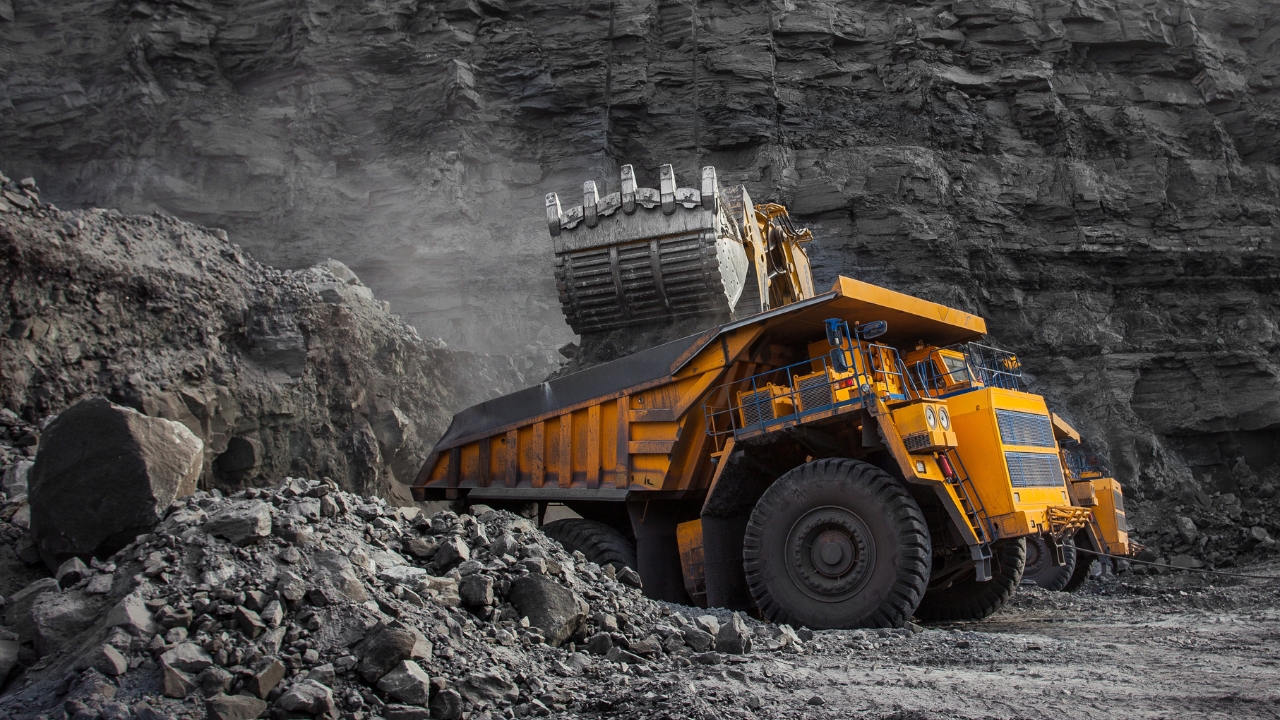
    The Reko Diq mining project is reportedly set to become operational in 2028, with estimates expecting a generation of a staggering $74 billion in cash flows over a period of 37 years. As per credible reports, the Oil and Gas Development Company Limited has revealed that the plan aims to extract vast amounts of copper and gold which could greatly boost the economy.

    The project, which has seen great interest from Canada’s Barrick Gold, will require an initial investment of $5.5 billion. As per reports, the company is a 50 percent shareholder in the project and stands to benefit immensely from extraction operations.

    The CEO of the company, Mark Bristow, outlined how the $74 billion cash flow figure has been calculated considering “long-term” price conditions. According to reports, officials are attempting to establish domestic refineries which could greatly increase the value of local minerals and reduce the cash-strapped country’s dependence on foreign countries.

    Saudi Arabian firm Manara Minerals will take a 15 percent stake in the project, with potential investment from the Saudi investor surging to a whopping $1 billion. According to experts, Pakistan’s mining sector is attracting more foreign investment as global companies expect to enjoy great returns from local mines.

    Reports indicate that the Reko Diq mine, located in Balochistan’s Chagai district, currently holds the largest proven reserves of copper in the world. Analysts claim that Pakistan’s economy could benefit immensely as the mine is expected to produce $2.8 billion annually in export revenues. 

    Furthermore, mining operations are expected to create thousands of jobs thereby significantly benefiting local businesses and residents alike. Currently, unemployment rate sits at an uneasy 9.13 percent in Balochistan.

    However, unemployment rates could be revised downwards as an expansion plan is also being considered which requires pumping upwards of $3.5 billion into the project to boost annual copper and gold production levels to 400,000 tons and 500000 ounces respectively.

    Reports reveal that currently, Pakistan’s mineral sector contributes a measly 3.2 percent towards the Gross Domestic Product (GDP) and accounts for just 0.1 percent of mineral exports. This could soon change with the operationalization of the Reko Diq mine as the inflow of foreign capital may allow for the mining sector to witness significant growth in the coming years.

    However, terrorist activities have been on the rise in Balochistan – a province rich in minerals.  The federal government might have to expend a greater number of resources to prove to international investors that the country is still safe for business activities.

  • Govt attempts to stabilise rising sugar prices during Ramzan

    Govt attempts to stabilise rising sugar prices during Ramzan

    Islamabad has authorised sugar imports in a bid to stabilise the rising prices of the sweetener in the country. This move follows the federal government’s authorisation of the export of approximately half a million tons of sugar just weeks before placing the import order.

    Authorities had granted the sugar industry permission to export on the condition that industrialists kept domestic sugar prices in the ballpark of 145 to 150 rupees per kilogram (kg). However, industrialists have been unable to keep their promise as prices have surged past 180 rupees per kg in the past week.

    As per an official statement, the import order could drive prices down across the country. Moreover, local millers can expect to secure contracts to process the imported raw sugar into a final product ready for consumption.

    In late February, Islamabad and the Pakistan Sugar Mills Association (PSMA) collaborated to reduce the price of sugar to 130 rupees across Pakistan for the holy month of Ramzan. However, the market price of sugar sits over 38 percent higher than the initial price that consumers had been promised.

    Analysts have highlighted how credibility in the sugar industry has tanked because of their failed promise. Moreover, many believe that the hike in prices outlines the government’s ineffectiveness in regulating the market.

    More concerningly, the price hike during the current crushing season is being dubbed as ‘unprecedented’ given the magnitude of the rise. This spells bad news for consumers as the hike in prices could erode their purchasing power, leaving them with fewer funds to spend on other necessities.

    In a classic case of corporate greed, the sugar industry decided to leverage the surge in demand during ramzan to make supernormal profits from consumers – mere weeks after they promised to abstain from such practices. The government has not made any notable attempts to crack down on the industry either.

    According to reports, the general public is dissatisfied with rising prices, and some blame the government for failing to regulate the market. Alongside consumers, analysts have also taken charge to criticize the government’s actions.

    As per analysts, the import order will not remedy the situation in time. This is because there are procedures to follow after an import order is placed, so do not forget the time it takes for the shipment to dock at Pakistan’s ports.

    Even if there was no time lag associated with importing sugar, reports claim that it does not counter the problem at its core. For now, sugar prices are expected to continue their climb until imported sugar hits Pakistan’s shores.

  • UBL Completes Acquisition of Silkbank – Expands Leadership in Pakistan’s Banking Sector

    UBL Completes Acquisition of Silkbank – Expands Leadership in Pakistan’s Banking Sector

    United Bank Limited (UBL) is pleased to announce the successful amalgamation of Silkbank Limited (SBL) with and into UBL, that has come into effect from 11th March 2025, marking a pivotal step in its journey as Pakistan’s premier financial institution.

    The Scheme of Amalgamation of SBL with and into UBL has been sanctioned by the State Bank of Pakistan (SBP) through its Sanction Order dated 10th March 2025, under the provisions of Section 48 of the Banking Companies Ordinance 1962 (BCO).


    For now, no changes will be made to the banking services of former SBL customers who will be able to conduct their banking transactions as usual from their respective branches without any interruption.

    However, once the full integration is complete former SBL customers will gain direct access to UBL’s extensive network of branches and ATMs alongside enhanced portfolio of products and services and advanced digital banking solutions.

  • Remittances show stunning growth in February

    Remittances show stunning growth in February

    Data released from the State Bank of Pakistan (SBP) has revealed that remittance inflows have displayed robust Year on Year (YoY) growth, resulting in remittances surging to $3.12 billion in February 2025. 

    As per credible reports, remittances have grown by a staggering 40 percent as Pakistani expatriate workers sent in much needed cash to the economy. On a Month on Month (MoM) basis, remittance inflows reportedly grew by a respectable 3.8 percent compared to January 2025.

    The numbers spell great news for cash-strapped Pakistan where importers have historically faced problems associated with a lack of liquidity. Moreover, the rise in remittances is expected to reduce pressures on the SBP’s foreign currency reserves.

    Historically, Pakistan has run a trade deficit with its trading partners, causing the rupee to depreciate. However, growth in remittances in recent times has allowed the rupee to stabilize which has lent support to the economy – as it has created a more stable environment for businesses to make transactions.

    As per SBP data, remittances climbed up to a whopping $23.97 billion during the first eight months of Fiscal Year (FY) 2024-25. Analysts have outlined the stark improvement in remittances the economy has experienced as remittances grew by 32.5 percent compared to the first eight months of FY 2023-24.

    The surge in remittances can be attributed to a rise in rising immigration levels – as a growing number Pakistanis have lost faith in the economy. While analysts highlight the costs associated with brain drain, some consider it to be positive for the country.

    There is a significant time lag associated with raising funds for investments and laying out infrastructure to generate employment in the country. However, these issues become irrelevant when Pakistanis are seeking employment elsewhere.

    Many believe that remittance inflows could balloon in the near future as the federal government recently initiated a plan to help workers move abroad by providing them with loans and other facilities. These workers are likely to move to the Kingdom of Saudi Arabia (KSA) and the United Arab Emirates (UAE) – as these are the primary destinations for expatriate workers.

    As per reports, remittances from the KSA, during the first eight months of FY 2024-25, stood at a respectable $5.86 billion after posting a growth rate of 34.6 percent. Similarly, remittance inflows from the UAE sat close to $5 billion after experiencing an astronomical growth of 55.7 percent.

    Data reveals that approximately $6 billion poured in from the United States (USA) and United Kingdom (UK) as well. The data is consistent by historical trends as the USA and UK have lagged far behind in remittance inflows received from Gulf countries.

  • CM Maryam orders strict enforcement of Rs37,000 minimum wage

    CM Maryam orders strict enforcement of Rs37,000 minimum wage

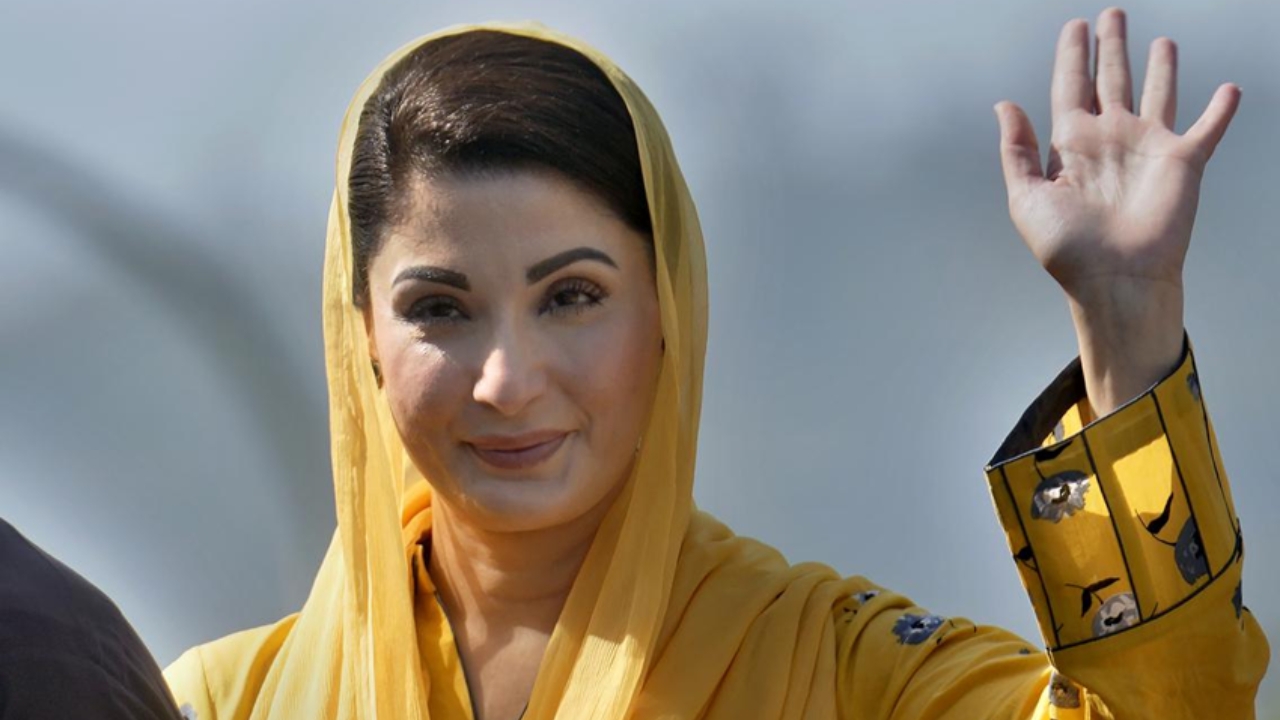
    In an attempt to regulate the labour market, Punjab Chief Minister (CM) Maryam Nawaz has authorised officials to oversee the distribution of fair wages to workers.

    According to reports, CM Maryam has instructed relevant authorities to ensure that the monthly minimum wage of Rs37,000 was not violated by businesses.

    Owing to the weak enforcement of labour laws, it is not uncommon for businesses to pay their workers wages that are below the provincial minimum wage. However, while chairing a meeting pertaining to labour welfare, the provincial chief executive has outlined the difficulties minimum wage workers face.

    In addition to a lack of nutrition faced by such workers, she cited that these difficulties grow to envelop unreasonable burdens that businesses place on their employees. For instance, individuals working for minimum wage are often placed in high workload environments — where time off from their tasks can result in financial strain on the business.

    The CM has reaffirmed her support in the endeavour to alleviate hunger and combat the difficulties faced by workers. Moreover, she has assured that her government aims to improve the quality of life for the broader labour force via measures at the provincial level.

    These measures include projects that will attempt to boost educational opportunities available to the children of minimum wage workers. Reports claim that children with exceptional academic performance are expected to be given additional support that could open up new opportunities for them in the coming months.

    During the meeting, reports said, CM Maryam issued directives to alter labour laws in an attempt to protect workers from exploitation while boosting their welfare. Reports quoted her as saying that employment, healthcare, fair wages and shelter are all responsibilities the government should fulfil.

    Guaranteeing employment might, however, prove to be tough as provincial governments must follow International Monetary Fund (IMF) mandated austerity measures. Under the stipulated measures, provinces are expected to generate significant budget surpluses — leaving little room for the government to generate employment via expenditures.

    Despite the potential hurdles, reports said, the meeting proved to be beneficial for workers as the government also authorised multiple labour welfare initiatives such as new residential colonies and upgrades to “social security hospitals”.

    In a bid to introduce efficiency to the healthcare system while simultaneously supporting workers, the provincial government has also authorised the construction of several wellness centres in Lahore and Rawalpindi. These facilities will screen workers and refer them to hospitals to receive specialised healthcare, reports said.

  • Govt contemplates adding new pay scales for senior bureaucrats

    Govt contemplates adding new pay scales for senior bureaucrats

    In an effort to boost efficiency, Islamabad is contemplating reorganising ministries and introducing new pay scales for senior officials and bureaucrats. As per credible reports, the civil service reforms committee put forth a proposal which suggested that ministries should be categorised and compensated considering the workload they are subjected to.

    A senior official revealed that members of the committee were considering abolishing the preexisting Basic Pay Scale (BPS) in favour of a new system. However, reports claim that shelving the BPS may not be feasible given the existence of pay variations among different services.

    The committee might add BPS-23 and BPS-24 to the pay scales. Currently, the BPS is capped at BPS-22, reserved for grade 22 public officers. The reason behind adding additional pay scales is to attract more talented individuals to work for the public sector.

    Members of the committee debated regarding the inefficiencies that the current BPS system was causing. Committee members outlined the financial losses the national exchequer had to bear because of not having highly skilled officials on the Neelum-Jhelum hydropower project.

    The chair highlighted that approximately seven federal ministries were facing significant shortfalls in terms of human resources. Reports hint that the power and energy ministries require a large number of talented individuals to run daily operations – which may be possible by offering financial incentives such as higher initial salaries.

    According to credible reports, the Economic Affairs Division (EAD) released the results of a study that considered municipal and federal benefits that public servants are entitled to. Moreover, the aforementioned study outlined differences in compensation across regions and considered the effect of improving the benefits public servants are entitled to after their retirement.

    While the committee’s finance secretary announced that the commission was against the abolishment of the BPS system, he did concede that the pay of officers should be adjusted considering the magnitude of their workload and tasks.

    A sizable portion of members reportedly suggested that housing benefits be monetised for government officials. However, if put into motion, this step could result in the national exchequer losing out on over 23 billion rupees per annum.

    This could prove to be fiscally damaging for cash-strapped Pakistan, which is already struggling to follow the austerity measures mandated by the International Monetary Fund (IMF). The additional finance secretary opposed monetising housing benefits as this would pave the way for other government employees to request similar benefits.

  • Govt in talks with banks to restructure Rs1.25 trillion power sector debt

    Govt in talks with banks to restructure Rs1.25 trillion power sector debt

    In a bid to control circular debt in the power sector, Islamabad has begun discussions with commercial banks to negotiate more favourable terms. As per reports, the loans amount to a staggering 1.25 trillion rupees and restructuring this debt could alleviate fiscal pressure on the budget.

    Currently, Pakistan is part of a $7 billion International Monetary Fund (IMF), which mandates austerity measures to help the country escape its economic woes. Part of the fiscal tightening mandated by the IMF can be completed by securing more lenient terms on outstanding loans.

    While speaking to a reputable international organisation, Power Minister Awais Leghari revealed that the loan amount would be repaid in approximately five to seven years. According to reports, the term sheets, which contain the terms and conditions of the loan agreement, have not yet been inked as discussions continue.

    The government has accrued this debt as it is either the sole owner or largest shareholder of the majority of power companies. However, these state-owned power companies have been posting up large losses, which ultimately Islamabad has to cover.

    The aforementioned losses are caused by unpaid bills and subsidies to the power sector. Line losses and administrative inefficiencies have also significantly contributed to generating losses for power companies.

    The IMF has recommended several policy measures to counter rising debt levels in the power sector. Islamabad has already raised energy prices at the behest of the international creditor to raise revenues.

    However, the national exchequer cannot bear to clear the loans the sector has accumulated over the years. As such, the federal government has reached out to commercial banks to ascertain which banks are interested in helping Islamabad restructure its debt obligations.

    According to Leghari, the banking system has the liquidity and appetite to lend funds to the government. This claim holds merit as Pakistani banks have recently had abysmally low Advance Deposit Ratios (ADR). A low ADR means that banks are not issuing sizable amounts of credit to the private sector.

    Instead, domestic commercial banks have been lending money to the government or purchasing government bills and securities. Their appetite to issue credit to the government may facilitate ongoing negotiations.

    To ensure that the government does not run into similar issues further down the line, lawmakers and relevant authorities have reportedly decided to end ‘government-guaranteed debt’ and transition to a revenue-based system.

    Under the revenue model, loans are to be repaid with funds collected from electricity bills. Additional borrowing and requests for subsidies would need to be curbed to ensure the power sector’s financial independence.