Category: Business

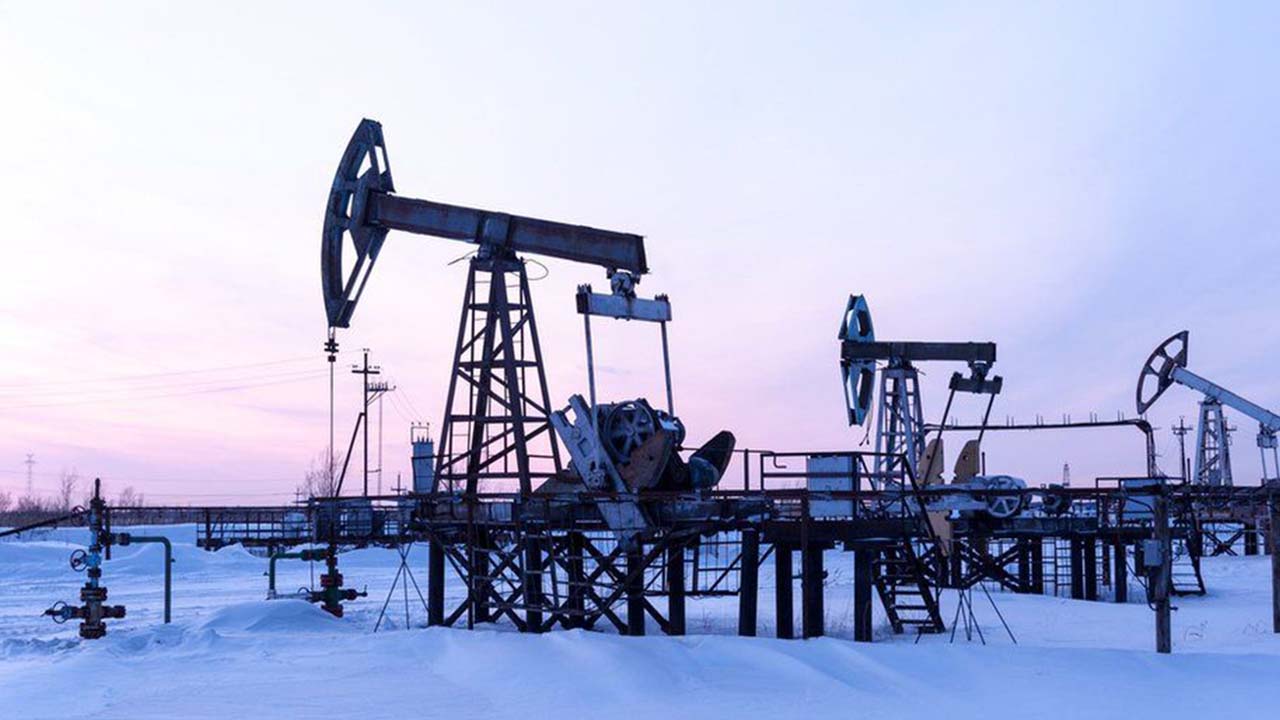
  • Pakistan to build $10 billion oil refinery to alleviate energy shortages

    Pakistan to build $10 billion oil refinery to alleviate energy shortages

    In a significant move aimed at tackling Pakistan’s persistent energy crisis, the government, in collaboration with the Special Investment Facilitation Council (SIFC), has finalised a groundbreaking agreement.

    According to the Information Ministry, this agreement entails the establishment of a state-of-the-art oil refinery valued at $10 billion within the country.

    This strategic initiative forms a crucial part of the government’s broader efforts to combat energy shortages, which have been a major impediment to national growth.

    Simultaneously, the government has embarked on ambitious petroleum sector projects aimed at exploring oil and gas reserves in coastal and marine regions of Pakistan. These ventures are expected to attract investments ranging from $5 to $6 billion, significantly enhancing the country’s energy infrastructure.

    In addition to these developments, recent strides in renewable energy infrastructure include the installation of a 150-megawatt solar power plant in Sukkur and a one-megawatt solar power facility in Hunza, established through Public Private Partnerships (PPP). These projects underscore Pakistan’s commitment to diversifying its energy mix and reducing dependency on traditional fossil fuels.

    Under the auspices of the SIFC, emphasis has been placed on prioritising hydropower, solar energy, and wind energy initiatives over coal and furnace oil, marking a pivotal shift towards sustainable energy solutions.

    This multifaceted approach not only aims to bolster Pakistan’s energy security but also aligns with global efforts towards environmental sustainability and economic resilience.

    The implementation of these initiatives is poised to catalyse significant advancements in Pakistan’s energy sector, fostering a more robust and sustainable economic future.


  • Gold price drops by Rs500 to Rs241,500 per tola

    Gold price drops by Rs500 to Rs241,500 per tola

    On Tuesday, gold prices in Pakistan saw a decline, marking a shift in the market trend. According to the Karachi Sarafa Association, the price of 24-karat gold fell to Rs241,500 per tola, a decrease of Rs500 per tola from the previous day’s rates.

    Similarly, the price for 10 grammes of 24-karat gold was reported at Rs207,047, reflecting a reduction of Rs429 per tola.

    Conversely, 22-karat gold was also quoted lower at Rs189,793 per 10 grammes.

    Meanwhile, silver prices remained unchanged in the domestic market, with 24-karat silver holding steady at Rs2,850 per tola and Rs2,443 per 10 grammes.

    Globally, the spot gold price hovered near $2,323 per ounce, showing a decline of $7.2 or 0.31 per cent compared to the previous trading session.

    This movement indicates ongoing volatility and fluctuations in the international gold market.

  • 24 karat gold price increases by Rs500 to Rs242,000 per tola in local market

    24 karat gold price increases by Rs500 to Rs242,000 per tola in local market

    The price of gold surged in the local market on Monday, with the rate for per tola (11.66 grammes) of 24 karat gold increasing by Rs500 to reach Rs242,000, as reported by the All Sindh Sarafa Jewellers Association. This marks a rise from its previous closing price of Rs241,500.

    Similarly, the price of 10 grammes of 24 karat gold rose by Rs429 to Rs207,476 from Rs207,047. Meanwhile, 10 grammes of 22 karat gold also saw an uptick, climbing to Rs190,186 from Rs189,793.

    According to the association, the prices of per tola and 10 grammes of silver remained unchanged at Rs2,850 and Rs2,443.41 respectively.

    Internationally, the price of gold saw a modest increase of $8 to $2,328 per ounce from $2,320, reflecting a positive trend in global markets.

    Over the weekend, gold prices in Pakistan had dipped, aligning with a downturn in the international market. The All Pakistan Gems and Jewellers Sarafa Association reported that on Saturday, the price per tola had decreased to Rs241,500, following a single-day decline of Rs1,400.

    Earlier this year in April, gold prices had reached an all-time high of Rs252,200 per tola in the local market, underscoring the volatility influenced by global market dynamics.

    The fluctuations in gold prices are predominantly driven by shifts in the international market, which are influenced by changes in global demand and supply for the precious metal.

  • Pakistan’s IT exports poised to surpass $3 billion this year

    Pakistan’s IT exports poised to surpass $3 billion this year

    Minister of State for Information Technology and Telecommunications, Shaza Fatima Khawaja, expressed optimism on Monday that Pakistan’s IT exports will exceed the $3 billion mark this year.

    Addressing the National Assembly, she outlined ambitious targets, projecting IT exports to reach $25 billion within the next five years, aligning with Prime Minister Shehbaz Sharif’s vision.

    Highlighting the strategic importance of the IT sector during Prime Minister Shehbaz’s international engagements, Khawaja noted significant developments. She announced a pivotal agreement with Huawei of China to transform Islamabad into a smart city, with plans to expand the Safe City project nationwide.

    Under this initiative, 300,000 youths are set to undergo specialised training starting next month, in collaboration with global tech giants such as Google and Microsoft, aiming to certify 1.5 million IT professionals over the next five years.

    Khawaja also underscored the expansion of the DigiSkills program and plans to establish a Centre for Excellence for Gaming, aimed at fostering the local gaming industry and creating a conducive startup environment.

    On the legislative front, she highlighted key initiatives including Pakistan’s first Cyber Emergency Policy, draft National Artificial Intelligence policy, and the Personal Data Protection Bill. Additionally, efforts are underway towards a National Semiconductor policy, underscoring Pakistan’s commitment to digital transformation.

    The Minister further elaborated on Pakistan’s National Digitisation plan, encompassing Digital Economy, Governance, and Society. Recently, a high-level delegation from Google met with Khawaja to discuss enhancing technology’s role in education, Artificial Intelligence (AI), and the digital economy.

    The delegation included Andrew Ure, Kyle Gardener, and Farhan Qureshi, reaffirming Google’s commitment to advancing Pakistan’s digital landscape.

  • Pakistan’s cement exports jump by 78.23% to over $32 million in May 2024

    Pakistan’s cement exports jump by 78.23% to over $32 million in May 2024

    Pakistan’s cement exports have experienced a significant increase of 40.46 per cent during the first eleven months of the financial year 2023-24, compared to the same period last year.

    According to the Pakistan Bureau of Statistics (PBS), cement exports reached US $236.797 million from July to May 2023-24, up from US $168.583 million during the corresponding period of 2022-23.

    The volume of cement exports also saw a substantial rise, surging by 66.78 per cent. The exported quantity increased from 3,707,427 metric tonnes to 6,183,117 metric tonnes over the same period.

    In a year-on-year comparison, cement exports for May 2024 showed a remarkable increase of 78.23 per cent, totalling US $32.251 million, compared to US $18.095 million in May 2023.

    Additionally, on a month-on-month basis, cement exports grew by 28.62 per cent in May 2024, rising from US $25.074 million in April 2024, as reported by the PBS.

    These figures highlight a robust growth trajectory for Pakistan’s cement industry, indicating strong demand and a positive outlook for the sector.

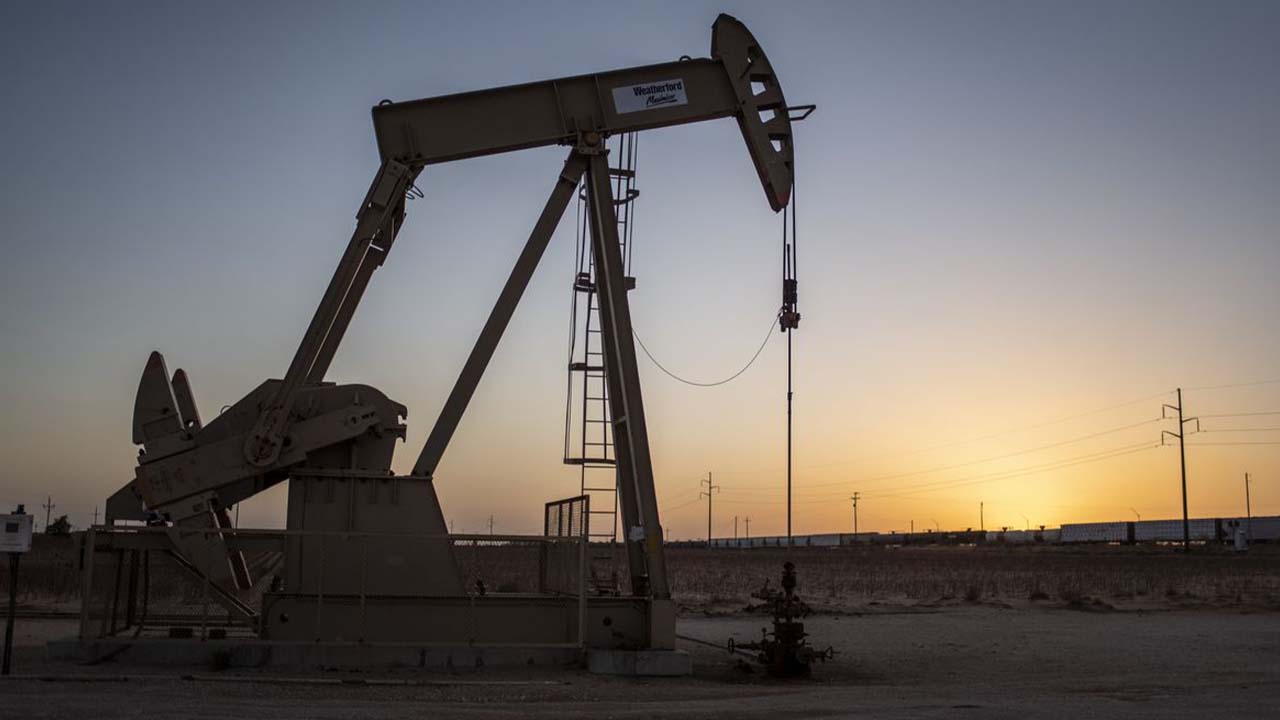
  • Pakistan’s monthly petroleum import bill rises to $1.36 billion

    Pakistan’s monthly petroleum import bill rises to $1.36 billion

    The State Bank of Pakistan (SBP) reported that the import bill for the petroleum group increased to $1.36 billion in May 2024, reflecting a 1.52 per cent year-on-year (YoY) rise from $1.34 billion in May 2023.

    Month-on-month (MoM) figures also showed an 8 per cent increase from April 2024, when the bill stood at $1.26 billion. The share of petroleum products in the total import bill for May 2024 was 26.99 per cent.

    In the first eleven months of the fiscal year 2023-24 (11MFY24), the petroleum import bill saw a significant decrease of 23.2 per cent YoY, amounting to $13.7 billion compared to $17.84 billion in the same period last year.

    The overall import bill for May 2024 rose by 34.52 per cent YoY to $5.05 billion. On a MoM basis, imports grew by 13.44 per cent from $4.45 billion recorded in April 2024. However, cumulative imports for 11MFY24 dropped by 2.25 per cent YoY to $48.4 billion from $49.52 billion in 11MFY23.

    The transport sector’s import bill soared by 81.78 per cent YoY to $166.45 million in May 2024, up from $91.56 million in May 2023. This increase is largely due to a significant rise in the import of road motor vehicles, which reached $157.87 million, marking a 120.63 per cent YoY increase from $71.55 million in May 2023.

    On a MoM basis, transport imports rose by 41.67 per cent from $117.49 million in the previous month. Cumulatively, transport sector imports for 11MFY24 grew by 19.03 per cent YoY to $1.43 billion compared to $1.2 billion in 11MFY23.

    The data underscores significant variations in Pakistan’s import patterns, reflecting both economic challenges and shifts in trade dynamics across various sectors.

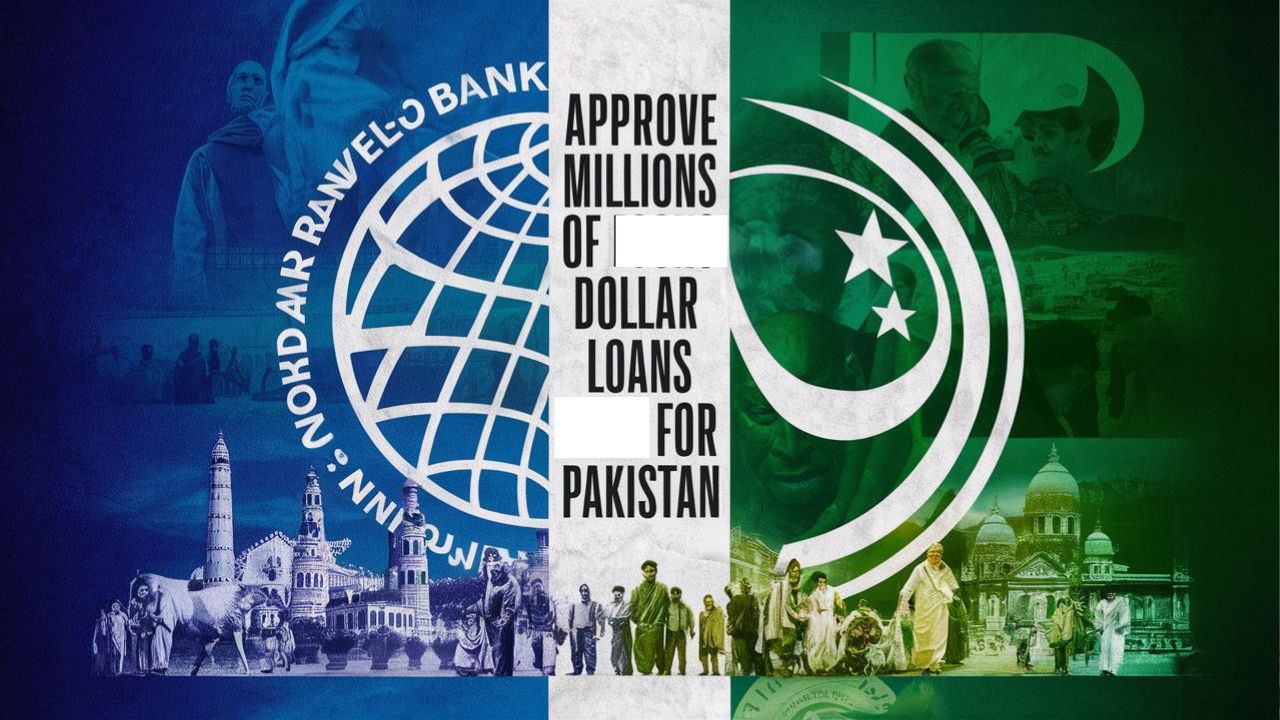
  • World Bank, Asian Development Bank approve millions of dollar loans for Pakistan

    World Bank, Asian Development Bank approve millions of dollar loans for Pakistan

    The World Bank and Asian Development Bank (ADB) have approved big loans for Pakistan.


    Asian Development Bank


    Pakistan and the Asian Development Bank signed a $250 million policy-based loan agreement to promote sustainable infrastructure and services through Public-Private Partnerships (PPPs).


    The agreement also aims to develop post-flood infrastructure, emphasizing climate resilience and gender considerations in project planning.


    A technical assistance grant of $700,000 was allocated for program implementation, with an additional $950,000 approved for PPP pipeline development and capacity building.


    World Bank


    The World Bank has approved loans of $535 million for Pakistan, focused on two key areas: the Crisis Resilient Social Protection (CRISP) Programme and the Sindh Livestock and Aquaculture Sectors Transformation Project.


    The CRISP Programme includes a $400 million loan to improve security schemes, particularly through the Benazir Income Support Programme (BISP), to build resilience among vulnerable households against economic and climate shocks.


    The World Bank defends criticism against BISP by stressing the need to strengthen social protection despite increasing poverty rates exacerbated by recent economic challenges and climate shocks.


    Additionally, the World Bank approved $135 million for the Sindh Livestock and Aquaculture Sectors Transformation Project, which targets climate-smart practices and enhances competitiveness among small and medium producers in Sindh. This initiative aims to benefit over 940,000 farm families, strongly emphasising gender inclusivity and provincial capacity building.

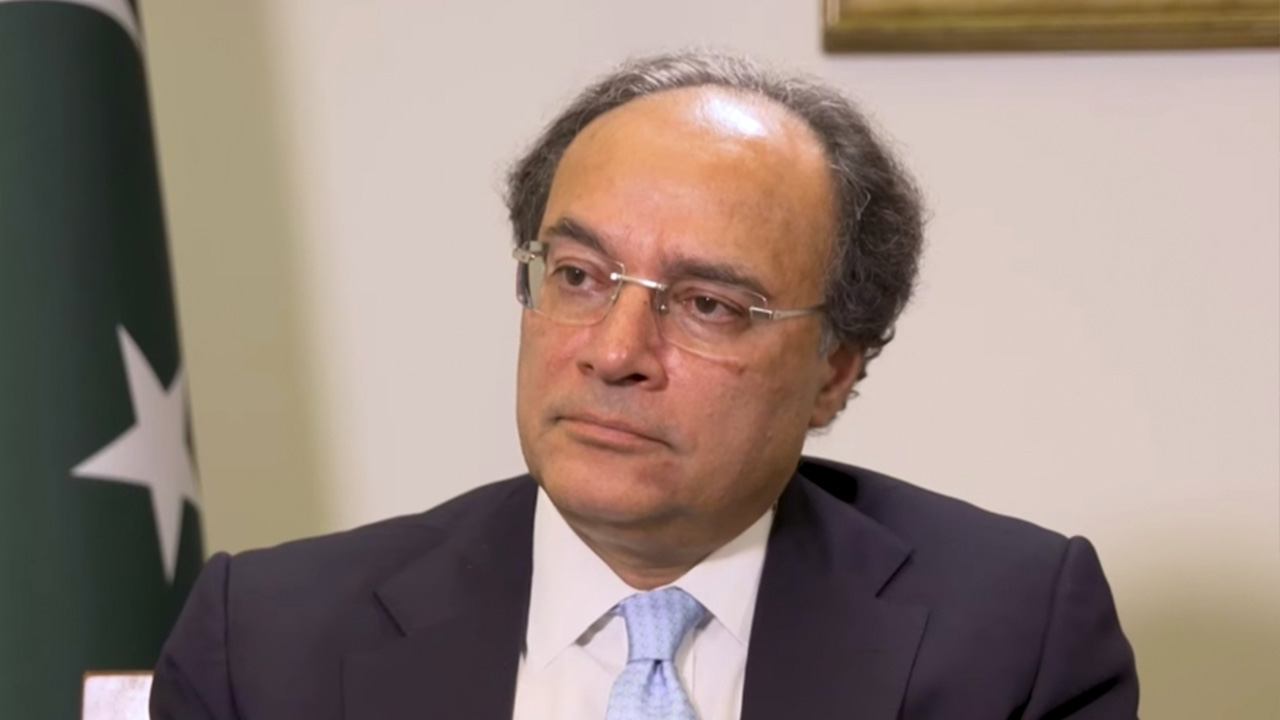
  • Govt made significant efforts to protect salaried class from taxes: Finance Minister

    Govt made significant efforts to protect salaried class from taxes: Finance Minister

    Federal Minister for Finance and Revenue Muhammad Aurangzeb has stated that the government will review measures to protect the salaried class following the increased tax burden introduced in the Budget 2024-25.

    Aurangzeb said that the government tried to “ring-fence the salaried class as much as it could.” He acknowledged the impact of the new tax measures on this group, highlighting his six years of experience in understanding the nuances of tax brackets, super tax, and capital value tax (CVT).

    “We made significant efforts to protect them,” Aurangzeb said, emphasising that individuals earning less than Rs600,000 annually remain exempt from income tax.

    He added that the highest tax bracket of 35 per cent was also shielded from additional taxes to prevent talent from leaving the country.

    Aurangzeb mentioned ongoing reviews to assess potential relief for the tax slabs, aiming to balance the need to increase tax revenue from Rs9.4 trillion to Rs12.9 trillion with the burden on the salaried class.

    “We will generate Rs1.5 trillion through additional revenue measures by removing exemptions and imposing more taxes,” he noted, revealing that the overall impact of these measures on the salaried class is approximately Rs70 billion out of the Rs1.5-1.6 trillion in new taxes.

    The Finance Minister’s comments come after the government’s decision to increase tax liability for individuals earning more than Rs50,000 monthly in the Budget 2024-25.

    The Finance Bill 2024 indicates that the highest impact will be on those earning Rs6 million annually (Rs500,000 monthly), with a tax liability increase of Rs22,500. Interestingly, those earning Rs12 million annually (Rs1 million monthly) will face the same increase.

    On Friday, lawmakers, including those from allied political parties, criticised the government for imposing additional taxes on the salaried class while providing subsidies and exemptions to the real estate and agriculture sectors.

    During the budget debate in the National Assembly, they argued that the heavy taxation on the salaried class is irrational and could exacerbate brain drain. They called for substantial revisions to the federal budget to offer more relief to the masses and extend the tax net to previously exempt sectors.

    The salaried class in Pakistan has seen a significant increase in tax burden over recent years as the government targets what many consider “soft targets” in its efforts to boost the tax-to-GDP ratio.

    The government has faced criticism for focusing on formal sectors and not adequately addressing the informal economy.

  • Gold price drops by Rs1,400 to Rs241,500 per tola

    Gold price drops by Rs1,400 to Rs241,500 per tola

    In a significant turn of events, gold prices in Pakistan fell on Saturday, aligning with a downward trend in the international market.

    The price of gold per tola dropped by Rs1,400, settling at Rs241,500, as reported by the All Pakistan Gems and Jewellers Sarafa Association (APGJSA).

    Similarly, the price of 10 grammes of gold decreased by Rs1,201, reaching Rs207,047. This decline follows a notable rise on Friday when the price per tola had surged by Rs1,600 to hit Rs242,900.

    On the international stage, gold prices also saw a decline on Saturday. According to the APGJSA, the international rate was set at $2,320 per ounce, including a $20 premium, after experiencing a $43 drop during the day.

    Contrarily, silver prices showed an upward trend in the local market, increasing by Rs100 to reach Rs2,850 per tola.

    It is noteworthy that gold prices had previously peaked in April, hitting an all-time high of Rs252,200 per tola in Pakistan.

    The recent fluctuations highlight the ongoing volatility in both local and international precious metals markets.

  • Pakistan assembles 13.8 million mobile phones in five months amid challenges

    Pakistan assembles 13.8 million mobile phones in five months amid challenges

    In a significant achievement, local mobile assembly and manufacturers in Pakistan have collectively produced 13.8 million mobile phones during the first five months of the ongoing fiscal year (January-May 2024), according to recent data released by the Pakistan Telecommunication Authority (PTA).

    While the country has made strides in local production, commercial imports of mobile phones have dwindled to a mere 0.75 million units during the same period.

    The PTA’s data breakdown reveals that out of the total 13.8 million devices produced, 8.1 million were smartphones, while the remaining 4.98 million were 2G devices.

    Among the brands, Infinix led the production charts with 1.46 million units manufactured from January to April 2024. Itel and VGO TEL followed, with outputs of 1.29 million and 1.14 million units, respectively.

    This growth in local production comes despite a declining trend since 2022, attributed to the country’s economic depression and rising interest rates, which have constrained the local industry.

    Moreover, commercial imports have seen a sharp decline from 24.66 million units in 2021 to just 1.58 million units in 2023, indicating a heavier reliance on domestic production to meet local demand.

    The significant drop in imports is largely due to the central bank’s import restrictions aimed at curbing the trade deficit and reducing the outflow of foreign currency.

    With the expanding reach of internet services, the proportion of smartphone users on Pakistan’s network has risen to 61 per cent, up from 59 per cent in 2023 and 56 per cent in 2022. Conversely, the use of 2G devices has decreased to 39 per cent, compared to 41 per cent in 2023 and 44 per cent in 2022.

    The recently announced budget for the upcoming fiscal year (FY25) sets a standard rate of 18 per cent on mobile phones, while devices valued at more than $500 will continue to be taxed at the existing rate of 25 per cent.

    Additionally, the government has proposed increasing the withholding tax rate from 15 per cent to 75 per cent for individuals listed in the income tax general order for non-filing of returns despite receiving notices.

    These measures reflect the government’s efforts to bolster local production and reduce dependency on imports, thereby supporting the domestic mobile phone manufacturing industry.