Category: Editorial

  • Shahzeb won’t get justice: the fault in our laws

    Shahzeb won’t get justice: the fault in our laws

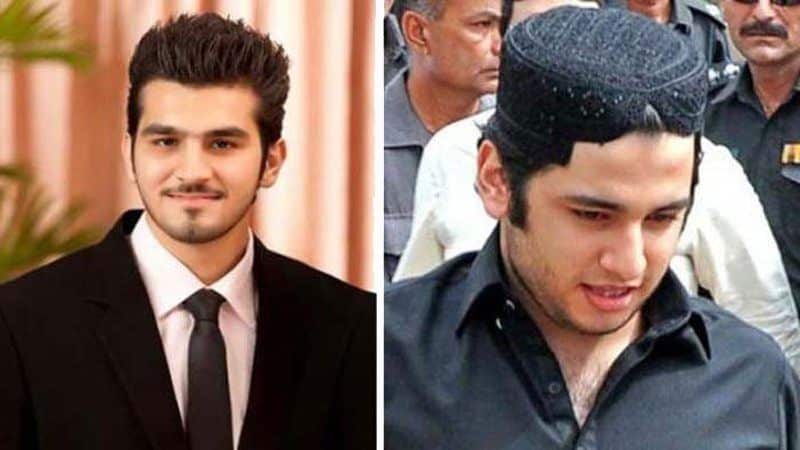
    The Supreme Court acquitted Shahrukh Jatoi as well as his accomplices in the Shahzeb Khan murder case. Jatoi, a scion of a rich and influential family, has gotten away with murder, which is a prime example of a miscarriage of justice. Ten years ago, Jatoi and his friends killed 20-year-old Shahzeb Khan. Jatoi also flew out of the country to escape the law. He was eventually brought back. Later, Shahzeb’s family pardoned him as they faced threats. Not many can forget how the 20-year-old was shot dead for trying to stop Jatoi and company from harassing his sister, and also the way the system protected them. Although the victim’s father was a senior police officer, the police would not register an FIR against the accused.

    In this particular case, we should not forget the role of the Sindh government that consistently facilitated Shahrukh Jatoi because of his influential father. And now our superior judiciary has set him free. Imagine what must be going through the minds of Shahzeb’s family members who not only lost a young loved one but will not have to deal with the trauma of seeing Shahzeb’s murderer being set free. The justice system has indeed failed them the most.

    History will remember that a murderer has been acquitted by our courts. He will be walking freely, out in the open. A complete threat to everyone around. They say justice delayed is justice denied. However, in Pakistan, a murderer has been set free because of our laws, especially the Qisas and Diyat laws. A pardon was signed but in such cases, power and intimidation lead to such pardons. Jatoi getting away with murder makes us question our laws and judicial system. It seems that these laws not only favour those who are powerful but are used quite frequently in murder cases.

    Should the powerful and wealthy be allowed to get away with such crimes? It’s the fault in our laws that mercy to men like Jatoi. Who is next on the list to walk freely: Zahir Jaffer or Shah Nawaz Amir?

    As a country, we are still dealing with the horrors of the murder of Noor Mukadam. We haven’t healed as a nation and have witnessed the bone-chilling gruesome murder of Sara Shah Nawaz at the hands of a man who too was raised as a result of the patriarchal norms in the country. In Pakistan, powerful men can get away with anything, even murder, without any repercussions. Our society and justice system have failed the men and women of Pakistan.
  • Protesting terror: Swat Valley has had enough

    Protesting terror: Swat Valley has had enough

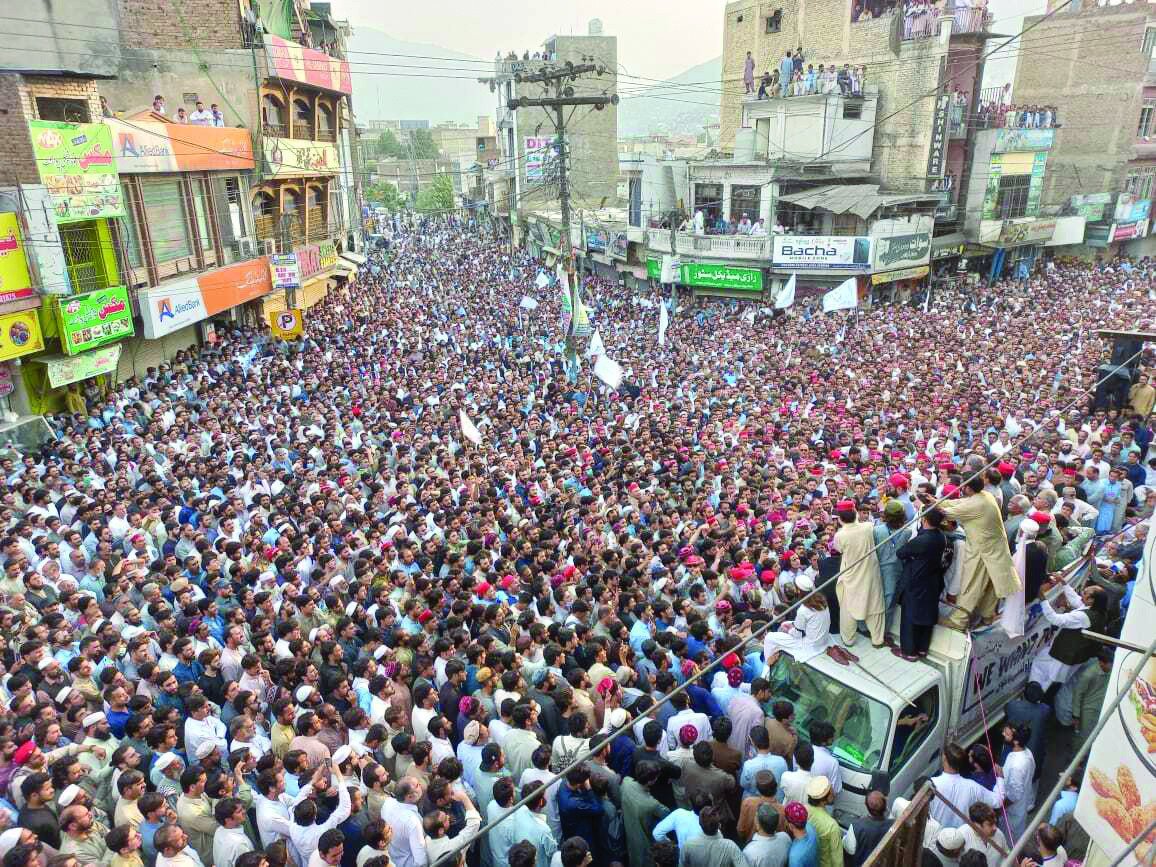
    The people of Swat have already witnessed enough bloodshed. The people of Swat were displaced. Peace returned in 2009. In the blink of an eye, the situation turned into chaos where despite the presence of a large number of security forces, the Taliban entered, resettled, and sabotaged peace in the region.

    Earlier this month, one man was killed while two students were injured when unidentified militants opened fire on a school van in Charbagh tehsil. This incident of violence gripped the valley, prompting citizens to take to the streets against the rising tide of insurgency. The incident brought back memories of the attack on the then-school girl Malala Yousafzai, on October 9, 2012, who survived a gun attack by Taliban gunmen nearly a decade ago. Though militants had been behind the attack on the Nobel Prize winner, the authorities are tight-lipped about the latest incident, while no group has claimed responsibility yet.

    The outfit known as the Tehreek-i-Taliban Pakistan (TTP) is gaining ground across Swat Valley once again. The people of Swat and other areas of KP must be commended for courageously demanding their right to live in peace. They have witnessed firsthand the bloody rule of the militants, and the associated pain of conflict and dislocation. No one can say for certain how and why TTP members have now resurfaced in Swat as well as several other adjoining tribal districts. This is the main reason for the unease among the people of Swat and is sure to give many a sleepless night to officials, both in the civilian setup as well as the military. And what have the latter done to allay the fears of the people? Not much, unfortunately.

    The return of TTP militants to their respective areas is part of the TTP-government negotiations being held in Kabul, Afghanistan, but no agreement has been reached to this effect. It, therefore, remains unclear who, if anyone for that matter, allowed the militants to return before a formal deal had been reached. It would not be wrong if we say the ghosts of the past are coming back to haunt the residents of Swat Valley. The valley has seen enough bloodshed, we hope and pray peace prevails in the region.

    Pakistan has lost 80,000 lives in the war on terror. We fought bravely to get rid of terrorism on our soil. The return of terrorism is a bad omen for peace in the country and the region.

  • Is Pakistan finally able to help give Kashmir its freedom?

    The oppression in Indian Illegally Occupied Jammu and Kashmir (IIOJK) is no secret. India’s historically oppressive treatment of the Kashmiri Muslims and its human rights violations are well-documented. Scrapping Article 370 on August 5, 2019, meant the Indian state went ahead with colonising the region. India’s ruling BJP has long advocated the idea of Indians being allowed to buy and settle in Indian-occupied Kashmir, disguising it as the region’s economic development. Yet, these illegal actions are an attempt at changing the demographic makeup of the region. An attempt to silence the Kashmiri voice. An attempt to dilute the calls for self-determination.

    German Foreign Minister (FM) Annalena Baerbock’s latest statement on Kashmir is of utmost importance. Speaking at a joint press conference on Friday with her Pakistani counterpart Bilawal Bhutto-Zardari in Berlin, she said, “Germany has a role and responsibility with regard to the situation in Kashmir. Therefore, we support intensively the engagement of the United Nations (UN), to find peaceful solutions in the region.”

    Moreover, Bilawal highlighted the grave human rights violations in the IIOJK, and said that the alarming situation posed risks to regional peace and stability. Pakistan has consistently urged the international community to hold India accountable for its brazen persecution of innocent Kashmiris. The German FM’s statement as well as US Ambassador Donald Blome’s visit to Azad Jammu and Kashmir (AJK) has caused quite an uproar in India and its diplomatic circles, which shows that Pakistan’s efforts at building a case for Kashmir is having an impact after all.

    Foreign Office Spokesperson Asim Iftikhar recently said, “The Indian side needs to understand that if they are really genuine and serious in resolving this dispute, they have to proceed in accordance with this international legal framework, which is there, which has been there for seven decades, and which has the legitimacy and acceptance of the international community.”

    The present crisis is an outcome of more than seven decades of injustice imposed on Kashmiri people just because they want to decide their destiny, which is a fundamental right. Pakistan has successfully and relentlessly been building a case for the freedom of the people of Kashmir. Pakistanis will not stop raising their voice until justice is served to the people. The world has been turning a blind eye to the sufferings of the people of Indian-occupied Kashmir for over seven decades. However, Ambassador Blome’s visit and the German FM’s statement result from Pakistan’s consistent foreign policy. The world should wake up to what India has done to innocent Kashmiris over the decades. India’s impunity must end. Kashmiris in Indian-occupied territory deserve freedom.

  • Let the trans live: They’re already marginalised

    Let the trans live: They’re already marginalised

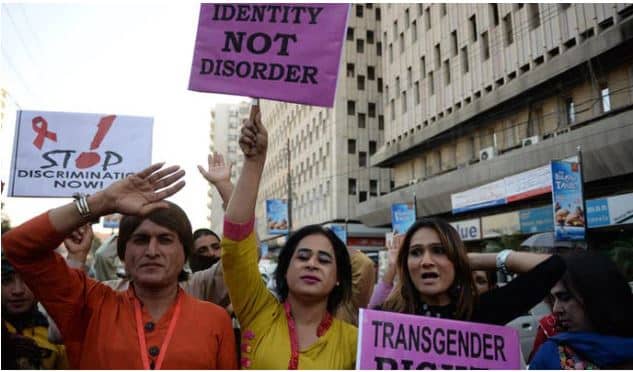
    Any marginalised community in a country goes through struggles and challenges of its own. From their right to live to their right to freedom, their existence revolves around many obstacles. Pakistan is no different. The transgender community in Pakistan is a marginalised community that on a daily basis is ridiculed, harassed, abused, and given life threats. And this has been a pattern for many years. The recent propaganda about the Transgender Persons (Protection of Rights), Act (2018) is extremely dangerous and life-threatening.

    The Transgender Persons (Protection of Rights) Act of 2018 has come under intense criticism from some sections of society during the past few weeks with two petitions also having been filed in the Federal Shariah Court against the Act. The act was enacted in the year 2018 to guarantee transgenders’ equal rights to education, basic health facilities, issuance of CNICs and passports, and giving them a right to vote and contest elections. The Supreme Court’s decision on September 25, 2012, that said that eunuchs were entitled to all of the rights protected by the Constitution and enjoyed by other members of society led to the passing of the 2018 Act. However, now a few religious parties are seeking amendments to the act. The major amendment that is being considered is that a trans person should be allowed to change their gender identity after evaluation from the medical board instead of their self-perceived identity.

    A lot of misinformation is being propagated about the Act, including accusations: “The bill is merely a disguise for the LGBT community,” while others are saying that it is creating a pathway for same-sex marriages. There is a common misconception going on that as per the act, any person can change their ID card from M to F and F to M based on their own perception. However, that is simply not the case. The rules that were notified under this act clearly say that if you are a transgender man or a woman, you can change your identification card on the basis of your self-perception but only to X, not to Male or Female.

    A person having an X card cannot marry a person with an ID card with a male or female gender mentioned on it.

    Pakistan Tehreek-e-Insaf (PTI) Senator Mohsin Aziz on Monday said that the Transgender Persons (Protection of Rights) Act of 2018 is “disgusting”.

    “Why do we have to protect the rights of transgenders? How can we accept the rights of gays and lesbians?” he asked in the Senate.

    Siraj-ul- Haq, the Ameer of Jamaat-e-Islami (JI), has said that all religious groups will demonstrate at Lahore’s Shuhada Mosque if the government does not withdraw the Transgender Rights Act seriously. He further said that the Act is more dangerous than the atomic bomb dropped by the United States on Japan in 1945.

    The question remains: why are the rights of a marginalised community such a threat? Why can some sects of society not let them live? Did anyone actually read what the Transgender Persons (Protection of Rights) Act of 2018 stands for? More than 20 transgender people have lost their lives. We hope the people threatening the transgender community understands that they have a right to live and the right to dignity. Let the transgender community live: they’re already marginalised in Pakistan.

  • Pakistani men, time’s up: We will no longer tolerate another Zahir and Shahnawaz

    Pakistani men, time’s up: We will no longer tolerate another Zahir and Shahnawaz

    The age of uncertainty grappling Pakistan is rather appalling. Lately, women in Pakistan and around the world are nothing but just another hashtag. Their name, story, and pain last only till another hashtag replaces them. We as a country are still dealing with the horrors of the murder of Noor Mukadam. We haven’t healed as a nation and now we have witnessed the bone-chilling gruesome murder of Sara Shahnawaz at the hands of a man who too was raised as a result of the patriarchal world in Pakistan.

    A harrowing murder took place in Islamabad on Friday morning. The daughter-in-law of senior journalist Ayaz Amir was murdered in Islamabad. 37-year-old Sara was found murdered at a farmhouse in Chak Shahzad. According to details, journalist Ayaz Amir’s son Shah Nawaz killed his wife at their home with a gym dumbbell. After murdering her, the accused dumped her body in a bathtub. Senior Journalist Ayaz Amir expressed his grief and shock over the murder of his daughter-in-law by his son.

    In Pakistan, men get away with crimes against women, which is why they think they can even commit murder without any repercussions. Our society and justice system have failed the women of Pakistan. It is because of these attitudes that Pakistan ranks as the second-worst country on the gender gap index.

    The story of Masha Amini from across the border is equally tragic. The 22-year-old Iranian woman breathed her last days after being arrested by a police unit responsible for forcing Iran’s strict dress code for women. She was arrested for not complying with hijab rules. Mahsa Amini was beaten while inside a police van when she was picked up in Tehran on Tuesday. Photographs of Mahsa lying in a hospital bed have gone viral, showing the young woman in a coma with her head wrapped in bandages and breathing through tubes. #MahsaAmini became one of the top hashtags on Persian-language Twitter as Iranians fumed over the death of Amini. Later we saw that women in Iran protested against the death of Amini by setting their hijabs on fire. Her death sparked widespread protests in Iran.

    What is happening to women across the world is a reminder that all this is about control, power, and oppression. One of the key reasons women are marginalised is because a powerful and educated woman leads to a powerful and educated community. Women need to be empowered by those in power. We as individuals have failed. We have failed our women and young girls. The silence of the state on matters that need the most attention is rather appalling. For how long will people keep suffering? What are our policymakers doing to make the lives of people in Pakistan better? Who should the families of the victims look up to? Who will give them justice? The beasts who killed their daughters are very much alive. Who will bring solace to the plight of the mothers and fathers of the one dead at the hands of men who could not take no for an answer or whose temper was so fragile that they had to kill women when they raised their voices for their rights.

  • Wake up State, yeh hum sub ka masla hai

    Data has revealed that 2,211 children were sexually abused in Pakistan in 2022 from January to June. This horrifying number comes to approximately 12 children who are abused each day according to Sahil, an NGO that works against child sexual abuse. At least 1,207 girls and 1,004 boys were reported to be victims of sexual abuse according to the report.

    Earlier this week, a 10-year-old boy was allegedly raped by the Imam of a mosque in Lahore. As per media reports, the child had gone to offer Fajr prayers in the mosque where the accused, Abbas, took him to the basement and allegedly raped him. Then there was a case where a 16-year-old girl, a grade 9 student, was working as a translator for a Chinese national on a monthly pay of Rs15,000 since May 2021. She was raped by a man for months, who threatened her with dire consequences if she resisted.

    Statistics reveal how bad and ugly it is but what is being done? Answer: nothing. These are just the official numbers or cases that have been reported. There is a growing concern that most cases of rape, sexual abuse, and other such forms of violent abuse against children and young girls are not reported due to societal taboos. Despite laws in place that address these issues, not many victims have found justice. And the way our society reacts to such crimes, by blaming the survivors makes it all the more difficult for people to come forward and report these crimes. With each passing day, a child is raped, a minor girl somewhere in Pakistan is forced to get married, and somewhere someone gets abducted. The silence of the state on matters that need the most attention is rather appalling. For how long will people keep suffering? What are our policymakers doing to make the lives of people in Pakistan better? With all the abuse, harassment, sexual assault, domestic violence, and rapes being reported, where are we headed as a society? Has humanity died completely? Imagine the pain of the children and the families who have been victims and survivors of these horrific crimes. This needs to stop and the state needs to wake up from its slumber.

    For our part, The Current has been following up on rape cases for almost two years since the Motorway rape incident which happened in October 2020. As of yet, a total of 1584 cases have been recorded from what we found in news outlets. The number is likely way more than this since these are only the ones we found in the news.

    The state also needs to raise more awareness about such crimes. We need to teach our children from a very young age about these sensitive issues. We cannot hide away from these crimes that take place on a regular basis just because our society casts aspersions. If there is justice for the survivors, then more people will find the courage to report these crimes. We cannot let our children down.

  • Pakistani qaum, yeh cricket hai bhei, racism check mein rakho

    Pakistani qaum, yeh cricket hai bhei, racism check mein rakho

    Sports brings pride and recognition to a country and for Pakistan, cricket is one of the most celebrated games. It brings both joy and heartache to millions of Pakistanis. With Pakistan and Sri Lanka playing the final of Asia Cup 2022, we wish both teams luck but we obviously want Pakistan to win! Pakistanis all around the world will be rooting for our boys in green. Cricket and our men in green are a source of continuous pride for the country but what we witnessed from the audience stands in the match between Pakistan and Afghanistan was nothing but disappointing at so many levels. The Afghanistan-Pakistan cricket rivalry is fast crossing the acceptable margins, even surpassing the age-old rivalry between India and Pakistan.

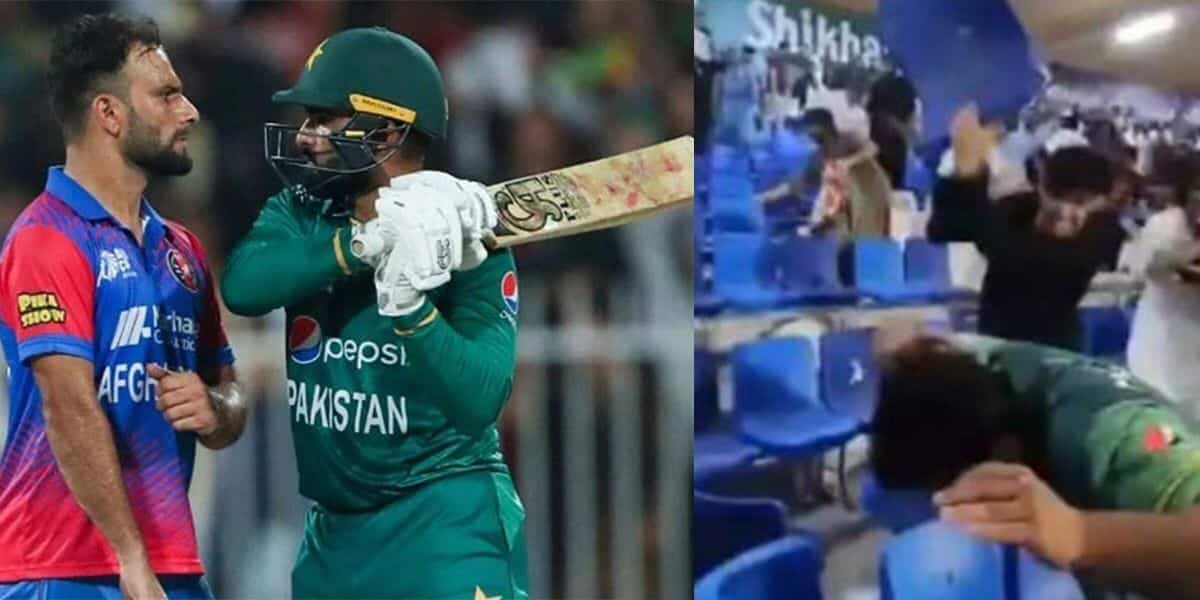
    Afghanistan and Pakistan faced each other in an important Asia Cup fixture in the Super Four round, where the stakes were too high. Afghanistan needed a win to keep their chances alive, while Pakistan needed to clinch this win to be in the final. Afghanistan was close to victory but the Pakistani team bounced back at the last minute, stealing the game away. The event witnessed some heated moments between Afghan and Pakistani players, charging up the spectators on both sides. Afghan fans purportedly indulged in verbal abuse and later ended up throwing seats at the Pakistani fans, prompting many observers to say the spirit of the game has been ‘tainted’. Sports fabs across the world sometimes show uncouth behaviour, be it cricket or football or any other game. It is always difficult to see one’s own side lose but it does not mean that fans of the winning team should be subjected to violence.

    While the cricketing rivalry between Afghanistan and Pakistan may be in its infancy, it has got all the ingredients for a heated contest courtesy the political history both countries share. After the disappointing scenes between the fans, there was an immense backlash against the Afghans. But the reaction of many Pakistanis was quite disappointing and downright racist. Pakistanis calling Afghans ‘namak haram’ — racist term often used to address Afghan refugees living in Pakistan — was not just uncalled for but also wrong. No one should have to bear verbal abuses and being called ungrateful or other names. Refugees deserve to be treated with dignity. This is what we also demand from western nations when it comes to Muslim refugees so why display racism against refugees in our own country? Also, to taunt an entire nation and another country because of the shenanigans of a few fans is just wrong. It is a game and one needs to accept both win and defeat with grace.

    We just hope that the teams and supporters watching the Asia Cup final today show resolve and grace. May the best team win.

  • Men need to know, it’s time to talk about the menstrual period

    Men need to know, it’s time to talk about the menstrual period

    Pakistan is in the throes of devastating floods that have wreaked havoc across all four provinces. The scale of devastation has been estimated to be more than $10 billion. And yet with thousands of lives lost, and millions homeless, we are still debating on whether sending sanitary napkins to the flood-affected areas is a good idea or not. As per an estimate, 8.2 million women in flood-affected areas are of reproductive age. Menstruating women in disaster-hit areas require access to safe and clean menstruation hygiene products. We need to understand that periods don’t pause during floods or rains. It’s a natural process that keeps happening every month to every woman of age. There are women who are pregnant. There might be a few girls who will get their periods for the time. Due to the present conditions when there is no clean water, the use of cloth can be dangerous as well. There are reports that women have had to resort to using leaves in the flood-affected areas during their periods.

    Read more: Floods in Pakistan: Should you donate sanitary pads?

    In times like these when every human matters, why does it happen that women are so conveniently put under the radar and a product that is a basic need for any woman of age, becomes a topic of debate in terms of whether it is a luxury or a necessity? When will people learn to accept that talking or educating about periods is not taboo? It’s about a woman’s hygiene and health. We all need to understand that men and women all need to be treated the same way, with dignity and equality. All of them need the same basic facilities.

    It will take a lot of effort and manpower to provide the rehabilitation and relief needed for millions of people. It’s time we hit pause on always putting women under the radar and for once act with reason and responsibility towards them. We need to learn to empathise with the flood victims without gender discrimination.

  • Pakistan is drowning. Why don’t we care until it’s too late?

    Floods in Pakistan have affected more than 30 million people, which is about 15 per cent of the country’s population. More than a thousand people have lost their lives and millions have been displaced, prompting the government to proclaim a national emergency. This is one of the worst natural calamities in recent times. The harrowing videos and pictures on our television screens and social media show massive devastation, pain, tears, and death spread across the country. Entire villages have been washed away, and there are places that have been fully drenched due to the inundated rain and floods, turning them into islands without any access to the outside world. There are places without electricity, without internet, without phone data, without roads, and without food and help. What Pakistan witnessed in the 2010 floods is not even close to what the country is facing today. A decade later, the country is fully swamped with water. Unfortunately, we the people woke up a little too late to this harsh reality. With every passing day, the death toll increases and so does the destruction.

    The national response has been slow, to say the least, but mercifully all governments, federal and provincial, are actively helping the flood victims. Prime Minister Shehbaz Sharif has been actively visiting the flood-affected areas and trying to be at the top of his game by showing empathy towards the needy and has categorically said that it is time Pakistanis show unity and keep everything aside to save the flood victims while Chairman PTI Imran Khan will be hosting a telethon for fundraising on Monday. However, Khan has said that the PTI’s movement for Haqeeqi Azadi will continue alongside its flood relief work. PTI held a jalsa in Jehlum for its fight for haqeeqi azadi on August 27. A PTI member took to the stage and said that overseas Pakistanis should not give funds to the flood victims because the present government took away their right to vote. Khan also reiterated that his struggle against thieves will continue whether come what may. Such calamities demand a bipartisan approach from our leaders but well here too we have managed to fail our country. Khan seems pretty adamant that his quest against those he does not approve of will continue, even if there is a flood or war. PPP Chairman Bilawal Bhutto-Zardari has said that the Opposition can keep playing “jalsa, jalsa” while they will deal with the flood catastrophe.

    The question remains: will the politicians be able to let their politics take a backseat for now and show some empathy towards their own citizens? Can’t politics, the numbers game, and the blame game wait? For once, our politicians should look beyond their own personal interests and agendas and stand united. Our politicians must give priority to those millions of people who have been affected by floods. It is time that all Pakistanis must donate wholeheartedly. The people need to be prompt with their help and generosity. We hope that partisan politics is put on hold, and all political leaders fully dedicate their voices and efforts to helping the flood victims. They need to be rescued right now and relief efforts must continue. They will later need to be rehabilitated and relocated. It will take a lot of resources and hard work. We must all come together to help them right now. Our political battles can wait.

  • Does the Pakistani man understand that no means no?

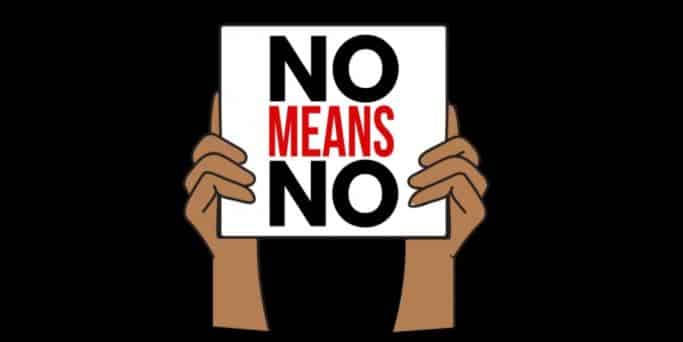
    Does the Pakistani man understand that no means no?

    A young girl was subjected to torture in Faisalabad. A final-year student, the girl alleged that her friend’s father became interested in her and even wrote her a formal proposal, which she declined. After she rejected the proposal, the accused pressurised her to change her mind. She received death threats. The complainant was even threatened that she could be raped. In videos that have now gone viral, she was subjected to physical and verbal abuse. Her hair was cut off and she was asked to lick shoes in order to humiliate her. She went through this abuse and torture only because she refused to marry a man who was also her friend’s father. This horrific incident shows how fragile Pakistani male egos are because they will not let a woman exercise her free will and choose to say no.

    This isn’t the first incident of its kind. Back in 2018, a bus hostess was murdered in Faisalabad for rejecting a marriage proposal. We witnessed the same shock and horror that we are seeing today but did it change anything? No. Are women allowed to exercise their free will and choose the men of their choice? No.

    In Punjab, the largest province of Pakistan, a total of 77 cases of physical assault were recorded in the month of July alone — 93 women in Punjab were abducted, and 47 cases of sexual assault cases were recorded. As far as domestic violence cases are concerned, Punjab reported 58 cases.

    Women face the same problems across South Asia. In India, Bilkis Bano — an Indian Muslim woman who was gang-raped in the 2002 Gujarat riots — said that her peace has been taken away after the Gujarat government released her 11 rapists. Her rapists were released on August 15, i.e. Independence Day of India. They were convicted in 2008.“How can justice for any woman end like this? I trusted the highest courts in our land. I trusted the system, and I was learning slowly to live with my trauma. The release of these convicts has taken from me my peace and shaken my faith in justice,” said Bilkis in her statement.

    With all the abuse, harassment, sexual assault, domestic violence, and rapes being reported not just in our country, but around the region, where are we headed as a society? Where do we go from here? Where do we stand? Has humanity died? What about morality and protection in the name of rule and law? Will women ever be safe, anywhere? Women of Pakistan and across the world deserve better.