Category: Editorial

  • Pakistan needs unity more than ever

    Pakistan is celebrating its diamond jubilee, the 75th anniversary of its Independence Day today. A nation that was created in 1947 has come a long way — 75 years of resilience, hard work, commitment, struggle, dedication, and courage to keep fighting the odds. A country that is more than seven decades old sure deserves congratulations but it is high time we introspect because this 75-years-old Pakistan deserves better.

    Look around, what do you see? A nation that was built on unity, faith, and discipline lacks the core of these words. We were founded to have freedoms — the freedom to live, practice our religion, and be who we think and feel. Support whichever notion finds home within us. Have a creative and critical school of thought. Be protective of our fellow Pakistanis. Not judge them for their religious beliefs, political choices, and ethnicities.

    But what are we now? The present day’s 75-year-old Pakistan is far from the idea of its creation. How did we end up forgetting our reason for birth? How did we as a nation fail to stay in discipline and unity? This 75-year-old Pakistan is an amalgamation of extremism, fascism, political polarisation, and pluralistic ignorance. This country has been in the scientific laboratory for a long time now. It is time we find a litmus paper, unanimously to build this country. It is time we come out of this experimental phase and move toward a country that does not discriminate on the basis of gender. Where political leaders stay political and do not misuse religion as they please. Where the sole purpose and work of leaders is towards nation building. We can only hope that the 75-year-old Pakistan becomes strong for its girls and provides them an equal opportunity just like its boys. Where we provide an equal chance at life to the ones who have religious beliefs other than Islam. Where our minorities are not suppressed but rather treated as equals. Where rape, child marriages, abuse, and harassment ends.

    May we all give this country what it truly deserves because all it really takes is unity, faith, discipline, and introspection. Long live Pakistan. Pakistan Zindabad!
  • Hey Pak govt, aren’t we sporty enough for you?

    Hey Pak govt, aren’t we sporty enough for you?

    Sports in any country is a celebrated sector of society. It brings pride and recognition to a country. Sports are symbolic of life. Life demands discipline, resilience, respect, compassion, teamwork, and character. Sports help develop those skills to apply on the playing field and in life. In any country, the state invests in their sports and the individuals playing them. Pakistan does just the opposite of it.

    Pakistan chooses to forget its most talented and has a way of neglecting its sportsmen and sportswomen. Cricket and our men in green are a source of continuous pride for the country but there are other sports and players who too wear green with pride, and give it their all to bring us glory.

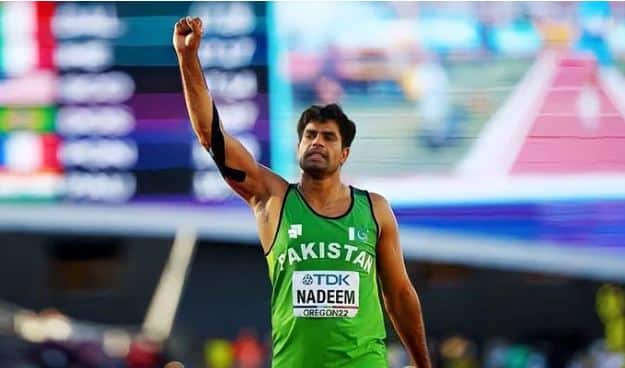
    Our teams have gone to the Commonwealth Games and the Olympics but the players participating tell the same stories of negligence and their individual hard work. So what is that the players say? One: They need the state to pay attention to them. Two: Recognise the talent and show confidence in them when they are trying to develop their skills and polish themselves for the better. Three: Give them better training so that they can perform well and bring gold, silver, and bronze medals back home. Four: Treat them as equal and as important as they would treat a person playing cricket. Five: Don’t take credit for our individual wins as you have not invested in us. They ask the state to actually invest in them so that they can stand tall amongst the best.

    What does the state do instead? The state has been in a habit of neglecting the raw and the talented, barring them from the opportunities which could have done wonders for the games, players, and the country. Yes, in recent times we see a prime minister congratulating a gold medalist but is congratulations enough? Don’t they deserve better training, better chances, and a better future? We can only hope that the state realises that mixed fortunes become the fate of many players in Pakistan because they were left out at some point. We can only hope that the state realises that every sport matters, every game matters, and every player is worth fighting for and that he and she deserves to get the best facilities. May our talented players keep making us proud.

  • Will anyone save Balochistan?

    Will anyone save Balochistan?

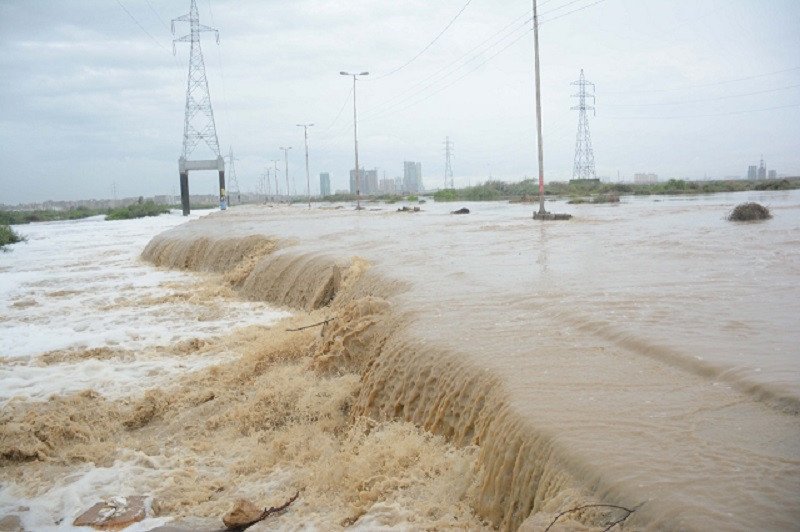
    Continuous rain isn’t showing its mercy to the people of Balochistan, adding to their sorrow. Prime Minister Shehbaz Sharif visited Balochistan yesterday to oversee the relief work being done in the province during the heavy monsoon rains. More than 120 people have lost their lives while 6,000 houses have been completely damaged and over 10,000 partially damaged. The Inter-Services Public Relations (ISPR) said, “Troops are busy in rescue, and relief efforts apart from providing medical care and opening up communication infrastructure.”

    Occasional rain kept pouring on in different cities of the province, exposing the already neglected Balochistan to more tragedy. According to the Pakistan Meteorological Department, Kalat received 50mm of rain, followed by Chaman with 26mm and Ziarat with 21mm during the said period. Rainfall was also reported in Muslim Bagh, Sibi, Mastung, Dalbadin, Khuzdar, Lasbela and Barkhan in the last 24 hours. According to the Provincial Disaster Management Authority (PDMA), at least 127 people have died in rains and floods in the province since June 1. Some of those deaths were reported in parts of the province in the last 24 hours.

    Every year, Pakistan witnesses floods and heavy rains destroying infrastructure. Are the ones responsible for running the country well aware that Pakistan finds itself in this vicious cycle every year but are we prepared? The answer: no. The authorities do not wake up unless floods swamp provinces, people die, families lose their livelihoods, jobs, animals, homes, and above all, their loved ones.

    The plight of Balochistan makes one wonder, why doesn’t our government plan ahead? Why don’t management authorities take preemptive measures? Why can’t we realise that the loss of life is replaceable? Will anyone really see how families have lost their loved ones, how water has washed away life itself? But what’s even scarier is how little we are doing to change this. We hope that our authorities do better. Better as leaders, caretakers, policy-makers, and above all, as humans. The plight of Balochistan is an awakening call for all. The sooner our leaders wake up, the better. Balochistan has been neglected for decades. The people of Balochistan deserve better.

  • Will women ever be safe in Pakistan?

    Will women ever be safe in Pakistan?

    The World Economic Forum recently released the Global Gender Gap Report, 2022. Out of the 146 countries ranked on the index, Pakistan is at 145, doing slightly better than Afghanistan. The report gauges how immense the gender gap is in areas including education, economic participation, health, and political empowerment. Pakistan’s second-last position comes as no surprise, at least not for the women in the country.

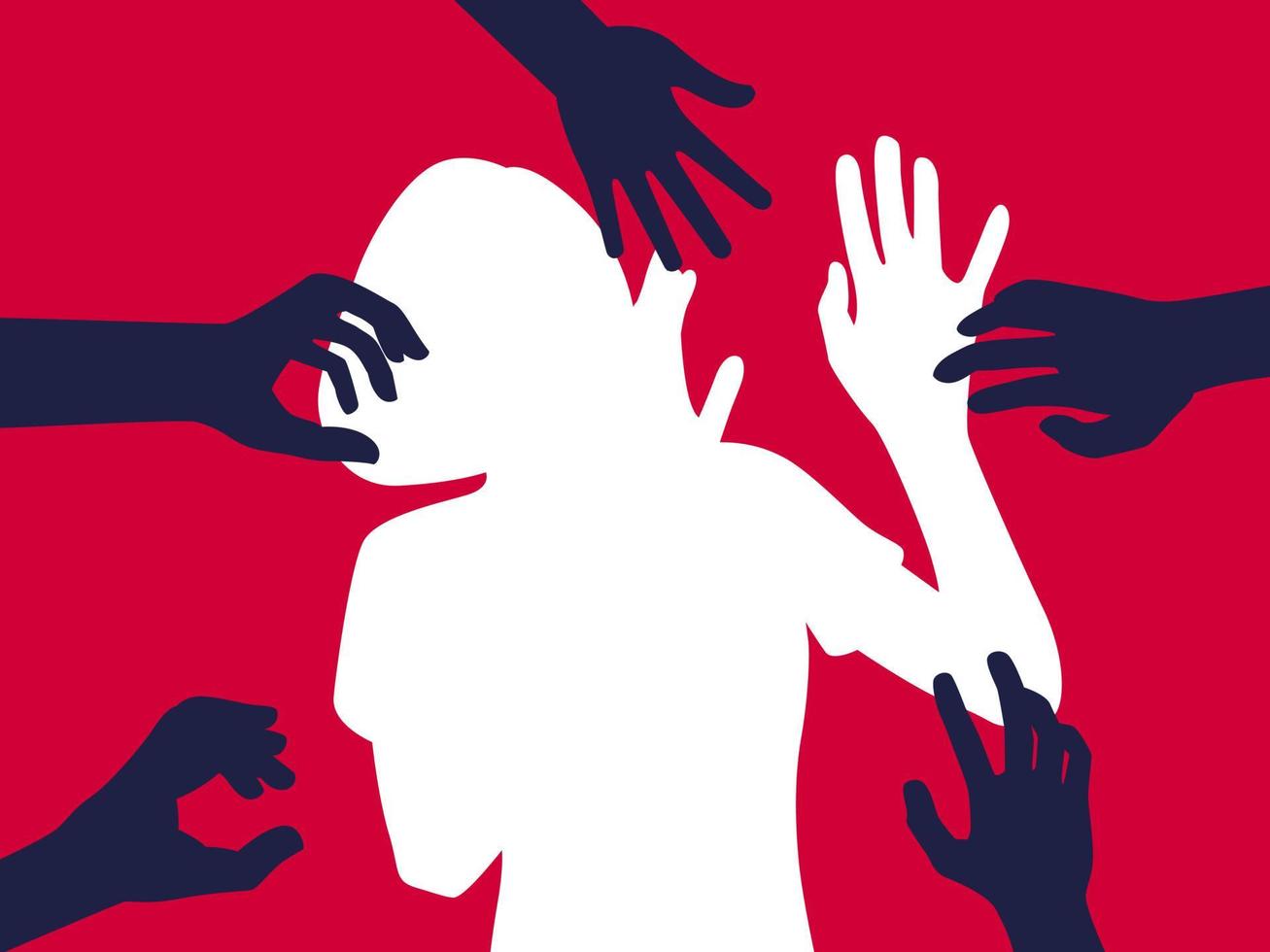
    Earlier this week, a 21-year-old American woman, who is also a vlogger, was allegedly raped by her tour guide and his two accomplices in Dera Ghazi Khan. The woman revealed she knew the man [one of the culprits] for a long time and is hurt by the fact that he could do something like this. “I am deeply hurt by the fact that a friend I have known for such a long time was trying to portray a positive image of this beautiful country to foreign travellers, who seemed so trustworthy, could commit such a vile and horrific act,” she said. Then there was news of a van driver in Dera Ghazi Khan who raped a woman at Rajanpur wagon. Every day, someone somewhere in Pakistan gets raped, either by someone they know or a complete stranger. The women in Pakistan have said it over and over again about how unsafe they feel in this country, including in their homes, offices, and streets. You name it and you will come to know about a story of a woman being raped or sexually harassed. With all that is going on, when will this stop for the women living in the country? Will sanity ever prevail? Will they ever be safe? Will they ever get equality? Will justice and the right care be provided to them? What are our policymakers doing to make the lives of women in Pakistan better?

    A new committee against rape has been announced by the Law Ministry in an effort to combat the worrying increase in sexual violence cases across the nation. The special committee’s primary responsibility will be to aid sexual assault victims in getting legal representation, in addition to attempting to stop cases of rape against children. But the question remains: will this be enough? Women in Pakistan are yearning for the day when our society will learn to provide the strength where it is required and stand with the survivors of sexual assaults when no one will be frightened to talk about their horrific experiences and when no woman will be blamed for being a victim and survivor. But until that day arrives, we can all try to bridge the gap and make it better for the women in our country. The leaders and decision-makers can really try and make an effort to make Pakistan safe for women. It is time to stand up for the ones suffering. Home needs to be a safe place, workplaces need to be safe, our streets need to be safe, and our trains and other transportation means need to be safe for women.

    It has been a year since Noor Mukadam was brutally murdered by Zahir Jaffer in Islamabad. We hope that Noor finds justice. We hope that women who are killed in the name of so-called ‘honour’ find justice. We hope that men who commit crimes against women are caught and punished. We hope that our justice system does not betray are women constantly. We hope that women are allowed to study, work, marry of their own choice, stay unmarried if they wish to, and are able to live in a society that does not treat them like second-class citizens. Because enough is enough!

  • Kaptaan smashes Noon at Shehbaz Speed

    Kaptaan smashes Noon at Shehbaz Speed

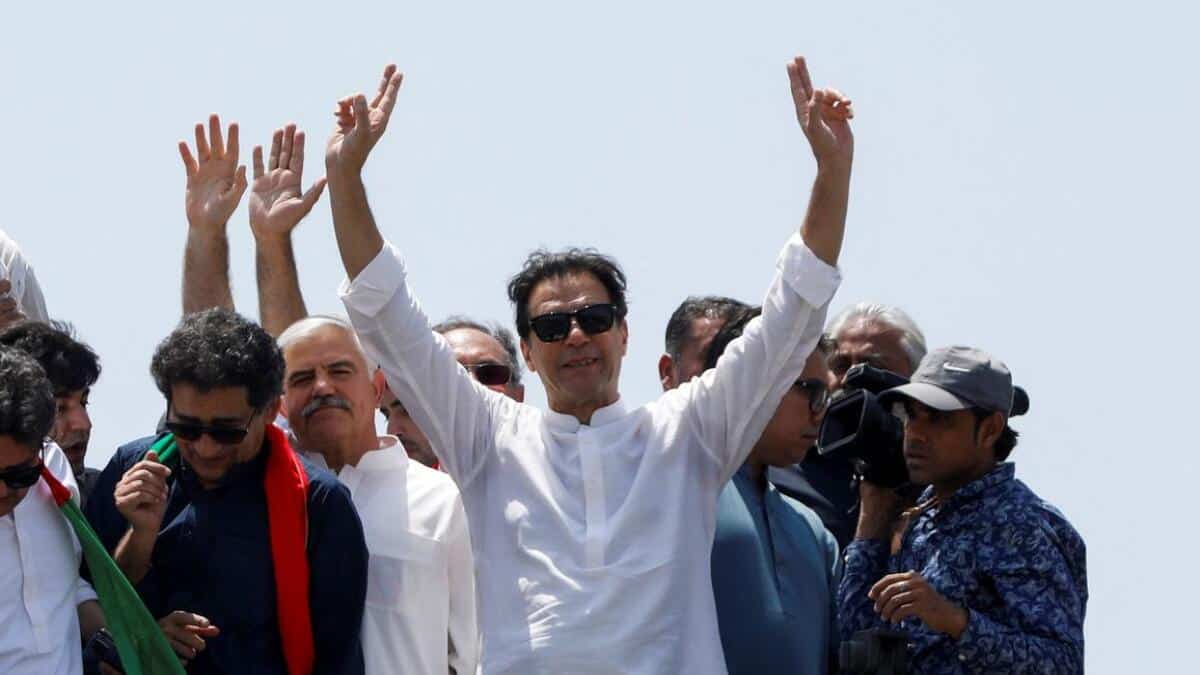
    Pakistan Tehreek-e-Insaf (PTI) swept the Punjab by-elections held on July 17 by bagging a total of 15 out of 20 Punjab Asse­mbly seats while the ruling Pakistan Muslim League-Nawaz (PML-N) only managed to win four seats. An independent candidate won one seat. The unexpected and sweeping victory of PTI in the all-important Punjab by-polls is set to influence the political as well as economic future of the country. The outcome of the by-elections has not just sealed the fate of Hamza Shehbaz’s government in Punjab but also sent alarm bells ringing for Shehbaz Sharif’s federal government.

    The million dollar question is, what happened in Punjab that the kaptaan was able to pull this off in the heart of PML-N? PTI Chairman Imran Khan led a vigorous campaign against those who had ditched the party during the first poll for the chief minister on April 16 and voted for Hamza. Even the PML-N’s voters did not vote for the ‘lotas’ or turncoats. Khan continuously targeted the ‘neutrals’ for not siding with him in foiling the so-called ‘conspiracy’ the PML-N, PPP, and other parties had allegedly hatched “with the help of the United States” to oust him from power. That his foreign conspiracy mantra sold like hot cakes shows that Pakistanis love conspiracy theories.

    The Punjab by-elections have brought to the limelight further questions: what is next for the PML-N? The ruling PML-N really needs to ‘introspect’ its shortcomings and need to go back to the drawing board and check every possible situation that led the party to its failure in Punjab. Was the vote of no-confidence the right move? Was the PML-N really thinking that a father-son duo as prime minister and the chief minister can turn out to be successful? At present, the most important question is, when is Nawaz Sharif coming back? The party has faced a lot of damage in his absence. Within the PML-N, a lot of people are of the view that Hamza should accept defeat and immediately resign as chief minister, while Prime Minister Shehbaz Sharif should call the next general elections as soon as possible. What the PML-N will do next can shape the future of Pakistan. Will Shehbaz Sharif announce the general elections or stick to power? Will a caretaker government be formed that can also take care of the economy for three months given how crucial the IMF deal is?

    Whatever happens, Pakistan is in need of massive reforms. With the pertaining economic crisis and inflation, major political, as well as economic stability, is required. The country needs stability more than ever.

  • Are we obsessed with the The Minor case?

    Are we obsessed with the The Minor case?

    The Minor is a household name these days. A young girl, came into the limelight when a case of a missing minor girl was reported in Karachi. The missing or allegedly abducted girl was later found in Punjab where she had gotten married and was apparently living a happy life with her husband. This is where the case unravelled.

    The Minor happens to be underage and her marriage to her husband is not considered a legal one per law. A girl/boy getting married under the age of 18 years is considered to be illegal. Earlier this year, Justice Babar Sattar of the Islamabad High Court (IHC) declared any marriages under the age of 18 years unlawful even though each province has different legal age for marriage.

    The problem, in this case, is that no one is talking about the law here. The Minor is being dragged to the hospital every now and then to check her age through medical tests. Her parents come on television, record videos, and say how their daughter has been trapped. The Minor, on the other hand, keeps saying that she is happy and is not under any pressure. The court allowed her to decide who to stay with instead of keeping her in a government shelter until everything had been settled, under the law. Legal observers have raised another question including why a medical test, which is not accurate, is allowed when NADRA documents prove that she is a minor. Did the court not trust NADRA records and if not, why? These questions have so far not been answered.

    In this case, we have left the main issue, i.e. underage marriage behind and are only catering to the drama that is unfolding: the fact that she sat on a cushion during an interview or that she wore make-up. Why is no one talking about how important it is for parents to talk with their children? Why is no one talking about how this case will impact the minds of children whose television screens keep flashing The Minor and her husband, the crying mother, and sister of The Minor ? Why is no one talking about how traumatic all this is for girls and boys of this age? Why is no one talking about how two children — who are apparently underage — got married after meeting online? Why did the boy’s family agree when the girl was quite obviously a minor? Why is there silence around these issues?

    We hope that parents start to have open conversations with their children and create an environment where children can speak openly and a relationship of trust is built between them.

  • In Pakistan, is abortion just a word or choice?

    ‘Woman of bad character’ is one of the phrases we often hear when the word ‘abortion’ is mentioned in our country. Abortion means the deliberate termination of a human pregnancy, most often performed during the first 28 weeks of pregnancy. Abortion sparked a debate after the United States (US) Supreme Court overturned Roe v Wade, a landmark ruling that granted the right to abortion. The court determined that there is no constitutional right to an abortion, leaving it up to the states to decide whether or not to allow abortions.


    According to a 2020 article in ‘Soch writing’, Pakistan has an annual abortion rate of 50 per 1,000 women as per a 2012 survey, the highest in South Asia and one of the highest in the world. (A previous study estimated a rate of 27 per 1,000 women in 2002).


    So at present, we understand the meaning of abortion but what we don’t understand is why is it required. A woman conceives a child, but somehow her circumstances lead her to the “choice” of not having the child anymore, and “she ends up deciding of quitting the will to bring a child into this world”. What happens next? She decides to “abort” the baby. Will she be “allowed” to do so? What if the woman was raped and conceived the child as a result of sexual assault? What if she is in an abusive marriage and doesn’t want to risk another life at the hands of her partner? What if the child conceived is a serious threat to the mother’s health? What if both parents are drug addicts? What if they don’t have the financial means to nurture a child? What if both parents carry childhood traumas that they haven’t fully recovered from? What if they are simply not ready? The situations are plenty but they all lead to one word, “choice”. A choice that a woman and her partner must have. A choice to decide when to bring another life into this world and their lives.


    Women in Pakistan are no different. They are clearly seeking abortions, and medical practitioners often refuse to perform them or do so only in secret, which are very risky and at times, very expensive —in general, both seekers and providers of abortions tend to believe the procedure is against religion or Pakistani law, or both. So where does it lead us? Education on abortion must be taken up as a priority by the health practitioners and by the individuals involved. Yes, abortion is a big step and comes with its own weight and worries but one’s mind and body should be allowed to make a choice. A choice that doesn’t lead to a judgement about a woman’s character but will only be considered a choice which she freely made for herself. Her body, her choice.

  • Who is responsible for getting Pakistan off the ‘terror watch list’?

    Who is responsible for getting Pakistan off the ‘terror watch list’?

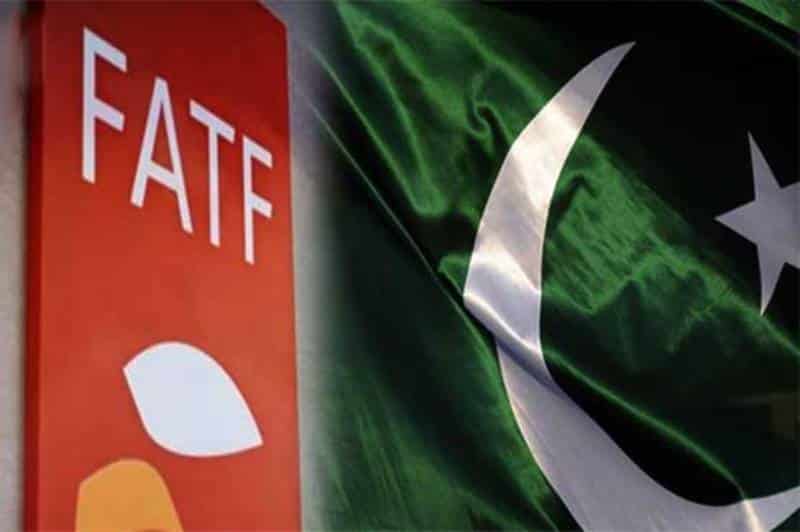
    After years of relentless hard work, Pakistan finally received a positive response from the Financial Action Task Force (FATF). The country is finally close to its removal from the global money-laundering and terrorist financing watchdog’s ‘grey list’. This for sure is a huge win for the country. This was made possible after countless days and nights our officials worked to bring Pakistan one step closer to being removed from the grey list. But here’s the twist. Who should be crowned for the FATF success? Many people are declaring it as their own victory.

    Pakistan Tehreek-e-Insaf (PTI) Chairman Imran Khan credited his government for this achievement. Khan congratulated former Energy Minister Hammad Azhar who was the main man working on FATF. On the other hand, Prime Minister Shehbaz Sharif also congratulated the nation and appreciated the performance of Minister of State for Foreign Affairs Hina Rabbani Khar and the members of her team. According to Information Minister Marriyum Aurangzeb, the premier made a telephone call to the army chief and “lauded his decision to set up the core cell at the GHQ”. Director-General (DG) Inter-Services Public Relations (ISPR) Major-General Babar Iftikhar termed the development “a great achievement” and gave credit to the “civil-military team” and mainly to the core cell set up at the army’s General Headquarters (GHQ) in Rawalpindi for it.

    Though there is no doubt that the road to success in terms of FATF has been a long one for Pakistan, let us not forget that many have done a lot of hard work to bring the country to this point. But this recent episode of many claiming credit for our success at FATF has raised one question: Can we as a nation stand united and be able to celebrate the major wins together, keeping aside our political and personal differences? The answer, for now, seems, ‘no’. The recent political scenario has divided the nation so much that even conversing on a simple topic that involves politics ends up in a heated argument. Does one wonder where have the days of critical thinking and constructive debate gone? We can only hope that Pakistanis — be it politicians, think-tankers, policymakers or the common citizen — be able to celebrate Pakistan for its glory and wins.

  • Rape jokes are not a sign of masculinity

    Rape jokes are not a sign of masculinity

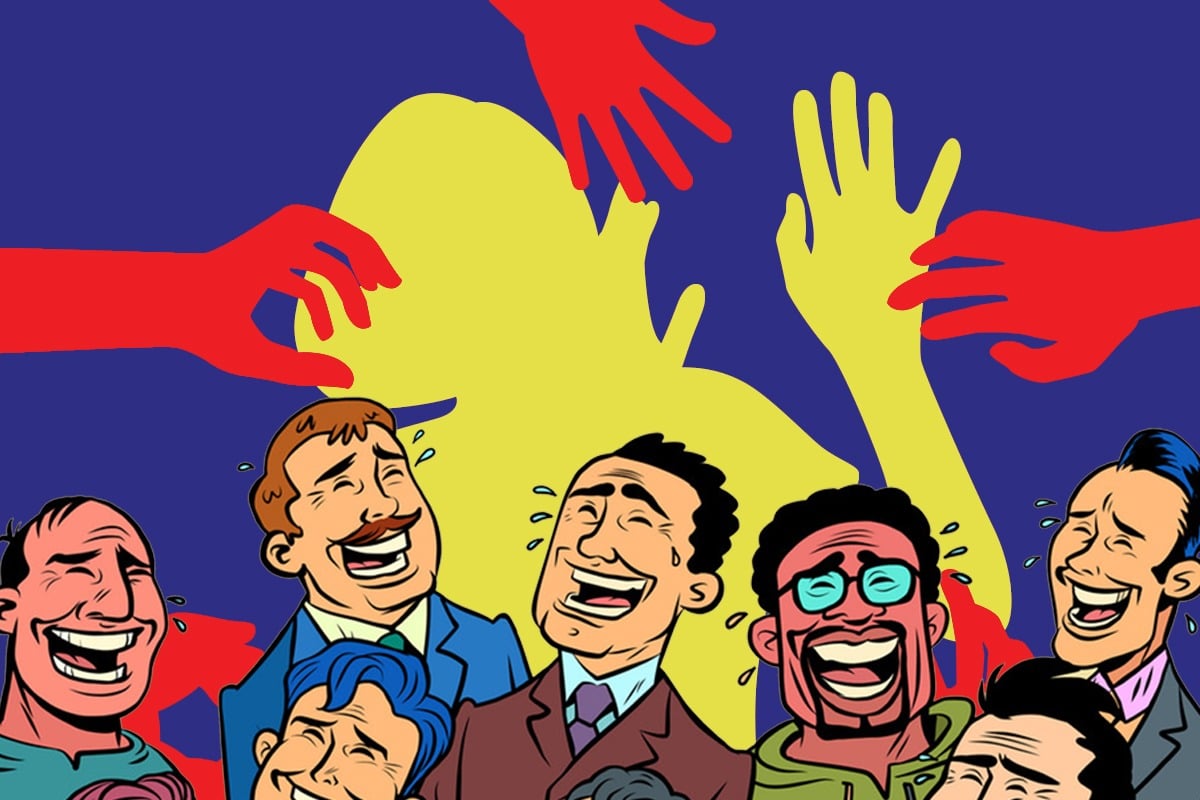
    Last week anchors Imran Riaz Khan and Sami Ibrahim were condemned for making homophobic and rape jokes just because the ‘boys club’ could not have a decent debate and in return thought it was okay to make fun of child abuse and rape. The anchors, in order to avoid being interviewed by journalist Matiullah Jan, insinuated that the interviewer was raped in the army barracks back when he was a cadet at the Pakistan Military Academy. Imran and the group of journalists around him, including anchorperson Sami Ibrahim, could be heard laughing and ridiculing Jan, who then challenged them all to invite him on their shows. This incident made us see so-called ‘civilised men’ making rape jokes, clearly reflecting how a sensitive subject like rape and abuse was nothing more than a joke for them. The men seen in the video laughing about someone being raped are not only disgusting, but triggering for those who have actually gone through sexual violence.

    Read more: ‘Such mean tactics can’t deter me from asking questions’: Matiullah reacts to rape comments by Journalists

    Recently, two advertisements of a perfume company in India glorifying rape culture were taken down by the Indian ad regulatory body, the Advertising Standards Council of India (ASCI). In one of the ads, four men can be seen entering a store. They are shown having a dispute over who will take a ‘shot’. There are four of them, but only one ‘shot’ is available. During this debate, instead of the bottle of body spray, a woman is shown and it looks like they are having an argument over who will first rape the woman. The woman even turns around in anger, believing the four men are talking about her. However, she is then shown relieved, when one of the men picks up the body spray called ‘Shot’.

    Read more: Promoting rape culture through ads, Indian perfume company faces backlash

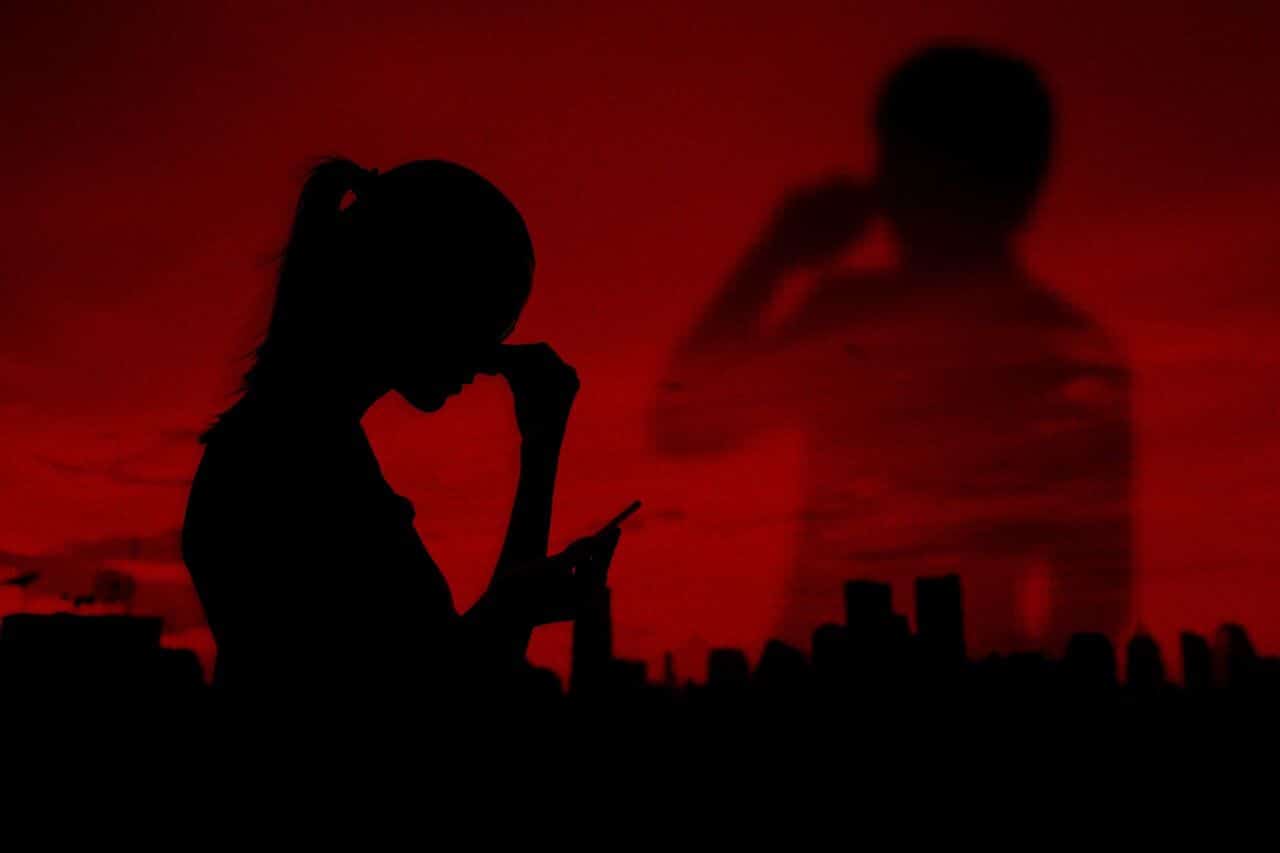
    What is most appalling in the scenarios discussed is how normally it is being engrained in our society that promoting rape or making rape jokes is a trait of masculinity. We need to understand that women and men are afraid of sharing their ordeal when they are sexually assaulted because society ridicules them instead of showing empathy. The question remains, why? Why is society not accepting of the person who has been raped? Why do we find the need to ridicule and shame them? When will people understand that it is the rapist who needs to be rebuked, punished, and questioned, not the survivor. The day our society learns to provide the strength where it is required and stand with the survivors of sexual assaults, no one will be frightened to talk about their horrific experiences. It is time to stand up for all victims.

  • Being a police officer is a thankless job

    Being a police officer is a thankless job

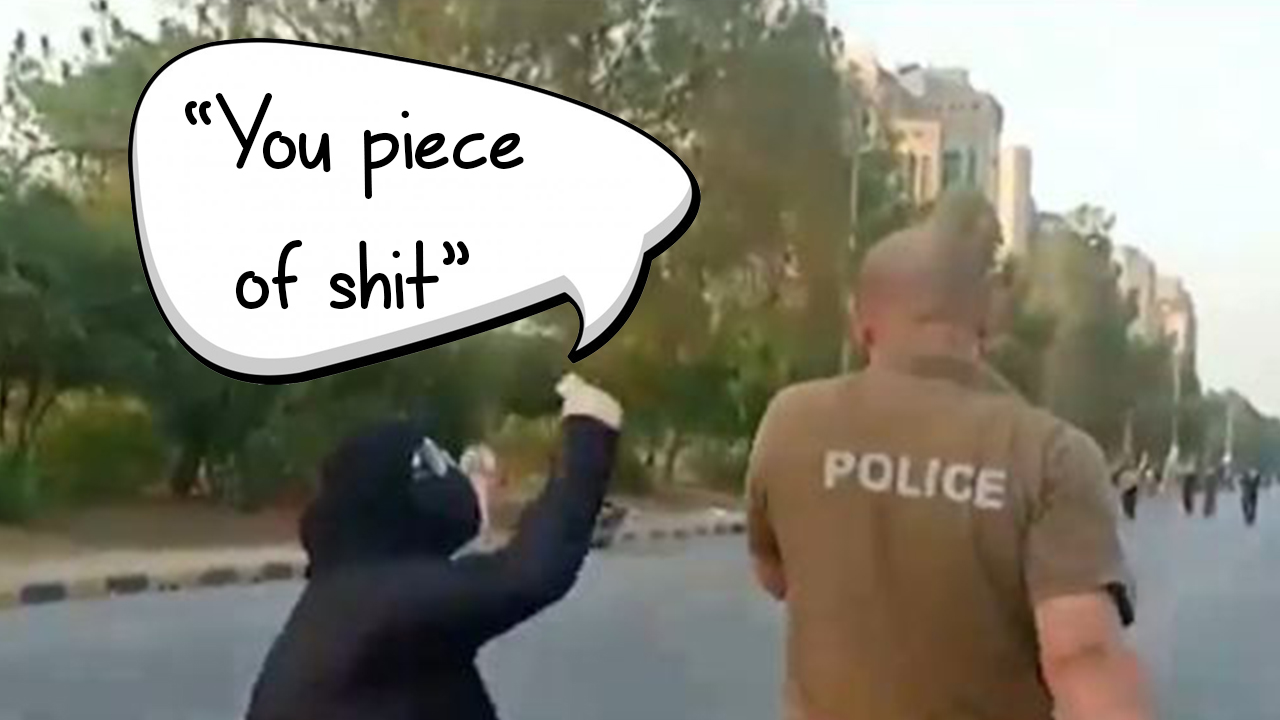
    ‘Piece of shit’ is all it took a woman to demean and disrespect a Rawalpindi constable, Muhammad Shahbaz. During Pakistan Tehreek-e-Insaf’s (PTI) ‘Azadi March’ in Islamabad, a woman wearing a black burqa repeatedly abused and shouted at a police officer for doing his job. The video went viral on social media. Though Shahbaz earned a lot of praise for showing restraint and resolve in the face of abuses hurled at him, the fact remains: why did he have to go through all this? What was the lady trying to prove? What entitled the woman to abuse the officer who was performing the very job he was assigned to do. Imagine if the police officer retaliated and did something in return. But instead of responding to the PTI supporter, the policeman in a rare display of decency and patience ignored the woman and continued walking silently along the road. Later it came to light that the enraged woman was reportedly setting fire to the trees with her companions and lost cool when she was stopped by the policeman and vented her anger on the constable in Islamabad at the time of Azadi March.

    What we witnessed on May 25 is condemnable, especially the brutal crackdown by the government on PTI leadership by using the police. The ruckus created by the government, police, and PTI supporters needs to be addressed. But why should we only blame the police for all of it? They were following orders. The government is responsible for ordering them to unleash police brutality on PTI leadership and supporters. Having said that, no one can deny that the police force is in dire need of reforms. It will take many Muhammad Shahbaz’s to show resolve in difficult and testing times. We can only hope that society learns for the better and gives credit to these officers who are out and about to protect their people. Indeed, being a police officer is a thankless job. I hope we learn to give the officers the respect and due credit they deserve.