Category: FOREIGN

  • Hometown of Imane Khelif erupts in joy after Olympic win

    Hometown of Imane Khelif erupts in joy after Olympic win

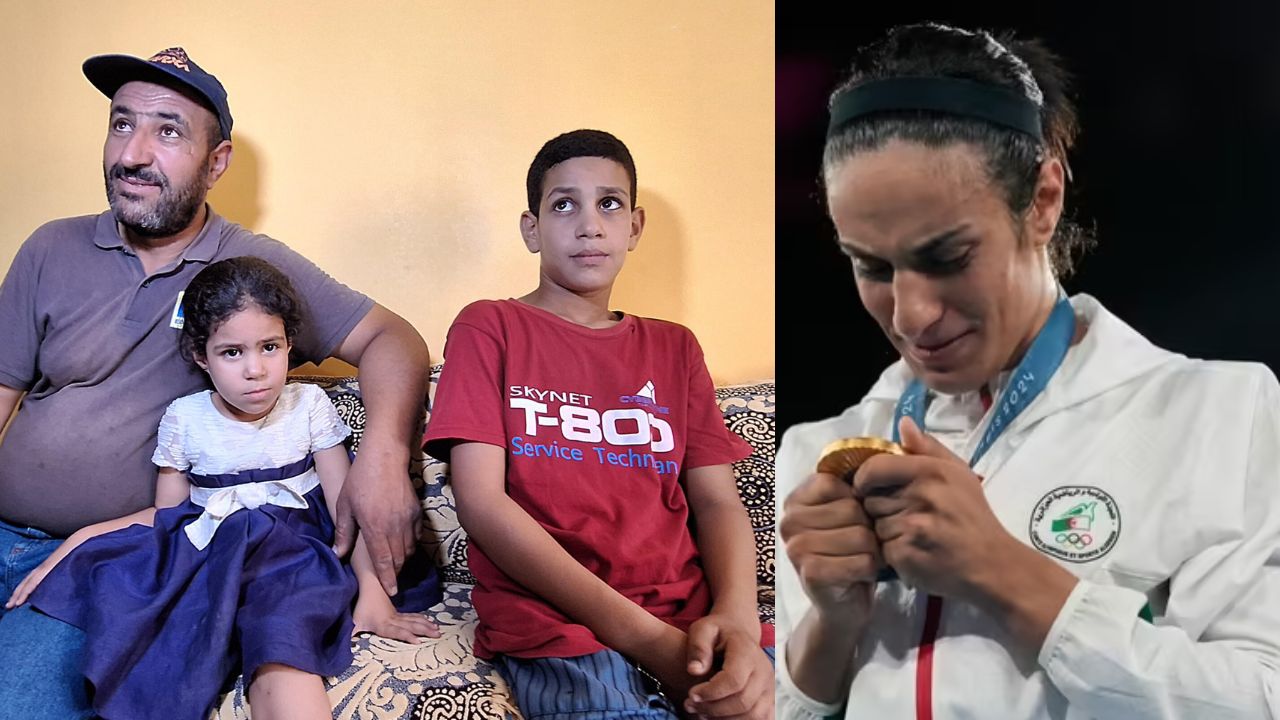
    The poor, rural hometown of Algerian boxer Imane Khelif erupted in joy on Friday as she won gold at the Paris Olympics in the face of a major gender controversy.


    Cheers of Khelif’s name and the country’s famous chant “one two three, viva l’Algerie” broke out in Biban Mesbah, a town of around 6,000 people.


    “It’s Algeria’s victory,” her father, Omar Khelif, told reporters as he watched the fight on a giant screen along with the rest of the village around 300 kilometers (185 miles) southwest of Algiers.


    Villagers fired shots into the air in honour of 25-year-old Khelif’s first Olympic medal following her victory over China’s Yang Liu in the women’s 66kg final.

    Imane after winning a Gold medal

    The jubilation also spread to the capital Algiers, where crowds invaded the city center, celebrating the victory with fireworks and a chorus of car horns.


    Algerian President Abdelmadjid Tebboune joined the celebrations on social media site X, saying: “We are all proud of you, Olympic champion Imane, your victory today is Algeria’s victory and your gold is Algeria’s gold.”

    Ahead of Khelif’s fight, hundreds of volunteers turned out in Biban Mesbah to help prepare for the big night.


    Despite scorching temperatures of 46 degrees Celsius (114 degrees Fahrenheit), the men carried out a vast clean-up operation while dozens of women were busy cooking a giant couscous.


    “We agreed to give the village a new face and breathe new life into it, with the victory of Imane Khelif,” her cousin Mounir Khelif, 36, told AFP.


    “We all helped each other, some bringing couscous, others oil and vegetables, while those who couldn’t help with provisions helped with the preparation,” said Amina Saadi, 52, a mother of six.


    “We are all united behind Imane Khelif, who has honored Algeria, that’s the least we can offer her,” she said.


    The boxer has been the victim of a social media hate campaign that portrays her as a “man fighting women.”


    “I’m a strong woman with special powers. From the ring, I sent a message to those who were against me,” she said Friday after her win.

    The gender controversy ignited in the French capital when Khelif defeated Angela Carini in 46 seconds in her opening bout, the Italian reduced to tears and abandoning the fight after suffering a badly hurt nose.


    Algerians from all walks of life have showed their solidarity with Khelif, irritated that her father was forced to show her birth certificate to journalists to prove she was born a girl.
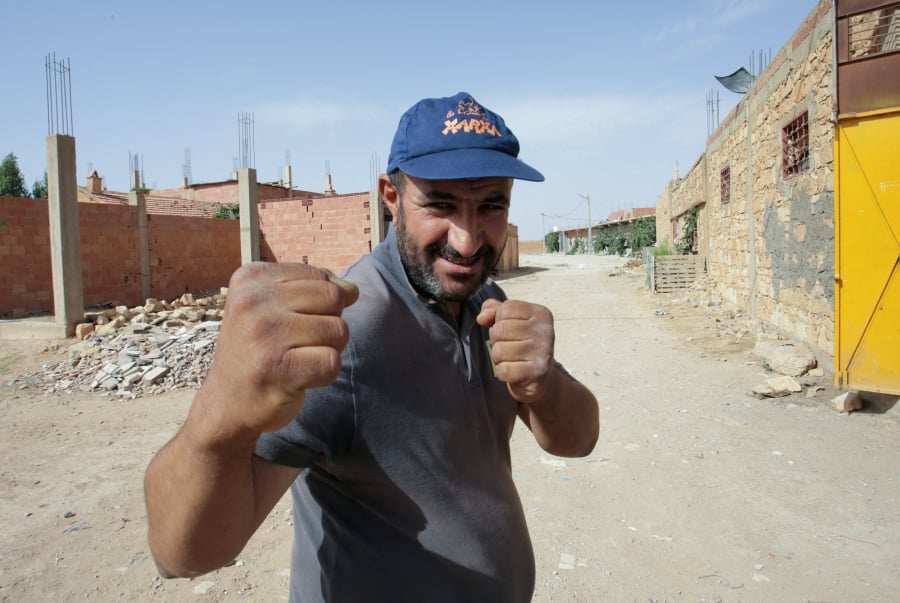
    Amar, father of Algerian boxer Imane Khelif, gestures during an interview with Reuters outside his house, in Tiaret province, Algeria, on Friday. – REUTERS PIC


    Khelif’s international career took off with her participation at the Covid-delayed Tokyo Olympics in 2021, where she finished fifth in her weight class.


    In 2023, she made it to the semifinals of the world championships in New Delhi.


    But then she was disqualified following gender eligibility testing by the International Boxing Association, which is not recognized by the International Olympic Committee and is not running the sport in Paris.


    From a family of limited means, she spoke before the Games of the difficulty of her life in “a village of conservative people” in semi-desert surroundings.
    Imane said that her father initially found it difficult to accept her boxing.
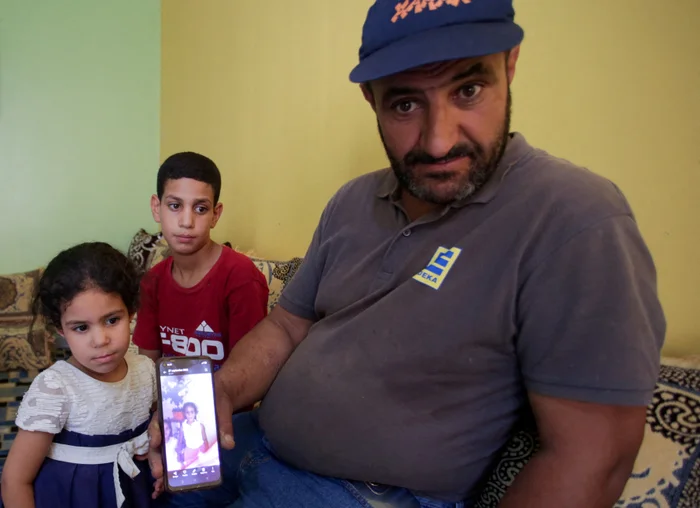
    Imane’s family


    “I came from a conservative family. Boxing is not a widely practiced sport by women, especially in Algeria,” she told Canal Algerie a month before the Games, smiling readily and her voice soft.


    In an interview with UNICEF, she said she used to sell scrap metal and her mother sold homemade couscous to pay for bus tickets to a nearby town.

  • Passenger plane crash in Brazil kills all 61 on board

    Passenger plane crash in Brazil kills all 61 on board

    An airplane carrying 57 passengers and four crew crashed Friday in Brazil’s Sao Paulo state, killing everyone on board, the airline said.


    The aircraft, an ATR 72-500 operated by Voepass airline, was traveling from Cascavel in southern Parana state to Sao Paulo’s Guarulhos international airport when it crashed in the city of Vinhedo.


    Voepass initially said the plane was carrying 58 passengers, but a statement on the airline’s website later revised the figure to 57.


    Images broadcast on local media showed a large plane spinning as it plummeted almost vertically, while other footage showed a large column of smoke rising from the crash site in what appeared to be a residential area.


    “There were no survivors,” the city government in Valinhos — which was involved in the rescue and recovery operation in nearby Vinhedo — said in an to AFP.


    Vinhedo, with about 76,000 residents, is located approximately 80 kilometers (50 miles) northwest of Sao Paulo.


    Recovery of the victims’ remains for “identification” has begun and “will continue throughout the night,” Sao Paulo State Governor Tarcisio de Freitas told reporters at the scene.


    President Luiz Inacio Lula da Silva declared three days of mourning.


    Voepass said it was cooperating with authorities to “determine the causes of the accident,” while giving full assistance to families of the victims on flight 2283.


    The plane, a twin-engine turboprop, took off “without any flight restrictions, with all its systems operational,” the company said.


    Brazil’s CENIPA aviation accident agency has launched an investigation.


    ATR, a Franco-Italian aircraft maker and Airbus subsidiary, said its experts were working to help investigators.


    Truck driver Martins Barbosa, 49, was working when he learned of the plane crash, which occurred 150 meters (500 feet) from his home.


    “I thought it might have fallen on my house, with my son inside,” he told AFP, adding he felt despondent before learning his family was okay.


    Nathalie Cicari, who lives near the crash site, told CNN Brasil the impact was “terrifying.”


    “I was having lunch, I heard a very loud noise very close by,” she said, describing the sound as drone-like but “much louder.”


    “I went out on the balcony and saw the plane spinning. Within seconds, I realized that it was not a normal movement for a plane.”


    Cicari was not hurt but had to evacuate her house, which was filled with black smoke from the crash.


    “I arrived at the scene and saw many bodies on the ground — many of them,” another witness, Ricardo Rodrigues, told local Band News.


    Firefighters, military police and state civil defense were deployed at the scene.


    Military police told local media the accident had not caused any casualties on the ground, and that the fire sparked by the crash had been brought under control.


    The plane’s black box “has already been found, apparently preserved,” Sao Paulo state security official Guilherme Derrite told reporters at the scene.


    The doomed plane recorded its first flight in April 2010, according to the website planespotters.net.


    Air safety has improved dramatically in recent decades, with deadly passenger plane crashes becoming ever-more rare worldwide, though more frequent in developing nations.


    Excluding Friday’s crash, CENIPA data shows Brazil has recorded 108 aircraft accidents so far this year, resulting in 49 deaths. Over the last ten years, 746 people have died in 1,665 accidents in the country.


    In January 2023, another ATR 72 operated by Yeti Airlines crashed after stalling in Nepal, killing all 72 on board.


    Nepalese authorities attributed the incident to pilot error.

  • US approves aid to Israeli military unit accused of killing Palestinians

    US approves aid to Israeli military unit accused of killing Palestinians

    America defends giving aid to an army unit involved in the killing of a Palestinian-American by saying Israel had already taken remedial action.

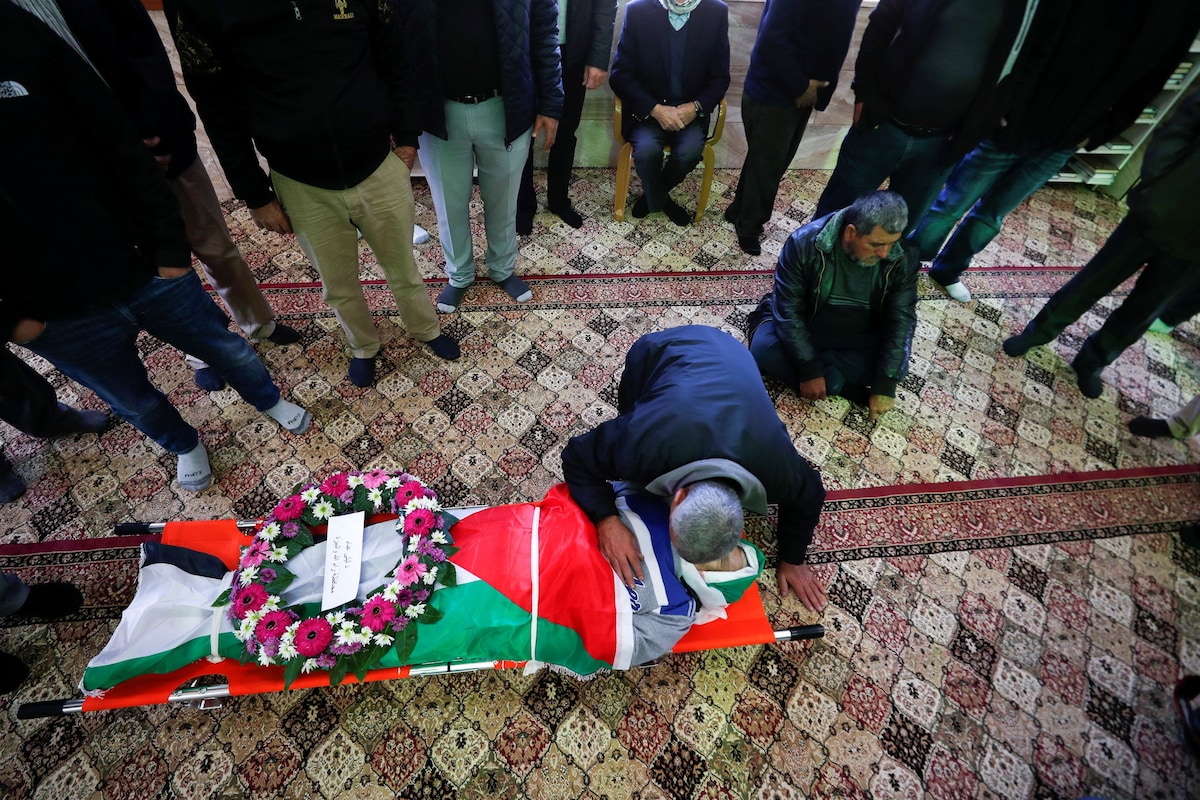
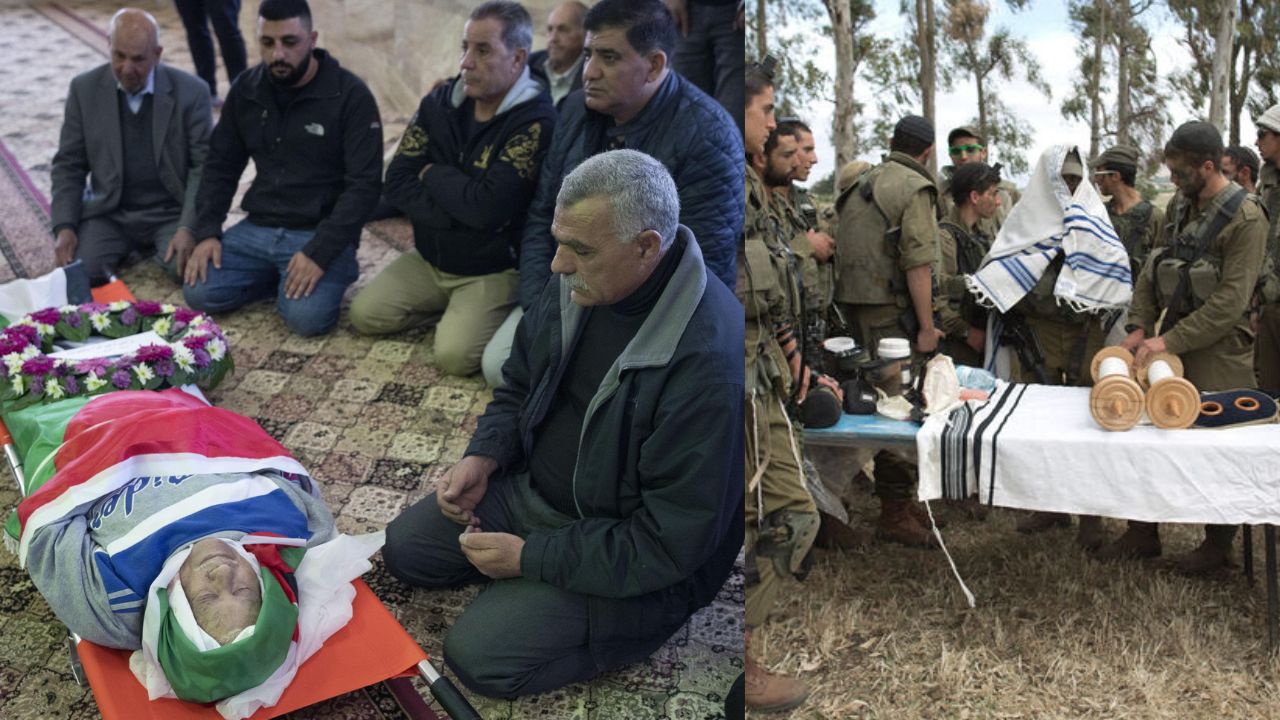
    Omar Assad, 78, a grocer who spent most of his adult life in Milwaukee, was on a return visit to the West Bank in January 2022 when he was handcuffed, gagged and blindfolded, dying after lying on the ground for more than an hour on a cold winter night.

    The incident was linked to the Israeli army’s Netzah Yehuda, a unit founded in 1999 to encourage recruits from the ultra-Orthodox community, which is largely exempt from compulsory military service.

    A State Department panel decided against imposing sanctions on the unit after being presented with information by the government of Israel, which has vocally opposed action against its military amid the ongoing war with Hamas in the Gaza Strip.

    “After thoroughly reviewing that information, we have determined that violations by this unit have also been effectively remediated,” State Department spokesman Vedant Patel said.

    “This unit can continue receiving security assistance from the United States of America,” he said.

    A US official said that two soldiers involved in the incident, while not ultimately prosecuted, were removed from combat positions and have left the military.

    The military has also taken steps “to avoid a recurrence of incidents,” including enhanced screening of recruits and a two-week educational seminar specifically for the unit.

    Experts say that Netzah Yehuda has mostly drawn ultra-Orthodox youths who see the military as a way to integrate into Israeli society. Still, it has also attracted fervent nationalists from the West Bank.

    The West Bank, which Israel has occupied since 1967, is home to three million Palestinians alongside some 490,000 Israelis living in settlements considered illegal under international law.

    The army concluded that Assad’s death was the result of “a moral failure and poor decision-making on the part of the soldiers.”

    It said Assad “refused to cooperate” when stopped by soldiers in the village of Jiljilya and that soldiers tied his hands and gagged him without checking on him later.

    It was unclear why soldiers stopped Assad. The Palestinian official news agency Wafa said he died from a stress-induced heart attack.

    Additionally, US is all set to give $3.5 billion to Israel to purchase American weapons and military equipment from a $14.1bn supplemental bill approved by Congress in April.

    “On Thursday, August 8 the Department notified Congress of our intent to obligate $3.5bn in FY 2024 Foreign Military Financing using funding provided by the Israel Security Supplemental Appropriations Act,” said a State Department spokesperson as reported by CNN.

  • Boy steals mother’s jewellery to gift iPhone to girlfriend

    Boy steals mother’s jewellery to gift iPhone to girlfriend

    A ninth-grader boy in India stole his mother’s gold jewellery to gift his girlfriend an iPhone for her birthday.

    The incident occurred in the Najafgarh area of the Indian capital, New Delhi, as per Indian media.

    The police said that on August 3, the woman filed a complaint stating that on August 2, between 8 a.m. and 3 p.m., an unknown person stole two gold chains, gold earrings, and a gold ring.

    During the investigation, the CCTV footage showed no one entering the house or leaving.

    However, the police then turned the scope of the investigation inside the house and found that one of the woman’s sons was missing.

    The investigation team then started gathering information about the boy and questioned his school friends.

    The boy’s friends told the police that he had a close friendship with a girl in his class and that the two liked each other.

    The investigation team then learned that the woman’s son had bought a new iPhone worth Rs 50,000. The team conducted several raids to search for the boy, but each time he managed to escape from the scene.


    “We received a tip-off on Tuesday that the boy would come home around 6 pm.


    However, as soon as he came home, he was taken into custody, and later, an iPhone was recovered from his possession,” the police stated.


    The young boy is a student in class 9 and studies in a private school in Najafgarh.

    The investigation further revealed that the boy had asked his mother for money to buy a gift on his girlfriend’s birthday, but due to her limited resources, the mother refused to give him the money.


    Enraged at the refusal, the boy stole the gold ornaments from the house, sold them to a goldsmith, and bought an iPhone.


    Delhi police have arrested the goldsmith and recovered the woman’s jewellery.

  • Opposites don’t attract in Russia as politics makes its mark on dating

    Opposites don’t attract in Russia as politics makes its mark on dating

    Sitting at a cafe in Moscow, Yulia swiped through a carousel of men on her phone’s dating app, trying to guess if the people in the pictures shared her views.

    “I started to include the artists that I listen to in the bio. It’s kind of a hint at my thinking,” the 21-year-old freelance photographer said, choosing her language carefully.

    Since Russia launched its full-scale military operation in Ukraine in February 2022, thousands of people have been denounced, fined or thrown in jail for expressing opposition to the conflict.

    According to opinion polls, only a minority of young people living in Russia disapprove of the offensive.

    A June poll by the independent Levada centre suggested 30 percent of 18-24 year-olds disapprove, compared with 59 percent who approve.

    For young, liberal Russians who want to avoid hooking up with hardline pro-army patriots, dating has become a minefield.

    “After 2022, I stopped giving links to any publications that I read,” Yulia said of her online dating profile.

    Gone were any articles expressing tolerance towards LGBTQ people or opposition to the Ukraine conflict — opinions that can land you in jail.

    Instead, she listed her favourite musicians as Zemfira and Monetochka, singers who have criticised Russia’s offensive in Ukraine and have been declared “foreign agents” by Moscow.

    ‘Very classy’

    The dating scene can also be tricky to navigate for those who back the offensive.

    Several groups on social media organise “patriotic meetings” for supporters of the Kremlin and military to search for potential matches offline.

    Arseny Blavatsky, a 24-year-old PR manager and self-confessed admirer of President Vladimir Putin, said he was looking for “an ideologically close partner”.

    “Since February 2022, nobody can be apolitical,” he told AFP at a speed-dating event held in a Moscow restaurant, his fourth so far.

    For Arseny, avoiding ideological conflict in a relationship is a must.

    He recalled his frustration after meeting one girl whom he called “very classy” but politically incompatible.

    “I was getting on very well with this one girl, everything was cool. On the same wavelength, the same language,” he said.

    But after Russian opposition leader Alexei Navalny died in prison in February, she became extremely upset — to his dismay.

    “She was in absolute hysterics. I told her that changed nothing between us. And she says, ‘Well, that’s it, we can’t go on’. I mean, that’s a bit rubbish, isn’t it?” he told AFP.

    After meeting a dozen girls at the speed-dating event, Arseny chose two to follow up with.

    Arseny said he doesn’t know if it’s going to work out this time.

    ‘Unexpected joy’

    To avoid encountering such differences, other young people have found partners within political movements.

    Katya Anikievich and Matvei Klestov, both 21, met in January while campaigning for Boris Nadezhdin, an opposition politician who wanted to challenge Putin in March’s presidential election.

    “Thousands of people, often my age, spoke freely. It was an unexpected joy,” Matvei said of the campaign.

    In the end, the authorities blocked Nadezhdin from running.

    But life changed for Katya and Matvei.

    Hand in hand, they have gone on to support jailed anti-offensive activists in court and taken part in gatherings to write letters to prisoners.

    “Katya shares my opinions, it makes me want to go on living,” Matvei said.

    ‘I’ll follow him’

    Maria Smoktiy and Mikhail Galyashkin also found love through politics.

    They met at a demonstration organised by the “Other Russia” party, an offshoot of the far-left National Bolshevik movement founded by the late activist and writer Eduard Limonov.

    The party backs Russia’s military operation in Ukraine. But its politics is generally more hardline than that of the government, which has sometimes brought it into conflict with the authorities.

    Maria, 18, said she gave up her Arabic studies to deliver aid to parts of eastern Ukraine controlled by Russia with the 24-year-old Mikhail, whom she called “an accomplished adventurer”.

    “When some turbulent historical events happen, you immediately realise who’s on your side and who’s on the other side,” she said, speaking to AFP in the kitchen of their small Moscow flat.

    The couple have travelled a lot in Russia and organised unauthorised demonstrations that have often landed Mikhail in prison for a few days.

    “Setting up barricades, having a family, I want to do everything with him,” Maria said, stroking a bust of Lenin on the table with one hand.

    “I’ll follow him all the way to Siberia,” she added.

    “Maria is a diamond like no other in the world,” Mikhail replied, unabashedly proud.

    But for some in Moscow, the adage that opposites attract still applies.

    Lev, a 28-year-old salesman at a patriotic bookshop in Moscow, and Yevgenia, а 20-year-old English teacher, say they found love even though they are ideologically opposed.

    A “stubborn conservative” by his own admission, Lev said he was about to marry a “liberal open to the West”.

    “She contradicts me and I often take her side,” he confessed, surprised.

  • Turkey joins South Africa’s case against Israel

    Turkey joins South Africa’s case against Israel

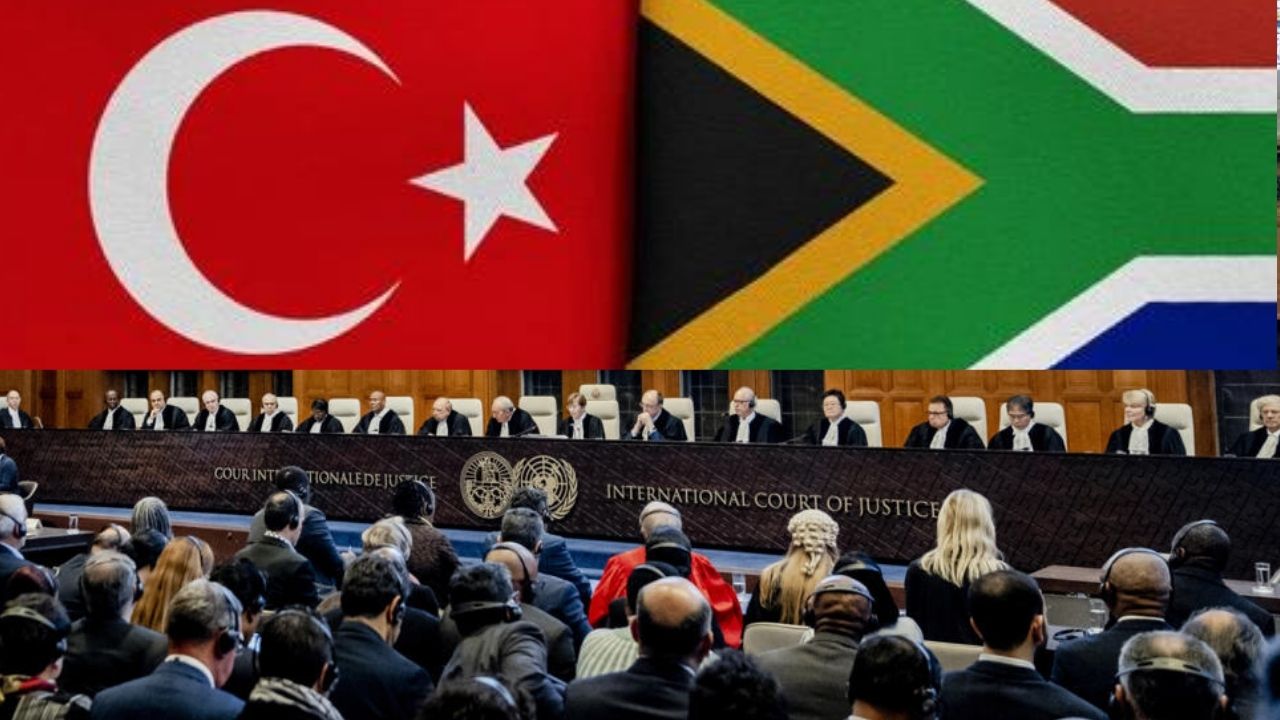
    Turkey has filed an official request to join South Africa’s genocide case against Israel in the International Court of Justice (ICJ) in the Hague.

    In a statement, the Turkish foreign ministry announced that it had decided to join the case—formally known as submitting a declaration of official intervention—and would make the necessary legal preparations.

    Turkish Foreign Minister Hakan Fidan said it had made the formal request on Wednesday.


    “The international community must do its part to stop the genocide and exert the necessary pressure on Israel and its supporters,” Fidan said in a post on X (formerly Twitter).


    “Turkiye will make every effort to do so,” he added.


    The court will make the final decision of admission to the case.


    South Africa brought its case against Israel in December, accusing it of state-led genocide in Gaza.

    To read more: All you need to know about South Africa’s genocide case against Israel at ICJ


    However, in January, the ICJ ordered Israel to refrain from any acts that could fall under the Genocide Convention and to ensure its troops commit no genocidal acts against Palestinians.


    Turkish President Recep Tayyip Erdogan said that in January, Turkiye provided documents for the case at the ICJ, also known as the World Court. In June, Spain said it had asked to intervene in the case at the ICJ.


    Israel has repeatedly dismissed the case’s accusations of genocide, claiming its right to self-defence after Oct 7 last year that killed 1,200 Israelis and foreigners. In 10 months of subsequent Israeli attack, more than 39,600 Palestinians have been martyred in Gaza. Hundreds of thousands are displaced, and most of the strip suffers from a humanitarian crisis.

  • Yunus says Bangladesh celebrating ‘second independence’

    Yunus says Bangladesh celebrating ‘second independence’

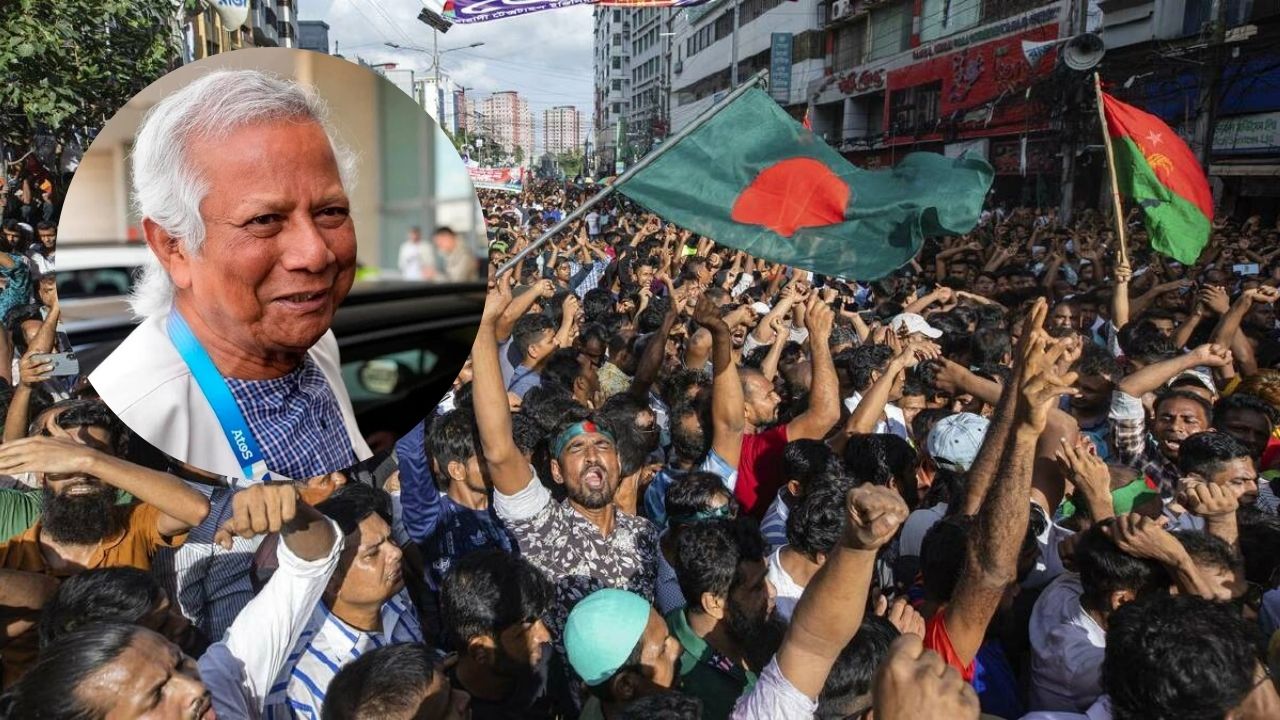
    Nobel Peace Prize winner Muhammad Yunus on Thursday paid tribute to those killed in Bangladesh’s deadly protests that toppled Sheikh Hasina’s government, saying their sacrifices had brought the nation a “second independence.”

    “Today is a glorious day for us,” he told reporters at the airport in Dhaka shortly after returning to the country to lead a caretaker government. “Bangladesh has created a new victory day. Bangladesh has got a second independence.”

    Yunus returned to Bangladesh Thursday, landing at the capital’s airport ahead of his expected swearing in to lead a caretaker government, an AFP reporter said.

  • Time to leave: Hasina’s son convinced her to flee the country

    Time to leave: Hasina’s son convinced her to flee the country

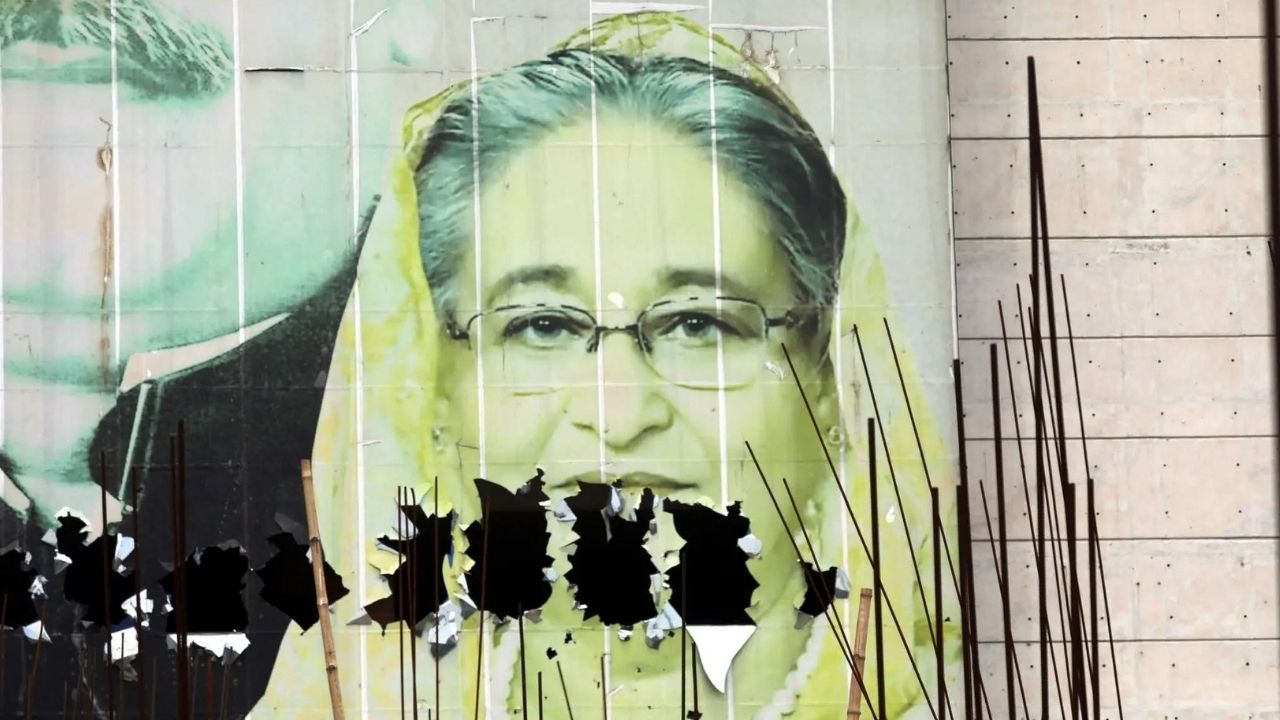
    On August 5 2024, Bangladeshi Prime Minister Sheikh Hasina fled to India as the demonstrations grew bigger and bolder.

    Ruling since 2009, her resignation was deemed as a major victory by the people of Bangladesh who, moments after she left, had barged into her palace.

    And while the protests were happening for over a month, with over 300 killed while thousands injured and arrested, what really prompted Sheikh Hasina to escape?

    The New York Times reports that until the final hours, Hasina firmly believed she could withstand the crowd gathering around her. Three sources familiar with the internal conversations disclosed that she ignored the suggestions of her security advisors, who had warned that their efforts to suppress anti-government protests had already been unsuccessful and that any additional action would lead to more violence and bloodshed.

    Her top security advisors then resorted to her family in order to dispel Sheikh Hasina’s rigidity and make her realise that, “it was the end”.

    The heads of army, police, air force, and navy came to her residence where she met with them alongside her sister, Sheikh Rehana, who had come from London just days earlier for a visit.

    Her sister spoke to Hasina in private for about 20 minutes after which she was “quiet, but still reluctant”.

    Army chief Gen. Waker-uz-Zaman, who is also a relative of Sheikh Hasina, then contacted her son, Sajeeb Wazed, living in Virginia, US, to urge him to persuade his mother to recognize the seriousness of the situation.

    “She wanted to stay, she did not want to leave the country at all,” Mr. Wazed later told Indian news channels. “We were concerned for her physical safety first. So we persuaded her to leave.”

    By then, the security personnel had estimated that Sheikh Hasina had less than an hour to leave.

    “At very short notice, she requested approval to come for the moment to India,” India’s foreign minister, S. Jaishankar told the Indian Parliament.

  • German woman to pay 600 euros as fine for using pro-Palestinian slogan

    German woman to pay 600 euros as fine for using pro-Palestinian slogan

    BERLIN: A Berlin court on Tuesday fined a woman €600 euros (1, 82, 159 rupees) for using the phrase “from the river to the sea, Palestine will be free” at a protest, in a ruling slammed as a “dark day for freedom of expression” by her lawyer.

    The 22-year-old, named only as Ava M, was found guilty of using the slogan at a banned gathering in Berlin’s Neukoelln district on October 11, according to a court spokeswoman.

    The court concluded that the woman’s use of the phrase so soon after the October 7 raid in Israel meant it “could only be understood as a denial of Israel’s right to exist and an endorsement of the attack”, the spokeswoman said.

    “From the river to the sea, Palestine will be free” is seen by some as a call for the destruction of Israel, though others say it simply appeals to equality for Palestinians and Israelis.

    German Interior Minister Nancy Faeser outlawed the phrase in November as part of a ban on the activities of Hamas.

    However, the ban is legally controversial, and courts in different parts of Germany have handed down different rulings on cases involving the phrase, with many finding it to be permissible.

    Lawyer Alexander Gorski, who represented the woman in Berlin, said it was “a dark day for freedom of expression”.

    “My client only wanted to express her hope for a future of democratic coexistence for all people in the region,” he said, adding that his client would appeal the decision.

  • Western ambassadors to skip Nagasaki memorial after Japan exclude Israel

    Western ambassadors to skip Nagasaki memorial after Japan exclude Israel

    Ambassadors from Western countries including the United States will skip a ceremony marking the 79th anniversary of the bombing of Nagasaki after Israel was snubbed, officials said Wednesday.

    Nagasaki’s mayor last week said that Israel’s ambassador Gilad Cohen was not invited to Friday’s event in the southern Japanese city because of the risk of possible protests over the Gaza conflict.

    The US and British embassies said on Tuesday that their ambassadors would not take part as a result, and that their countries would be represented by lower-ranking diplomats.

    Media reports said that Australia, Italy, Canada and the European Union, who together with the US, Britain and Germany signed a strongly worded joint letter to Nagasaki’s mayor last month, would follow suit.

    US ambassador Rahm Emanuel will not attend “after the mayor of Nagasaki politicised the event by not inviting the Israeli ambassador”, an embassy spokesperson told AFP.

    Instead Emanuel, 64, who was ex-president Barack Obama’s chief of staff, will go to a separate event at a temple in Tokyo, the spokesperson said.

    The British embassy said that ambassador Julia Longbottom would also not be in Nagasaki, saying that not inviting Israel “creates an unfortunate and misleading equivalency with Russia and Belarus — the only other countries not invited to this year’s ceremony.”

    A spokesperson for the French embassy said that its number two would attend, telling AFP that the “decision not to invite the representative of Israel is regrettable and questionable”.

    Nagasaki mayor Shiro Suzuki had said last week that the decision not to invite Cohen was “not politically motivated” but based on a desire to “hold the ceremony in a peaceful and sombre atmosphere”.

    In June Suzuki said Nagasaki had sent a letter to the Israeli embassy calling for an “immediate ceasefire” in Gaza.

    Cohen, who was invited to and attended a memorial ceremony on Tuesday in Hiroshima, last week had said the Nagasaki decision “sends a wrong message to the world”.

    “As a close friend and like-minded nation of Japan, Israel has attended this ceremony for many years to honor the victims and their families,” he wrote on social media platform X.

    On Monday Cohen told US broadcaster CNN that the security concerns were “invented” and that he was “really surprised by (Suzuki) hijacking this ceremony for his political motivations.”

    In their letter to Suzuki seen by AFP, the six Western envoys had warned that if Israel was excluded “it would become difficult for us to have high-level participation at this event.”

    Government spokesman Yoshimasa Hayashi on Wednesday declined to comment, saying invitations were “a decision for the organiser, Nagasaki City.”

    A Nagasaki official in charge of the ceremony said it was “obviously better to have high-level individuals, like ambassadors themselves, taking part”.

    “What is important is that representatives of the countries will attend the ceremony,” he told AFP.

    hih-mac-stu/kaf/mca

    © Agence France-Presse