Category: FOREIGN

  • Wildfires in south Lebanon after Israeli bombardment: media, rescuer

    Wildfires in south Lebanon after Israeli bombardment: media, rescuer

    Beirut, Lebanon: Israeli strikes Saturday on southern Lebanon sparked massive wildfires, state media and a first responder said, the latest fallout from escalating cross-border violence involving Hezbollah.

    Hezbollah has traded near-daily fire with Israeli forces in the nine months since the Gaza genocide began.

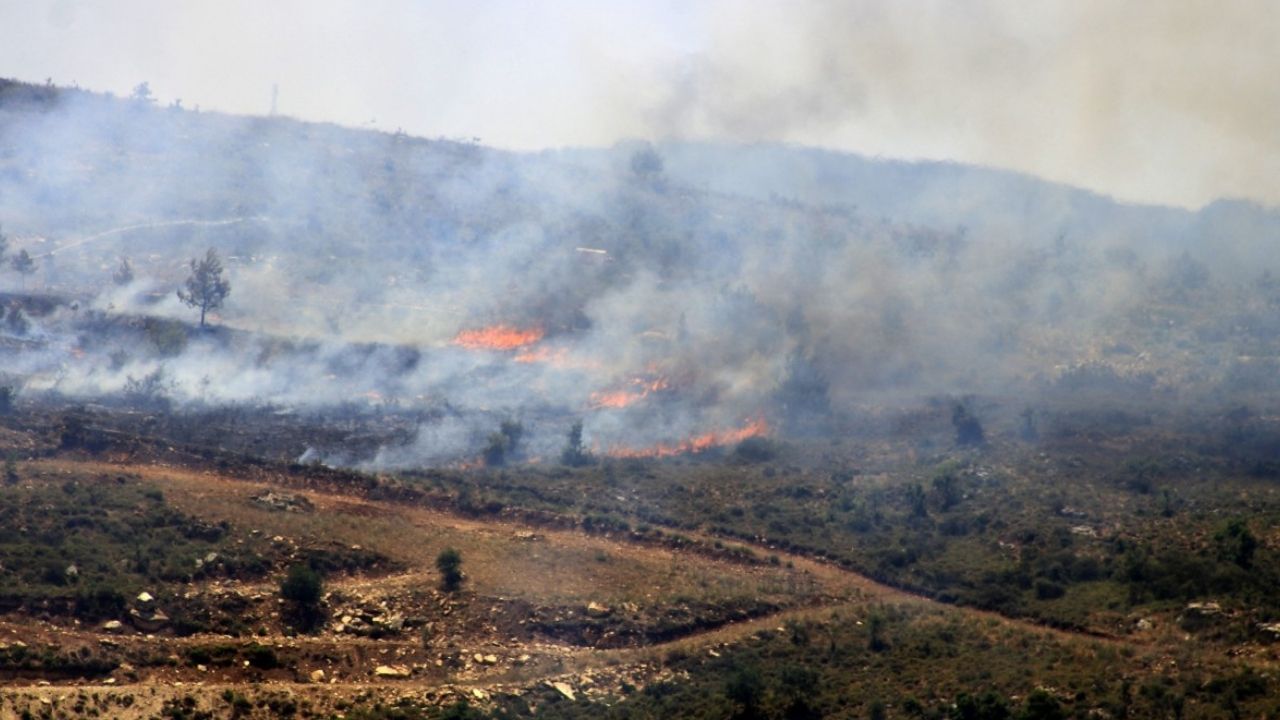
    Lebanon’s official National News Agency (NNA) said on Saturday that “Israeli artillery bombarded today the outskirts of the town of Alma al-Shaab with incendiary phosphorus shells, causing fires in the forests that spread to the vicinity of some homes”.
    Fire sweeps over fields targeted by Israeli artillery on the outskirts of the southern Lebanese village of Rmeish on June 4, 2024, amid ongoing cross-border clashes between Israeli troops and Hezbollah fighters. Photo by Kawnat HAJU / AFP.

    It added that the fire had reached “large areas of olive trees”.

    Lebanese authorities and several international rights groups have accused Israel of using white phosphorus rounds in its strikes on its northern neighbour.

    White phosphorus, a substance that ignites in contact with oxygen, can be used as an incendiary weapon.

    Its use as a chemical weapon is prohibited under international law, but it is allowed for illuminating battlefields and can be used as a smokescreen.

    Rescuer Ali Abbas of the Risala Scout association, affiliated with Hezbollah ally the Amal movement, told AFP that “Israel deliberately bombs forested areas with phosphorus with the aim of starting fires.”

    According to him, rescuers on the grounds have been struggling to extinguish the flames, while the Lebanese military avoids sending helicopters to assist for fear of more Israeli attacks.

    Further east, the NNA reported that “a large fire broke out at positions belonging to the Lebanese army and UNIFIL”, the UN peacekeeping mission, in the area of the border village of Mais al-Jabal.

    It is located near the UN-demarcated Blue Line between Lebanon and Israel.

    A security source told AFP on condition of anonymity that fires broke out near military positions but have not reached them or caused any casualties.

    The UN peacekeepers in a statement reported a “bushfire near one of their positions in Hula”, which was put out with help from Lebanese troops and civil defence forces.

    “The fire didn’t cause any damage to UNIFIL assets or personnel,” it said.

    The NNA said, “Several landmines exploded, and firefighting operations are still continuing” in the area.

    The border violence, which began on October 8, has killed 456 people in Lebanon, primarily fighters but including about 90 civilians, according to an AFP tally.

    On the Israeli side of the border, at least 15 soldiers and 11 civilians have been killed, according to the army.
  • Rahul Gandhi nominated to lead India’s opposition: party secretary

    Rahul Gandhi nominated to lead India’s opposition: party secretary

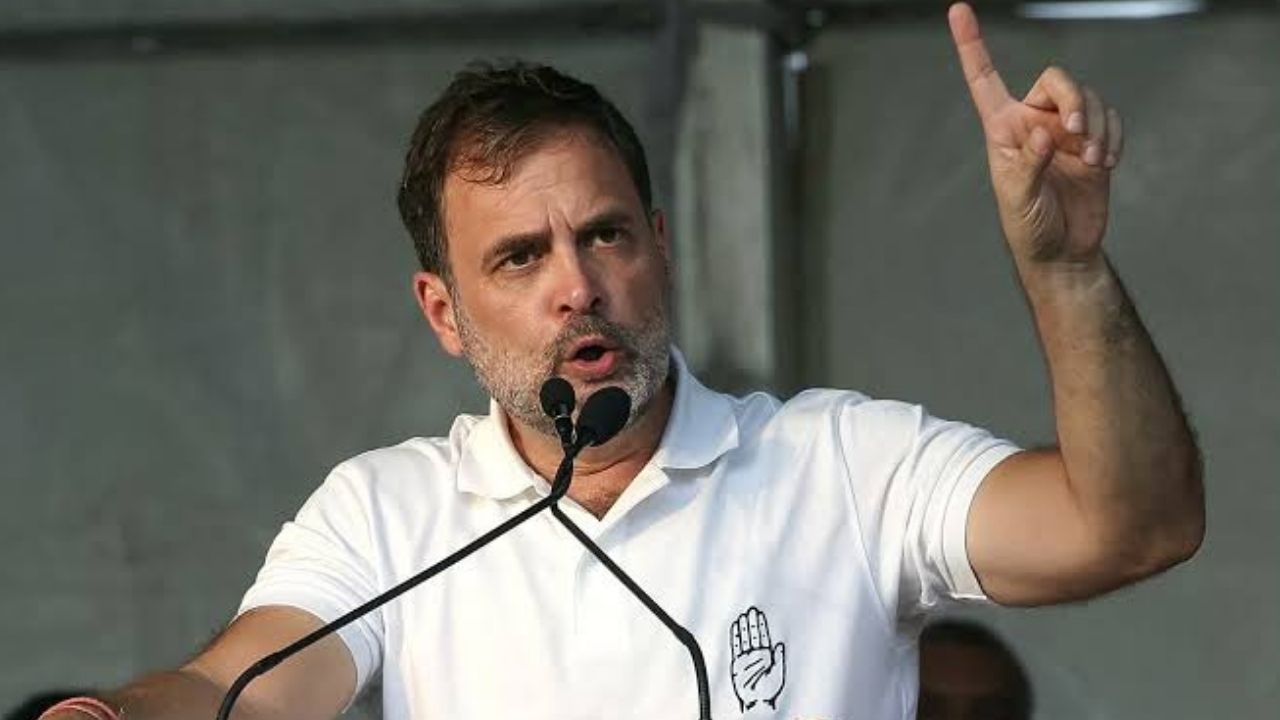
    New Delhi, India – Prime Minister Narendra Modi’s main rival Rahul Gandhi was nominated on Saturday to lead India’s opposition in the next parliament, the general secretary of Gandhi’s Congress party said.

    “All participants unanimously passed the resolution that Rahul Gandhi should take the position of leader of opposition in the parliament,” K.C. Venugopal told a news conference after a meeting of the party’s executive.

  • Nine months of genocide: Israel attacks UN school as US gives it ‘every right to attack’

    Nine months of genocide: Israel attacks UN school as US gives it ‘every right to attack’

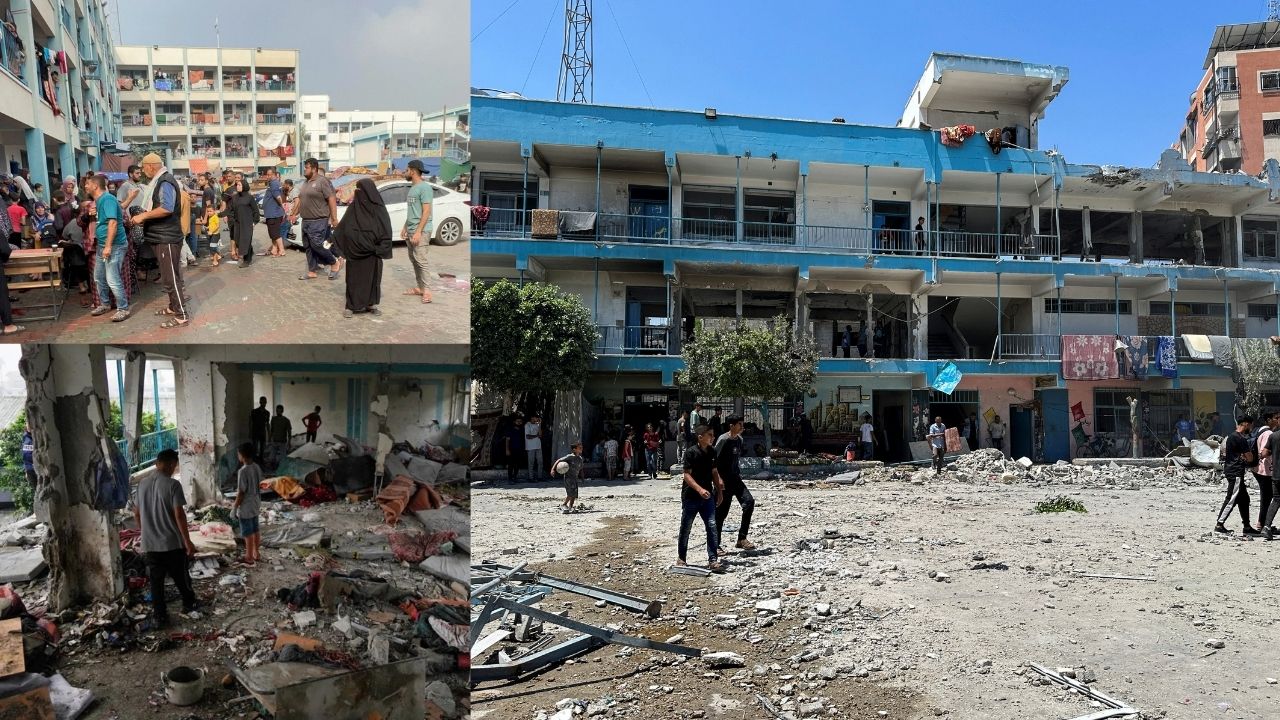
    Israeli strikes hammered a Gaza refugee camp on Friday after a deadly strike on a UN-run school, as the genocide entered its ninth month. Meanwhile, the US White House spokesperson, Mathew Miller, in a slip of the tongue, said, “Israel has a right to try and target those civilians” in response to questions about an attack on a UN school in central Gaza that killed dozens of people. 

    Asked by Anadolu about the spokesperson’s remarks, the State Department said Miller misspoke and that he intended to say “Hamas” rather than “civilians.” A footnote with the correction is expected to be added to the official department transcript of Thursday’s briefing.

    Al-Aqsa Martyrs Hospital in Deir al-Balah in central Gaza said at least 37 people were killed in Thursday’s Israeli strike on the UN-run school in Nuseirat camp.

    The Israeli army said its fighter jets killed nine “terrorists” in three classrooms where about 30 militants from Hamas and Islamic Jihad had been hiding.

    The United Nations agency for Palestinian refugees, UNRWA, said hundreds of displaced Palestinians had been sheltering at the school which was “hit without prior warning”.

    UN Secretary-General chief Antonio Guterres described the strike as “another horrific example of the price that civilians are paying”.

    Strikes across Gaza

    The United States, which provides Israel with $3.8 billion in annual military aid, urged its ally to be “fully” transparent about the strike.

    “The government of Israel has said that they are going to release more information about this strike, including the names of those who died in it. We expect them to be fully transparent in making that information public,” said State Department spokesman Matthew Miller.

    Journalist Hind Khoudary reported that Israel attacked the school late in the night when the people were asleep.

    On Friday, strikes targeted various areas across the Gaza Strip.

    A day after the school was hit, the Nuseirat refugee camp faced renewed Israeli artillery shelling and air strikes, reported AFP.

    A medical source at Al-Aqsa Martyrs Hospital said the Isa family home near a medical centre in the Bureij refugee camp was targeted, leaving several wounded.

    Witnesses also confirmed Israeli strikes in the east of Deir al-Balah, as well as intensive fire from Israeli army vehicles east of the Bureij camp, where a blaze raged at a roundabout.

    In Gaza City, casualties were reported from an Israeli missile strike on the Ashram family home near Al-Salam mosque, according to a medical source at Baptist Hospital.

    Six people were killed and several wounded in an Israeli strike on the Wafati home in Maghazi camp, said a medical source at Al-Aqsa Martyrs Hospital.

    Air force jets also targeted the Al-Sultan neighbourhood of Rafah, sources in the city on the southern border with Egypt said.

    Gaza also came under fire from the sea, with Israeli warships bombarding homes in the fishermen’s port area, among others, west of Gaza City, an AFP correspondent said.

  • George Clooney called White House to blast Biden for calling wife’s work on Israel ‘outrageous’

    George Clooney called White House to blast Biden for calling wife’s work on Israel ‘outrageous’

    Hollywood superstar George Clooney reportedly rang up one of President Joe Biden’s top aides to complain about the president’s criticism of the International Criminal Court’s (ICC) warrants against Israeli leaders — a case his wife, Amal Clooney, worked on, Washington Post has reported after talking to three people familiar with the conversation.

    Clooney called Steve Ricchetti, counselor to the president, to blast Biden’s condemnation of arrest warrants sought by ICC prosecutors for Israel Prime Minister Benjamin Netanyahu and Defense Minister Yoav Gallant and especially his use of the word “outrageous” to criticise the court’s decision.

    His wife, Amal Clooney, is an International Human Rights Lawyer and runs the Clooney Foundation for Justice. She said in a statement that the prosecutor’s office had enlisted her to help with the investigation, asking her to review evidence of suspected war crimes and provide legal analysis. The Clooney Foundation for Justice published the statement, which said the team’s legal findings were “unanimous.” ICC prosecutor Karim Khan announced on May 20 that he was seeking to charge Netanyahu, Gallant, Hamas leader Yehiya Sinwar, and two other top Hamas leaders with war crimes.


    “I do not accept that any conflict should be beyond the reach of the law, nor that any perpetrator should be above the law,” Amal Clooney wrote in the statement. “So I support the historic step that the Prosecutor of the International Criminal Court has taken to bring justice to victims of atrocities in Israel and Palestine,” she added.


    Washington Post revealed that the actor was “upset” about the administration’s initial openness to imposing sanctions on the ICC because his wife might be subjected to the penalties. Clooney has long been known for backing Democrats and is due to appear at a Biden campaign fundraiser in Los Angeles.

    The concerns expressed by the actor spread throughout Biden’s campaign as some officials were worried that he would withdraw from participating in the high-profile fundraiser, which will also feature former president Barack Obama, late-night TV host Jimmy Kimmel, and actress Julia Roberts.
    However, both the White House and Clooney declined to comment on the matter.


    In 2020, George Clooney donated more than $500,000 to Biden’s campaign effort and co-hosted a virtual fundraiser for him that raised $7 million.

  • India’s Modi readies for third term after securing coalition

    India’s Modi readies for third term after securing coalition

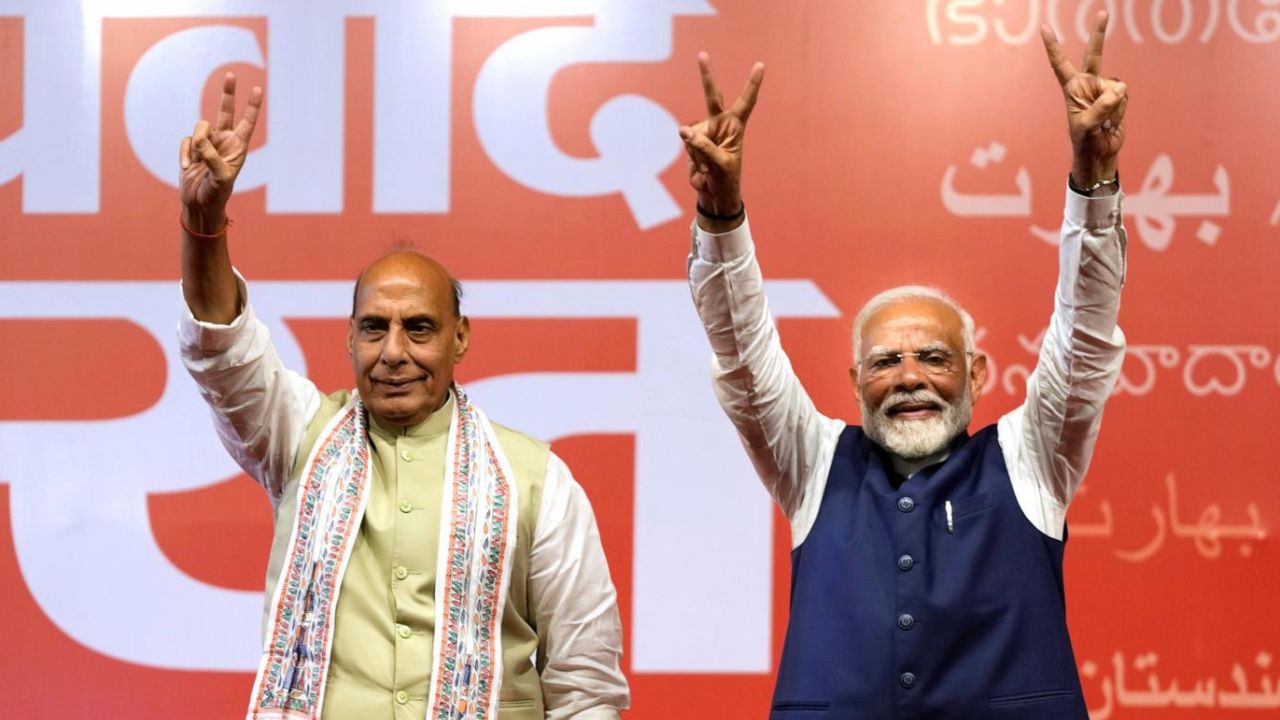
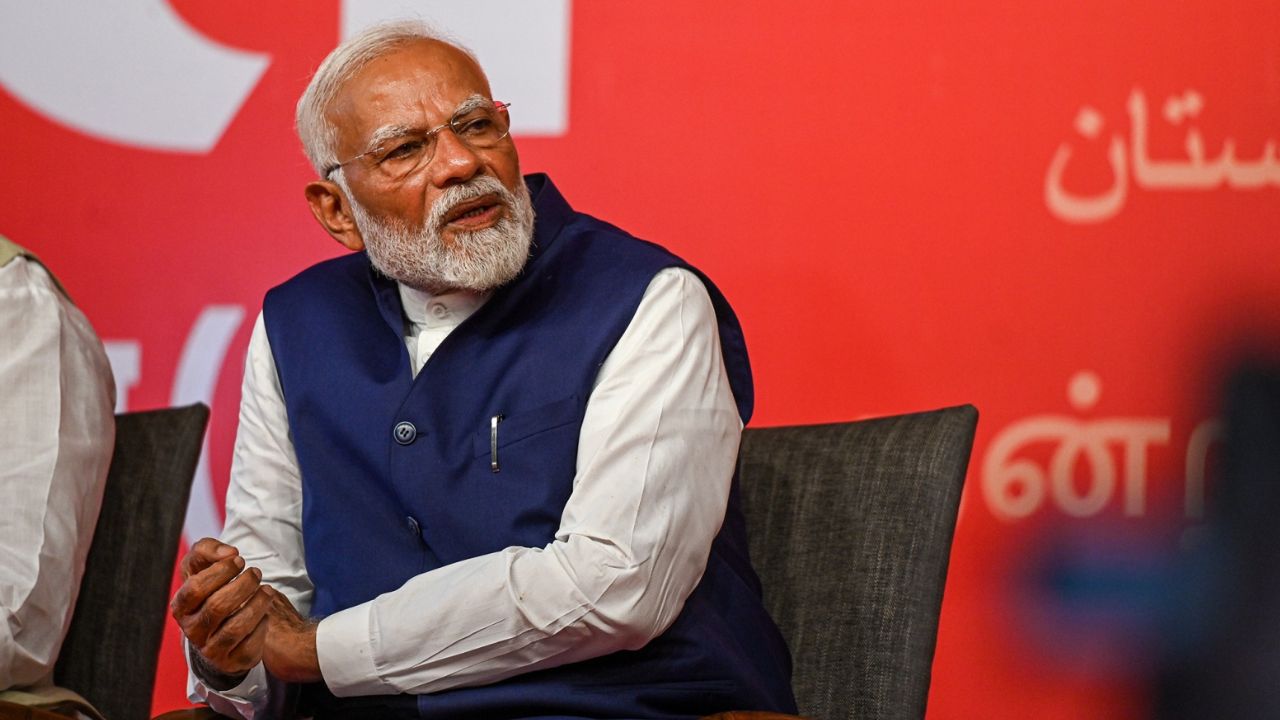
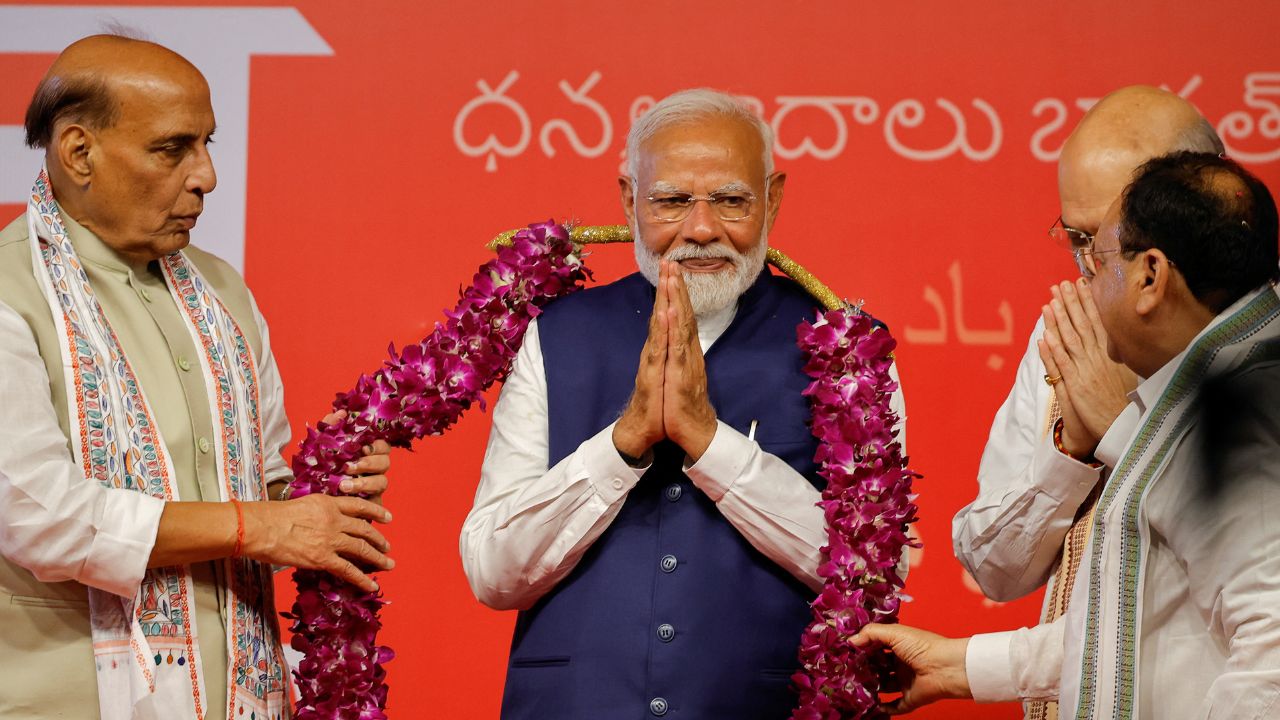
    Indian Prime Minister Narendra Modi was preparing Thursday to be sworn in for a third term after an unexpectedly close election that forced his party into a coalition government.

    Modi’s Hindu-nationalist Bharatiya Janata Party (BJP), which ruled for the past decade with an outright majority, had been expecting another landslide win.

    But results of the six-week election released Tuesday ran counter to exit polls, seeing the BJP lose its majority and sending it into quick-fire talks to lock in a 15-member coalition that would allow it to govern.

    That grouping — the National Democratic Alliance (NDA) — announced late Wednesday that they had agreed to form a government.

    “We all unanimously choose respected NDA leader Narendra Modi as our leader,” a BJP-issued alliance statement said.

    The alliance holds 293 seats in parliament, giving it control of the 543-seat body.

    Indian media reports said Modi would be sworn in as prime minister on Saturday.

    Modi’s new reliance on “the minefield of coalition politics” means he faces the prospect of a far tougher-than-expected third term, the Hindustan Times warned in its Thursday editorial.

    “Consensus building will have to be the bedrock of governance,” it added, noting the right-wing BJP will have to “recalibrate its expansion plans”.

    ‘New chapter of development’

    While Modi faces a more complicated political environment at home, he won the plaudits of leaders around the world.

    US President Joe Biden congratulated Modi on his coalition’s victory, and the State Department said the United States hoped to work with the Hindu nationalist leader on a “free and open” Asia.

    “The friendship between our nations is only growing,” Biden wrote, while French President Emmanuel Macron congratulated his “dear friend”.

    China congratulated Modi and said it was “ready to work” with its neighbour, while the coalition’s win was also applauded by Britain, the European Union, Japan and Russia.

    Modi, 73, insisted on Tuesday night that the election results were a victory that ensured he would continue his agenda.

    “Our third term will be one of big decisions and the country will write a new chapter of development,” Modi told a crowd of cheering supporters in the capital New Delhi after his win. “This is Modi’s guarantee.”

    ‘Play the coalition game’

    Commentators and exit polls had projected an overwhelming victory for Modi, who critics have accused of leading the jailing of opposition figures and trampling on the rights of India’s 200-million-plus Muslim community.

    But the BJP secured 240 seats in parliament, well down from the 303 it won five years ago and 32 short of a majority on its own.

    The main opposition Congress party won 99 seats in a remarkable turnaround, almost doubling its 2019 tally of 52.

    “Today’s masters are not as strong as they were,” Christophe Jaffrelot, a professor at King’s College London, wrote in The Hindu daily on Thursday.

    “For the first time in his political career, Narendra Modi will have to play the coalition game.”

    Congress party president Mallikarjun Kharge said the result was a vote against Modi “and the substance and style of his politics”.

    “It is a huge political loss for him personally, apart from being a clear moral defeat as well,” he told party leaders at an opposition alliance meeting.

    In a personal sting, Modi was re-elected to his constituency representing the Hindu holy city of Varanasi with a far lower margin of 152,300 votes. That compared with nearly half a million votes five years ago.

    “Elections expressed a yearning for the defence of constitutional values and citizen dignity,” Ashutosh Varshney, a political scientist at Brown University, wrote in the Indian Express on Thursday.

    Varshney argued Modi’s setback reflected concerns about what the “idea of India” meant to voters — against a backdrop of a “rise of animosities and polarisation in society, people’s concern about rights and the steeply rising inequalities”.

    bur-pjm/lb

    © Agence France-Presse

  • Tokyo govt to launch dating app to boost birth rate

    Tokyo govt to launch dating app to boost birth rate

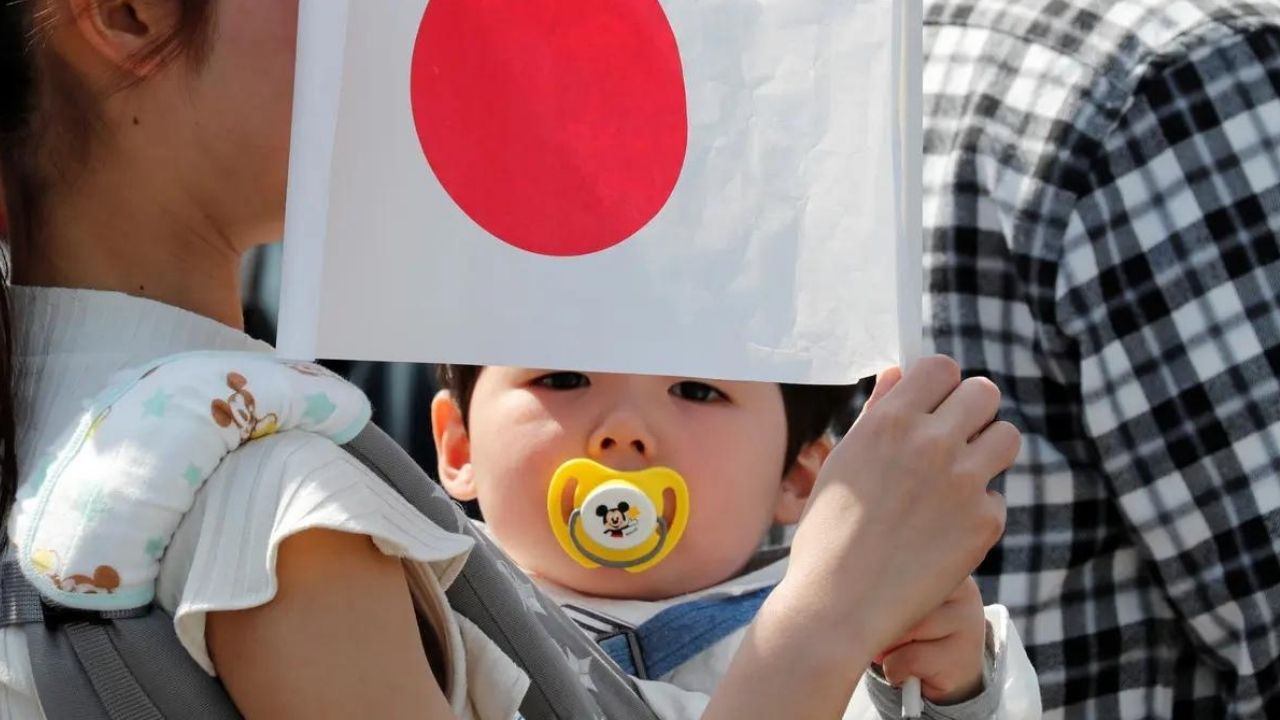
    Japan’s capital will launch its own dating app as early as this summer as part of government efforts to boost the plunging national birth rate, a Tokyo official said Tuesday.

    Users will be required to submit documentation proving they are legally single and sign a letter stating they are willing to get married.

    Stating one’s income is common on Japanese dating apps, but Tokyo will require a tax certificate slip to prove the annual salary.

    “We learned that 70 percent of people who want to get married aren’t actively joining events or apps to look for a partner,” a Tokyo government official in charge of the new app told AFP.

    “We want to give them a gentle push to find one,” he said.

    It’s not unusual for municipalities to organise matchmaking events in Japan, where births dropped to a new low in 2023, but it is rare for a local government to develop an app.

    An interview will be required to confirm a user’s identity as part of the registration process for the Tokyo app, which has been on a test run for free since late last year.

    Many social media users expressed scepticism over the plans, with one saying, “is this something the government should be doing with our tax?”

    Others wrote they were interested as they would feel safer.

    Last year Japan recorded more than twice as many deaths as new babies.

    Births fell for the eighth consecutive year to 758,631, a drop of 5.1 percent, preliminary government data showed. The number of deaths stood at 1,590,503.

    The nation is facing growing labour shortages, and Prime Minister Fumio Kishida has promised policies including financial aid for families, easier childcare access and more parental leave.

  • How Modi’s party lost its majority in India

    How Modi’s party lost its majority in India

    Indian Prime Minister Narendra Modi will remain in office but with a substantially reduced mandate, confounding expectations of a resounding victory forecast by analysts and exit polls.

    Modi’s Bharatiya Janata Party (BJP) failed to secure an outright majority for the first time since the Hindu nationalist leader swept to power a decade ago, and will instead rely on coalition allies to govern.

    AFP takes a look at the reasons why Modi and his party failed to achieve a third successive landslide win:

    Critics and rights groups accused Modi of ramping up rhetoric against Muslims to unprecedented levels during his campaign in a bid to mobilise the Hindu majority.

    At his rallies, he referred to Muslims as “infiltrators”, and claimed the main opposition Congress party would redistribute the nation’s wealth to Muslims if it won.

    But the strategy failed to galvanise Hindu voters behind the BJP, while also solidifying minority communities’ support for the opposition.

    The BJP’s vote share dropped nearly one point to 36.6 percent from the last election five years ago, translating in India’s electoral system into a drop from 303 to 240 seats in the 543-member parliament.

    Numerous voters over the course of the election told AFP that they were more concerned with India’s chronic unemployment problem than with the government’s ideological agenda.

    “People were concerned about livelihood, unemployment, price rises,” Nilanjan Mukhopadhyay, the author of a Modi biography, told AFP.

    “They did not relate to what Modi and the BJP were saying.”

    For the first time in 15 years, Modi’s party failed to win the most seats in Uttar Pradesh, India’s most populous state and a bellwether for national elections.

    Uttar Pradesh is the heartland of India’s majority faith, with widespread support for Modi’s Hindu-nationalist agenda, and had for the past decade formed the bedrock of the BJP’s parliamentary strength.

    But an alliance of opposition parties who had competed against each other in past polls saw BJP candidates face stronger rivals, who ultimately won more than half of the state’s seats.

    Modi won his seat in the state, representing the Hindu holy city of Varanasi, by just 152,000 votes — compared to a victory margin of nearly half a million votes in 2019.

    Spectacularly, the BJP’s candidate lost in the constituency representing Ayodhya, despite Modi in January inaugurating a divisive Hindu temple built on the grounds of a razed mosque there.

    “The opposition managed to put a sword back to him and Uttar Pradesh has shown resistance to his brand of politics,” political scientist Ramu Manivannan of the University of Denver told AFP.

    The BJP’s electoral strategy was premised on increasing its parliamentary majority by gaining ground in India’s wealthier and better-educated southern states.

    Modi made repeated whistlestop tours through the south where he affirmed his “topmost respect” to local culture.

    He also embarked on a 48-hour meditation ritual in the southern coastal town of Kanyakumari last week when the vote was nearly over.

    But the premier’s relentless campaigning did not translate into significant gains where they were needed.

    The party failed to win a single seat in Tamil Nadu state — almost as populous as Germany with 84 million people — and won just one constituency in neighbouring Kerala, with a population of 35 million.

    Manivannan said that “ideological resistance in the south” had played its part in the BJP’s lacklustre result.

    Southern voters have typically backed regional parties strongly rooted in appeals to social justice policies and opposed to the BJP, and Modi’s muscular Hindu-first ideology has held little appeal.

  • India’s Modi in talks with allies after close election win

    India’s Modi in talks with allies after close election win

    Indian Prime Minister Narendra Modi’s party was in talks with key allies to form a government Wednesday, after failing to secure an outright majority for the first time since sweeping to power a decade ago.

    Party leaders across the political spectrum were attempting to shore up their positions and bolster alliances, a day after the surprise setback to Modi’s right-wing Bharatiya Janata Party (BJP).

    The release of the results on Tuesday upended conventional wisdom throughout the six-week election that Modi’s Hindu nationalist agenda would power him to a landslide win, and he faces the prospect of a far tougher-than-expected third term.

    “It will force Modi to take the point of view of others — we shall see more democracy and a healthy parliament,” said Nilanajan Mukhopadhyay, who has written a biography of Modi.

    “He will have to be a leader that he has never been; we will have to see a new Modi.”

    Modi’s BJP lost the outright parliamentary majority it had enjoyed during its first two terms but is still expected to be able to form a government, leading an alliance of smaller parties.

    “India cuts Modi down,” The Telegraph daily, from the opposition stronghold state of West Bengal, splashed across its front page.

    “Coalition Karma,” the headline of India’s Mint newspaper read.

    While a government has yet to be formed, rival China congratulated Modi on Wednesday and said it was “ready to work” with its neighbour, while Japan also applauded the “ruling coalition” on its win.

    Modi, 73, insisted on Tuesday night that the election results were a victory that ensured he would be able to continue his agenda and his Hindu faithful celebrated across the country.

    “Our third term will be one of big decisions and the country will write a new chapter of development,” Modi told a crowd of cheering supporters in the capital New Delhi late Tuesday. “This is Modi’s guarantee.”

    BJP supporters on the streets of New Delhi pointed out their party had secured the most seats and toasted that win.

    “We are so happy about the results,” said 36-year-old office worker Archana Sharma.

    She said she was “looking forward to supporting Modi and BJP” in the future, too.

    Govind Singh, 38, an optometrist, said “having a strong opposition is necessary” but added that it was better to have a government with a parliamentary majority.

    “Having a full mandate is essential for any country”, he said.

    The BJP secured 240 seats in parliament, well down on the 303 from five years ago and 32 seats short of a majority.

    The main opposition Congress party won 99 seats in a remarkable turnaround, almost doubling its 2019 tally of 52.

    “The country has said to Narendra Modi ‘We don’t want you’,” opposition leader Rahul Gandhi told reporters after the results were released, saying people had given “the right response”.

    Commentators and exit polls had projected an overwhelming victory for Modi, who critics have accused of leading the jailing of opposition figures and trampling on the rights of India’s 200-million-plus Muslim community.

    In a personal sting, Modi was re-elected to his constituency representing the Hindu holy city of Varanasi with a far lower margin of 152,300 votes. That compared with nearly half a million votes five years ago.

    Now dependent on coalition partners, the BJP must seek consensus to push its policies through parliament.

    “The lurking possibility of them using their leverage, encouraged further by feelers from Congress and others in the opposition, is going to be a constant worry for BJP,” the Times of India reported.

    Modi now has to “suffer the fate of working with an alliance partner… who could pull the plug at any time”, said Hartosh Singh Bal, the political editor of The Caravan magazine in New Delhi.

    Stocks slumped Tuesday on speculation the reduced majority would hamper the BJP’s ability to push through reforms.

    Shares in the main listed unit of Adani Enterprises — owned by key Modi ally Gautam Adani — nosedived 25 percent, before rebounding slightly.

    Modi’s opponents fought against a well-oiled and well-funded BJP campaign machine, and what they say are politically motivated criminal cases aimed at hobbling challengers.

    Many of India’s Muslim minority are increasingly uneasy about their futures and their community’s place in the constitutionally secular country.

    Modi himself made several strident comments about Muslims on the campaign trail, referring to them as “infiltrators”.

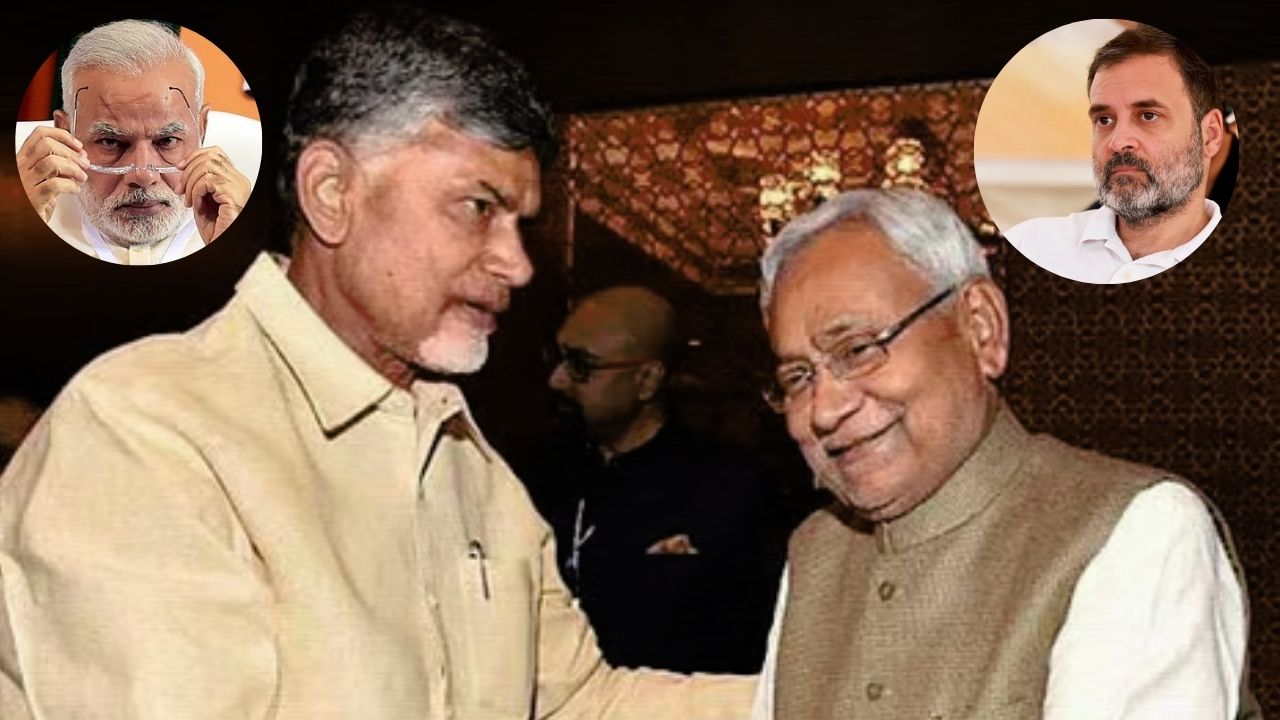
  • Who are Nitish Kumar and Chandrababu Naidu? And why is Indian twitter teasing Modi about them?

    Who are Nitish Kumar and Chandrababu Naidu? And why is Indian twitter teasing Modi about them?

    Indian Prime Minister Narendra Modi, contrary to popular expectations, is seeing a major blow in the elections. The strongman of the right-wing Hindutva BJP, seeking a third term as Premier, could not get a clear majority. While his opponents are celebrating the unexpected result, Indian Twitter is having a riot about Nitish Kumar and Chandrababu Naidu, who have emerged as key players in the elections. The two politicians are popular for their secular leanings yet are known for changing their positions frequently.

    Indian publications like NDTV are making headlines, such as “Lok Sabha Election 2024 Result: India Congress may send feelers to Chandrababu Naidu, Nitish Kumar.”

    The leading coalitions- that of Narendra Modi’s National Democratic Alliance (NDA) and Rahul Gandhi’s Indian National Development Inclusive Alliance (INDIA)-are trying to include the two in their bloc.

    Kumar and Naidu have traditionally allied with the Congress and are meeting with them today. Meanwhile, Twitter users are having a riot with memes.

    A user posted a video of a movie scene in which a man is busy with several incoming calls, with the caption “Nitish Kumar right now.”

    Another netizen made fun by using a scene from Johny Lever’s movie where he could be seen telling another character that even though I am looking elsewhere, my heart belongs to you.

    An X user quoted the famous Shahrukh Khan reference of “Palat” as the voice of INDIA.

    Another account posted a video of a man lured by two ladies at the same time and suggested that this could be Nitish at the moment.

    Another meme that is gaining a lot of traction is of Gandhi smiling, quoting, “Aa gaya sawaad.”

  • Top UK universities face funding and foreign student shortage

    Top UK universities face funding and foreign student shortage

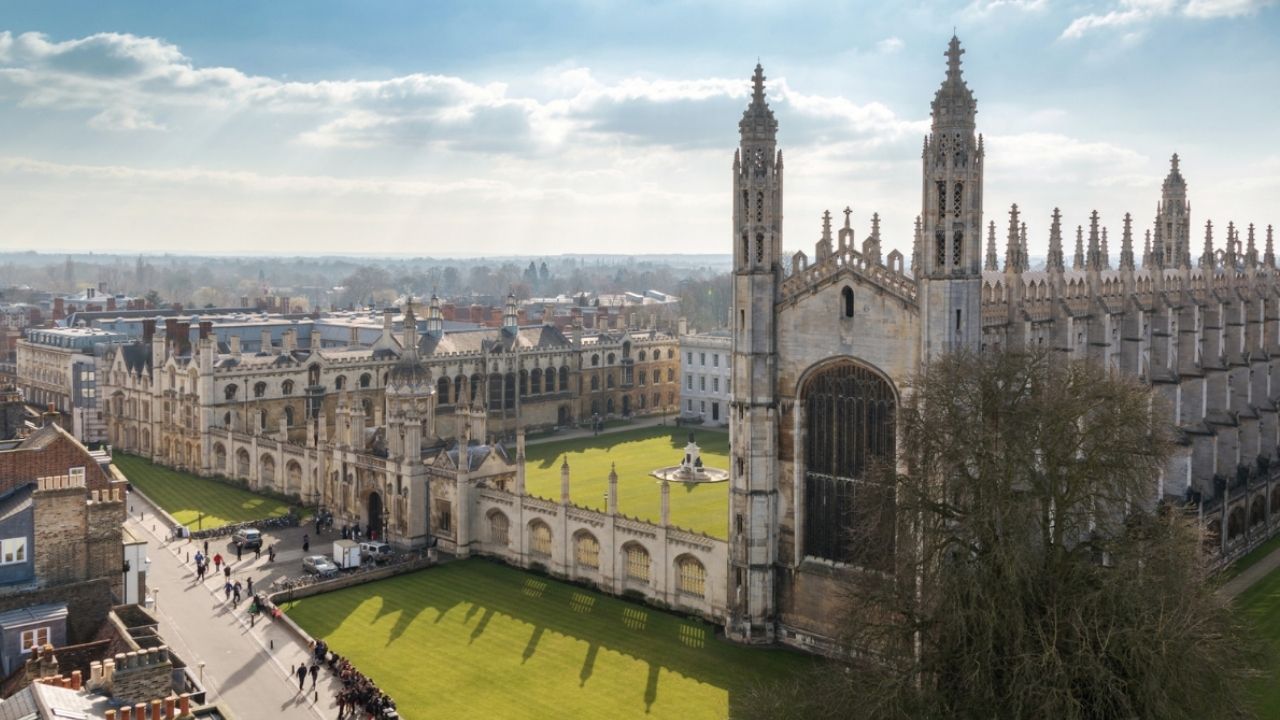
    Some of UK’s top universities could see their attractiveness decline due to hits to funding and tighter regulations on overseas students, the annual QS 2025 university rankings warned on Tuesday.

    Four British universities retained their spots in the top 10 of more than 1,000 universities ranked by Quacquarelli Symonds (QS), a benchmark ranking alongside the Times and Shanghai Jiao Tong University.

    Imperial College London, renowned for its science teaching, shot up from sixth to second place, dethroning for the first time the historically dominant “Oxbridge” duo, with Oxford and Cambridge ranking third and fifth respectively.

    More than half (52) of the UK’s universities were bumped down on the list, out of the 90 that were part of the ranking.

    “This year’s results suggest that British higher education has limited capacity remaining to continue excelling in the face of funding shortages, drops in student applications,” and restrictions affecting the intake of international students, said head of QS Jessica Turner.

    In the last few months, the Conservative government has introduced several measures to reduce regular migration which it judges to be too high.

    These including barring overseas students from bringing dependents and hiking the minimum salary needed for skilled workers visas.

    The policies have been criticised by universities, whose budgets are heavily dependent on the higher fees paid by international students.

    In the first four months of the year, 30,000 fewer student visa applications were made than in the same period in 2023, according to government statistics.