Category: FOREIGN

  • Mexican mayor killed day after Sheinbaum presidential win: regional govt

    Mexican mayor killed day after Sheinbaum presidential win: regional govt

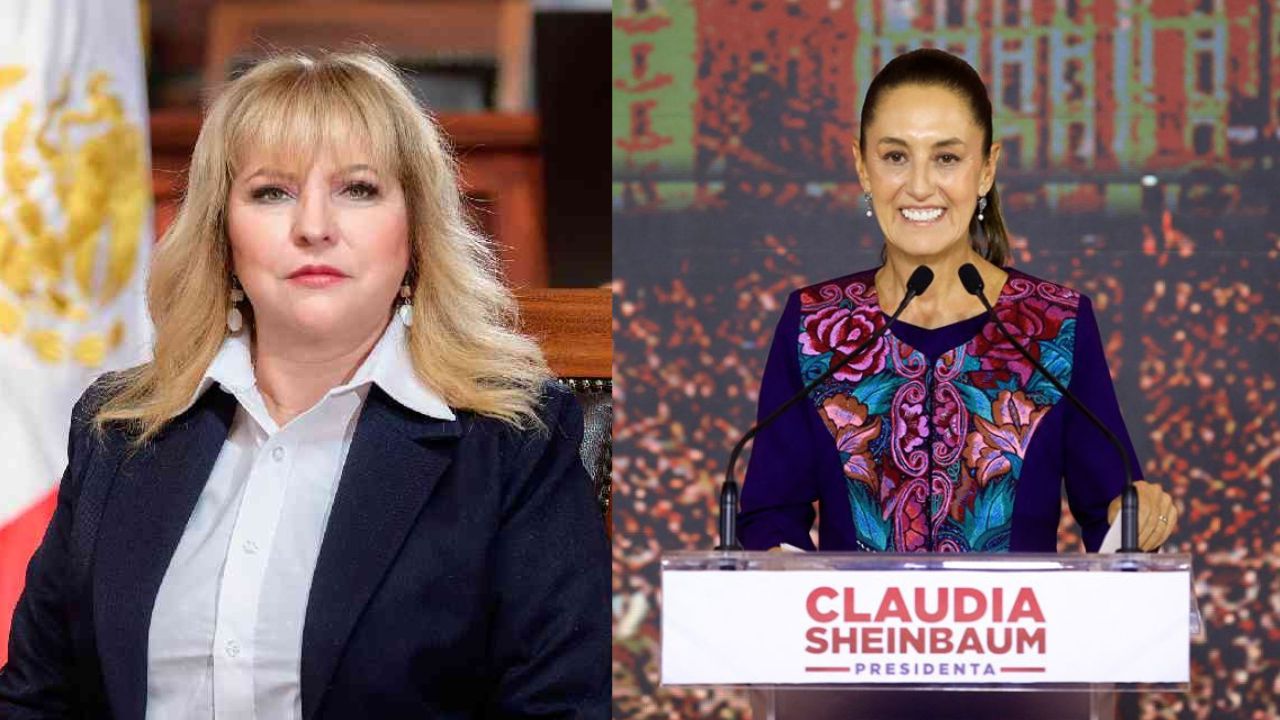
    The mayor of a town in western Mexico was killed on Monday, the regional government said, barely 24 hours after Claudia Sheinbaum was elected the Latin American country’s first woman president.

    The Michoacan state government condemned “the murder of the municipal president (mayor) of Cotija, Yolanda Sanchez Figueroa”, the regional interior ministry said in a post on the social media platform X.

    The murder of the woman mayor comes after Sheinbaum’s landslide victory injected hope for change in a country riven by rampant gender-based violence.

    Sanchez, who was elected mayor in 2021 elections, was gunned down on a public road, according to local media.

    Authorities have not given details on the murder, but said a security operation had been launched to arrest the killers.

    The politician was previously kidnapped in September last year while leaving a shopping mall in the city of Guadalajara in the state of Jalisco, which neighbors Michoacan.

    Three days later the federal government said she had been found alive.

    According to local media reports at the time, the kidnappers belonged to the powerful Jalisco Cartel – New Generation (CJNG), who allegedly threatened the mayor for opposing the criminal group’s takeover of her municipality’s police force.

    Michoacan is renowned for its tourist destinations and a thriving agro-export industry, but is also one of the most violent states in the country due to the presence of extortion and drug trafficking gangs.

  • Japan’s Nagasaki holds off inviting Israel to peace ceremony

    Japan’s Nagasaki holds off inviting Israel to peace ceremony

    The Israeli ambassador to Japan has not yet been invited to Nagasaki’s annual peace ceremony, said city officials who instead sent the embassy a letter calling for a Gaza ceasefire.

    The city in southern Japan this week invited dozens of countries and territories to the August 9 event on the anniversary of the US nuclear attack in 1945 that killed 74,000 people.

    But “as for Israel, the situation is changing day by day… so we have put sending an invitation letter on hold,” mayor Shiro Suzuki told reporters on Monday.

    Israel launched a blistering military offensive in Gaza nearly eight months ago, following an attack by Palestinian militant group Hamas on the country.

    Worries that protests could disrupt the memorial for atomic bomb victims are partly behind the decision, said Suzuki.

    “Given the critical humanitarian situation in Gaza, and public opinion in the international community, there are concerns about the risk of unexpected incidents during the ceremony,” which should be “safe and smooth”.

    “As the Ukraine situation has not changed, we are not inviting Russia or Belarus” either, Suzuki added.

    The Hamas attack on October 7 resulted in the death of 1,194 people in Israel, most of them civilians, according to an AFP tally based on official Israeli figures.

    More than 36,470 Palestinians, mostly civilians, have been killed in the Gaza Strip since the war broke out, according to data provided by the health ministry of Hamas-run Gaza.

    The Palestinian envoy has been invited to the ceremony in Nagasaki, local officials told AFP on Tuesday. Japanese media said that both sides are usually invited.

    Nagasaki, Hiroshima ceasefire push

    Nagasaki has instead sent a letter to the Israeli embassy in which “we call for an immediate ceasefire”, Suzuki said.

    Its letter said that if city officials decide in the coming months that there is no problem in inviting Israel, “we will issue an invitation swiftly”, according to the mayor.

    The Israeli embassy did not immediately issue a comment.

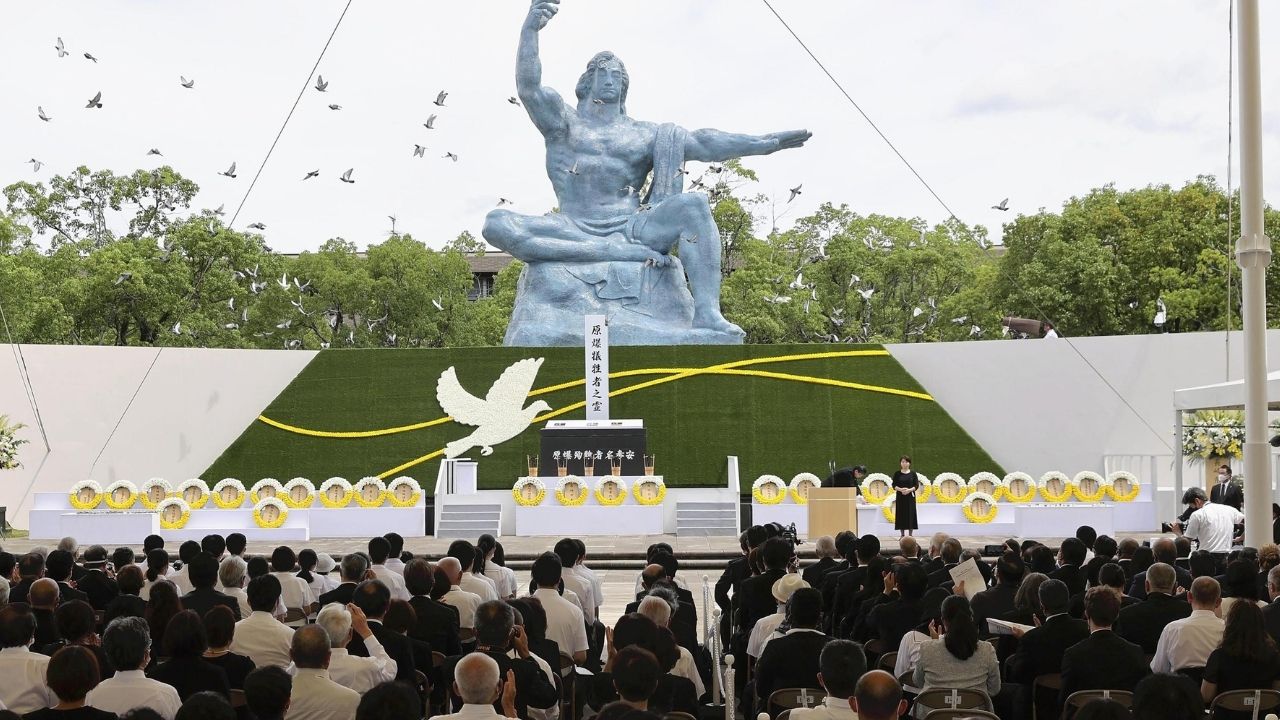
    The sombre memorial at Nagasaki’s Peace Park has in the past included ringing bells, a release of doves, and a prayer ceremony for the bombing victims.

    Hiroshima also holds a yearly ceremony in memory of the 140,000 people killed there after the United States dropped the first nuclear bomb on August 6, 1945.

    The two strikes led to the end of World War II, and to this day Japan remains the only country to be hit by atomic weapons in wartime.

    Hiroshima has invited Israel to this year’s ceremony, but in its letter called for a “ceasefire as soon as possible and resolution through dialogue”, a city official said.

    According to local media, Hiroshima has never invited a Palestinian representative to its ceremony.

  • Modi: tea seller’s son who became India’s populist hero

    Modi: tea seller’s son who became India’s populist hero

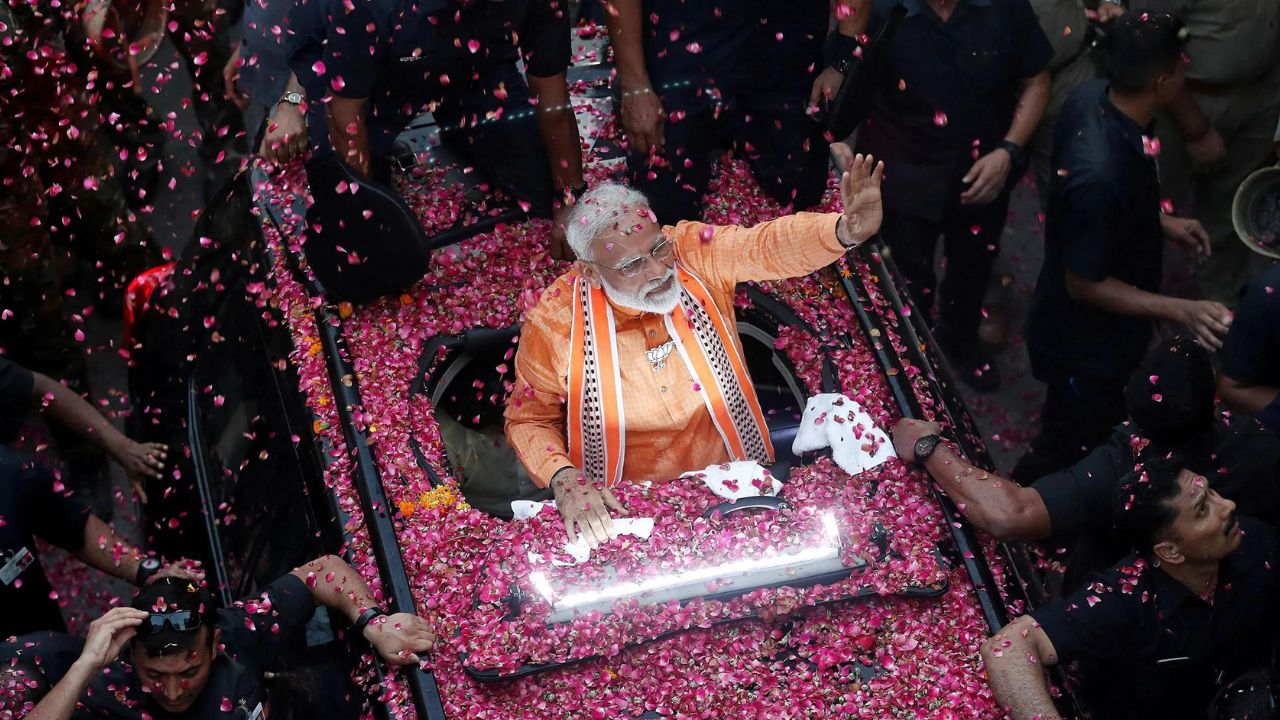
    Once shunned and now eagerly courted by the West, Prime Minister Narendra Modi has steered India away from its secular traditions and towards the Hindu-first politics he has championed for decades.

    Modi’s political ascent was marred by allegations of his culpability in India’s worst religious riots this century, and his tenure has dovetailed with rising hostility towards Muslims and other minorities.

    But a decade after first sweeping to national office, the 73-year-old is also consistently ranked among the world’s most popular leaders.

    Supporters revere his tough-guy persona, burnished by his image as a steward of India’s majority faith and myth-making that played up his modest roots.

    “They dislike me because of my humble origins,” he said in rallies ahead of the last elections, lambasting his opponents.

    “Yes, a person belonging to a poor family has become prime minister. They do not fail to hide their contempt for this fact.”

    Modi was born in 1950 in the western state of Gujarat, the third of six children whose father sold tea at a railway station.

    An average student, his gift for rousing oratory was first seen with his keen membership of a school debate club and participation in theatrical performances.

    But the seeds of his political destiny were sown at the age of eight when he joined the Rashtriya Swayamsevak Sangh (RSS), a hardline nationalist group.

    Modi dedicated himself to its cause of promoting Hindu supremacy in constitutionally secular India, even walking out of his arranged marriage soon after his wedding aged 18.

    Remaining with his wife — whom he never officially divorced — would have hampered his advancement through the ranks of the RSS, which expected senior cadres to stay celibate.

    The RSS groomed Modi for a career in its political wing, the Bharatiya Janata Party (BJP), which through the 1990s was growing into a major force.

    He was appointed chief minister of Gujarat in 2001 but the following year the state was rocked by sectarian riots, sparked by a fire that killed dozens of Hindu pilgrims.

    At least 1,000 people were killed in the ensuing violence, with most of the victims Muslims.

    Modi was accused of both helping stir up the unrest and failing to order a police intervention.

    Modi later told a BBC reporter that his main weakness in responding to the riots was not knowing “how to handle the media”.

    A probe by India’s top court eventually said there was no evidence to prosecute Modi, but the international fallout saw him banned from entering the United States and Britain for years.

    However, it was a testament to India’s changing political tides that his popularity only grew at home.

    He built a reputation as a leader ready to assert the interests of Hindus, who he contended had been held back by the secularist forces that ruled the country almost continuously since independence from Britain.

    Critics have sounded the alarm over a spate of prosecutions directed at Modi’s political rivals and the taming of a once-vibrant press.

    India’s Muslim community of more than 200 million is also increasingly anxious about its future.

    Modi’s rise to the premiership was followed by a spate of lynchings targeting Muslims for the slaughter of cows, a sacred animal in the Hindu tradition.

    But Western democracies have sidestepped rights concerns in the hopes of cultivating a regional ally that can help check China’s assertiveness.

    Modi was last year accorded the rare honour in the US of a joint address to Congress and a White House state reception at President Joe Biden’s invitation.

    He has taken credit for India’s rising diplomatic and economic clout, claiming that under his watch the country has become a “vishwaguru” — a teacher to the world.

    Only now is India assuming its rightful global status, his party contends, after the historical subjugation of the country and its majority faith — first by the Muslim Mughal empire and then by the British colonial project.

    Modi’s government has refashioned colonial-era urban landscapes in New Delhi, rewritten textbooks and overhauled British-era criminal laws in an effort to erase what it regards as symbols of foreign domination.

    This project reached its peak in January when Modi presided over the opening of a new Hindu temple in the town of Ayodhya, built on grounds once home to a centuries-old Mughal mosque razed by Hindu zealots in 1992.

    Modi said during the elaborate ceremony that the temple’s consecration showed India was “rising above the mentality of slavery”.

    He added: “The nation is creating the genesis of a new history.”

  • Claudia Sheinbaum makes history as Mexico’s first woman president

    Claudia Sheinbaum makes history as Mexico’s first woman president

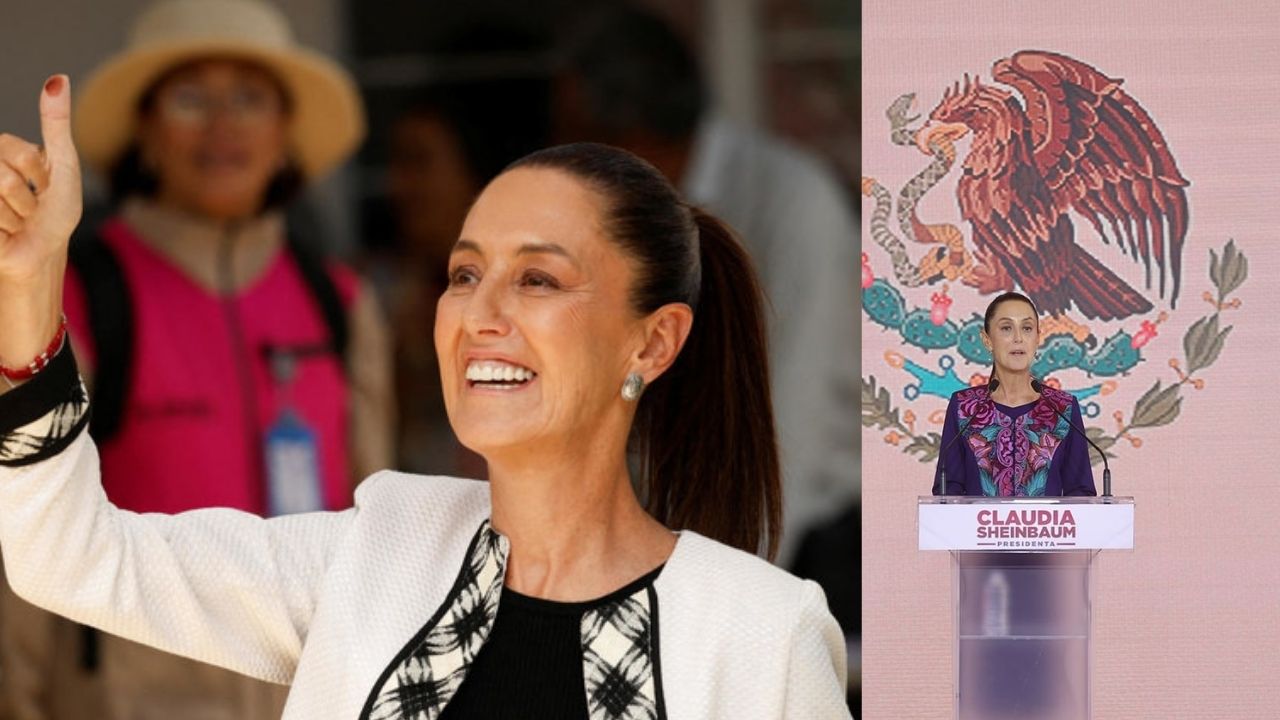
    Claudia Sheinbaum was elected Mexico’s first woman president by a landslide Sunday, making history in a country plagued by rampant criminal and gender-based violence.

    Crowds of flag-waving supporters sang and danced to mariachi music in Mexico City’s main square celebrating the ruling party candidate’s victory.

    “I want to thank millions of Mexican women and men who decided to vote for us on this historic day,” Sheinbaum said in a victory speech to the cheering crowd.

    “I won’t fail you,” the 61-year-old former Mexico City mayor vowed.

    She thanked her main opposition rival Xochitl Galvez, who conceded defeat.

    Sheinbaum, a scientist by training, won around 58-60 percent of votes, according to preliminary official results from the National Electoral Institute.

    That was more than 30 percentage points ahead of Galvez, and some 50 percentage points ahead of the only man running, long-shot centrist Jorge Alvarez Maynez.

    Voters had flocked to polling stations across the Latin American nation, despite sporadic violence in areas terrorized by ultra-violent drug cartels.

    Thousands of troops were deployed to protect voters, following a particularly bloody electoral process that has seen more than two dozen aspiring local politicians murdered.

    ‘Transformation’

    Mexican women going to the polls had cheered the prospect of a woman breaking the highest political glass ceiling in a country where around 10 women or girls are murdered every day.

    “A female president will be a transformation for this country, and we hope that she does more for women,” said Clemencia Hernandez, a 55-year-old cleaner in Mexico City.

    “Many women are subjugated by their partners. They’re not allowed to leave home to work,” she said.

    Daniela Perez, 30, said that having a woman president would be “something historic,” even though neither of the two main candidates was “totally feminist” in her view.

    “We’ll have to see their positions on improving women’s rights, resolving the issue of femicides — which have gone crazy — supporting women more,” added the logistics company manager.

    Nearly 100 million people were registered to vote in the world’s most populous Spanish-speaking country, home to 129 million people.

    Sheinbaum owes much of her popularity to outgoing President Andres Manuel Lopez Obrador, a fellow leftist and mentor who has an approval rating of more than 60 percent but is only allowed to serve one term.

    Lopez Obrador congratulated his ally with “all my affection and respect.” As well as being the first woman to lead Mexico, “she is also the president with possibly the most votes obtained in the history of our country,” he said.

    After casting her ballot, Sheinbaum revealed she had not voted for herself but for a 93-year-old veteran leftist, Ifigenia Martinez, in recognition of her struggle.

    ‘Hugs not bullets’

    In a nation where politics, crime and corruption are closely entangled, drug cartels went to extreme lengths to ensure that their preferred candidates win.

    Hours before polls opened, a local candidate was murdered in a violent western state, authorities said, joining at least 25 other political hopefuls killed this election season, according to official figures.

    In the central Mexican state of Puebla, two people died after unknown persons attacked polling stations to steal papers, a local government security source told AFP.

    Voting was suspended in two municipalities in the southern state of Chiapas because of violence.

    Sheinbaum has pledged to continue the outgoing president’s controversial “hugs not bullets” strategy of tackling crime at its roots.

    Galvez vowed a tougher approach to cartel-related violence, declaring “hugs for criminals are over.”

    More than 450,000 people have been murdered and tens of thousands have gone missing since the government deployed the army to fight drug trafficking in 2006.

    The next president will also have to manage delicate relations with the neighboring United States, in particular the vexed issues of cross-border drug smuggling and migration.

    As well as choosing a new president, Mexicans voted for members of Congress, several state governors and myriad local officials — a total of more than 20,000 positions.

  • India Commission says 642 million voted in election

    India Commission says 642 million voted in election

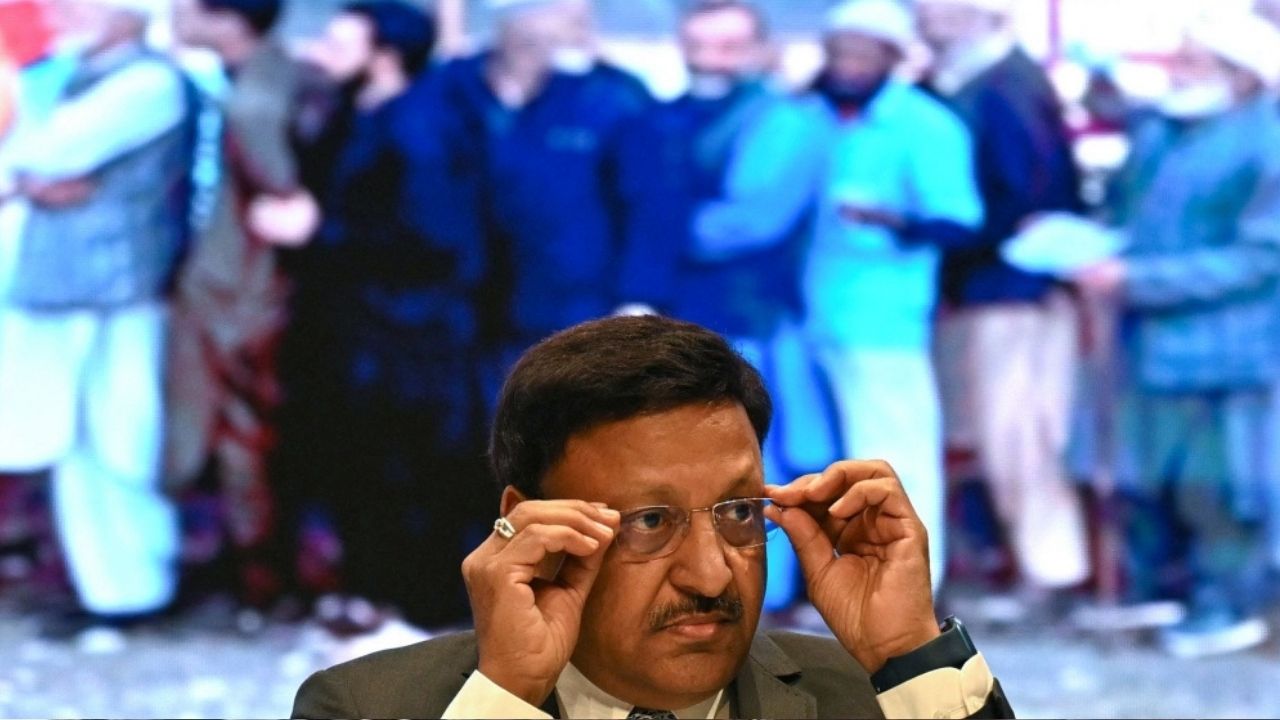
    A total of 642 million Indians voted in the just-concluded six-week-long polls, Chief Election Commissioner Rajiv Kumar told reporters on Monday, with Prime Minister Narendra Modi widely expected to win a third term.

    “We have created a world record of 642 million Indian voters, it is a historic moment for all of us,” Kumar said, adding that nearly half of those — 312 million — were women voters.

    “It shows the incredible power of voters of India,” he said.

    “People should know about the strength of Indian democracy.”

    Based on the commission’s figure of an electorate of 968 million, 66.3 percent of eligible voters turned out, slightly down on the last general election in 2019.

    Kumar said that “642 million voters chose action over apathy, belief over cynicism and in some cases, the ballot over the bullet”, the commission said, with the commissioner adding that there were “no major incidents of violence”.

    Voting in the seventh and final staggered round ended on Saturday, and counting and results are due on Tuesday.

    Exit polls show Modi is well on track to triumph, with the premier saying he was confident that “the people of India have voted in record numbers” to re-elect his government.

    India uses electronic voting machines that allow for faster counting of ballots.

    “We have a robust counting process in place,” Kumar said.

  • Maldives to ban Israeli tourists

    Maldives to ban Israeli tourists

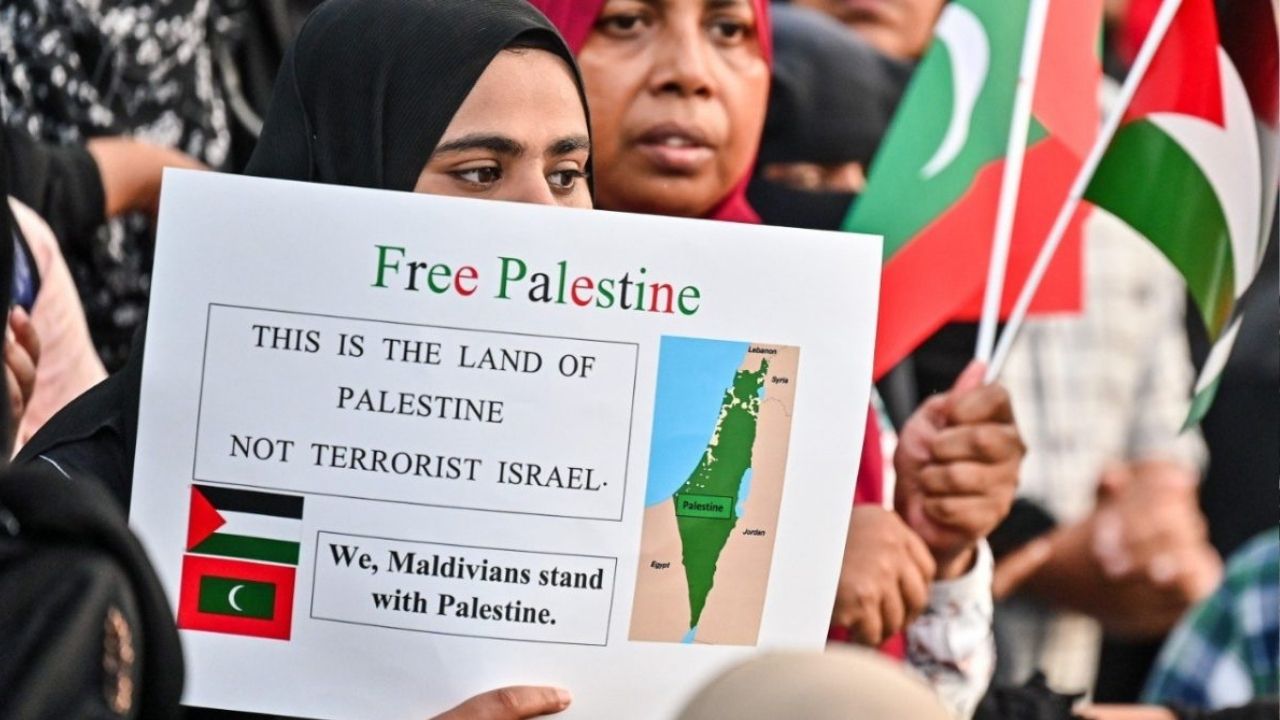
    MALE: The Indian Ocean nation of the Maldives will ban Israelis from the luxury tourist hot spot, the office of the president said on Sunday, announcing a national rally in “solidarity with Palestine”.

    The Maldives, a tiny Islamic republic of more than 1,000 strategically located coral islets, is known for its secluded sandy white beaches, shallow turquoise lagoons, and Robinson Crusoe-style getaways.

    President Mohamed Muizzu has “resolved to impose a ban on Israeli passports,” a spokesman for his office said in a statement, without giving details of when the new law would take effect.

    Muizzu also announced a national fundraising campaign called “Maldivians in Solidarity with Palestine”.

    The Maldives had lifted a previous ban on Israeli tourists in the early 1990s and moved to restore relations in 2010. However, normalisation attempts were scuttled following the toppling of President Mohamed Nasheed in February 2012.

    Opposition parties and government allies in the Maldives have been putting pressure on Muizzu to ban Israelis, as a sign of protest against the Gaza attack.

    Official data showed the number of Israelis visiting the Maldives dropped to 528 in the first four months of this year, down 88 percent compared to the corresponding period last year.

    In response to the ban, an Israel Ministry of Foreign Affairs spokesman urged citizens to avoid travel to the Maldives.

  • India’s six-week election ends with vote in Hindu holy city Varanasi

    India’s six-week election ends with vote in Hindu holy city Varanasi

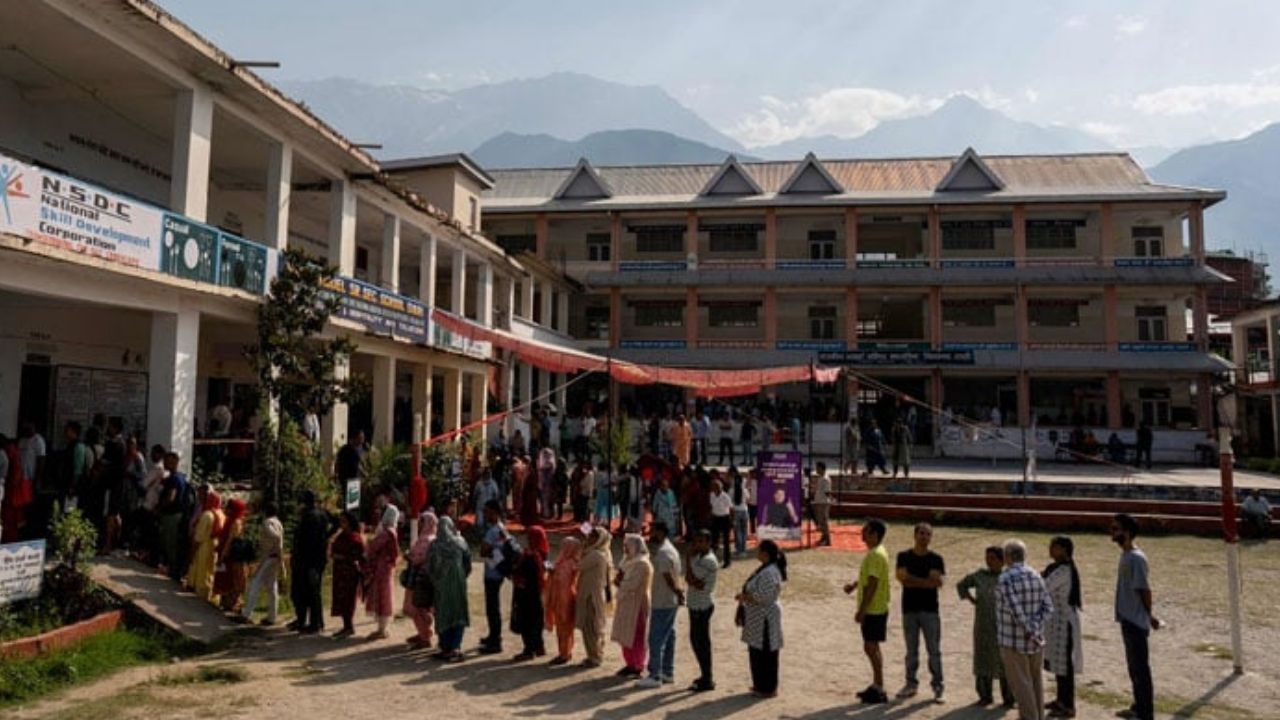
    VARANASI: Indians flocked to the polls under scorching heat in the Hindu holy city of Varanasi on Saturday as a marathon national election reached its final day, six weeks after the voting first began.

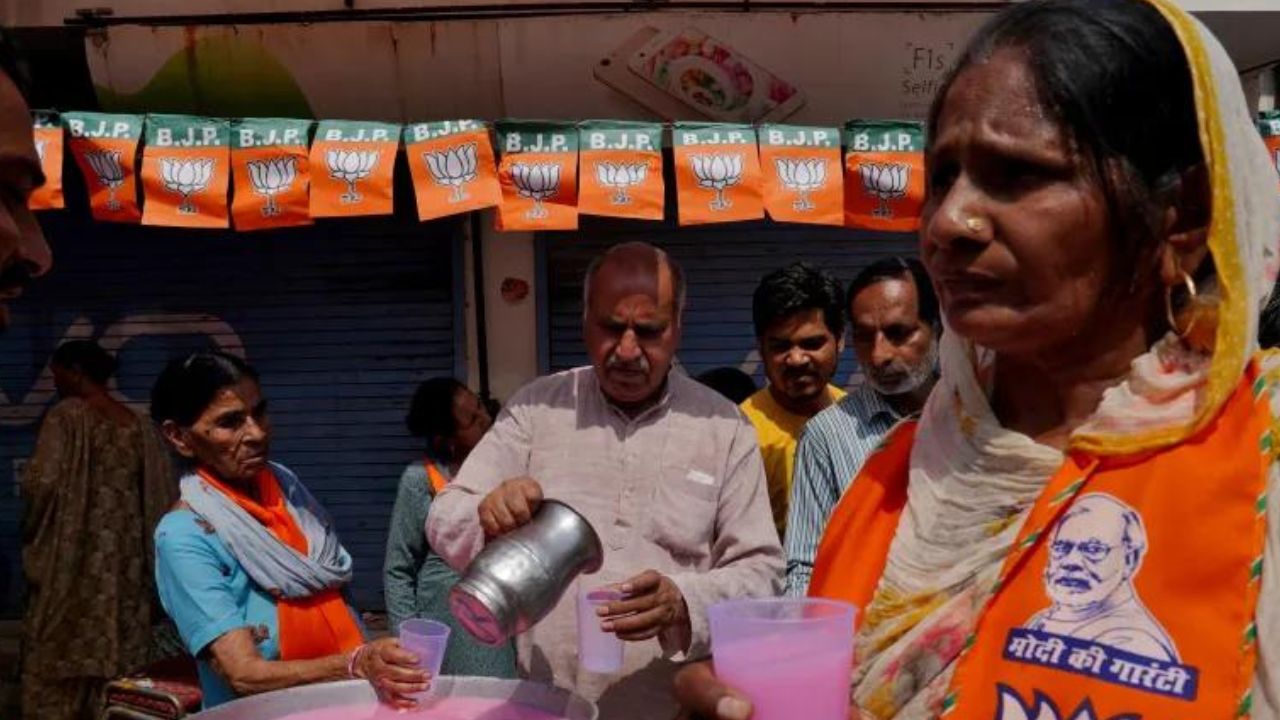
    Indian Prime Minister Narendra Modi is widely expected to win a third term in office when results are announced Tuesday, in large part due to his cultivated image as an aggressive champion of India’s majority faith.

    The 73-year-old’s constituency of Varanasi is the spiritual capital of Hinduism, where devotees from around India come to cremate deceased loved ones by the Ganges river.

    It is one of the final cities to vote in India’s gruelling election and where public support for Modi’s ever-closer alignment of religion and politics burns brightest.

    “Modi is obviously winning,” Vijayendra Kumar Singh, who works in one of the popular pilgrimage destination’s many hotels, told AFP.

    “There’s a sense of pride with everything he does, and that’s why people vote for him.”

    Modi has already led the ruling Bharatiya Janata Party (BJP) to two landslide victories in 2014 and 2019, forged in large part by his appeal to the Hindu faithful.

    This year, he presided over the inauguration of a grand temple to the deity Ram, built on the grounds of a centuries-old mosque in Ayodhya razed by Hindu zealots in 1992.

    Construction of the temple fulfilled a longstanding demand of Hindu activists and was widely celebrated across the country with back-to-back television coverage and street parties.

    The ceremony, and numerous other chest-beating appeals to India’s majority religion over the past decade, have in turn made many among the country’s 200 million-plus minority Muslim community increasingly uneasy about their futures.

    Modi himself has made a number of strident comments about Muslims on the campaign trail, referring to them as “infiltrators”.

    He has also accused the motley coalition of more than two dozen opposition parties contesting the poll against him of plotting to redistribute India’s wealth to its Muslim citizens.

    ‘Already so hot’

    India has voted in seven phases over six weeks to ease the immense logistical burden of staging an election in the world’s most populous country.

    Both counting and results are expected on Tuesday, but exit polls published after polls close Saturday are expected to give some indication of the winner.

    Turnout is down several percentage points from the last national election in 2019, with analysts blaming widespread expectations of a Modi victory as well as successive heatwaves scorching India’s northern states.

    Extensive scientific research shows climate change is causing heatwaves to become longer, more frequent and more intense, with Asia warming faster than the global average.

    A scorching sun bore down on Varanasi and its countless temples and riverside crematoriums during Saturday’s vote, with temperatures forecast to peak at 44°C (111 Fahrenheit).

    “It’s already so hot,” Chinta Devi, who arrived to cast her vote at eight in the morning, told AFP.

    “Varanasi has felt hotter than usual over the last few days,” she added. “You see all the streets and markets empty.”

    ‘A lot more respect’

    Analysts have long expected Modi to triumph against the opposition alliance competing against him, which at no point has named an agreed candidate for prime minister.

    His prospects have been further bolstered by several criminal probes into his opponents and a tax investigation this year that froze the bank accounts of Congress, India’s largest opposition party.

    Western democracies have largely sidestepped concerns over rights and democratic freedoms in the hopes of cultivating an ally that can help check the growing assertiveness of China, India’s northern neighbour and rival regional power.

    Modi’s image at home has been bolstered by India’s rising diplomatic and economic clout — the country overtook Britain as the world’s fifth-biggest economy in 2022.

    “As an Indian, I feel that he has ensured a lot of respect and prestige for India during his term,” Shikha Aggarwal, 40, told AFP while waiting to cast her vote.

    “People now look at India and Indians with a lot more respect, something not accorded earlier.”

  • Israel pounds Gaza after Biden outlines ceasefire plan

    Israel pounds Gaza after Biden outlines ceasefire plan

    Israeli forces hammered Rafah in southern Gaza with tanks and artillery on Saturday, hours after US President Joe Biden said Israel was offering a new roadmap towards a full ceasefire.

    Shortly after Biden’s announcement, Israeli Prime Minister Benjamin Netanyahu insisted his country would still pursue the war until it had reached all its aims.

    He reiterated that position on Saturday, saying that “Israel’s conditions for ending the war have not changed: the destruction of Hamas’s military and governing capabilities, the freeing of all hostages and ensuring that Gaza no longer poses a threat to Israel”.

    A permanent ceasefire without those conditions being met was “a non-starter”, he said.

    Hamas, meanwhile, said it “views positively” the plan laid out by Biden.

    In his first major address outlining a possible end to the conflict, the US president said Israel’s three-stage offer would begin with a six-week phase that would see Israeli forces withdraw from all populated areas of Gaza.

    It would also see the “release of a number of hostages, including women, the elderly, the wounded, in exchange for (the) release of hundreds of Palestinian prisoners”.

    Israel and the Palestinians would then negotiate during those six weeks for a lasting ceasefire — but the truce would continue while the talks remained underway, Biden said.

    The US leader urged Hamas to accept the Israeli offer. “It’s time for this war to end, for the day after to begin,” he said, in comments echoed by British Foreign Secretary David Cameron.

    Israel insists on war aims

    US Secretary of State Antony Blinken called his counterparts from Jordan, Saudi Arabia and Turkey on Friday to press the deal.

    UN chief Antonio Guterres “strongly hopes” the latest development “will lead to an agreement by the parties for lasting peace”, his spokesman Stephane Dujarric said.

    German Foreign Minister Annalena Baerbock said the Israeli offer “provides a glimpse of hope and a possible path out of the war’s deadlock”, while EU chief Ursula von der Leyen welcomed a “balanced and realistic” approach to end the bloodshed.

    Saudi Arabia stressed its “support for all efforts aimed at an immediate ceasefire” and the withdrawal of Israeli troops. 

    Indonesia, meanwhile, said it was ready to send “significant peacekeeping forces” as well as medical personnel to Gaza if a ceasefire is agreed.

    But Netanyahu took issue with Biden’s presentation of what was on the table, insisting on Friday the transition from one stage to the next in the proposed roadmap was “conditional” and crafted to allow Israel to maintain its war aims.

    “The prime minister authorised the negotiating team to present an outline for achieving (the return of hostages), while insisting that the war will not end until all of its goals are achieved,” Netanyahu’s office said.

    “The exact outline proposed by Israel, including the conditional transition from stage to stage, allows Israel to maintain these principles.”

    Israel has repeatedly vowed to destroy Hamas since the Palestinian militant group attacked southern Israel on October 7.

    Rafah Massacre

    Israel sent tanks and troops into Rafah in early May, ignoring concerns over the safety of displaced Palestinian civilians sheltering in the city on the Egyptian border.

    On Saturday, residents reported tank fire in the Tal al-Sultan neighbourhood in west Rafah, while witnesses in the east and centre of Rafah described intense artillery shelling.

    “From the early hours of the night until this morning, the aerial and artillery bombardment has not stopped for a single moment”, a resident from west Rafah told AFP on condition of anonymity.

    “There are a number of occupation (Israeli) snipers in high-rise buildings overseeing all areas of Tal al-Sultan… making the situation very dangerous”, the resident added.

    There was also shelling and gunfire from the Israeli army in Gaza City, in the north of the Palestinian territory, according to an AFP reporter.

    Before the Rafah offensive began, the United Nations said up to 1.4 million people were sheltering in the city.

    Since then, one million have fled the area, the UN agency for Palestinian refugees, UNRWA, has said.

    The Israeli seizure of the Rafah crossing has further slowed sporadic deliveries of aid for Gaza’s 2.4 million people and effectively shuttered the territory’s main exit point.

    ‘Everything is ashes’

    Israel said last week that aid deliveries had been stepped up.

    But Blinken acknowledged on Friday that the humanitarian situation was “dire” despite US efforts to bring in more assistance.

    The World Food Programme said daily life had become “apocalyptic” in parts of southern Gaza since Israel began its assault on Rafah in early May.

    The genocide in Gaza has killed at least 36,379 people in Gaza, mostly civilians, according to the Hamas-run territory’s health ministry.

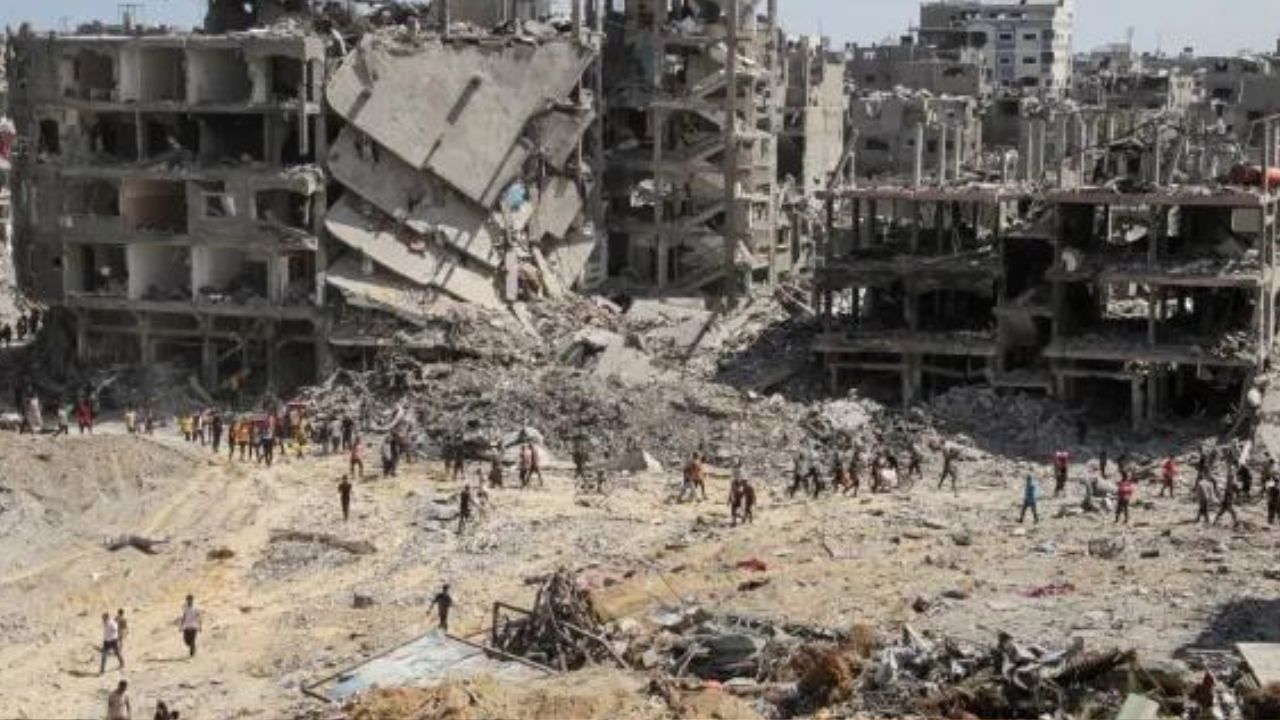
    In northern Gaza, witnesses said that after carrying out a three-week operation in the town of Jabalia and its neighbouring refugee camp, troops had ordered residents of nearby Beit Hanun to evacuate ahead of an imminent assault.

    The Israeli army said troops “completed their mission in eastern Jabalia and began preparation for continued operations in the Gaza Strip”.

    Jabalia shopkeeper Belal al-Kahlot said there was nothing left of his store after the Israeli operation. “Everything is ashes.”

    The Israeli military announced the deaths of two soldiers in Gaza, taking to 294 the number of Israeli troops killed since the start of ground operations in late October.
  • Heatwave in India kills 33, including election officials

    Heatwave in India kills 33, including election officials

    Thirty-three people, including election officials on duty, died of suspected heatstroke in three major Indian states on Friday, including Bihar, Uttar Pradesh, and Odisha.

    Fourteen people died in Bihar on Thursday, including 10 people involved in organising the seven-phase national elections that are currently underway. Many election officials are usually required to stand on duty all day, many times outdoors.


    Parts of Bihar are voting in the final round of polling on Saturday as well.


    In Uttar Pradesh, nine election personnel, including security persons, died on Friday, government officials said.


    Ten deaths were reported from the government hospital in Odisha on Thursday, authorities said, prompting government to advise against outdoor activities between 11:00 am and 3:00 pm local time when temperatures heighten.


    Three people died of suspected heatstroke in Jharkhand state, neighbouring Bihar.


    India has been experiencing a record hot summer. A locality of the capital Delhi recorded the country’s highest-ever temperature at 52.9°C this week.


    While temperatures in north-western and central India are expected to fall in the coming days, the prevailing heatwave over eastern India is likely to continue for two days, according to India’s Meteorological Department (IMD), which declares a heatwave when the temperature is 4.5°C to 6.4°C higher than normal.


    The last phase of voting is scheduled to be held on Saturday and votes will be in counted on Tuesday.


    However, the deadly heatwave in the South Asian region is expected to continue until Saturday.

  • Countries vote to give Palestinians more rights at WHO

    Countries vote to give Palestinians more rights at WHO

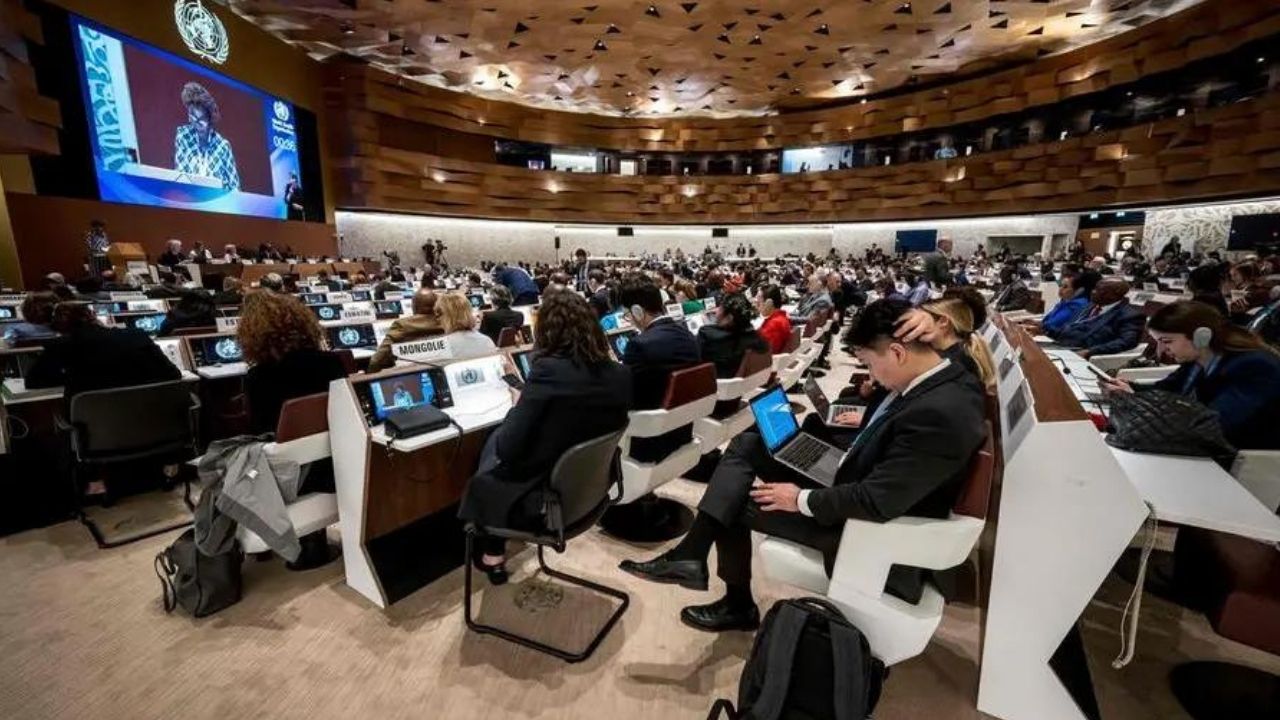
    The World Health Organization’s top decision-making body voted Friday to grant Palestinians additional rights, echoing a similar decision in May by the United Nations General Assembly.

    Countries gathered for this week’s World Health Assembly, the annual gathering in Geneva of the WHO’s 194 member states, overwhelmingly approved a draft resolution on “aligning the participation of Palestine” in the WHO with its participation in the United Nations.

    A full 101 of the 177 countries with voting rights backed the text, with five opposed.

    The resolution, presented by a group of mainly Arab and Muslim countries along with China, Nicaragua and Venezuela, called for the Palestinians, which already have observer status at the WHO, to be granted virtually all the same rights as full members.

    The vote came after UN members voted in New York in May to grant Palestinians more rights in the global body, after their drive for full membership was blocked by the United States.

    At the WHA in Geneva, Palestinian officials and their backers did not attempt to ask for full membership.

    Several diplomatic sources suggested that was due to concern that a vote for Palestinian membership would trigger an automatic suspension of US funding to the WHO.

    The text approved Friday instead handed the Palestinians, among other things, “the right to be seated among member states… the right to submit proposals and amendments… (and) to be elected as officers in the plenary and the main committees of the Health Assembly”.

    But it noted that “Palestine, in its capacity as an observer state, does not have the right to vote in the Health Assembly or to put forward its candidature to WHO’s organs”.

    Israeli genocide against Palestinians has killed at least 36,224 people in Gaza, mostly civilians, according to the territory’s health ministry.