Category: FOREIGN

  • Apple drops WhatsApp, Threads from China app store on official order: report

    Apple drops WhatsApp, Threads from China app store on official order: report

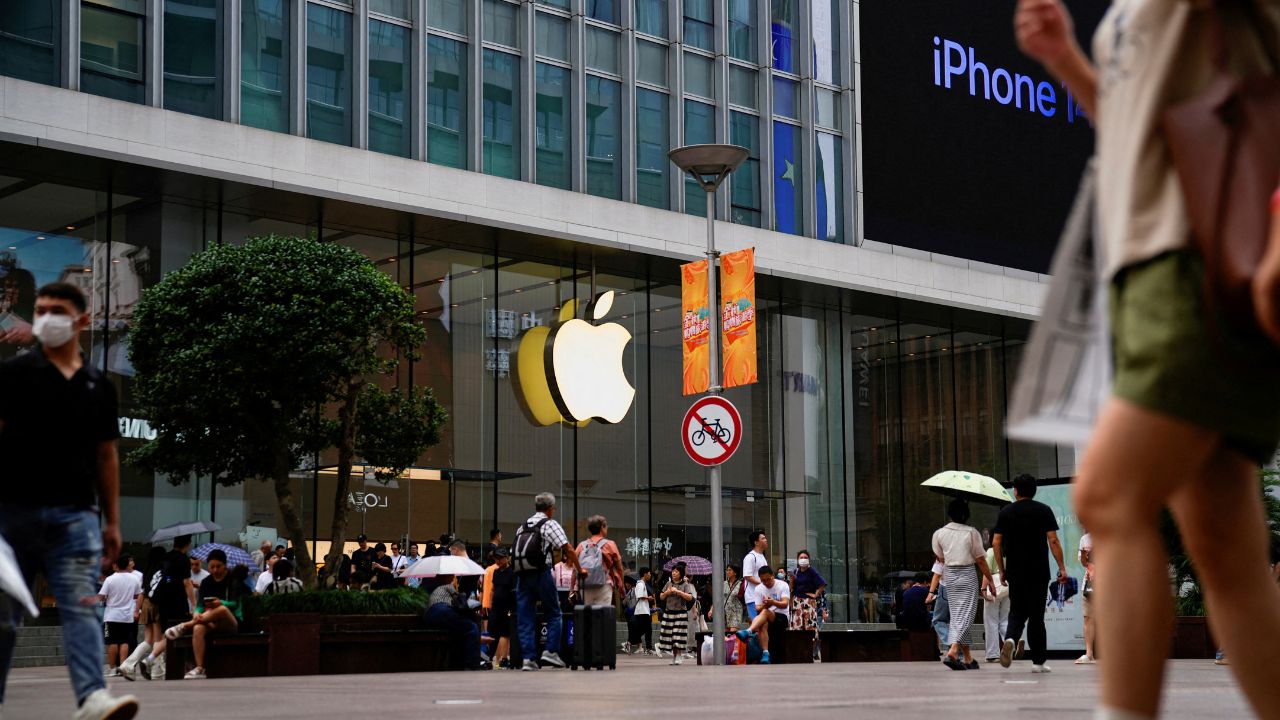
    Beijing (AFP) – Apple has removed the Meta-owned WhatsApp and Threads from its App Store in China following an order from the country’s top internet regulator, Bloomberg reported Friday citing the tech giant.

    Beijing engages in some of the world’s most extensive internet censorship, with web users in mainland China unable to access everything from Google to many foreign apps without using a virtual private network.

    “We are obligated to follow the laws in the countries where we operate, even when we disagree,” said Apple in a statement, according to Bloomberg.

    “The Cyberspace Administration of China (CAC) ordered the removal of these apps from the China storefront based on their national security concerns,” said Apple, referring to China’s internet regulator.

    “These apps remain available for download on all other storefronts where they appear.”

    A Meta spokesperson referred AFP to Apple, which did not immediately respond to a request for comment.

    The CAC and the Ministry of Industry and Information Technology — another top Chinese internet regulatory body — also did not immediately respond.

    China is a key market for Apple, which last year topped the country’s smartphone market for the first time.

    But thorny issues of censorship and national security have long hounded the US-based firm’s operations in China as Beijing and Washington engage in a fierce battle for technological supremacy.

    In January, China said it had cracked Apple’s encrypted AirDrop communication service, which had once given protesters a vital channel for sharing information during the major 2019 pro-democracy protests in Hong Kong.

    State-backed experts said in January that they had devised a way to reveal an iPhone’s encrypted device log, allowing them to then identify an AirDrop user’s phone number and email accounts.

    Many online platforms that are popular in much of the world — including Google, Facebook, X, WhatsApp and TikTok — are blocked in mainland China.

    But savvy iPhone users in China have still been able to download banned platforms through Apple’s app store, then use a VPN to get around the restrictions.

    Removing WhatsApp and Threads from the Chinese app store will greatly complicate the ability of new iPhone users to access the apps.

    The latest development comes a day before a scheduled vote in the US House of Representatives to force the wildly popular video app TikTok to sever all links with its Chinese parent ByteDance.

    US officials have raised concerns in recent years over potential national security and privacy threats posed by TikTok, despite repeated assurances by the firm that it presents no risks to the American public.

    Beijing has frequently lashed out against US restrictions on Chinese tech, claiming they are a pretext to contain the country’s economic rise.
  • Google fires 28 workers protesting contracts with Israel

    Google fires 28 workers protesting contracts with Israel

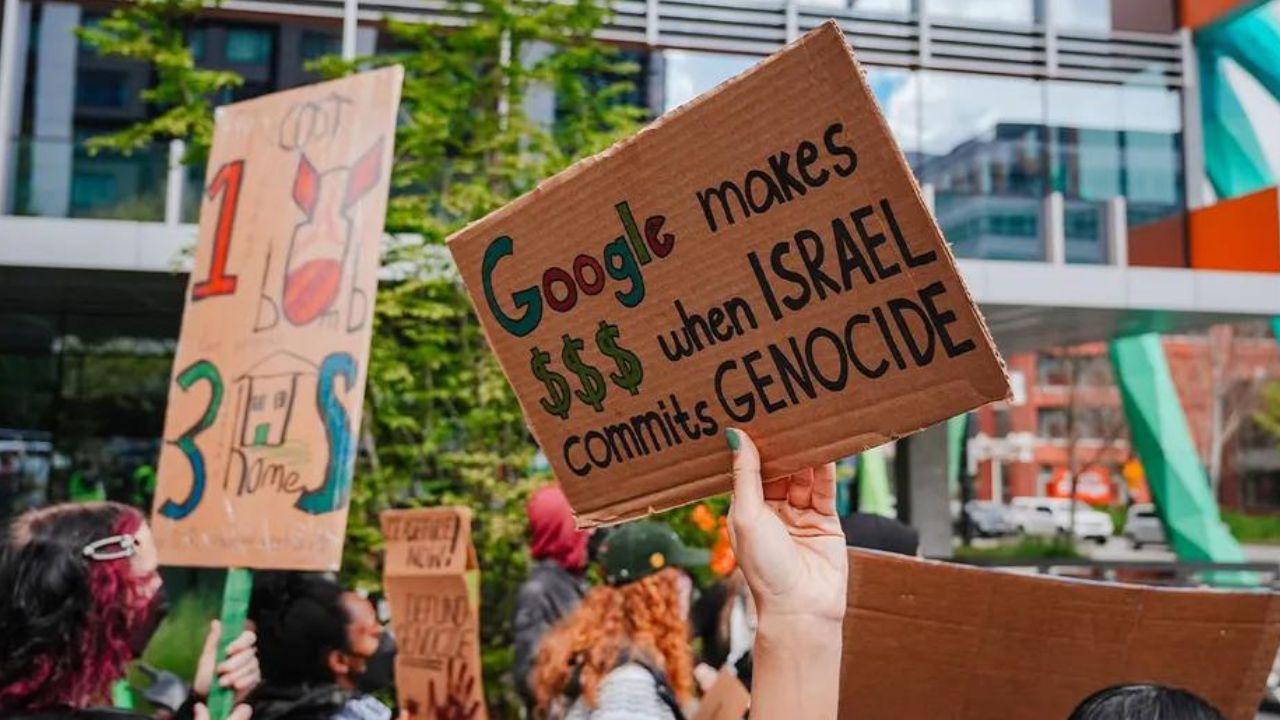
    New York, United States – Google fired 28 employees following a sit-down protest over the tech giant’s contract with the Israeli government, a Google spokesperson said Thursday.

    The Tuesday demonstration was organized by the group “No Tech for Apartheid,” which has long opposed “Project Nimbus,” Google’s joint $1.2 billion contract with Amazon to provide cloud services to the government of Israel.

    Video of the demonstration showed police arresting Google workers in Sunnyvale, California, in the office of Google Cloud CEO Thomas Kurian’s, according to a post by the advocacy group on X, formerly Twitter.

    Kurian’s office was occupied for 10 hours, the advocacy group said.

    Workers held signs including “Googlers against Genocide,” a reference to accusations surrounding Israel’s attacks on Gaza.

    “No Tech for Apartheid,” which also held protests in New York and Seattle, pointed to an April 12 Time magazine article reporting a draft contract of Google billing the Israeli Ministry of Defense more than $1 million for consulting services.

    A “small number” of employees “disrupted” a few Google locations, but the protests are “part of a longstanding campaign by a group of organizations and people who largely don’t work at Google,” a Google spokesperson said.

    “After refusing multiple requests to leave the premises, law enforcement was engaged to remove them to ensure office safety,” the Google spokesperson said. “We have so far concluded individual investigations that resulted in the termination of employment for 28 employees, and will continue to investigate and take action as needed.”

    Israel is one of “numerous” governments for which Google provides cloud computing services, the Google spokesperson said.

    “This work is not directed at highly sensitive, classified, or military workloads relevant to weapons or intelligence services,” the Google spokesperson said.

    jmb/nro

    © Agence France-Presse

  • X blocks India election posts after takedown orders

    X blocks India election posts after takedown orders

    Social media platform X has blocked several posts in India containing political speech after authorities ordered their takedown ahead of a six-week general election that starts Friday.

    X, owned by Tesla boss Elon Musk and formerly known as Twitter, said the posts would be withheld from Indian audiences until the election was over despite its disagreement with the order.

    “In compliance with the orders, we have withheld these posts for the remainder of the election period,” X said in a statement posted to the platform late Tuesday.

    “However, we disagree with these actions and maintain that freedom of expression should extend to these posts and political speech in general.”

    The posts by elected politicians, political parties and candidates made unverified claims about the private lives of their opponents, which India’s election commission said violated its code of conduct.

    The platform’s announcement of its compliance with the order came the same day X’s Brazilian office said it would abide by a court direction to block disinformation-spreading users in that country.

    Musk had earlier threated to disregard the Brazilian court’s order.

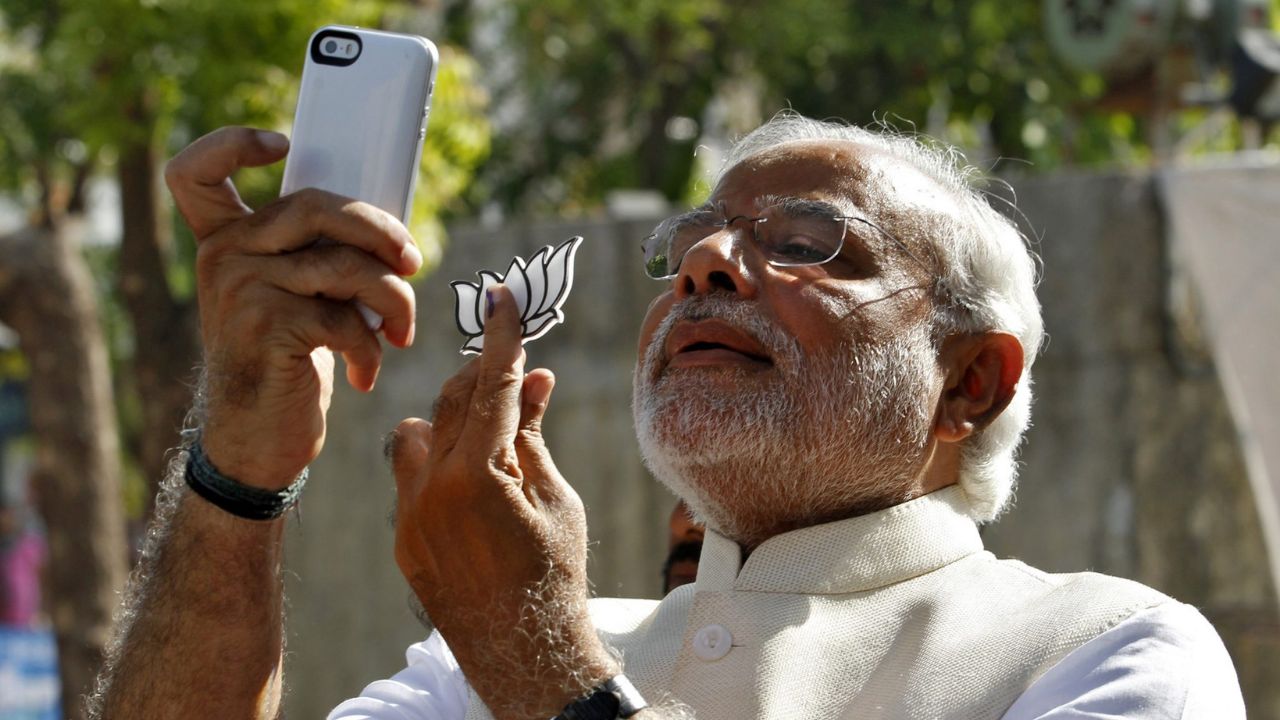
    The billionaire is expected to meet Prime Minister Narendra Modi in India this month to discuss major investment plans in the country.

    India, the world’s biggest democracy, regularly ranks among the top five countries globally for number of requests made by a government to remove social media content.

    Last year, an Indian court hit X with a $61,000 fine after the platform unsuccessfully challenged orders to remove tweets and accounts critical of Modi’s government.

    Rights groups say freedom of expression is under threat in India, which has fallen 21 spots to 161 out of 180 countries in the World Press Freedom Index since Modi took office in 2014.

    Indian authorities have regularly imposed blanket internet shutdowns during periods of unrest.

    That includes a months-long outage in the northeastern state of Manipur last year in the wake of ethnic violence.

    The government says internet cuts curb disinformation by stemming rumours from spreading on social media or mobile messaging applications.

    A total of 968 million people are eligible to cast a ballot in the election, with the final round of voting on June 1 and counting three days later.

  • US says new sanctions on Iran coming soon

    US says new sanctions on Iran coming soon

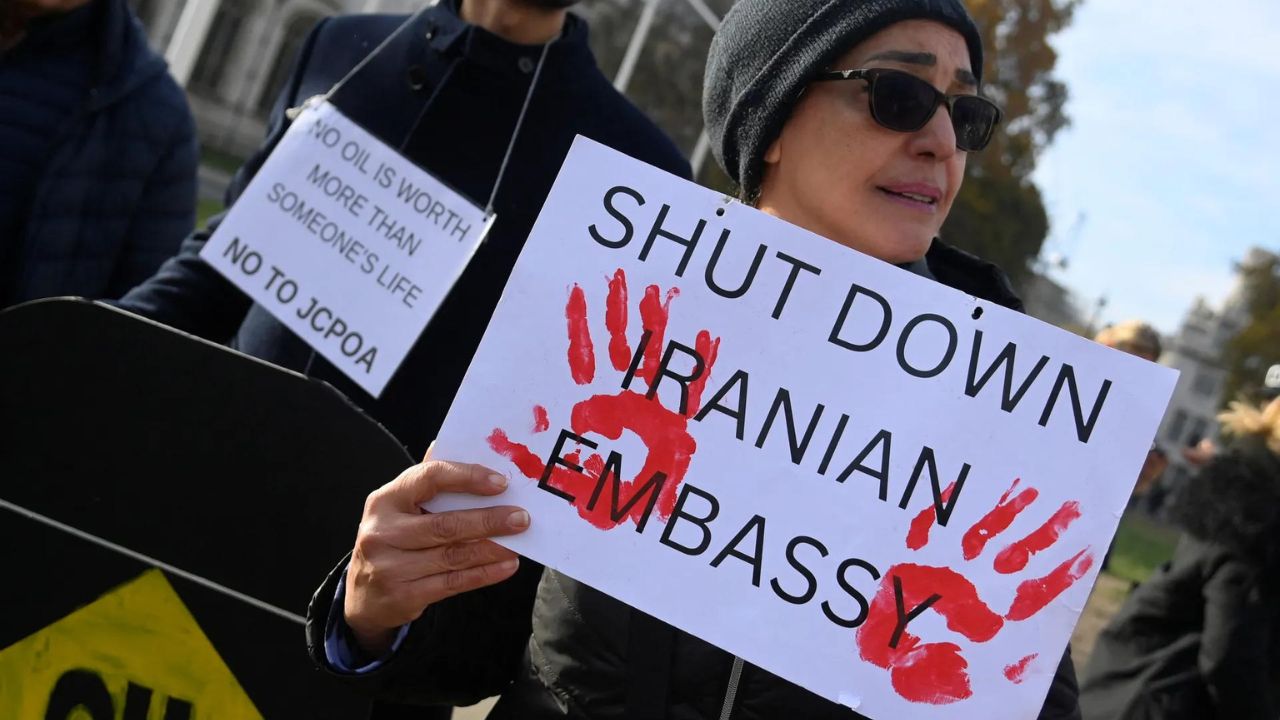
    The United States said Tuesday it would soon impose new sanctions on Iran’s missile and drone program after its retaliatory attack on Israel, and that it expects its allies and partners to follow with parallel measures.

    US National Security Advisor Jake Sullivan’s announcement came after Treasury Secretary Janet Yellen indicated punitive measures were in the works, and European Union foreign policy chief Josep Borrell said his office was working on it.

    Iran sent more than 300 missiles, drones and rockets at Israel over the weekend, in what it said was retaliation for a deadly strike on Tehran’s consulate in Damascus. Nearly all of the projectiles were intercepted, and there was little damage.

    “In the coming days, the United States will impose new sanctions targeting Iran, including its missile and drone program” as well as the Revolutionary Guards and the Iranian defense ministry, Sullivan said in a statement.

    “We anticipate that our allies and partners will soon be following with their own sanctions,” he added.

    “These new sanctions and other measures will continue a steady drumbeat of pressure to contain and degrade Iran’s military capacity and effectiveness and confront the full range of its problematic behaviors.”

    US authorities have been using economic tools to counter Iran’s activities, taking aim at its drone and missile programs, as well as its financing of groups like Hamas, which launched its own attack on Israel on October 7.

    Earlier, Yellen previewed the sanctions, telling reporters: “Iran’s actions threaten the region’s stability and could cause economic spillovers.”

    The Treasury will not hesitate to work with US allies to “use our sanctions authority to continue disrupting the Iranian regime’s malign and destabilizing activity,” she said.

    She added that “all options to disrupt terrorist financing” will be on the table.

    ‘More that we could do’

    Months of Israeli genocide in Gaza have triggered violence in the region involving Iranian proxies and allies who say they are acting in support of Palestinians in the Gaza Strip.

    But tensions have soared even higher with Tehran’s first direct assault on Israel, which has prompted appeals for de-escalation by world leaders fearing wider conflict.

    Yellen did not offer specifics on the possible measures to be taken, but said Washington has been working to diminish Iran’s ability to export oil, adding there might be “more that we could do.”

    The United States is also looking to work with G7 partners and countries including China to constrain Iran’s ability to access goods needed to build weapons, a senior Treasury official told reporters.

    “We’re going to have conversations with all major suppliers around the world,” the official said.

    In Brussels, Borrell said after an emergency meeting of EU foreign ministers that some member states had proposed “the adoption of expanded restrictive measures against Iran” and that his office would begin preparatory work.

    “We have to move away from the edge of the abyss,” Borrell said.

    Sullivan said that Washington had sanctioned more than 600 Iran-linked individuals and entities “connected to terrorism, terrorist financing and other forms of illicit trade, horrific human rights abuses, and support for proxy terrorist groups.”

    “The pressure will continue,” he warned.

    “We will not hesitate to continue to take action, in coordination with allies and partners around the world, and with Congress, to hold the Iranian government accountable for its malicious and destabilizing actions.”

    bys-sst/nro

    © Agence France-Presse

  • UK parliament debates law phasing out smoking

    UK parliament debates law phasing out smoking

    London, United Kingdom – The UK parliament on Tuesday kicked off its first debate on Prime Minister Rishi Sunak’s planned flagship legislation to prevent young people from smoking, despite opposition from many in his own Conservative Party.

    The law would ban the selling of tobacco products to anyone born after January 1, 2009 –- effectively raising the smoking age by a year each year until it applies to the whole population.

    “This has the potential to phase out smoking in young people almost completely as early as 2040,” the government said when it unveiled the plan, calling the move “historic”.

    While the law looks set to pass thanks to support from opposition parties — including Labour, which is expected to win a general election due this year — Sunak faces the prospect of a rebellion from backbench Tory MPs.

    The beleaguered leader has little political capital to expend within his fractured party as he struggles to revive its fortunes following months of dire polling.

    Smoking is the UK’s biggest preventable killer and opinion polls show that around two-thirds of people in the UK back a phased smoking ban.

    However, libertarian-leaning MPs on the right of the ruling Conservatives, including former prime minister Liz Truss, have branded the move an attack on personal freedoms.

    Conservative MP Simon Clarke told BBC radio that he was “both sceptical and downright opposed” to the plans.

    “I think that an outright ban risks being counterproductive, I think it actually risks making smoking cooler, it certainly risks creating a black market, and it also risks creating a unmanageable challenge for the authorities,” he said.

    Former prime minister Boris Johnson also said at an event in Canada last week it was “mad” that the party of Winston Churchill was “banning cigars”.

    Vaping clamp down

    Opening the debate for the government, Health Secretary Victoria Atkins told the House of Commons that there is “no liberty in addiction”.

    “Nicotine robs people of their freedom to choose. The vast majority of smokers start when they are young, and three quarters say that if they could turn back the clock they would not have started,” she said.

    MPs are due to vote on whether to approve the plans for the next stage of the legislative process on Tuesday evening.

    Conservative MPs have been given a free vote, meaning they are able to defy the government without fear of being suspended from the party.

    Westminster watchers will closely study the size of the rebellion to see what it suggests about Sunak’s authority, amid reports that some cabinet members are considering voting against.

    The proposed ban was supposedly inspired by a similar plan in New Zealand which was later dropped.

    Official figures show smoking causes about one in four deaths from cancer and leads to 64,000 deaths in England per year.

    “If parliament passes this new bill, it will put the UK at the very forefront of the fight to eradicate one of the most harmful inventions of modern times,” said Lion Shahab, co-director of the tobacco and alcohol research group at University College London.

    The legislation also seeks to clamp down on young people vaping by restricting flavours and packaging to make less appealing to children.

    jwp-pdh/jj/yad

    © Agence France-Presse

  • Dubai reels from floods chaos after record rains

    Dubai reels from floods chaos after record rains

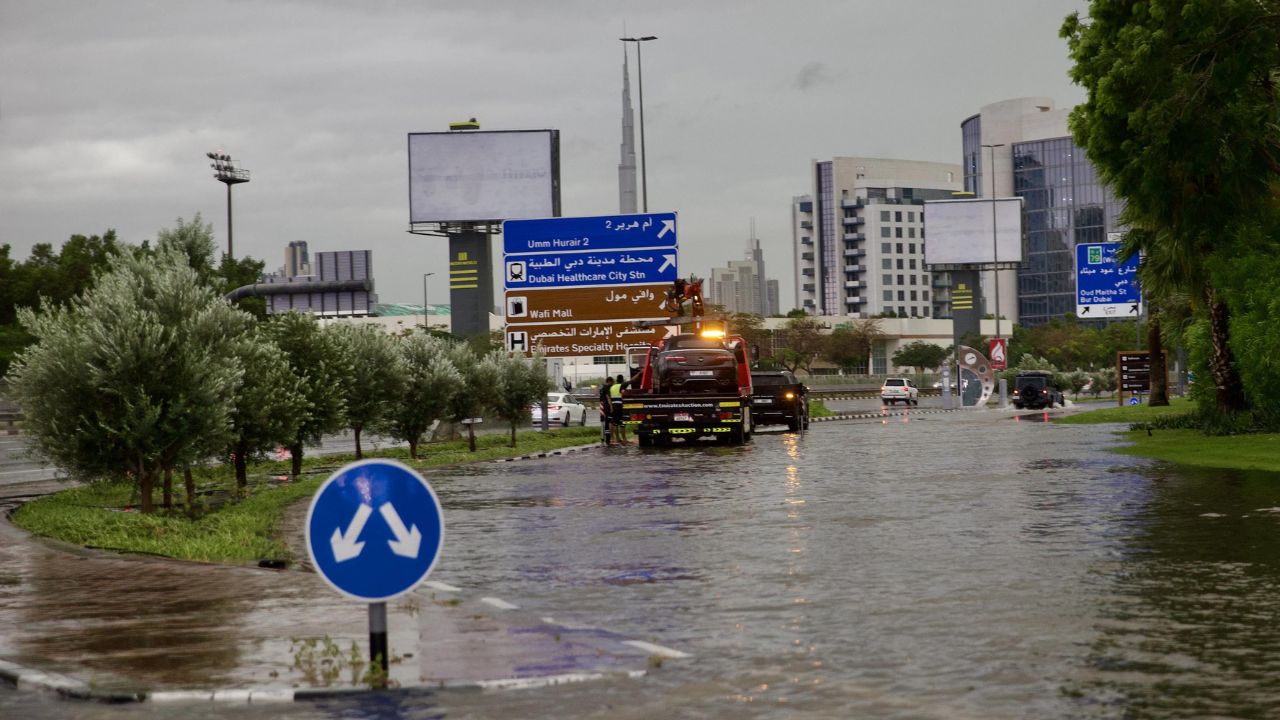
    Dubai, United Arab Emirates – Dubai’s giant highways were clogged by flooding and airport passengers were urged to stay away on Wednesday as the glitzy financial centre reeled from record rains.

    Huge tailbacks snaked along six-lane expressways after up to 254 millimetres of rain — about two years’ worth — fell on the desert United Arab Emirates on Tuesday.

    At least one person was killed after a 70-year-old man was swept away in his car in Ras Al-Khaimah, one of the country’s seven emirates, police said.

    Passengers were warned not to come to Dubai airport, the world’s busiest by international traffic, “unless absolutely necessary”, an official said.

    “Flights continue to be delayed and diverted… We are working hard to recover operations as quickly as possible in very challenging conditions,” a Dubai Airports spokesperson said.

    Dubai’s flagship Emirates airline cancelled all check-ins on Wednesday as staff and passengers struggled to arrive and leave, with access roads flooded and some metro services suspended.

    At the airport, long taxi queues formed and delayed passengers milled around. Scores of flights were also delayed, cancelled and diverted during Tuesday’s torrential rain.

    The storms hit the UAE and Bahrain overnight Monday and on Tuesday after lashing Oman, where 18 people were killed, including several children.

    Climatologist Friederike Otto, a specialist in assessing the role of climate change on extreme weather events, told AFP it was “high likely” that global warming had worsened the storms.

    Official media said it was the highest rainfall since records began in 1949, before the formation of the UAE in 1971.

    th/kir

    © Agence France-Presse

  • Jobs and rights on young voters’ minds for India polls

    Jobs and rights on young voters’ minds for India polls

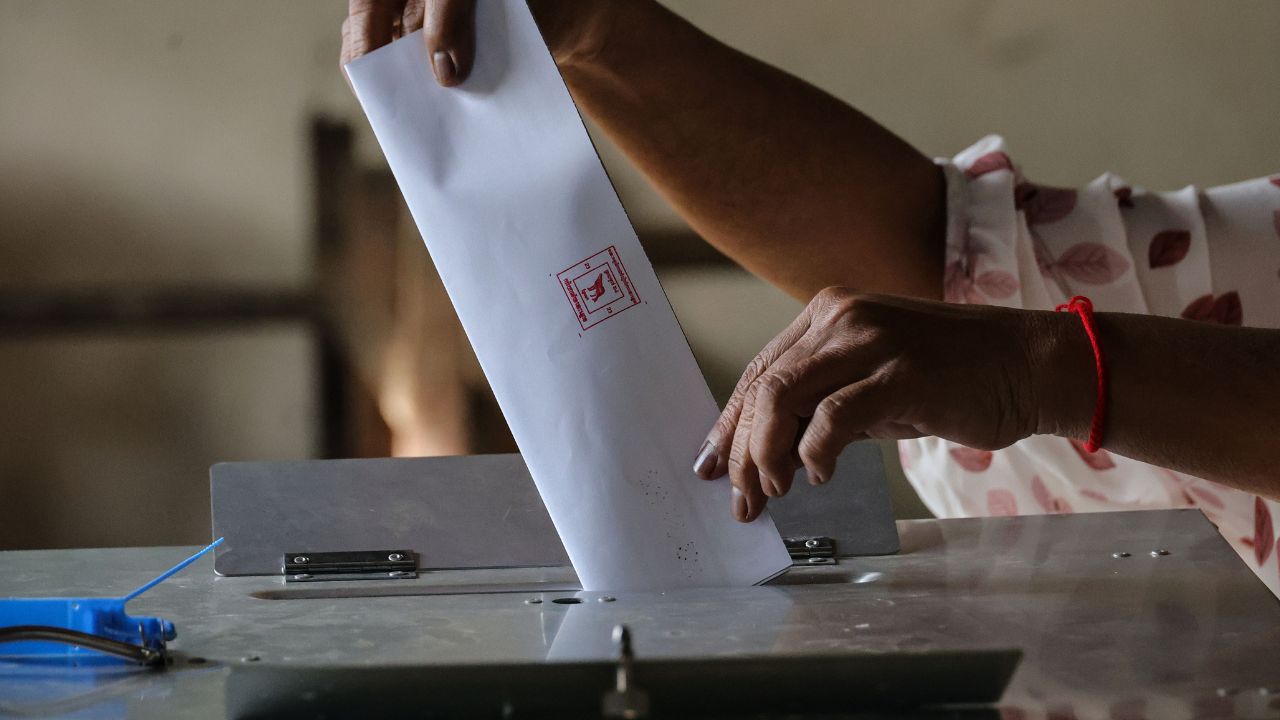
    New Delhi, India – Around 130 million young adults aged 18 to 22 will be newly eligible to vote in India’s national elections when polls open Friday — more people than the entire population of Mexico.

    AFP asked four first-time voters who were too young to vote in the 2019 elections about who they would support and the issues that mattered to them:

    The student

    Mumbai university student Abhishek Dhotre, 22, said he was unhappy with “the communal discord that is seen all throughout India” as a result of the government’s muscular Hindu nationalism.

    Prime Minister Narendra Modi’s government has brought India’s majority Hindu faith to the forefront of political life.

    That has left Muslims and other minorities anxious about their futures in the nominally secular country.

    Still, with India’s economy growing at a breakneck pace, overtaking former colonial ruler Britain as the world’s fifth-largest in 2022, Dhotre wants Modi and his Bharatiya Janata Party (BJP) to win again.

    “With the flow of development, infrastructure and everything that’s going on, I would prefer the current government to stay,” he told AFP.

    The software developer

    Thrishalini Dwaraknath, 20, epitomises India’s economic changes — she is about to move from Tamil Nadu to the tech hub of Bengaluru, both of them in the south, to work as a software developer.

    “I’m excited to be part of the Indian democracy and voicing my opinion for the first time,” she told AFP. “And I’m glad that my voice matters.”

    She praised Modi’s government for its achievements in office but said it needed to do more to help millions of unemployed young Indians find work.

    India’s annual GDP growth hit 8.4 percent in the December quarter, but the International Labour Organization estimated that 29 percent of the country’s young university graduates were unemployed in 2022.

    “Addressing the skill gap between students and the job market is key,” Dwaraknath said.

    The farmer

    One first-time voter who will definitely not be backing the BJP is Gurpartap Singh, 22, a wheat farmer from the northern state of Punjab.

    Farmers in Punjab were the backbone of a yearlong protest in 2021 against the Modi government’s efforts to bring market reforms into India’s agricultural sector.

    The reforms were later shelved, marking a rare political defeat for the prime minister, but farmers say their demands have still not been met.

    “So many farmers died in the protest,” Singh said. “They have not got justice.”

    Farmers are a significant voting bloc in India — hundreds of millions of people make their living from the land.

    “The government that thinks about the farmers, youth — that is the government that should come to power,” Singh said, adding that the BJP had failed that test.

    The transgender woman

    India’s 1.4 billion people encompass a vast range of backgrounds including a transgender community estimated to be several million people strong.

    The Hindu faith has many references to a “third gender”, and a 2014 Supreme Court ruling said people could be legally recognised as such.

    They nonetheless face entrenched stigma and discrimination, and Salma, a transgender Muslim woman from the Hindu holy city of Varanasi, said she did not expect that to change under another BJP government.

    “All the time this government has stayed in power, they have done nothing good for us,” said Salma, who declined to say who she would vote for.

    “We should get equal rights.”

    burs-ash/slb-gle/lb

    © Agence France-Presse

  • UN agency finds unexploded 1,000-pound bombs in Gaza schools

    UN agency finds unexploded 1,000-pound bombs in Gaza schools

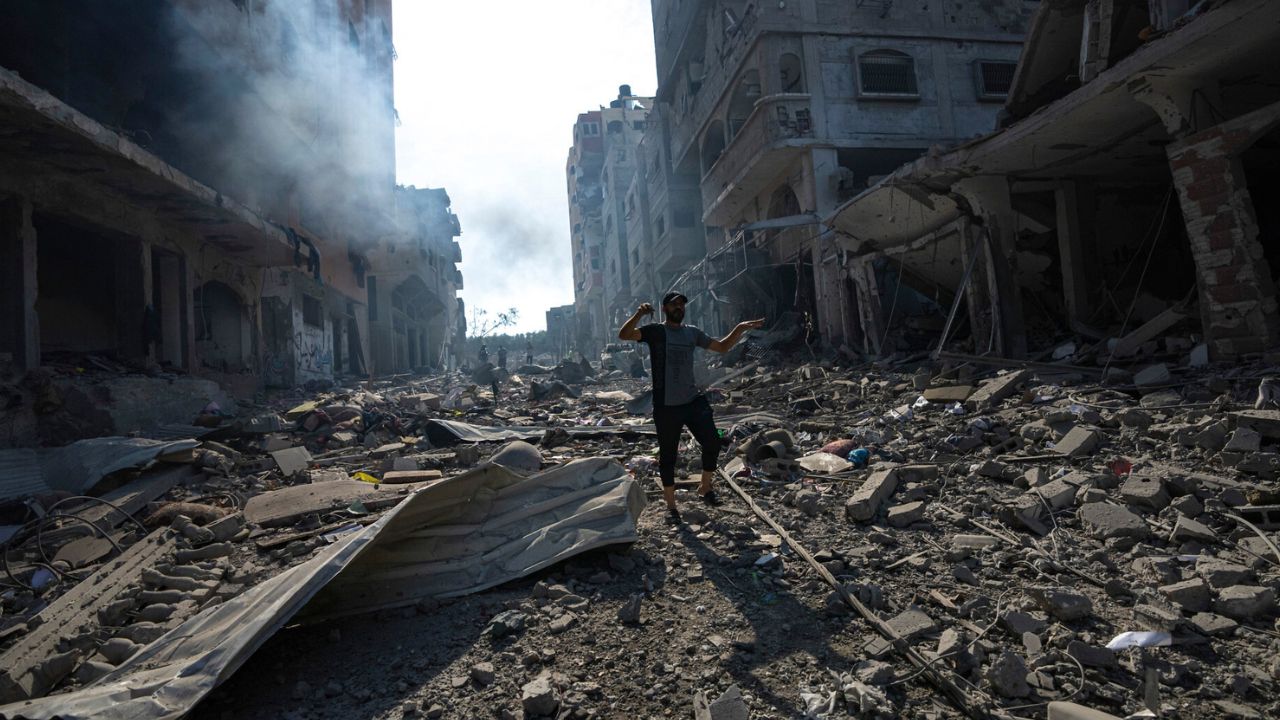
    The UN agency for Palestinian refugees said Tuesday it had found unexploded 1,000-pound bombs inside schools after Israel pulled troops out of southern Gaza’s main city Khan Yunis.

    The Israeli army has carried out relentless air strikes and bombardments in Gaza since October 7 attacks.

    UN agencies led an “assessment mission” in Khan Yunis after Israeli forces withdrew from the embattled city last week, UNRWA said.

    It found “significant challenges in operating safely due to the presence of unexploded ordnance (UXOs), including 1,000-pound bombs inside schools and on roads”.

    “Thousands of internally displaced persons (IDPs) require a range of lifesaving assistance, including health, water and sanitation, and food,” it said.

    Earlier this month, the United Nations said it would take “millions of dollars and many years to decontaminate the (Gaza) Strip from unexploded munitions”.

    “We work off the rule of thumb that 10 percent of ordnance doesn’t function as designed,” UN Mine Action Service chief Charles Birch said in a statement earlier this month.

    “We estimate that, to begin the clearance of Gaza, we need around $45 million.”

    Israeli genocide in Gaza since October 7 has killed at least 33,843 people in the besieged strip, mostly women and children, according to the health ministry.

    lcm/jd/kir

    © Agence France-Presse

  • ‘Go home’: Overtourism sparks backlash in Spain

    ‘Go home’: Overtourism sparks backlash in Spain

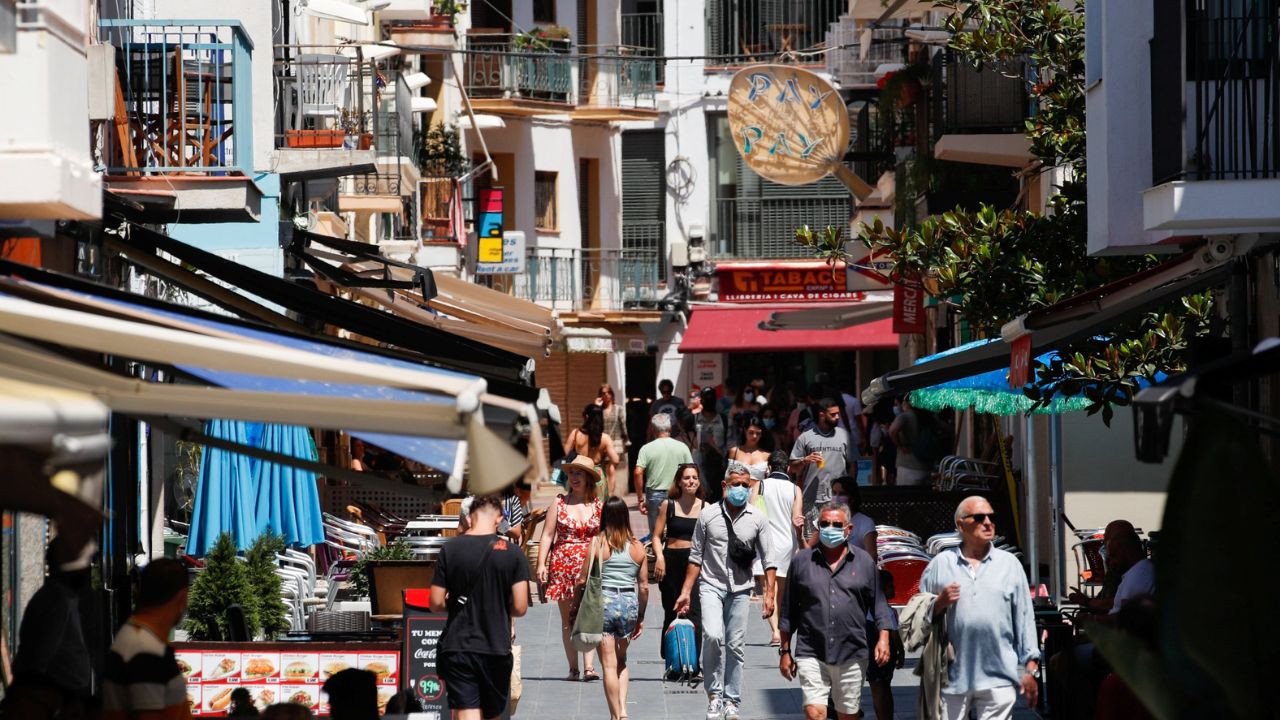
    Anti-tourism movements are multiplying in Spain, the world’s second most visited country, prompting authorities to try and reconcile the interests of locals and the lucrative sector.

    Rallying under the slogan “The Canaries have a limit”, a collective of groups on the archipelago off northwest Africa are planning a slew of protests on Saturday.

    The Canaries are known for volcanic landscapes and year-round sunshine and attracts millions of visitors from all over the world.

    Groups there want authorities to halt work on two new hotels on Tenerife, the largest and most developed of the archipelago’s seven islands.

    They are also demanding that locals be given a greater say in the face of what they consider uncontrolled development which is harming the environment.

    Several members of the collective “Canaries Sold Out” also began an “indefinite” hunger strike last week to put pressure of the authorities.

    “Our islands are a treasure that must be defended,” the collective said.

    The Canaries received 16 million visitors last year, more than seven times its population of around 2.2 million people.

    This is an unsustainable level given the archipelago’s limited resources,  Victor Martin, a spokesman for the collective told a recent press briefing, calling it a “suicidal growth model”.

    Similar anti-tourism movements have sprung up elsewhere in Spain and are active on social media.

    In the southern port of Malaga on the Costa del Sol, a centre of Spain’s decades-old “soy y playa” or “sun and beach” tourism model, stickers with unfriendly slogans such as “This used to be my home” and “Go home” have appeared on the walls fn doors of tourist accommodations.

    In Barcelona and the Balearic Islands, activists have put up fake signs at the entrances to some popular beaches warning in English of the risk of “falling rocks” or “dangerous jellyfish”.

    Locals complain a rise in listings of accommodation on short-term rental platforms such as Airbnb have worsened a housing shortage and caused rents to soar, especially in town centres.

    The influx of tourists also adds to noise and environmental pollution and taxes resources such as water, they add.

    In the northeastern region of Catalonia, which declared a drought emergency in February, anger is growing over the pressure exerted on depleted water reserves by hotels on the Costa Brava.

    “There are tourist destinations that are at the limits of their capacity,” said Jose Luis Zoreda, the vice president of tourism association Exceltur .

    “It’s a problem that appears occasionally in the high season and in certain parts of the country, but it’s getting worse”.

    Before the Covid-19 pandemic brought the global travel industry to its knees in 2020, protest movements against overtourism had already emerged in Spain, especially in Barcelona.

    Now that pandemic travel restrictions have been lifted, tourism is back with a vengeance — Spain welcomed a record 85.1 million foreign visitors last year.

    In response, several cities have taken measures to try to limit overcrowding.

    The northern seaside city of San Sebastian last month limited the size of tourist groups in the centre to 25 people and banned the use of loudspeakers during guided tours.

    The southern city of Seville is mulling charging non-residents a fee to enter its landmark Plaza de Espana while Barcelona had removed a bus route popular with tourists from Google Maps to try to make more room for locals.

    Housing Minister Isabel Rodriguez said over the weekend that “action needs to be taken to limit the number of tourist flats” but stressed the government is “aware of the importance of the tourist sector”, which accounts for 12.8 percent of Spain’s Gross Domestic Product.

  • Journalist investigating corruption killed in Colombia

    Journalist investigating corruption killed in Colombia

    Bogotá, Colombia – A Colombian journalist investigating corruption was killed over the weekend in a city near the border with Venezuela, officials said Monday.

    The reporter, 54-year-old Jaime Vasquez, was shot in Cucuta in front of about a dozen witnesses, according to security videos released by local media.

    Prosecutors say the gunman fled on a motorbike.

    President Gustavo Petro said on X he had ordered an investigation into the murder of Vasquez, who had published allegations of irregular contracts and abuses of power in the city administration and received threats as a result of his work, according to a friend.

    Colombia’s FLIP press freedom foundation condemned the killing and called for a “rapid and exhaustive” probe.

    Since 2006, 167 journalists have been killed in Colombia, according to FLIP. Last year, 163 reporters received threats.

    Another eight people were killed in and around Cucuta on the same weekend, police said, in a region where paramilitary fighters, guerrillas and local criminal gangs are known to operate.

    vd/jss/lv/mlr/dw

    © Agence France-Presse