Category: Global

  • Greenland rejects US control, chooses to stay with Denmark

    Greenland rejects US control, chooses to stay with Denmark

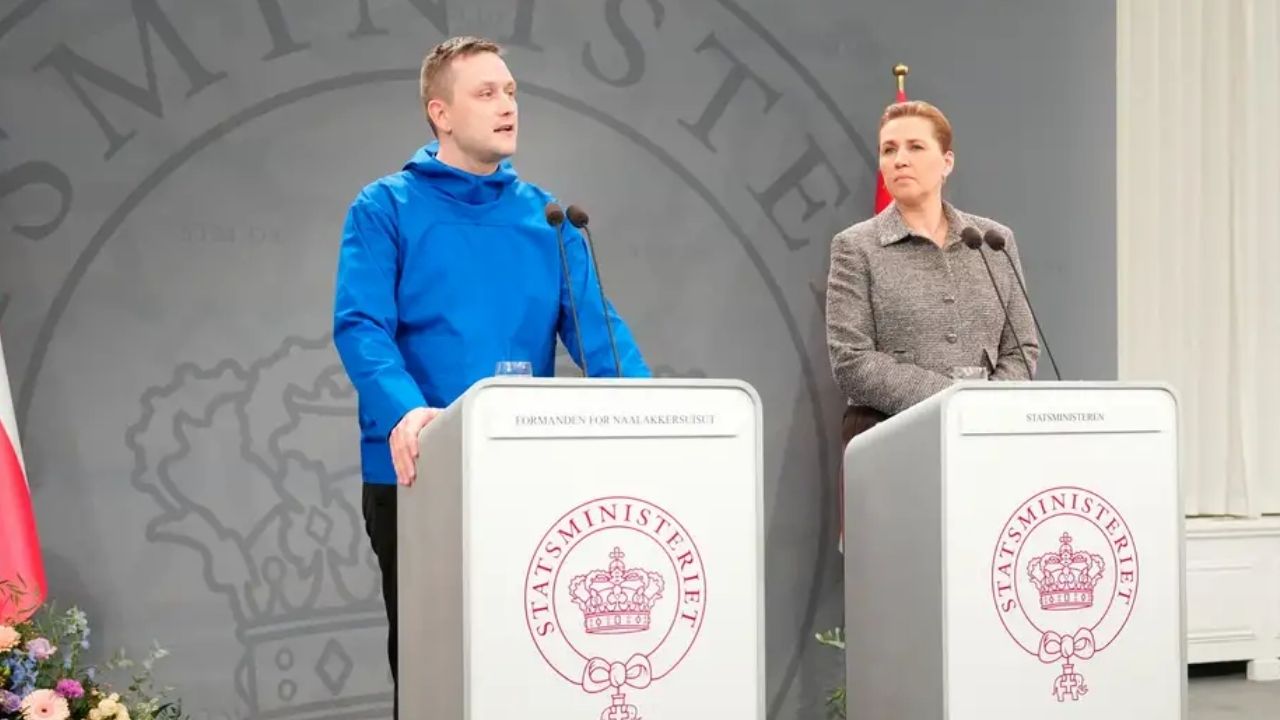
    Greenland has chosen to remain aligned with Denmark rather than the United States of America, Prime Minister (PM) Jens-Frederik Nielsen said on Tuesday.


    “We are now facing a geopolitical crisis, and if we have to choose between the United States and Denmark here and now, we choose Denmark,” Nielsen said, emphasizing that Greenland does not want to come under the control of the United States. 

    “One thing must be clear to everyone – Greenland does not want to be owned by the United States. Greenland does not want to be governed by the United States. Greenland does not want to be part of the United States,” he stressed. 

    Nielsen passed the comments at a joint news conference with Danish Prime Minister Mette Frederiksen in Copenhagen.


    Frederiksen described what she called “unacceptable pressure” from Denmark’s closest ally, the United States, over Greenland, and cautioned that “there are many indications that the most challenging part is ahead of us.”


    At the same time, she emphasized Copenhagen’s interest in continuing cooperation with Washington DC on Arctic security.


    “Of course, we want to strengthen cooperation on security in the Arctic with the United States, with NATO, with Europe and with the Arctic states in NATO,” she said.

    The remarks follow comments by US President Donald Trump, who has promoted the idea of buying or annexing Greenland for years and in recent weeks said the United States would take it “one way or the other.” 

    Trump has also argued that Greenland is needed “for national security” and claimed the island is “surrounded” by Russian and Chinese ships. He has not ruled out using military force to take over the island.


    The United States already operates a military base in Greenland, the Pituffik Space Base, which is one of several US installations that existed on the island during the Cold War.


    Denmark and Greenland’s foreign ministers are scheduled to meet with US Vice President JD Vance and Secretary of State Marco Rubio on Wednesday.

  • US envoy Witkoff meets Reza Pahlavi as Iran protests continue

    US envoy Witkoff meets Reza Pahlavi as Iran protests continue

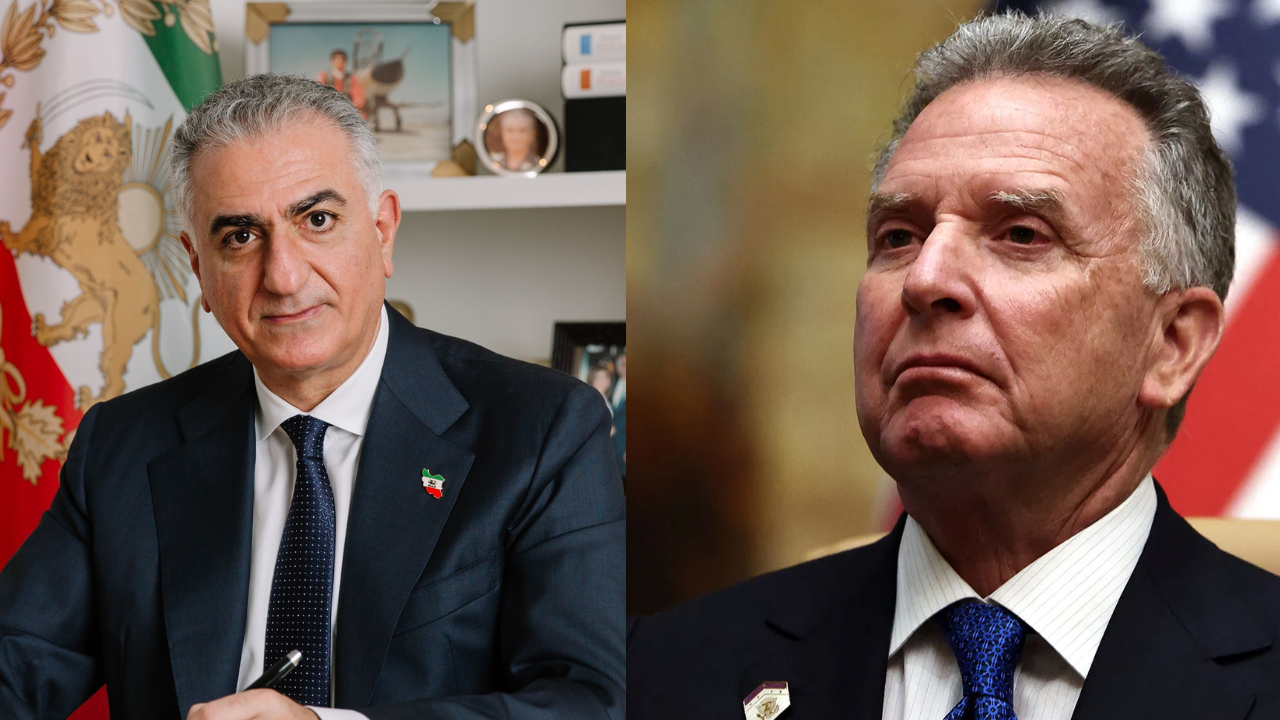
    White House envoy Steve Witkoff reportedly met with exiled Iranian crown prince Reza Pahlavi over the weekend as protests continue across Iran, a report by Axios has claimed, citing a senior US official. 

    Axios said the meeting took place privately and marked the first reported high-level contact between the Trump administration and Iranian opposition figures since protests began around 15 days ago. 

    Reza Pahlavi is the son of Iran’s last Shah, who was overthrown during the 1979 Islamic Revolution that led to the establishment of the Islamic republic.

    The US official quoted by Axios said Pahlavi’s name has been heard during protests in several cities, a development that surprised officials US. “There has been an ascendance of Pahlavi. They are chanting his name in protests in many cities and it seems to be happening organically,” the official told Axios. 

    The outlet reported that Pahlavi has been presenting himself as a possible transitional figure in the event of a collapse of the current system.

    Pahlavi has publicly called on US President Donald Trump to take action. In a Jan 9 post on X, he addressed the US president directly, writing: “Mr President, this is an urgent and immediate call for your attention, support, and action.” 

    He accused Supreme Leader Ayatollah Ali Khamenei of using communications blackouts to carry out a crackdown and urged Trump to “be prepared to intervene to help the people of Iran.” In his remarks, Pahlavi described Trump as a “man of peace.”

    Trump has issued multiple statements backing protesters but has not formally endorsed Pahlavi. In an interview with radio host Hugh Hewitt, Trump said Iran had “been told very strongly” that it would face consequences if violence was used against protestors. 

    In a post on Truth Social, Trump wrote: “Iranian Patriots, KEEP PROTESTING – TAKE OVER YOUR INSTITUTIONS!!! Save the names of the killers and abusers. They will pay a big price.” He added: “I have cancelled all meetings with Iranian Officials until the senseless killing of protesters STOPS. HELP IS ON ITS WAY. MIGA!!!”


    Iranian security chief Ali Larijani said on social media site X that Trump and Israeli Prime Minister Benjamin Netanyahu were the “main killers” of the Iranian people in response to the US president’s post.


    Russia also weighed in, condemning what it called “subversive external interference” in Iran’s internal affairs and warning that any repeat of last year’s US strikes would have consequences for regional and international security.

  • ‘Life with dignity’: Malala speaks out for Iranian girls amid deadly protests

    ‘Life with dignity’: Malala speaks out for Iranian girls amid deadly protests

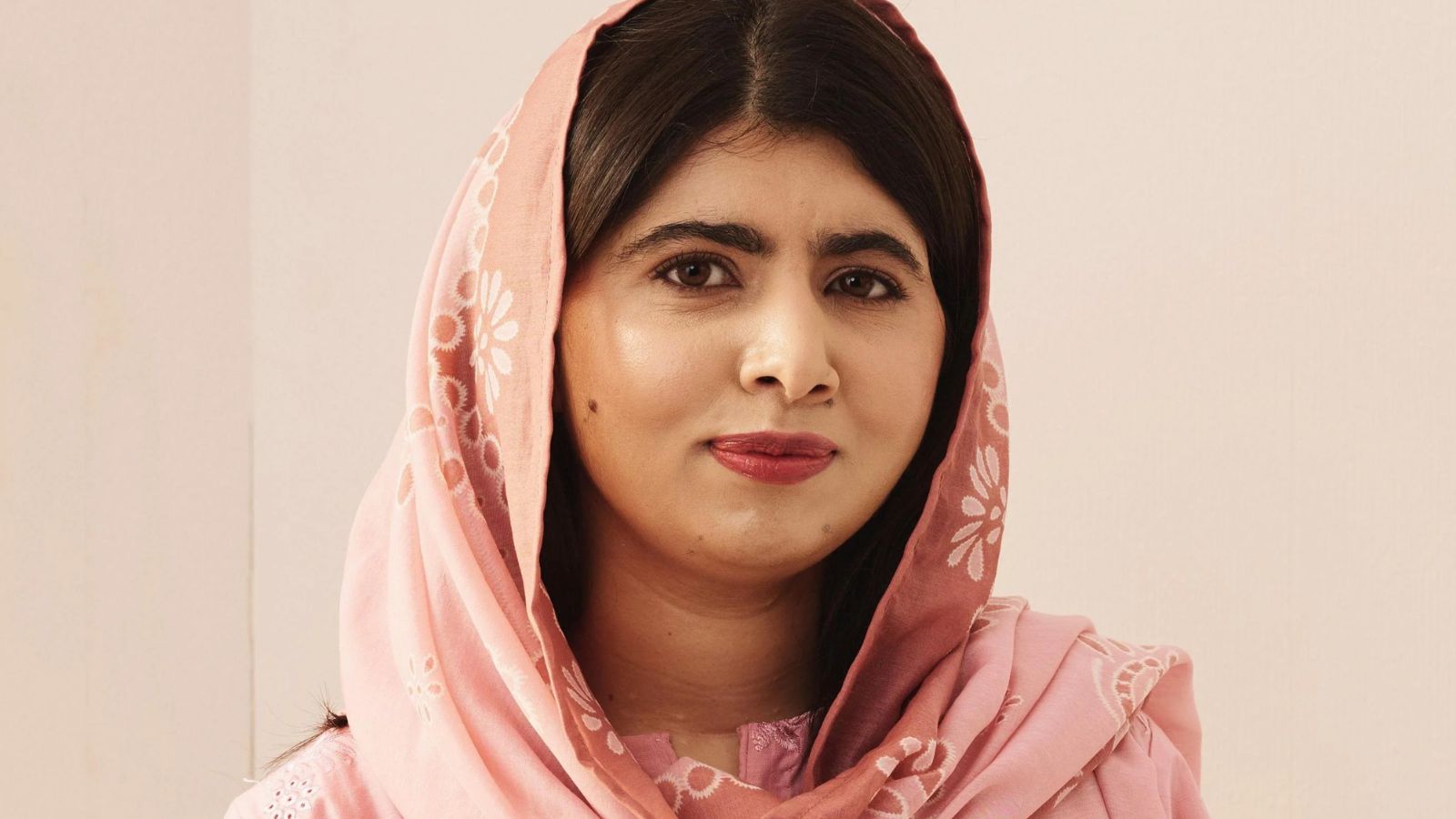
    Nobel laureate Malala Yousafzai has expressed her support for the women and girls of Iran amid ongoing nationwide protests.


    The activist said that the demonstrations sparked initially by economic distress and the rapid devaluation of the Iranian rial “cannot be separated from the long-standing, state-imposed restrictions on girls’ and women’s autonomy, in all aspects of public life, including education.”

    Malala stated: “Iranian girls demand a life with dignity”. 

    Yousafzai highlighted the personal risks Iranians have taken to raise awareness about the repression, noting that “their voices have been silenced for decades.” She described the restrictions on women as part of a broader system of gendered control marked by “segregation, surveillance, and punishment.”

    “The women of Iran demand their voices be heard and the right to determine their political future,” Yousafzai said. 

    She emphasized that this future should be shaped by the leadership of Iranian women and girls rather than by outside forces or oppressive regimes.


    She concluded her statement by saying, “I stand with the people and girls of Iran in their call for freedom and dignity. They deserve to determine their own future.”


    Yousafzai has previously spoken out on Iran, most recently in December when she joined the Norwegian Nobel Committee in condemning the arrest of fellow laureate Narges Mohammadi.

    She has also shared Amnesty International’s criticism of the UK for detaining Greta Thunberg during her protest against Israeli actions in Gaza.

    In recent months, Yousafzai has increasingly focused on the Middle East. In September, her Malala Fund pledged $100,000 to assist Palestinian refugees, and the organisation has since committed another $300,000 to support girls’ education and provide emergency relief in Gaza, Sudan, and the Democratic Republic of Congo.

  • 100,000 US visas revoked under Trump administration

    100,000 US visas revoked under Trump administration

    The United States (US) State Department has announced that more than 100,000 visas have been revoked since President Donald Trump returned to office last year.


    According to a post on X on Monday, the revocations – a result of Trump administration’s hardline approach to immigration – include 8,000 student visas and 2,500 visas for specialised workers.


    The department noted that most withdrawals were due to “encounters with US law enforcement for criminal activity”, though it did not clarify whether these encounters led to formal charges.


    The scale of the revocations reflects the broad immigration crackdown initiated by Trump upon returning to the White House. The administration has reported overseeing more than 2.5 million voluntary departures and deportations, which it described last month as a “record-breaking achievement”.


    Some of the deportations, however, involved immigrants who held valid visas, raising questions about due process and human rights.


    The administration has also implemented stricter visa approval policies, including expanded screening and tighter social media vetting.


    “We will continue to deport these thugs to keep America safe,” the State Department said in its post on X.


    Tommy Pigott, deputy spokesperson for the State Department, said the four leading reasons for visa revocations were overstays, driving under the influence, assault and theft.


    He added that the number of revocations represented a 150 percent increase as compared to 2024.


    The department has also launched a Continuous Vetting Center, which, Pigott said, is intended to ensure that all foreign nationals on American soil comply with laws, and that the visas of those posing a threat to American citizens, are swiftly revoked.


    The State Department has instructed diplomats to scrutinise visa applicants who may be considered hostile to the US or have a history of political activism.


    Trump, who was sworn in for a second term on January 20, 2025, had campaigned in 2024 on a promise to oversee the “largest deportation programme of criminals in the history of America”.


    In October, the State Department also announced it had revoked visas from six foreign nationals who allegedly “celebrated” the assassination of activist Charlie Kirk online.


    “The United States has no obligation to host foreigners who wish death on Americans,” the department stated in a social media post.


    However, it sparked concern over potential violations of the First Amendment right to free speech.

  • Trump claims Iran is seeking negotiations amid protests

    Trump claims Iran is seeking negotiations amid protests

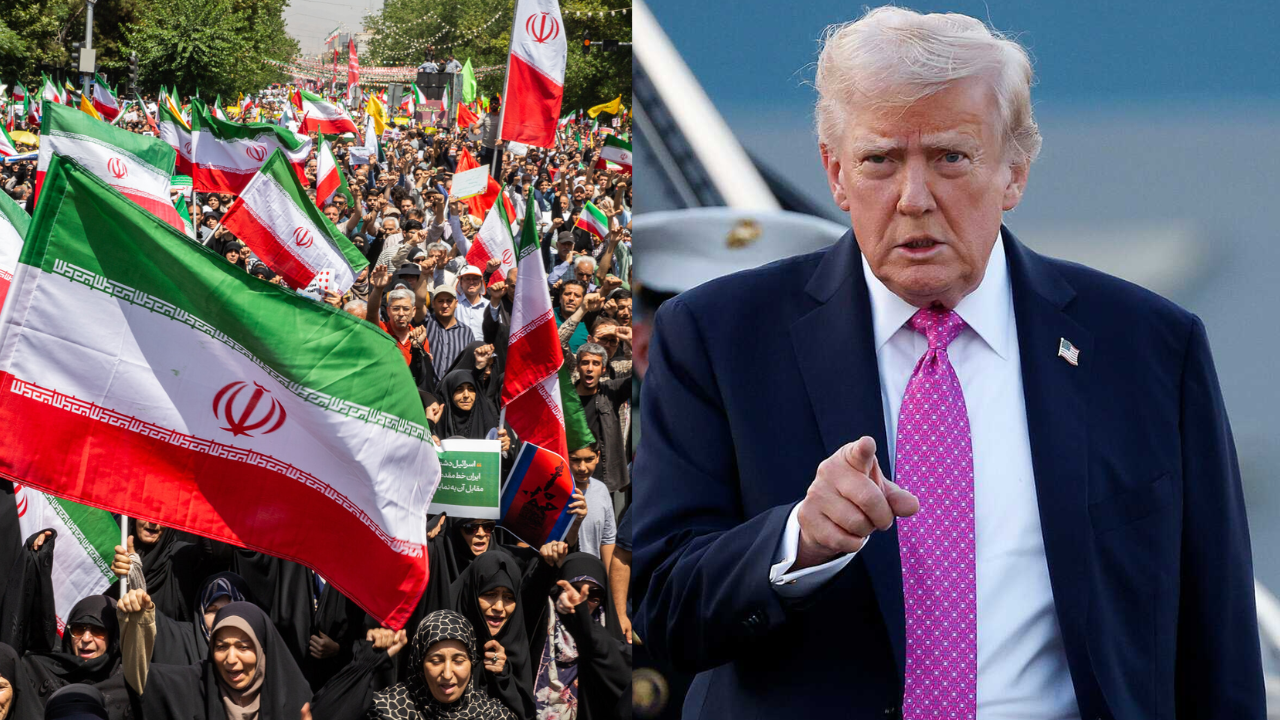
    US President Donald Trump on Sunday claimed that Iran’s leadership had reached out to seek negotiations, as mass anti-government protests continue across the country and tensions with Washington remain high.

    “The leaders of Iran called,” Trump said. He added that “a meeting is being set up” and claimed that Iranian officials “want to negotiate.” Trump, however, warned that “we may have to act before a meeting.”

    His remarks came as Iran faces its largest wave of protests since 2022. Trump has repeatedly said the United States could get involved if Iranian authorities use force against protesters.

    Iranian officials have not released an official casualty count linked to the protests. Figures reported by rights groups could not be independently verified.

    The protests began on December 28 over rising prices before expanding into broader opposition to the authorities. Iran has been governed by the Islamic Republic since the 1979 revolution.

    In Tehran, daily life has been disrupted. Meat prices have risen sharply since the protests began, while many shops have remained closed. Businesses that open shut by late afternoon as security forces deploy in large numbers across the city.

    Fewer protest videos circulated on social media on Sunday, one video shared widely online showed protesters gathering in Tehran’s Pounak district and chanting slogans in support of the ousted monarchy.

    The unrest has emerged as a challenge to Supreme Leader Ayatollah Ali Khamenei, 86, following Israel’s 12-day war against Iran in June, which was backed by the United States.


    State television aired footage of burning buildings, including a mosque, along with funeral processions for members of the security forces. After several days of protests, state outlets also broadcast images showing traffic moving normally in Tehran.

    Tehran Governor Mohammad-Sadegh Motamedian said in televised comments that “the number of protests is decreasing.” The government declared three days of national mourning for those it described as “martyrs,” including members of the security forces. President Masoud Pezeshkian urged Iranians to take part in a “national resistance march” on Monday.

    Reacting to Trump’s statements, parliament speaker Mohammad Bagher Ghalibaf warned that Iran would respond to any intervention, calling US military forces and shipping “legitimate targets” in comments aired on state television.

  • Trump posts altered image stating he is ‘Acting President of Venezuela’

    Trump posts altered image stating he is ‘Acting President of Venezuela’

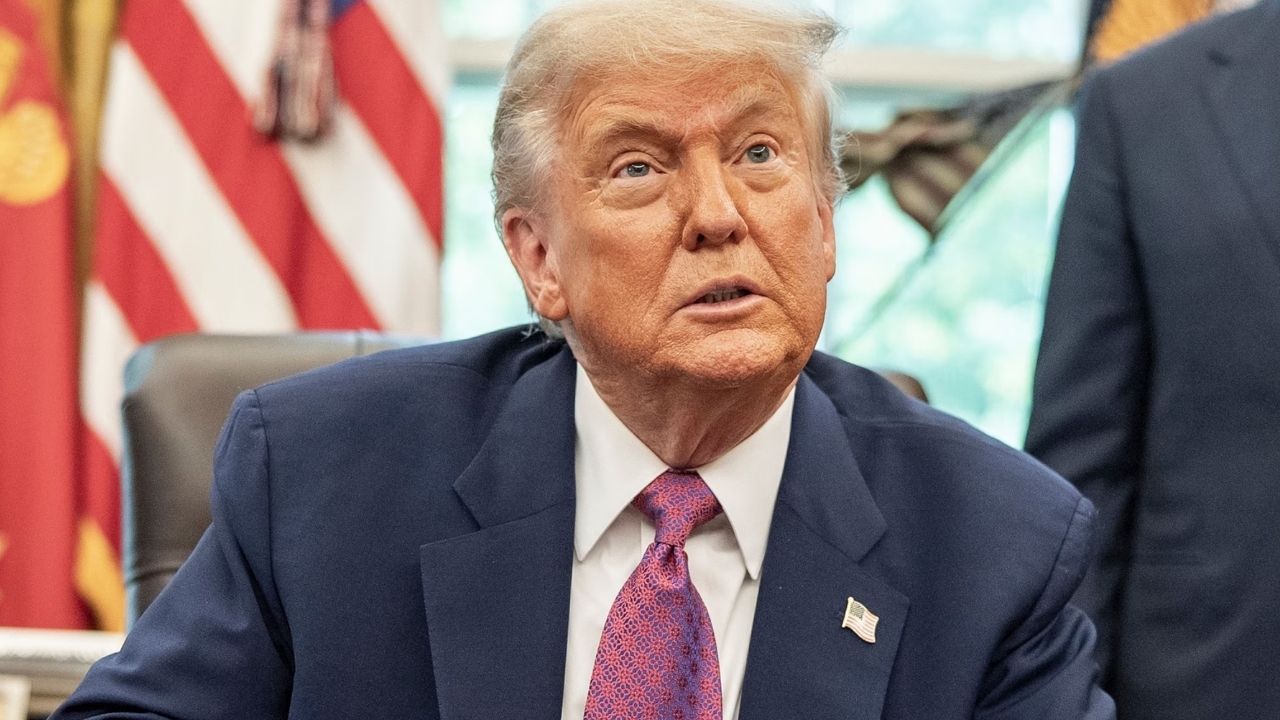
    A digitally altered image shared by President Donald Trump, in which he is referred to as the “Acting President of Venezuela,” has sparked controversy as the United States faces mounting criticism over its illegal actions in the South American country. 


    The post surfaced days after U.S. forces captured Venezuelan President Nicolás Maduro and his wife, Cilia Flores, following a military operation that has plunged Venezuela into political uncertainty.


    The image was posted on Trump’s Truth Social account and appears to mimic an official Wikipedia page, using his presidential portrait alongside the designation “Acting President of Venezuela.” The altered post also lists JD Vance as the country’s vice president, reinforcing the impression of U.S. political control over Venezuela’s leadership. 


    In the early hours of January 3, U.S. forces carried out an illegal military operation across Venezuela, including in the capital, where Maduro and Flores were staying before being taken into custody. 


    The Trump administration has described the operation as part of a broader campaign against drug trafficking and what it terms “narco-terrorism,” though Trump himself has suggested the move was also intended to force regime change.


    Since Maduro’s capture, the U.S. has asserted influence over Venezuela’s political trajectory and its oil sector, with Trump openly expressing interest in overseeing the country’s petroleum industry.


    Following Maduro’s removal, Vice President Delcy Rodríguez was sworn in as interim president on January 5. While the Trump administration has publicly backed Rodríguez, it has also warned that Venezuela will not hold elections in the near term, stating that the U.S. will effectively oversee the country’s transition until conditions are deemed stable.

  • ‘Will shoot first, ask questions later’: Denmark on Trump’s Greenland bid

    ‘Will shoot first, ask questions later’: Denmark on Trump’s Greenland bid

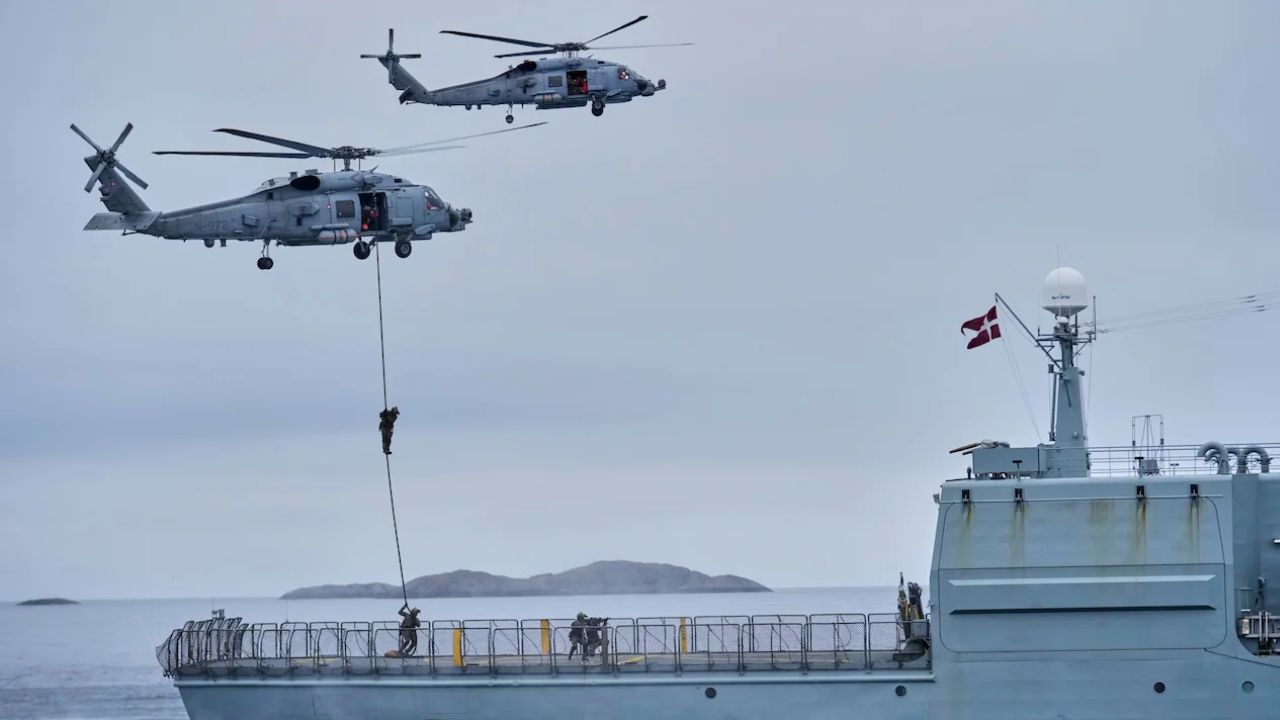
    Under the army’s rules of engagement, Danish soldiers would be instructed to shoot first and ask questions later if the United States (US) attempts to seize Greenland, it has emerged.


    As per the details, the directive dates back to 1952 and requires Danish forces to respond instantly to any invasion, without waiting for formal commands or political clearance. 


    According to a Danish newspaper, the rule states that in the event of an attack, “the attacked forces must immediately take up the fight without waiting for or seeking orders, even if the commanders in question are not aware of the declaration of war or state of war.”


    When asked the status of the order, Denmark’s defence ministry told the newspaper, “The order on precautionary measures for military defence in the event of attacks on the country and during war, remains in force.”


    The issue has gained renewed attention after President Donald Trump reiterated this week that he intends to annex Greenland, a territory governed by Denmark, and said that military force could be used if necessary.


    Denmark, which administers Greenland as an overseas territory, has said the island is “not for sale”. Trump’s remarks have shocked Denmark, Greenland’s government and the wider Nato (North Atlantic Treaty Organisation) alliance.


    European allies are now holding urgent discussions on how to respond to a possible US attack on Greenland, a move that experts say would likely bring an end to Nato.


    Speaking about the talks, French foreign minister Jean-Noël Barrot said: “We want to take action, but we want to do so together with our European partners.”


    A German government source separately told an international media outlet that Germany was “closely working together with other European countries and Denmark on the next steps regarding Greenland”.


    Later on Wednesday, Barrot said he had received assurances from US Secretary of State Marco Rubio that Washington was not planning an “invasion”.


    “I myself was on the phone yesterday with US Secretary of State Marco Rubio… who confirmed that this was not the approach taken… he ruled out the possibility of an invasion of Greenland,” Barrot said.


    According to sources cited by the Wall Street Journal (WSJ), Rubio has also briefed US politicians that threats against Greenland do not indicate an imminent invasion, and that the objective remains to buy the island.


    Those statements appeared to contradict comments made on Tuesday by Karoline Leavitt, Trump’s press secretary, who said that military action was “always an option”.


    An international media outlet reported on Wednesday that US officials have been increasingly discussing a takeover of Greenland with European counterparts as a “concrete” possibility.

    A senior European diplomat told the newspaper that there had been a noticeable shift in tone in recent days.


    Former French premier Dominique de Villepin warned that a US invasion of Greenland would fundamentally change relations between Washington and Europe’s Nato members.


    “In no case should Europe accept any damage to European sovereignty,” Villepin told an international media outlet adding that a Nato member attacking another would be “unprecedented”.


    “And of course, if Donald Trump goes forward, the status of the US will go from adversary or rival to the one of enemy,” he said.

  • ‘Iranian regime’s collapse’: Everything you need to know about countrywide protests

    ‘Iranian regime’s collapse’: Everything you need to know about countrywide protests

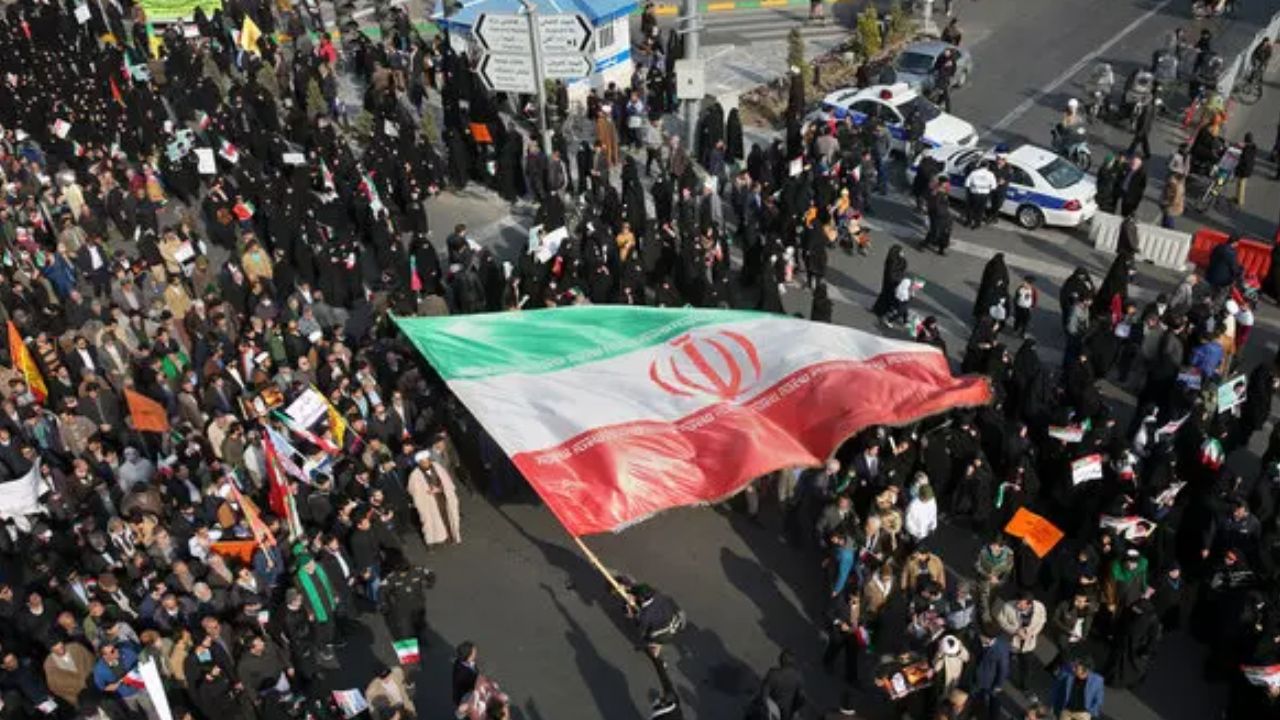
    Iran has entered one of its most volatile periods in years as protests driven by economic hardship have spread across dozens of cities, drawing international attention, state crackdowns and a communication blackout. 

    What began as anger over inflation and a collapsing currency has escalated into nationwide demonstrations openly challenging the Islamic Republic’s authority.

    As the world speculates that the movement could lead to the “falling of Tehran”, here is what you need to know about it.

    PROTESTS BEGIN

    The latest wave of unrest ignited late last month after shopkeepers in Tehran’s Grand Bazaar closed their businesses in protest against the government’s economic policies and the sharp fall of the rial. 

    The central bank’s decision to end a programme that allowed some importers to access cheaper US dollars caused overnight spikes in the prices of basic goods such as cooking oil and chicken, while some products disappeared from the market entirely.

    Millions of Iranians are now grappling with rampant inflation, unaffordable medicine and a currency that has plunged to historic lows. As sanctions tightened and Iran struggled after the 12-day war, its currency collapsed in December and protests began soon after.

    PROTESTS SPREAD NATIONWIDE

    Demonstrations have now reached more than 100 cities across Iran, from Ilam near the Iraqi border to Mashhad in the northeast, according to an international media outlet. 

    Cities including Tehran, Qom, Isfahan, Shiraz, Bandar Abbas, Borujerd, Arsanjan, Gilan-e Gharb, Fardis, Ilam, Shermin, Mashhad, Bojnurd, Lorestan, Golestan and Aligudarz have all reported unrest. 


    Protesters have blocked roads, set fires and marched through neighbourhoods chanting slogans against the ruling system.

    In Tehran, witnesses described neighborhoods erupting into chants late Thursday night, including “Death to the dictator!” and “Death to the Islamic Republic!” Others praised the former monarchy, shouting, “This is the last battle! Pahlavi will return!” Thousands were seen on the streets before communications were cut.


    Footage verified by an international media outlet showed demonstrators lighting fires in the capital, blocking highways and clashing with security forces. In Shiraz, video showed security vehicles driving through a protest barrier that read, “We revolt due to hunger.”


    As protests intensified, Iran was plunged into a nationwide internet and telephone blackout on Thursday evening. Authorities cut access shortly after demonstrations began, limiting the flow of information both domestically and internationally.


    The blackout also appeared to take Iran’s state-run and semi-official news agencies offline. State television acknowledged the protests hours later, claiming that violence had caused casualties and that public and private property, including buses, metro stations, motorcycles and cars, had been set on fire.

    CASUALTIES

    The true human toll remains unclear. Iranian authorities have not released comprehensive casualty figures, while rights groups report conflicting numbers.


    US-based Human Rights Activists News Agency said at least 42 people were killed and more than 2,270 detained. Norway-based Iran Human Rights reported at least 45 deaths, including children, while Iranian media have confirmed fewer fatalities, including members of the security forces.


    Rights organisations have accused security forces of using live ammunition, tear gas and mass arrests to suppress demonstrations.


    ROLE OF PRINCE REZA PAHLVI


    The protests have also tested the influence of exiled Crown Prince Reza Pahlavi, who called on Iranians to take to the streets at 8 pm on Thursday and Friday. His appeal appeared to resonate, with chants supporting the former monarchy heard in several cities.


    As the latest protests unfolded, Pahlavi posted encouragement on X, urging Iranians to “take to the streets and, as a united front, shout demands”.


    Pahlavi had said he would offer further plans depending on the response to his call. His support of and from Israel has drawn criticism in the past – particularly after the 12-day war Israel waged on Iran in June. 


    Demonstrators have shouted in support of the shah in some demonstrations, but it isn’t clear whether that’s support for Pahlavi himself or a desire to return to a time before the 1979 Islamic Revolution.

    TEHRAN’S REACTION

    Iranian Supreme Leader Ayatollah Ali Khamenei promised not to “yield to the enemy” following US President Trump’s comments, which acquired added significance after the US military raid that abducted Venezuelan President Nicolas Maduro, a longtime ally of Tehran, over the weekend.

    Khamenei acknowledged economic grievances but blamed “external forces” for inciting riots.

    Iran’s top judicial and military officials issued stark warnings. Chief Justice Gholam-Hossein Mohseni-Ejei said there would be no leniency for those accused of inciting unrest, claiming they were “operating in line with the enemies of the Islamic Republic of Iran”.

    Mohseni-Ejei was referring to comments by President Trump, who threatened last week that if Tehran “violently kills peaceful protesters, which is their custom, the United States of America will come to their rescue”.

    Army chief Major-General Amir Hatami warned that Iran would “cut off the hand of any aggressor” and said the armed forces were more prepared than before the recent war with Israel.

    Despite this rhetoric, President Masoud Pezeshkian has publicly urged restraint. His office said security forces were ordered not to take action against peaceful demonstrators and to distinguish between protesters and armed rioters.

    German officials condemned Iran’s use of “excessive force” while Israeli Prime Minister Benjamin Netanyahu expressed solidarity with protesters, saying the Iranian people may be “taking their fate into their own hands”.
  • German president warns US actions are destroying world order

    German president warns US actions are destroying world order

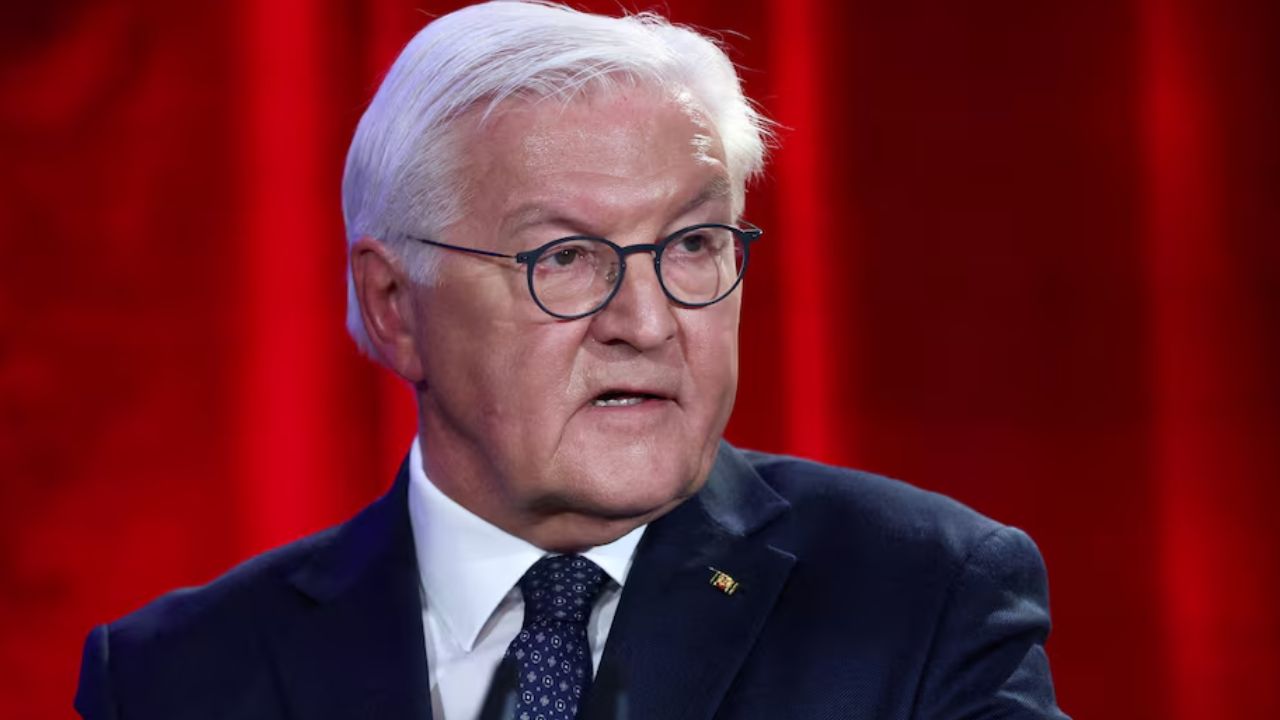
    German President Frank-Walter Steinmeier has delivered an unusually sharp rebuke of U.S. foreign policy under President Donald Trump, warning against allowing the world order to collapse into what he described as a “den of robbers” dominated by the unscrupulous.

    In remarks that appeared to reference recent developments – including moves seen as targeting Venezuelan President Nicolas Maduro – the former foreign minister said global democracy was under greater threat than at any point in recent history.


    While the German presidency is largely ceremonial, Steinmeier’s words carry political weight, and the role affords him greater latitude to speak openly than elected politicians. 

    Pointing to Russia’s annexation of Crimea and its full-scale invasion of Ukraine as a historic turning point, Steinmeier said Washington’s conduct now marked a second historic rupture.

    “Then there is the breakdown of values by our most important partner, the USA, which helped build this world order,” Steinmeier said in remarks at a symposium late on Wednesday. 


    “It is about preventing the world from turning into a den of robbers, where the most unscrupulous take whatever they want, where regions or entire countries are treated as the property of a few great powers,” he said.

    Public opinion in Germany appears to reflect growing unease. A poll published on Thursday by public broadcaster ARD (Accelerated Rehabilitation Disposition) found that 76 percent of respondents no longer viewed the United States as a reliable partner – an increase of three percentage points since June 2025. Just 15 percent said Germany could trust Washington, the lowest level recorded since the survey began.


    In contrast, roughly three-quarters of those surveyed said they still considered France and Britain dependable allies.


    The poll also found that 69 percent of Germans were concerned about security in Europe, with a similar proportion expressing doubts that NATO (North Atlantic Treaty Organisation) members could rely on protection from the United States, the alliance’s most powerful member.

  • Russia condemns US after seizure of tankers linked to Venezuelan oil

    Russia condemns US after seizure of tankers linked to Venezuelan oil

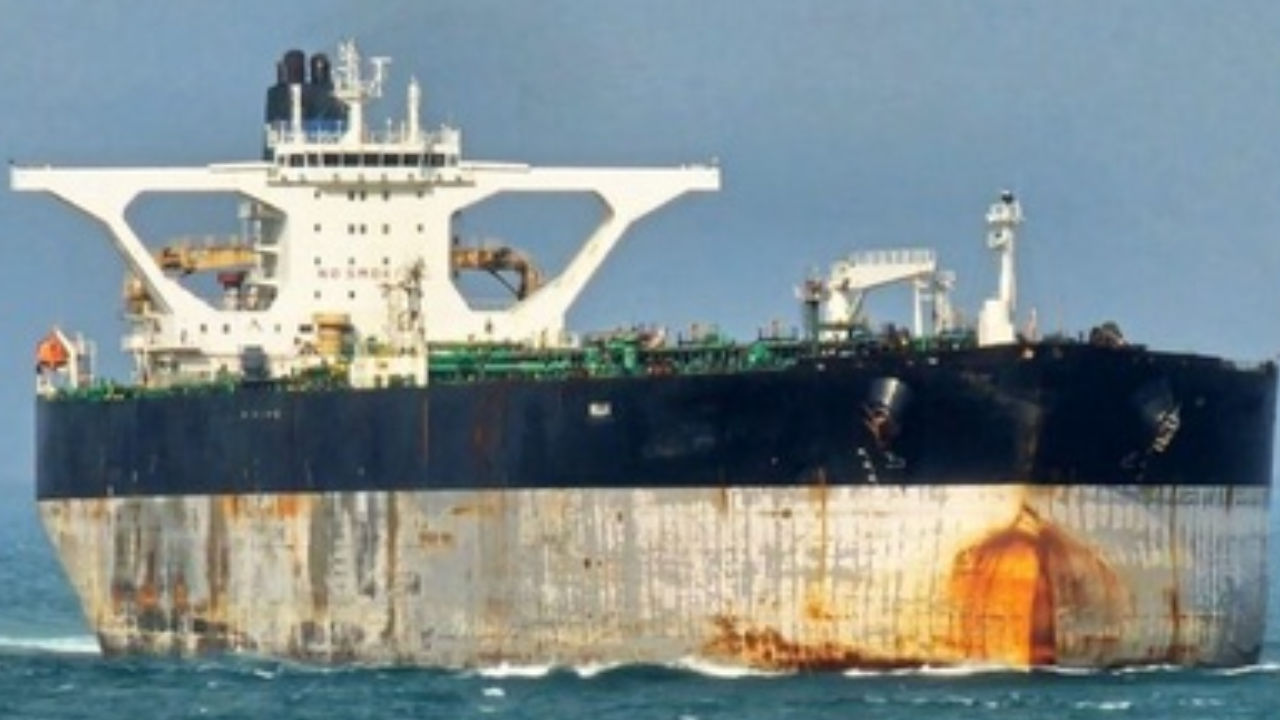
    Moscow has condemned the United States for seizing a tanker sailing under the Russian flag, demanding that US ensure the proper treatment of Russian nationals aboard and allow them to return home swiftly.

    Russia’s transport ministry said the vessel, now named Marinera, had been granted “temporary permission” to sail under the Russian flag, adding that no state had the right to use force against ships lawfully registered under another country’s jurisdiction. 

    Reports suggest that Russia dispatched a submarine to safeguard the tanker, although US forces boarded it without resistance.

    The United States says it has seized two “shadow fleet” tankers linked to Venezuelan oil exports in back-to-back operations in the North Atlantic and the Caribbean.

    US forces boarded the Russian-flagged Marinera after a pursuit lasting nearly two weeks as it travelled through waters between Iceland and Scotland. Britain’s Royal Navy provided logistical support by air and sea during the operation.

    A second tanker, the M/T Sophia, was boarded in the Caribbean. US officials accused it of “conducting illicit activities” while operating in international waters.

    The White House described the Marinera  previously known as Bella 1  as a “Venezuelan shadow fleet vessel deemed stateless after flying a false flag and had a judicial order” against it. 

    US officials said the ship had falsely flown the flag of Guyana last month, rendering it stateless under international maritime law.

    Experts told an international media outlet that a vessel cannot change its flag mid-voyage unless there is a genuine transfer of ownership or registry. Under UN maritime law, stateless vessels can be boarded by authorities.

    US European Command said the Bella 1 was seized “for violations of US sanctions”. 

    Britain’s Ministry of Defence said Royal Fleet Auxiliary (RAF)  surveillance aircraft and the naval support vessel RFA Tideforce took part in the operation at US request for assistance.

    UK Defence Secretary John Healey said the action was “in full compliance with international law” and part of global efforts to crack down on sanctions-busting.

    Separately, US Southern Command said it had “apprehended a stateless, sanctioned dark fleet motor tanker without incident” in the Caribbean. 

    Homeland Security Secretary Kristi Noem said that “in two pre-dawn operations today, the Coast Guard conducted back-to-back meticulously co-ordinated boarding of two ‘ghost fleet’ tanker ships,” noting that both had either last docked in Venezuela or were en route there.

    The seizures come as the US seeks to choke off Venezuelan crude exports. Defence Secretary Pete Hegseth wrote on X: “The blockade of sanctioned and illicit Venezuelan oil remains in FULL EFFECT, anywhere in the world.”

    Venezuela’s leadership is cooperating with the US over the M/T Sophia, Secretary of State Marco Rubio said. “They understand that the only way they can move oil and generate revenue and not have economic collapse is if they co-operate and work with the United States”.

    China, the largest buyer of Venezuelan oil in recent years, has condemned the US actions, accusing US of threatening global energy security.