Category: Global

  • Japanese nuclear agency employee loses phone containing sensitive data in China

    Japanese nuclear agency employee loses phone containing sensitive data in China

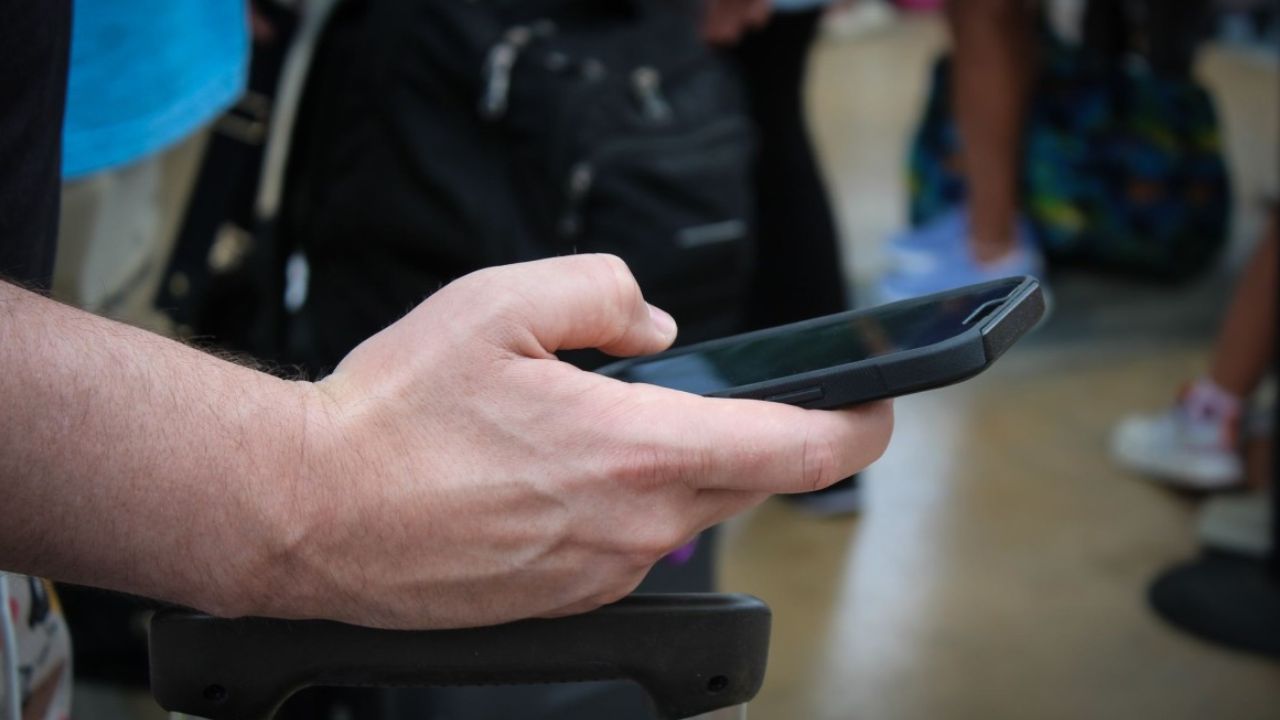
    A Japanese nuclear safety official has lost a work-issued smartphone containing sensitive information during a personal trip to China, Japanese media has reported.


    The phone reportedly held confidential contact details of staff involved in nuclear security at the Nuclear Regulation Authority (NRA). The agency could not confirm if the data was leaked, reports suggest. 


    The incident comes as Japan seeks to restart its nuclear energy program, which has been largely stalled since 2011.


    Following the Fukushima disaster – a magnitude 9 earthquake and subsequent tsunami that triggered a meltdown, the government ordered a shutdown of all nuclear reactors. 

    The NRA was established in the aftermath to oversee nuclear safety including the restarting of the country’s reactor. 


    The employee is believed to have lost the phone on November 3, while undergoing a security check at Shanghai airport. 


    He noticed the device was missing three days later and, despite contacting the airport, was unable to recover it.


    NRA issues smartphones to certain staff members to ensure rapid response in emergencies, the Japanese news outlet reported. 


    The affected department handles the protection of nuclear materials against theft or terrorist threats, according to a Japanese news outlet. 


    Following the incident, the NRA reported it to Japan’s Personal Information Protection Commission and cautioned employees against taking work phones overseas, local media said.


    This is not the first time Japan’s nuclear sector has faced scrutiny over security lapses. In 2023, an employee at the Kashiwazaki-Kariwa Nuclear Power Plant – the world’s largest- lost a stack of documents after leaving them on top of a car. 

    Another employee at the same plant was found to have mishandled confidential documents by making copies and locking them in a desk.


    Earlier this week, Chubu Electric Power, operator of a central Japan nuclear plant, admitted to potentially using selective data during safety inspections. 


    The NRA has suspended the review for  Chubu to restart its reactors, citing “fabrication of critical inspection data,” Reuters reported.

  • UNRWA fires hundreds of Gaza-based staff amid dire financial crisis

    UNRWA fires hundreds of Gaza-based staff amid dire financial crisis

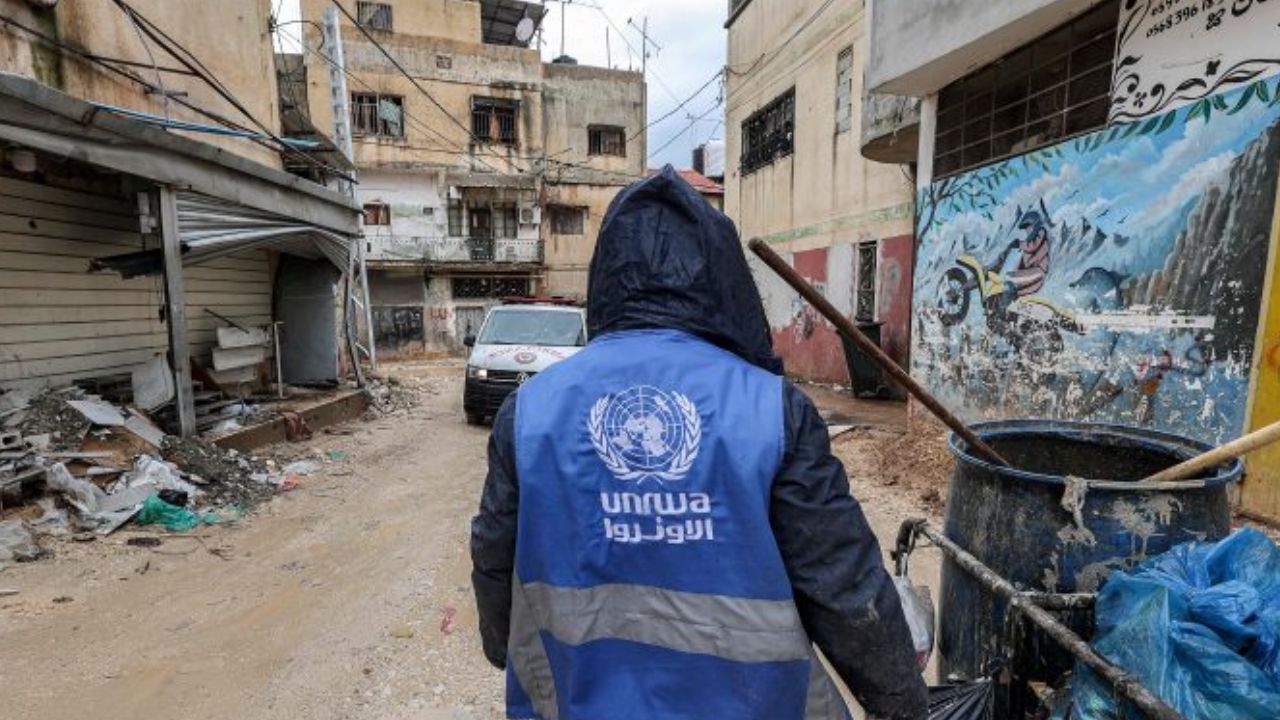
    The UN’s beleaguered agency for Palestinian refugees said Wednesday that a “dire” financial crisis had this week forced it to fire hundreds of Gazan staff who had left the territory.


    For more than seven decades, UNRWA (United Nations Relief and Works Agency for Palestine Refugees in the Near East) has provided aid and assistance to Palestinian refugees across Gaza, the occupied West Bank, Lebanon, Jordan, and Syria.

    A spokesperson said, “On Tuesday, 571 local UNRWA staff, working outside Gaza, were informed that they were being separated from the agency with immediate effect.”


    However, the agency has faced a sharp decline in voluntary contributions, which it relies on for funding, amid growing attacks from Israel. This has caused an unprecedented financial crisis for the organisation.


    The spokesperson added that while UNRWA’s operations cost $880 million last year, it received only about $570 million in contributions. 


    “As things stand, we expect a substantial shortfall in 2026,” they said.

    All staff affected by this week’s announcement were originally based in the Gaza Strip but had relocated outside the territory after the genocide started in October 2023.

  • America pulls out of 66 UN and global organisations

    America pulls out of 66 UN and global organisations

    Donald Trump, the President of the United States, has said the country will withdraw from 66 United Nations and international organisations, including forums focused on climate change, peace, and democracy.

    In a presidential memorandum released by the White House, Trump said the move followed a review of “organizations, conventions, and treaties that are contrary to the interests of the United States.” He added that the United States will cease participation and end all funding to the affected entities.

    The White House shared a list of 35 non-UN organisations, including the Intergovernmental Panel on Climate Change (IPCC), the International Institute for Democracy and Electoral Assistance, and the International Union for Conservation of Nature. 

    The IPCC, however, is a UN body that brings together scientists to assess climate change evidence and provide periodic reports to inform policymakers.

    The announcement also includes withdrawal from 31 UN entities, such as the UN Framework Convention on Climate Change (UNFCCC), the UN Democracy Fund, and the UN Population Fund (UNFPA), which focuses on maternal and child health.

    Several UN bodies targeted by the decision also work on protecting vulnerable groups from violence during wars.

    Trump has previously acted to influence international decision-making while claiming he seeks less US involvement in UN forums.


    As a permanent member of the UN Security Council, the United States has veto power over measures it opposes and has used it to block efforts to end Israel’s genocide on Gaza before mediating a ceasefire last year.

    Since the start of his second term in January 2025, Trump has withdrawn the US from the World Health Organization (WHO), the Paris climate agreement, and the UN Human Rights Council. 

    These withdrawals were also made during his first administration and later reversed by former President Joe Biden. The US exit from the WHO will take effect on January 22, 2026, one year after the order.

    The Trump administration has maintained a US funding ban on the UN agency for Palestinian refugees United Nations Relief and Works Agency (UNRWA) that began under Biden.

  • American woman shot dead by immigration agent in Minneapolis, igniting furious outrage

    American woman shot dead by immigration agent in Minneapolis, igniting furious outrage

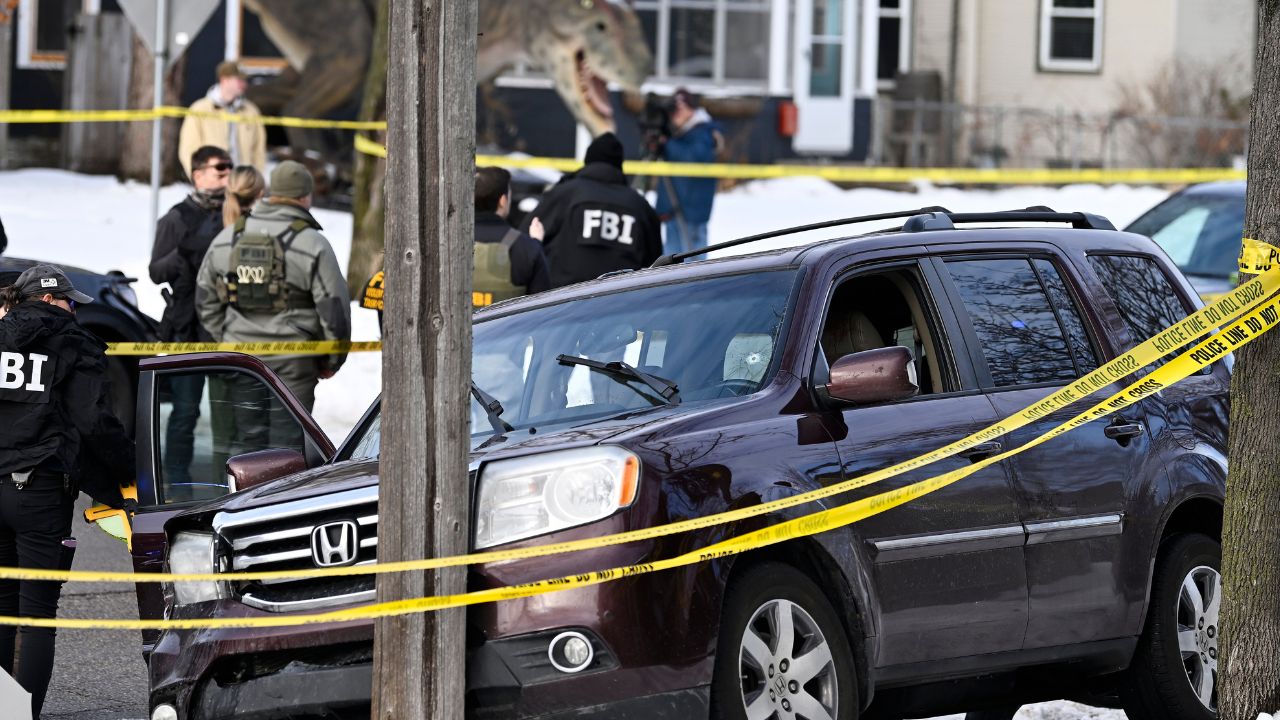
    A U.S. immigration agent shot and killed a 37-year-old woman in her car in Minneapolis on Wednesday during an immigration enforcement surge, according to local and federal officials, the latest violence in President Donald Trump’s nationwide crackdown on migrants.


    Minneapolis Mayor Jacob Frey strongly rejected the Trump administration’s claim that the agent acted in self-defense, saying video footage of the incident contradicted the federal government’s account.

    “They’re already trying to spin this as an action of self-defense,” Frey said angrily at a press conference. “Having seen the video myself, I want to tell everybody directly – that is bullshit.”


    Frey accused federal immigration agents of creating instability in the city and demanded that U.S. Immigration and Customs Enforcement (ICE) leave Minneapolis, though he urged residents to remain calm. Democratic leaders in Minnesota and Washington also criticized the operation, calling it an unnecessary provocation that led to a tragedy.


    The Minnesota City Council identified the woman as Renee Nicole Good, describing her as someone who had been “out caring for her neighbors” when she was killed. The council demanded ICE immediately withdraw from the city.


    Homeland Security Secretary Kristi Noem said ICE officers had been responding to a vehicle stuck in the snow when they were harassed by what she described as a “mob of agitators.”


    Noem said Good followed the agents throughout the day, blocked their vehicle and refused orders to move. She alleged that Good then attempted to use her vehicle as a weapon.


    “She then proceeded to weaponize her vehicle, and she attempted to run a law enforcement officer over,” Noem told reporters, claiming the car struck an officer. She described the incident as “domestic terrorism” and said it was under investigation by the Federal Bureau Investigation (FBI). State officials said they would conduct their own inquiry.


    Videos of the shooting posted on social media and verified by an international media outlet raised questions about the federal account. One widely shared clip shows a maroon Honda SUV (Sport Utility Vehicle) partially blocking a residential street. The driver inches forward, then stops to allow another vehicle to pass.

    With the driver’s window down, she appears to gesture for a pickup truck to proceed. Instead, the truck stops, and two officers exit and approach the SUV.

    As one officer orders the driver out of the vehicle and reaches for the door handle, the SUV briefly reverses. A third agent moves in front of the car from the passenger side.

    The driver then accelerates forward while steering to the right, appearing to attempt to drive away. The agent positioned in front of the SUV draws his weapon, steps back and fires as the vehicle’s left front bumper comes close to his legs.


    Three shots are fired, including at least one after the bumper appears to have passed the officer. It is unclear from the video whether the vehicle made contact with him. The officer remains on his feet throughout the encounter.

    After the shots, the SUV speeds away and crashes into parked cars and a utility pole.

    Noem said the officer, whom she described as experienced, “followed his training.” She said he was treated at a hospital and later released.

    Good’s mother, Donna Ganger, told the Minnesota Star Tribune that her daughter was “extremely compassionate” and unlikely to confront immigration agents.

    “She’s taken care of people all her life,” Ganger said. “She was loving, forgiving and affectionate.”

    Police said Good, who was married, was not a target of immigration enforcement. A nearby resident told an international media outlet that Good lived in the neighborhood.


    The Department of Homeland Security said it is carrying out what it described as the “largest DHS operation ever” in Minnesota, with about 2,000 officers deployed to arrest individuals accused of serious crimes.


    The surge follows allegations of large-scale welfare fraud involving some Somali immigrant groups. Noem said authorities had arrested 1,500 people in recent weeks.


    Trump, in a social media post, said the video showed the woman “violently, willfully, and viciously” running over an ICE officer, who he said fired in self-defense.

    The sharply different accounts underscored deep political polarization, with Trump supporters backing his narrative and critics disputing it.

  • Nestlé recalls baby formula over toxin risk

    Nestlé recalls baby formula over toxin risk

    Swiss food giant Nestlé has announced a recall of certain batches of infant formula in several European countries, including France, Germany, Austria, Denmark, Italy and Sweden, as a precautionary measure.

    The company said on its website that it had identified a “quality issue” in an ingredient sourced from one of its main suppliers.

    “Nestlé has undertaken testing of all arachidonic acid oil and related oil mixes used in the production of potentially affected infant nutrition products,” the statement read.

    The company confirmed that “no illnesses have been reported in connection with the products involved to date” and said it was coordinating with authorities in the respective countries to ensure all necessary steps are taken.

    “Nestlé assures parents and caregivers that it is taking appropriate actions, including recalling products where necessary,” the statement added.

    Nestlé France said it was carrying out a “preventive and voluntary recall” of selected batches of its Guigoz and Nidal infant formulas after investigations indicated the potential presence of cereulide, a toxin that can cause digestive problems including vomiting and stomach cramps.

    It is unlikely to be deactivated or destroyed by cooking, using boiling water or when making the infant milk, the Food Standards Agency (FSA) warned.

    The FSA’s head of incidents, Jane Rawling, said parents, guardians and caregivers should not feed infants or young children the affected products.

    “I want to reassure parents, guardians and caregivers that we are taking urgent action, helping to ensure all of the affected product is removed from sale as a precaution,” she added.

    Additionally, the company posted pictures of the affected batch numbers on local websites. The products are sold under the Alfamino and Beba brands in Germany.

    Nestlé has also offered a dedicated phone line to address customer queries, as well as instructions for returning the impacted products and receiving a refund.

  • Did New Delhi engage Trump officials for ceasefire with Pakistan?

    Did New Delhi engage Trump officials for ceasefire with Pakistan?

    India’s repeated denial of US mediation in ending the four-day India-Pakistan conflict after the Pahalgam incident has come under scrutiny after a report revealed that a lobbying firm engaged by New Delhi made hectic calls to senior US officials on May 10.

    A report by The Hindu, citing filings submitted under the US Foreign Agents Registration Act (FARA), shows that SHW Partners LLC – a Washington DC-based lobbying firm engaged by the Indian Embassy made a series of calls to senior US officials on May 10, 2025, as the conflict de-escalated.


    While the filings do not clarify whether the calls were placed before or after the ceasefire, they “indicate close interaction on the day,” the report stated.

    The details state that the Indian Embassy contacted US Trade Representative Jamieson Greer, National Security Council official Ricky Gill, and White House Chief of Staff Susie Wiles through SHW Partners LLC to coordinate media coverage of the clash. 


    Despite repeated claims by US President Donald Trump and public acknowledgement of Mr. Gill’s role in reducing tensions by Secretary of State Marco Rubio, the action seems to contradict New Delhi’s continuous stance that the US had no mediatory role.


    The call to Mr. Greer, specifically to mention Operation Sindoor, is especially noteworthy, according to the report, as India’s External Affairs Ministry has consistently denied President Trump’s claims that he threatened to stop trade unless conflict stopped.


    The FARA filings have sparked concern in New Delhi’s diplomatic circles, particularly as SHW Partners LLC also claimed credit for arranging meetings with senior Indian officials and prominent Trump administration officials over the previous year. 

    These included Indian Ambassador to the United States Vinay Kwatra, Deputy National Security Advisor Pavan Kapoor, Foreign Secretary Vikram Misri, and External Affairs Minister S. Jaishankar.


    On April 24, 2025, the Indian Embassy formally contracted SHW Partners LLC a contract. On May 2, a private media outlet reported that New Delhi had paid $150,000 a month to hire the firm led by former Trump adviser Jason Miller as a registered foreign agent. 


    Under an annual contract worth $1.8 million, the firm got $900,000 in two quarterly instalments and reported no other clients during the year.


    The Hindu was informed by both current and former Indian authorities that this arrangement marks a departure from established practice. 


    They claimed that although lobbyists are typically consulted by embassies for political advice and party outreach, this is the first time a firm has been assigned the responsibility of directly arranging meetings and scheduling official phone calls with US government officials. 


    “Such meetings are routinely sought by the mission directly,” at least two Indian officials were quoted as saying.


    A former diplomat, who previously served at the Indian Embassy in Washington, described the shift as telling. “This seems to indicate that the Trump administration has set new rules of engagement and the government has been left with little choice but to play along,” he said.

    The Indian Embassy, however, defended the engagement, with a spokesperson stating that hiring lobbying firms was consistent with long-standing local practice. 

    “The Indian Embassy has hired such firms, consistent with local practice and requirements, under successive governments since the 1950s,” the spokesperson said.

    Another official quoted by The Hindu said lobbyists are retained primarily “for advice and to understand the landscape,” adding that direct engagement between diplomats remains the norm.

    In addition to the calls on May 10, the filings reveal that SHW Partners LLC charged the Embassy for helping a legislative delegation headed by opposition leader Shashi Tharoor request meetings, including efforts to arrange meetings with US Vice-President J.D. Vance.

    The firm claimed to have emailed requests for meetings with Mr. Vance, Secretary of War Pete Hegseth, and CIA Director John Ratcliffe on June 23, 2025, just days before Mr. Jaishankar’s trip to Washington for the Quad foreign ministers’ meeting. 


    Half of the 60 FARA entries that were submitted asked for phone conversations to discuss the status of US-India trade negotiations with key White House and trade officials. 

    Following Washington’s decision to impose 25 percent reciprocal tariffs on Indian goods, followed by an additional 25 percent penalty linked to India’s oil purchases, the frequency of these calls increased dramatically as relations deteriorated.

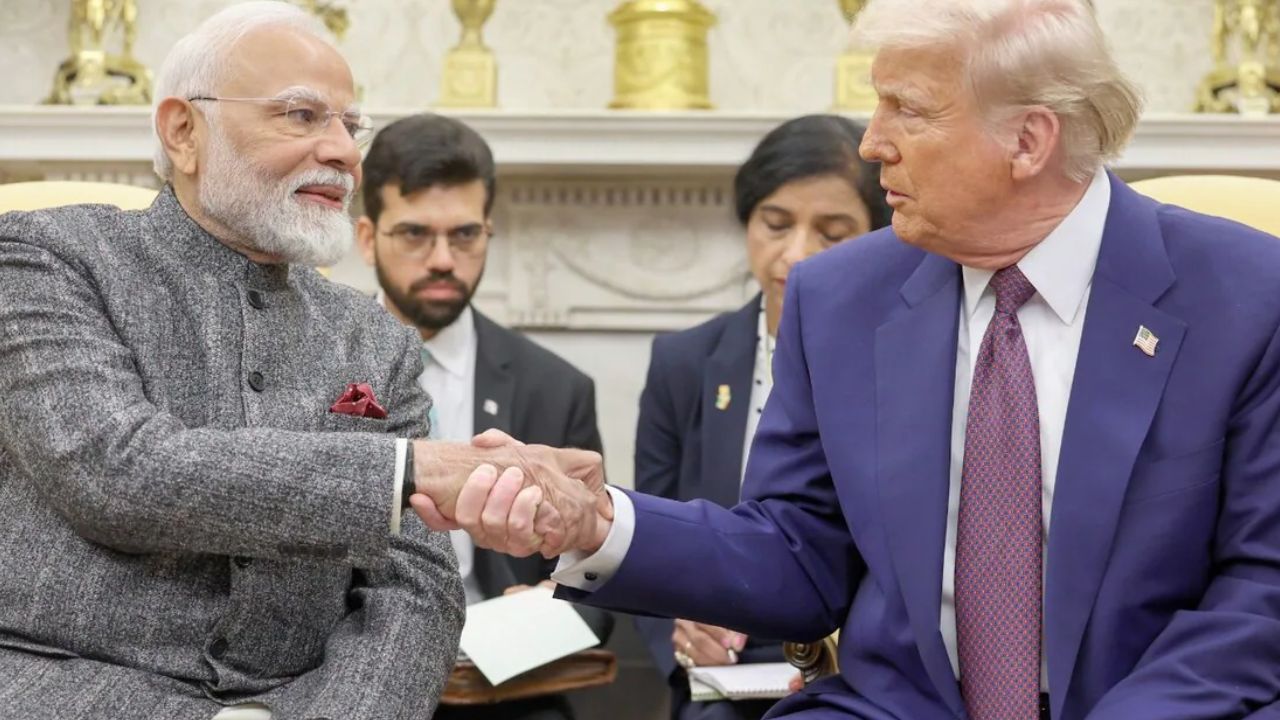
    As tensions eased and President Trump and Prime Minister Narendra Modi exchanged conciliatory messages on social media, SHW Partners LLC reported making further calls to White House officials to “flag” Mr Modi’s posts.
  • Trump says money from Venezuelan oil transfer will be controlled by US

    Trump says money from Venezuelan oil transfer will be controlled by US

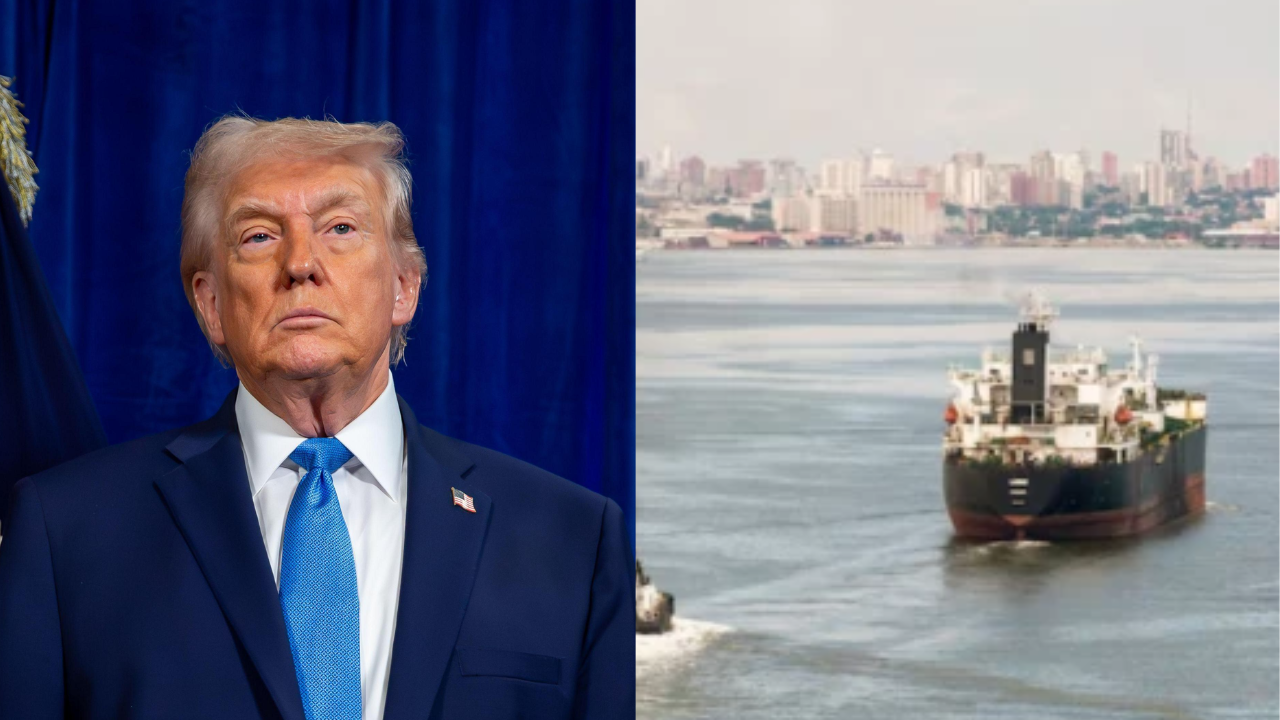
    US President Donald Trump has said Venezuela would hand over between 30 and 50 million barrels of oil to the United States, adding that the proceeds from the sale would be controlled by the US. 

    The development signals that the Venezuelan government is responding to Trump’s demand to open its oil sector to US companies.

    In a post on truth social, Trump said Venezuela would be “turning over” sanctioned oil that would be sold at market price. “This Oil will be sold at its Market Price, and that money will be controlled by me, as President of the United States of America, to ensure it is used to benefit the people of Venezuela and the United States!” he wrote.

    Trump said US Energy Secretary Chris Wright would oversee the process, adding that the oil would be taken from ships and transported directly to US ports. He also said he wanted interim President Delcy Rodriguez to provide US authorities and private companies “total access” to Venezuela’s oil industry.

    Venezuela has millions of barrels of crude stored in tanks and on vessels that it has been unable to export due to a US blockade imposed in mid-December. The restrictions were part of broader pressure on the government of President Nicolas Maduro, which escalated over the weekend when US forces launched strikes in the country.

    Venezuelan officials have accused the United States of attempting to seize the country’s oil reserves. The government and state oil company Petroleos de Venezuela did not comment on Trump’s statement.

    Supplying the oil to the US could require diverting shipments originally intended for China, which has been Venezuela’s largest buyer over the past decade, particularly after Washington imposed sanctions in 2020 on companies involved in the oil trade with Caracas. 

    US crude prices fell more than 1.5 percent following the announcement. Current Venezuelan oil exports to the United States are handled by Chevron, PDVSA’s joint venture partner, under a US authorisation. Chevron has been shipping between 100,000 and 150,000 barrels per day and remains the only company loading Venezuelan crude without interruption during the blockade.

    It remains unclear whether Venezuela would receive any share of the proceeds. Sanctions bar PDVSA from the global financial system, freeze its bank accounts and prevent transactions in US dollars. Venezuela has been selling its Merey crude at a discount of about $22 per barrel below Brent, placing the value of the proposed transfer at up to $1.9 billion.

    Officials from both countries have discussed possible sales mechanisms, including auctions for US buyers and licences for PDVSA’s partners, which in the past allowed companies to receive or resell Venezuelan oil. 

    US Interior Secretary Doug Burgum said increased Venezuelan oil flows would be “great news” for jobs and fuel prices, adding that “with American technology, American partnership, Venezuela can be transformed.”

  • Defiant Maduro pleads not guilty in New York

    Defiant Maduro pleads not guilty in New York

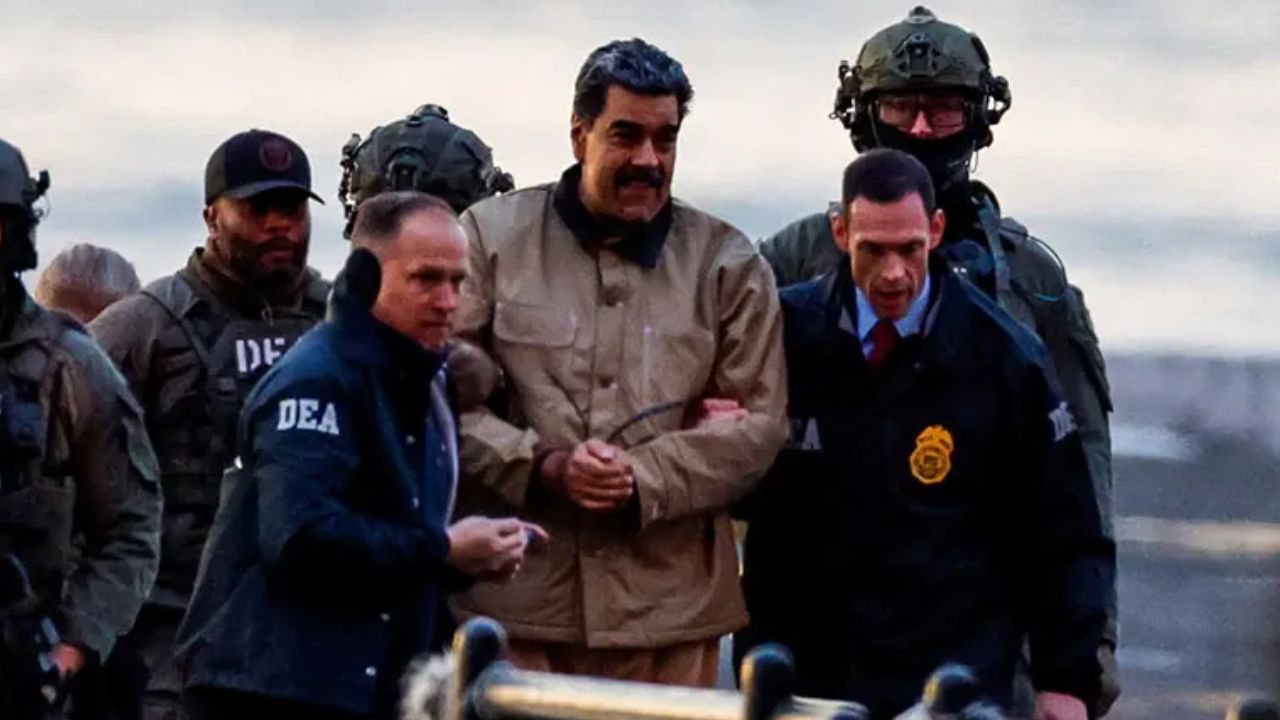
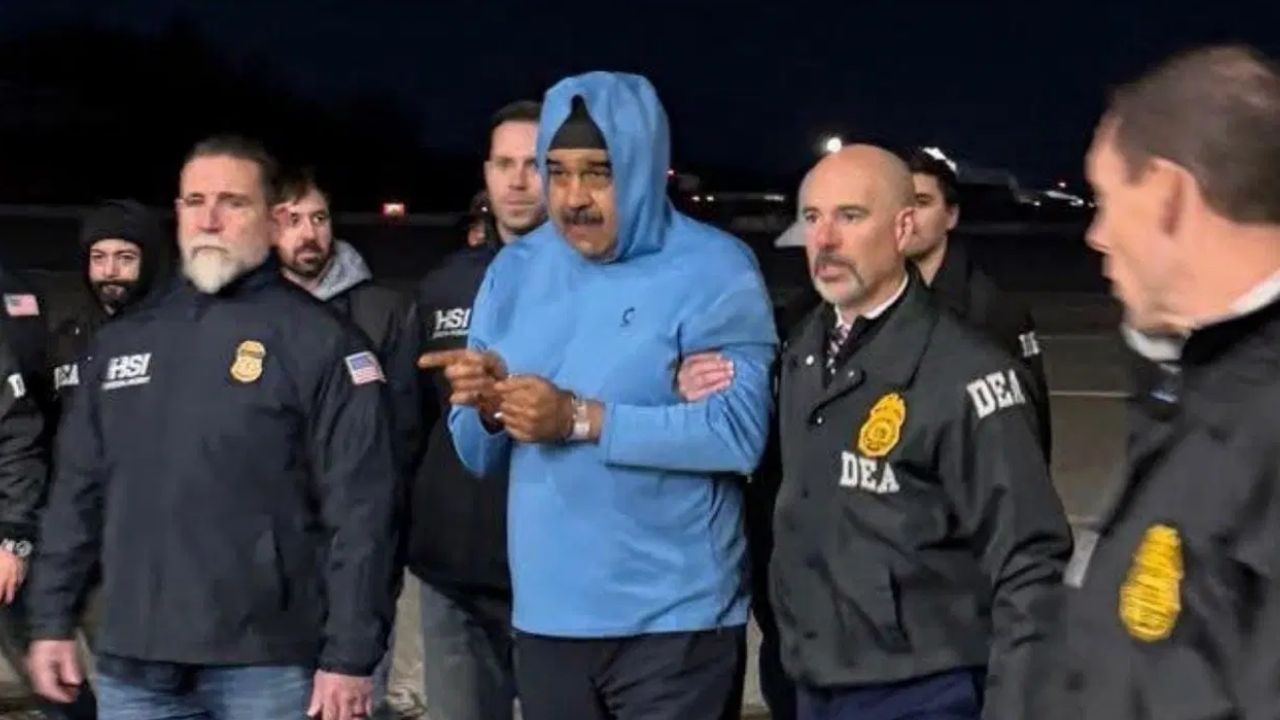
    Venezuelan president Nicolas Maduro has pleaded not guilty to charges of narco-terrorism during a court appearance in New York, US, on Monday, two days after being seized by American forces during an illegal Saturday raid on his residence in Caracas.


    Maduro, 63, appeared alongside his wife, Cilia Flores, after the couple were captured in what US officials described as a surprise military operation carried out in the Venezuelan capital. The controversial operation, which involved helicopters, fighter jets and naval support, marked a sharp escalation in Washington’s interference in the oil-rich South American nation.


    Both Maduro and Flores face narcotrafficking charges in the United States. According to reports, US commandos stormed their home on Saturday and kidnapped them from the country.


    Speaking before a federal judge in Manhattan, Maduro emphasised that he had been abducted, telling the court: “I’m innocent, I’m not guilty.” He also said, “I’m still the president of my country,” according to US media reports.


    Flores also entered a plea of not guilty. The Venezuelan President is expected to remain in custody in New York, with his next court hearing scheduled for March 17.


    Maduro was transported by helicopter and armored vehicle earlier on Monday, and he was taken to the courthouse under strict security, accompanied by armed law enforcement officers. 


    Thousands of Maduro supporters assembled in Caracas on Sunday, in favour of the overthrown leader, yelling slogans and waved Venezuelan flags.


    No official death toll has been released in Venezuela following the operation. However, Defence Minister Vladimir Padrino Lopez said that a “large part” of Maduro’s security team had been killed “in cold blood,” along with members of the military and civilians.


    In Washington DC, President Donald Trump said late Sunday that the United States was now “in charge” of Venezuela. US Secretary of State Marco Rubio said discussions about holding elections following Maduro’s removal were “premature.”


    Asked what the United States required from interim leader Rodriguez, Trump said: “We need total access. We need access to the oil and other things in their country that allow us to rebuild their country.”


    Venezuela holds the world’s largest proven oil reserves, and an increase in Venezuelan crude entering global markets could deepen oversupply concerns and add further pressure on prices. 


    Analysts, however, say that significantly ramping up oil production would be neither quick nor easy, given the country’s deteriorated infrastructure. Oil prices dipped as investors assessed the potential impact of the situation.


    The Trump administration has said it continues to wield economic leverage by blockading Venezuelan oil tankers and has warned of further military action if necessary.


    Prominent opposition figure Edmundo Gonzalez Urrutia said the US intervention was “important” but added that without the release of political prisoners and recognition that he won the 2024 election, it was “not enough.”


    Details of the US operation continued to emerge on Monday. Cuba said 32 of its nationals were killed during the assault, while Trump claimed that Cuba itself was on the brink of collapse following Maduro’s capture. “I don’t think we need any action. It looks like it’s going down,” Trump said.


    International reaction was swift. China, Russia and Iran, long-time allies of Maduro, condemned the US operation. Some US allies, including the European Union (EU), also voiced concern.


    China called for Maduro to be “immediately released,” with its foreign ministry describing the operation as a “clear violation of international law.” Iran said on Monday that its relationship with Venezuela remained unchanged and also called for Maduro’s release.


    Colombian President Gustavo Petro criticised the US action as an “assault on the sovereignty” of Latin America, warning it could trigger a humanitarian crisis. Petro also rejected Trump’s threats of military action against Colombia, after the US president accused the Colombian leader of drug trafficking.

  • UN to debate legality of President Maduro’s capture by US

    UN to debate legality of President Maduro’s capture by US

    The United Nations Security Council (UNSC) will convene Monday to examine the legality of the United States’ (US) dramatic capture of Venezuelan President Nicolas Maduro, though Washington is unlikely to face strong condemnation from its allies.

    US Special Forces seized Maduro in Caracas on Saturday in a raid that knocked out power in parts of the capital and struck military installations. Venezuelan officials reported casualties during the operation. Maduro, 63, was flown to New York and is being held in detention ahead of a court appearance on drug charges.

    Russia, China, and other Venezuelan allies have accused Washington of violating international law. However, many US allies – long opposed to Maduro’s rule – have refrained from directly criticizing the military action.

    “Judging by the reactions from European leaders to date, I suspect that US allies will equivocate exquisitely in the Security Council,” Reuters quoted Richard Gowan, director of global issues at the International Crisis Group, as saying.

    UN Secretary-General Antonio Guterres warned the operation set “a dangerous precedent.” Legal experts echoed that view, arguing the raid lacked authorization from the Security Council, did not have Venezuelan consent, and failed to meet the threshold of self-defense under international law.

    US Ambassador to the UN Mike Waltz cited Article 51 of the UN Charter, which affirms the right to self-defense if a member state suffers an armed attack. He described Maduro as “a drug kingpin, an illegitimate leader indicted in the United States, coordinating with China, Russia, Iran, and terrorist groups like Hezbollah.”

    Yet scholars rejected that justification. “Even if Maduro were responsible for smuggling drugs into the US, such smuggling does not constitute an armed attack,” said Milena Sterio, professor at Cleveland State University College of Law. Adil Haque of Rutgers Law School added that the capture “was an illegal infringement of the inviolability and immunity of a sitting Head of State.”

    The Cuban government announced that 32 of its citizens, including members of its armed forces and intelligence services, were killed during the raid. Havana declared two days of mourning, praising those who “fulfilled their duty with dignity and heroism” in resisting the attack.

    Maduro was indicted in 2020 on US charges including narco-terrorism conspiracy, allegations he has consistently denied. While critics argue Washington violated international law, the US holds veto power at the Security Council, shielding it from formal accountability.

  • Aircraft & explosions: Did US just attack Venezuela?

    Aircraft & explosions: Did US just attack Venezuela?

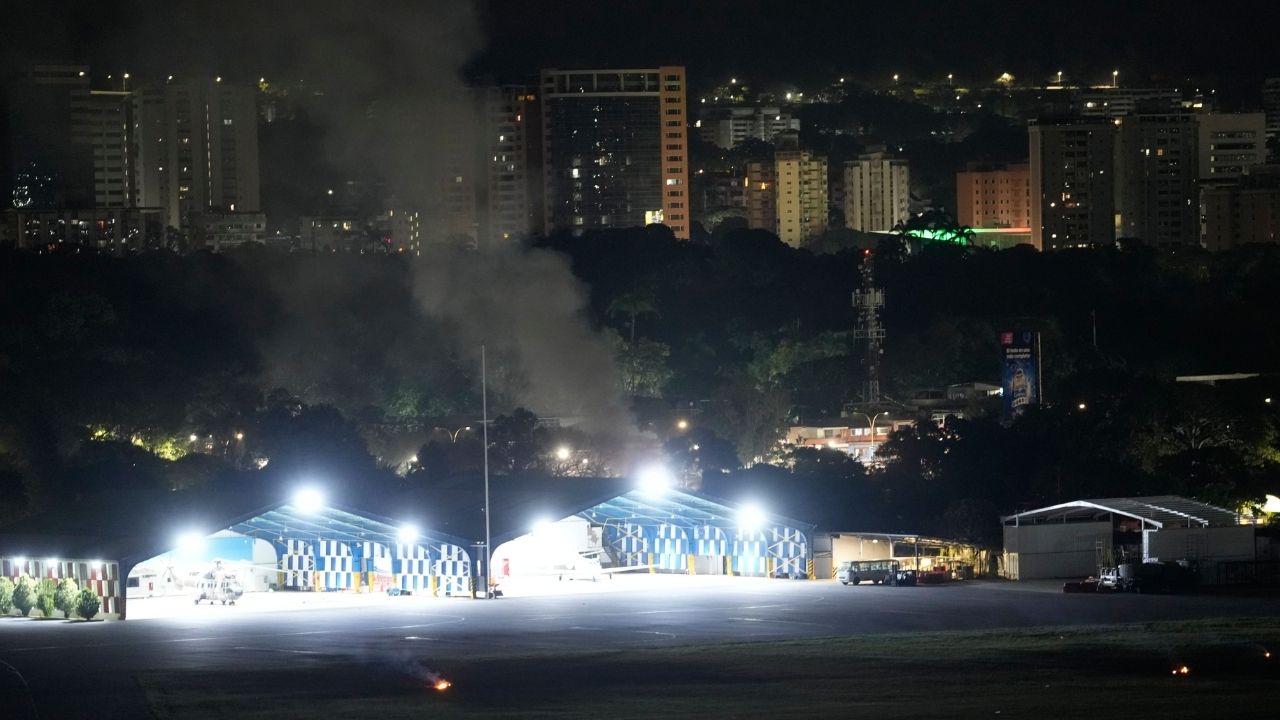
    Airplanes, loud blasts and at least one column of smoke were reported over Venezuela’s capital Caracas in the early hours of Saturday, foreign media outlets reported.

    Residents in the southern part of the city, close to a major military base, experienced power outages as the explosions echoed through the area.

    The sudden detonations come after US President Donald Trump, who has deployed a naval task force to the Caribbean, raised the prospect of ground operations in Venezuela. 

    Explosions continued to be heard around 2:15 am, though their precise location remained uncertain.

    Earlier this week, Trump announced that US forces had struck and destroyed a docking area allegedly used by Venezuelan drug boats.

    The president did not clarify whether the attack was carried out by the military or the CIA, nor did he disclose the exact location, saying only that it occurred “along the shore”. If confirmed, this would mark the first known US land strike on Venezuelan soil.

    President Nicolas Maduro has not confirmed or denied Monday’s operation, but told the media on Thursday that he is open to cooperation with Washington after weeks of mounting US military pressure.

    The Trump administration has accused Maduro of leading a drug cartel and says it is intensifying efforts against narcotics trafficking in the region.

    Maduro, however, denies any involvement in drug operations, framing US actions as an attempt to topple his government and seize control of Venezuela’s vast oil reserves – the largest known in the world.

    Washington has escalated pressure on Caracas through informal airspace closures, additional sanctions and seizure orders against tankers carrying Venezuelan oil. 

    For weeks, Trump has warned that ground strikes against drug cartels in the Caribbean would begin “soon”, with Monday’s attack being the first example.

    US forces have also conducted numerous strikes on boats in the Caribbean Sea and eastern Pacific Ocean since September, targeting vessels that Washington claims are involved in drug smuggling. 

    The administration is yet to provide evidence linking the targeted boats to narcotics operations, sparking debates over the legality of these operations.

    The maritime strikes have proven deadly: according to information released by the US military, at least 107 people have been killed in at least 30 strikes.