Category: Health

  • Govt is grossly under-reporting coronavirus deaths and infections: PM’s task force head

    Govt is grossly under-reporting coronavirus deaths and infections: PM’s task force head

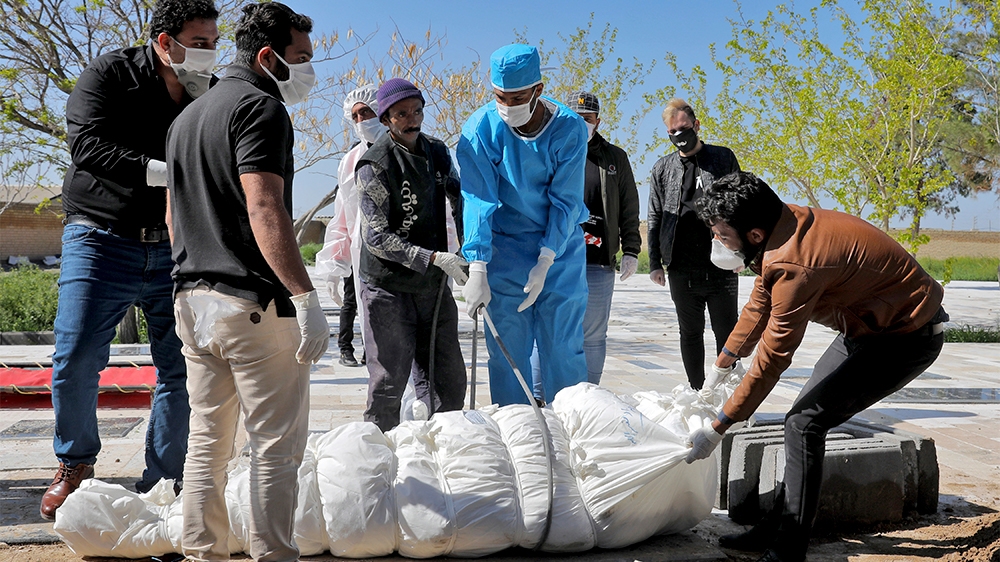
    Pakistan is understating its rate of infections and the death toll from the coronavirus, the head of a government task force has said as the country becomes a hotspot for the pandemic in South Asia, Bloomberg reported.

    “The actual numbers will be two to three times more than what the government is reporting,” Dr Attaur Rahman, chairman of Prime Minister (PM) Imran Khan’s task force on science and technology, said and added that a large number of cases weren’t being reported because of low testing and as reasons other than respiratory failure weren’t being counted in deaths.

    WATCH VIDEO:

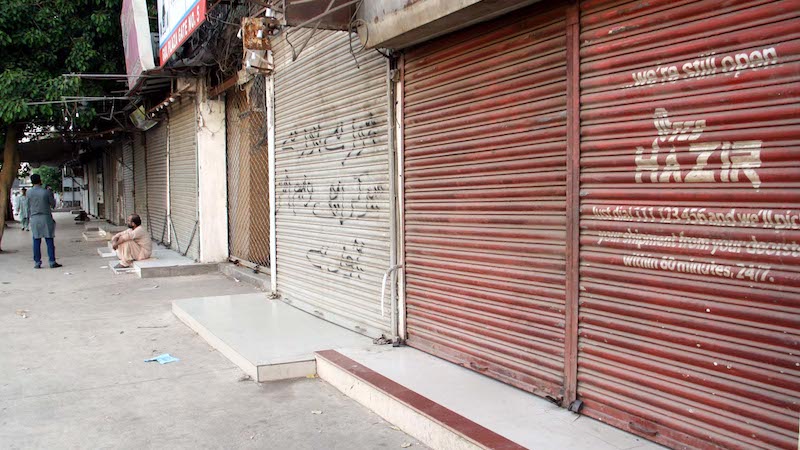
    Pakistan’s coronavirus cases have increased manifold since the government eased a lockdown in the second week of May after a partial shutdown of about two months. PM Imran has said he is allowing some businesses to open as he fears people will die of poverty and hunger instead of the virus. Alarmed by the rising number of cases, the authorities have again started shutting down residential localities in 20 key cities including the federal capital and Lahore.

    Pakistan is the second most infected nation in Asia after India with over 150,000 cases and about 3,000 deaths. The fatality rate of 2% is less than half of the 5% global average.

    Random testing in Pakistan’s second-largest city, Lahore, by the health department of Punjab in May showed that at least 6 per cent of all tests came back positive for COVID-19 while in some areas the percentage was as high as 14 per cent, Voice of America reported.

    Based on the city’s population and the sampling data, the health department working group, comprised of epidemiologists, public health specialists, applied economists, statisticians and public policy specialists, calculated the number of cases in Lahore to be 670,800 on May 15.

    The rate at which the infection was spreading alarmed those involved.

    “Our calculations said the numbers were doubling every two weeks,” said Dr Waheeduzzaman Tariq, a senior virologist who was part of the group and sits on multiple government committees dealing with the coronavirus pandemic.

    According to those numbers, on June 15, the figure should be approximately 2.7 million infected people in Lahore alone.
  • These areas, including Lahore Cantt and parts of Gulberg, will be under 15-day lockdown from tonight

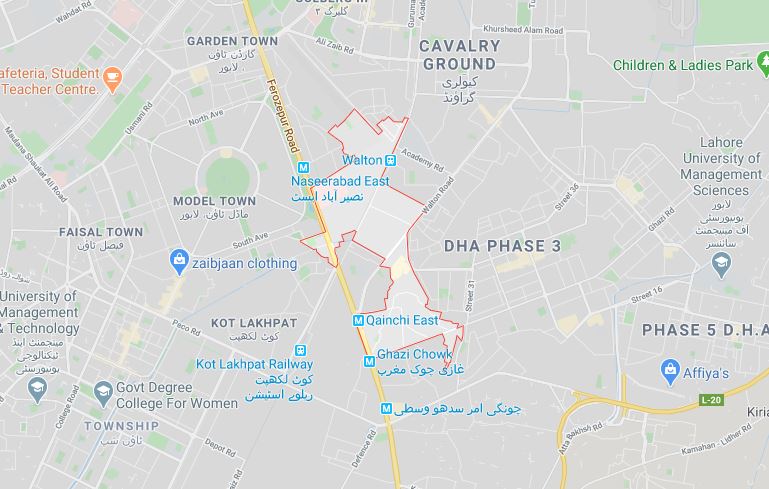
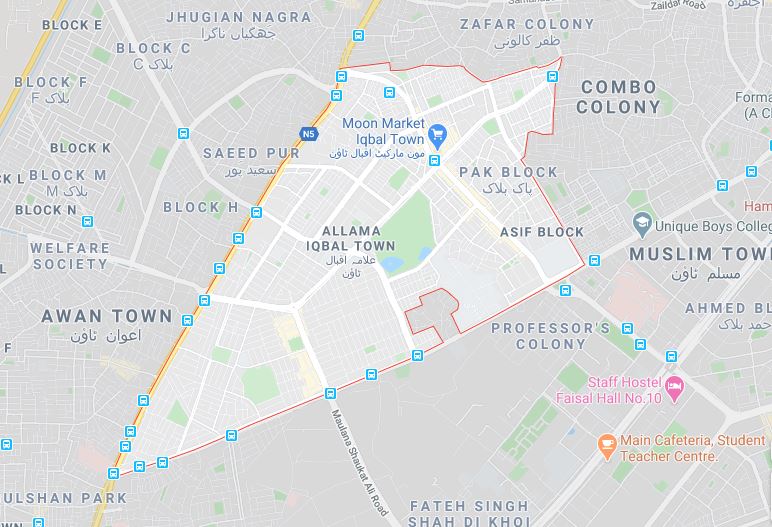
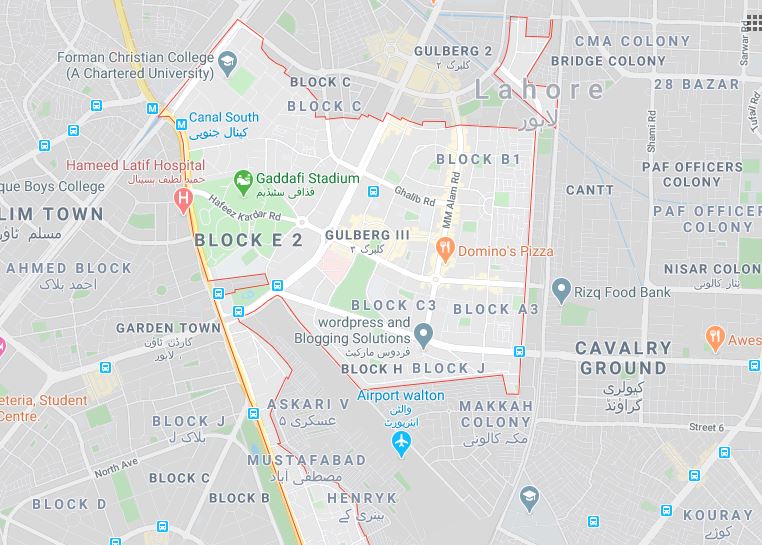
    These areas, including Lahore Cantt and parts of Gulberg, will be under 15-day lockdown from tonight

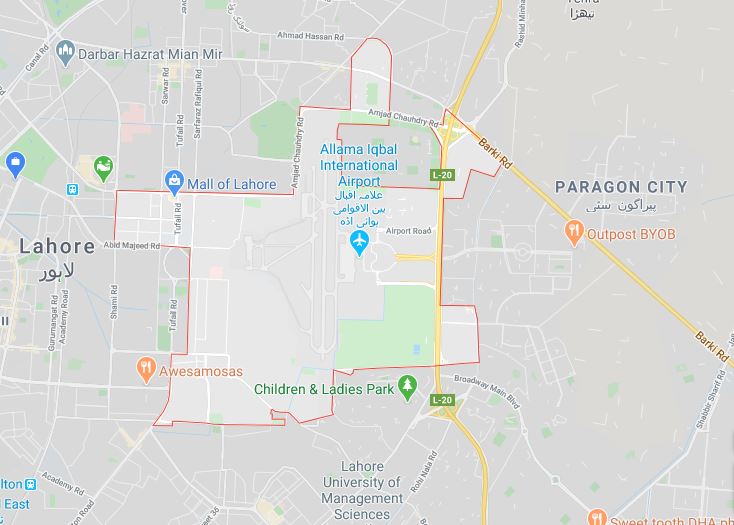
    With Punjab becoming the first province to record 1,000 coronavirus fatalities amid a rapid surge in the number of COVID-19 infections, Punjab Health Minister Dr Yasmin Rashid has announced a 15-day selective quarantine in Lahore, which will come into effect from Monday-Tuesday midnight.

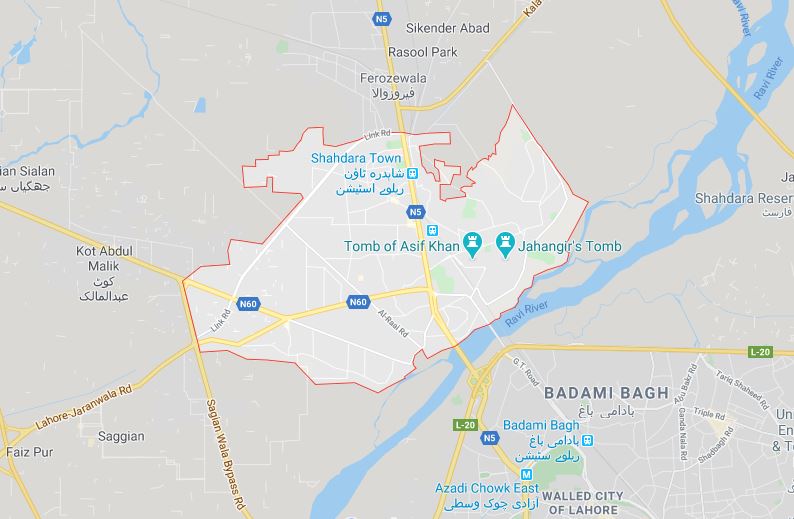
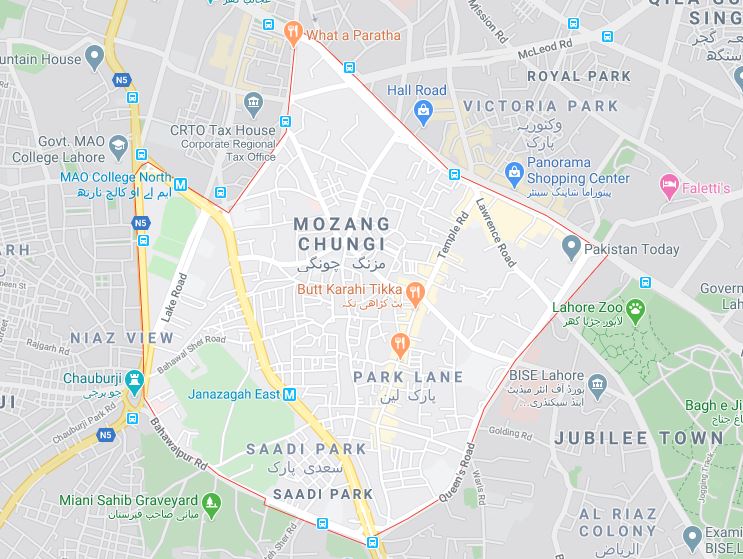
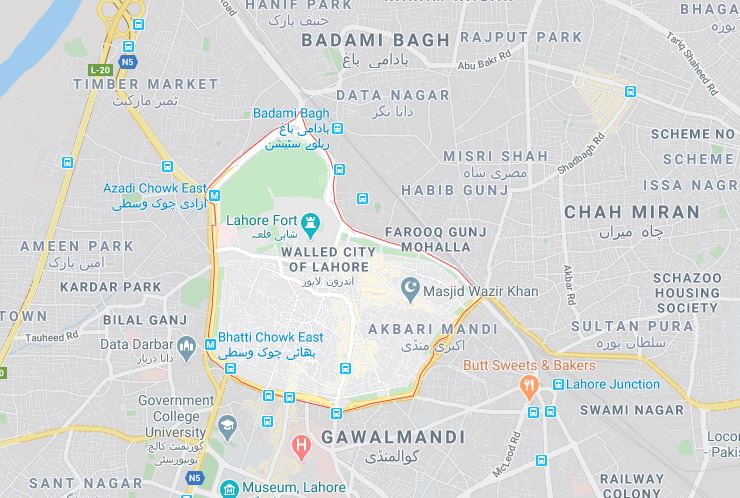
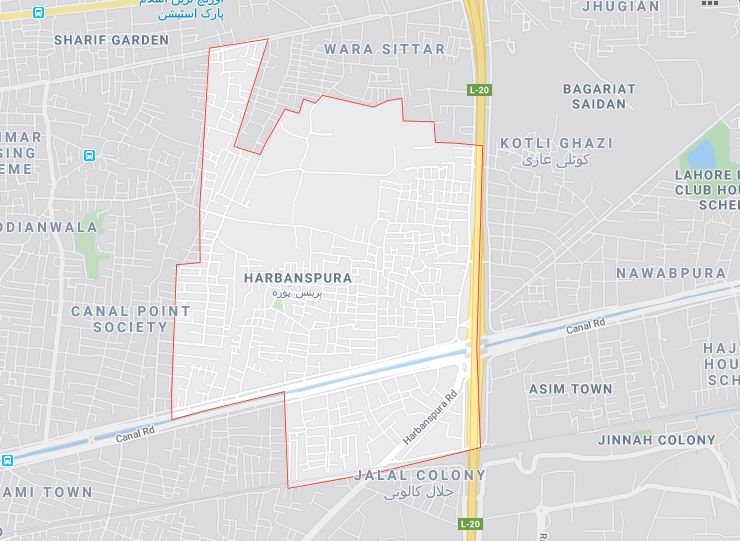
    Addressing a press conference, Dr Rashid said that selected neighbourhoods, including Lahore Cantonment, Shahdara, Mozang, Walled City, Harbanspura, Nishtar Town, Allama Iqbal Town will be locked down completely from midnight. Some areas in Gulberg will also be closed completely.

    According to the health minister, more than 300 cases had been recorded in each of these areas which was why the decision to enforce a lockdown was taken. However, Dr Rashid added, pharmacies, tandoors and dairy shops will remain open and so will any factories that are making protective equipment.

    “These areas will be locked down for at least two weeks and then we will observe the results.”

    She also once again urged people to follow the government’s announced standard operating procedures (SOPs) to stop the spread of the virus, adding that the virus could be stemmed by 50 per cent just by wearing a face mask.

    Lamenting the “wrong” criticism against the Pakistan Tehreek-e-Insaf (PTI) government for alleged loose handling of the pandemic, she said, “If [you say that] our government has failed, so has every other government in the world.”

    “The media is comparing us to New Zealand and Taiwan. The population of New Zealand is half [about 5 million] of that of Lahore’s. Controlling the virus there is much easier than controlling it in a thickly populated country like ours,” she said.

    “People don’t understand that this is a viral infection. Even in China, where they followed strict measures with commendable discipline, there is a resurgence of cases,” the health minister said.

    ‘NO SWEEPING LOCKDOWN’:

    On Saturday, Prime Minister (PM) Imran Khan had ruled out a sweeping lockdown once again on a visit to Lahore during which he held meetings with Punjab Chief Minister (CM) Usman Buzdar and other officials to evaluate the virus situation in the province.

    The premier’s visit to Lahore had come a day after the Punjab government sent recommendations to the federal government to tighten lockdown measures in the province, in particular Lahore, in a bid to curb the growing number of COVID-19 cases.

    But after holding meetings with the provincial government’s top brass, PM Imran had said a strategy of “smart lockdowns” will be implemented instead whereby strict adherence to SOPs will be ensured to curb the spread of the novel coronavirus.

    “After analysing with my Punjab team today, [we’ve decided that] we will not impose a lockdown but will impose selective lockdowns — trace and seal hotspots,” the premier had said, adding that the country’s administration and police were not in a position to take “such a huge burden of a complete lockdown”.

  • Sale banned as Punjab govt mulls using Actemra to treat COVID-19

    Sale banned as Punjab govt mulls using Actemra to treat COVID-19

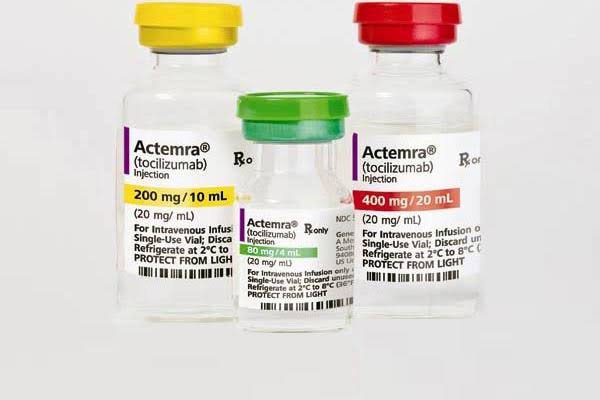
    The provincial authorities in Punjab have imposed a complete ban on the sale of Actemra injection in the open market as they mull treating critical COVID-19 patients with it.

    The Corona Experts Advisory Group has issued standard operating procedures (SOPs) with regard to the use of the Actemra injection.

    According to the SOPs, Actemra injection will be used on trial basis at some hospitals, initially for 500 critically ill patients admitted in ICUs.

    The experts advisory group will approve the hospitals that will treat patients with Actemra injection. The group will witness the trial of the injection in government hospitals.

    The Punjab Healthcare Commission will monitor the use of the injection at private hospitals and a committee of the hospital will approve the use of Actemra injection.

    A private company will issue this injection after approval of a specific profarma, sources said. The needy patients will be issued this injection 24 hours. The hospital and the company will keep the record of the use of injection.

    The data of recoveries and deaths after use of Actemra injection will also be compiled, sources said.

    The Punjab Healthcare Commission will be competent authority to audit the company and the hospital over usage of the injection. And this record will be submitted to the experts advisory group.

    The Punjab government has recently approved the use of Actemra, a life-saving drug, for treating critically ill Covid-19 patients in the wake of a sudden rise in the death rate reported by state-run hospitals across the province.

    The 400mg injectable drug — an interleukin-6 inhibitor which goes by the generic name of tocilizumab — will be prescribed to patients who develop lung complications and an abnormal level of IL-6 in the blood. The IL-6 is an endogenous chemical which causes inflammation.

    Actemra injections had reportedly given encouraging results in highly critical coronavirus patients.

  • Are Punjab’s hospitals ready to continue dealing with COVID-19?

    Are Punjab’s hospitals ready to continue dealing with COVID-19?

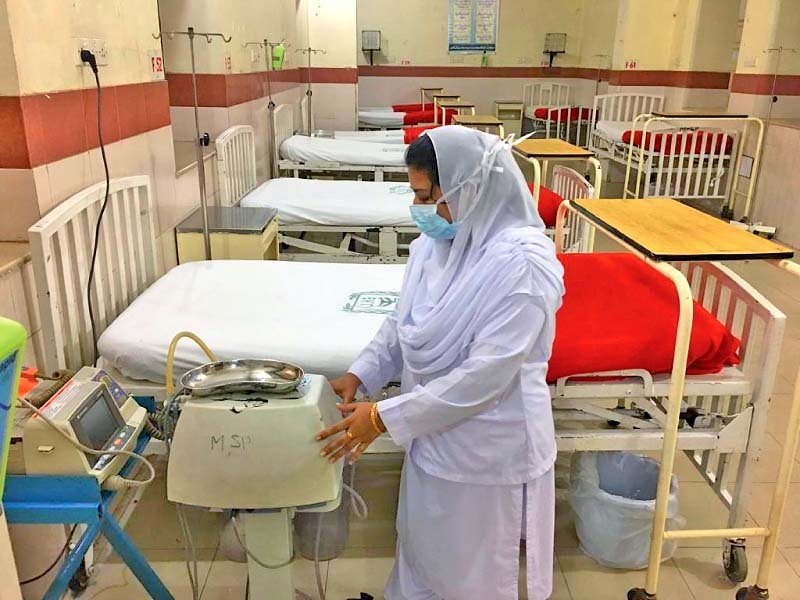
    An additional burden has been placed on hospitals due to the sharp increase in confirmed COVID-19 cases across the country, including Punjab where the number of coronavirus cases is way past 38,000 and is likely to cross the 40,000 mark by tomorrow (Tuesday).

    But while Punjab Health Minister Dr Yasmin Rashid says the “situation is still not alarming” and Special Assistant to the Prime Minister (SAPM) on Health Dr Zafar Mirza says authorities have “ample resources to deal with coronavirus patients so far”, here’s what the situation in the country’s most populous province looks like:

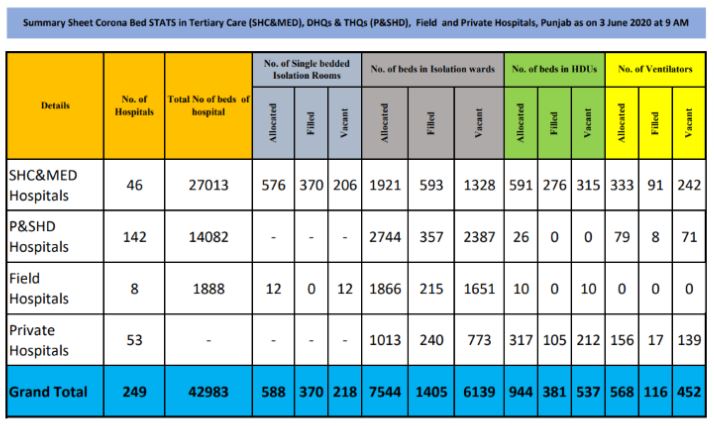
    No. of HospitalsNo. of BedsNo. of HDUs (High Dependency Units)No. of Ventilators
    2499644944568

    The Punjab government has allocated 249 hospitals for COVID-19 patients with 9,644 beds, of which 53 hospitals (21.2%) are private. According to data provided to The Current by Punjab Health Department, 7,346 beds are vacant so far across the province as most people are choosing to quarantine themselves at home amid reports of the dreadful conditions at government facilities.

    While the availability of beds is not yet an issue, other necessities do not seem up to the mark.

    As per estimated stats, almost 2,272 (7.3%) patients in the province are admitted to different hospitals. Of the total 2,272, at least 497 (21.8%) patients are in Intensive Care Units (ICUs) or HDUs, which means they are in a critical condition.

    Almost 1,500 beds were allocated by the government for ICUs and HDUs, of which 473 (30%) are at private hospitals, or so the authorities claim.

    When contacted by The Current, Lahore’s Shalamar Hospital, which according to official claims is supposed to be treating at least five coronavirus patients, refused to share any details pertaining to treatment or costs, saying no infected persons were being treated by the hospital. The response received from Sargodha’s Central Hospital was not that different either, even though the government claims to have mandated it to treat at least three patients.

    By the time this report was filed, 21% of patients admitted to hospitals were reported to be critically ill. If a mere 5% of patients visiting hospitals need HDUs or ventilators, within the next two weeks, the healthcare system of the country’s most populous province could collapse, suggests the current number of life-saving facilities available in Punjab.

  • Record 3,938 COVID-19 cases with 78 deaths in 24 hours in Pakistan

    Pakistan from Monday to Tuesday reported a record number of 3,938 new coronavirus cases with 78 deaths within 24 hours.

    The latest surge in cases took the nationwide tally of reported cases to 78,128 while the death toll crossed the 1,600 mark. According to statistics provided by National Command and Operation Centre (NCOC), Pakistan has broken its previous record number of 3,039 new COVID-19 cases reported over 24 hours on May 31.

    Earlier on Sunday, Pakistan reported its most number of deaths during 24 hours with 88 new fatalities, however, given the swelling number of coronavirus cases, doctors and health experts have warned that the number of cases will continue to rise unless a strict lockdown is not imposed.

    Sindh and Islamabad also recorded the highest number of cases reported over 24 hours with 1,402 and 304, respectively, on June 1. However, Punjab reported the most number of deaths and new cases reported over 24 hours with 1,610 cases and 43 new fatalities due to the COVID-19.

    On Monday, Prime Minister (PM) Imran Khan, in a live televised address, had apprised the nation on the decisions made regarding the lockdown in Pakistan to contain the novel coronavirus during the National Coordination Committee (NCC) meeting.

    “Since day one when we got to know that the coronavirus had started spreading in Pakistan, we imposed a lockdown following a national security committee meeting,” he had said.

    “We observed the conditions in the Chinese city of Wuhan and in Europe when the virus started spreading and we were seeing how the world was responding. But at that time, when we had discussions and meetings, I was very clear on the path Pakistan had to take.

    “Pakistan’s situation is different than that in China or Europe,” he had said, noting that he had earlier informed the nation that 25% of the country’s population was below the poverty line, which “means that nearly 50 million people in our country do not eat two full meals a day”.

    PM Imran had said doctors, elite, and the poor all had diverse opinions but it was the downtrodden ones of the society who did not have a voice.

    “But in hindsight, I should not have stopped businesses and construction because we had to balance it. Coronavirus is not going away until a vaccine is not formulated. We have to live with it,” he had noted.

  • Herd immunity against COVID-19: 3.7 million deaths projected at 2.11pc mortality rate in Pakistan

    With life in Pakistan returning to normalcy, it is feared that number of cases of the new coronavirus – COVID-19 — will increase further, wreaking havoc in the lives of the general public.

    Special Assistant to Prime Minister (SAPM) on Health Dr Zafar Mirza has also warned of the same while Minister for Science & Technology Fawad Chaudhry predicts that Pakistan is expected to see the peak of COVID-19 cases by mid-June.

    Meanwhile, epidemiologists are of the view that it is difficult to predict exactly when the virus will hit its peak in the country since there is always a risk of the number of infections escalating even after positive cases start declining.

    For a little perspective it may be noted that the United States (US) and Italy are the most-affected countries where the pandemic curve hiked and changed several times.

    Coronavirus hit its peak in the US between the 10th and 14th weeks since the first case was reported. More than 800,000 cases were reported during these weeks.

    Italy, on the other hand, witnessed a peak between the 6th and 10th weeks as more than 424,120 cases were reported.

    Pakistan entered its epidemic curve on April 29 (9th week) and the number of cases in Pakistan is still increasing as there is a possibility that the country might experience the peak after June 15.

    Pakistan may experience another curve later on because limited tests are being conducted as for now. According to experts, the country’s testing capacity should be between 40,000 to 50,000 at this point, while Pakistan is testing 7,000 to 13,000 people every day, which is not sufficient.

    Enter herd immunity, which opposition parties do not seem to be a huge fan of.

    Herd immunity is a form of indirect protection from infectious disease that occurs when a large percentage of a population has become immune to an infection, whether through vaccination or previous infections, thereby providing a measure of protection for individuals who are not immune.

    Here are some facts and consequences of herd immunity if the government goes on to consider it an option.

    Any population develops herd immunity when 40 per cent of the total number of people develop immunity against an infectious disease. In some cases, it can go up to 80 to 90 per cent of the total population.

    So, an important question is how much of the total population needs to get infected to develop herd immunity? So far, there is no evidence of herd immunity against coronavirus, as the Netherlands, which had planned to go for it and treat only critically ill patients, also stepped back from the said policy after a spike in mortality rate.

    According to predictions by some experts, it can take up to four or five years to develop herd immunity.

    To develop herd immunity in Pakistan, 176,000,000 people (80 per cent of the total population) have to get infected. This could cause 3,713,600 deaths as per the current 2.11 per cent mortality rate.

  • COVID-19 research: Monkeys develop immunity after exposure to virus

    COVID-19 research: Monkeys develop immunity after exposure to virus

    Two studies conducted on Wednesday offer some hope that humans can develop protective immunity against the novel coronavirus — COVID-19.

    The study was published in a journal of science, after a prototype vaccine was tested whether infection with SARS-CoV-2 — the strain of coronavirus that causes COVID-19 — provides immunity against re-exposure.

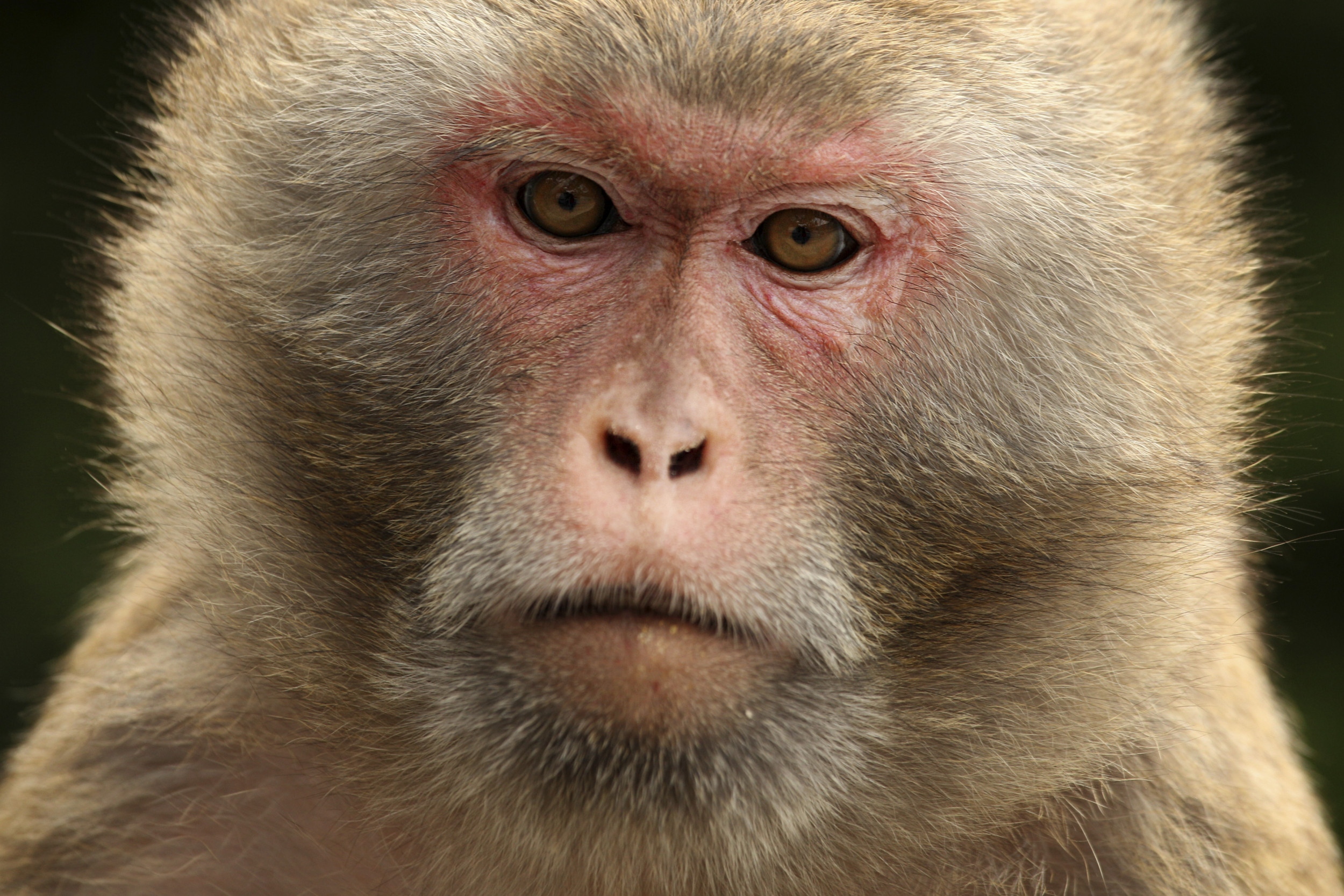
    Two experiments were conducted on rhesus macaque monkeys to see whether they develop immunity against natural infection or from a vaccine.

    In the first experiment, carried out by the researchers, nine adult rhesus macaque monkeys were infected with the virus. The monkeys developed COVID-19 symptoms but created protective antibodies and recovered after a few days.

    To test their newly developed immunity, they were re-exposed after 35 days, what is called a “re-challenge”, and the monkeys showed no symptoms.

    The researchers of this experiment cautioned that further research is needed because of the great difference between humans and monkeys.

    “Rigorous clinical studies will be required to determine whether SARS-CoV-2 infection effectively protects against SARS-CoV-2 re-exposure in humans,” they said.

    The second study, involving many of the same researchers and led by Jingyou Yu, involved vaccinating 35 adult macaques with DNA vaccine candidates designed to generate protective antibodies.

    They were exposed to coronavirus six weeks later and had developed levels of antibodies in the blood which are sufficient to neutralise it, the study found.

    The levels of antibodies were similar to those seen in humans recovering from the virus, providing hope that an effective human vaccine can be developed.

    “Further research will need to address the important questions of the durability of protective immunity and the optimal vaccine platforms for a SARS-CoV-2 vaccine for humans,” the authors of the study said.

  • Pakistani pharmaceutical company to manufacture Remdesivir, only drug approved to treat coronavirus

    Pakistani pharmaceutical company to manufacture Remdesivir, only drug approved to treat coronavirus

    A local Pakistani company will manufacture Remdesivir, an international drug being used to treat coronavirus patients, in less than two months, Special Assistant to Prime Minister (SAPM) on Health Dr Zafar Mirza announced as five companies in the world were granted the license to manufacture the medicine.

    “American company Gilead has manufactured this drug and it has proven effective in treating coronavirus patients,” he said during a press conference. “It is said that the use of the drug has reduced the intensity of the virus by 30%.”

    “Among the five companies [granted the license to manufacture the drug] one of them is a Pakistani company,” he said, referring to it as a “breakthrough news”.

    He said that the medicine will be available for COVID-19 patients in Pakistan after it is registered within six to eight weeks and manufactured in the country.

    “It will not only be available for patients in Pakistan but the plan is to export this drug to 127 countries,” he said. “Pakistan will be among three countries in the world to produce and export this to 127 countries. This is a big breakthrough and this is big news for coronavirus patients in Pakistan, who are increasing by the day and are expected to increase more.”

    Ferozsons Laboratories Limited CEO Osman Khalid Waheed said that it would be the company’s aim to sell the drug at the least cost, The News reported.

    Adviser to the PM for Commerce, Textile and Investment Abdul Razzak Dawood said that it was a proud moment for Pakistan and the country’s pharmaceutical industry that a Pakistani company had been made the licensee of the coronavirus drug.

    He said that it was the government’s aim to diversify exports and that included pharmaceuticals. “It is not only good news for the people of Pakistan but for countries around the world.”

    ‘FREE CORONAVIRUS VACCINE’:

    Meanwhile, PM Imran Khan has joined the more than 140 signatories of a letter saying any vaccine for COVID-19 should not be patented and the science should be shared among nations.

    The World Health Assembly, the policy-setting body of the UN’s World Health Organisation (WHO), holds its annual general meeting next week.

    The signatories, which include incumbent and former world leaders, called on the World Health Assembly (WHA) to rally behind the cause.

    “Governments and international partners must unite around a global guarantee which ensures that, when a safe and effective vaccine is developed, it is produced rapidly at scale and made available for all people, in all countries, free of charge,” the letter said.

    “The same applies to all treatments, diagnostics, and other technologies for COVID-19.”

    The letter was signed by Senegalese President Macky Sall and Ghanaian President Nana Akufo-Addo. Former presidents and premiers among the signatories included Shaukat Aziz, Jan Peter Balkenende, Jose Manuel Barroso, Gordon Brown, Helen Clark, Felipe Gonzalez, Ellen Johnson Sirleaf, Aleksander Kwasniewski, Mary McAleese, Olusegun Obasanjo and Juan Manuel Santos.

    The letter comes amid fury in France after French pharmaceutical giant Sanofi said it would reserve the first shipments of any COVID-19 vaccine for the United States (US).

    The multinational’s chief executive Paul Hudson said the US would get first dibs because its government was helping to fund the vaccine research, drawing outrage from officials and health experts.

    The letter ahead of the WHA said it was not the time to leave the task of resolving the pandemic to market forces or let the interests of wealthy companies and governments come before the need to save lives.

  • Coronavirus may never go away, WHO says

    Coronavirus may never go away, WHO says

    The new coronavirus may never go away and populations around the world will have to learn to live with it, the World Health Organization (WHO) has warned.

    As some countries around the world begin gradually easing lockdown restrictions imposed in a bid to stop the novel coronavirus from spreading, the WHO said it may never be wiped out entirely, AFP reported.

    The virus first emerged in Wuhan in China late last year and has since infected more than 4.2 million people and killed nearly 300,000 worldwide.

    “We have a new virus entering the human population for the first time and therefore it is very hard to predict when we will prevail over it,” said Michael Ryan, the WHO’s emergencies director.

    “This virus may become just another endemic virus in our communities and this virus may never go away,” he told a virtual press conference in Geneva. “HIV has not gone away — but we have come to terms with the virus.”

    More than half of humanity has been put under some form of lockdown since the coronavirus crisis began.

    But the WHO warned there was no way to guarantee that easing the restrictions would not trigger a second wave of infections. “Many countries would like to get out of the different measures,” said WHO chief Tedros Adhanom Ghebreyesus.

    “But our recommendation is still the alert at any country should be at the highest level possible.”

    ‘LONG WAY TO GO’:

    Ryan added that there was a “long, long way to go” on the path to returning to normal, insisting that countries would have to stay the course.

    “There is some magical thinking going on that lockdowns work perfectly and that unlocking lockdowns will go great. Both are fraught with dangers,” the Irish epidemiologist said.

    Ryan also condemned attacks on healthcare workers that were linked to the pandemic, saying more than 35 “quite serious” such incidents were recorded in April alone in 11 countries.

    He said the attacks were often over-reactions from ill-informed communities — while others were more sinister.

    “Covid-19 is bringing out the best in us, but it’s also bringing out some of the worst,” he said. “People feel empowered to take out their frustrations on individuals who are purely trying to help.

    “These are senseless acts of violence and discrimination that must be resisted.”

    But he insisted that in finding a way to conquer the virus was a chance for humanity to take major steps forward by finding a vaccine and making it widely accessible.

    “It’s a massive opportunity for the world,” Ryan said.

  • Israel makes ‘significant breakthrough’ as it develops protein that can overcome coronavirus

    Israel makes ‘significant breakthrough’ as it develops protein that can overcome coronavirus

    Israel has isolated a key coronavirus antibody at its main biological research laboratory, the Israeli defence minister said on Monday, calling the step a “significant breakthrough” toward a possible treatment for the COVID-19 pandemic.

    The “monoclonal neutralising antibody” developed at the Israel Institute for Biological Research (IIBR) “can neutralise the disease-causing coronavirus inside carriers’ bodies,” Defence Minister Naftali Bennett said in a statement.

    The statement added that Bennett visited the IIBR on Monday where he was briefed “on a significant breakthrough in finding an antidote for the coronavirus”.

    It quoted IIBR Director Shmuel Shapira as saying that the antibody formula was being patented, after which an international manufacturer would be sought to mass-produce it.

    The IIBR has been leading Israeli efforts to develop a treatment and vaccine for the coronavirus, including the testing of blood from those who recovered from COVID-19, the respiratory disease caused by the virus.

    Antibodies in such samples — immune-system proteins that are residues of successfully overcoming the coronavirus — are widely seen as a key to developing a possible cure.

    The antibody reported as having been isolated at the IIBR is monoclonal, meaning it was derived from a single recovered cell and is thus potentially of more potent value in yielding a treatment.

    Elsewhere, there have been coronavirus treatments developed from antibodies that are polyclonal, or derived from two or more cells of different ancestry, the magazine Science Direct reported in its May issue.

    Israel was one of the first countries to close its borders and impose increasingly stringent restrictions on movement to hamper the domestic coronavirus outbreak. It has reported 16,246 cases and 235 deaths from the illness.