Category: Lifestyle

  • Pakistani man convicted for murdering UK police officer in 2005

    Pakistani man convicted for murdering UK police officer in 2005

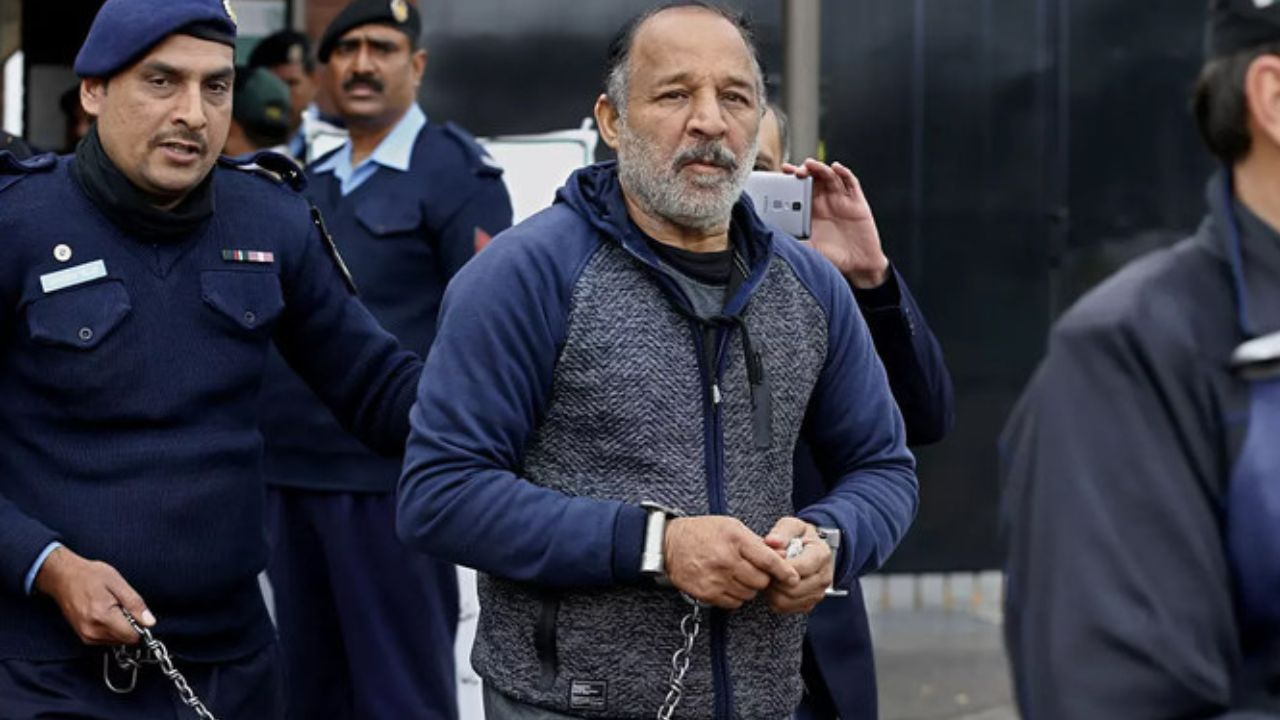
    A Pakistani man was convicted on Thursday of murdering a UK police officer in 2005, nearly two decades after the killing.

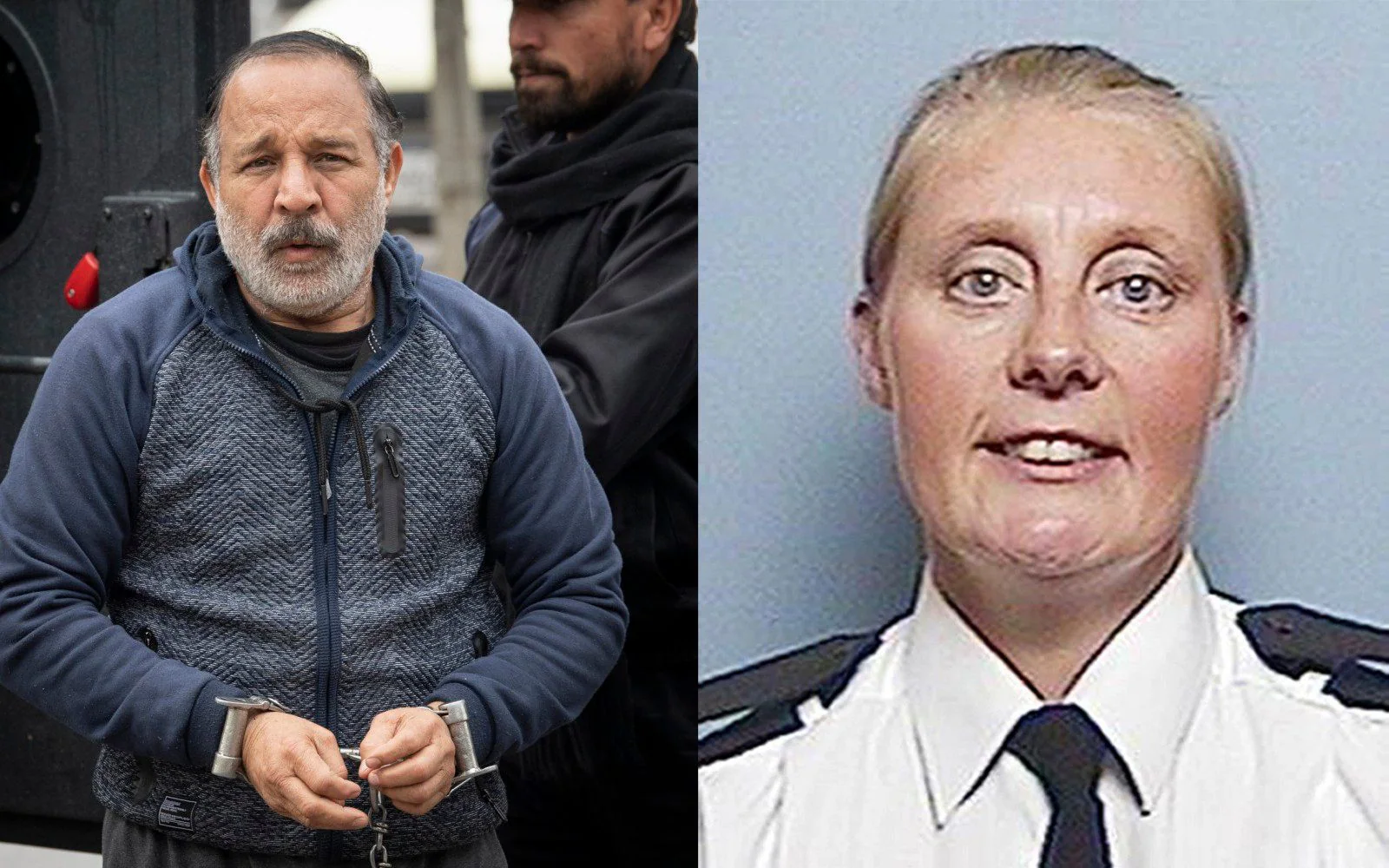
    PC Sharon Beshenivsky was a 38-year-old mother of three who was shot dead by Piran Ditta Khan as she was responding to an armed robbery call.
    Khan, 75, who has been wanted by British authorities since 2006, was found guilty by the court. He was the last of seven men involved in the robbery to be convicted.


    The incident


    The incident unfolded on Nov 18, 2005, when Sharon Beshenivsky along with another constable responded to an alarm call at a travel agency. Upon arrival, they were met with gunfire by three robbers, resulting in Beshenivsky’s fatal shooting and injuries to the ither constables.


    Khan was the group’s ringleader and, although he did not leave the safety of a lookout car during the raid, he played a “pivotal” role in planning it and knew that loaded firearms were to be used, asserts the prosecutors at the court.


    They told jurors this made him guilty of Beshenivsky’s murder “as surely as if he had pulled the trigger on that pistol himself”.The convict was the only one of the group who was familiar with agency and had used them in the past to send money to family in Pakistan, the court heard.

    The stance of the convict


    Khan told the court that he had no knowledge that a robbery was going to be carried out, or that weapons were going to be taken. He claimed the business’s owner, Mohammmad Yousaf, owed him £12,000 and that debt collector Hassan Razzaq offered to get his money back after the pair met through a business associate.


    Khan said he thought the men Razzaq sent would “intimidate” the staff at staff, or at worst, “slap them”.


    Prosecutor Robert Smith KC said Khan’s claim of being defrauded was an “entirely false” attempt to explain why he was in Bradford at the time of the robbery and murder.


    The court heard Khan, who was living in Enfield, London, at the time, was driven to Yorkshire by Razzaq on a reconnaissance trip five days before the raid.


    The day before the robbery, they travelled up again to a “safe house” where they spent the night.


    A witness later told police he had heard the robbers discussing the plot in one of the bedrooms.


    Mr Baron said he heard gunman Muzzaker Shah asking Khan: “Uncle, is it safe?” Khan was said to have replied: “Yes, it’s safe. Genuine.”


    Jurors heard Shah asked: “How much can we get?” and Khan replied: “Minimum £50,000, maximum target 100 grand.”


    The group were said to be “elated” and “confident,” shouting: “Let’s go do it.”


    The arrest of Khan-the convict


    Dawn’s Atika Rehman reports that the convict fled to Pakistan two months after the murder to evade capture and remained free till he was apprehended in 2020 in Islamabad. While there, his lawyer said Khan wanted to be tried in his home country.


    Despite the absence of an extradition treaty, the British and Pakistani authorities worked together to facilitate Khan’s return to the UK in April 2023, where he was arrested and charged.
  • Pakistani tailor’s heartwarming acts of charity inspires netizens

    Pakistani tailor’s heartwarming acts of charity inspires netizens


    The spirit of charity among Pakistanis has been a constant source of strength amidst the country’s numerous challenges. Organizations like the Edhi Foundation and Shaukat Khanum Hospitals, along with various other initiatives, have demonstrated the generosity of the people. This spirit of giving has consistently lifted Pakistan from its lowest points.

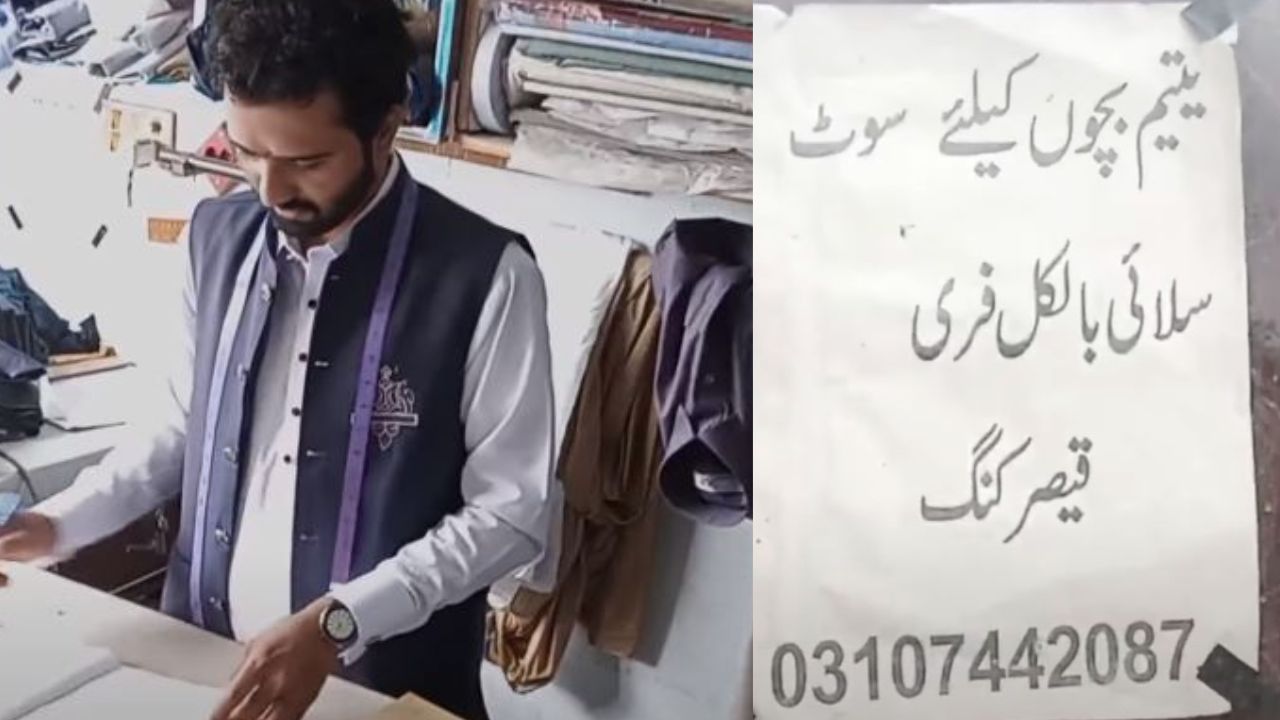
    A heartwarming story recently emerged about Qaiser Hassan, a 26-year-old tailor from Mianwali District. For the past six years, Qaiser has been sewing clothes for orphaned children in his area every Eid, free of charge. He explained that he does this because he is unable to support these children financially, so he contributes in this way instead.

  • Turning tide? UAE reportedly suspends diplomatic ties with Israel as White House finally shows action

    Turning tide? UAE reportedly suspends diplomatic ties with Israel as White House finally shows action

    In the aftermath of Israel’s assassination of seven WCK aid workers, including westerners, the tide finally seems to be turning against the ongoing genocide in Gaza.

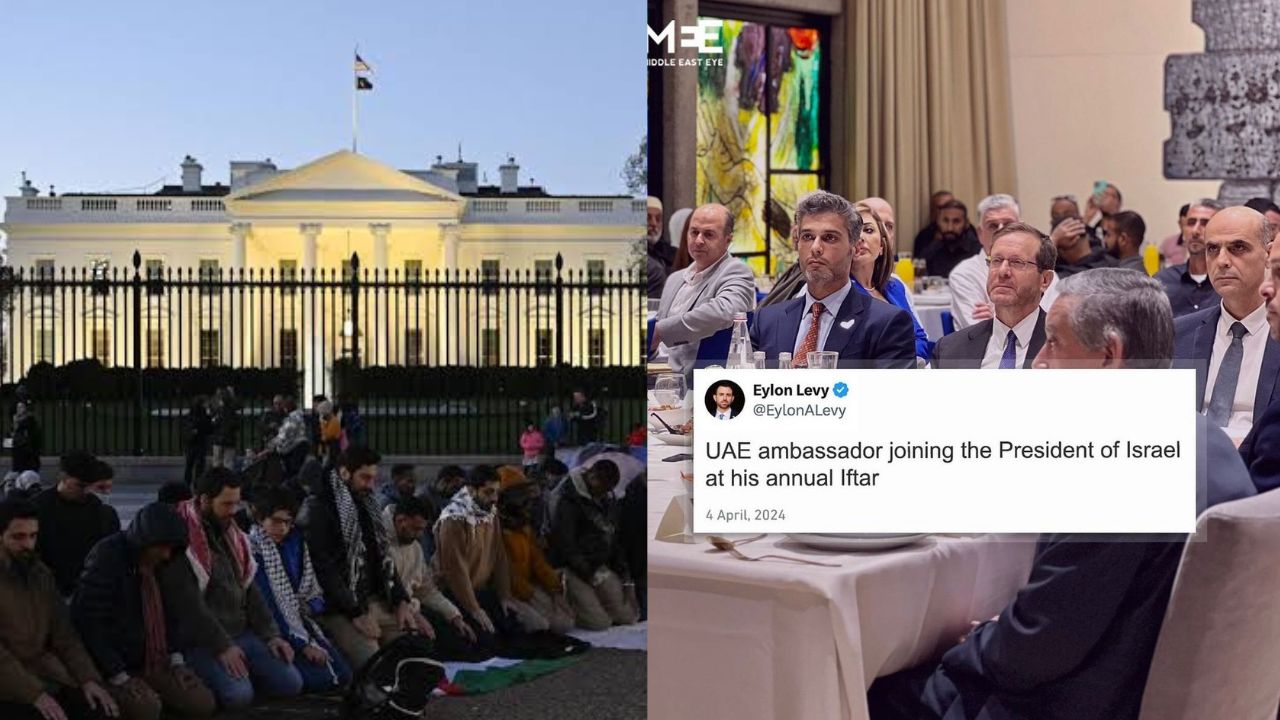
    Hours after the United Arab Emirates (UAE) Ambassador Mohamed Al Khaja broke fast with Israeli President Isaac Herzog – a move that garnered heavy criticism- the Gulf nation reportedly suddenly suspended diplomatic ties with the country.

    The move comes in the immediate aftermath of the White House finally showing real anger at Israel. First, in a press briefing, National Security Advisor John Kirby, who one day earlier had defended Israel on the killing of the WCK aid workers, ominously said, “If we don’t see changes from their side there will have to be changes on our side.”

    A White House readout on a call between American President Joe Biden and Israeli Prime Minister Benjamin Netanyahu said that the former told the latter that US policy on Gaza will depend on an assessment of Israel taking immediate action on implementing “a series of specific, concrete, and measurable steps to address civilian harm, humanitarian suffering, and the safety of aid workers.” The read out further elaborated that Biden told Netanyahu that US policy on Gaza will hinge on Israel taking steps to protect aid workers: “He made clear that US policy…will be determined by our assessment of Israel’s immediate action on these steps.”

    This turning of the tide also took place after Muslims refused to attend and walked out of the White House Iftar that is an annual affair at the American Presidency. The backlash was so intense that the Biden administration had to cancel the iftar altogether after meeting Muslim leaders.

    Israel wantonly targeted WCK workers earlier in the week, striking their vehicles thrice to ensure that each one was killed. The workers were from Australia, Poland, UK, and US/Canada.

  • Apple explores making personal robots: report

    Apple explores making personal robots: report

    Apple engineers are working on making personal robots, a report said on Wednesday, just weeks after the iPhone-maker abandoned its efforts to develop an electric car.

    The tech titan has people working on a robot that would follow people around at home and be helpful, according to Bloomberg that cited unnamed people familiar with the situation.

    The project was in a nascent stage and it was unclear whether it would lead to a product sold by Apple, the report indicated.

    Apple did not reply to a request for comment.

    The California-based company has been looking for new ways to make money beyond its iPhones and the digital content and services it sells to users.

    Apple recently abandoned its ambitions to produce an electric car, according to US media reports, ending a struggling decade-long project.

    It has never publicly disclosed its EV plans, despite a steady drip of media leaks over the years.

    Apple is reported to have transferred employees from the shuttered car division to generative artificial intelligence projects.

    The robot project is being overseen by Apple’s hardware engineering division and its AI and machine learning group, Bloomberg reported.

    The report came as analysts are keen to hear what progress Apple is making with AI at the company’s annual WWDC developers gathering at its Silicon Valley campus in June.

    Around the world, major tech companies including Google, Microsoft, Meta and Amazon are rapidly pursuing the development and deployment of AI products.

  • Government announces four-day long Eid holidays

    Government announces four-day long Eid holidays

    The federal government of Pakistan has officially declared a four-day Eid ul Fitr holiday from April 10 to April 13.

    Prime Minister Shahbaz Sharif has given his approval for the holiday period which is four days.

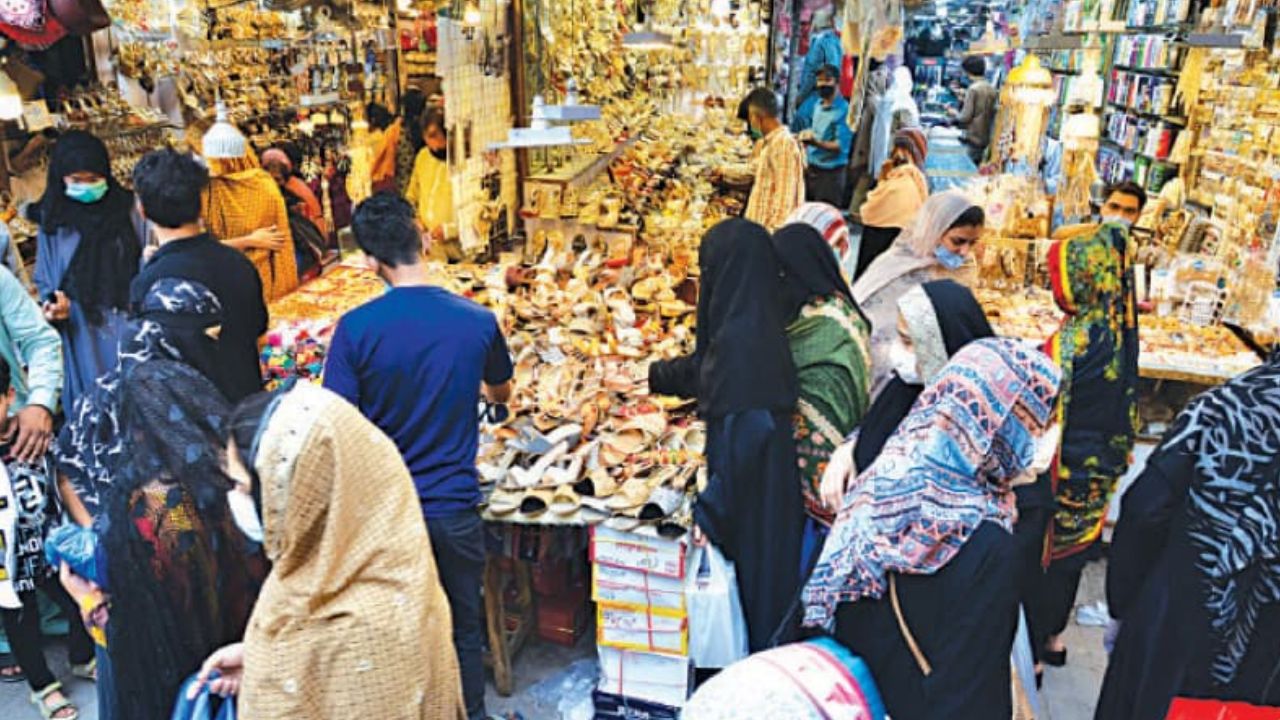
    The announcement comes as anticipation builds for the sighting of the Shawwal moon, which marks the end of the holy month of Ramazan. If the moon is sighted on April 9, Eidul Fitr will be observed on April 10; otherwise, it will be celebrated on April 11, The Express Tribune reported.

    Moon-sighting predictions

    The Pakistan Meteorological Department (PMD) released predictions indicating that the Shawwal moon is likely to be sighted on Tuesday, April 9, across the country. According to PMD forecasts, the birth of the Shawwal moon is expected on the night of April 8 at 11:21 pm local time.

    On April 9, the moon’s age is estimated to range between 19 to 20 hours, with an anticipated duration of moon sighting after sunset exceeding 50 minutes on the horizon. While clear skies are forecasted for most locations across the southern regions, including Karachi, on April 9, northern areas may experience cloudy conditions during the moon sighting.

    In the event that the moon is sighted on April 9, Eid ul Fitr will be celebrated on Wednesday, April 10.

    Traditionally, Eid holidays commence a day earlier than the anticipated date so that citizens may prepare for the occasion.

  • How is gas shortage worsening health crises in Karachi?

    How is gas shortage worsening health crises in Karachi?

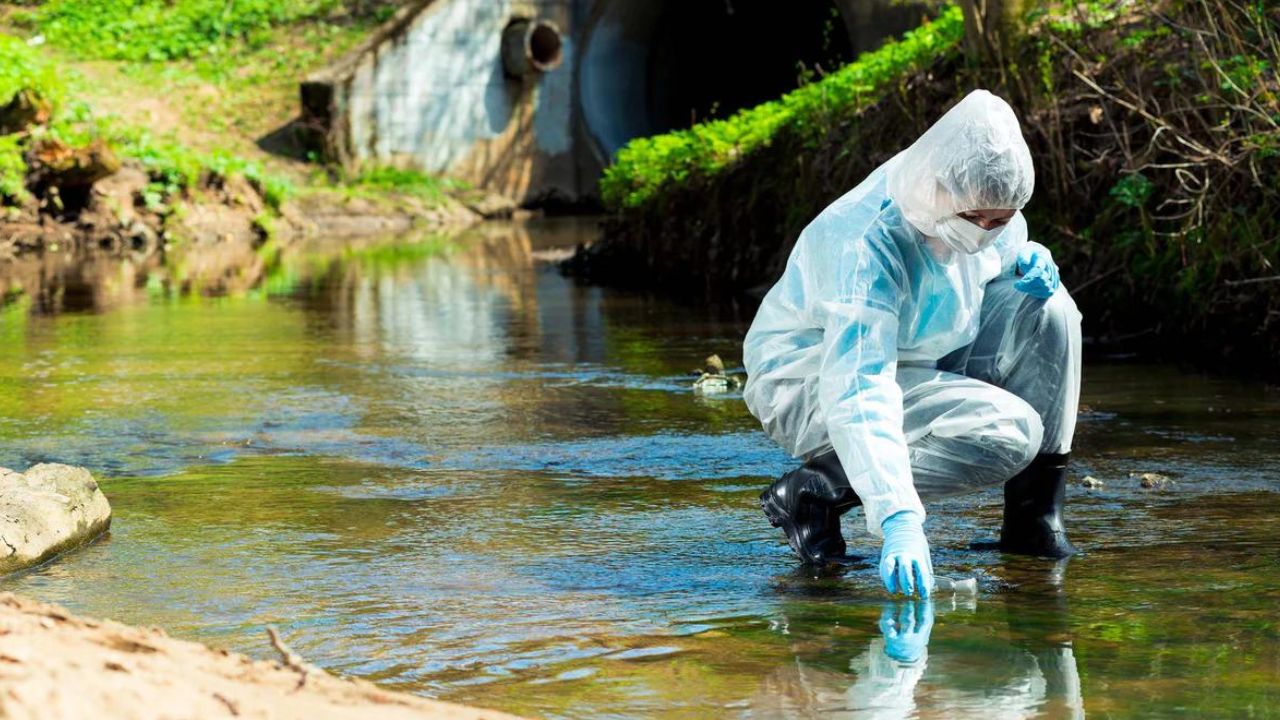
    The number of gastroenteritis cases in Karachi has been steadily increasing, a statistic that doctors claim is ticking upwards because of the consumption of contaminated water for drinking purposes owing to the shortage of gas and its soaring prices which has forced many people to use water without boiling it.


    Water supplies to the city had been found to be highly contaminated on multiple occasions. The general practice is to properly boil or filter to make it safe for drinking.


    Faiza Ilyas from Dawn talked to the doctors at the Dr Ruth Pfau Civil Hospital Karachi (CHK), where around 1,500 patients daily report to the emergency department, shared that the cases of gastroenteritis had seen a rise in recent days.“Currently, gastroenteritis constitutes 70 to 80 percent of our cases being reported at the hospital’s emergency department on a daily basis. There are a few cases of cholera as well,” shared CHK additional medical superintendent Dr Liaquat Ali Halo.


    Patients have been complaining of acute watery diarrhea and are administered intravenous fluids for rehydration.


    Most patients are discharged within a few hours while some require admission.


    Dr. Halo said the reasons behind the increase in gastroenteritis cases as lack of chlorination and filtration been a major factor that contributed to frequent episodes of outbreaks of gastroenteritis in the city, besides consumption of contaminated foods from roadsides and poor hand hygiene.“Many patients tell us that they are forced to use unboiled water for drinking as gas supplies are highly inadequate in their localities and the filtered water has become costlier,” Dr. Halo said, adding that inadequate cooking and eating contaminated raw food and vegetables could also cause illnesses.


    Commenting on the city’s public health situation, Dr. Altaf Hussain Khatri, a senior general physician based in the old city area, said gas shortage amid a drastic increase in prices of food and utilities had made the survival of poor families extremely challenging.


    “The gas shortage has further compounded miseries of the masses and compromised public health,” he said, adding that along with gastroenteritis, patients with respiratory infections were still reporting in high numbers to general physicians.


    “They are very effective as they filter sediments and kill pathogens,” he said.

  • Pakistan facing 30 percent water shortage for sowing season

    Pakistan facing 30 percent water shortage for sowing season

    Pakistan is facing a 30 percent water shortage at the start of the sowing season for cash crops such as rice and cotton, the country’s water regulator said.

    The Indus River System Authority (IRSA) said the gap is based on lower-than-normal winter snowfall in Pakistan’s northern glacier region, affecting catchment areas of the Indus and Jhelum Rivers that are used for irrigation.

    Kharif crops, or monsoon crops, including rice, maize, sugarcane and cotton are sown in April and require a wet and warm climate with high levels of rainfall.

    “There was less snow than normal as a result of climate change affecting the country’s glaciers,” Muhammad Azam Khan, assistant researcher with IRSA, which regulates the distribution of water resources along the Indus river, told AFP on Wednesday.

    “This will have a direct impact on the availability of water for kharif crops in the summer.”

    The water shortage gap is expected to narrow as the monsoon rains arrive later in the season.

    However, the country’s meteorological department has also forecast higher than normal temperatures during monsoon season, increasing uncertainty.

    Agriculture is the largest sector of Pakistan’s economy, contributing about 24 percent of its GDP.

    But it has been criticized for being water inefficient.

    “What this current water shortfall means for the crops is that authorities will have to better plan on how to utilize the water that is allotted to them,” said IRSA’s Khan.

    Pakistan, the world’s fifth-largest country with a population of more than 250 million, has recently been grappling with the profound impacts of climate change which includes shifting and unpredictable weather patterns.

    Devastating floods in 2022 — which scientists linked to climate change — that affected more than 30 million people also severely impacted Pakistan’s cotton crop that year.

  • How Qari Muawiyah’s acquittal in attempted rape case is violation of Supreme Court orders

    How Qari Muawiyah’s acquittal in attempted rape case is violation of Supreme Court orders

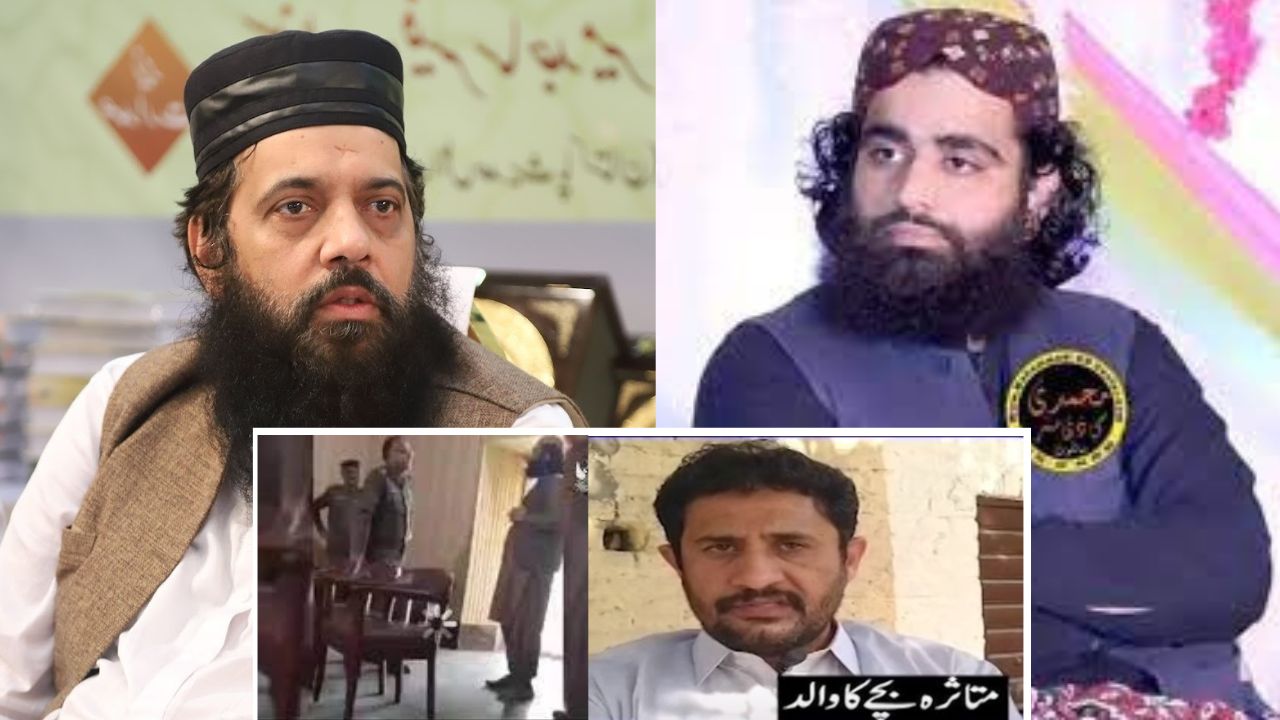
    A high-level police inquiry into the case of attempted rape of a 12-year-old boy in Tandlianwala, Faisalabad, has declared the acquittal of the suspect nominated in the initial FIR on the mediation of a ‘Jirga/Panchayat’ a sheer violation of the Supreme Court’s judgment.


    The legal status of the ‘council of elders’, ‘Panchayat’ or ‘kangaroo courts’ operating as alternative to the judicial system or for mediation in tribal belts of Khyber Pakhtunkhwa, and rural areas of Punjab, Sindh, and Balochistan was challenged in the Supreme Court’s landmark judgment that appeared in January 2019.


    The inquiry asked the police to challenge the acquittal of the suspect Qari Abubakar Muavia, by a magistrate after the father of the boy gave a statement in his favour.


    Pakistan Peoples Party’s Member of National Assembly Abdul Qadir Patel also spoke about the case. He asked the state to be a complainant in the case if the child’s father had forgiven the alleged perpetrator on the intervention of the clerics. He also sought a proper investigation into the case.

    Reinvestigation

    Dawn sources have said that reinvestigation into the case was launched on the order of Inspector General Punjab Dr. Usman Anwar when Chief Minister Maryam Nawaz took notice of the incident and directed him (the IGP) to hold an impartial inquiry to know on what grounds the suspect was discharged in the case and determine the role of the police.


    What happened in the court?


    Qari Abubakar was discharged from the case by Tandlianwala Judicial Magistrate Nauman Tahir on March 30 when the police presented him in the court, seeking further physical remand to continue interrogating him.


    The complainant along with his son also appeared and submitted a written statement that he got his FIR lodged on the basis of ‘suspicion’ against Mawiyah during the hearing. The magistrate’s decision mentioned that the complainant had submitted an affidavit too.


    “On query, the minor/victim also stated that the present accused didn’t commit the offence as mentioned in the FIR,” reads the magistrate’s decision.
    Additionally, the request of the remand of the police was turned down by the court.


    This complainant’s statement appeared to be the turning point that prompted the Punjab police high-ups to get the case reinvestigated as it mentioned the decision of a ‘Jirga Panchayat’, as per Dawn.


    Supreme Court’s judgment


    The supreme court judgment declares that the Jirgahs, Panchayats etc do not come under the Constitution or any other law whatsoever to the extent that they attempt to declare verdicts on civil or criminal matters.


    An official, privy to the development, said that during the inquiry, the legal branch of the police referred to the Supreme Court’s 2019 judgment when the matter of legality of Jirgas or Kangaroo courts was raised and so it recommended to the department high-ups to issue directions to challenge the magistrate’s decision of acquittal of the suspect.


    The IGP confirmed that the matter was investigated at a high level in light of the magistrate’ decision. He said he and the prosecutor general had met the victim boy and his father and discussed the issue of allegations levelled against the suspect, as per Asif Chaudhry’s report in Dawn.

    Read more: Cleric allegedly rapes a boy, ‘forgiven’ after religious scholar intervenes

  • Rizwana is back from hospital after arm surgery

    Rizwana is back from hospital after arm surgery

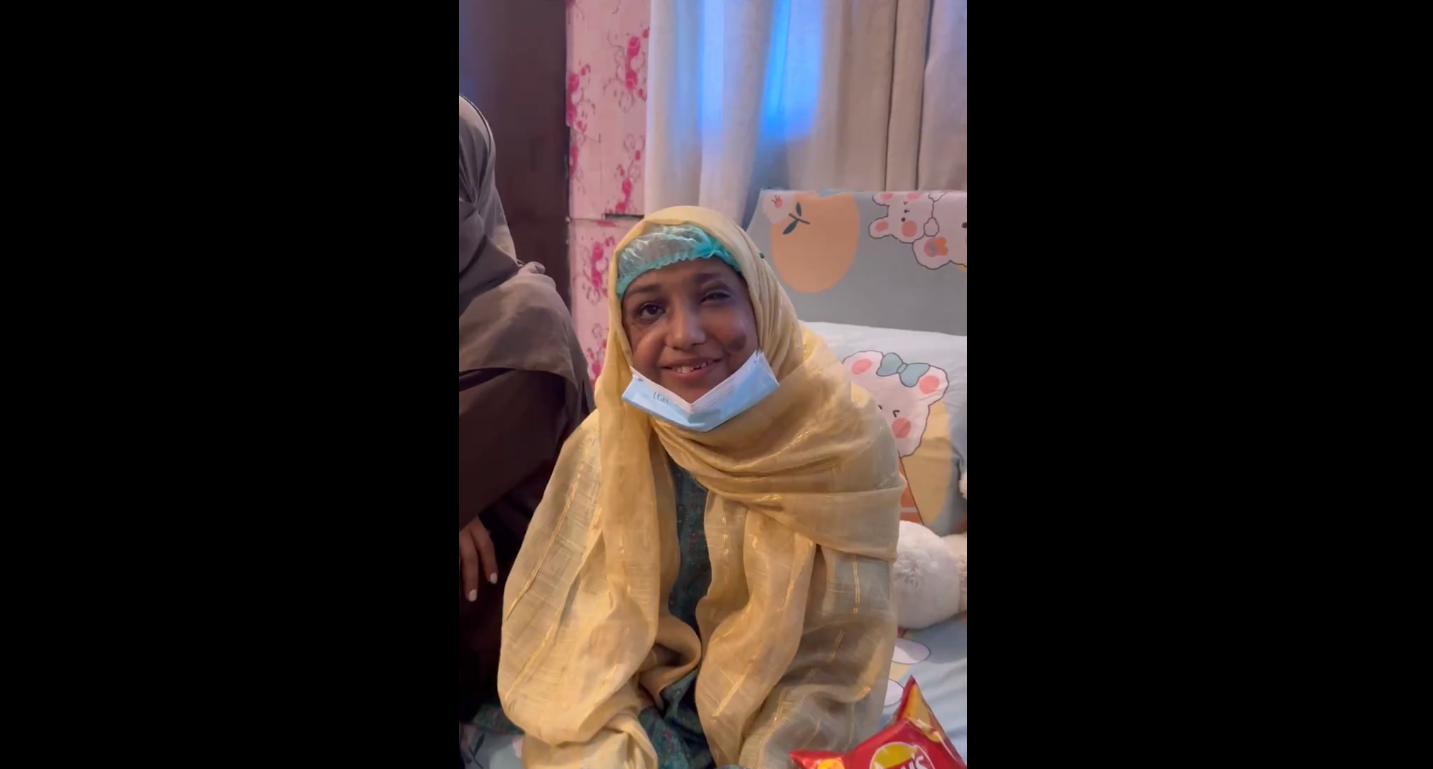
    Rizwana, the minor girl who was subjected to violence at the house of a Civil Judge in Islamabad, has been discharged from General Hospital Lahore and returned to the Child Protection Bureau after a surgery was performed on her arm.

    Talking to Geo News in Lahore, Chairperson Child Protection Bureau Sarah Ahmed said that Rizwana was under treatment at the General Hospital for two months.

    Now Rizwana is able to walk normally and feels better than before, said Sara Ahmed.

    Doctors have told her to rest for ten days. Rizwana’s right arm had undergone surgery that involved removing a rib bone and inserting it into the injured arm. Rizwana will not be able to bend her arm until she recovers.


    Background


    Last year, in July, it was revealed that Rizwana, a young girl working at the house of a civil judge in Islamabad, was subjected to assault by her employers. The torture continued and when her condition worsened, the civil judge’s wife handed her over to her mother.


    Rizwana had torture marks all over her body. A wound on her head had rotted due to lack of treatment, becoming infected by worms.

  • Who is the richest man on the planet?

    Who is the richest man on the planet?

    The American magazine Forbes has released its list of the richest people in the world for 2024.

    The list indicates that the number of billionaires around the world has reached an all-time high and their wealth has increased significantly over the past one year.

    141 more people became billionaires during the year and a total 2781 people are included in the list. The total wealth of these people is around fourteen thousand and two hundred billion dollars, which in comparison to 2023 is two thousand billion dollars higher. Two-thirds of billionaires got richer, with the world’s 20 richest people earning a combined total of $700 billion a year, according to Forbes. The highest number of billionaires in the world reside in the United States with 813, followed by China with 473, and India with 200.

    France’s Bernard Arnault has been named the world’s richest person in the 2024 list with assets worth $233 billion. This is the second year in a row that he has received the title, having topped last year’s list with $211 billion, his assets having increased by $22 billion in one year.

    Tesla and SpaceX owner Elon Musk is second on the list with $195 billion.


    Amazon founder Jeff Bezos came in third with a net worth of $195 billion, while Meta’s CEO Mark Zuckerberg came in fourth with $177 billion.
    India’s Mukesh Ambani was declared the 9th richest person in the world and the richest person in Asia with 116 billion dollars.

    The richest woman in the world is Francoise Bettencourt Meyers of France, who owns 99.5 billion dollars, while she is on the 15th place in the list of the richest people in the world.


    Alice Walton is the second richest woman in the world (21st overall) with $72.3 billion, while Julia Koch is the third (23rd overall) richest woman with $64.3 billion.