Category: National

  • Man issued driving licence with woman’s photo in Multan

    Man issued driving licence with woman’s photo in Multan

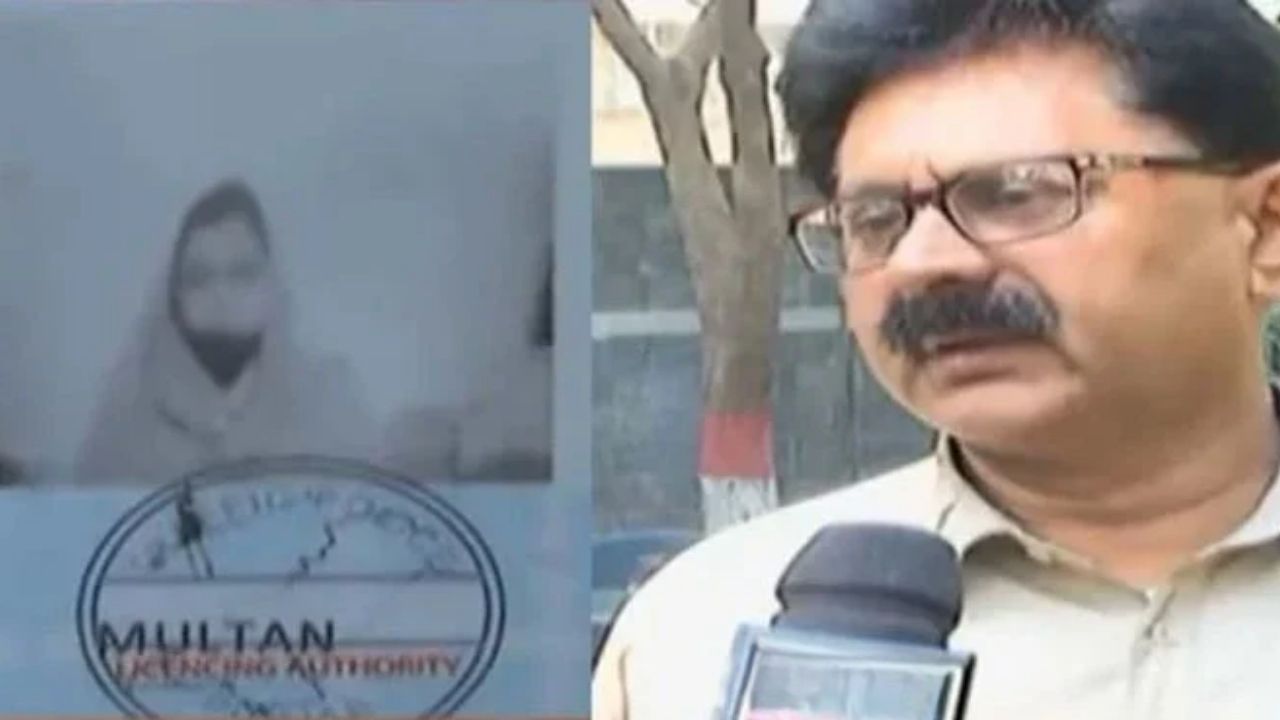
    A case of administrative negligence has surfaced at the Punjab Traffic Police Driving Licence Branch in Multan, where a male applicant was issued a driving licence bearing a woman’s photograph instead of his own, according to a private media outlet. 


    The affected individual, Asghar Sawal, said he applied for a driving licence in Multan in 2025 after completing the required training and passing the driving test. He paid Rs7,000 as part of the licensing process.


    However, upon receiving the licence, he discovered that a woman’s photograph had been mistakenly printed on the official document.


    Asghar, who is currently residing in Karachi for work, said travelling repeatedly to Multan was difficult for him. He contacted the Multan Driving Licence Branch to have the error corrected.


    Instead of acknowledging the mistake, officials at the licence branch allegedly held him responsible and informed him that he would need to pay Rs650 to have the record fixed.


    He was also told that the correction process could take up to four months, despite the error originating within the department.


    “I was surprised and frustrated,” Asghar said. “It was their mistake, but they are asking me to pay and wait for months to fix it.”


    The incident has raised concerns over data management, record-keeping practices and accountability within the Punjab Traffic Police’s licensing system. 


    A driving licence serves as an official identity document, and such an error could create legal and practical complications for the holder, particularly during traffic checks, travel or verification procedures.


    Asghar has appealed to the Inspector General of Punjab Police to intervene in the matter and order an immediate correction without imposing any additional charges.

  • Indonesia eyes JF-17 collaboration as it seeks deeper defence ties with Pakistan

    Indonesia eyes JF-17 collaboration as it seeks deeper defence ties with Pakistan

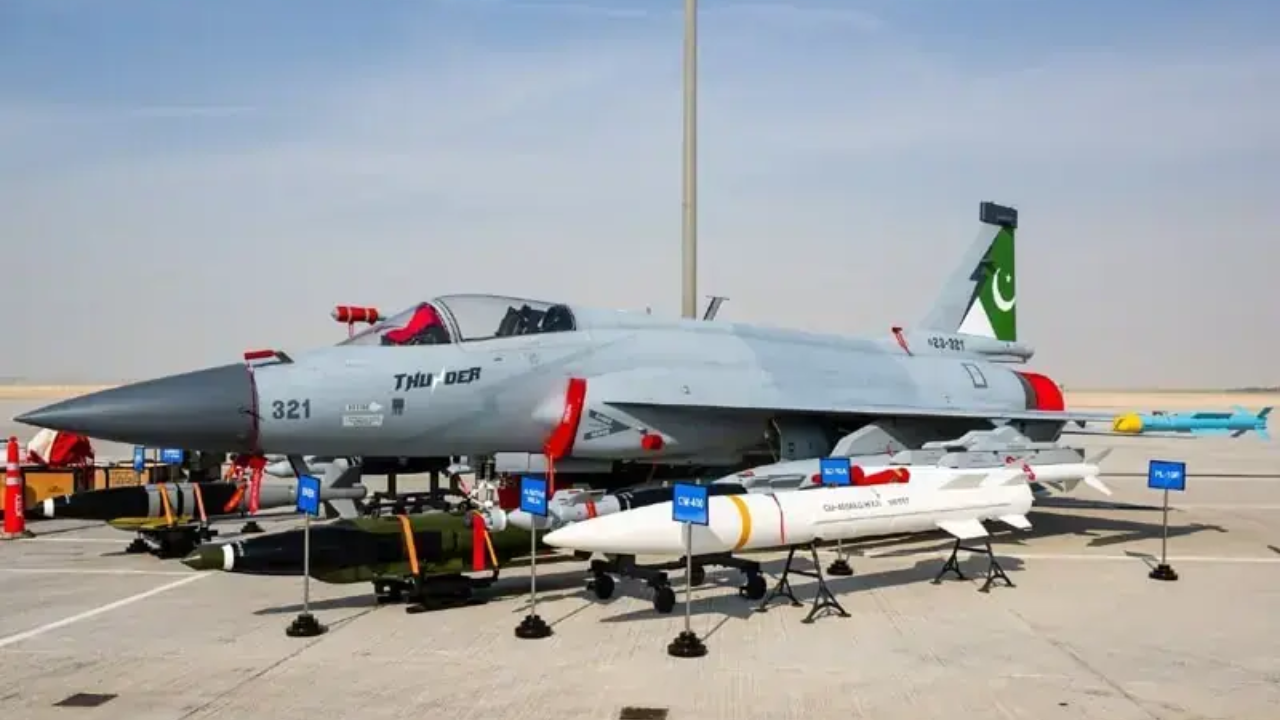
    Indonesia has expressed its desire to further expand defence ties with Pakistan across multiple domains, with discussions also covering cooperation related to the JF-17 Thunder fighter aircraft.

    As per the details, Chief of Defence Forces Field Marshal Syed Asim Munir on Monday met with Indonesian Defence Minister Lieutenant General (r) Sjafrie Sjamsoeddin at General Headquarters (GHQ) in Rawalpindi.

    “The meeting focused on matters of mutual interest, evolving regional and global security dynamics, and exploration of avenues for enhancing bilateral defence cooperation,” the Inter-Services Public Relations (ISPR) reported.

    Both sides highlighted the importance of strengthening institutional linkages, training collaboration and defence industrial cooperation between the two countries.

     “The visiting dignitary lauded the professionalism of Pakistan’s armed forces and acknowledged their sacrifices in the fight against terrorism. He also expressed Indonesia’s desire to further expand defence ties with Pakistan across multiple domains,” the ISPR statement said.

    Field Marshal Munir reaffirmed Pakistan’s commitment to creating a strong and enduring defence relationship with Indonesia, based on shared values, mutual respect, and convergence of strategic interests, the ISPR noted.

    Following the meeting, Air Chief Marshal Zaheer Ahmed Baber Sidhu also met with an Indonesian defence delegation headed by the defense minister at Air Headquarters in Islamabad, Reuters reported.

    A central part of the air force-level discussions, Reuters quoted sources as saying, involved the JF-17 Thunder fighter aircraft and possible technical collaboration.

    According to the report, discussions on the JF-17 were at an advanced stage and involved more than 40 aircraft.

    One source was quoted as saying that Indonesia also showed interest in Pakistan’s Shahpar drones. 

    Another security source with knowledge of the talks said Pakistan was also discussing air defence systems and training programmes for Indonesian air force personnel, including engineering staff.

    The air chief briefed the delegation on Pakistan Air Force’s (PAF) ongoing modernisation efforts, covering infrastructure development, revamped training programmes and induction of capabilities to enhance readiness for multi-domain operations.

  • Ali Tareen will give fully paid Oxford scholarships to south Punjab students

    Ali Tareen will give fully paid Oxford scholarships to south Punjab students

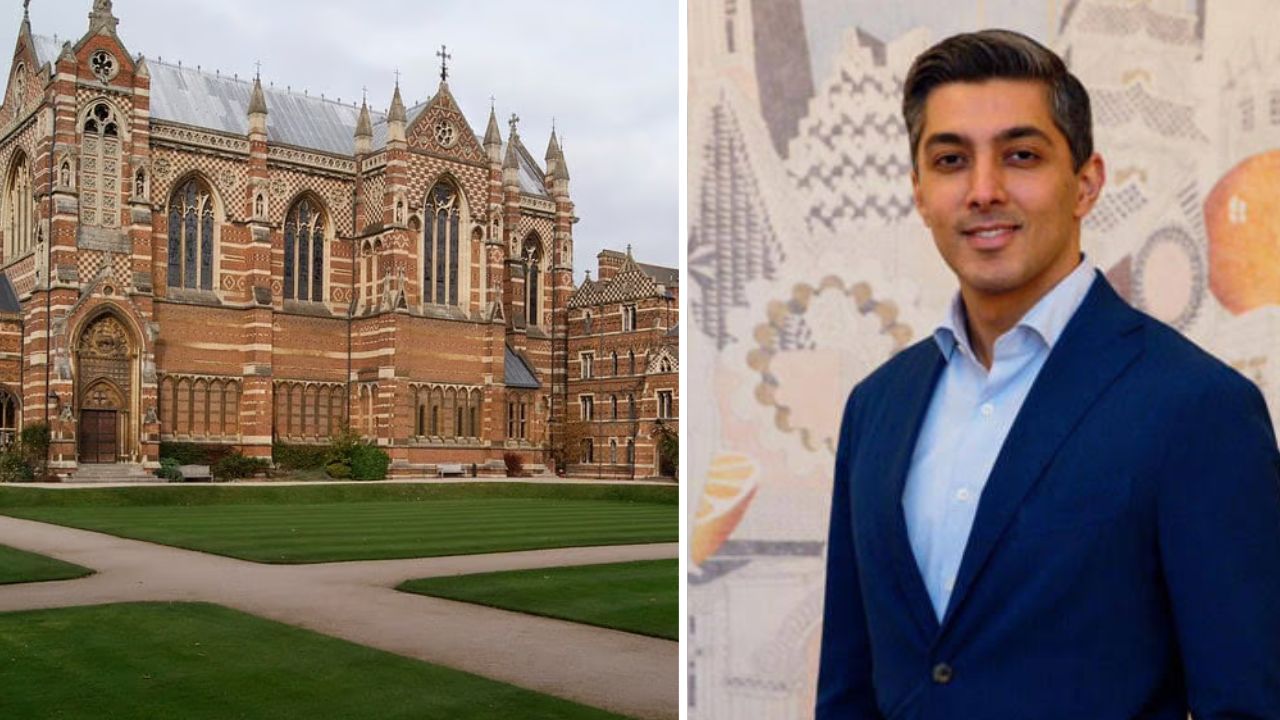
    Ali Tareen, the former owner of Multan Sultans, has launched the Tareen Oxford Scholarship to support talented students from South Punjab who gain admission to the prestigious University of Oxford in the United Kingdom. 

    The Oxford Pakistan Programme (OPP) will administer the scholarship, which targets deserving Pakistani students who secure admission to eligible graduate courses at Kellogg College but lack the financial resources to accept their offers.

    The scholarship will cover tuition fees and living costs. It joins OPP’s graduate scholarship programme, which awards at least three graduate scholarships annually to talented Pakistani and British Pakistani students.

    Tareen, who completed his MBA at Oxford in 2018, has committed to a five-year programme to be awarded on a rolling basis each year.

    “As you know, I have had the privilege of attending Oxford University for my Masters. I did my MBA there in 2018 and it was one of the best experiences I have ever had,” Tareen said in a social media announcement. “The connections I made there, the things I learned, the time I spent there enriched my life to no end,” he added.

    He added that his experience at Kellogg College proved life-changing, which motivated him to give back to students from his region.

    The programme prioritises students from South Punjab who demonstrate strong potential and commitment to contributing to the region’s development after their studies.

    The Oxford Pakistan Programme (OPP), Kellogg College, and Oxford University departments will advertise the scholarship widely across the university to increase representation of South Punjab students at Oxford.

    To support potential applicants, OPP and Tareen will run a special access programme for South Punjab students. This includes an access conference for final-year students applying for MSc and PhD programmes abroad. The top 20 participants will receive free one-on-one mentorship.

    Another initiative will select 100 top-performing FSc and first-year public sector university students from South Punjab. These students will receive career guidance, long-term mentoring, and support to help them aim for global academic excellence.

    The scholarship addresses a significant gap in educational access. 

    Each year, around 30 Pakistani students receive graduate offers from Oxford but cannot accept them due to funding issues. Many more never apply for the same reason. 

    Tareen also expressed concern about low application rates from South Punjab. “The only issue that we’re finding is not enough people from South Punjab are applying to Oxford for their masters. This is something we really want to change,” he said.

    He announced a webinar to be organised on January 14, with OPP to answer questions about the application process, available subjects, and admission options. 

    “I’ll be there myself to encourage everyone,” Tareen said. “Please, I encourage all of you to decide that you want to do your master’s, apply to Oxford, and inshallah if you get in, we will support you in this journey. Trust me, it is a life-changing opportunity.”

  • Pakistan rejects claims of hosting US aircraft for Iran strikes

    Pakistan rejects claims of hosting US aircraft for Iran strikes

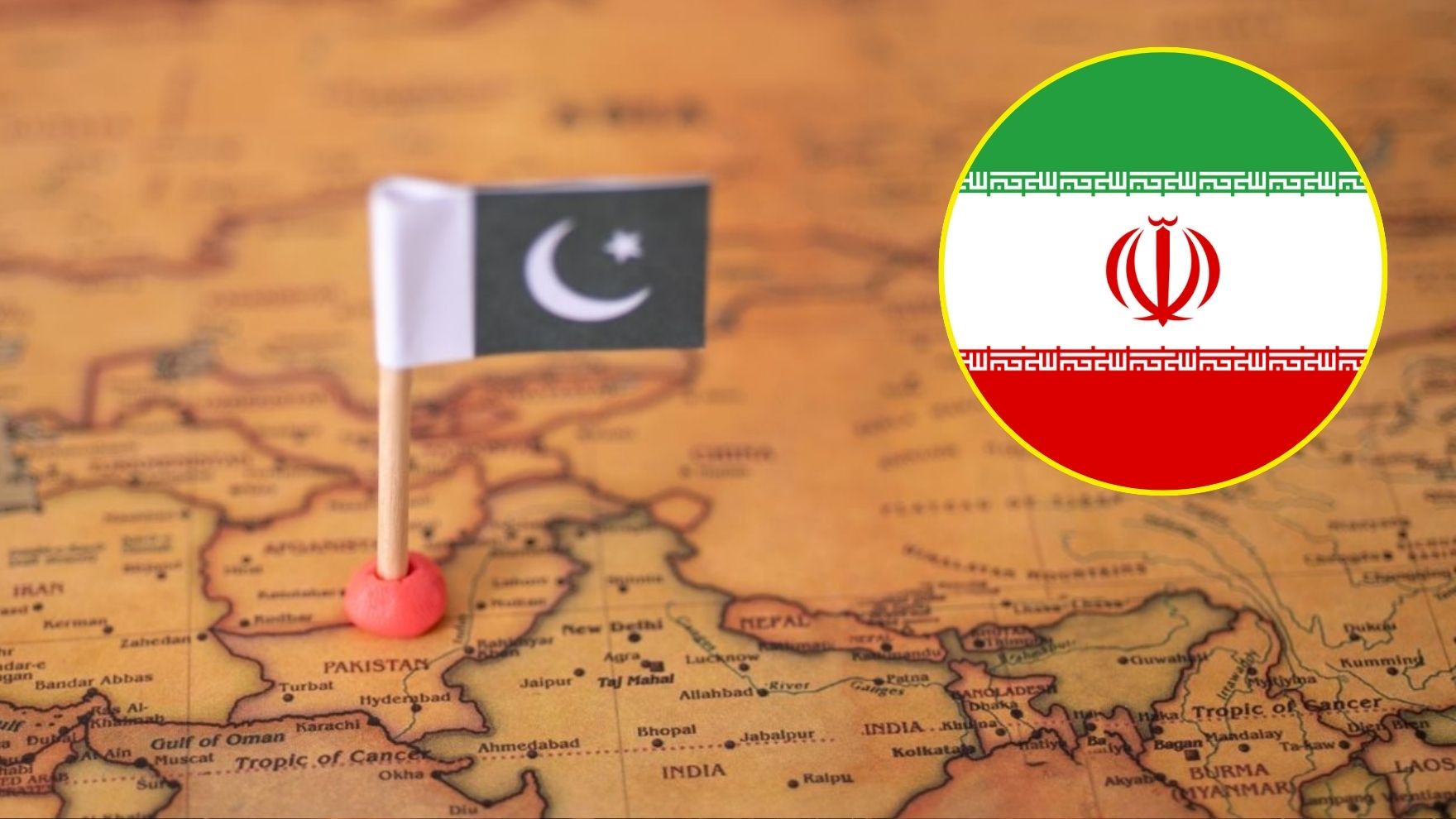
    The Ministry of Information and Broadcasting (MoIB) on Monday dismissed reports circulating online that Pakistan is allowing its territory to be used by the United States of America for a potential military strike against Iran, calling the claims baseless and misleading.


    In a post shared through its official fact-check account on X, the ministry said that the allegations were being pushed by social media accounts linked to Afghanistan and India, naming Khurasan Media Urdu, Baba Banaras and Afghan Defense as primary sources of the disinfo. 


    According to the ministry, one of the posts alleged that US military aircraft had arrived in Pakistan to prepare for strikes on Iran and cited what it described as “unusual” flight activity of US refuelling and surveillance aircraft near Iranian airspace. 


    Similar claims were echoed by other accounts, including assertions that US reconnaissance and cargo planes carrying weapons had landed at airbases in Dalbandin and Pasni.


    Rejecting the narrative, the ministry said there was no credible evidence to support claims that Pakistan was hosting US aerial refuelling or intelligence, surveillance and reconnaissance aircraft, or that aircraft were conducting operational flights from Pakistan towards Iran.


    While acknowledging reports of increased US refuelling aircraft activity, the ministry clarified that these movements were linked to deployments in Europe rather than Pakistan. 


    It cited international media reports from June 2025, including Reuters and The Washington Post, which stated that Pentagon had repositioned refuelling aircraft to European bases amid rising tensions in the Middle East.


    “No reliable source confirms that US KC-135R or ISR (intelligence, surveillance and reconnaissance) aircraft are operating from Pakistan,” the ministry said.

    It recalled that Pakistan had “publicly condemned US strikes on Iran”, apparently a reference to Islamabad’s stance during the 2025 12-day war between Iran and Israel, during which the US also carried out strikes in Iran.


    “This clearly denied the ‘Pakistan is facilitating strikes’ story,” the information ministry said. “This is a reckless, blame-pushing narrative that tries to drag Pakistan into a US-Iran conflict without any verifiable evidence.” 

    The claims have emerged as relations between Washington DC and Tehran remain strained amid ongoing protests in Iran. US President Donald Trump has warned of possible action against Tehran over its response to the unrest, prompting strong reactions from Iranian officials.


    On Sunday, Iran warned that it would retaliate against US military bases and Israel if attacked, while Trump said he was considering multiple options, including military measures, even as he claimed Tehran had reached out to discuss negotiations.


    Iranian Foreign Minister Abbas Araghchi later said Tehran was not seeking war but is fully prepared for it.


    “We are also ready for negotiations, but these negotiations should be fair, with equal rights and based on mutual respect. “he added.

  • Six cops martyred in blast targeting armoured vehicle in KP’s Tank district

    Six cops martyred in blast targeting armoured vehicle in KP’s Tank district

    Six police personnel were martyred after an improvised explosive device (IED) struck an armoured police vehicle in Khyber Pakhtunkhwa’s (KP) Tank district, police said Monday.

    The armoured personnel carrier was targeted within the Gomal Police Station’s jurisdiction as it traveled towards Tank.

    Among those martyred was an additional station house officer (SHO), the statement by the police added.

    Following the attack, Rescue 1122 shifted the bodies of the police personnel to the Tank District Headquarters Hospital.

    Police officials said the area had been cordoned off and a clearance operation was underway. 

    Meanwhile, President Asif Ali Zardari expressed grief over the martyrdom of the police personnel.

    In a statement issued by his office, he paid tribute to the police officers and prayed for the elevation of their ranks. 

    Prime Minister (PM) Shehbaz Sharif ordered an immediate investigation into the incident and directed authorities to bring those responsible to justice at the earliest.

    The premier also reiterated the government’s commitment to eradicate terrorism from the country.

    KP Governor Faisal Karim Kundi sought an immediate report from senior police officials regarding the incident.

    “The brave men of KP Police embraced martyrdom to protect the lives and property of the people,” Kundi was quoted as saying.

    “These actions by Indian-backed Fitna al Khwarij cannot dampen our morale,” the governor said.

    He also urged the provincial government to take practical steps to ensure peace in the province.

    Interior Minister Mohsin Naqvi condemned the attack and paid tribute to the martyred police personnel. In a statement issued by the ministry, he said, “The courageous men of the police sacrificed their today for the nation’s peaceful tomorrow.”

  • Punjab’s wearable cams plan opposed by healthcare workers

    Punjab’s wearable cams plan opposed by healthcare workers

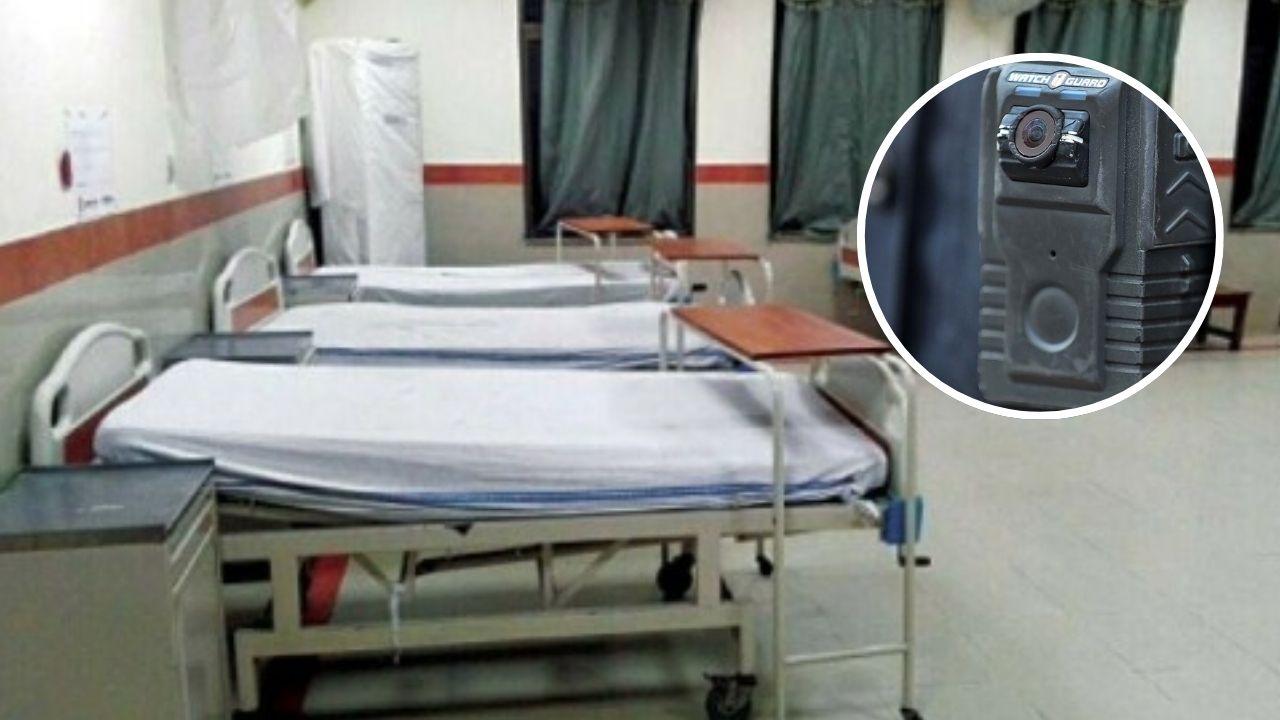
    Healthcare professionals and hospital staff across Punjab have raised strong concerns over the Punjab government’s move to mandate body cams for hospital staff, warning that the decision was made without stakeholder consultation and risks violating patients’ privacy and dignity.


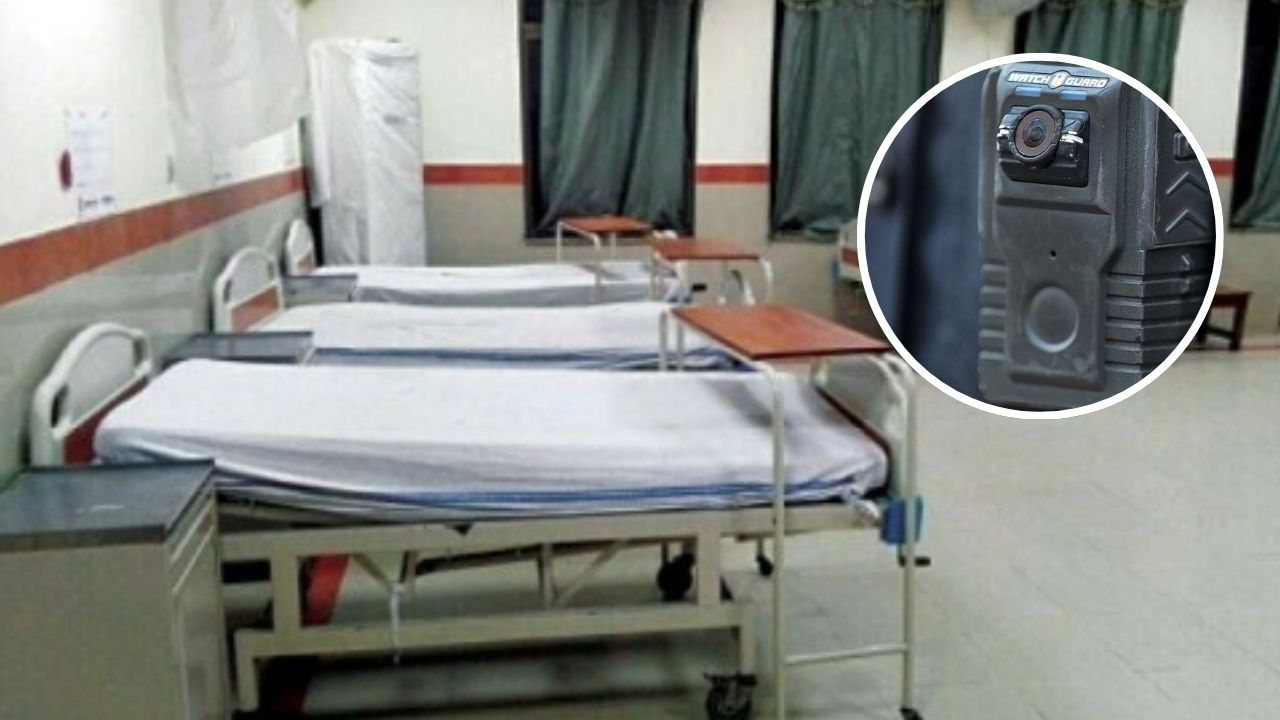
    The policy was announced on Friday by Punjab Chief Minister Maryam Nawaz, who said body cameras would be made compulsory for nurses, ward attendants, security guards and pharmacy staff excluding doctors – following complaints about the conduct of staff and negligence in public hospitals.


    Pakistan Medical Association (PMA) President Dr Izhar Ahmed Chaudhry termed the decision “ill-conceived” and warned that it could backfire.


    “This is unbelievable. If at all this is decided and practically applied, it will not be a useful technique to improve the health delivery system,” he told a private media outlet. “It will bounce back and give a bad name to the government.”


    Dr Chaudhry said the government had failed to consult any relevant forum before announcing the policy, calling it “illogical, impractical and insane,” and argued that it infringed upon the fundamental rights of both patients and healthcare professionals.


    “It violates essential privacy of patients and professional liberty and confidentiality of the health professionals during treatment, which is mandatory and cannot be violated under the law,” he added.


    He further alleged that the authorities were deliberately making working environments more hostile, adding that the decision appeared to be part of a broader effort to sell out the health institutions and deliberately make the working conditions miserable with each passing day.


    The Young Doctors Association (YDA) Punjab also criticised the announcement, with its president Dr Shoaib Niazi saying the organisation had not been consulted.


    “I was not consulted at all. This decision came from the higher-ups, and it’s a useless act,” he said, pointing out that similar directives such as restrictions on mobile phone use during duty hours had previously been issued but were never enforced.


    Dr Niazi expressed concern that constant recording would compromise patient confidentiality, particularly in sensitive hospital areas.


    “This move will compromise patient privacy and confidentiality, for example, in the gynaecology and labour wards. Moreover, the footage will go to the IT department, and anyone can access it without patients’ consent,” he pointed out. 


    He also questioned the feasibility of the plan, citing existing financial constraints within public hospitals.


    “The security guards have not been paid salaries for the last three months in Mayo Hospital. How will the government provide bodycams? How will they implement such a structure? Where will the money come from?” he asked.


    Dr Niazi added that the presence of cameras would discourage honest professional judgement and feared the policy could eventually be extended to doctors as well. He said the YDA Punjab President will soon hold a press conference to address the issue in detail.


    Nurses and allied health workers have echoed similar concerns. Muqaddas Tasneem, a member of the Punjab Young Nurses Association and a staffer at Children’s Hospital Lahore, said nurses, despite being key stakeholders, were excluded from the decision-making process.


    “The govt didn’t consult us at all and decided on its own. However, we have to follow the orders and act upon the directions,” she said.


    Junaid Tariq, president of Allied Health Sciences at Lahore General Hospital, said ward staff and other allied workers were neither informed nor consulted. 


    “We are unable to understand the purpose of this order. It fits in with the responsibilities of security guards, but it will compromise the privacy of patients. It will compromise the confidentiality of patients’ medical records. The nature of our work does not relate to security,” he opined. 


    Former Punjab caretaker minister for health Dr Javed Akram also questioned the practicality of the proposal, saying he was unaware of any formal plan.


    “It was not possible that something like this will happen, as it was inconceivable. How will they do it to so many people?” he asked.


    Dr Akram raised logistical concerns, particularly regarding monitoring and implementation. “How will they watch or analyse those (healthcare officials) with bodycams? What if the employees with cams have to go to the restrooms? Will they take the cam off each time?”
  • Travel advisory issued for Pakistanis as tensions continue to soar in Iran

    Travel advisory issued for Pakistanis as tensions continue to soar in Iran

    In light of protests in Iran, Pakistan’s Foreign Office has issued a travel advise on Saturday advising Pakistani citizens not to make unnecessary trips to the country. 


    “Until conditions improve, Pakistani nationals are advised to avoid all unnecessary travel to the Islamic Republic of Iran for their safety and security,” the Foreign Office said in a statement.


    Additionally, the alert advised Pakistanis living in Iran to use “extreme caution,” maintain vigilance, restrict non-essential movement, and stay in regular contact with the Pakistani missions”  in Mashhad, Zahidan, and Tehran.

    The Foreign Office shared contact numbers for the Pakistani mission in Tehran, including +98-21-66-9413-88/89/90/91, +98-21-66-9448-88/90 and +98 910 764 8298. Contact details for the consulate in Zahidan included +98 54 33 22 3389 and +989046145412, while the Mashhad consulate can be reached at +98 910 762 5302 and +98 937 180 7175.


    The advisory was issued as protests have continued across Iran for nearly two weeks. The public’s outrage at growing living expenses served as a spark for the protests, which started on December 28. Since the start of the protests, authorities have restricted access to the internet in several areas of the nation. 


    Human rights activists news agency (HRANA), an Iranian rights organization, reported on Friday that at least 62 people had died since the protests began. The group claimed that 48 demonstrators and 14 security personnel were among the dead.


    US President Donald Trump issued a warning at the beginning of January that if Iran’s security forces killed protestors, the US was “locked and loaded” to retaliate. 

    Iran’s Supreme Leader, Ayatollah Ali Khamenei, responded to the protesters in remarks that were shown on state television on Friday. He called the protesters “saboteurs” and “vandals.” 


    A spokesperson for Pakistan’s Foreign Office stated earlier this week that Islamabad is against foreign meddling in other nations’ domestic affairs, particularly Iran. He stated that Pakistan did not want to comment on Iran’s internal issues and condemned external pressure or violence, viewing the situation in Iran as an internal affair.

  • Punjab tightens hospital rules, introduces body cameras for staff

    Punjab tightens hospital rules, introduces body cameras for staff

    The Punjab government has announced that hospital security guards, ward boys, nurses, and pharmacy staff will be equipped with body cameras, as part of comprehensive reforms to enhance security and service delivery in public hospitals.


    The decision was taken during a meeting chaired by Chief Minister Maryam Nawaz, which reviewed the progress of health projects.


    Officials agreed to restrict doctors and nurses from using mobile phones during duty hours to provide better patient care.


    The chief minister also took serious notice of complaints against private security guards deployed in hospitals, calling for strict accountability measures.


    Maryam Nawaz ordered that all government hospitals complete full steam cleaning by 9am daily to maintain hygiene standards. 


    She further directed authorities to prepare a new list of modern medicines for government hospitals and form a dedicated committee for the task.


    Expressing concern over medicine shortages, she highlighted the government’s allocation of Rs80 billion for medicines, calling the unavailability of essential drugs “incomprehensible.”

    Officials informed the meeting that Punjab hospitals may be allowed to procure modern Chinese-made medical equipment to upgrade healthcare facilities. 


    The chief minister also instructed the establishment of a foolproof mechanism to ensure uninterrupted medicine supplies.

    The meeting approved the creation of a Medical Superintendent (MS) pool across Punjab, linking salary increases strictly to performance. 


    Community health inspectors will also be tasked with conducting hospital surveys.

    To assess the impact of public welfare initiatives in the health sector, Maryam Nawaz ordered the establishment of a data analysis centre.


    Officials told the meeting that over 2,500 doctors have secured jobs in Punjab in less than two years. 


    Additionally, 585,000 patients have been registered for home delivery of cardiac medicines, while 6,000 hepatitis and tuberculosis patients are receiving medicines at their doorsteps.

    Reiterating her commitment to efficiency, the chief minister warned that public money and time would no longer be wasted and that negligent staff would face strict consequences.

  • Schools in Punjab to remain closed till Jan 19th, confirms education minister

    Schools in Punjab to remain closed till Jan 19th, confirms education minister

    Schools in Punjab will now reopen on January 19, the Punjab government has decided due to severely cold weather.

    According to Punjab Education Minister Rana Sikandar Hayat, winter vacations in both government and private schools have been extended by a week and schools will not reopen on January 12.

    Shortly after a statement on his official X account, the minister told a private media outlet that the decision came after consulting the public through a survey on his social media accounts, where 83 percent votes supported the January 19 reopening while 17 percent people favoured January 12.

    The minister said the extension was approved keeping in view the severity of the ongoing weather conditions and stressed that students’ health and well-being remained the top priority of the government.

    Hayat said he has directed all chief executive officers (CEOs) of education departments to ensure strict implementation of the orders across their respective districts as uniform enforcement is essential to avoid confusion among parents, teachers and students.

    Calling it a “health-focused decision”, the minister said public consultation helped shape a policy that directly benefits students.

    He reiterated that the Punjab government will continue to prioritise education quality alongside student safety.

    It may be noted that just a day earlier, Hayat had dismissed viral reports claiming an extension in winter vacations, confirming that institutions would reopen on January 12 as originally planned.

  • Security forces kill 11 Indian-backed militants in KP’s North Waziristan, Kurram

    Security forces kill 11 Indian-backed militants in KP’s North Waziristan, Kurram

    Security forces have killed at least 11 militants in two separate intelligence-based operations in Khyber-Pakhtunkhwa on January 8, a statement issued by the Inter-Services Public Relations (ISPR) has confirmed. 

    The military has said that the militants belonged to Indian proxy Fitna Al Khwarij, a term it uses for the banned Tehreek-e-Taliban Pakistan (TTP).

    The ISPR claims that in response to reports of militant activity in the region, an Intelligence-Based Operation was carried out in the North Waziristan district. Six militants were killed by security personnel during the operation after an exchange of fire.

    In a separate incident, a joint intelligence-based operation was carried out by police and security forces in Kurram district. The operation resulted in the killing of five more militants, the statement said.

    Weapons and ammunition were recovered from the dead militants. ISPR has stated that the militants were “actively involved in numerous terrorist activities against the Security Forces, Law Enforcement agencies, and the target killing of innocent civilians”.

    The military added that sanitisation operations were being conducted in both areas to eliminate any remaining militants. 

    The ISPR further said the operations were part of a broader counterterrorism effort being carried out under the vision of “Azm-e-Istehkam”, which was approved by the Federal Apex Committee under the National Action Plan.

    The military described the current operation as a “relentless Counter Terrorism campaign” that will continue at full speed to eradicate the threat of foreign-sponsored and supported terrorism from the country.

    ISPR Director General Lieutenant General Ahmed Sharif Chaudhry stated earlier this week that Khyber-Pakhtunkhwa accounted for 80 percent of terrorist incidents in Pakistan.

    Additionally, he mentioned a growing “nexus between political and militant elements,” claiming that circumstances had made it possible for militant organizations to band together, create networks of facilitators, and consistently contest the authority of the state.

    Lt Gen Chaudhry said that the prevailing environment had broader implications for Pakistan’s internal security and had enabled extremist groups to operate with greater coordination in the province.