Category: National

  • Türkiye seeks entry into Pak-Saudi defence pact:report

    Türkiye seeks entry into Pak-Saudi defence pact:report

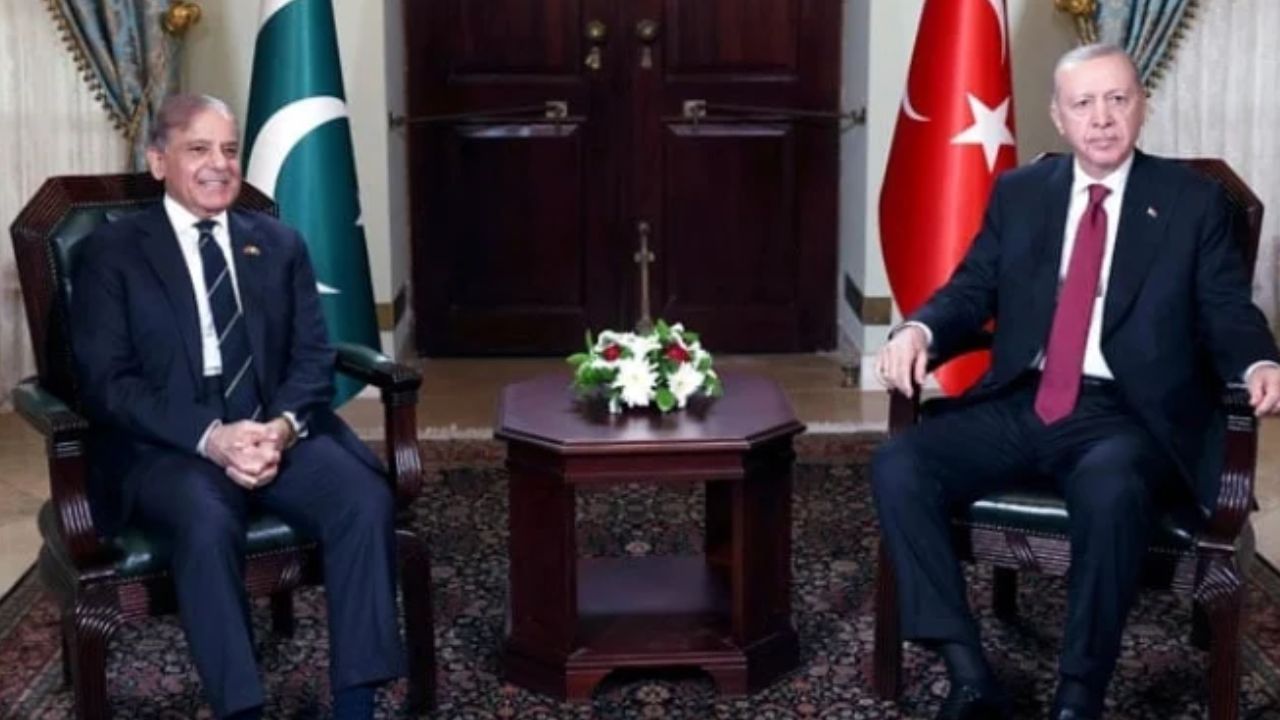
    Türkiye is seeking to join a mutual defence agreement between Pakistan and Saudi Arabia, a move that could reshape regional security dynamics across the Middle East and South Asia, reported on Friday.


    Citing people familiar with the matter, the news outlet reported that talks have progressed significantly and an agreement is “very likely”. 

    Pakistan and Saudi Arabia signed a Strategic Mutual Defence Agreement in Riyadh in September last year during Prime Minister Shehbaz Sharif’s visit, pledging that an attack on one would be treated as aggression against both.


    “The expanded alliance would make sense because Turkiye’s interests increasingly overlap with those of Saudi Arabia and Pakistan in South Asia, the Middle East and even Africa,” the Bloomberg report said.

    Nihat Ali Ozcan, a strategist at the Ankara-based think tank TEPAV (The Economic Policy Research Foundation of Türkiye), said that as the United States (US) prioritises its own interests and those of Israel in the region, changing dynamics and fallout from regional conflicts are prompting countries to develop new mechanisms to identify friends and foes.

    The report pointed to the complementary strengths each country brings to the table: Saudi Arabia’s financial clout, Pakistan’s nuclear capability, missile programme and manpower, and Türkiye’s expanding defence industry and developed defence industry. 


    Pakistan’s information ministry and Türkiye’s defence ministry declined to comment on the report, while Saudi authorities were not immediately available to respond to requests for comment.


    Bloomberg said Türkiye’s potential entry would underscore a new era in relations with Saudia Arabia.

    The report noted that the two countries are expanding defence and economic cooperation and recently held their first-ever naval meeting in Ankara, according to Türkiye’s defence ministry.

    It added that both Riyadh and Ankara share longstanding concerns over Tehran, while favouring diplomatic engagement over use of force.

    With regard to Pakistan, the report highlighted Türkiye’s growing military footprint, including the construction of corvette warships for the Pakistan Navy and upgrades to the Pakistan Air Force’s F-16 fleet.


    “Turkiye is already sharing drone technology with both countries, and now wants them to join its Kaan fifth-generation fighter jet program,” the outlet added, citing an earlier report.


    The trilateral discussions come in the wake of a ceasefire between Pakistan and India in May following a four-day clash between the nuclear-armed neighbours.


    Pakistan and Saudi Arabia have long maintained close ties rooted in defence cooperation, economic support and shared religious identity, with Riyadh providing financial assistance and energy supplies to Islamabad.


    Defence collaboration is also a central pillar of Pakistan–Türkiye relations. According to the Stockholm International Peace Research Institute’s 2023 (SIPRI) report, Türkiye is Pakistan’s second-largest arms supplier, accounting for 11 percent of its total arms imports.


    The defence partnership has grown significantly, with joint projects such as the Milgem warships, aircraft modernisation, and drone acquisitions deepening military collaboration.

  • HEC announces fully-funded Chinese scholarships; here’s how to apply…

    HEC announces fully-funded Chinese scholarships; here’s how to apply…

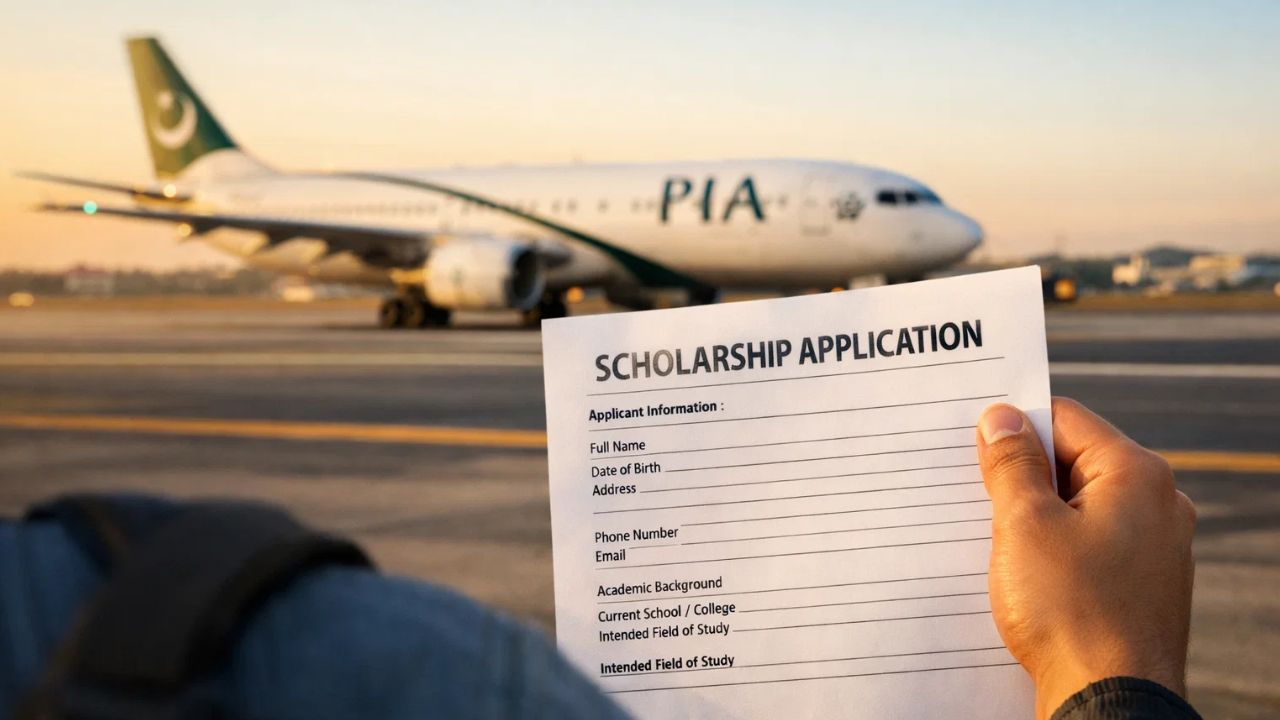
    The Higher Education Commission (HEC) has announced the Chinese Government Scholarship High-Level Postgraduate Program 2026 (Type B) for Pakistani students seeking admission to Master’s and PhD programmes at Tianjin University in China.

    According to details shared by HEC, the fully-funded scholarship targets outstanding Pakistani students from engineering, sciences, management, humanities and social sciences. 

    The scholarship aims to attract high-performing international students to pursue postgraduate education in China. The deadline to apply for the programme is January 18, and you can apply by visiting this link.

    .

    Tianjin University currently offers 104 Master’s and 125 PhD programmes. Out of these, 29 Master’s and 55 PhD programmes are taught entirely in English, providing wider access to international students.

    Under the scholarship, selected candidates will receive full tuition fee coverage, on-campus accommodation or a housing subsidy, comprehensive medical insurance and a monthly stipend of CNY 3,500 (approximately PKR 140,000) for both Master’s and PhD students.

    The scholarship does not cover international airfare.

    The funding will remain valid for the full standard duration of the degree, subject to satisfactory academic performance throughout the study period.

    To qualify, applicants must hold a minimum GPA of 3.2 out of 4.0 or its equivalent. PhD applicants must also have at least one published academic research paper. 

    For English-taught programmes, candidates must submit an International English Language Testing System (IELTS) score of at least 6.0 or a Test of English as a Foreign Language (TOEFL) score of 80. Applicants for Chinese-taught programmes must hold an HSK Level 5 certificate with a minimum score of 180.

    Applicants must also meet the specific academic and language requirements of their selected programme.

    HEC has clarified that it will not bear any financial liability related to the scholarship.

  • Non-customs paid vehicles worth Rs158m seized in Quetta

    Non-customs paid vehicles worth Rs158m seized in Quetta

    Customs Enforcement in Quetta seized multiple non-customs paid vehicles worth an estimated Rs. 158 million from a showroom on Saryab Road. The operation was intelligence-based.

    The confiscated vehicles included a Toyota Revo 2020, three Toyota Land Cruisers, and a Honda Civic Hybrid 2007. All vehicles were non-customs paid, meaning they were imported without paying required duties and taxes.

    Federal Board of Revenue (FBR) said this operation underscores the continued commitment of Customs Enforcement Quetta to curb smuggling, safeguard government revenue, and protect the national economy.


    In recent months, the FBR has intensified its crackdown on non-customs paid vehicles nationwide. Such vehicles result in revenue losses for the national economy and affect legitimate businesses in the automobile sector.


    Customs authorities have conducted similar raids in major cities as part of a nationwide enforcement campaign. The FBR reiterated its resolve to eliminate smuggling, illicit trade, and corrupt practices.

  • May 2025 India conflict boosts Pakistan’s defence exports to $12.5 billion

    May 2025 India conflict boosts Pakistan’s defence exports to $12.5 billion

    After the May 2025 military clashes with India, Pakistan’s defence production has gained international attention, resulting in major export agreements, Hamid Mir has said. 

    Speaking on his program, which airs on a private media outlet, Hamid Mir said, “After the war between Pakistan and India in May 2025, the credibility of Pakistan’s defense production has increased significantly worldwide. Pakistan has already received enough orders to fulfill at least $12–13 billion worth of deals. In particular, defense production, especially military aircraft, will contribute greatly.”

    According to Mir, weapons worth $4.6 billion will be sold to Libya, $4.5 billion to Azerbaijan, and $1.5 billion to Sudan. Iraq will receive arms valued at $664 million. Saudi Arabia will likely convert a $2 billion loan into a memorandum of agreement for JF-17 Thunder fighter jets. 

    Other countries, including Myanmar, Bangladesh, Türkiye, and Nigeria, are also expected to purchase defence equipment from Pakistan. He noted that “within the next six to ten months, Pakistan’s foreign exchange reserves are likely to rise significantly due to these deals.”

    Retired air marshal and defence analyst Amir Masood said Pakistan is either in talks or has finalised defence-related agreements with six countries involving JF-17 aircraft, electronic systems, and weapons packages.

    He noted that Saudi Arabia is among these countries, adding that the aircraft’s export prospects improved following its operational deployment during the May 2025 conflict.

    Pakistan also reached a multi-billion dollar arms deal with Libya. Officials involved told an international media outlet that the agreement was finalised after a meeting between Chief of Army Staff Field Marshal Asim Munir and Lt Gen Saddam Khalifa Haftar, deputy commander-in-chief of the Libyan Armed Forces. The deal includes 16 JF-17 Thunder fighter jets and 12 Super Mushak trainer aircraft.

    Speaking on a private media program, Defence Minister Khawaja Asif said, “Pakistan may no longer require financial assistance from the International Monetary Fund after six months,” citing a surge in defence procurement orders following the May 2025 conflict with India.

    He added, “Our aircraft have been tested, and we are receiving so many orders that, we will live comfortably on our own resources.”

    Asif also referred to the conflict, noting, “India’s Prime Minister Narendra Modi was politically weakened at home and internationally.”

  • Law minister defends 27th Amendment as experts, Amnesty International question ‘lack of judicial independence’

    Law minister defends 27th Amendment as experts, Amnesty International question ‘lack of judicial independence’

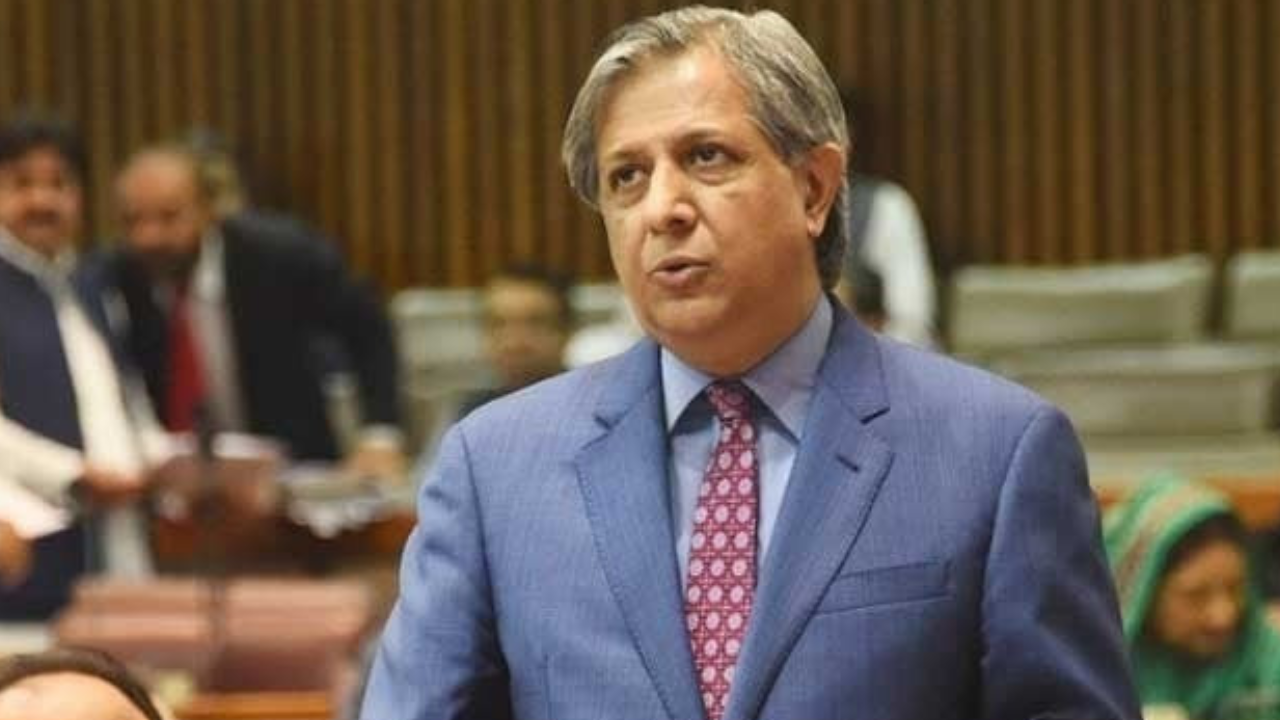
    Amid criticism that the 27th Amendment compromised judicial independence, Law Minister Azam Nazeer Tarar has defended the tweak, calling the establishment of the Federal Constitutional Court (FCC) a “cornerstone achievement” that strengthens Pakistan’s federal structure.

    The law minister made the remarks Thursday while speaking at the book launch of Tea Talk, a compilation of columns by Advocate Talat Abbas Khan, held at the Supreme Court Bar Association (SCBA). 

    His comments came in response to a report by Amnesty International, which described the amendment as an attack on the independence of the judiciary, the right to a fair trial and the rule of law.

    Rejecting the assessment, Tarar said the creation of the FCC was the central feature of the amendment and had long been part of Pakistan’s constitutional discourse. “This is a monumental contribution of Parliament to strengthen the federation,” he said, adding that the court ensured equal representation of all federating units.

    The law minister said the idea of a constitutional court was first articulated in the 2006 Charter of Democracy, which he said was endorsed by major political parties, including the Pakistan Muslim League-Nawaz (PML-N), Pakistan People’s Party (PPP), Pakistan Tehreek-e-Insaf (PTI) founder Imran Khan and Jamiat Ulema-e-Islam-Fazl (JUI-F) chief Maulana Fazlur Rehman.

    He urged critics to examine the intent behind the amendment before dismissing it.

    Referring to past judicial practice, Tarar said the demand for a separate constitutional court intensified after the Supreme Court’s (SC) use of suo motu powers under Article 184(3).

    The minister said the FCC was designed to address structural imbalances in judicial representation.

    He explained that apex court appointments were historically linked to the size of provincial high courts, resulting in a higher number of judges from Punjab due to the Lahore High Court’s (LHC) larger bench, and said that smaller provinces such as Balochistan, Sindh and Khyber Pakhtunkhwa had comparatively limited representation.

    According to Tarar, the FCC consists of 13 judges, with equal representation from all four provinces and one judge from Islamabad, which he described as part of the federation and therefore entitled to representation. 

    The statements come after members of the legal fraternity questioned the manner in which the FCC was constituted while an Amnesty International report said that the first batch of FCC judges and its chief justice were appointed by the president on the advice of the prime minister, bypassing the Judicial Commission of Pakistan (JCP) process under Article 175A.

    The report also raised concerns about future appointments, noting that changes introduced through the 26th Amendment altered the composition of the JCP, allowing parliamentary members to outnumber judicial members. 

    Amnesty further pointed out that the president has the authority to determine the number of FCC judges and noted that the chief justice and four judges were sworn in less than 24 hours after the amendment became law, without any stated criteria or justification.

    Legal experts said senior judges from Sindh, Balochistan, the SC and the Peshawar High Court (PHC) were bypassed.

  • ICG warns Pakistan may strike again if militant attacks persist

    ICG warns Pakistan may strike again if militant attacks persist

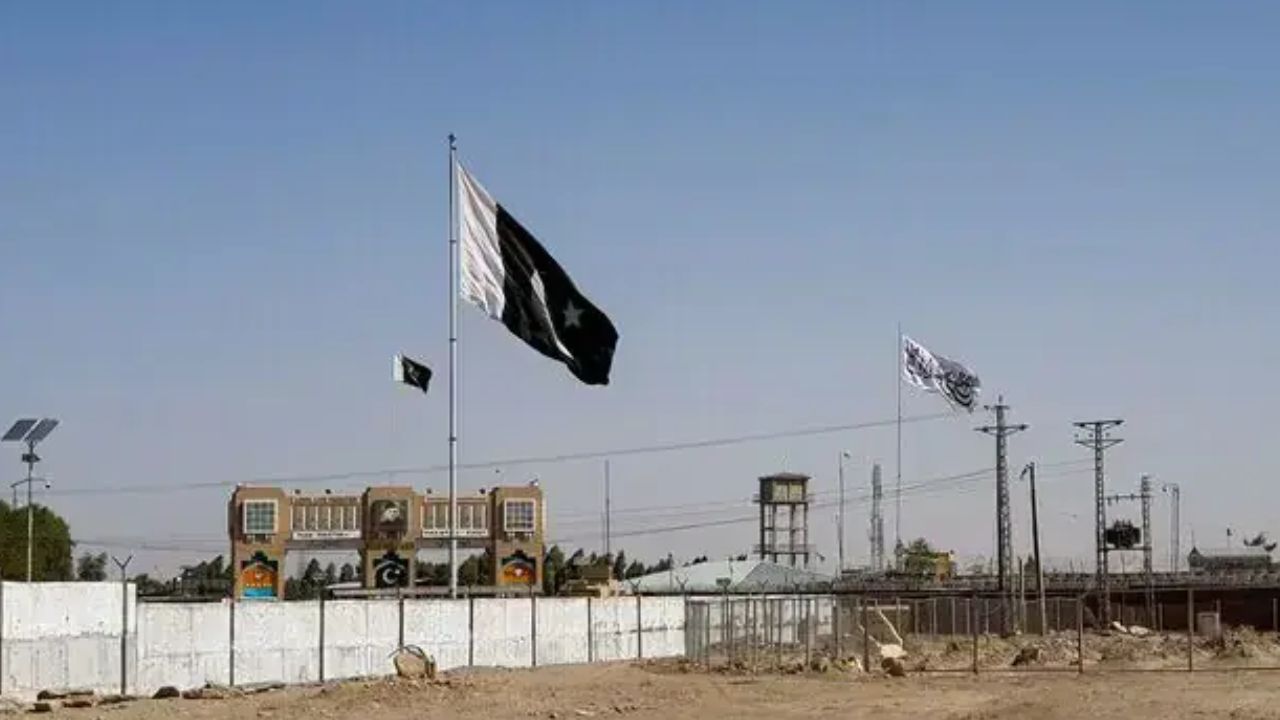
    Pakistan has emerged as the country most severely impacted by the Afghan Taliban’s return to power in 2021, the International Crisis Group (ICG) has said, warning that Islamabad could again resort to military action if militant attacks continue.


    In a new report, the Brussels-based independent think tank states that ties between Pakistan and Afghanistan have sharply deteriorated, largely due to the Taliban’s refusal to act against the Tehreek-i-Taliban Pakistan (TTP). 


    Militancy in Pakistan has surged since 2022, with 2025 alone witnessing more than 600 members of Pakistan’s security forces being killed, most of them in Khyber Pakhtunkhwa and Balochistan – the two provinces bordering Afghanistan.


    Islamabad holds the banned TTP responsible for most of the attacks, alongside Baloch insurgent groups. Pakistani authorities say they have evidence linking the groups to Indian backing, a charge New Delhi denies.

    “UN monitors assert that the TTP enjoys Taliban support, but the Taliban publicly deny that Pakistani militants are even in Afghanistan and say Islamabad provoked what they paint as homegrown violence,” the report says. 


    Tensions escalated further in October after 11 Pakistani soldiers were martyred in a TTP attack. In response, Pakistan carried out cross-border airstrikes, including its first-ever strike on Kabul, which it said targeted TTP chief Noor Wali Mehsud. Afghanistan retaliated by striking Pakistani military positions, leading to casualties on both sides, including civilians.


    The ICG warns that Pakistan is likely to strike again if future attacks are traced back to Afghan territory. While the Taliban lack the military strength to match Pakistan, the report cautions that any retaliation from Kabul could still prove deadly.


    Afghan authorities have claimed they possess missiles capable of reaching Pakistani cities – a scenario that would almost certainly trigger a harsher response from Islamabad.


    Beyond its western border, Pakistan’s regional outlook remains tense. The report notes that after brief conflicts with both Afghanistan and India in 2025, the current calm is fragile and could quickly unravel if another major militant attack occurs.


    The Afghanistan-Pakistan standoff is listed among the ICG’s 10 conflicts to watch in 2026, alongside Myanmar, Israel and the United States versus Iran, Israel-Palestine, Syria, Ukraine, Mali and Burkina Faso, Ethiopia-Eritrea, Sudan, and Venezuela.


    The report argues that global instability was accelerating well before Donald Trump’s return to the White House. His second term, it says, has so far done little to slow the trend. After a deadly 2025, the outlook for 2026 appears equally grim.


    Trump’s return has injected unpredictability into international crisis management. Having campaigned on promises to restore peace, he has placed himself at the centre of multiple conflicts, reviving attention on deal-making after years of stalled diplomacy.


    His approach, often built on prior diplomatic groundwork, relies heavily on leveraging US power – whether through pressure on allies such as Israel or by threatening tariffs and dangling business opportunities. 


    Meanwhile, progress remains scarce in conflicts where Washington is less engaged. European leaders, preoccupied with security threats closer to home, have limited capacity to broker peace beyond their immediate region, the report adds.

  • 3-year-old dies after falling into sewer in Islamabad

    3-year-old dies after falling into sewer in Islamabad

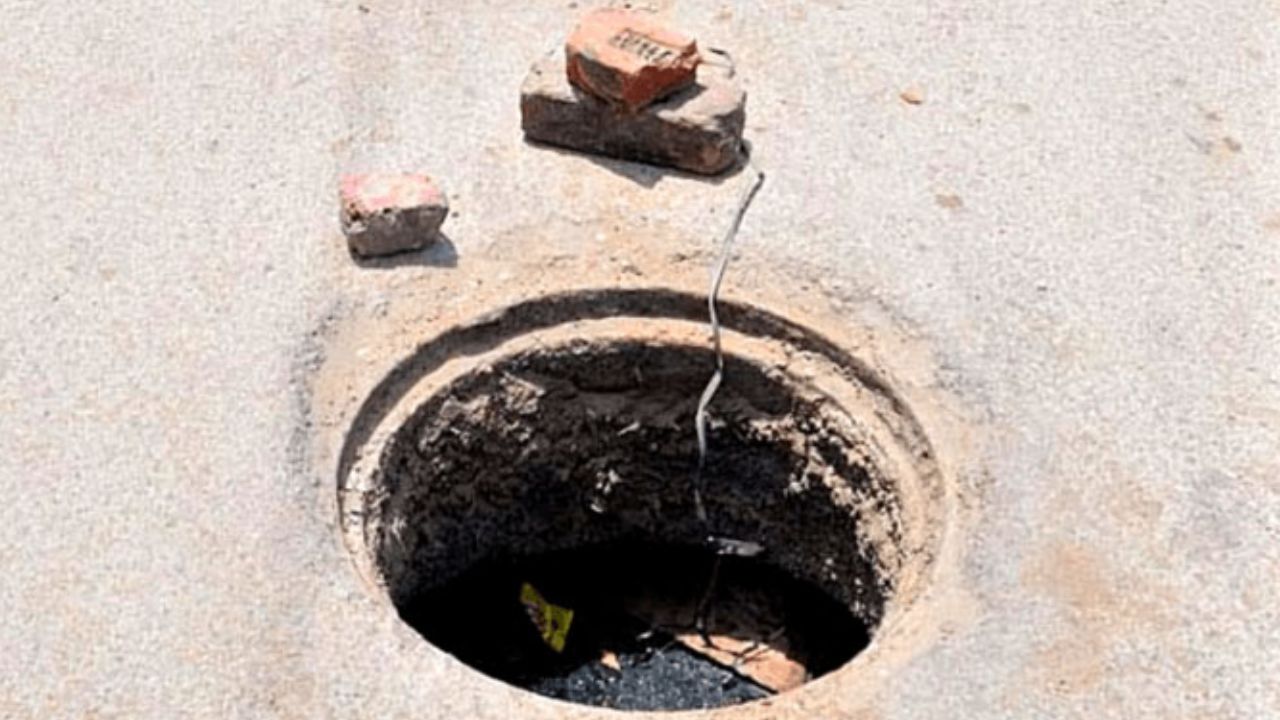
    A three-year-old child died after falling into a sewer in Islamabad’s Sumbal area on Wednesday, officials have said.


    According to a spokesperson for the Islamabad Capital Territory (ICT) administration, the incident occurred in an informal settlement built on encroached land. The spokesperson said a seweage pit had been dug in the area and left uncovered.


    The child reportedly fell into the pit, resulting in fatal injuries.


    Authorities said legal action is being initiated against those responsible for the excavation, adding that further investigation into the incident is under way.

    Incidents of children falling into open sewers and manholes have been occurring frequently, raising concerns over public safety and urban infrastructure.


    Recurrent incidents that occurred in the previous year follow an incident of a video of a young girl falling into an open manhole in Karachi.

    The footage shows her falling in a manhole, local residents pulling her out and rinsing her off with water, before taking her away. 
     
     
    According to the police, the video appears to be from Gulshan-e-Iqbal Town. They also mentioned that an investigation is ongoing to identify who filmed it and when it took place.
     
     
    A three-year-old boy, Ibrahim, fell into an open manhole near Nipa Chowrangi, Gulshan-e-Iqbal, in November 2025.

    His body was discovered 15 hours later in a nearby drain following a search by rescue teams and volunteers. Ibrahim ran ahead of his family, while visiting a store and slipped into the uncovered manhole.
     
     
    Ibrahim’s incident prompted protests close to Nipa Chowrangi, with residents blocking roads leading to Hasan Square and the University of Karachi, demanding action from authorities. 
     
     
    Protesters stated that their numerous warnings regarding open manholes had not received any attention or action.

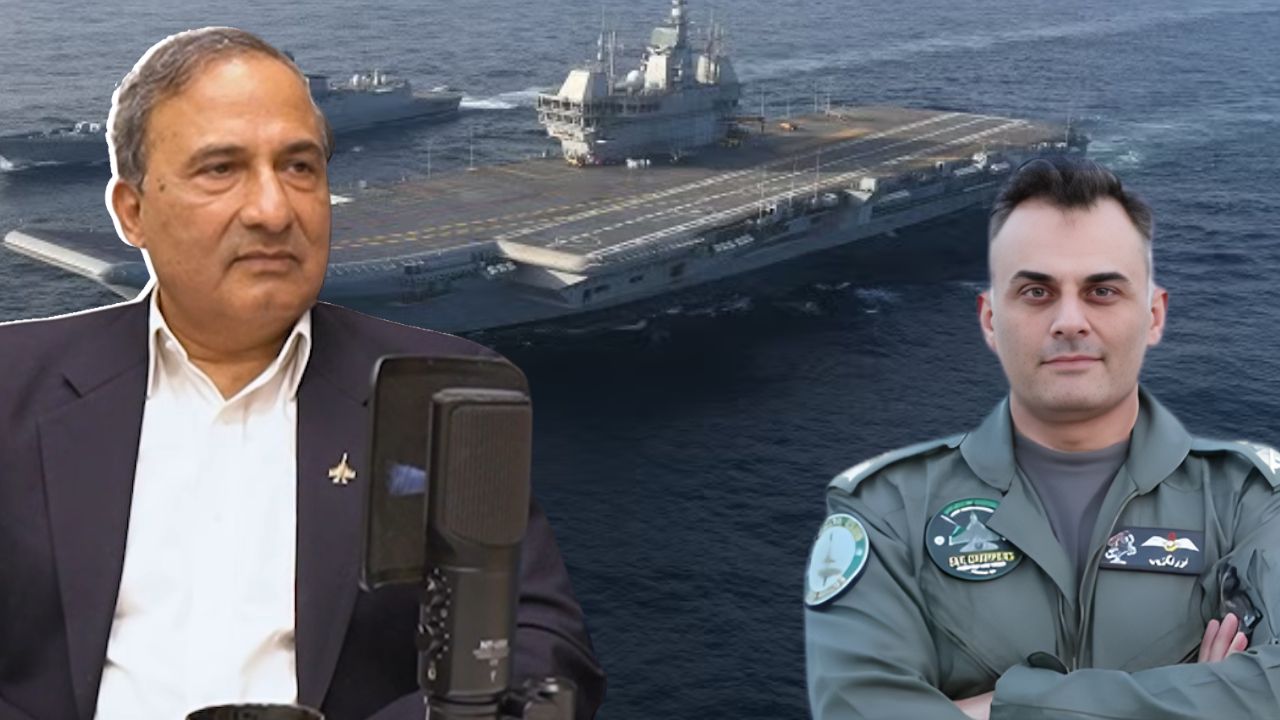
  • ‘Pakistan was ready to destroy INS Vikrant during May conflict,’ reveals ex-PAF fighter pilot

    ‘Pakistan was ready to destroy INS Vikrant during May conflict,’ reveals ex-PAF fighter pilot

    Former Pakistan Air Force (PAF) fighter pilot, Air Commodore (r) Khalid Chishti, has revealed that the PAF had a dedicated plan to destroy Indian aircraft carrier INS Vikrant during the May 2025 conflict between the two neighbours.

    Speaking on The Current Podcast, Chishti revealed that the PAF maintained a specific programme to target the Indian carrier throughout the confrontation, assigning a dedicated squadron for the mission.

    “The PAF had a dedicated program exclusively aimed at hitting Vikrant, and I can confirm that,” he said, explaining that India kept the carrier approximately 600 to 700 kilometers away from the coast due to threats from both Pakistan’s navy and air force.

    “The air force had assured the navy that if Vikrant posed any threat at any stage, the PAF would knock it out,” Chishti revealed.

    He added that India’s decision to keep the carrier far from Pakistani waters demonstrated their awareness of the threat. “When they got the news, they took it far out into the sea.”

    “Obviously, the Indians knew about what Pakistan did up north, and the seven planes we shot down. So, if they have the guts to come down south, Insha’Allah, if they dare to show up, we’ll knock them out,” Chishti explained.

    During the interview, the former fighter pilot was also critical of INS Vikrant’s operational utility, calling it more of a liability than an asset.

    “Even when I was in the air force and did all those war games, we never really understood what Vikrant was meant for. It’s neither a liability nor an asset. Actually, it is more of a liability,” he said.

    It is pertinent to note that Pakistan’s armed forces demonstrated commanding strength, showing the world their capabilities during the conflict in May 2025.

    After India’s cowardly attack on May 7, Pakistan launched Operation Banyan Un Mursoos, in which Pakistan shot down hundreds of Indian drones. 

    Pakistan also destroyed an S-400 battery, reportedly three French-made Rafales, and four other jets. Several Indian bases were also targeted in retaliatory strikes by Pakistan.

    The conflict came to an end on May 10 after a ceasefire mediated by the United States.

  • Two Pakistanis elected mayor, deputy mayor in US city

    Two Pakistanis elected mayor, deputy mayor in US city

    Two Pakistanis have been elected to senior leadership positions in Cambridge, a city in the US state of Massachusetts, in a development being seen as a milestone for Pakistani-American representation in local government.

    Sumbul Siddiqui has been elected mayor of Cambridge for the 2026–27 term following a vote by the City Council. Siddiqui, a lawyer who originally hails from Karachi, will be serving her third term as mayor. She remains the first Muslim and Asian woman to hold the office in the city.

    Siddiqui was first elected to the Cambridge City Council in 2017 and previously served two mayoral terms between 2020 and 2024, establishing her position within the city’s leadership structure.

    Burhan Azim has been elected deputy mayor. An engineer trained at the Massachusetts Institute of Technology (MIT), Azim is originally from Burewala. His election makes him the youngest city councillor in Cambridge’s history.

    The election of both officials has been described as a milestone for diversity and representation within US local governance, particularly for the Pakistani-American community.

  • JF-17 fighter jet deal under discussion as Pak-Saudi review $2bn loan

    JF-17 fighter jet deal under discussion as Pak-Saudi review $2bn loan

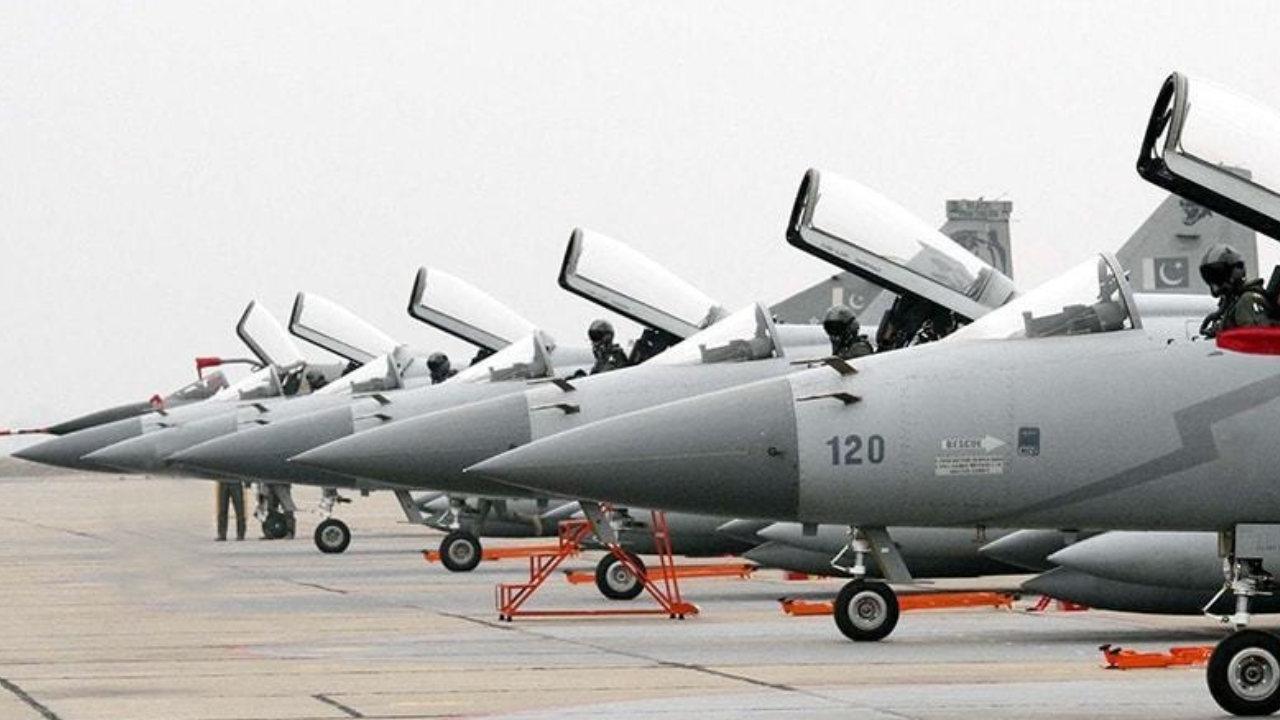
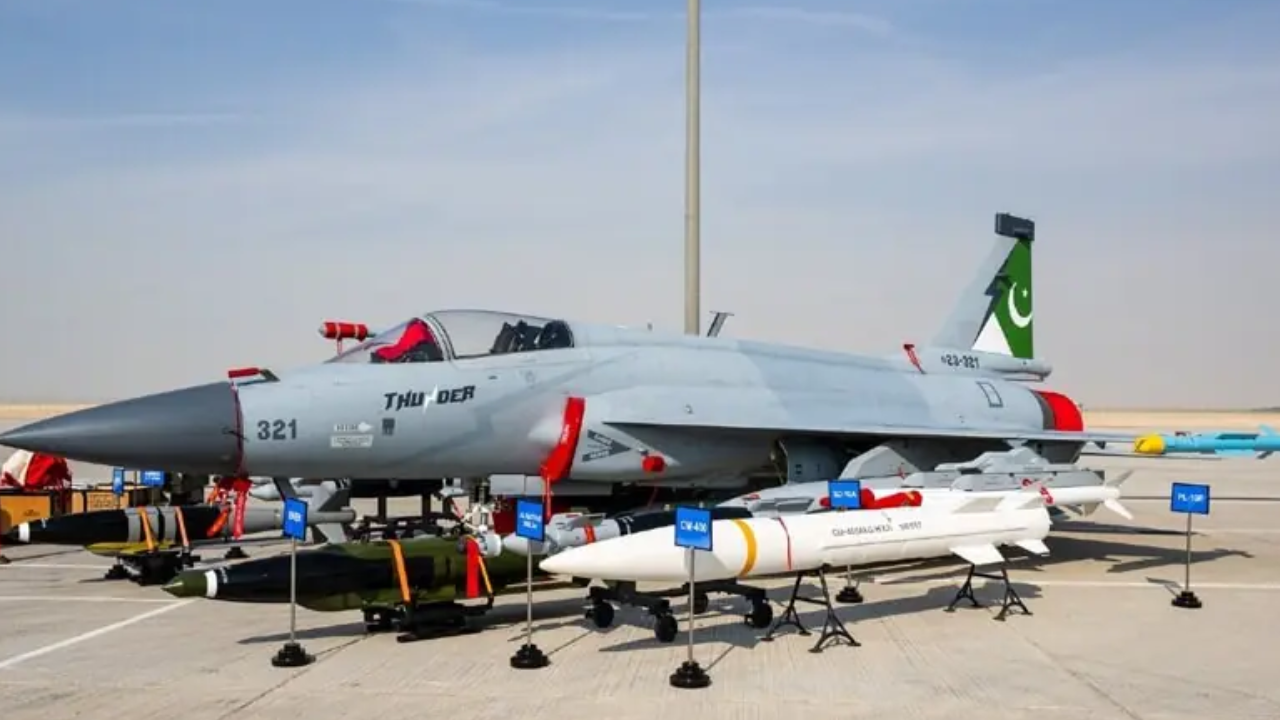
    Pakistan and Saudi Arabia are in discussions to convert around $2 billion of Saudi loans into a deal for JF-17 fighter jets, two Pakistani sources familiar with the matter have said, signalling a move to activate defence cooperation agreed upon between the two countries last year.

    The talks are taking place as Pakistan faces financial pressure and Saudi Arabia reassesses its regional security arrangements amid uncertainty over long-term US involvement in the Middle East. The discussions fall under the framework of the mutual defence pact signed by the two countries in September.

    One source said the talks are limited to the provision of JF-17 Thunder fighter jets, while another said the aircraft are the primary option among others being considered. The JF-17 is jointly developed by Pakistan and China and is produced in Pakistan.

    According to the sources, the proposed agreement could be valued at $4 billion, with $2 billion linked to the conversion of loans and an additional $2 billion allocated for defence equipment. The sources spoke on condition of anonymity as they were not authorised to speak publicly on the matter.

    Air Chief Marshal Zaheer Ahmed Baber Sidhu recently visited Saudi Arabia for bilateral meetings that included discussions on “military cooperation between the two sides”. 

    Amir Masood, a retired air marshal and defence analyst, said that Pakistan was either in talks or had finalised defence-related agreements with six countries involving JF-17 aircraft, electronic systems, and weapons packages. He said Saudi Arabia was among those countries but did not confirm details of the negotiations.

    He said the aircraft’s export prospects had improved following its operational deployment, adding that it was cost efficient. Pakistan has previously said the JF-17 was deployed during the conflict with India in May last year.

    Pakistan’s military, along with the finance and defence ministries, did not respond to requests for comment. Saudi Arabia’s government media office also did not respond.

    Under the defence pact signed in September, both countries agreed to treat any aggression against one as aggression against both. Pakistan has long provided military training and advisory support to Saudi Arabia, while Riyadh has provided financial assistance to Islamabad during periods of economic stress.

    In 2018, Saudi Arabia announced a $6 billion support package for Pakistan, including a $3 billion deposit at the central bank and $3 billion worth of oil supplies on deferred payment. Saudi Arabia has rolled over deposits multiple times since then, including a $1.2 billion deferment last year.

    Pakistan has recently stepped up efforts to expand defence exports. Last month, officials said Islamabad signed a weapons deal valued at over $4 billion with Libya’s eastern-based Libyan National Army, which includes JF-17 aircraft and training platforms. Pakistan has also held talks with Bangladesh on the possible sale of JF-17 jets.