Category: National

  • ‘Delusional’; Foreign Office brushes off Rajnath Singh’s remarks suggesting Sindh could ‘return’ to India

    ‘Delusional’; Foreign Office brushes off Rajnath Singh’s remarks suggesting Sindh could ‘return’ to India

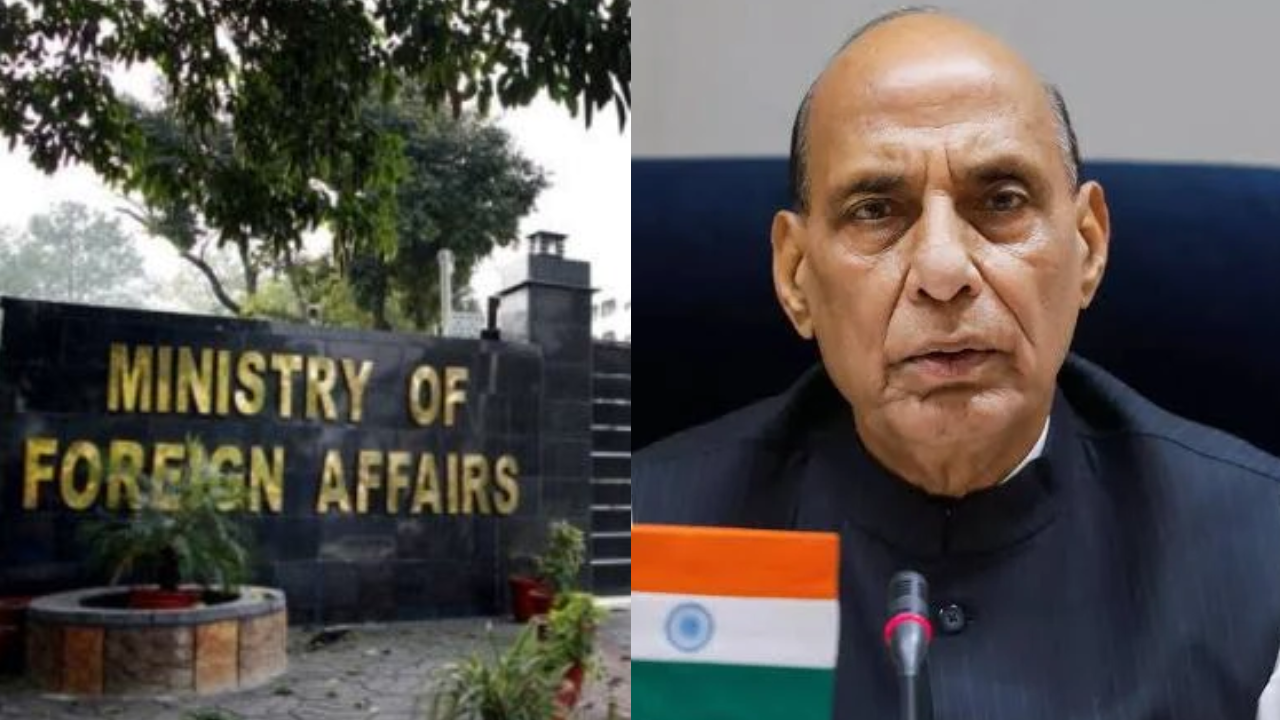
    Pakistan’s Foreign Office (FO) has dismissed comments made by Indian Defence Minister Rajnath Singh, denouncing his “delusional and dangerously revisionist remarks” about Sindh, after he suggested that the province could “return” to India.

    According to Indian media reports, Singh stated: “While the territory of Sindh is not currently a part of India, culturally, it will always belong to India. As for land, borders can change. Who knows, perhaps Sindh could become part of India again in the future.”

    He passed the remarks during an event in New Delhi, where he also claimed that Sindhi Hindus from his generation never truly accepted the province’s incorporation into Pakistan. The comments were made at the Sindhi Samaj Sammelan, a gathering associated with the Sindhi community.

    Sindh has arisen in Indian political discourse at various times, often during periods of tension or significant events within India.

    In response to Singh’s statement, the FO stated that the comments exhibited an “expansionist Hindutva mindset that seeks to challenge established realities” and infringed upon international law, recognised borders, and national sovereignty.

    The FO urged Singh and Indian authorities to “refrain from inciting remarks that jeopardise regional peace and stability,” adding that it would be “much more constructive for the Government of India to focus on ensuring the safety of its own citizens, particularly vulnerable minority groups.”

    It further stated that New Delhi should “hold accountable those who incite or commit violence against them and address discrimination grounded in faith-based bias and historical distortions.”

    Citing unrest in India’s northeast, the FO noted that many communities in that region “continue to face systematic marginalisation, identity-based persecution, and cycles of state-enabled violence.”

    Reaffirming its stance on the Kashmir conflict, the FO called on India to take “credible measures toward the genuine resolution of the Jammu and Kashmir issue in line with UN Security Council resolutions and the aspirations of the Kashmiri people under occupation.”

    The FO emphasised that Pakistan remains dedicated to resolving all disputes with India according to international legal standards while being “steadfast in protecting its security, national independence, and sovereignty.”

    Separately, Rajnath Singh remarked: “Our soldiers possess both weaponry and high morale. No challenge can prevail against us. Whether it is terrorism or any other issue, we have the capability to address and overcome them all.”

  • Govt finalises plan for new cybersecurity authority

    Govt finalises plan for new cybersecurity authority

    The federal government has decided to set up a Cybersecurity Authority to strengthen the country’s digital security landscape and safeguard critical information systems. 

    The Ministry of Information Technology has confirmed that a preliminary draft of the Cybersecurity Act has been created and distributed to stakeholders for consultation. 

    The ministry stated that a national framework for digital protection is already provided by the National Cybersecurity Policy and is presently being implemented under the Digital Economy Enhancement Program.

    The Secure Data Exchange Layer and digital identification efforts have advanced, according to government records. The Federal Board of Revenue (FBR), NADRA, and the telecom industry are all recognized as key digital infrastructure. Additionally, the process of designating immigration and passport services as critical infrastructure is currently in progress.

    According to officials, the new authority will be in charge of enforcing cybersecurity programs nationwide and suggesting cybersecurity measures for vital national infrastructure.

    Meanwhile, the Pakistan Information Security Framework 2025 is under development, and until the new authority becomes functional, the CERT Council consisting of 14 public and private sector institutions will continue to lead national cyber incident coordination and response.

  • Turkiye to send high-level delegation to Islamabad to ease Pak-Taliban tensions

    Turkiye to send high-level delegation to Islamabad to ease Pak-Taliban tensions

    A high-level delegation from Turkiye is set to arrive in Islamabad next week to address rising tensions between Pakistan and the Afghanistan Taliban regime to explore a peaceful solution, media have reported on Saturday.

    Turkiye’s Ambassador to Pakistan, Dr Irfan Neziroglu, spoke to a media outlet on Friday during a reception celebrating Oman’s National Day, hosted by Ambassador Fahad Sulaiman Khalaf Al-Kharusi. 

    He confirmed that the upcoming visit will take place and said that the delegation will include the Turkish intelligence chief and key ministers. Turkish Minister for Energy Alparslan Bayraktar will also be part of the delegation.

    The visit was first announced earlier this month by Turkiye President Recep Tayyip Erdogan during a meeting with Prime Minister Shehbaz Sharif in Baku.

    Earlier talks between Pakistan and Afghanistan in Istanbul ended without an agreement due to the Kabul government’s reluctance to act against terrorist groups operating from its territory. 

    Dr Neziroglu, who played an active role in facilitating the Istanbul trilateral talks on Afghanistan, emphasized that Turkiye seeks to ensure no terrorist activity originates from Afghan soil against Pakistan. 

    “Both countries should live like brothers. Turkiye is determined to make it possible,” he said.

    Tensions escalated after Taliban forces and the India-backed Tehreek-e-Taliban Pakistan (TTP), also known as Fitna al-Khawarij, launched an unprovoked attack on Pakistan on October 12. 

    In retaliation, Pakistani Armed Forces carried out a self-defence operation, killing over 200 Afghan Taliban and affiliated militants.

    The Inter-Services Public Relations (ISPR) reported that 23 Pakistani soldiers were martyred during the clashes. 

    Security forces also carried out precision strikes in Afghanistan’s Kandahar and Kabul, as well as in North and South Waziristan, successfully destroying multiple militant strongholds.

    During the Doha talks on October 19, the two sides agreed on a temporary ceasefire. Pakistan later held several meetings in Istanbul aiming to develop a mechanism to stop cross-border terrorism from Afghan soil. 

    However, the Istanbul talks failed to achieve results as Kabul reportedly used the discussions to malign Pakistan rather than address Islamabad’s core concern of terrorism emanating from Afghanistan.

  • ‘Rafale not a bad jet, just not used properly’: French commander comments on Pak-India clashes

    ‘Rafale not a bad jet, just not used properly’: French commander comments on Pak-India clashes

    New global reports regarding India’s humiliation in May’s clashes continue to surface as after a United States (US) Congress report that declared Pakistan successful, a French naval commander has confirmed that the country shot down Indian Rafale jets on the night of May 6-7.

    Armed forces around the world closely monitored the rare aerial engagement between Pakistan and India in May – the largest air battle since World War II. The intense battle gave several militaries a rare chance to assess pilots, fighter jets and missile performance in real combat.

    Amid a series of embarrassing episodes for the Indian military, Captain Jaquis Launay, the commander of a naval air base in northwestern France, has set the record straight in face of Indian denial over the heavy losses the country suffered in Pakistan’s retaliatory action.

    The French base under Capt Launay’s command is known for its Rafale squadrons armed with more than 40 nuclear-capable missiles. He also oversees 94 naval warships, 10 nuclear submarines and 190 fighter aircraft.

    The French commander has flown Rafale jets for 25 years and has completed major missions across the Middle East, Africa and Europe. 

    Addressing 55 delegates from 32 countries at the Indo-Pacific conference organised by the Institute of Advanced Studies in National Defence (IHEDN) in collaboration with the Directorate of the Ministry of Europe and Foreign Affairs, Capt Launay said the Indian Rafale jets did not fall due to Chinese technological superiority, and praised Pakistan’s performance.

    “The Pakistan Air Force handled the situation with remarkable effectiveness,” he said, adding that the losses India suffered were caused by Pakistan’s strong defence and smart strategy.

    He explained that more than 140 fighter jets took part in the battle, which created a very complex environment. With so many targets in the sky, he said hitting any aircraft became relatively easy, but “Pakistan managed the situation far better than India.”

    A representative from India tried to interrupt and called the statements “Chinese propaganda”, but Launay ignored the objection.

    When asked why the Rafale radar system failed during the clash, Launay replied, “The issue was not with the machine. The issue was with how it was used.”

    He said the Rafale can outperform Chinese fighter jets in any battle, but everything depends on how the aircraft is flown.

    The French commander also revealed that the Indian government now wants to buy the naval version of the Rafale, which can land on aircraft carriers.  He said this variant can carry nuclear missiles, and only the French Navy currently uses this capability.

  • LGS, Beaconhouse, Roots among top schools in trouble for forcing costly stationery, uniform upon students

    LGS, Beaconhouse, Roots among top schools in trouble for forcing costly stationery, uniform upon students

    The Competition Commission of Pakistan (CCP) has issued show-cause notices to 17 major private school systems for allegedly abusing their dominant position by compelling parents to purchase expensive logo-branded notebooks, workbooks and uniforms exclusively from school-authorised vendors.

    According to reports, the move aims to safeguard millions of school-going children and their families from unfair pricing practices and follows a detailed suo motu inquiry initiated after numerous complaints from parents, guardians and other stakeholders.

    Complainants accused schools of arbitrary fee hikes, non-transparent selling practices and bundling mandatory branded supplies, leaving families with no choice but to purchase these items at inflated prices. Many parents reported that schools were blocking the use of cheaper non-branded alternatives, further straining household budgets.

    The schools under scrutiny include Beaconhouse School System, The City School, Headstart, Lahore Grammar School (LGS), Froebel’s, Roots International, Roots Millennium, KIPS, Allied Schools, Super Nova, Dar-e-Arqam, STEP School, Westminster International, United Charter School and The Smart School, among others.

    Collectively these networks operate hundreds of campuses nationwide and educate millions of students, giving them considerable influence over enrolled families.

    The CCP’s inquiry revealed that parents were mandated to buy logo-bearing notebooks, workbooks, uniforms and other ancillary products from exclusive school-authorised outlets. In several cases, schools sold compulsory “study packs” through online portals or designated vendors, prohibiting students from using generic notebooks or uniforms available in the open market. The Commission defined the relevant markets as the provision of education services where each school enjoyed a 100% market share, making students “captive consumers,” and the market for ancillary school products which became the “tied market.”

    The inquiry report concluded that many study packs were up to 280% more expensive than similar items available in open markets. Leading school systems engaged in tying arrangements, making continued enrollment conditional upon purchasing secondary products such as notebooks and uniforms. Schools also appointed exclusive vendors, foreclosing the market for thousands of small stationery and uniform sellers nationwide. The CCP found that mandatory branded supplies and restrictive trading conditions violated Sections 4(1) and 4(2)(a) of the Competition Act, 2010.

    High switching costs, including limited school options, substantial transfer fees and transportation constraints, left parents with no viable alternatives, enabling schools to enforce these practices without resistance. The CCP observed that such practices restricted market access, harmed small retailers and limited consumer choice across Pakistan. With private educational institutions accounting for nearly half of all student enrollment in the country, the imposition of overpriced branded materials has further burdened families already struggling with inflation, raising concerns about excessive commercialization in the education sector.

    The CCP has directed the school systems to submit written responses within 14 days, appear before the commission through duly authorised representatives and explain why enforcement orders under Section 31 and penalties under Section 38 should not be imposed. Failure to comply may result in ex-parte proceedings.

    Under the law, the Commission may impose a penalty of up to 10% of the annual turnover or Rs750 million, whichever is higher, for such violations.

  • At least 15 dead in Faisalabad glue factory explosion

    At least 15 dead in Faisalabad glue factory explosion

    At least 15 people were killed in a devastating explosion at a glue-manufacturing factory in Faisalabad’s Malikpur, with rescuers pulling more bodies from the rubble.

    According to Commissioner Raja Jahangir Anwar, the deceased include six children and two women while at least seven other people remain hospitalised with injuries.

    The blast, which occurred around 5 am, collapsed the factory building and damaged nearby structures.

    Initial investigations suggest the explosion was triggered by a gas pipeline that ruptured inside the chemical warehouse.

    Four factories were reportedly operating as a single connected unit, and many of the victims were residents of houses adjacent to the site.

    Commissioner Anwar noted that Punjab Chief Minister (CM) Maryam Nawaz was personally overseeing the rescue operation.

    Rescue officials said the factory’s boiler blast caused the collapse and ignited a fire. Debris removal is ongoing, with fears that more people may still be trapped.

    Several nearby homes also caved in, leaving both residents and factory workers buried under rubble. Civil defence teams have joined the search, while the Faisalabad deputy commissioner supervises relief efforts on the ground.

    The casualty count, which initially stood at three, rose steadily to 10 before reaching 15 as severely injured victims succumbed to their wounds and more bodies were recovered.

    Authorities warn the toll could rise further as operations continue.

  • 23 Indian proxy terrorists killed in Kurram ops

    23 Indian proxy terrorists killed in Kurram ops

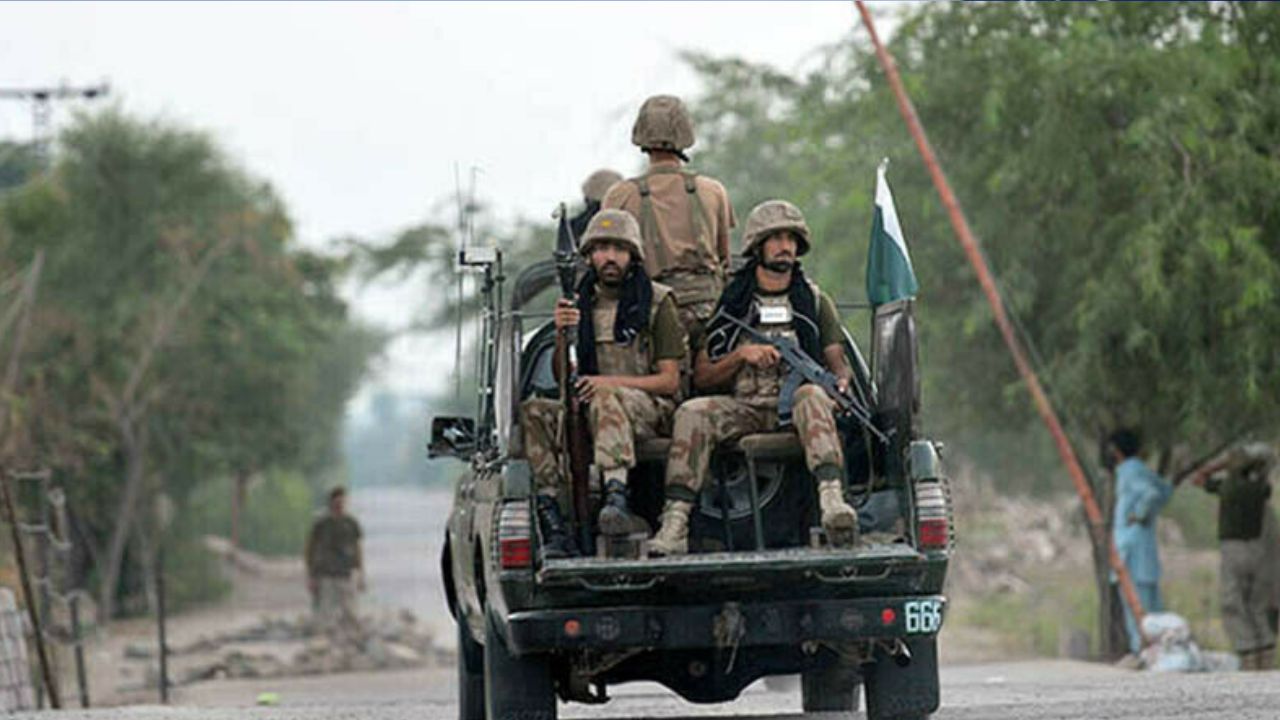
    Security forces have neutralised 23 Indian proxy Fitna al-Khawarij terrorists in Khyber Pakhtunkhwa’s (KP) Kurram district, the Inter-Services Public Relations (ISPR) reported Thursday.

    “Fitna al-Khawarij” is the term used by the state to refer to banned Tehreek-i-Taliban Pakistan (TTP).

    As per the details of the operations, the military’s media wing said that 12 terrorists were neutralised after an intense exchange of fire during a targeted operation conducted on reported presence of militants.

    “Capitalising on intelligence with respect to presence of another group of khawarij, in same general area, in another intelligence-based operation, own troops successfully neutralised 11 more,” the ISPR said.

    Noting that sanitisation operations were being conducted to eliminate any other terrorists in the area, it stressed that Pakistan would continue at full pace to wipeout menace of foreign-sponsored and supported terrorism under the ongoing counterterrorism campaign.

    The development comes amid series of anti-terror ops carried out by security forces across the country resulting in the elimination of dozens of terrorists in recent days.

    A day earlier, the ISPR announced killing of four terrorists in KP from November 17 to 18 — of which one was gunned down in Bajaur, two in Spinwam and Zakir Khel and one in Dera Ismail Khan district.

    Before that, 23 militants were neutralised in two IBOs in Bajaur and Bannu between November 16 and 17.

    Forces also killed 10 terrorists in Kulachi and another five in Datta Khel. The killed terrorists included commander Alam Mehsud, who led the India-backed network in the region.

  • After 27th Amendment blow, SC judges fail to reach consensus

    After 27th Amendment blow, SC judges fail to reach consensus

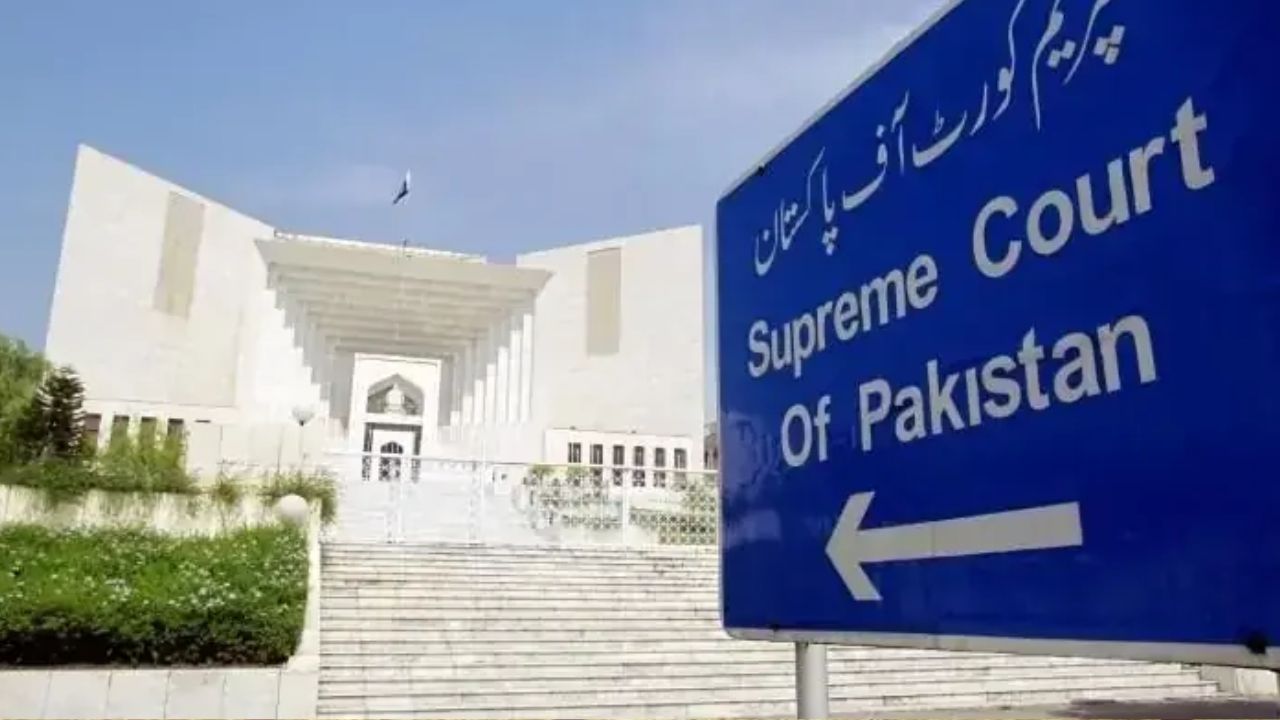
    A day after the 27th Amendment significantly curtailed its powers, more than a dozen Supreme Court judges gathered in the chief justice’s chambers to discuss how the judiciary should move forward.

    But even though the judges were clearly frustrated, a suggestion that they all retire in protest was met with silence, a news report has revealed.

    Four Supreme Court judges were promoted to the Federal Constitutional Court on November 14, the day of the meeting, which was presided over by Chief Justice of Pakistan Yahya Afridi. 

    The meeting took place after the resignations of Justice Mansoor Ali Shah and Justice Athar Minallah a day earlier.

    The two departing justices and Justice Salahuddin Panwhar had written to the CJP before the meeting, requesting that he call a full court session to discuss the 27th Amendment in order to “discharge their solemn duty to the Constitution.”


    A fly-on-the-wall account of the judges’ internal discussions on how to respond to the amendment revealed deep unease over parliament’s expanding powers.

    The conference, which took place in the CJP’s chambers, began in a noticeably tense atmosphere, with senior justices referring to the development as “a very sad day,” according to a person acquainted with the proceedings.

    The atmosphere grew even more heavy when one judge asked whether the Supreme Court had any constitutional authority left to restrain parliament from passing legislation or constitutional amendments.

    While the judges continued weighing the consequences of the amendment, the CJP reportedly remarked that rather than sending letters, the judges should have approached him directly, stressing that “his doors were always open”, the source added.

    At least 13 judges attended the meeting. Justice Munib Akhtar and Justice Ayesha A. Malik were absent, while Justice Musarrat Hilali was unable to join due to illness.

    The Federal Constitutional Court had previously received nominations for the remaining four judges: Ali Baqar Najafi, Hasan Azhar Rizvi, Aamer Farooq, and Aminuddin Khan.

    ‘Strong institutional response’ 

    The judges apologized for their colleagues’ resignations during the discussion and emphasized the necessity for a strong and unified institutional response from the court.


    Some members suggested that they issue a formal letter to the government, but the CJP repeated his earlier point that judges should have reached out to him directly instead of writing letters.

    The source said the CJP further clarified that the Supreme Court still held the authority of judicial review to examine the constitutionality of legislation  but only after a law had been enacted. He emphasised that the court “cannot stop parliament from making laws”.


    As calls for a forceful institutional response continued, one participant proposed that all judges  including the CJP should resign if they truly wanted to register a meaningful protest beyond the constitutional framework, the source stated.

    But the idea was met with silence, signalling that there was no agreement on such a drastic step.The meeting ultimately concluded without any consensus.

  • Air India suffers with massive losses as Pakistan airspace closure hits operations

    Air India suffers with massive losses as Pakistan airspace closure hits operations

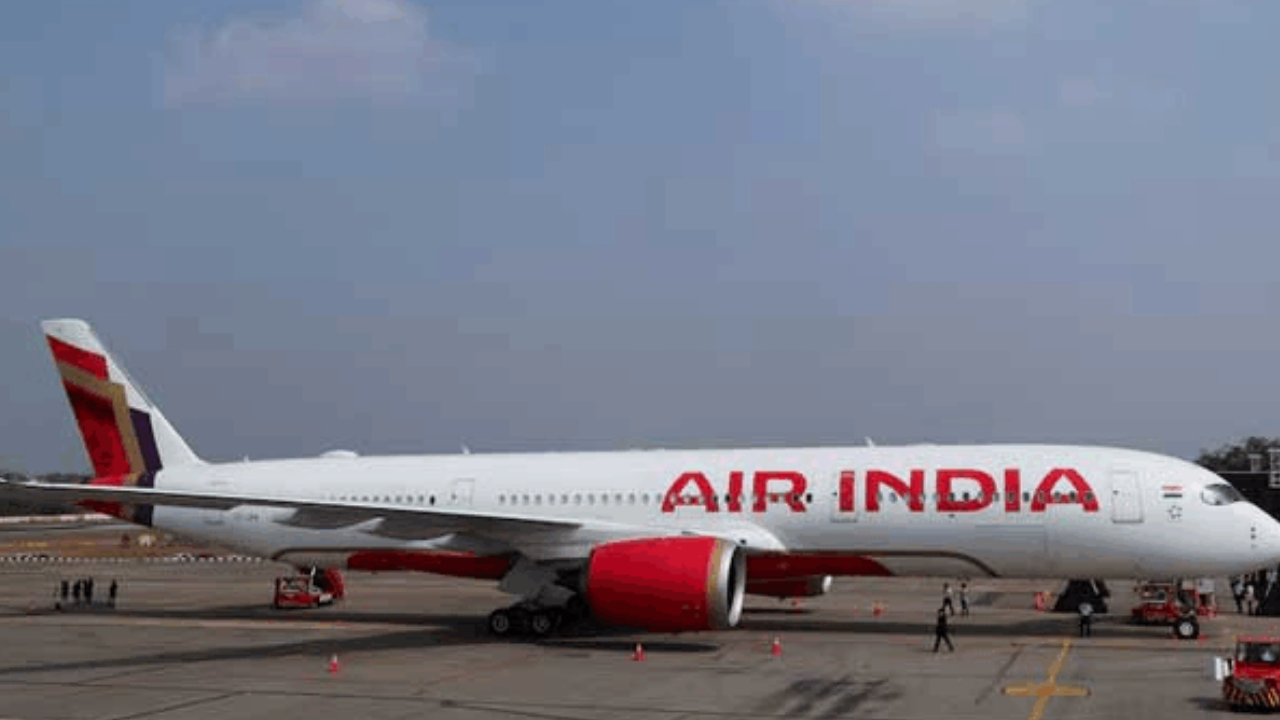
    Air India is experiencing increasing operational and financial challenges following the closure of Pakistan’s airspace to Indian airlines in late April. 

    Documents obtained by an international news agency indicate that the airline has requested the Indian government to secure alternative routing through China’s Xinjiang region to mitigate losses.

    The closure has compelled Air India to redirect long-haul flights, resulting in longer travel times and higher fuel consumption. 

    Some westbound detours have extended flight durations by up to three hours, causing fuel expenses to rise by as much as 29 percent. Flights from Mumbai and Bengaluru to San Francisco are some of the most significantly impacted. Under the present restrictions, Air India deems these routes unviable, while data reveals a trend of passengers opting for foreign airlines that still utilize Pakistan’s airspace.

    The airline anticipates that the airspace closure could lower its annual pre-tax profit by around $455 million. This amount surpasses the carrier’s reported loss of $439 million for the financial year 2024-25. 

    Air India has urged the government to investigate possible routing over Hotan, Kashgar, and Urumqi in Xinjiang. The airline’s internal analysis suggests that utilizing these corridors would decrease fuel consumption, regain roughly 15 percent of lost passenger and cargo capacity, and diminish weekly losses by about $1.13 million.

    Additionally, Air India has requested temporary financial aid from the government until Pakistan opens its airspace again. 

    The strain on cash flow has intensified due to outstanding tax liabilities totaling $725 million. This amount includes recovery notices amounting to $58 million, despite guarantees that were established when the airline transitioned to the Tata Group in 2022.

    Gaining access to Chinese airspace remains uncertain. The suggested route traverses challenging high-altitude terrains and falls within the jurisdiction of China’s Western Theatre Command. 

    The area accommodates significant military installations, and there have been no recent operations by non-Chinese airlines at Hotan. Aviation experts quoted in the news report suggest that obtaining approvals for the requested flight paths is improbable due to concerns related to terrain and security.

    This appeal coincides with the recent resumption of direct flights between India and China. Services restarted after a five-year hiatus that followed heightened tensions along the Himalayan border. 

    Air India has been striving to revive its international services and stabilize its schedule after a June incident involving a Boeing 787 Dreamliner in Gujarat, which led to the temporary suspension of multiple flights for inspections.

  • US Congress report declares Pakistan successful in May’s clashes with India

    US Congress report declares Pakistan successful in May’s clashes with India

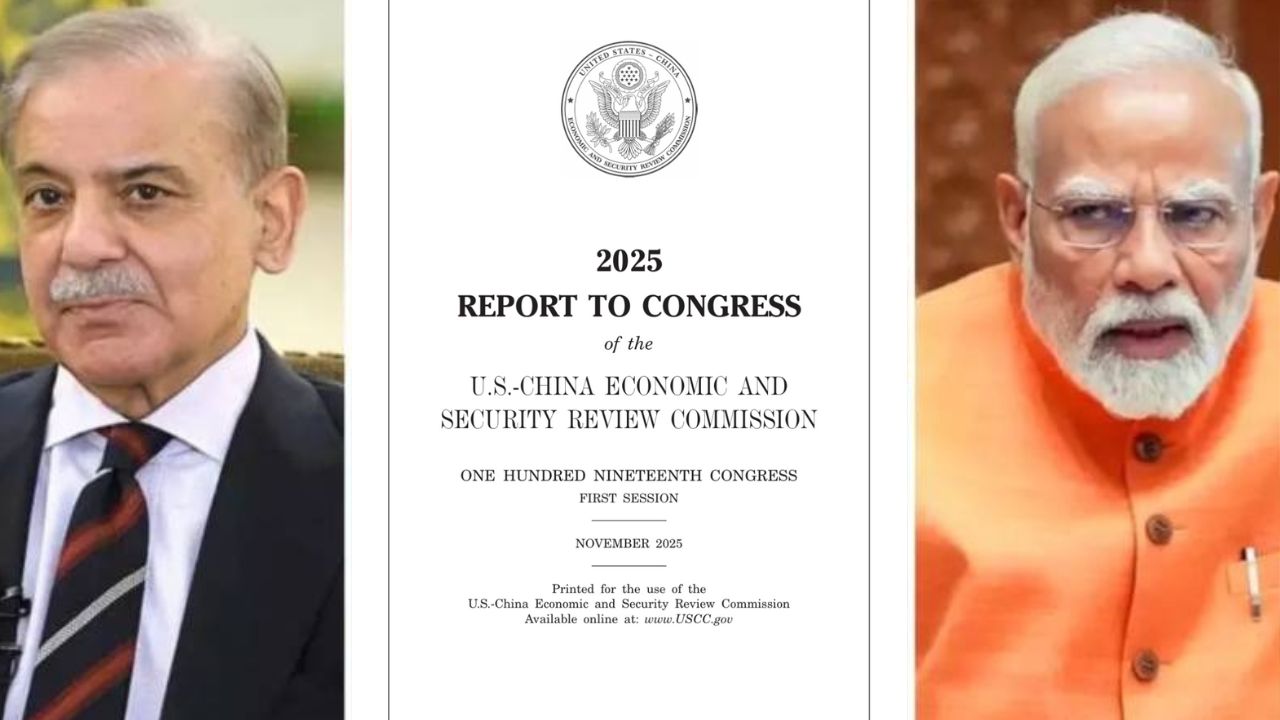
    Pakistan achieved military success over India in May’s four-day clash, the US-China Economic and Security Review Commission (USCC) has declared in face of Indian denial.

    As per the details, the USCC, in its annual report submitted to the Congress after analysing economic and security dimensions of US-China relations, mentioned Beijing’s role in the May 7-10 clashes between Pakistan and India, which drew global attention.

    “China’s role in the May 7–10, 2025, clash between Pakistan’s and India’s militaries drew global attention as Pakistan’s military relied upon Chinese weaponry and reportedly leveraged Chinese intelligence,” read the report.

    It said the Indian Army claimed China helped Pakistan with “live inputs” on 109 Indian military positions throughout the crisis and effectively used the conflict as a testing ground for its own military capabilities. While the report mentioned Pakistan and China’s rubbishing of said claims, it went on to state that China expanded its military cooperation with Pakistan in 2025, compounding its own security tensions with India.

    “In November and December 2024, China and Pakistan held the three-week Warrior-VIII counterterrorism drills, and in February 2025, China’s navy participated in Pakistan’s multinational AMAN drills, highlighting China’s and Pakistan’s growing defence cooperation. India’s commentators viewed the drills as losses in their relationship with China and as direct security threats to its territorial positions,” the report read.

    “Pakistan’s military success over India in its four-day clash showcased Chinese weaponry. While characterization of this conflict as a ‘proxy war’ may overstate China’s role as an instigator, Beijing opportunistically leveraged the conflict to test and advertise the sophistication of its weapons, useful in the contexts of its ongoing border tensions with India and its expanding defence industry goals. As Pakistan’s largest defence supplier, China provided approximately 82 percent of the country’s arms imports from 2019 to 2023,” it added.

    It went on to say that the clash was the first time China’s modern weapons systems, including the HQ-9 air defence system, PL-15 air-to-air missiles, and J-10 fighter aircraft were used in active combat, serving as a real-world field experiment.

    “China reportedly offered to sell 40 J-35 fifth-generation fighter jets, KJ-500 aircraft, and ballistic missile defence systems to Pakistan in June 2025. That same month, Pakistan announced a 20 percent increase in its 2025–2026 defence budget, raising planned expenditures to $9 billion despite an overall budget decrease. In the weeks after the conflict, Chinese embassies hailed the successes of its systems in the India-Pakistan clash, seeking to bolster weapons sales.”

    The report also mentioned Pakistan’s use of Chinese weapons to down French Rafale fighter jets, however, it presented a conflicting claim on the number of jets downed.