Category: National

  • ‘Software updated’: Internet reacts as India avoids blaming Pakistan for Delhi blast after May thrashing

    ‘Software updated’: Internet reacts as India avoids blaming Pakistan for Delhi blast after May thrashing

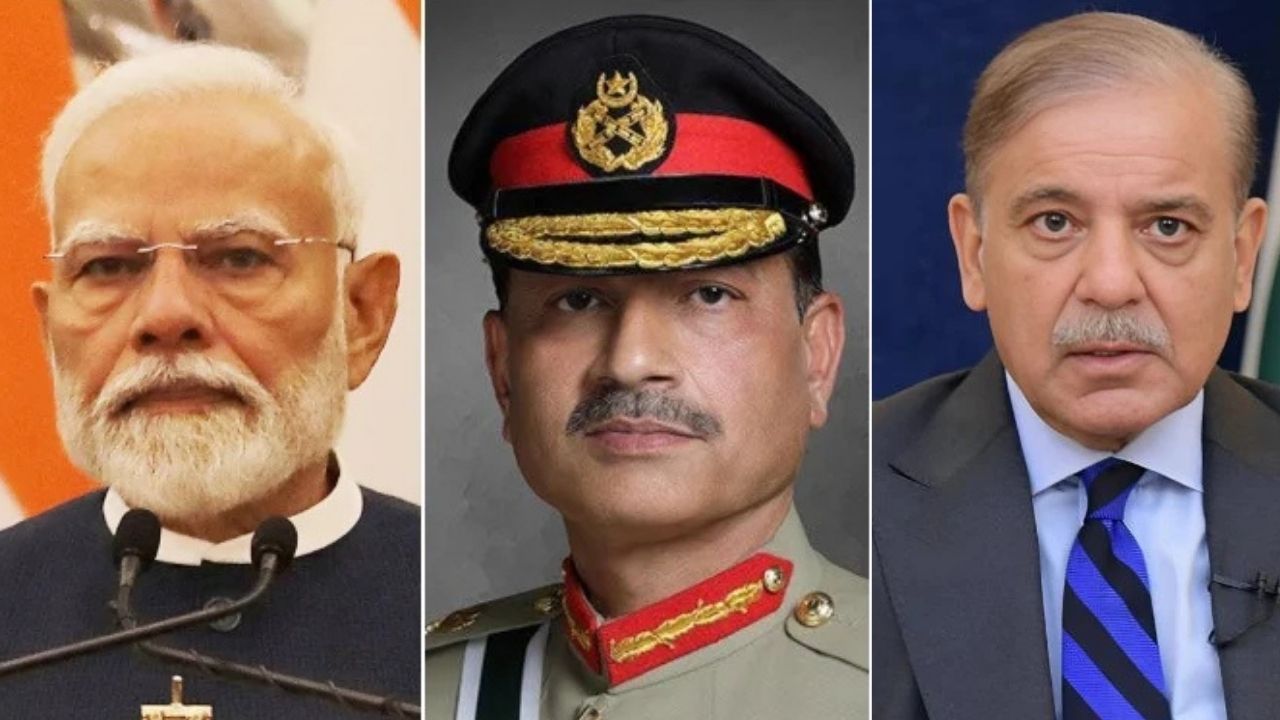
    India has carefully termed the deadly New Delhi explosion a “terror” incident without directly blaming Pakistan unlike what was witnessed after 2019’s Pulwama attack or, more recently, April’s Pahalgam attack, and netizens have a lot to say about it.

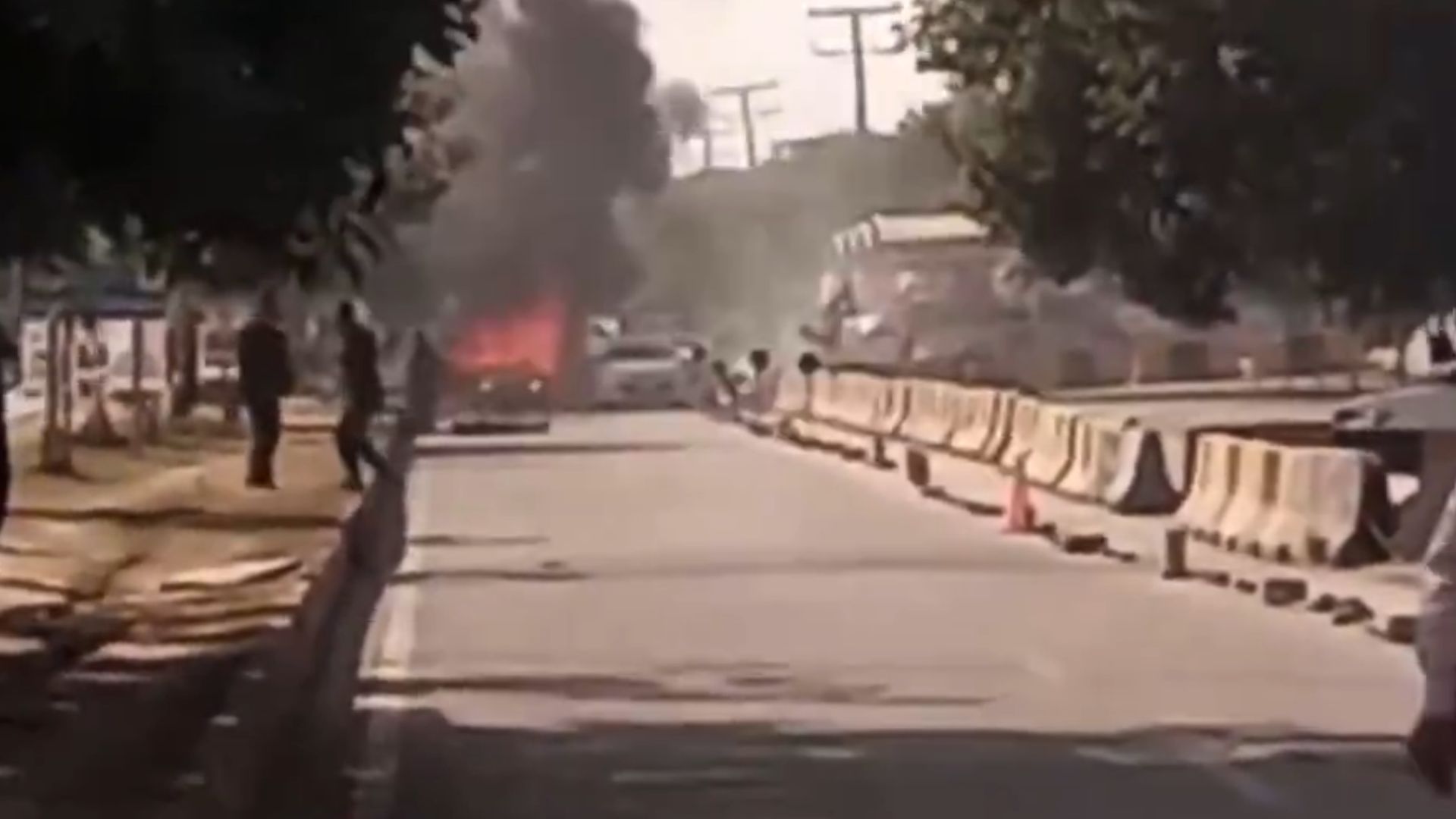
    On November 10, a car exploded near the Red Fort in the Indian capital in the evening, killing at least 13 people and injuring over 20 others.

    Investigators told a foreign media outlet they were checking if it has any links to the recent arrests of seven men by police in Indian-occupied Kashmir. They said they were also investigating if it has any connections to the recent seizure of 2,900kg of explosives from Faridabad – a Delhi suburb.

    While the federal cabinet issued a resolution calling the incident “a heinous terror incident, perpetrated by anti-national forces”, the reaction matched earlier comments by Prime Minister (PM) Narendra Modi who spoke of a “conspiracy”, warned that “the conspirators will not be spared” and “all those responsible, will be brought to justice”.

    Indian Defence Minister Rajnath Singh and Home Minister Amit Shah made similar observations, saying officials had been instructed “to hunt down each and every culprit behind this incident”.

    Despite the passage of four days, the Modi administration has cautiously steered away from its earlier practice of immediately blaming Pakistan for any terror activities – that too within minutes of an attack, and internet believes it could have something to do with the thrashing India was handed out by Pakistan in May’s military clashes.

    “It took 48 hours for the Modi regime to admit that the Delhi blast that killed 10 was a terror attack. No more chest thumping, mo more crude jingoism, no more threats to Pakistan [sic],” Indian-Swedish Peace and Conflict expert Ashok Swain wrote in a post on X.

    The cost might have been the loss of six or seven fighter jets “but at least some sanity has come to India’s Hindutva crowd”, he went on to add in reference to the clashes that erupted in response to India’s cross-border aggression after the Pahalgam attack.

    At least six Indian jets were shot down by Pakistan on the night of May 7 in what was termed one of the biggest aerial confrontations since World War II. The beyond-visual-range battle had followed days of cross-border skirmishes that ended with a United States (US) brokered ceasefire as Pakistan destroyed several Indian military targets in retaliatory strikes.

    Swain, however, was not the only person to make said observation as dozens of netizens jumped in with hilarious comments.

    “This means software updated successfully installed on Modi government by Pak army,” wrote one.

    Another said “India had learnt its lesson at the cost of seven jets and global embarrassment”.

    “Obviously May 7-10, those four days were/are/will [be] worse than a nightmare for them,” read a comment.

    A rather serious reaction talked about India’s homegrown terror problem – a fact also highlighted by Pakistani authorities as they rubbished Indian claims and offered an independent probe into April’s Pahalgam attack.

    “This is homegrown terrorism perpetrated by radical religious group[s]. Instead of attributing such incidents to Pakistan, it is imperative to identify and address the local issues. From Punjab to Nagaland, a dozen separatist movements pose challenge to India’s geographical integrity,” the post read.
  • 27th Amendment sails through Parliament after return to Senate

    27th Amendment sails through Parliament after return to Senate

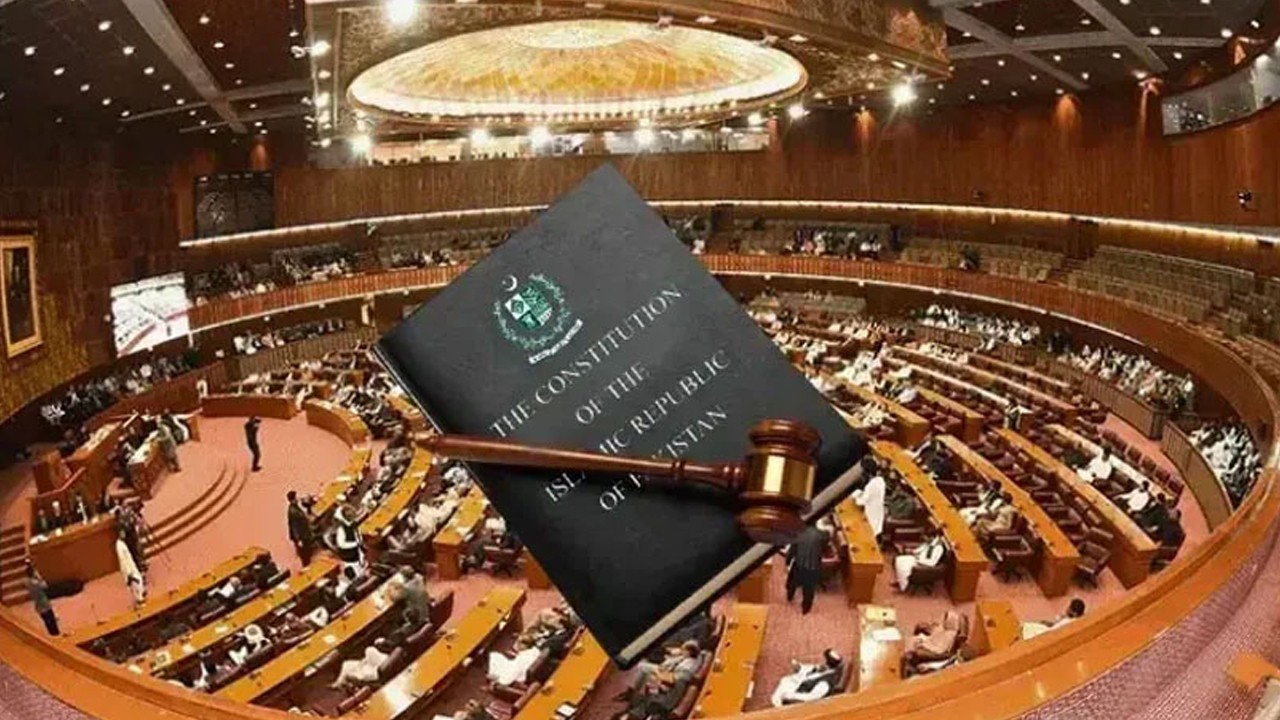
    The Upper House on Thursday once again approved the 27th Constitutional Amendment Bill with tweaks made by the Lower House on Wednesday.

    According to reports, Federal Minister for Law Azam Nazeer Tarar presented the constitutional amendment bill in the National Assembly with the changes made to the draft earlier approved by the Senate. The amendment received the 64 votes (two-thirds majority in the 96-member House) in favour and four against amid ruckus due to protest by opposition members.

    Earlier, the session kicked off with Senate Chairman Yousuf Raza Gilani in the chair.

    Pakistan Tehreek-e-Insaf (PTI) Senator Ali Zafar maintained that his party and Jamiat Ulema-e-Islam-Fazl (JUI-F) defectors were disqualified under Article 63-A of the Constitution as they, in the previous session, claimed on the floor of the house that they had resigned.

    “If they have indeed resigned and the article applies, I request that the votes of these two members not be counted [during the re-voting]. Otherwise, we will challenge the entire process,” he added.

    JUI-F’s Kamran Murtaza said that if someone voted against party lines and a resignation was sought from them under Article 63-A, those who wished to vote against the party should follow proper procedures.

    Tarar, however, disagreed, saying that the objection of PTI and JUI-F that a member was automatically disqualified under Article 63-A for voting against party lines was incorrect.

    He explained that the party head could submit a reference to the presiding officer or speaker under the Constitution. “We shouldn’t twist the Constitution for political point scoring,” he added.

    He further explained the process, saying that the presiding officer has two days to examine a written reference submitted by the party head and forward it to the Election Commission.

    The party head must also conduct a hearing with the defector for voting against party directives, as sometimes instructions are not properly communicated. The matter is then sent to the Election Commission, where a formal hearing is conducted. The member concerned can appeal a deseating decision in the Supreme Court.

    On Wednesday, the National Assembly passed the amendment bill that seeks to change the judicial structure and military command, with 234 votes in favour and four against amid opposition’s walkout. It included eight amendments aimed at clarifying the chief justice’s position, due to which the bill was sent back to the Upper House before the president’ ascent.

    Clauses 4, 19, 51, and 55, which collectively proposed to modify the wording of oaths administered to a range of constitutional officeholders, were also removed from the final text.

  • PM to meet Amazon, Alibaba, Walmart among other top global CEOs in Pakistan

    PM to meet Amazon, Alibaba, Walmart among other top global CEOs in Pakistan

    A list of chief executive officers (CEOs) of global retail giants has been finalised to arrange their meetings with Prime Minister Shehbaz Sharif in Pakistan.

    According to reports, said companies include Amazon, Alibaba and Walmart among others, representing several countries, including the United States (US), China, the United Kingdom (UK), Germany, Netherlands and France.

    Federal Minister for Commerce Jam Kamal Khan, Federal Minister for National Food Security Rana Tanveer Hussain, Special Assistant to the Prime Minister (SAPM) Haroon Akhtar Khan and Minister of State for Finance and Railways Bilal Azhar Kayani attended the high-level meeting that finalised the list.

    The meeting also discussed preparations for the upcoming interaction between the premier and the CEOs of the top 20 companies. The federal ministers reviewed arrangements and the invitation process for the CEOs to meet PM Shehbaz. Participants also deliberated on strategic measures to promote investment in Pakistan and highlight the country’s economic and geopolitical significance on the global stage.

    SAPM Haroon Akhtar Khan emphasised that Pakistan holds immense strategic importance and offers vast investment opportunities across multiple sectors. He added that the premier’s upcoming meeting with the top CEOs would be a “game-changer for Pakistan’s economy”.

    Federal Minister for Commerce Jam Kamal Khan said that trade policies were being aligned with modern global trends to ensure sustainable economic growth while Food Minister Rana Tanveer Hussain highlighted the need to adopt modern technology to enhance agricultural productivity.

    Minister of State Bilal Azhar Kayani noted that stability in the investment sector would lead to increased employment opportunities and sustainable economic development. He further said that the government’s outreach to ambassadors and global stakeholders was part of a broader effort to project Pakistan’s positive image internationally.

    It merits a mention that the plan comes a month after PM Shehbaz expressed commitment to transform Pakistan into an attractive destination for investment in the region through transparency and by crafting economic policies aligned with global standards.    

    Presiding over a meeting regarding the country’s economy in Islamabad in October, the premier directed relevant ministries and institutions to ensure the provision of all necessary facilities to foreign investors. He further said that the recent positive economic trends reflect the confidence of foreign investors in country’s economy.

    He termed stabilising country’s economy on strong foundations as the top priority of the government, and directed the officials to ensure the participation of the private sector.

    PM Shehbaz pledged that the government would utilise all investment opportunities to promote public welfare and increase employment opportunities, saying that ongoing economic and financial reforms had set the economy on a new course, and the country was steadily moving toward sustainable progress due to innovation and transparency.

  • ‘Sri Lanka defeats terrorism’ as team decides to continue playing series despite Islamabad bombing

    ‘Sri Lanka defeats terrorism’ as team decides to continue playing series despite Islamabad bombing

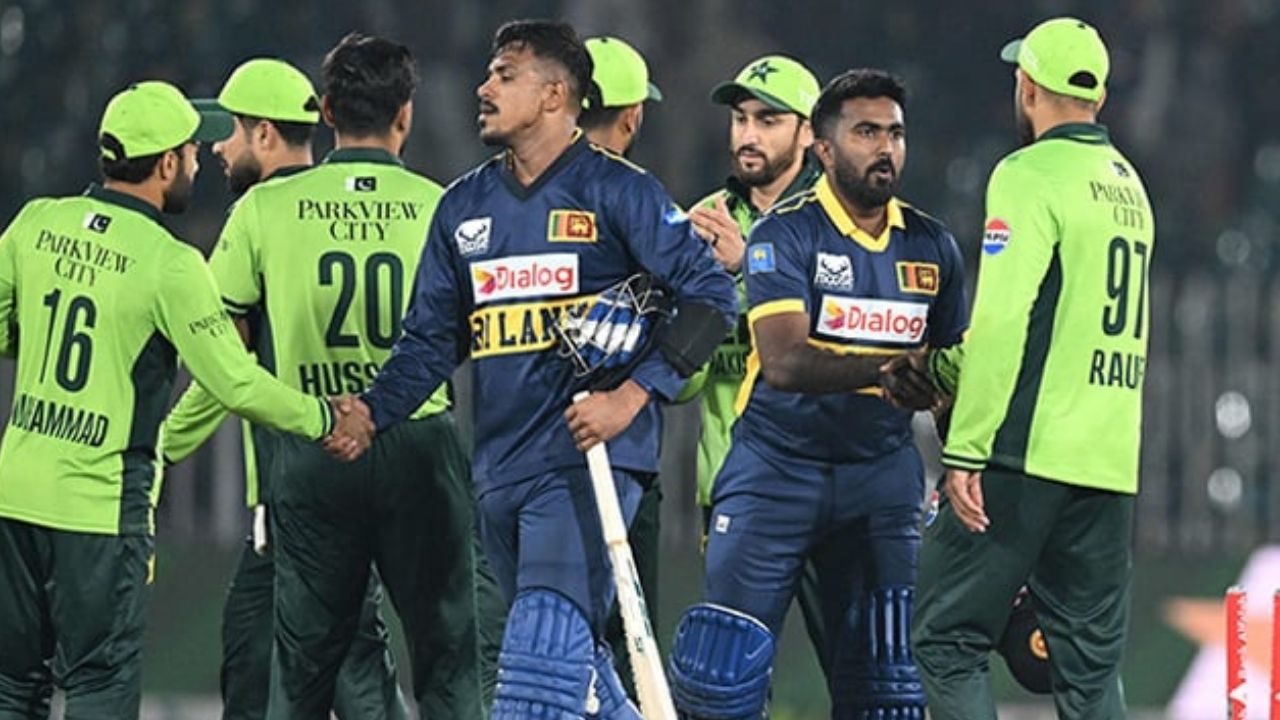
    In a major win for the sport, Sri Lanka Cricket (SLC) on Wednesday rubbished calls to cancel the series, confirming that its ongoing tour of Pakistan will go ahead as planned.

    The decision that came despite Tuesday’s suicide bombing in the federal capital that left 12 people dead and 27 injured, was hailed by Pakistani officials as a show of solidarity and confidence in the country’s security efforts.

    “No player is returning home,” the manager of the Sri Lankan cricket team confirmed to a private media outlet as SLC clarified that if any player wanted to return despite assurances, he will be replaced in a bid to ensure the continuation of the ongoing series without interruption.

    It also warned of a formal assessment by the cricket board over the returning player’s actions.

    The confirmation came hours after Sri Lankan team management informed their board that some members had requested to leave Pakistan. The board said it had immediately engaged with the players, assuring them that all safety concerns were being addressed in close coordination with the Pakistan Cricket Board (PCB) and relevant authorities.

    Following the reservations, the PCB said security around the visiting team had been increased following the attack.

    To address the concerns, PCB Chairman Mohsin Naqvi, who is also the interior minister, will reportedly be meeting the Sri Lankan team to brief them.

    In a statement, Information Minister Attaullah Tarar thanked the Sri Lankan Cricket Team and said: “We are honoured by your presence.”

    Defence Minister Khawaja Asif also said: “Our special thanks to the Sri Lankan Cricket Team for their visit and for a good display of cricket. Our best wishes and gratitude.”

    PSL franchise Lahore Qalandars said the Sri Lankan team defeated terrorism.

    Earlier, the Sri Lankan High Commissioner also expressed satisfaction over the security of its team following a meeting with Naqvi in Islamabad.

    ‎During the meeting, the chief commissioner and the inspector general of Islamabad gave a detailed briefing on the security being provided to the Sri Lankan team.

    It may be noted that the Sri Lankan team’s concerns could be rooted in the bitter memories of 2009 when, for the first time, cricketers were directly targeted by terrorists in an attack on their team bus in Lahore.

    International cricket tours in Pakistan were subsequently suspended for approximately ten years, from March 2009 until late 2019 when Sri Lanka returned for a two-Test series.

  • Setting up life together: Inside Master MoltyFoam’s modern love story

    Setting up life together: Inside Master MoltyFoam’s modern love story

    Every love story begins with a promise, not just of forever, but of togetherness. In Master MoltyFoam’s latest communication, that promise takes centre stage as a young couple begins their journey side by side, not with lavish gifts or dowry, but with shared dreams, steady hands, and MoltyFoam, the best mattress in Pakistan, ready to build a life of their own.

    The film beautifully captures the magic of simple beginnings, a small apartment, boxes waiting to be unpacked, furniture to be assembled, and a couple laughing through it all. Each moment speaks of teamwork, equality, and mutual respect, the real foundations of a modern marriage.

    As they set up their Master MoltyFoam mattress, it becomes more than just a product placement; it becomes a symbol of comfort, stability, and partnership. It’s where conversations will happen, dreams will be planned, and the first chapter of their shared story will unfold.

    Through this campaign, Master MoltyFoam, the best mattress brand in Pakistan, sheds light on a refreshing truth: that love doesn’t need to be adorned with extravagance; it only needs two people willing to build, grow, and rest together. The brand’s message beautifully mirrors the changing times, where marriage is no longer a transaction, but a shared transition into a life built on equality and care.

    Because at the end of the day, every couple deserves a foundation that’s as comforting and enduring as their bond, and that’s exactly what Master MoltyFoam stands for.

    Watch the communication here:

  • Eye witness accounts: What happened during the cadet college attack?

    Eye witness accounts: What happened during the cadet college attack?

    Five Tehreek-e-Taliban Pakistan (TTP) terrorists attacked the Cadet College in Wana, South Waziristan, late in the afternoon on Monday.

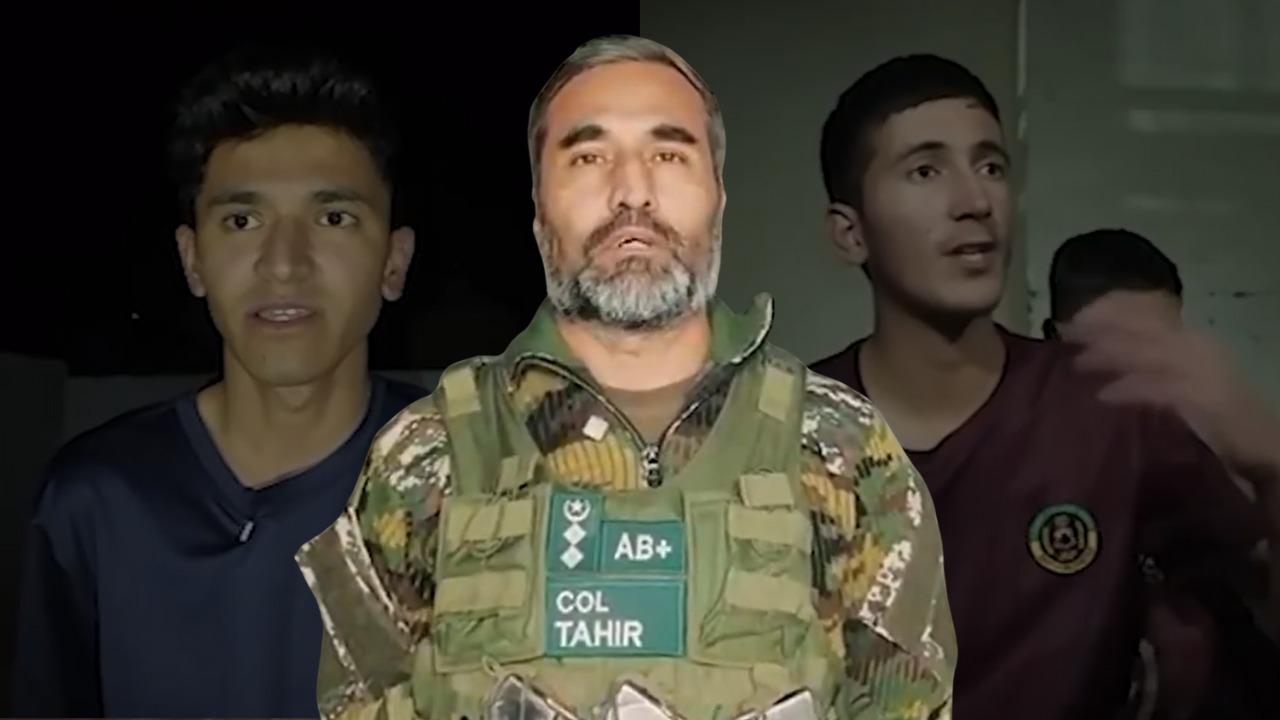
    Operation Commander Colonel Tahir, who was part of the operation against the terrorists, revealed what happened during the attack. 

    He said that “five Afghan Khawarij” came to Cadet College, which is a very important college for the students in South Waziristan, and rammed an explosives‐laden vehicle into the main gate.

    Four more terrorists entered the college and tried to kidnap students but they were stopped by army commandos. Tahir mentions that the army managed to trap the terrorists in one administrative block of the college and late in the evening, around 10pm, an operation began against four remaining terrorists.

    According to a student who spoke to the media, students were preparing for a drill competition when they heard an explosion. He says that the army escorted them out of the college and took them to a camp and protected them. He said that the terrorists are “against education and they will never be able to stop us from getting an education.”

    A second eye-witness said that he heard an explosion and their teacher told the students not to worry and that everything would be okay. He said the army came in and then everything was fine.

    There were 550 cadets in the college at the time and all were safely evacuated.

    Information Minister Attaullah Tarar hailed it as a “huge achievement” by the Pakistan Army, saying the attack could have rivaled the 2014 APS tragedy.

  • After terror spike, defence minister warns of strikes inside Afghanistan again

    After terror spike, defence minister warns of strikes inside Afghanistan again

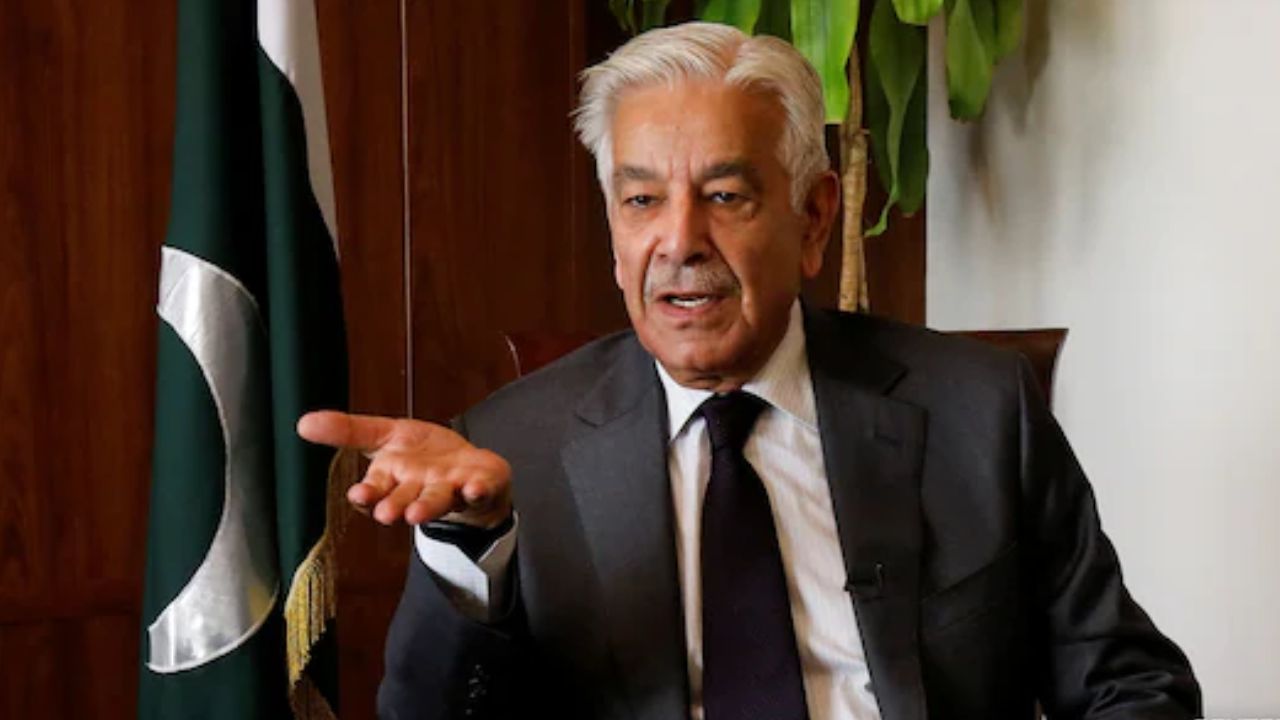
    With a sudden spike in terror incidents in Pakistan –a suicide bombing in Islamabad and the attempted siege of a Cadet College in South Waziristan – Defence Minister Khawaja Asif has warned that the country could once again carry out strikes inside Afghanistan.

    Speaking on Geo News programme ‘Aaj Shahzeb Khanzada Kay Sath’, the defence minister said that cross-border action inside Afghanistan “could not be ruled out” following the two attacks, and rejected the Afghan Taliban’s condemnation over the same.

    He said that such expressions of regret could not be taken as proof of sincerity as those attacking Pakistan were being sheltered by the Afghan Taliban regime.

    On the involvement of India-backed terrorists and the Afghan Taliban proxy Fitna al-Khawarij, Asif warned both New Delhi and Kabul against any misadventure, saying Pakistan would “pay back in the same coin”.

    “Pakistan will never initiate any military adventure,” he said but warned that the country would not let any act of aggression go unanswered.

    “We will respond forcefully,” Asif said.

    It may be noted that the attacks come days after talks between Islamabad and Kabul ended in deadlock. The negotiations had started following cross-border action over Afghan regime’s refusal to keep their soil from being used for terror in Pakistan.

    Earlier in the day, Asif also said that Pakistan was in a state of war and Tuesday’s bombing in Islamabad was “a message from Kabul”, to which Pakistan has full strength to respond.


    “We are in a state of war. Anyone who thinks that the Pakistan Army is fighting this war in the Afghan-Pakistan border region and the remote areas of Balochistan should take today’s suicide attack at the Islamabad district courts as a wake-up call,” he wrote in a post on X.


    The defence minister said it was a war for all of Pakistan, in which the army is giving sacrifices every day and making the people feel secure. “In this environment, it would be futile to hold out greater hope for successful negotiations with Kabul.”


    “The rulers of Kabul can stop terrorism in Pakistan, but bringing this war all the way to Islamabad is a message from Kabul, to which — praise be to Allah — Pakistan has the full strength to respond,” he added.

  • ‘Pakistan in state of war’: Defence minister says Islamabad bombing a ‘message’ from Kabul

    ‘Pakistan in state of war’: Defence minister says Islamabad bombing a ‘message’ from Kabul

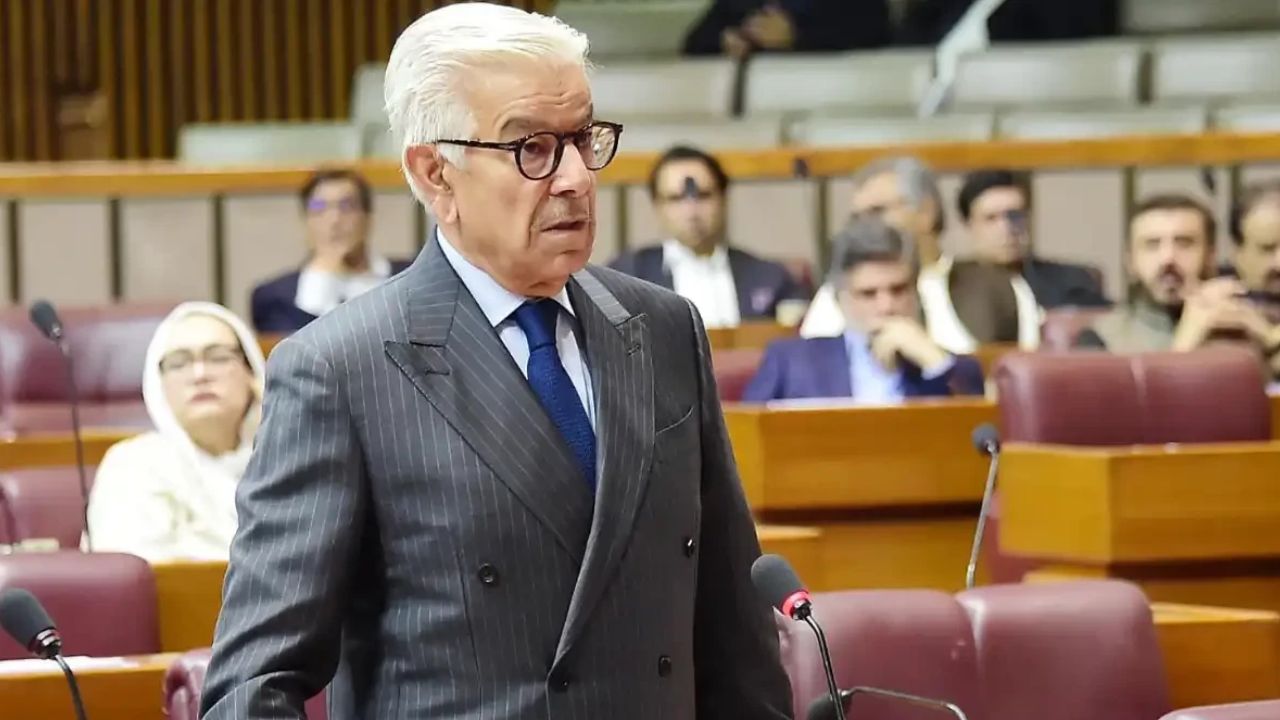
    Defence Minister Khawaja Asif has said that Pakistan is in a state of war and Tuesday’s bombing in Islamabad was “a message from Kabul”, to which Pakistan has full strength to respond.

    “We are in a state of war. Anyone who thinks that the Pakistan Army is fighting this war in the Afghan-Pakistan border region and the remote areas of Balochistan should take today’s suicide attack at the Islamabad district courts as a wake-up call,” he wrote in a post on X.

    The defence minister said it was a war for all of Pakistan, in which the army is giving sacrifices every day and making the people feel secure. “In this environment, it would be futile to hold out greater hope for successful negotiations with Kabul.”

    “The rulers of Kabul can stop terrorism in Pakistan, but bringing this war all the way to Islamabad is a message from Kabul, to which — praise be to Allah — Pakistan has the full strength to respond,” he added.

    The defence minister’s post came as a suicide attack in the federal capital killed at least a dozen people dead.

    A Pakistan Institute of Medical Sciences (PIMS) spokesperson said that the blast outside a local court building in G-11 left at least 12 martyred and 30 injured.

    Of the injured brought to the hospital, about five injured are in critical condition, the spokesperson added.

    The injured reportedly included petitioners and lawyers. The building of the court was vacated after the explosion, those present inside the building were evacuated through the back door of the facility and court proceedings were suspended.

    Speaking to the media at the site of the explosion, Interior Minister Mohsin Naqvi said the suicide attack took place at 12:39 pm today as the bomber was trying to enter the courthouse.

    “But when he did not get an opportunity, he attacked a police vehicle”.

    Noting that Prime Minister (PM) Shehbaz Sharif has directed to ensure the best medical assistance to those injured, the minister said that the first priority was to identify the suicide bomber.

    “Those behind the court attack will be brought to justice,” he noted, adding that evidence will be brought to light soon.

    He warned that if someone from another country was involved, it will not be forgiven.

    Meanwhile, reports quoted sources as saying that the head of the suspected suicide bomber was found at the site of the explosion. They said the bombing was carried out by India-backed terrorists and the Afghan Taliban proxy Fitna al-Khawarij.

  • Sindh government considers reducing e-challan fines

    Sindh government considers reducing e-challan fines

    The Sindh government is considering lowering fines issued under the recently launched e-challan system after citizens criticised heavy challans and poor road infrastructure.

    The AI-powered Traffic Regulation and Citation System (TRACS), launched by the Sindh Chief Minister Murad Ali Shah on Oct 27, generated around 30,000 challans within the first week. Traffic police sent fines to registered vehicle owners for violations such as not wearing seatbelts, using tinted glasses, and riding motorcycles without helmets.

    Citizens and opposition parties accused the Pakistan Peoples Party-led provincial government of using heavy fines to “mint money”. At least three petitions have been filed in the Sindh High Court, which has issued notices to the provincial government and police on two of them.

    Despite the criticism, the system has produced visible improvements. More motorists have begun stopping at designated lines and motorcyclists have started wearing helmets since the system became operational.

    Sources told Dawn that Karachi-based PPP politicians and senior police officers raised concerns with the provincial leadership. They warned that a positive initiative had been turned into a political target because fines for several violations were too high. They advised the government to ease the criticism by rationalising or reducing fine amounts for a period of its choosing.

    Sources also said the government and police now recognise that fines alone cannot change Karachi’s traffic culture. They stressed the need to involve civic agencies and the Excise and Taxation Department to make the system more effective.

    Inspector General of Sindh Police Ghulam Nabi Memon agreed that cooperation between multiple government bodies is essential. He said, “The long-term success of TRACS depends on strong inter-agency coordination between traffic police, local administrations, excise department, TMCs, KMC, and other civic bodies.”

    When asked whether the fines match the income levels of Karachi residents, he said, “The fine structure has been designed keeping in view deterrence and road safety rather than revenue generation. Traffic fines are not an unavoidable burden. They are avoidable by choice. Citizens who drive responsibly will never incur penalties.”

    A senior provincial official and PPP leader said the chief minister had already offered relief for first-time violators, who may have fines waived within ten days by submitting an in-person apology. He added that the government would likely announce a significant reduction in fines for selected violations by the end of this month.

    He made it clear the system would not be suspended or rolled back. Instead, he said, the government plans to expand TRACS across Karachi and other districts of Sindh.

  • Explosion rocks Islamabad a day after suspected terror attack in New Delhi

    Explosion rocks Islamabad a day after suspected terror attack in New Delhi

    A day after a suspected terror attack in New Delhi, a suicide blast outside the district courts has rocked the Pakistani federal capital, leaving at least 12 dead and over two dozen injured, including petitioners and lawyers.

    As per the details, the blast occurred near the main gate of the G 11 Islamabad Courthouse, prompting emergency measures at Pakistan Institute of Medical Sciences (PIMS). Emergency services at other hospitals were also activated, and the casualties were transferred from the site by Rescue 1122, private ambulances and police vehicles.

    A heavy contingent of police personnel also reached the hospital with Islamabad inspector general of police (IGP) and the chief commissioner visiting the site.

    The nature of the blast was confirmed by Interior Minister Mohsin Naqvi as a suicide attack.

    The security czar said the suicide bomber was trying to enter the courthouse but “when he did not get an opportunity, he attacked a police vehicle”.

    Earlier, police said that the explosion occurred in a car parked outside the court. 

    While authorities are investigating the incident amid tightened security in surrounding areas, the explosion comes a day after a suspected terror attack near the historic Red Fort in New Delhi on Monday evening.

    The blast that killed at least eight people and injured 24 others was a rare occurrence in the heavily guarded city of more than 30 million people, sending several states and key facilities into high alert.

    Indian Home Minister Amit Shah said “all angles” were being investigated and security agencies would come to a conclusion soon.

    Police said a slow-moving car which stopped at a traffic signal exploded just before 7 pm (1330 GMT). Nearby vehicles were also badly damaged.

    The explosion left behind mangled bodies and the wreckage of several cars on a congested street near a metro station in the old quarter of Delhi.

    The explosion is being probed under a stringent law used to fight “terrorism”, television channels reported, citing a case registered by the police.

    The law, called the Unlawful Activities (Prevention) Act, is India’s main anti-terrorism law and is used to investigate and prosecute acts related to “terrorism” and activities that threaten the sovereignty and integrity of the country.

    In the absence of an official word on the nature of the blast, unconfirmed media reports have traced the explosion back to a Muslim man hailing from held Kashmir’s Pulwama area

    The explosion came hours after 350 kilograms of ammonium nitrate was recovered from Faridabad near Delhi – in widespread crackdown on what officials called a terror network operating within the heart of India.