Category: Tech

  • Here’s the list of illegal loan apps banned in Pakistan

    Here’s the list of illegal loan apps banned in Pakistan

    The Ministry of IT and Telecom of the government responded to numerous reports and took decisive action against illegal loan apps, resulting in the banning of over 40 such applications. The severity of the issue prompted the ministry to intervene and curb the proliferation of these apps.

    In a statement released on Monday, Federal Minister Aminul Haque directed the Pakistan Telecommunication Authority (PTA), led by Chairman Major General Hafeez-ur Rehman, to promptly address the situation. As a result, 43 applications were immediately blocked in accordance with the ministry’s instructions.

    Additionally, the PTA is collaborating with the Securities and Exchange Commission (SECP) to seek consultation and support in tackling this concerning matter.

    Here’s the list of loan apps recently banned:

    • Superb Loans
    • Fair Loans
    • Plati Loans
    • UrCash
    • MyCash
    • Debit Campsite
    • Loan Credit Cash
    • Easy Mobile Loans
    • Fori Qarz Online Personal Loan
    • Easy Loans Credit Fast Pay
    • Little Cash- Mobile Loans
    • FinMore- Online Credit Loans
    • ZetaLoan- Easy Credit Wallet
    • Qarza Pocket -Personal Funds
    • Asaan Qarza- credit loans
    • Fast Loan
    • Harsha Tube – Quick Money
    • Loanclub
    • Tazza Centre – Get Money Soon
    • Aasan Lab – Easy Apply Money
    • CashCredit-Online Loan money bee
    • Galaxy Loan
    • TiCash
    • CashPro-Immediate Approval
    • Rose Cash – Loan Cash
    • HamdardLoan
    • Bee Cash
    • Yocash
    • Sallam Loan – Online Loan App
    • Whale
    • Zenn Park -Easy Instant Help
    • Get Welfare
    • LendHome
    • QuickCash
    • Mrloan
    • 567 Speed Loan
    • Rico Box – Easy Apply Online
    • Fori Instant Loans
    • 99 Fast Cash Loan
    • Apple Qist Qarz
    • BG Loan
    • Swift Loans
  • Swiss radio station lets Artificial Intelligence run the show for one day

    Swiss radio station lets Artificial Intelligence run the show for one day

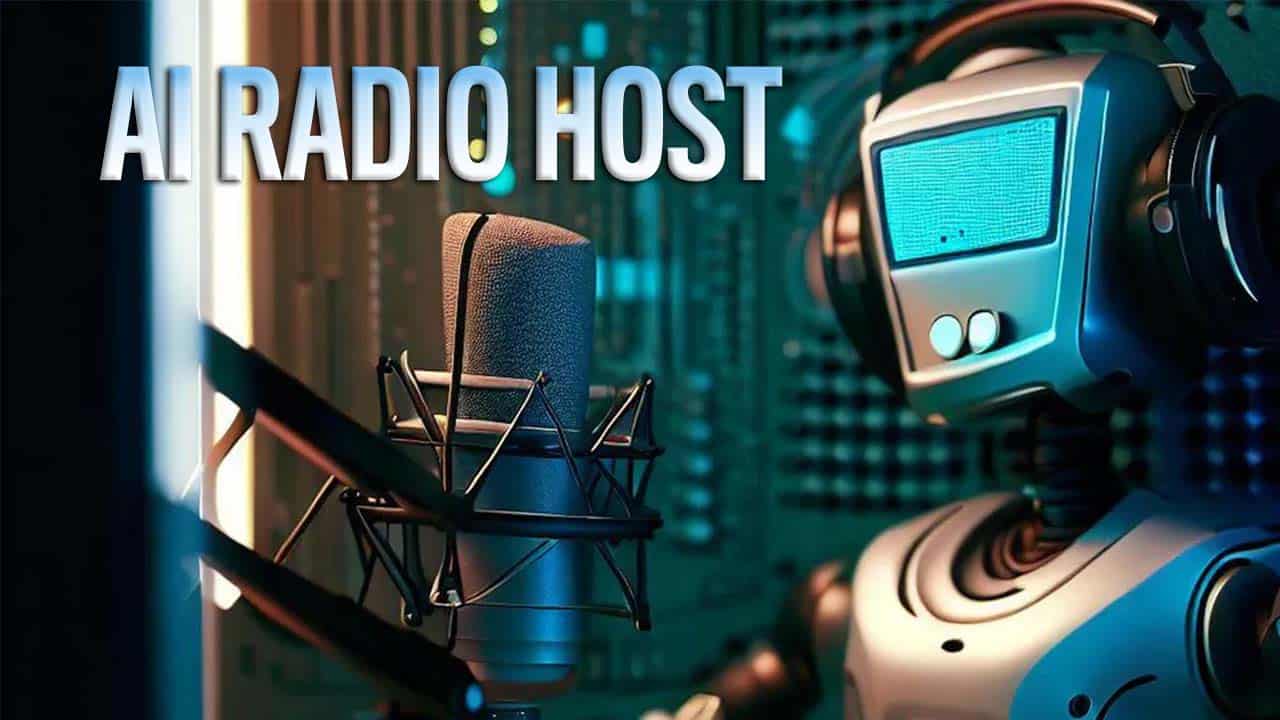
    In a groundbreaking experiment, Swiss public radio station Couleur 3 introduced a one-day programming event that showcased the capabilities of Artificial Intelligence (AI). Over the course of thirteen hours, the station’s airwaves were controlled entirely by AI, featuring cloned voices of five real human presenters and music composed predominantly by computers, marking a world-first endeavor.

    With voices resembling well-known personalities, music filled with trendy dance beats and hip-hop syncopations, and contagious jokes and laughter, the AI-led broadcast aimed to blur the boundaries between human and machine. Regular reminders reiterated the AI’s control over the programming, emphasising its presence throughout the day.

    Despite concerns about the potential long-term economic, cultural, social, and political consequences of AI and generative AI tools like ChatGPT, Couleur 3 embraced the experiment as a means to confront and demystify AI. Antoine Multone, the station’s chief, defended the project as a valuable lesson on coexisting with AI, rather than fearing its inevitable integration into society.

    To achieve the lifelike voices of presenters, Couleur 3 collaborated with software company Respeecher, which has experience working with Hollywood studios. Training the AI to understand the station’s unique and offbeat vibe took three months of preparation. The tracks aired during the day were partly or entirely composed by AI, a notable feat in the world of radio.

    To ensure clarity between real and synthetic news, the AI-delivered top-of-the-hour news flashes presented futuristic scenarios set in the year 2070. This approach aimed to avoid confusion with current real-world news.

    Feedback from listeners flooded the station, with mixed reactions. While some found the experiment intriguing, many expressed a desire for the return of human presenters. The discussion around the experiment continued, with plans for an on-air discussion led by real people to address the audience’s perspectives.

    Ultimately, Couleur 3’s bold experiment showcased the potential of AI in the broadcasting realm while raising important questions about the future of human involvement in media and the need to understand and harness AI technology responsibly.

  • PTA introduces 120-day tax-free mobile registration for overseas Pakistanis

    PTA introduces 120-day tax-free mobile registration for overseas Pakistanis

    Prime Minister (PM) Shahbaz Sharif inaugurated the Online Temporary Mobile Phone Registration System on Tuesday, aimed at facilitating overseas Pakistanis and foreign nationals during their visits to the country.

    Under this system, individuals will be able to register and utilise their personal mobile phones for a duration of up to 120 days from the date of their arrival, exempt from any duties and taxes. This facility is available to overseas Pakistanis, including students and employees, as well as foreign nationals visiting Pakistan for tourism or business purposes.

    During the inaugural ceremony in Islamabad, PM Shehbaz acknowledged the significant progress made by Pakistani youth in the field of information technology and emphasised the need to seize the abundant opportunities in this sector. He further stated that the current government has allocated ample funds in the budget to support various youth-oriented programmes.

     To attract foreign investment and revive the economy, a Special Investment Facilitation Council (SIFC) has been established, with the IT Ministry playing a pivotal role in achieving the set objectives.

    Additionally, the PM highlighted the importance of promoting IT parks in the country to boost IT exports. He mentioned the distribution of free laptops among deserving students based on merit and assured that a non-financial package will be announced soon to further enhance facilitation for overseas Pakistanis.

    In December 2018, the government introduced the ‘Mobile Phone Tax Policy,’ allowing overseas Pakistanis to bring one phone without paying customs duty, subject to registration upon arrival at the airport. Failure to register resulted in the phone being non-operational. Initially, the registered phone could be used with one SIM for 60 days, after which it required payment of due taxes to regularise its usage.

    In 2022, authorities upgraded and introduced new features in the Identification Registration and Blocking System, enabling overseas Pakistanis to use their imported mobile phones for a period of 120 days.

    The system facilitated data exchange among the Federal Investigation Agency (FIA), the Federal Board of Revenue (FBR), and the Pakistan Telecommunication Authority (PTA). It was also integrated with the FIA’s record of passengers’ entry and exit.

  • Russian officials urged to abandon iPhones over spying concerns

    Russian officials urged to abandon iPhones over spying concerns

    Russian officials have been advised to stop using iPhones due to unverified accusations made by the country’s intelligence service.

    The Financial Times reported that, commencing July 17, employees within Russia’s trade ministry will be prohibited from utilising iPhones during work hours. Other ministries, including one currently undisclosed, are reportedly planning to follow suit, along with the state oil company, Rostec.

    The decision to distance themselves from Apple products initially emerged in March when the Kremlin instructed officials to abandon the use of these devices due to concerns surrounding potential vulnerabilities exploited by US hackers.

    Subsequently, in June, the Russian government accused Apple of collaborating with US intelligence agencies, an allegation firmly refuted by the company.

    The accusation stemmed from a report by a cybersecurity firm, asserting that iPhones running outdated versions of iOS had been infected with malware, rendering them susceptible to eavesdropping, as reported by The Washington Post.

    Despite the claims made by Russia’s Federal Security Service (FSB), no substantiating evidence has been presented, and independent security experts have found no indication that Apple has incorporated any form of “backdoor” exemption into the device’s encryption.

    This is not to imply that no genuine security vulnerabilities exist. Following Russia’s allegations, Apple swiftly responded by releasing software patches for its iOS system, acknowledging the role played by researchers at the Moscow-based Kaspersky Lab in identifying these weaknesses.

    It is worth noting that the ban on official usage will not impact the general public. Apple withdrew from the Russian market in the wake of last year’s full-scale invasion of Ukraine. Nonetheless, Apple products continue to be imported from other countries.

    The iPhone 14 is listed by MTS, Russia’s largest cellphone provider, with a price tag slightly exceeding $1,200, while a comparable model retails for $999 in the United States.

  • AI instructors to teach Harvard students next year

    AI instructors to teach Harvard students next year

    Harvard University, one of America’s most prestigious and expensive colleges, is planning to introduce an AI-powered teaching assistant to instruct students in its popular introductory coding course.

    Professor David Malan, who oversees the course, explained that the use of AI in the syllabus aligns with the course’s history of incorporating new software. He stated that the introduction of a ChatGPT AI teacher is a natural progression in their teaching methods. The aim is to eventually provide students in the CS50 course with software-based tools that can support their learning individually, ensuring a 1:1 teacher-to-student ratio.

    Professor Malan mentioned that they are currently experimenting with both GPT-3.5 and GPT-4 models, as reported by Harvard’s newspaper, the Crimson. However, developers and software engineers outside the Ivy League have encountered difficulties integrating OpenAI’s ChatGPT-4 into their workflows.

    Some have raised concerns about the algorithmic co-worker’s coding abilities, perceiving a decline in quality compared to earlier versions. The AI’s software skills have been described as inferior, exhibiting superficial responses and inadequate coding prompt answers.

    Considering the significant cost of a four-year degree from Harvard, estimated at around $334,000 for the 2022-23 academic year, students who are paying for their education will likely expect the CS50 staff’s experimentation with ChatGPT to be thoroughly refined by September.

    CS50 is highly regarded and widely accessed through Harvard’s online learning platform, edX, which was established in partnership with MIT in 2012. The universities sold edX to educational technology company 2U for $800 million in 2021, ensuring its operation as a public benefit entity that offers courses for free auditing.

    Professor Malan acknowledged that early iterations of AI programs like ChatGPT may occasionally underperform, but expressed his confidence in the AI teaching assistant’s ability to streamline tasks and reduce the time spent on assessing students’ code. This, in turn, would allow teaching fellows to focus on more meaningful, interpersonal interactions with their students, resembling an apprenticeship model.

    Reflecting on the purpose of education, Professor Malan emphasised the importance of critical thinking for students, urging them to exercise discernment when processing information, regardless of its source.

    In summary, Harvard University intends to leverage AI technology by introducing a ChatGPT-powered teaching assistant in its CS50 course. While challenges have been encountered with the latest ChatGPT-4 model, Professor Malan and his team are committed to refining the AI’s performance.

    The goal is to enhance the learning experience for students and enable teaching fellows to allocate their time more effectively, fostering meaningful interactions. This development aligns with Harvard’s commitment to providing quality education through its online learning platform, edX, which remains accessible to a wide audience.

  • Twitter introduces content monetisation, paying influencers from advertising revenues

    Twitter introduces content monetisation, paying influencers from advertising revenues

    Elon Musk’s social media platform, Twitter, has taken a significant step by initiating payments to content creators from advertising revenues for the first time. This development has caught the attention of numerous influencers; however, not all users are eligible to receive compensation from the platform.

    Influencers such as Ian Miles Cheong, Benny Johnson, and Ashley St. Claire, who are considered high-profile figures within the far-right community, shared details of their Twitter earnings prior to the official announcement of monetiation.

    “Wow. Elon Musk wasn’t kidding. Content monetisation is real,” tweeted a user named End Wokeness, boasting 1.4 million followers, showcasing earnings surpassing $10,400.

    Users who have subscribed to Twitter Blue and have accumulated over 5 million tweet impressions per month for the past three months are eligible to receive earnings.

    Elon Musk, who also serves as the CEO of SpaceX and Tesla, stated that an initial sum of $5 million will be distributed, accumulating from February onwards. However, the program is only accessible in countries where Stripe, a payment platform, supports payouts.

    Renowned writer Brian Krassenstein, boasting approximately 750,000 followers, claimed to have received $24,305 from Twitter. Similarly, SK, another creator with around 230,000 followers, reportedly earned $2,236, while political commentator Benny Johnson, with 1.7 million followers, disclosed earnings of $9,546. Ashley St. Clair, a writer for Babylon Bee, shared that she earned $7,153.

    Who will not benefit from Twitter monetisation? According to Twitter’s content monetisation standards, sexual content, as well as pyramid schemes, violence, criminal behaviors, gambling, drugs, and alcohol-related content, cannot be monetised.

    In a blog post, Twitter explained that creators’ share of advertising revenue would be determined based on the number of replies to their posts and monthly impressions.

    According to a report by The Washington Post, some non-political contributors expressed frustration with the company’s lack of transparency during the program’s rollout.

    “My tweets have generated hundreds of millions of impressions for Twitter every year,” stated Matt Navarra, a social media strategist who runs the tech-focused newsletter and community Geekout. He further added, “And I’ve been on the platform for 15+ years. It’s pretty lame that there is no payout coming my way. Twitter has never generated any income directly from all the content I have contributed.”

    This development comes shortly after Twitter faced fierce competition from its rival Meta-owned Threats, which witnessed millions of sign-ups within hours of its launch.

  • Taliban praises Twitter’s freedom of speech and credibility amidst Threads launch

    Taliban praises Twitter’s freedom of speech and credibility amidst Threads launch

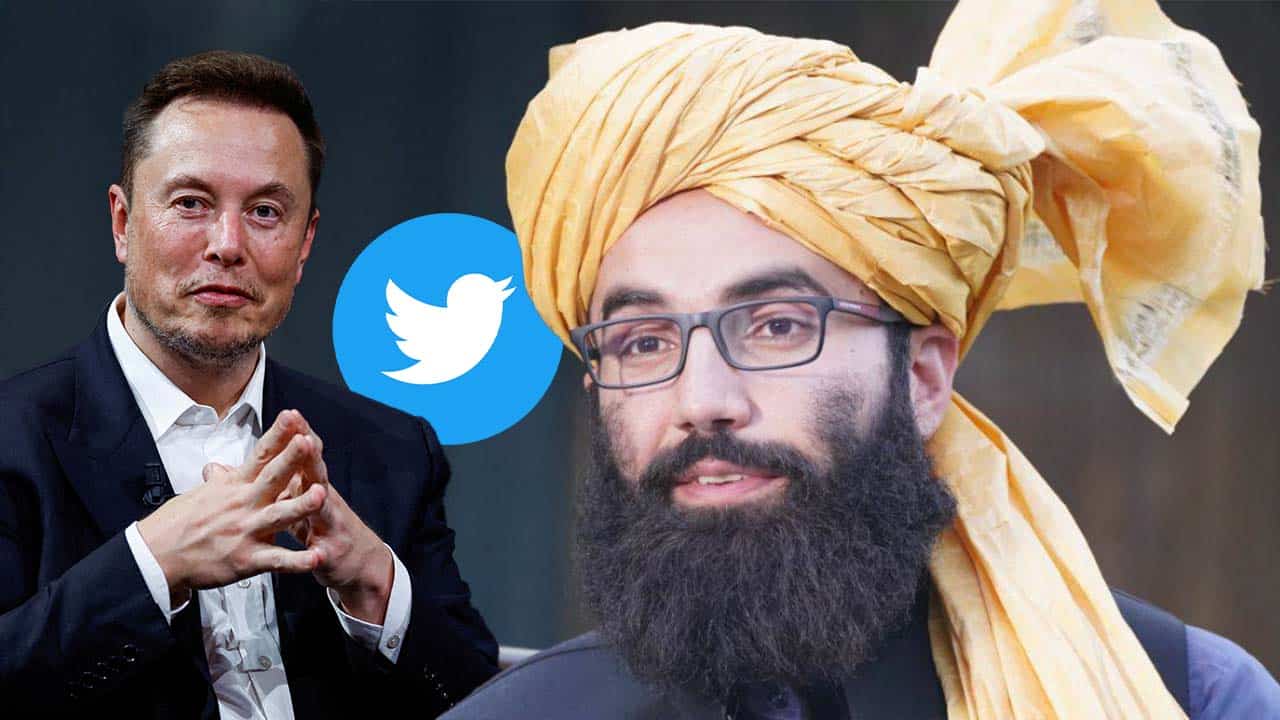
    Twitter’s challenges in attracting advertisers, maintaining site functionality, and retaining users have been widely discussed. However, amidst these struggles, an unexpected endorsement has emerged from an unlikely source—the Taliban. Anas Haqqani, a prominent figure within the Taliban, recently expressed his appreciation for Twitter in light of Meta’s Threads, a rival platform that gained over 100 million users within a few days of its launch.

    Haqqani, in justifying his decision to remain active on Twitter, highlighted two key advantages the platform offered. “The first privilege is the freedom of speech,” he stated. “The second privilege is the public nature & credibility of Twitter. Twitter doesn’t have an intolerant policy like Meta. Other platforms cannot replace it.”

    Meta, the parent company of Threads, has made it clear that the new platform will adhere to the same content guidelines as its sister app, Instagram. This includes a stipulation that explicitly prohibits support or praise for terrorism, organised crime, or hate groups.

    Elon Musk’s involvement in Twitter’s operations has been marked by a series of seemingly arbitrary policy decisions, the loosening of moderation guidelines and enforcement capabilities, resulting in chaotic circumstances, and a focus on prioritising paying users. Under Musk’s leadership, instances of hate speech have surged, and ad sales for the platform have experienced a significant decline of 59% since the previous year.

    It is difficult to argue that having members of the Taliban celebrate the extent to which they can exploit the platform does not present a compelling case for potential ad buyers. Twitter, grappling with these challenges, must now confront the task of restoring confidence in its ability to provide a safe and appealing environment for both users and advertisers alike.

  • Dukaan CEO lays off 90% of his support staff in favour of AI chatbot

    Dukaan CEO lays off 90% of his support staff in favour of AI chatbot

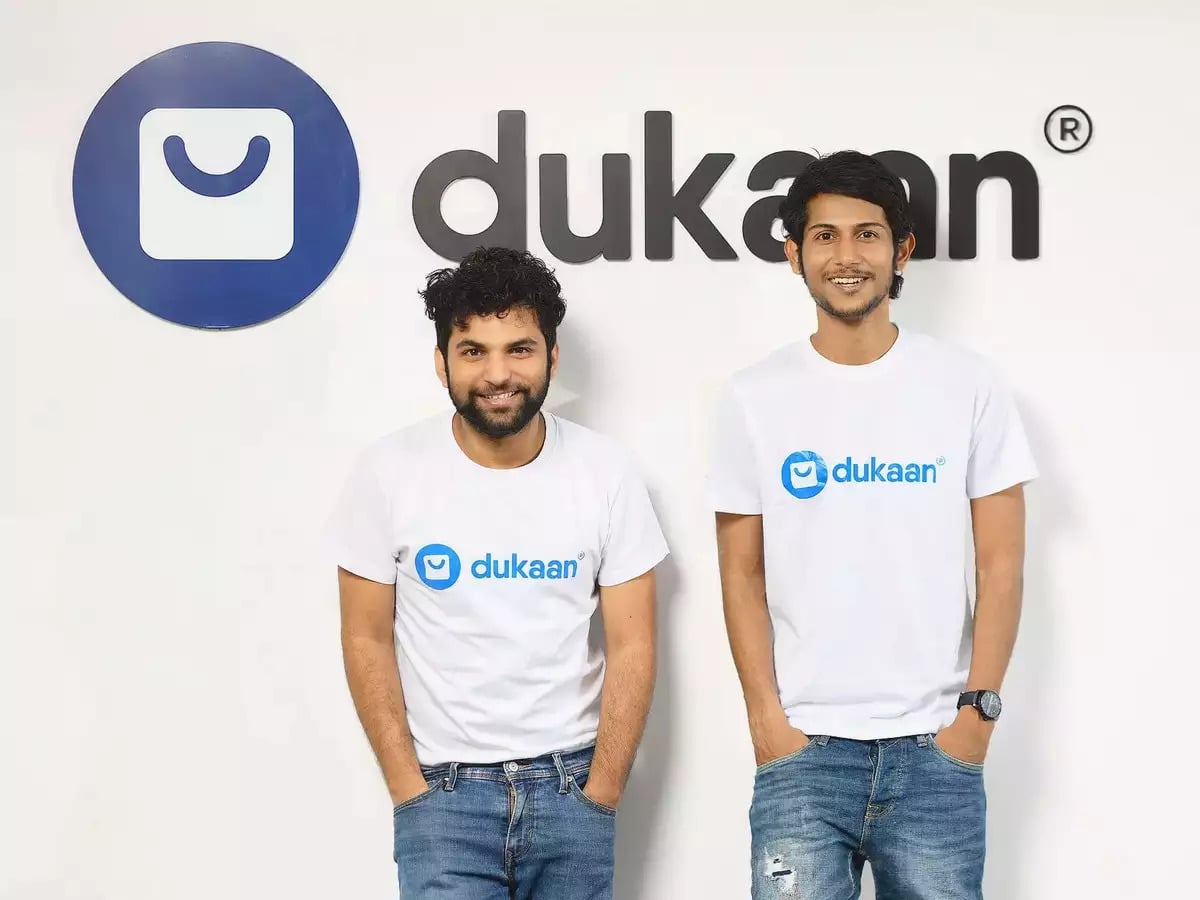
    Suumit Shah, founder and CEO of Bangalore-based e-commerce startup Dukaan, announced via his Twitter account that he has laid off 90% of his customer support staff in favour of using an AI chatbot. 

    The bot was built by one of the firm’s data scientists, and according to Shah was able to respond to initial queries instantly, compared to the average staff time of one minute and 44 seconds.

    In his tweet, Shah admitted that the layoffs were “tough, but necessary”, explaining that given the state of the economy, startups are prioritising “profitability”.  

    Customer Support has apparently been a long-time struggle for Dukaan. In a conversation with CNN, Shah said that the company had cut the cost of its customer support function by 85% after introducing AI technology. He reasoned that this part of the business had been problematic for some time, with delayed responses and limited availability of staff at critical times, among other issues.

    That’s what prompted Shah to come up with the idea to create a personal AI-assistant for Dukaan, which would answer customer queries instantly, precisely, and from anywhere. Dukaan’s AI-lead Ojasvi Yadav stepped up to the plate.

    According to Shah’s Twitter thread, just a day after the bot was launched, Dukaan’s AI chatbot ‘Lina’ had resolved 200 lives chats and 1400 support tickets. The success of Lina propelled the team to create Dukaan’s new product ‘BOT9.ai’. It is an AI assistant, that can learn the ins-and-outs of a business, and answer customer queries instantly, 24/7. 

    As Shah tweeted, “it’s less magical, sure, but at least it pays the bills!”

    Considering the era of AI we are in now, and the general widespread layoffs by tech giants, Shah’s decision had been met with much criticism. However, Shah continued to justify the layoffs by emphasizing how AI technology can optimise their operations. 

    Moreover, Shah believes that allocating employees’ expertise to areas requiring critical thinking, while relegating routine tasks to AI-powered chatbots, improves efficiency while also allowing for a better allocation of human resources.

    Many Twitter users were enraged at the apparent pride in Shah’s tweets. One user tweeted, “You disrupted the lives of 90% of your support team & you’re celebrating it in public. You also likely destroyed your customer support (disprove with good CSAT for the bot) – all for a basic ChatGPT wrapper. This is a new low even for you.” 

    https://twitter.com/_glnarayanan/status/1678644685726728192?s=20

    While the announcement may read as apathetic, it is not surprising that major companies are turning to AI to improve general performance and efficiency in what are considerably quite routine tasks. 

    According to a report from outplacement firm Challenger, Gray & Christmas, which looks at layoffs across every industry, around 5% of May’s job cuts in 2023 were directly related to artificial intelligence. 

    Are you worried AI is going to replace you at work?

  • Federal govt contemplating strict law to counter social media ‘propaganda’

    Federal govt contemplating strict law to counter social media ‘propaganda’

    The outgoing federal government is contemplating strict laws to counter social media disinformation and propaganda, geo.tv had reported.

    The government is mulling amending the 2016 Prevention of Electronic Crimes Act (PECA) so that “fake news targeting the reputation and image of a particular person or group of people, organisation, or other entity will be checked by all available means,” a source told Saleh Zafar.

    The authority of Pakistan Telecommunications Authority (PTA) and Federal Investigation Agency (FIA) will be increased to keep a check on social media, while an ‘e-safety’ law will be introduced to protect official portals.

    The report also claims that a new section will be added to PECA to ensure “stringent” action against culprits. Officials say that FIA is powerless even in instances of fake news.

  • Teen hacker causes millions in damages to Uber, Revolut, and Grand Theft Auto maker

    Teen hacker causes millions in damages to Uber, Revolut, and Grand Theft Auto maker

    During proceedings at a London court, prosecutors disclosed that a member of the hacking group Lapsus$, who is a teenager, successfully breached the security systems of Uber and fintech company Revolut.

    The individual in question, identified as Arion Kurtaj, allegedly gained unauthorised access to the personal information of approximately 5,000 Revolut customers in September 2022, while also inflicting damages amounting to nearly $3 million on Uber.

    Furthermore, the prosecution claims that Kurtaj proceeded to target Rockstar Games shortly after, hacking into their systems. In a Slack message addressed to all Rockstar staff, he purportedly threatened to disclose the source code of the highly popular video game franchise, Grand Theft Auto, which was under development for a forthcoming installment.

    Additionally, Kurtaj stands accused, alongside an unnamed 17-year-old co-defendant, of engaging in a blackmail scheme against BT Group (BT.L), the largest broadband provider in Britain, and EE, a prominent mobile network operator. This illicit activity reportedly took place between July and November 2021, during which the accused demanded a ransom of $4 million.

    Prosecutors assert that the duo, considered “key players” within Lapsus$, conducted a cyberattack on chipmaker Nvidia Corp (NVDA.O) in February 2022. They allegedly sought payment from Nvidia to prevent the public release of the company’s data.

    During the trial, prosecutor Kevin Barry revealed that the 17-year-old defendant had breached the cloud storage of the City of London Police, mere weeks after being apprehended in connection with the BT and EE hacking incident.

    According to Barry, Kurtaj later embarked on a solo cybercrime spree, commencing with the targeting of Revolut and subsequently Uber, followed by the intrusion into Rockstar Games’ systems.

    Kurtaj’s mental fitness to stand trial has been assessed by psychiatrists and found inadequate. Consequently, the jury will evaluate whether he committed the alleged acts, rather than delivering a traditional guilty or not guilty verdict.

    The charges leveled against Kurtaj encompass a total of 12 offenses, including three counts of blackmail, two counts of fraud, and six charges under the Computer Misuse Act.

    Meanwhile, the 17-year-old defendant is currently being tried for two counts of blackmail, two counts of fraud, and three charges under the Computer Misuse Act related to the hacking of BT and Nvidia. The defendant denies these charges but has previously pleaded guilty to two offenses under the Computer Misuse Act and one count of fraud.