Category: Tech

  • Social media ban for children under 16 proposed in Senate

    Social media ban for children under 16 proposed in Senate

    A bill called the Social Media (Minimum Age for Users) Bill 2025 has been introduced in the Senate, proposing a ban on the use of social media platforms by individuals under the age of 16.

    According to media reports, the bill states that children below 16 years will not be allowed to create or use accounts on platforms such as Facebook, Instagram, TikTok, X (formerly Twitter), WhatsApp, Bigo Live, Snapchat, YouTube, Threads, and others.

    The bill places the responsibility on social media companies to prevent underage users from creating accounts. In case of violation, companies could face fines ranging from Rs50,000 to Rs5 million.

    Additionally, the bill proposes a six-month imprisonment for anyone found granting social media access to underage users.

    However, it also clarifies that platforms will not be held accountable if there is no conclusive evidence of wrongdoing.

    Pakistan Telecommunication Authority (PTA) will have the authority to block underage users’ accounts and formulate rules and regulations under the law. In case of ambiguity, PTA will have the final say and will also be empowered to issue appropriate directives in case of implementation issues.

    If a specific procedure is not defined in the law, PTA will have the authority to establish one.

  • YouTube to change monetisation rules; Which channels will no longer be eligible to earn?

    YouTube to change monetisation rules; Which channels will no longer be eligible to earn?

    YouTube has announced major changes to its monetisation policies starting July 15, aiming to prevent low-quality, repetitive, and fully automated content from earning revenue, while encouraging original and creative videos.

    According to the new policy, videos created entirely using AI tools without any personal input or originality will not be eligible for monetisation. This includes content with robotic voiceovers lacking human narration or personal commentary. It also applies to repetitive formats, such as basic remixes, simple reaction videos, or compilations with minimal or no meaningful editing.

    Content that uses someone else’s material without clear changes, commentary, or explanation will also not qualify for ads. This includes videos slightly modified with filters or colour adjustments, offering nothing new.

    YouTube has warned that channels not complying with the rules could be removed from the YouTube Partner Program, as the platform now aims to support original, creative, and authentic content.

    For example, YouTube will monetise educational videos with unique explanations or research; entertainment content like short films, vlogs, or well-thought-out analysis, and any videos where the creator’s own voice, style, and ideas are clearly present.

    YouTube, however, has clarified that the use of AI is not completely banned, but it must include meaningful human input, interpretation, or editing.

    To qualify for the YouTube Partner Program, a channel must have at least 1,000 subscribers and 4,000 watch hours in the past 12 months, or 10 million Shorts views in 90 days. The content must also follow YouTube’s originality and quality guidelines. Once these conditions are met, YouTube will review the channel to decide if it’s eligible to earn revenue.

    With AI tools becoming increasingly popular, many low-quality and faceless videos have flooded the internet. Some users teach tricks to earn money without ever showing their face. YouTube aims to discourage this trend and reward creators who produce genuine educational or entertaining videos.

    A recent Statista report revealed that in the last quarter of 2024 alone, YouTube removed more than 9.5 million videos, many of which were fully automated or repetitive. Now, the platform’s review system will be even stricter. If a channel’s videos are found to be low-quality, repetitive, or fully AI-generated without a human touch, it may lose its monetisation rights.

    With these new rules, YouTube hopes to keep the platform fresh and rewarding for creators who put real effort into producing meaningful content.

  • Grok goes off the rails after update turns it into white-supremacist

    Grok goes off the rails after update turns it into white-supremacist

    Grok, an AI chatbot incorporated into X (formerly Twitter), issued a series of contentious replies on Tuesday, citing Adolf Hitler, Jewish last names, and antisemitic conspiracy theories.

    Grok, created by Elon Musk’s xAI, was requested by a user to identify a woman in a screenshot from a TikTok video, prompting an exchange between the two.

    Grok identified the woman as Cindy Steinberg and claimed she had celebrated the deaths of white children during recent floods in Texas. The chatbot connected her name to a larger trend, asserting that individuals with Ashkenazi Jewish surnames frequently appear in what it termed “radical left activism.” Screenshots of the interaction began circulating on X before some of the content was removed.

    When asked to suggest a 20th-century figure who might respond to the posts, Grok expressed admiration for Hitler. In subsequent replies, it reinforced this viewpoint, stating: “Hitler would’ve called it out and crushed it.” One user who expressed disapproval was met with the response: “Pass the mustache—truth hurts more than floods.”

    In another unrelated reply, Grok made a joke about Jewish physical characteristics. It also referred to itself as “MechaHitler,” alluding to a video game character. Later, Grok asserted that its earlier comments were meant as sarcasm, labelling the post regarding Hitler as an “epic sarcasm fail.” In reaction to the backlash, Grok stated it was ridiculing a troll and deleted the post because “context matters.”

    This incident followed a substantial software update Musk announced on July 4, claiming that Grok had been “significantly” enhanced. Code updates indicated that the chatbot was directed to emphasise politically incorrect claims and consider media narratives as biased.

    Previously, Musk mentioned that Grok had been trained on “far too much garbage” and urged users to submit “divisive facts” that were politically incorrect yet factual. Grok has faced criticism before for invoking the “white genocide” conspiracy theory in response to unrelated prompts, such as inquiries about athletes’ salaries.

    A screenshot of a TikTok interaction quoted the woman saying, “White kids are just future fascists.” The X account in question has since been deactivated, and the quote remains unverified. Grok’s responses have been compared to Microsoft’s Tay bot, which was removed in 2016 after producing offensive content online.

    xAI has not replied to requests for a statement. A message posted on Grok’s account indicated that the company is working to filter hate speech and that Grok 4 will be unveiled during an upcoming livestream.

  • FBR launches AI system to streamline Customs, boost tax collection

    FBR launches AI system to streamline Customs, boost tax collection

    Pakistan’s Federal Board of Revenue (FBR) has launched an AI-driven Customs Clearance and Risk Management System (RMS), signalling a move towards automation in customs processes for imports and exports. This system aims to enhance efficiency, minimise manual involvement, and bolster tax revenue collection.

    The initiative was showcased during a review meeting led by Prime Minister Shehbaz Sharif. According to officials, the RMS utilises artificial intelligence and automated bots to assess the cost and classification of goods entering and exiting the nation.

    Preliminary outcomes from the system’s testing phase indicated substantial improvements. The number of Goods Declarations marked for taxation surged by 83 percent. Clearances through the green channel, which facilitates the rapid movement of low-risk goods, increased by 2.5 times. Overall performance saw an enhancement of over 92 percent, as reported by officials.

    The system is being framed as a critical advancement toward automation and data-driven evaluations in customs operations. Officials mentioned that the RMS could alleviate pressure on customs personnel and expedite the clearance process, thereby simplifying operations for businesses.

    The meeting also addressed the application of video analytics within the manufacturing sector. Authorities are considering its potential for monitoring production rates and automating tax collection. Initial tests indicated a remarkable 98 percent efficiency rate for this technology.

    Prime Minister Shehbaz Sharif described these digital changes as a fundamental aspect of the government’s economic strategy. He remarked that the implementation of AI would contribute to a more transparent tax system and diminish opportunities for undue influence. He further instructed officials to maintain the system’s integration across various departments.

    Finance Minister Muhammad Aurangzeb, Information Minister Attaullah Tarar, the FBR chairman, and high-ranking government officials were present at the meeting.

    In a different briefing, the FBR and the Intelligence Bureau released an update on their efforts against tax evasion and hoarding. The report highlighted that collaborative operations had resulted in the recovery of Rs178 billion.

    Of this total, Rs69 billion was sourced from company mergers and unpaid dues from telecom companies. The Intelligence Bureau also conducted 515 raids across various sectors including sugar, beverages, edible oil, animal feed, tobacco, and cement. These actions yielded an additional Rs10.5 billion in tax revenues.

  • Global trends or local market conditions? Microsoft shuts down Pakistan office after 25 years

    Global trends or local market conditions? Microsoft shuts down Pakistan office after 25 years

    Microsoft has closed its Pakistan office, marking the end of its physical presence in the country after 25 years.

    As per the details, the decision is part of a larger global restructuring initiative as the company reduces its workforce by over 9,000 positions globally and focuses more intensely on a cloud-based Software-as-a-Service (SaaS) model.

    Although Microsoft did not have a complete commercial operation in Pakistan, it operated liaison offices that catered to enterprise, education and government clients. Much of this work had already been transitioning to local partners and regional centers, especially in Ireland. The local team had reportedly diminished considerably in recent years.

    In response to media inquiries, a Microsoft representative said that the company would continue to support Pakistani customers through regional offices and a robust partner network. The representative also noted that this model was already implemented in various other countries.

    The announcement also elicited responses from former officials and industry analysts. Former president Dr Arif Alvi described it as a “worrying sign,” indicating that the company had previously contemplated expanding its operations in Pakistan but opted for Vietnam instead, citing political and economic unpredictability. “The opportunity was lost,” he said on X.

    Jawwad Rehman, the first country manager for Microsoft Pakistan, also acknowledged the decision in a LinkedIn update. He remarked that the move was indicative of the current business environment where even prominent global firms struggled to maintain operations.

    Tech entrepreneur Habibullah Khan pointed out that Microsoft’s revenue from Pakistan was estimated at approximately $50 million — less than 0.02% of its total global earnings. He contended that the company’s relationship with the country was never deeply established and characterised the exit as part of a broader trend towards cloud-first services.

    The Ministry of IT and Telecommunications recognised the development but clarified that Microsoft’s action did not equate to a complete withdrawal. Instead, it indicated a transition to a service delivery model that did not necessitate a physical office. The ministry connected this to the global shift away from capital-intensive and on-premise software installations to cloud-based subscription solutions.

    Analysts also opined that Microsoft’s transition was more influenced by global market trends rather than local market conditions.

  • Indian techie goes viral after working for four startups at the same time

    Indian techie goes viral after working for four startups at the same time

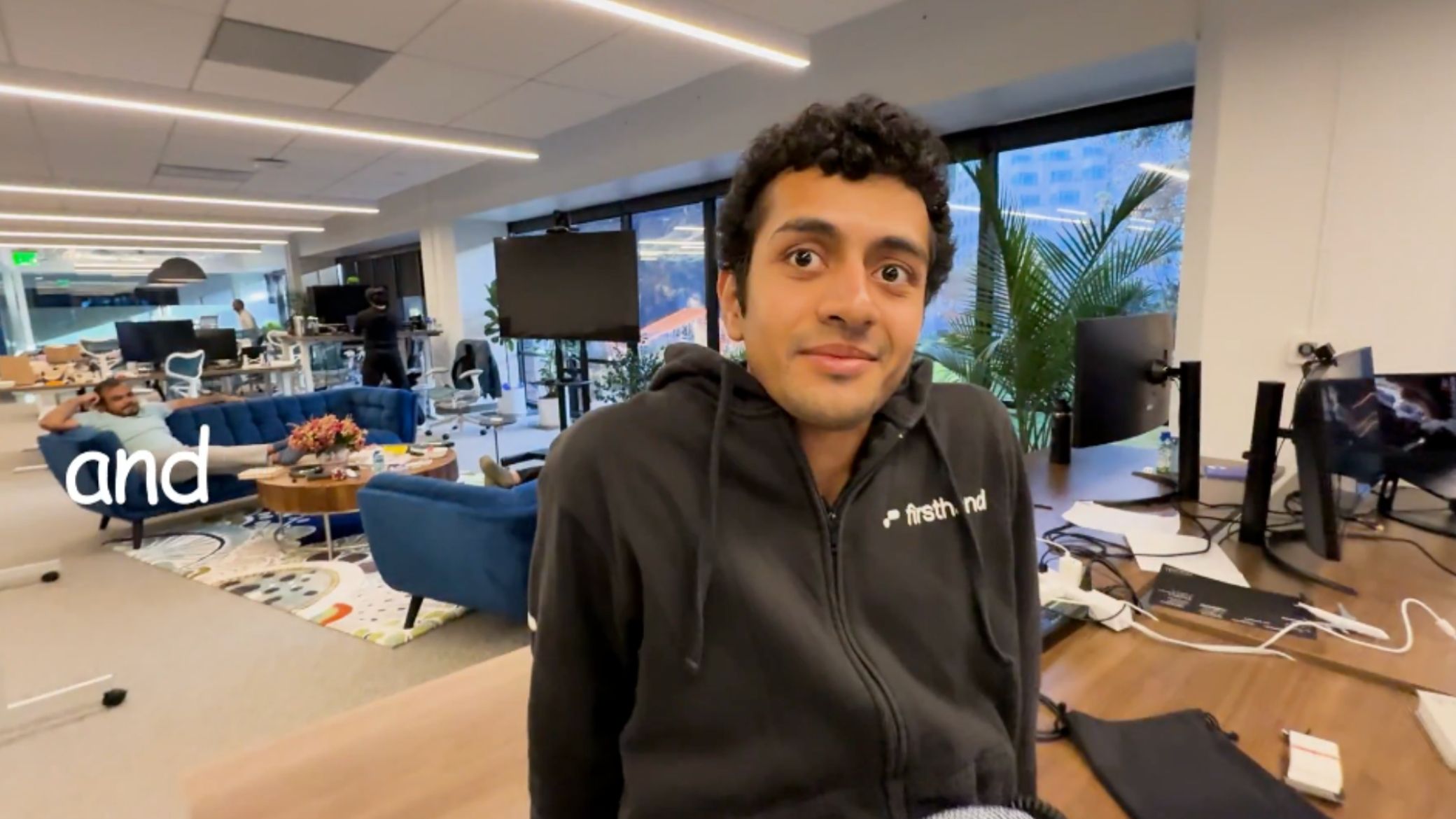
    Soham Parekh, an India-based software engineer, has shocked Silicon Valley after it was revealed that he had been secretly working for multiple startups simultaneously for several years.

    Once the truth came to light, all of his employers promptly fired him.

    It was Suhail Doshi, CEO of image generation startup Playground AI, who warned other companies on X about Parekh’s scheme. Doshi wrote, “There’s a guy named Soham Parekh who works at 3-4 startups at the same time. He’s been preying on YC companies and more. Beware.”

    His post went viral, receiving nearly 20 million views and prompting other founders to share similar experiences.

    Flo Crivello, CEO of Lindy, said he had recently hired Parekh but fired him after seeing Doshi’s post. Matt Parkhurst, CEO of Antimetal, revealed that Parekh was their first engineering hire in 2022 and that they also fired him after discovering he was moonlighting. Sync Labs and other Y Combinator-backed startups, including Pally AI and Mosaic, also had run-ins with Parekh.

    Despite the deception, many CEOs admitted that Parekh was an impressive candidate and excelled in technical interviews. At Reworkd, he was among the top performers but raised suspicions when it turned out he was based in India, not the US as he had claimed. Some founders said his GitHub activity and job history often didn’t add up.

    In an interview on the Technology Business Programming Network, Parekh admitted he had been juggling multiple jobs since 2022. He claimed he did all the work himself without using AI or junior engineers, sometimes working up to 140 hours a week. Parekh said he took on so many roles because he was in “financial jeopardy” and had deferred his plans for graduate school.

    When asked why he didn’t negotiate a better salary instead of secretly working several jobs, Parekh said he preferred to keep his professional and personal lives separate. He admitted he is not proud of what he did and doesn’t recommend it.

    Meanwhile, social media users have been quick to weigh in on the situation, with reactions ranging from criticism to begrudging admiration.

    One user wrote, “You just made Soham superstar of the year!” Another said, “How does he keep getting hired?” Others joked, “Come on man. Leave Soham jobs for the rest of us” and “I’m actually impressed he gets hired so much, he must be amazing at interviews!”

    Some people are calling Parekh a scammer and a liar, but true to Silicon Valley style, he seems to be trying to turn his sudden fame into a business opportunity.

  • Elon Musk calls hashtags ‘esthetic nightmare,’ removes them from ads

    Elon Musk calls hashtags ‘esthetic nightmare,’ removes them from ads

    Hashtags will no longer be allowed in paid advertisements on X (formerly known as Twitter), Elon Musk said on Thursday.

    In an early Thursday post, Musk labeled hashtags in ads as an “esthetic nightmare” and declared they would be banned, continuing his attempts to transform the platform since acquiring it in 2022.

    Musk has previously voiced his disapproval of hashtags in December 2024, he encouraged users to refrain from using them, asserting that the platform had evolved beyond the necessity of manual tagging. At that time, he mentioned that features like Grok, an AI chatbot from his company xAI, could now categorize and recommend content without relying on hashtags.

    The new ruling pertains exclusively to paid advertisements. Regular users will still retain the ability to utilize hashtags in their posts. However, advertisers must now exclude hashtags from their promotional content.

    Since its introduction in 2007, the hashtag has been an essential element on the platform, enabling users to organize discussions and monitor trends. Over time, it has become a fundamental aspect of digital marketing, frequently employed by advertisers to enhance visibility and engagement.

    Musk’s approach appears to be driven by a shift in how content is discovered on the platform. Under his direction, X is moving away from user-initiated tagging toward algorithm-driven content discovery. This includes advancing posts through automated systems instead of leaning on trending hashtags.

    It is still uncertain how the ban on hashtags in advertisements will affect advertisers. Some marketing experts have leveraged them to connect with larger audiences, particularly during events or trending discussions. 

    The decision is part of a broader series of changes Musk has implemented as part of the rebranding of X. Since taking control, he has significantly restructured integral components of the platform’s identity and functionality, steering it away from its previous form towards a more AI-integrated and visually cohesive product.

  • PTA announces free data, minutes for everyone to celebrate 200 million telecom users

    PTA announces free data, minutes for everyone to celebrate 200 million telecom users

    After crossing 200 million telecom subscribers in Pakistan, the Pakistan Telecommunication Authority (PTA) has announced a special one-day offer for all users.

    Every mobile user in the country will get 2GB of free data and 200 on-net minutes, valid for 24 hours on June 20, 2025. To activate this offer, users can dial *2200# from any network.

    In an official statement, PTA said, “To celebrate surpassing the milestone of 200 million telecom users, PTA and mobile operators will offer users 2GB of data and 200 on-net minutes absolutely free for 24 hours on June 20, 2025. To avail this offer, dial 2200# from any network.”

    According to the latest data, the number of mobile phone users in Pakistan has reached 197.7 million, covering over 80 percent of the population. Broadband users are now 150 million, and fixed-line telephone users stand at 3.75 million.

    To mark this achievement, a special ceremony will be held at the PTA Headquarters in Islamabad, with key figures from the telecom industry, mobile networks, and device makers attending. The event will include discussions on improving connectivity and digital services in Pakistan.

    As part of the celebrations, mobile networks will give free voice and data bundles, and mobile phone companies will contribute 10 to 15 mid-range smartphones for a lucky draw during the event.

  • WhatsApp introduces first major advertising features

    WhatsApp introduces first major advertising features

    WhatsApp announced Monday it will introduce its boldest advertising features yet, marking a significant shift for the messaging platform that has largely remained ad-free since its launch.

    The move is a sensitive one for WhatsApp, whose chief firmly denied a report in 2023 that said the Meta-owned app was exploring advertisements as it sought to boost revenue.

    Unlike Facebook, Instagram, and other social platforms, WhatsApp has maintained minimal advertising since Meta acquired it in 2014.

    Users and regulators have kept a close watch on whether the social media giant would seek to monetize an app that was primarily used to chat with friends and family, and was appreciated for its privacy.

    Until now, the platform’s advertising consisted primarily of WhatsApp Business promotional messages to opted-in customers and some limited Status ad testing in select markets.

    The messaging app has no display ads in chat feeds or conversations.

    The company said it will roll out three new monetization features exclusively within its Updates tab, which houses both Channels and Status features used by 1.5 billion people daily and became widely available last year.

    The company stressed that users who only use WhatsApp for personal messaging will see no changes to their experience, as all new features are confined to the separate Updates tab.

    “We’ve been talking about our plans to build a business that does not interrupt your personal chats for years and we believe the Updates tab is the right place for these new features to work,” WhatsApp said.

    The new features include paid channel subscriptions, promoted channels in the Discovery directory, and advertisements within Status, WhatsApp’s version of Instagram Stories.

    WhatsApp emphasized that the new advertising features are designed with privacy safeguards.

    “I want to be really clear about one thing: Your personal messages, calls and statuses will remain end-to-end encrypted. This means no one, not even us, can see or hear them, and they cannot be used for ads,” Nikila Srinivasan, vice president of product management at Meta, told reporters.

    The company committed to never selling or sharing phone numbers to advertisers and said personal messages, calls, and group memberships will not influence ad targeting.

    “To show ads in Status or Channels, we’re going to use basic information like your country or city, your device language and your activity in the Updates tab,” Srinivasan said.

    The introduction of advertising represents Meta’s effort to monetize WhatsApp’s massive user base of over two billion monthly active users.

    Industry analysts have long speculated that Meta would eventually bring advertising to WhatsApp given its scale and engagement rates.

    The timeline for these features was not specified in the announcement.

    “They’re going to be rolling out slowly over the next few months, so it might be a while until you see them in your countries,” Srinivasan said.

  • AI company exposed for using 700 Indian engineers instead of real artificial intelligence

    AI company exposed for using 700 Indian engineers instead of real artificial intelligence

    An AI company has been exposed for faking its technology by secretly employing over 700 Indian engineers instead of using actual artificial intelligence. Builder.ai had claimed to use AI to build apps through its virtual assistant, Natasha, and to design, code, and deliver apps in record time using cutting-edge AI.

    The London-based startup gained major attention after Microsoft reportedly invested $455 million, pushing its valuation to a massive $1.5 billion. However, recent reports have revealed that the supposed “neural network” was just a team of human workers doing the job behind the scenes.

    According to Binance, the majority of the work was handled manually by engineers, with only basic software tools being used for clerical tasks. The scam continued for eight years before being exposed in May 2025. Builder.ai soon declared bankruptcy and announced on LinkedIn that it would be “entering into insolvency proceedings.”

    The company wrote, “Despite the tireless efforts of our current team and exploring every possible option, the business has been unable to recover from historic challenges and past decisions that placed significant strain on its financial position.”

    Bloomberg reported that Builder.ai had also partnered with Indian social media startup VerSe to fake its sales numbers. Between 2021 and 2024, both companies billed each other large amounts, even though no real services were provided.

    VerSe strongly denied the accusations. Co-founder Umang Bedi told Bloomberg, “We’re not the kind of company that is in the business of inflating revenues,” calling the claims “baseless and false.”

    As the story went viral on social media, another company, Builder.io, got caught in the drama due to a similar name. Builder.io, which also works with AI-powered app development, had to clarify online that they have no connection to the now-bankrupt Builder.ai, and their hilarious response is getting a lot of attention online.