Blog

  • Pamaal: after losing everything, will Malika finally find herself?

    Pamaal: after losing everything, will Malika finally find herself?

    Episode 15 and 16 of Pamaal are the beginning of the revival of Malika (Saba Qamar), however slow it might seem. In these two episodes, we see how completely she has lost herself in the roles of wife and mother. Emotionally controlled and abused, she no longer recognises her own power that she held in the beginning of the show, before she met Raza (Usman Mukhtar). Although, she is going through a tough time, you cannot help but mourn how lost she now is, how sad you feel when she tells Raza that she wished she knew how to drive so her daughter didn’t have to take the school van, how happy and relieved she is when Raza comes home from jail on bail. You can’t help but hate the fact that he has been released because he is the impediment, the reason why she cannot own herself in the way we know she will and well, it feels like its taking too long. 


    Malika realises how she is helpless. No money, no job, no ability to rely on herself, she turns to others for help. Raza’s brother and wife do not help, despite Raza’s conviction that his brother would not leave him and the only ones that support the couple and their daughter are Malika’s mamoo and mother. As a fellow inmate in jail tells Raza, it’s the bad times that determine who is with you and who isn’t and in Malika’s case, it’s her own family that has always been there for her marriage – not necessarily for her in particular (remember when her mother was shattered that Malika might get divorced). 


    Maybe that was the turning point for the heroine of this show: when her mother made her realise that she might be nothing without her husband – and in episode 16 that’s exactly what she says to the man who has brought her to the time in her life where she literally has nothing.


    In terms of society, it also makes you realise that a woman, who is controlled by a man or her and his family, will only discover herself and her own worth when she is pushed in a corner – when nothing can be worse, when she’s at the bottom of the pit. Only then can she pull herself up and become who she was born to be – a woman for herself and herself first and then others.

    When she can rely only on herself.


    Thankfully, we know Malika makes it through and she rises to the top all on her own accord. Otherwise, the drama would be the sad life that many women lead until they are old. The concept of community above all and not individual, a classic in this case that the woman must sacrifice herself and when times get tough, she has to ask others to help her. 


    The beauty of Pamaal is that it doesn’t care what you think. It is enraptured and entrenched in Malika’s story, it doesn’t push itself just because the viewer wants it to, and it will show you really, really, how hard it is for a woman to find herself after she’s been lost. Saba Qamar’s stellar performance will always keep you guessing to the point that you want to yell at the scream that hello, it’s time to learn to drive, time to get a job, time to take care of yourself, make something of yourself, and really, leave this guy. 


    We wait for that moment and until it comes, we suffer with her because every woman knows how hard it is to put herself first. 
  • Fazl questions child protection laws as Pakistan battles 19 million child marriages

    Fazl questions child protection laws as Pakistan battles 19 million child marriages

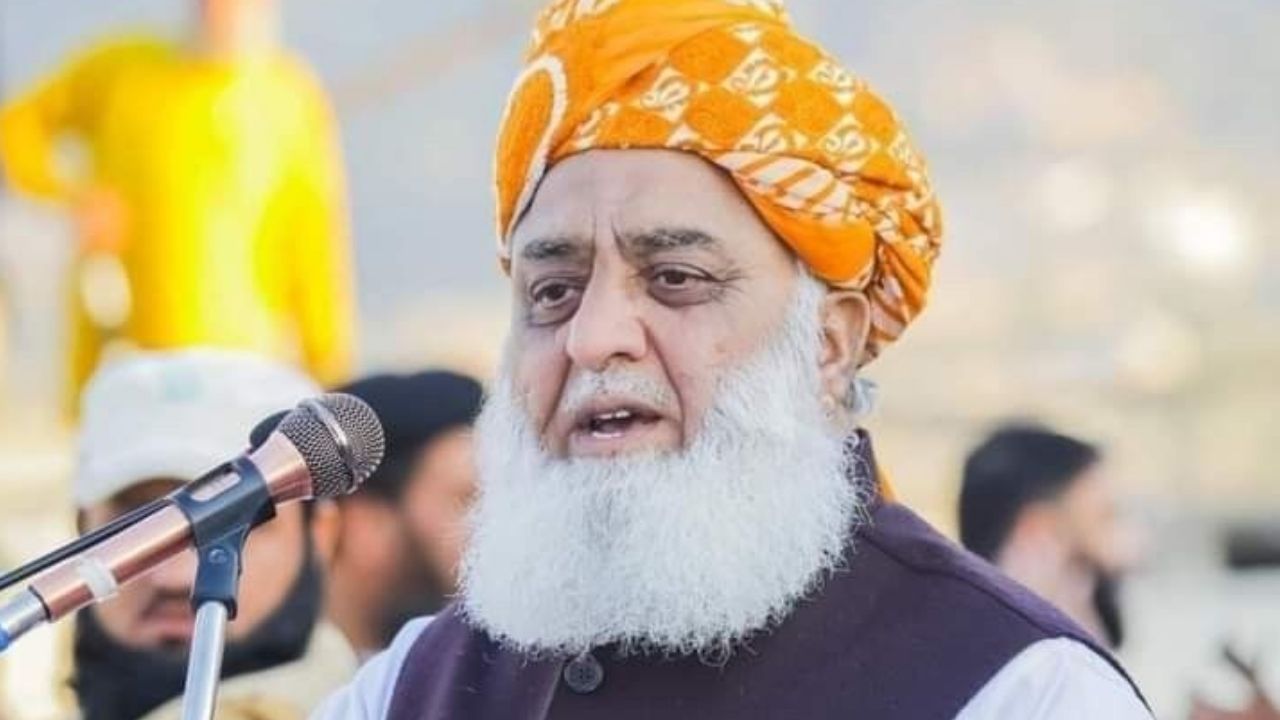
    Jamiat Ulema-i-Islam-Fazl (JUI-F) chief Maulana Fazlur Rehman on Tuesday strongly opposed recent legislation aimed at protecting children from child marriages and safeguarding the rights of the transgender community.

    On November 13, the National Assembly passed a bill, awaiting Senate approval, to protect people against domestic violence in Islamabad. 

    A day later, the Balochistan Assembly adopted a bill to ban child marriages with a majority, despite protests by opposition lawmakers, including JUI-F’s Younis Zehri.

    In September, Balochistan cabinet approved the province’s first-ever transgender policy to ensure social and economic inclusion for the community.

    Addressing the media in Islamabad, Fazlur Rehman said, “Some legislation has been enacted regarding the marriage of children below the age of 18 years, regarding transgenders, and regarding domestic violence.”

    Speaking about child marriages, Fazl questioned labeling those under 18 as “na-baaligh” (minors), asking which sect’s Islamic laws states this. 

    He questioned, “Strengthening the law to the point that if a marriage or nikkah is done before 18, it will be called sexual abuse and will be interpreted as rape, and a punishment will be given accordingly?”

    He also criticised the Protection of Women Bill 2006, introduced during Gen Pervez Musharraf’s rule to amend the widely criticised Hudood laws.

    Fazl said, “The PPP had voted in favour of that bill, and today as well, hindrances were being created in the way of permitted nikkah.” The PPP is currently in power in Balochistan, where the recent anti-child marriage bill and transgender policy were introduced.

    Fazl described it as a “weird point” and a “joke” that although child marriages would be considered rape, a child born out of it would remain legitimate. “And the father will be bound to pay for its expenses,” he added.

    Regarding the transgender legislation, he questioned the justification for individuals born as a “complete male or a complete female” being allowed to change their gender. 

    “Perhaps, they do not even have as much freedom in the West as we have given them here in the Islamic Republic of Pakistan,” he said.

    Fazl said he did not “expect” such decisions from the government led by Prime Minister Shehbaz Sharif and his party PML-N. 

    He alleged that the new laws followed an “agenda” of the United Nations and described international rights conventions as “slavery.”

    The Domestic Violence (Prevention and Protection) Bill 2025 aims to establish an effective system of protection, relief, and rehabilitation for women, men, transgender persons, children, and other vulnerable individuals against domestic violence. 

    It provides jail terms ranging from six months to three years and a fine of up to Rs100,000 if the offence does not fall under the Pakistan Penal Code.

    According to the United Nations International Children’s Emergency Fund (UNICEF), Pakistan is home to over 19 million child brides, with nearly one in six young women married before the age of 18.

  • Pakistan raises alarm over ‘Ram Temple’ flag hoisted on Babri Mosque

    Pakistan raises alarm over ‘Ram Temple’ flag hoisted on Babri Mosque

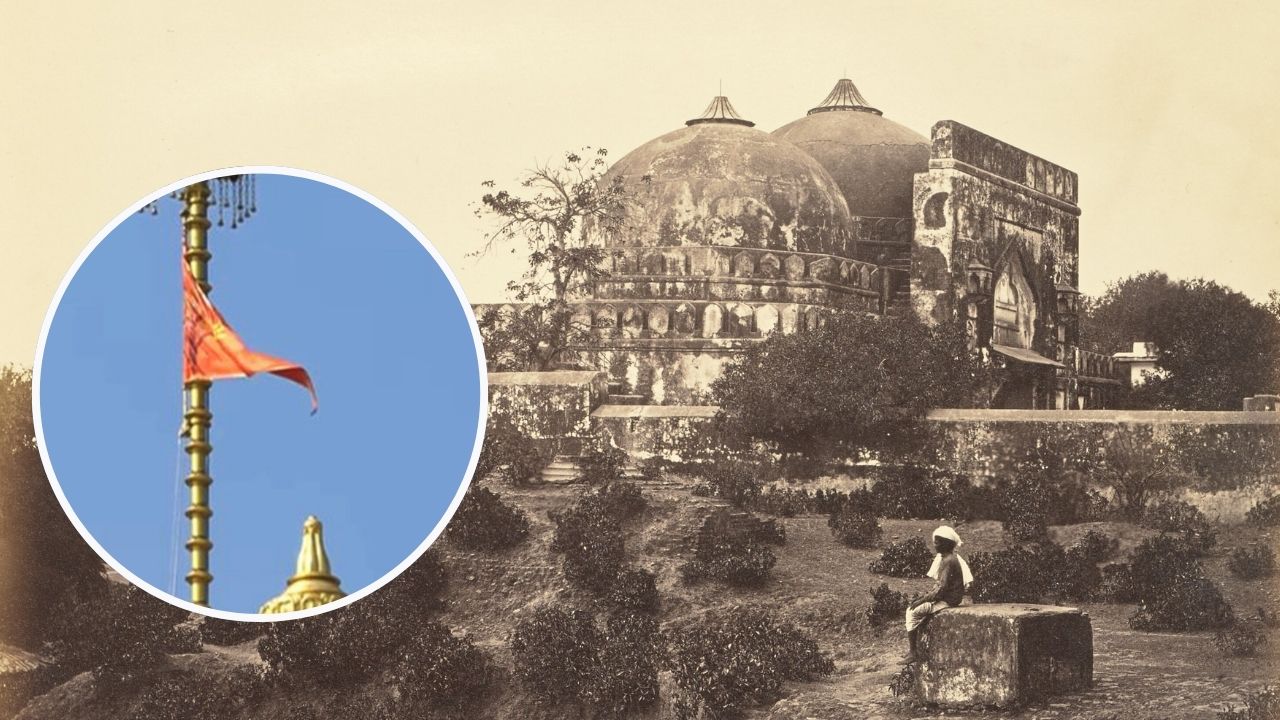
    Pakistan has called on the international community to take notice of rising Islamophobia, hate speech, and attacks motivated by hate in India following the hoisting of a Ram Temple flag at the site of the demolished Babri Mosque. 

    In a statement issued by the Ministry of Foreign Affairs in Islamabad, Spokesperson Tahir Andrabi urged the United Nations and relevant international bodies to play a constructive role in safeguarding Islamic heritage and ensuring the protection of religious and cultural rights of all minorities in India.

    The statement added, “We also urge the Government of India to uphold its responsibilities by ensuring the security of all religious communities, including Muslims, and by protecting their places of worship in accordance with international human rights obligations.”

    The statement expressed Pakistan’s deep concern over the flag hoisting at the so-called “Ram Temple” constructed on the site of the historic Babri Mosque in Ayodhya. 

    It noted, “The Babri Mosque, a centuries-old place of worship, was demolished on 6 December 1992 by extremist mobs inspired by fascist ideologies, and subsequent judicial processes in India, which acquitted those responsible and permitted construction of a temple on the demolished mosque’s site, speak volumes about the Indian state’s discriminatory approach towards minorities.”

    The Foreign Office further highlighted that this incident reflects a broader pattern of pressure on religious minorities in India and deliberate attempts to erode Muslim cultural and religious heritage under the influence of majoritarian Hindutva ideology.

    It also noted that numerous other historic mosques now face similar threats of desecration or demolition, while Indian Muslims continue to experience growing social, economic, and political marginalization.

  • South Africa thrash India by 408 runs at home to win Test series after 25 years

    South Africa thrash India by 408 runs at home to win Test series after 25 years

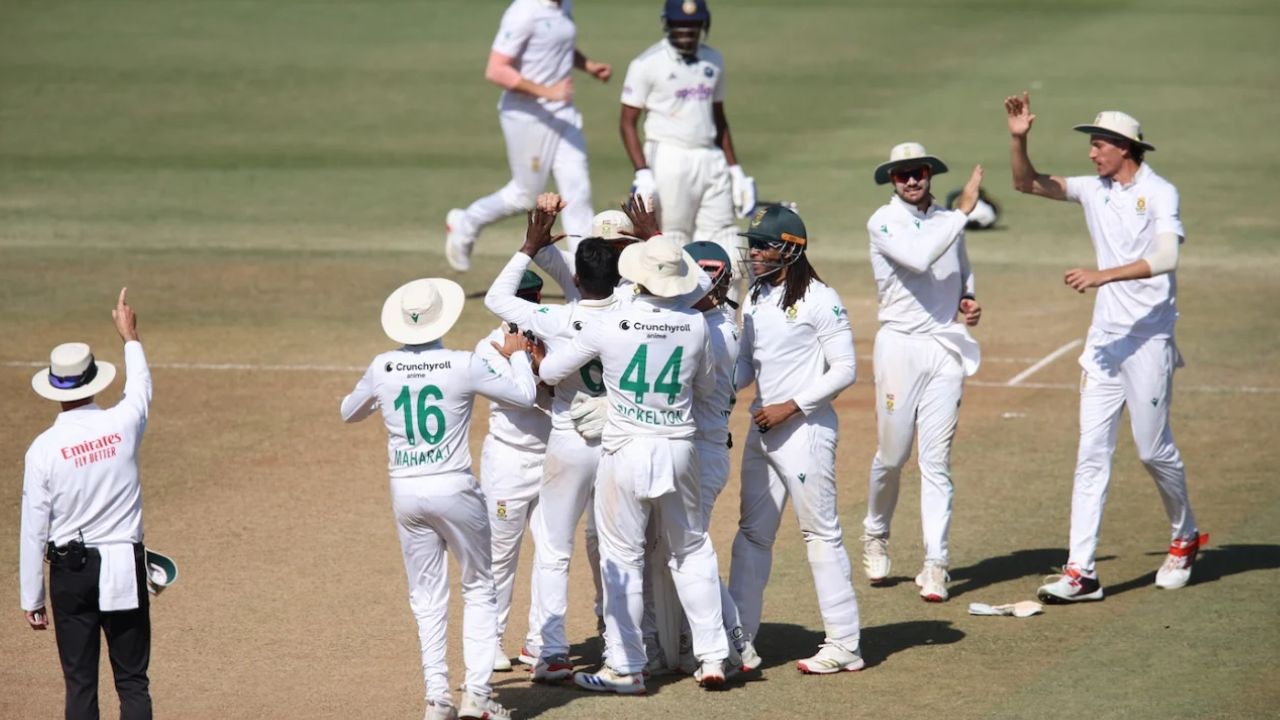
    South Africa defeated India by a massive 408 runs in the second Test in Guwahati, sealing a historic series sweep and handing the hosts their heaviest home defeat by runs.

    The victory marks South Africa’s first Test series win on Indian soil since 2000, ending a 25-year wait.

    The visiting team won the toss and chose to bat first, scoring 489 runs in their opening innings. India struggled in response, managing only 201 runs and falling behind by 288 runs.

    South Africa started their second innings with a commanding lead and scored 260 for the loss of five wickets before declaring. India, set a target of 549 runs, collapsed for 140 runs in their second innings, with only Ravindra Jadeja offering meaningful resistance, scoring 54.

    Simon Harmer ran through India’s batting lineup on the final day, taking 6 wickets for 37 runs. This marked his first five-wicket haul in India after falling just short on four previous attempts, finishing with 16 wickets in the series. Harmer struck early, removing Kuldeep Yadav and Dhruv Jurel in the same over to reduce India to 42 for 4. Rishabh Pant was dismissed when a defensive push off Harmer kicked up from the rough and looped to slip fielder Aiden Markram.

    Sai Sudharsan fought hard, facing 139 balls, but fell to Senuran Muthusamy, caught by Markram, giving him the most catches (surpassing Ajinkya Rahane) in a Test match. Harmer added one more wicket before Nitish Reddy gloved an attempted reverse sweep, while Keshav Maharaj closed out the innings with the final two dismissals. Player of the Match Marco Jansen capped off the series with a sensational running catch from mid-on.

    South Africa’s dominance in the series comes after their earlier World Test Championship win this year and extends India’s recent poor home form, leaving them with five defeats in their last seven home Tests after going unbeaten in 12 series over 12 years.

    Brief scores: South Africa 489 & 260/5 decl. defeated India 201 & 140 (Ravindra Jadeja 54; Simon Harmer 6-37) by 408 runs.

    Earlier, in the first Test at Eden Gardens, South Africa had won by a narrow 30 runs on the third day.

  • Armenia suspends purchase of India’s Tejas after Dubai air show crash: Reports

    Armenia suspends purchase of India’s Tejas after Dubai air show crash: Reports

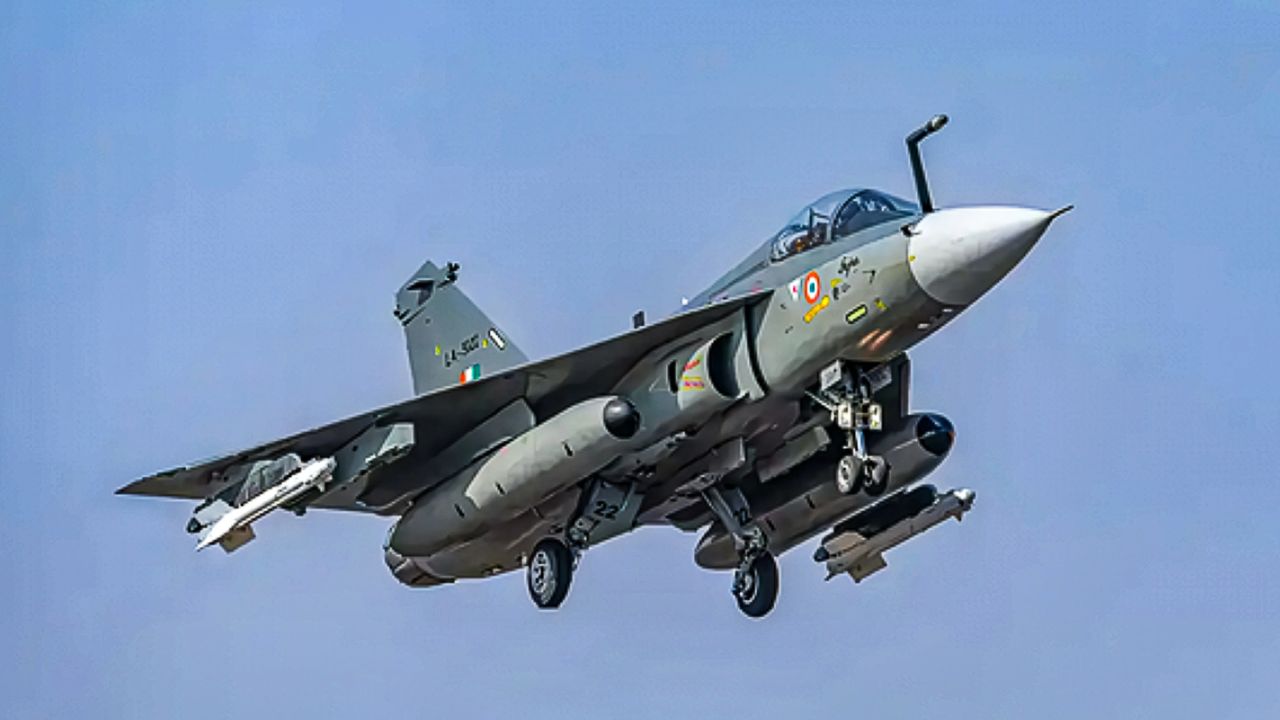
    Armenia has suspended its plans to purchase India’s Tejas fighter jets following the aircraft’s crash at the Dubai Air Show, multiple media reports have stated.

    According to reports, Armenia and the Indian government, along with aircraft manufacturer Hindustan Aeronautics Limited (HAL), were negotiating a deal worth $1.2 billion for 12 jets. If finalized, it would have marked the first major export of the Tejas fighter jet.

    The crash, which occurred on November 21 at the Dubai Air Show, claimed the life of the pilot, Wing Commander Namansh Sial. The cause of the accident has not yet been confirmed, with officials investigating whether it was due to a technical malfunction or pilot error.

    The Tejas jet was developed to replace the aging fleet of Indian MiG-21s, which were recently grounded. So far, the Indian Air Force has received 40 aircraft from the first production run. Production of 97 units of an advanced version, called the A1 Tejas, has now begun. This upgraded version includes improvements to bring the aircraft in line with Western fighter jets, largely due to Israeli systems integrated into the design.

    The A1 Tejas will feature AESA radar technology and an electronic warfare system manufactured by Elta of Israel Aerospace Industries. Pilots will also have access to the new generation of Elbit’s helmet-mounted sight. The aircraft will be armed with Rafael-manufactured Derby radar-guided missiles.

    Reports indicate that Armenia’s decision to halt the purchase could cause losses worth tens of millions of dollars for Israel Aerospace Industries, which supplied many of these advanced systems.

    The crash and its aftermath drew criticism from international participants at the air show. Major Taylor Hiester, commander of the US Air Force F-16 Viper Team aerobatic team, expressed shock on his Instagram account over the accident and the decision to continue aerobatic displays. Out of respect for Wing Commander Sial and his family, the team canceled its final performance at the event.

  • Indians unhappy with South Africa coach for saying they wanted India to ‘grovel’

    Indians unhappy with South Africa coach for saying they wanted India to ‘grovel’

    Indian cricket fans and former players had strong reactions after South Africa head coach Shukri Conrad said he wanted to make India “grovel” following the fourth day of the second Test in Guwahati.

    Conrad passed the remarks at the post-play press conference when asked why South Africa batted for nearly 80 overs despite having a sizeable lead. 

    He said, “We wanted India to spend as much time on their feet out in the field. We wanted them to really grovel, to steal a phrase, bat them completely out of the game and then say to them, we’ll come and survive on the last day and an hour this evening.”

    The word “grovel,” which historically carries strong connotations, drew backlash. 

    Conrad noted that he was “stealing a phrase” from a famous comment by late England captain Tony Greig before the 1976 series against Clive Lloyd’s West Indies. Greig had used the term in reference to the Caribbean players, linking it to the painful history of slavery and apartheid.

    Former India wicketkeeper Parthiv Patel criticized Conrad, saying, “Maybe the South African coach does not know the weight of the word. But I don’t think so. There was a smirk on his face when he said it. There is no doubt that it was disrespectful. As the Indian team, all you do is tell them they played well, but there was no need to use such words. I think we will see an apology from Conrad.”

    Indian cricket commentator Akash Chopra also weighed in, tweeting, “‘We wanted to make India grovel’. South African coach after Day 4. I hope everyone in the Indian dressing room has been made to understand the meaning and history of this phrase in cricket.”

    Senior sports journalist Vikrant Gupta added, “South Africa, the land of Nelson Mandela and Mahatma Gandhi, suffered so much due to apartheid. A South African should be the last one to say, ‘We wanted them to grovel.’ Maybe Mr Conrad did not intend the racial undertone, but it is surprising.”

    South Africa has defeated India by a massive 408 runs in the second Test in Guwahati, handing the hosts a heavy defeat on the fifth day of the match.

    Earlier, in the first Test played at Eden Gardens, South Africa had secured a narrow 30-run win on the third day.

  • Greta Thunberg temporarily banned from Venice for turning water lime green

    Greta Thunberg temporarily banned from Venice for turning water lime green

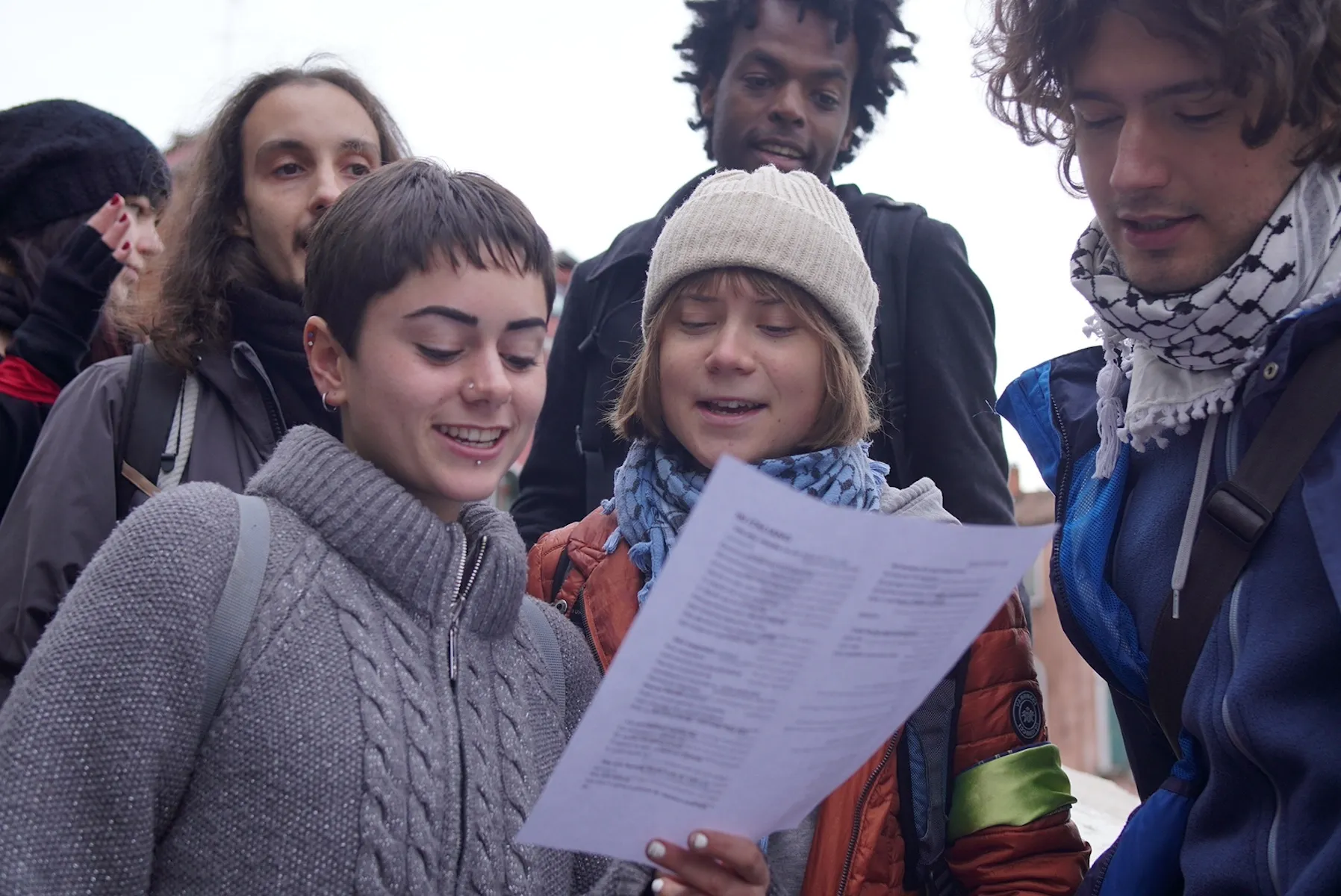
    Activist Greta Thunberg was temporarily banned from the city of Venice, Italy, after she and three dozen members of an environmentalist group called  ‘Extinction Rebellion’ turned Venice’s Grand Canal lime green on Monday.

    The group did this to protest and create awareness for the little progress world governments have made to stop using fossil fuels. 

    The non-toxic fluorescent dye turned the canal water green and was one of many protests the group has done in 10 cities throughout Italy. 

    In addition to dyeing the water green, Thunberg and her team held a banner that read “Stop Ecocide” from the famous Rialto Bridge. The group wore striking red clothing with veils on their faces, in a ‘mock funeral’ mourning the lack of action by governments around the world. 

    “Let’s symbolically paint green the waters of Italy, many contaminated daily by industries supported by our own government, because this is the world toward which current climate policies are dragging us,” read a statement by an Extinction Rebellion activist.

    Thunberg and 35 other activists received a 48-hour ban from the famous Italian city and a $174 fine, for the act, with the governor of the region, Luca Zaia, stating that the way the protest was done was, “a disrespectful act towards our city, its history and its fragility.”

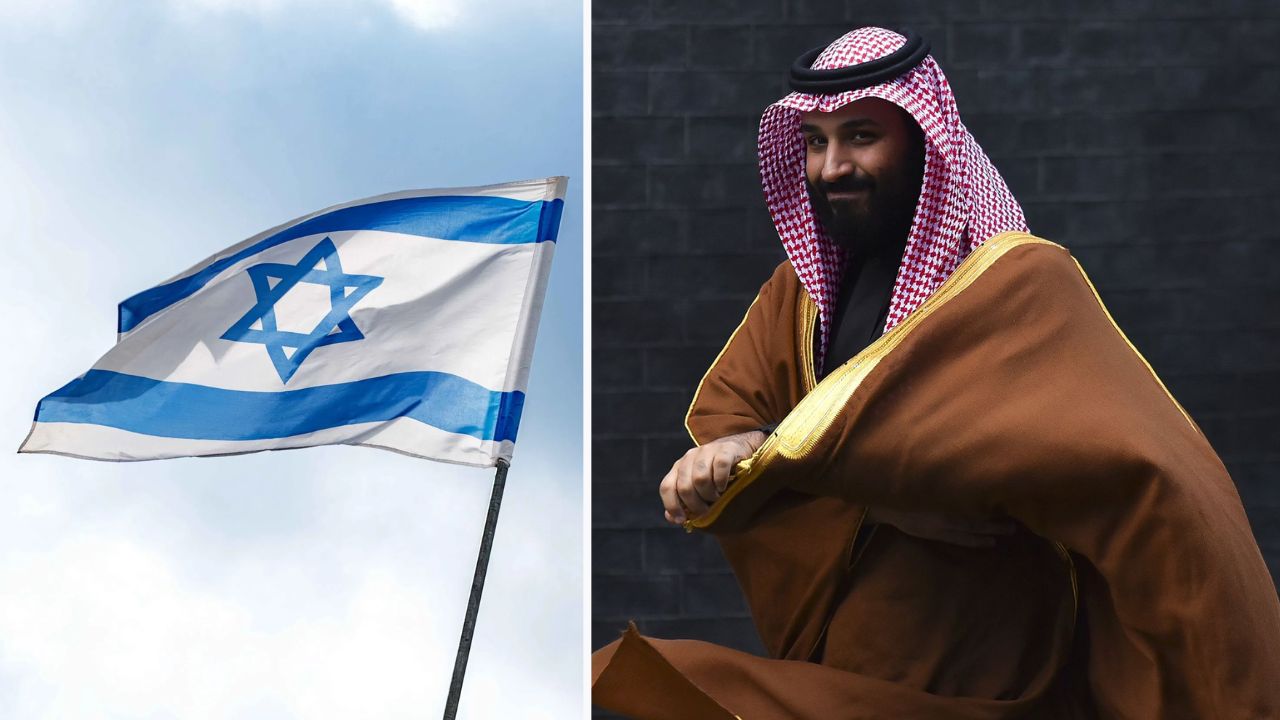
  • MBS refuses to recognise Israel, angering Trump in meeting

    MBS refuses to recognise Israel, angering Trump in meeting

    A meeting between President Trump and Saudi Crown Prince Mohammed bin Salman (MBS) last week turned tense when the discussion moved to the desert Kingdom joining the Abraham Accords and normalising relations with Israel, two U.S. officials have confirmed to a media outlet. 

    President Trump had hoped his meeting with MBS would lead to a breakthrough toward Saudi-Israeli normalisation since the genocide in Gaza on ‘temporary hold with a ceasefire’, a source had told the outlet. 


     Trump was disappointed that MBS did not agree to normalising relations with Israel despite being told by White House officials that the President expected “progress” on Abraham Accords.

    During the Nov. 18 meeting, Trump raised the issue and pressed hard for MBS to join the Abraham Accords, a pact that started in 2020 and involved normalising relations between Israel and several key Arab nations. This had become a major diplomatic victory for Trump’s first tenure. 

    When Israel came up, the conversation became tense, officials say. MBS pushed back, explaining to Trump that although he wants to do move forward with normalisation with Israel, he couldn’t do so now because Saudi public opinion is highly anti-Israel in the aftermath of the genocide in Gaza. He said Saudi society isn’t ready for such a move. 

    Trump and MBS were civil but the conversation was tough, the outlet reported.

    “The best way to say, it is disappointment and irritation. The president really wants them to join the Abraham Accord. He tried very hard to talk him. It was an honest discussion. But MBS is a strong man. He stood his ground,” the source said.


    MBS demanded that in return for a peace deal with Saudi Arabia, Israel should agree to “an irreversible, credible and time-bound path” for a Palestinian state. MBS also made that clear publicly, after the meeting.

    “MBS never said no to normalisation. The door is open for doing it later. But the two-state solution is an issue,” a U.S. official said.

    “Now that Iran’s nuclear program has been totally obliterated and the war in Gaza has ended, it is very important to President Trump that all Middle Eastern countries join the Abraham Accords, which will advance peace in the region,” one White House official said.

     
    During the meeting with the press last week, Trump told MBS he will supply Saudi Arabia with the same advanced model of the F-35 fighter jets that Israel has, despite pushback from the Israelis.

    But a day later, Secretary of State Marco Rubio spoke with Israeli Prime Minister Benjamin Netanyahu and assured him that wasn’t the case. U.S. and Israeli officials told the news outlet that Rubio told Netanyahu the Saudis will get a downgraded version of the F-35.


    Rubio, the officials said, will have talks with Israel to make sure the F-35 deal with Saudi Arabia doesn’t undermine the Israel Defense Forces’ qualitative military edge (QME), which is a commitment set in U.S. law.


    “We told the Israelis we are committed to the QME and we are not going to violate it,” a U.S. official said.

  • Social media erupts in anger after Karachi Dolmen Mall doesn’t let autistic child enter play area

    Social media erupts in anger after Karachi Dolmen Mall doesn’t let autistic child enter play area

    A video circulating on social media, showing a woman claiming that the management of Karachi’s Dolmen Mall prevented her special-needs child from entering the play area, has gone viral. 

    According to the mother, her 9-year-old son has autism, but the play area enforces an age restriction for children above five years.

    “The staff not only treated me poorly but also refused to refund the ticket,” the woman said in the video, adding, “I cannot leave my son alone in the bigger play area to avoid disturbing other children,” yet the management declined to cooperate.

    Expressing her frustration, she said, “My child is not going there to create chaos.”

    She emphasized the need for authorities to take notice, pointing out that “there are neither public parks suitable for special-needs children nor inclusive facilities in malls.”

    “If we cannot take our children there, where else can we go?” she asked.

    Social media users were outraged. One user wrote, “Ya Allah, may this child be granted complete healing.” Another commented, “Heartbreaking, very unfortunate.” Others added, “It breaks my heart to see this. I am sorry, ma’am, you had to go through this,” and “This is just so sad. That is so unfair.”

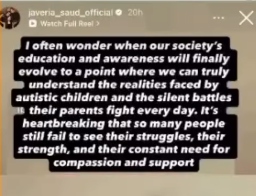
    Actress Javeria Saud also reacted to the incident. She wrote, “I often wonder when our society’s education and awareness will finally evolve to a point where we can truly understand the realities faced by autistic children and the silent battles their parents fight every day.” 

    “Its heartbreaking that so many people still fail to see their struggles, their strength, and their constant need for compassion and support,” she added.

    Autism Spectrum Disorder, or ASD, is a lifelong condition that affects a person’s ability to communicate and interact with others. The severity varies from individual to individual, with some experiencing mild challenges and others facing significant difficulties.

    According to the World Health Organization, roughly one in every 127 people worldwide has autism. Studies show that ASD is diagnosed more frequently in boys than in girls, although exact numbers vary by region and awareness.

  • Karachi pays over Rs71 crore in fines in first 30 days of e-challan system

    Karachi pays over Rs71 crore in fines in first 30 days of e-challan system

    Karachi completed its first 30 days of the e-challan system with the city’s traffic police issuing more than 93000 challans for different violations during this period.

    According to news reports, cameras identified most violations related to seat belts. Officers issued 57,541 challans to drivers who did not wear seat belts. Motorcyclists received 22,227 challans for riding without helmets.

    Tracker fitted dumpers, trailers and water tankers received 1,188 challans for speeding, while other vehicles received 2,699 challans for the same offence.

    Traffic police also issued 3,102 challans for signal violations.

    The report added that 1,278 vehicles used fancy number plates and 1,178 vehicles had tinted windows. 

    Officers issued 611 challans for stop line violations and 426 challans for driving in the wrong direction.

     Drivers who ignored seat belts paid a total fine of 57 crore 54 lakh and 10 thousand rupees. Motorcyclists without helmets paid 11 crore 11 lakh and 35 thousand rupees in fines. 

    Vehicles with tinted windows paid 2 crore 94 lakh and 50 thousand rupees in fines.