Blog

  • US tells American women ‘not to travel alone’ in India

    US tells American women ‘not to travel alone’ in India

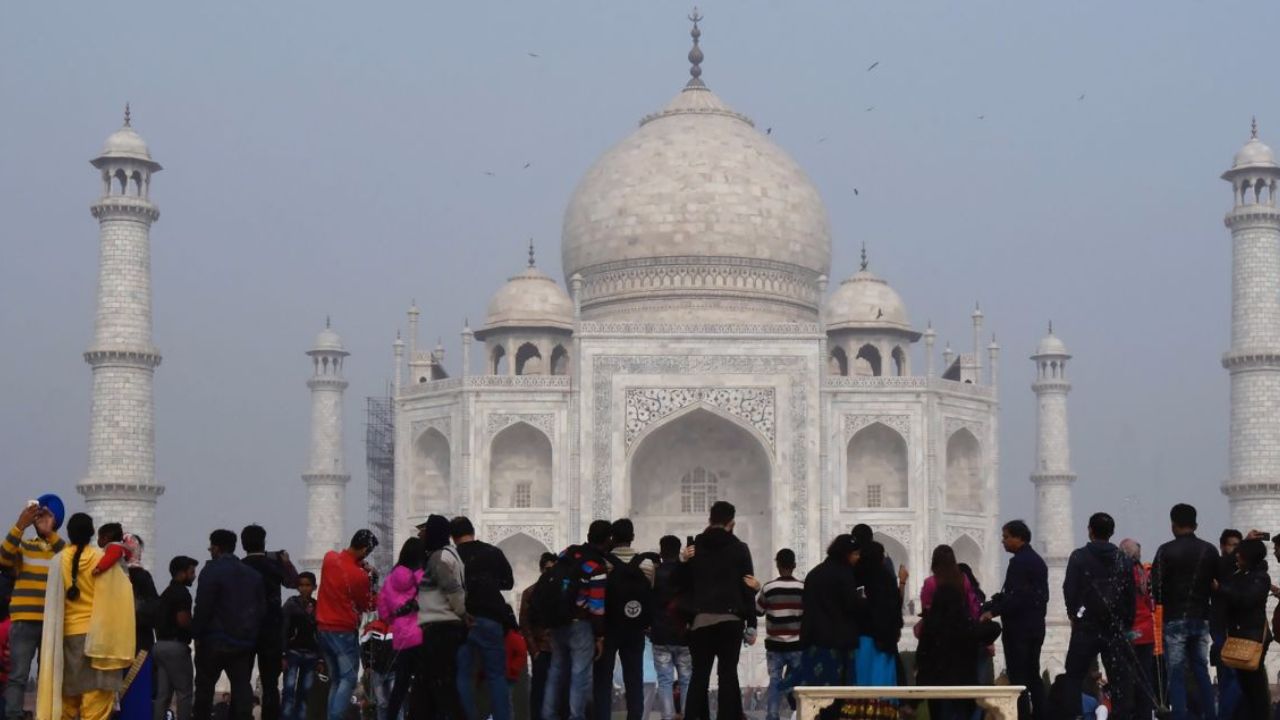
    The US State Department has recently updated a travel advisory for India, urging travellers to “exercise increased caution” due to “crime and terrorism”.

    “Rape is one of the fastest-growing crimes in India. Violent crimes, including sexual assault, happen at tourist sites and other locations,” the advisory read.

    Foreigners often face challenges and concerns while visiting India. In a harrowing incident, a 30-year-old French national in Udaipur for an advertisement shoot was allegedly raped earlier this week by a member of an event management firm, according to Indian media reports.

    NDTV quoted Udaipur Superintendent of Police (SP) Yogesh Goyal as saying, “On Sunday evening, some French tourists were at a restaurant called Greek Farm with some employees of an event management company. They had a meal together and also consumed drinks. The survivor has said that she went in the car with one Siddharth (also known as Pushparaj Ojha), who then took her to his hotel room and sexually assaulted her.”

    The travel advisory said that terrorists may attack with little or no warning, adding, “They target tourist locations, transportation hubs, markets/shopping malls, and government facilities.”

    “The US government has limited ability to provide emergency services to US citizens in rural areas. These areas stretch from eastern Maharashtra and northern Telangana through western West Bengal. Due to risks, US government employees working in India must obtain special authorisation to travel to these states,” the advisory said.

    Specifying the do’s and the don’ts, the advisory cautioned its citizens to not carry out a satellite phone or a Global Positioning System (GPS) device in India, as it’s illegal in the country and may result in a penalty of $200,00 or jail time of up to three years, noting, “Do not travel alone especially if you are a woman.”

    “We highly recommend that you buy insurance before you travel. Check with your travel insurance provider about evacuation assistance, medical insurance, and trip cancellation coverage.”

    Indian Illegally Occupied Jammu and Kashmir (IIOKJ) was mentioned for extra caution, as the advisory listed out some spots where US government employees should not travel without prior permission.

    The advisory informed the travellers that violence occurs in tourist spots in “Kashmir Valley: Srinagar, Gulmarg, and Pahalgam”, adding that the Indian government does not allow foreign tourists to visit certain areas along the LOC. 

    It instructed the tourists to not travel to Central and East India due to “terrorism” as Naxalites are active in a large area of India that spans from eastern Maharashtra and northern Telangana through western West Bengal.

    “US government employees working in India also need approval to travel to the eastern region of Maharashtra and the eastern region of Madhya Pradesh. US citizens are advised not to cross the India-Nepal border by land due to the risk of immigration related detention and fines,” it said.

    Regarding Manipur, the advisory further advised the US employee against travelling in the state, saying they must get “prior approval before visiting Manipur”.

  • Pakistan urges US firms to explore untapped mineral wealth

    Pakistan urges US firms to explore untapped mineral wealth

    Federal Minister for Energy Ali Pervaiz Malik called on US companies and firms to tap into Pakistan’s mineral deposits in a bid to increase foreign direct investment (FDI) inflows. According to reports, the aim is to encourage investors to enter into joint ventures and public-private partnerships during the Opportunities in Pakistan’s Mining Sector – Unlocking Mineral Potential webinar.

    Key officials from the Ministry of Energy, SIFC representatives and US diplomats attended the webinar, which was reportedly broadcast from the head office of Oil and Gas Development Company Ltd (OGDCL). The event was held jointly by the US Embassy in Pakistan and the Ministry of Energy. Both parties organised the webinar to boost bilateral economic ties and investment opportunities in the mining sector.

    The Energy Minister outlined Pakistan’s vast deposits of coal, copper, gold, and other rare elements, highlighting the country’s commitment to facilitating investment by international parties seeking to tap into its mineral resources. He outlined how the Special Investment Facilitation Council (SIFC) and the Government of Pakistan would seek to ease the process of investing in the country.

    According to the minister, Pakistan possesses a vast amount of key minerals which can be used to facilitate a green transition. Moreover, he highlighted the federal government’s renewable energy goals as central to both its climate objectives and economic future, adding that the shift toward a green economy will be supported by the mining of essential minerals.

    However, it is unclear how the extraction of non-renewable fuels, such as coal, will be used for a green transition. Nevertheless, leveraging Pakistan’s mineral deposits could bring in much-needed foreign exchange for cash-strapped Pakistan. 

    Reports suggest that the Energy Minister shed light on mineral discoveries in Khyber Pakhtunkhwa’s Waziristan region and Balochistan’s Chaghi district.

    US Chargé d’Affaires Natalie Baker stated it is “the right time for US investors to explore and engage” in Pakistan’s undeveloped mineral deposits. Speaking about the outlook of Pakistan’s mining sector, she remarked that the US sees “great promise in this sector.”

    According to reports, Chargé d’Affaires also pledged the US Embassy’s support in helping American businesses in the region, assuring that the US intend to establish “win-win partnerships.”

  • Karachi domestic worker becomes millionaire after stealing for 15 years

    Karachi domestic worker becomes millionaire after stealing for 15 years

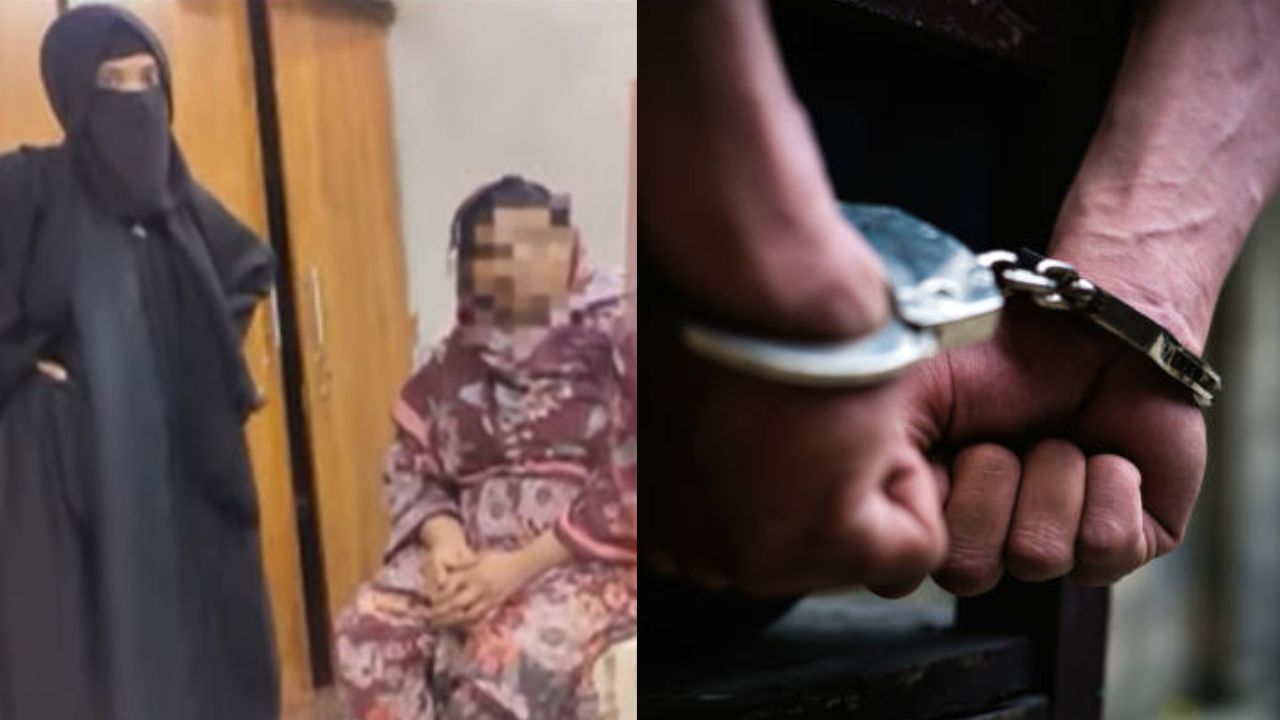
    A domestic worker in Karachi has been arrested for allegedly stealing over Rs50 million from a DHA bungalow and using the money to fund a lavish, millionaire-style lifestyle.

    Shehnaz, who worked in Khayaban-e-Tanzeem, shocked investigators by confessing that she owns five cars, three flats, and a commercial shop. She admitted to living extravagantly, frequently shopping at malls, wearing branded clothes, and spending evenings at upscale cafés after work.

    Police revealed that over a period of 15 years, Shehnaz systematically stole money from a specific room in the house where she worked. With the stolen funds, she purchased vehicles and properties. Many of the cars and flats were later rented out, providing her with regular income.

    She reportedly cruised around the city in a luxury car worth Rs6.5 million and even set up a shop for her son and a co-suspect Asif.

    During a raid, authorities recovered Rs600,000 from her residence and discovered nearly Rs4 million in her bank accounts. Investigations are underway to uncover the full extent of her wealth, including properties possibly hidden in her hometown.

  • Gold prices steady amid easing geopolitical tensions

    Gold prices steady amid easing geopolitical tensions

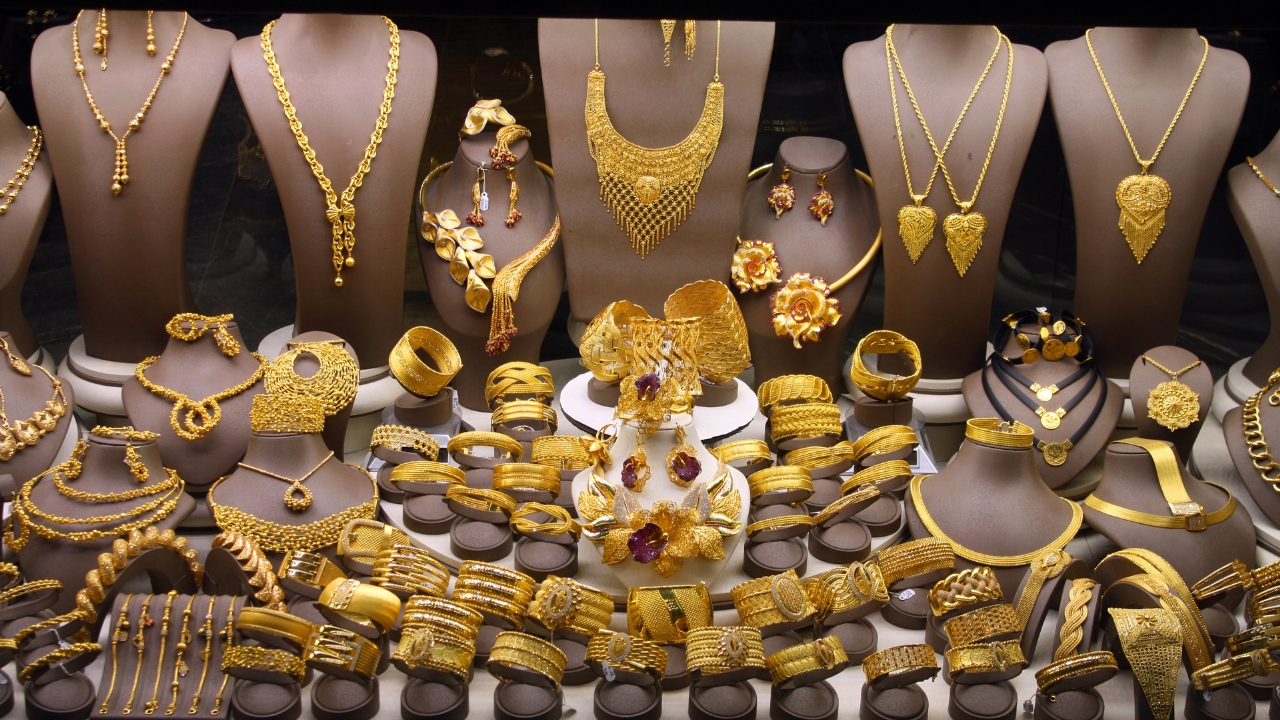
    Mimicking movements in the international market, gold prices in Pakistan held steady on Wednesday. According to reports, easing tensions in the Middle East weakened the yellow metal’s appeal as a safe haven asset.


    Historically, gold has been perceived as a credible store of value and investors typically flock to it during periods of political or economic turmoil. However, with fears surrounding a possible escalation between Iran and Israel now cooling off, both global and domestic prices have stabilized.


    In the domestic market, gold prices registered only a slight increase. According to the All Pakistan Sarafa Gems and Jewellers Association (APSGJA), the price of one tola 24k gold rose by Rs300, bringing the rate to Rs354,665 per tola. The price of 10-gram gold also edged up by Rs258 causing 10-gram rates to settle at Rs304,068. 


    Reports indicate that the rise in gold rates comes after a sharp drop on Tuesday, when prices plunged by Rs3,800 per tola. A director at a reputable commodities institution outlined how international prices on Wednesday fluctuated between a low of $3,311 per troy ounce and a high of $3,337 troy ounce. 


    Moreover, the director highlighted that “the overall sentiment was weak”. Analysts have pointed out how gold may record a further drop if it dips below the $3,290 per troy ounce support level.


    As per reports, the short term outlook for gold has turned bearish, largely due to the reduction in geopolitical risk. However, a minor rebound could be witnessed once the correction levels settle.


    The decline in gold prices came alongside a drop in oil prices, which also responded to easing geopolitical tension. With Israel appearing to accept a ceasefire proposal and no immediate signs of escalation from either belligerent countries, risk premiums on both gold and oil have thinned.


    The 12-day Iran-Israel conflict drove oil prices to a five-month high. Gold prices also experienced a sharp hike following initial strikes on June 12.  The hike in global oil prices detrimentally impacted the global economy, causing capital markets across the region to take a hit, including the Pakistan Stock Exchange (PSX).


    Meanwhile, the Pakistani rupee posted a marginal gain, appreciating by five paisa in the inter-bank market, closing at Rs283.72 against the dollar, compared to Rs283.77 a day earlier. It merits a mention that an appreciation of the rupee causes gold prices to drop as gold prices are denominated in dollars.

  • UAE, Pakistan sign visa exemption agreements to improve bilateral ties

    UAE, Pakistan sign visa exemption agreements to improve bilateral ties

    The UAE and Pakistan signed a Memorandum of Understanding (MoU) on the mutual exemption of entry requirements between the two countries. This applies to holders of diplomatic and official passport holders.

    The agreement came into being as a result of the 12th session of the UAE-Pakistan joint ministerial commission, between Sheikh Abdullah bin Zayed al Nahyan, Deputy Prime Minister UAE and Ishaq Dar, Minister of Foreign Affairs Pakistan. 

    The two leaders discussed bilateral relations and ways to strengthen them to serve mutual interests and prosperity for both citizens of UAE and Pakistan.

    The meeting also witnessed the signing of an MOU regarding the establishment of a joint task force to promote Arab investment in strategic sectors in Pakistan, signed between Muhammad Hassan Al Suwaidi, Minister of Investment UAE, and Tariq Bajwa, Special Assistant to the Prime Minister of Pakistan.

    Another agreement was also signed on artificial intelligence and digital economy by Muhammad Hassan Al Suwaidi and Zarar Hashim Khan, Federal Secretary, Ministry of Information Technology and Telecommunications of Pakistan.

    The UAE side participating in the joint commission was chaired by Ahmed Ali Al Sayegh, with Tariq Bajwa.

    In his speech, Al Sayegh reinforced that the Joint Ministerial Commission meeting reflects the deep rooted partnership between the two nations, built on decades of cooperation and shared vision.

    He extended his appreciation for Ishaq Dar, for his efforts to advance bilateral trade between UAE and Pakistan. He underscored that Pakistan has been a long standing partner of the UAE, with non oil trade exceeding $8.6 billion in 2024.

    He noted that UAE and Pakistan have spent more than 50 years fostering a partnership rooted in mutual trust, respect and shared ideas, highlighting their joint commitment towards a brighter future.

  • TikTok’s latest hoax is a ‘new’ Rs1000 note

    TikTok’s latest hoax is a ‘new’ Rs1000 note

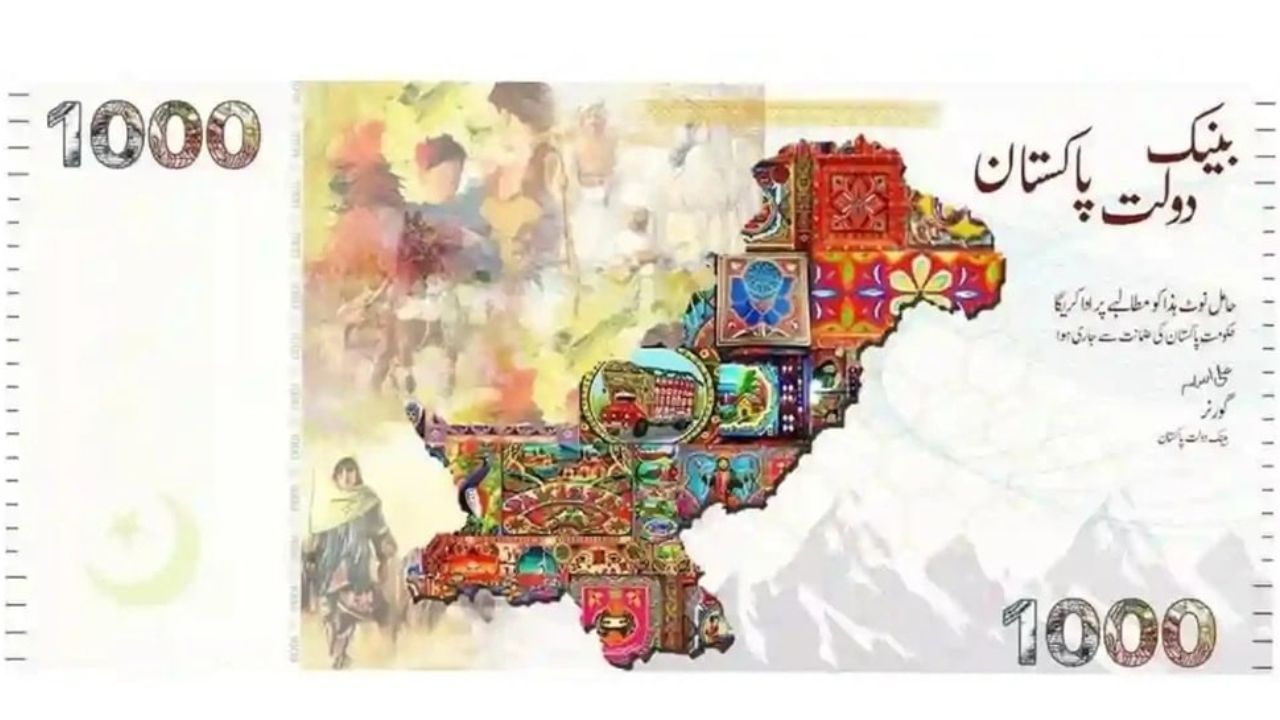
    Tiktok and other social media platforms continue to circulate misleading videos, with the latest example featuring a fake Rs1,000 note.


    Clips showing the alleged redesigned currency note have taken the internet by storm, sparking widespread speculation and confusion. A video featuring the fake note gained over 10 million views in just 24 hours.


    The clips led many users to believe that the State Bank of Pakistan (SBP) has officially issued a new note. 


    Users soon started to question its authenticity, reposting the clip and asking if the note has actually been redesigned.


    Amid growing speculation, a social media user named blogsbyusama stepped forward to clarify that he designed the note for a project in 2024 and that it had nothing to do with the state bank. Despite his admission, the video continued to spread without verification, misleading millions.


    In response, SBP issued a statement saying that if any new note is ever introduced, the public will be informed through official channels. They also urged the country to not rely on unverified information and depend upon official sources for updates related to the national currency of Pakistan.

  • Power, poetry, and secrets: Second teaser of ‘Main Manto Nahi Hoon’ is WILD

    Power, poetry, and secrets: Second teaser of ‘Main Manto Nahi Hoon’ is WILD

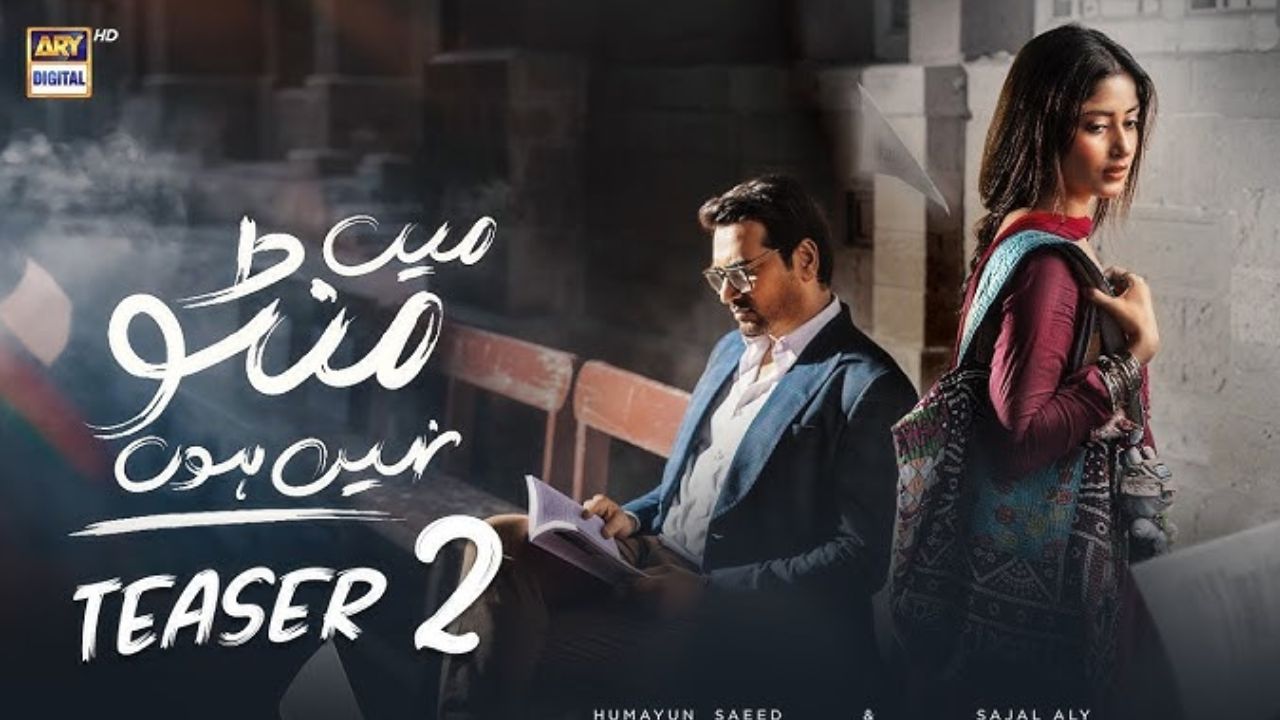
    The second teaser of Main Manto Nahi Hoon has been released and it’s even more powerful and bolder than the first one.

    Humayun Saeed plays a serious and intense professor who seems like a mix of a poet, a rebel, and someone fighting a battle inside. He clearly says, “Main Manto nahi hoon” (I am not Manto), but his words feel like something Manto would say; full of truth, pain, and bravery.

    Sanam Saeed appears strong and graceful, while Sajal Aly only comes on-screen for a few moments but those scenes are enough to leave a deep emotional impact. Asif Raza Mir and Usman Peerzada bring strong energy to the screen, and yes, there’s everything in this drama: secrets, crimes, love, rivalry, and mystery all mixed into one intense story.

    Written by Khalil-ur-Rehman Qamar, the dialogues are deep, poetic, and sometimes even confusing but in a fun way. Some lines make you think, some make you smile, and some make you wonder what just happened.

    The drama isn’t about Saadat Hasan Manto’s life, but it clearly shows the struggle of speaking the truth in a world that doesn’t always want to hear it. It makes you ask: what does it mean to be like Manto in today’s world?

    With stunning visuals, powerful acting, and a strong message, Main Manto Nahi Hoon looks like it will be one of the most talked-about dramas of the year.

    The star cast includes Humayun Saeed, Sajal Aly, Sanam Saeed, Asif Raza Mir, Saima Noor, Azaan Sami Khan, Saba Hamid, and more.

  • ‘Very impressive’: Trump praises Army Chief again

    ‘Very impressive’: Trump praises Army Chief again

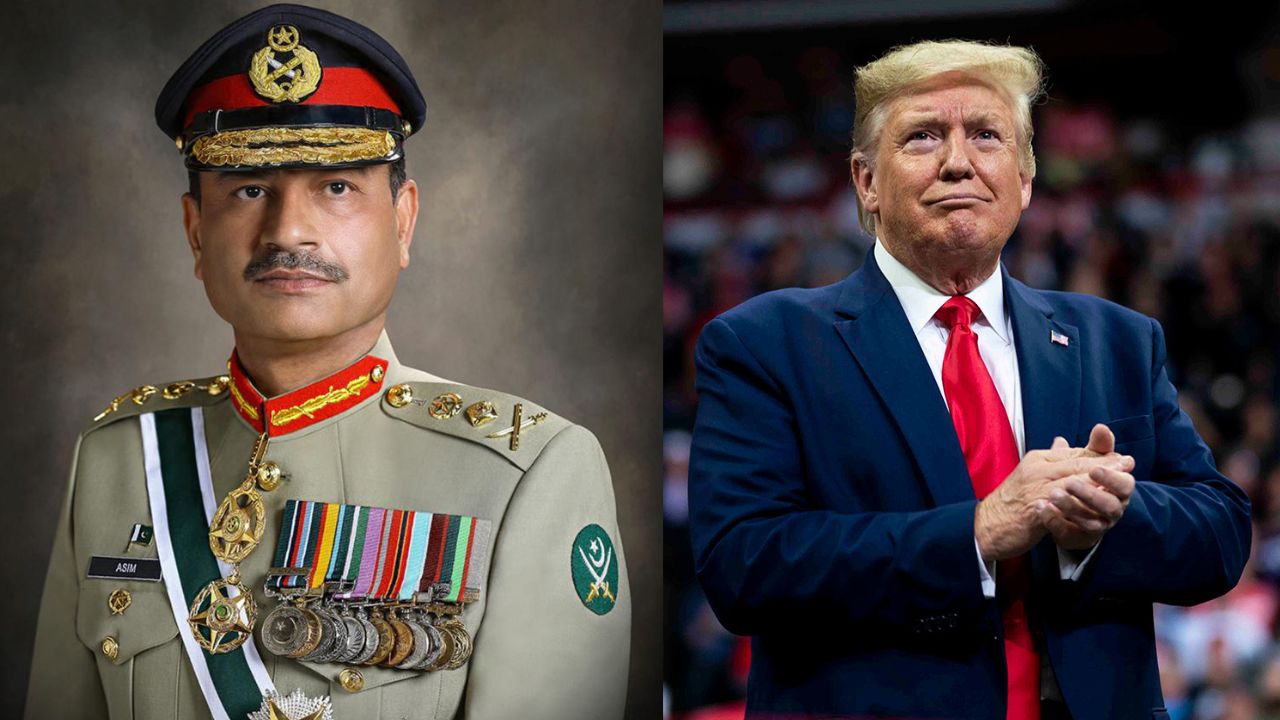
    US President Donald Trump on Wednesday again credited Field Marshal Chief of Army Staff (COAS) General Syed Asim Munir for helping prevent a nuclear conflict with India.

    Speaking at a press conference in The Hague, where the President was attending a NATO summit, President Trump said that he persuaded Islamabad and New Delhi to back down from military strikes by linking peace to trade. 

    Explaining how he helped defuse tensions across the globe from Ukraine to Serbia, President Trump stressed that the “most important” of these conflicts was last month’s face-off between arch-rival India and Pakistan.

    “And that was not whether or not they may someday have nukes, like we are talking about the Middle East, like we are talking about with Israel and Iran. This is, they have nuclear weapons,” he said.

    “I ended that with a series of phone calls on trade. I said, look, if you are going to be fighting each other… It was getting very bad — you know how bad that last attack was. It was very bad. If you are really going to go fighting with each other, we are not going to do any trade. They said, ‘No, no. No, you have to do a trade deal,” the US president said, referring to recent tensions between the two South Asian nuclear-armed neighbours.


    He praised Army Chief Munir in glowing terms. Describing last week’s conversation with him, President Trump said, “In fact, I had the General — he was really very impressive — the general from Pakistan was in my office last week. You know Prime Minister Modi is a great friend of mine. He is a great gentleman. He is a great man. And I got them to reason. I said, ‘We are not doing any trade deal if you are going to be fighting.”


    “And you know what? They [Pakistan-India] said, ‘No, [they] want to do a trade deal.’ And we stopped the nuclear war,” Trump concluded.

    This is the upteenth time Trump has taken credit on record for stopping the clashes between India and Pakistan. 

    Following the conflict between Islamabad and New Delhi in May, the COAS met with President Trump at the White House’s Cabinet Room for lunch last week, making Field Marshal Munir the first COAS to hold a one-on-one meeting with a sitting US president.

    After the meeting, President Trump interacted with reporters, saying, “I was honoured to meet him (Field Marshal Munir).”

  • Usman Khawaja refuses interview with outlet that fired journalist for supporting Gaza

    Usman Khawaja refuses interview with outlet that fired journalist for supporting Gaza

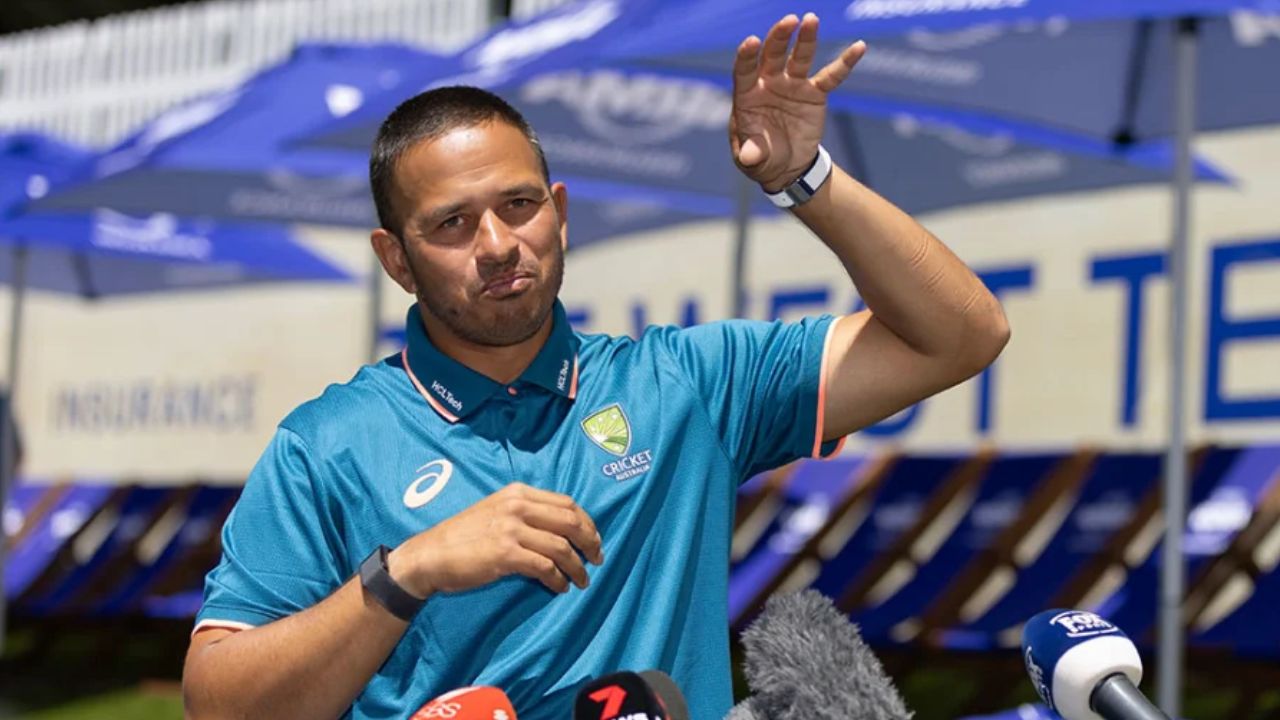
    Australian cricketer Usman Khawaja has once again taken a strong stand for Palestinians, this time by refusing to give an interview to a media outlet that fired a journalist for speaking up about Gaza.

    According to media reports, Khawaja declined to speak with the outlet after noticing its microphone during a scheduled post-match interview. The outlet had earlier terminated renowned cricket journalist Peter Lalor for posting in support of Gaza on social media.

    Khawaja not only refused the interview but also apologized to the reporters present. Despite the incident, Cricket Australia has confirmed that it will not take any disciplinary action against the left-handed batter.

    Peter Lalor, who was dismissed in February after publicly expressing solidarity with the people of Gaza, praised Khawaja for his principled stand.

    “Usman Khawaja is a man of   principles,” said Lalor. “His support meant a lot to me when I lost my job, and I continue to deeply value his ongoing solidarity.”

    The post-match interview was scheduled following the first day of the opening Test between Australia and West Indies, which is currently underway.

  • BCCI, ECB ditch Saudi T20 League plans: report

    BCCI, ECB ditch Saudi T20 League plans: report

    The Board of Control for Cricket in India (BCCI) and the England and Wales Cricket Board (ECB) have reportedly backed out of supporting Saudi Arabia’s ambitious T20 league project, dealing a major blow to the $400 million initiative.

    According to a report by The Guardian, Saudi Arabia had planned to launch a high-profile T20 league featuring eight teams, modeled after tennis Grand Slams. The idea was to host matches across four different venues throughout the year. However, the project now faces uncertainty as both BCCI and ECB have decided not to issue No Objection Certificates (NOCs) to their players.

    Reports reveal that both boards have united in opposing the league to protect their own domestic tournaments; the Indian Premier League (IPL) and The Hundred. In fact, they’re planning to lobby within the International Cricket Council (ICC) to prevent top players from joining the Saudi-backed league.

    On the other hand, Cricket Australia is reportedly open to a partnership with Saudi investors, seeing it as an opportunity for private cash flow and profit-making. Currently, the Big Bash League (BBL) franchises are owned by the governing body and state associations, unlike the private ownership model the new league proposed.

    The report also points out the contrasting approaches in global cricket. IPL is valued at $12 billion, while The Hundred is preparing to sell 49 percent stakes in its teams to raise funds. Similarly, three years ago, Cricket South Africa sold its SA20 franchises to Indian owners, raising over $136 million.

    The influence of Indian cricket continues to grow globally, especially with ICC chairman Jay Shah at the helm. Shah, the former BCCI secretary, is unlikely to go against the Indian board’s wishes, making it even harder for Saudi Arabia’s league to take off.