Blog

  • Pakistan invited to Pro Hockey League

    Pakistan invited to Pro Hockey League

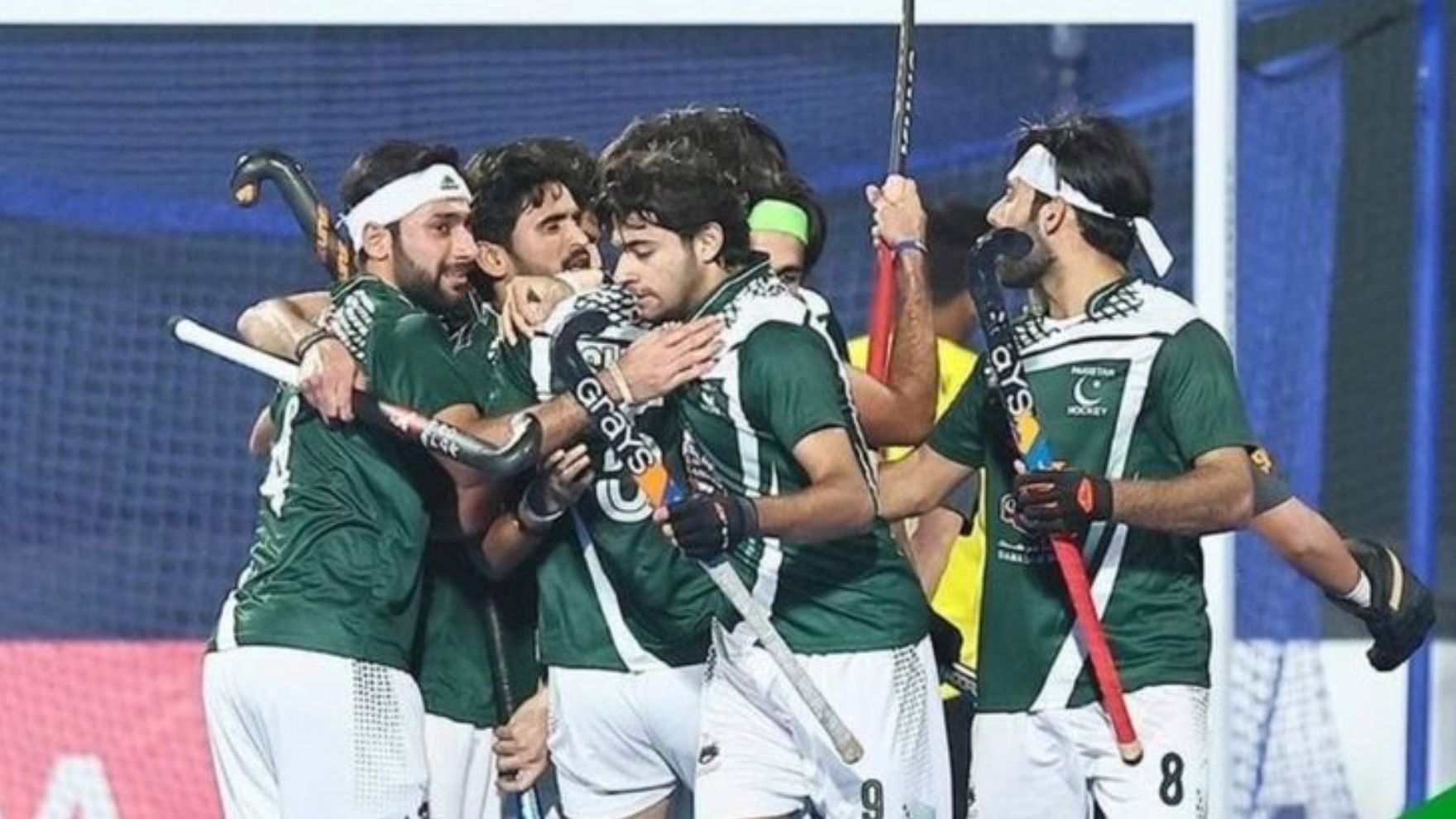
    Pakistan hockey has received a major boost, as the International Hockey Federation (FIH) has officially invited the national team to participate in the upcoming edition of the FIH Pro League. The invitation comes after New Zealand, who had qualified by winning the Nations Cup in Malaysia, reportedly declined to participate.

    According to reports, New Zealand defeated Pakistan 2-1 in the final of the Nations Cup, securing their spot in the FIH Pro League. However, following their withdrawal, the FIH has approached Pakistan as the next in line. An official announcement is expected soon.

    The FIH Pro Hockey League features the top-ranked teams from around the world and is considered one of the most prestigious tournaments in international hockey. Participation in the league is expected to significantly improve Pakistan’s international ranking and visibility.

    Pakistan has not played in the Pro League in recent years, contributing to the national team slipping to 17th position in the world rankings. This invitation marks a potential turning point for the sport in the country.

    The next edition of the FIH Pro League is scheduled to take place in February 2026, next year. Pakistan’s inclusion could not only revive the country’s presence on the global hockey stage but also provide much-needed experience against top-tier opponents.

  • Diljit Dosanjh breaks silence on overseas release of Sardaar Ji 3

    Diljit Dosanjh breaks silence on overseas release of Sardaar Ji 3

    Diljit Dosanjh has revealed that his new movie Sardaar Ji 3, featuring Hania Amir, will not be released in India. Instead, the film will premiere internationally after producers ruled out a domestic release amid boycott calls against Pakistani content and celebrities following the April 22 Pahalgam attack in Indian Illegally Occupied Jammu and Kashmir (IIOJK).

    During a BBC Asian Network interview, host Haroon Rashid said, “I am impressed how you have shown courage for releasing the film, also impressed by the fact that you have released this internationally in the manner that you set out to make it. Were you involved in this process of deciding that the film will be released as it is?”

    Detailing the timeline, Indian singer and actor Dosanjh shared that the principal shoot concluded in February and described the on-set atmosphere as “fine” and conditions as “good”. However, he noted that the tone of conversations shifted after the Pahalgam attack in April.

    “Many factors are beyond our control. The producers realised the film wouldn’t be released in India, so they decided, ‘Let’s release it overseas; we have invested in it.’ There were no issues during production, but they understood that they would incur a loss once a territory was excluded. Even at the time I signed [the movie contract], the situation was stable. If they opt for an overseas release, I support their decision.”
     

    Dosanjh pointed out that this choice was made only after trade organisations and worker unions renewed demands to prohibit Pakistani artists. “The producers acknowledged that risk; I agreed to it”, he stated.

    The trailer posted on Dosanjh’s Instagram prominently features Hania Aamir, dispelling rumours that her scenes might be removed. Aamir shared the clip on her Instagram, writing, “Main taa darr gai! Sardaar Ji 3 releasing 27 June OVERSEAS only!”

    Viewers in India encounter a “video unavailable” message when trying to access the full trailer on YouTube videos. Previously, amid rising political tensions between Pakistan and India, FWICE has called for a total ban on Diljit Dosanjh’s current and future projects and has appealed to ban the film’s producers as well.

    Sales representatives listed the movie title at an April market without any offers from Indian distributors, setting the stage for an export-first approach.

    Tensions between Pakistan and India escalated after the terrorist attack in Pahalgam, in which 26 people were killed. India blamed Pakistan for the incident, though it has yet to provide evidence to support the claim. Pakistan has strongly denied the allegations.

  • Here’s why BBL has many Pakistani players

    Here’s why BBL has many Pakistani players

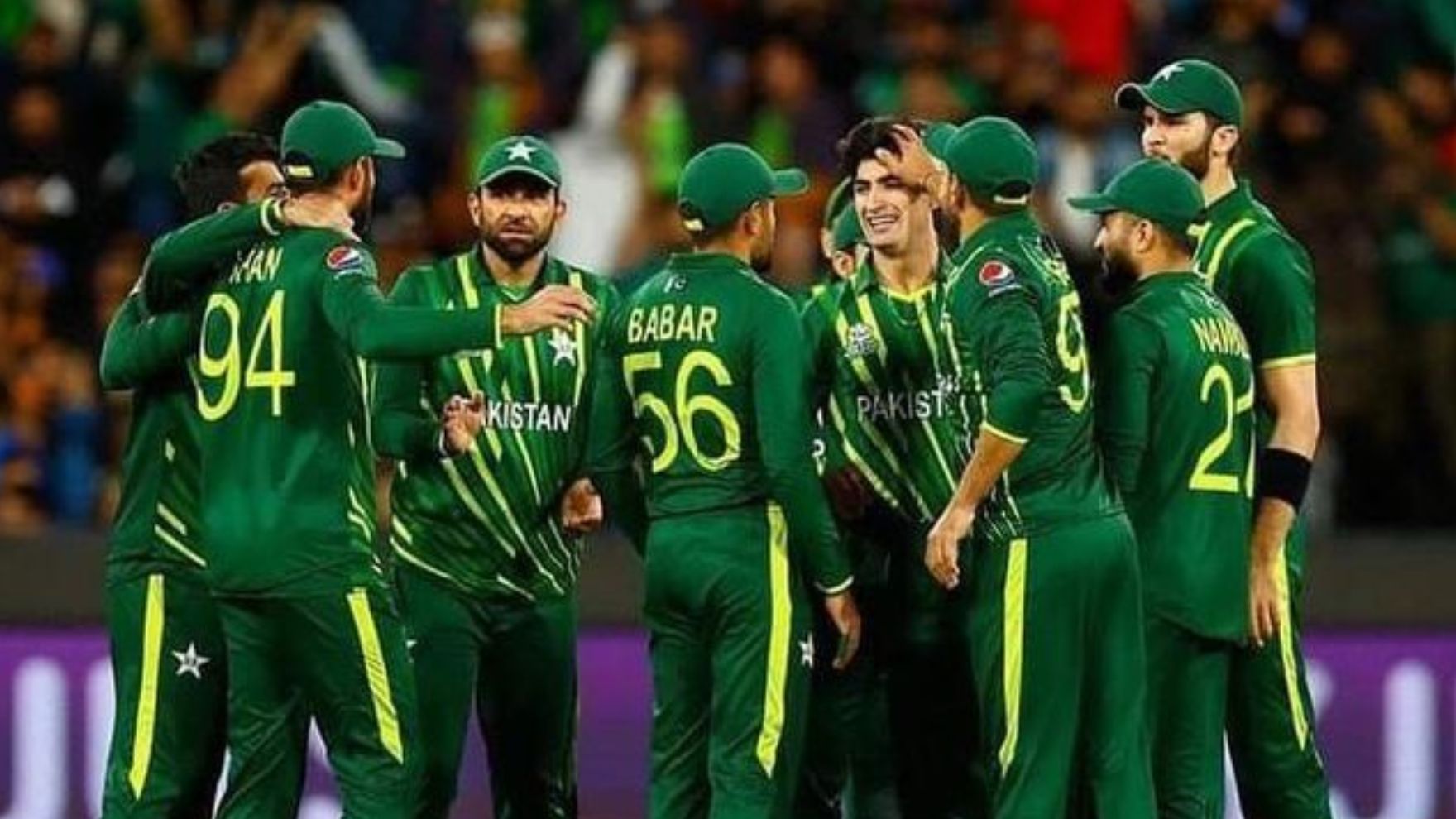
    The large number of Pakistani cricketers making it to the Australian Big Bash League (BBL) this year is no coincidence. Improved relations between the Pakistan Cricket Board (PCB) and Cricket Australia have played a key role, with both boards working closely to remove previous hurdles, such as delays in issuing No Objection Certificates (NOCs).

    In the past, players often had to wait until the last moment for clearance; however, sources reveal that this time, Pakistani cricketers received their NOCs well ahead of the BBL draft. According to ESPNcricinfo, seven Pakistani players have already been selected in the latest draft.

    The PCB’s High Performance Department has been actively engaging with countries like Australia for broader collaboration, not only to for league participation but also to arrange future tours involving Pakistan’s A team, Under-19 squad, and women’s team. Talks are currently underway, with both boards showing interest in long-term planning.

    Officials within the PCB confirm that Director High Performance Aaqib Javed is exploring opportunities for international exposure in Australia, England, and other countries. The goal is to provide players with more chances to grow in diverse playing conditions, which requires strong international relationships.

    With trust between the two boards improving, more Australian players are expected to be available for the next edition of the Pakistan Super League (PSL). A few days ago, Cricket Australia CEO Nick Hockley also confirmed that the Australian national team will tour Pakistan again next year.

    The PCB is also working on launching academy exchange programs with top cricketing nations, further strengthening ties between Pakistan and the international cricket community. These recent developments indicate that renewed confidence between Pakistan and Australia is already producing results, both on and off the field.

  • Iran’s Quds Force commander alive despite reports of his assassination in Israeli strike

    Iran’s Quds Force commander alive despite reports of his assassination in Israeli strike

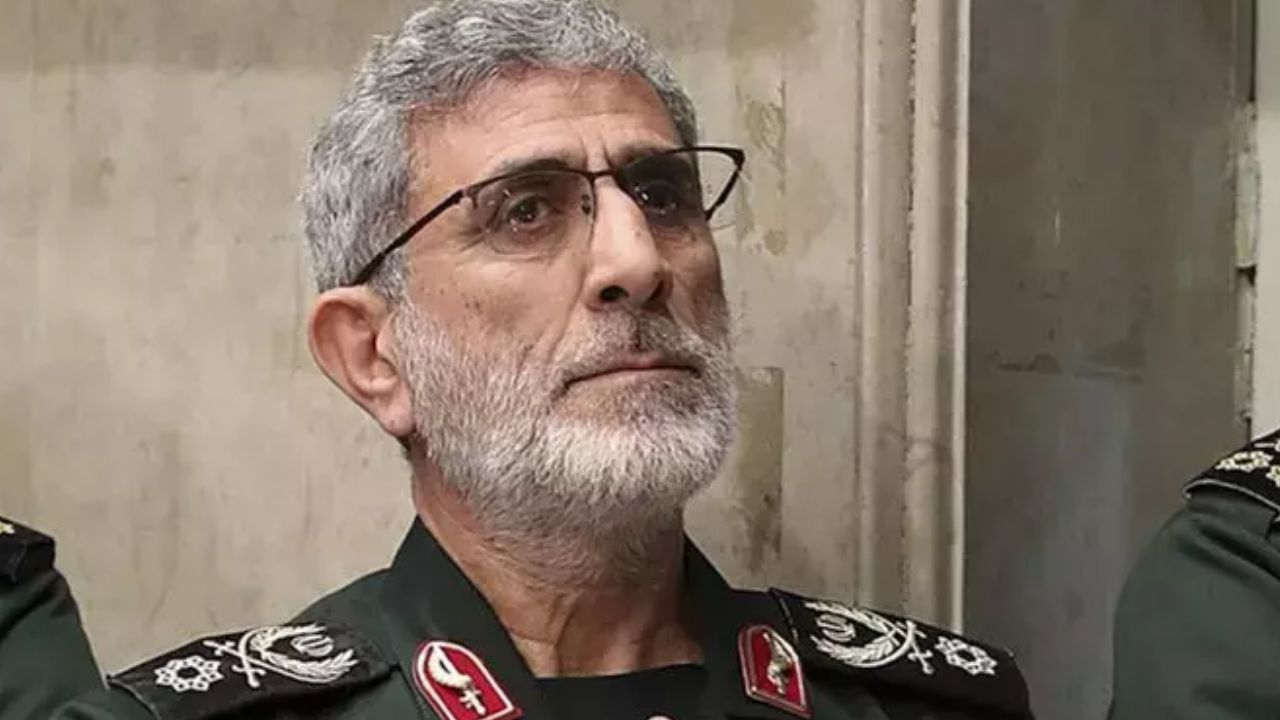
    Commander of the Iranian Islamic Revolutionary Guard Corps’ (IRGC) Quds Force, Brigadier General Esmail Qaani, was seen alive and well after videos on social media appear to show the commander attending a rally in Tehran on Tuesday, The Jerusalem Post has reported.

    According to the report, Iran Nuances X (formerly Twitter) account posted the video with the caption, “General Qaani, Commander of IRGC Quds Force, seen among Tehran’s rally attendees today following the last night attack on the US Al Udeid Airbase in Qatar (sic).”

    The Post claimed that Iran’s state-owned Press TV also published the video. It said, “Brigadier General Esmail Qaani, Commander of the IRGC Quds Force, was warmly received by a jubilant crowd in Tehran during victory celebrations over the Zionist (Israeli) regime.”

    On June 13, the day when Israel launched provocative strikes in Iran’s cities, The New York Times, citing Iranian sources, had reported that Qaani was killed during the strike.

    Qaani succeeded Qasem Soleimani as commander after the latter was killed in a targeted operation by the United States (US) in 2020 in Baghdad.

    Following an Israeli strike in Beirut that killed Hezbollah chief Hassan Nasrallah’s presumed successor Hashem Safieddine, Qaani’s location was reportedly unknown in October 2024.

    After Israel’s strikes on Irani cities, reports had claimed that top commanders, nuclear scientists and hundreds of others were killed.

    Israel said that it wanted to remove any chance of Tehran developing nuclear weapons. However, Iran says its nuclear programme is for peaceful purposes only. Iranian officials have repeatedly said they do not plan to develop nuclear weapons but will pursue their right to nuclear energy and research.

    However, when Iran retaliated with barrages of missile attacks in Tel Aviv, the US joined in, intensifying the conflict. 

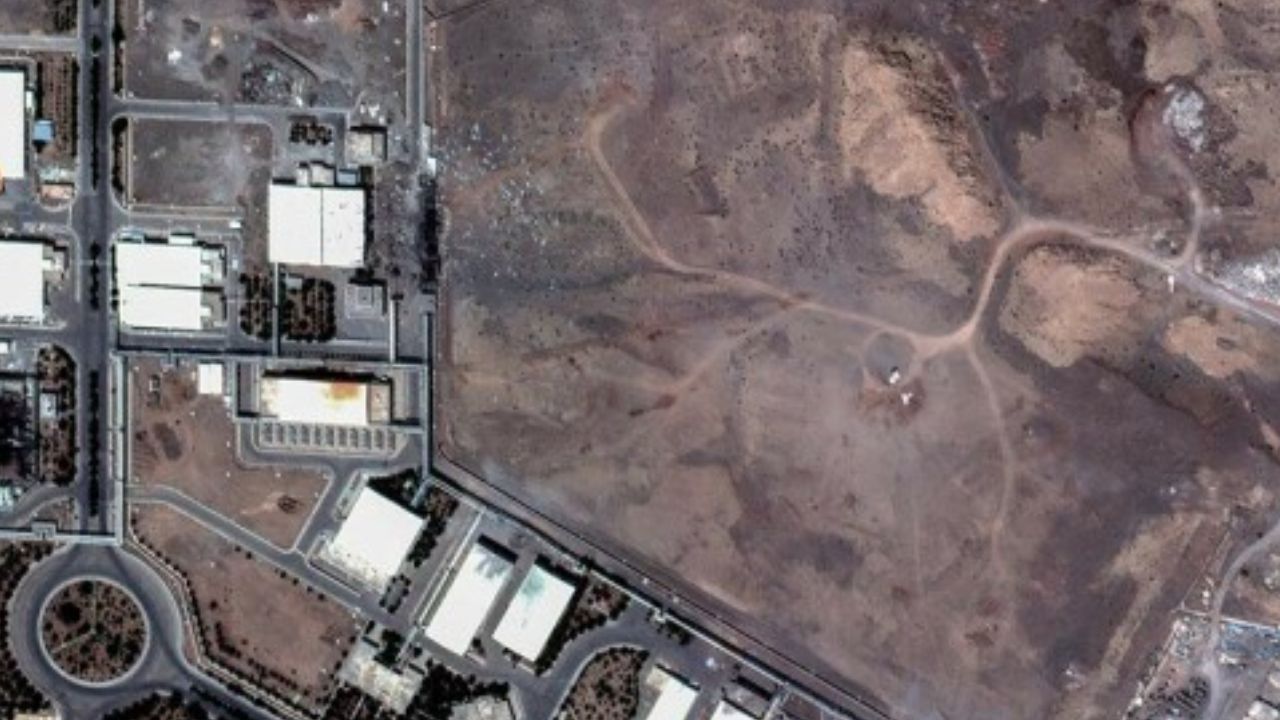
    On Sunday morning, US carried out aerial strikes at nuclear facilities in Iran, including Fordow, Isfahan and Natanz. 


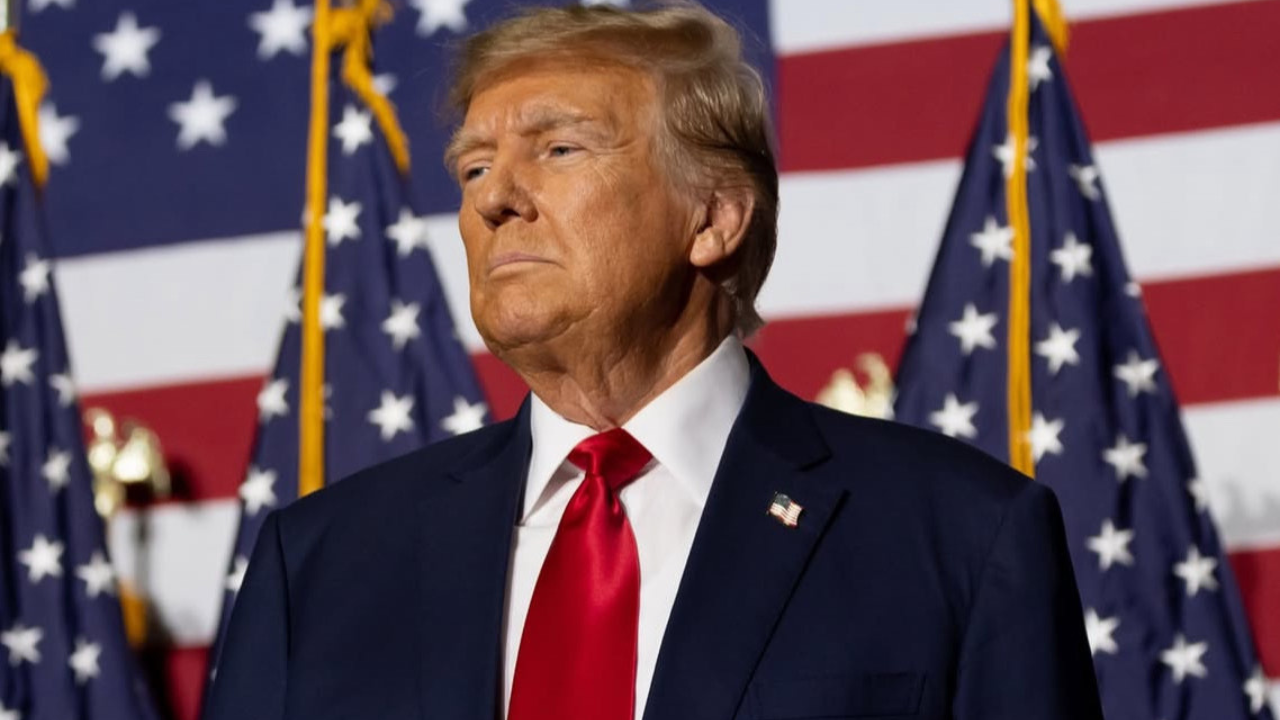
    In a televised address to the nation from the White House, US President Donald Trump said US air strikes “totally obliterated” Iran’s main nuclear sites.

    Declaring the strikes in Iran “spectacular military success” the US president said that they targeted the crucial underground nuclear enrichment plants.

    After 12 days of aerial combat between the two regional arch-foes, US President Trump announced overnight a ceasefire between Israel and Iran to end their conflict.

    Later, the ceasefire was violated; however, on Tuesday, the US president announced in a post on Truth Social that the ceasefire will remain “in effect”.

  • Nadia Khan takes U-turn on Hania Aamir’s work in Indian film industry

    Nadia Khan takes U-turn on Hania Aamir’s work in Indian film industry

    Actress and host Nadia Khan has taken a U-turn on her earlier stance regarding Pakistani actors working in India, particularly Hania Aamir.

    On her morning show Rise and Shine on 365 News, where she discusses everything from politics to entertainment, Nadia recently shared her thoughts on the newly released trailer of Sardaar Ji 3, featuring Hania Aamir and Indian superstar Diljit Dosanjh.

    Despite previously criticising Hania for seeking opportunities in India, Nadia has now praised the actress for making a powerful entry into the Indian film industry.

    “Hania Aamir and Diljit Dosanjh’s film is finally releasing after numerous rumours, controversies, and hearsay regarding Hania Aamir’s removal and reshoots because of to the Pakistan-India conflict. In the end, the film is being released with none other than Hania Aamir herself. The makers, the actor, all are Sikhs who fear no one, and I admire their strategy,” she said.

    “They stayed silent, didn’t respond to any speculation, and let people believe Hania had been removed. Diljit Dosanjh also remained quiet. Now, the trailer is out, and Hania is everywhere. Meanwhile, there are calls for a ban in India, and Diljit Dosanjh is being labelled a traitor,” she continued.

    She added, “This film is releasing on the 27th [June] with Hania Aamir of Pakistan. Do whatever you want now, wah!”

    Previously, Nadia Khan strongly criticised Hania Aamir for engaging with the Indian entertainment industry. “Hania is just wasting her time with her Indian PR. She may appear in a film with Diljit but in the long run, it is not going to be in her favour,” Nadia had said.

  • China likely to roll over $1.8 billion in loans

    China likely to roll over $1.8 billion in loans

    China has signalled a possible rollover of $1.8 billion in Pakistani debt for two years, which is about half the amount Islamabad initially requested. However, reports reveal that securing the rollovers could help the cash-strapped country stay on track with the International Monetary Fund (IMF) program.

    According to reports, Pakistani officials had asked for an extension on multiple loans from the Export-Import (Exim) Bank of China. These loans include buyer credit, preferential buyer credit and concessional loans. However, Chinese authorities declined to include the buyer’s credit in the deal.

    Reports now suggest that the concessional and preferential loans, amounting to a staggering $1.8 billion, could be officially rescheduled by the first month of fiscal year (FY) 2025-26. 

    The aforementioned loans were reportedly taken for development projects and are separate from Pakistan’s commercial borrowing from Chinese lending institutions.

    According to details, Islamabad aimed to delay repayments on Exim Bank loans due between October 2024 and September 2027. However, Beijing refused to include loans from the COVID period in rollover discussions.

    China reportedly suggested that Pakistan focus on loans maturing between September 2025 and September 2027, a proposal the Finance Ministry declined. Additionally, China wants the rescheduled loans to be denominated in Chinese yuan instead of the dollar.

    According to reports, Exim Bank also asked Pakistan to exclude buyer’s credit loans from the request to move the process forward. This condition resulted in the reduced amount now under consideration.

    Pakistan initially wanted relief on a whopping $3.4 billion in debt from China to help fill the funding gap identified by the IMF. Reports reveal that the IMF had identified a $5 billion external financing shortfall over the $7 billion extended fund facility program’s three-year span.

    If China agrees to roll over the debt, it would be the second time the country has agreed to defer Pakistani debt within two years. Back in July 2023, former Finance Minister Ishaq Dar had announced the rescheduling of $2.43 billion worth of loans from the Exim Bank for another two-year term.

    Pakistan’s foreign reserves recently dropped below $10 billion after paying off a $2.1 billion commercial loan to China last week. However, with China expected to refinance three loan packages totalling $3.7 billion, reserves are likely to bounce back to nearly $14 billion.

    According to reports, Finance Minister Muhammad Aurangzeb has said reserves will cross $14 billion by the close of FY 2024-25. The IMF has assured that Pakistan’s reserves will stand at $13.9 billion by then.

  • Khyber Pakhtunkhwa Secretariat consumes biscuits, tea worth 11 crore, says opp leader

    Khyber Pakhtunkhwa Secretariat consumes biscuits, tea worth 11 crore, says opp leader

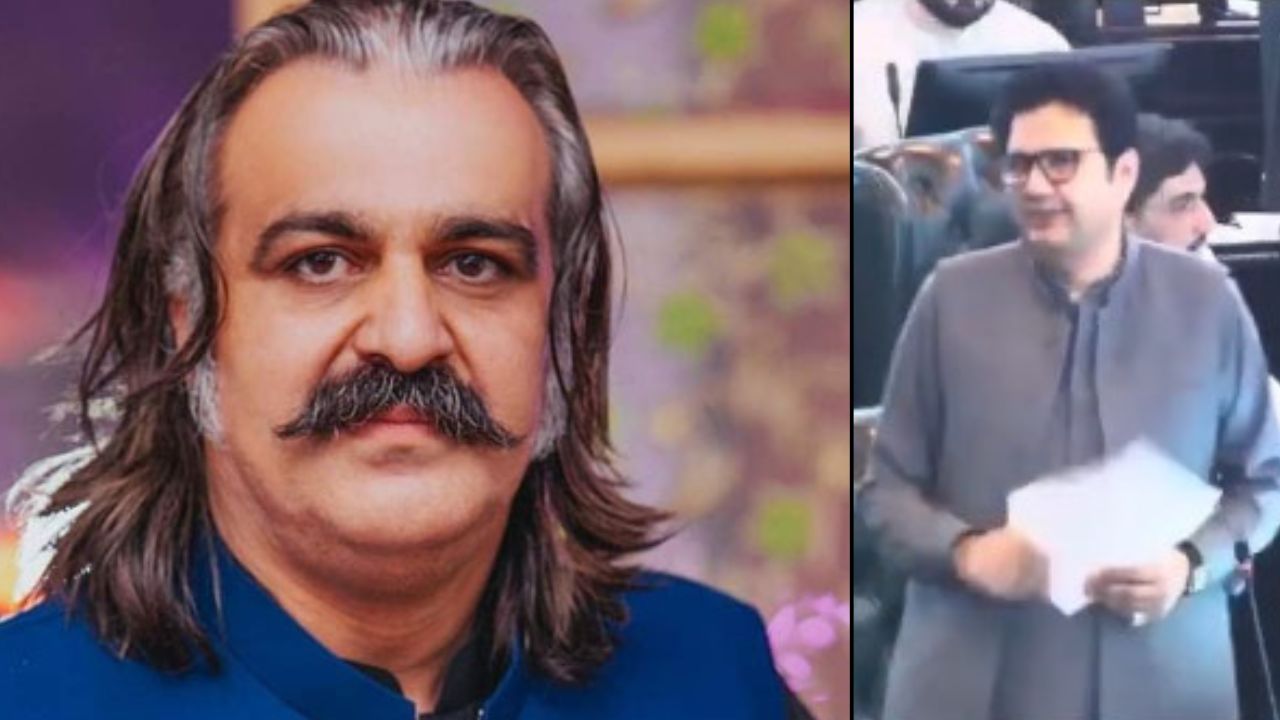
    Opposition Leader Dr. Ibadullah Khan alleged in the Khyber Pakhtunkhwa (KP) Assembly on Tuesday that the Chief Minister’s Secretariat had consumed tea and biscuits worth Rs110 million (11 crore).

    During the debate on the Rs240 billion supplementary budget, Dr. Khan strongly criticised the Pakistan Tehreek-e-Insaf (PTI)-led provincial government for making tall claims about good governance in the province. “These people talk about good governance, yet these figures are publicly available on official websites,” he remarked, citing the extravagant expenditure on food at the CM’s secretariat.

    He further stated that tabling such a massive supplementary budget exposed the PTI government’s incompetence.

    Drawing a comparison between two provinces, he said that the expenses of the KP CM House are Rs1.5 billion, while in Punjab, they are Rs1.4 billion.

    Ibadullah further alleged Rs200 billion corruption in the province during the current year, claiming that the amount was highlighted in the Auditor General’s report..

    The Leader of the Opposition stressed that the government should justify the additional budget to both the House and the public.

    “Systematic corruption is openly happening in all departments. I regularly receive corruption reports and will lay them before the house soon,” he claimed.

    Last week, the KP government incurred a supplementary budget of Rs 240.0137 billion for the outgoing financial year 2024-25. The amount includes Rs 192.7442 billion in head of current expenditure and an additional Rs 47.2695 billion for the development.

    On Tuesday, law minister Aftab Alam Khan claimed that of the current expenditure allocations, Rs150 billion was “invested in debt management fund” instead of being spent by the government.

    The chair later put off the session until today (Wednesday) amid a lack of quorum.

  • Trump declares Iran nuclear victory, Intel says otherwise

    Trump declares Iran nuclear victory, Intel says otherwise

    A preliminary U.S. intelligence assessment has concluded that recent American airstrikes on Iran’s nuclear facilities have only delayed, but not destroyed, its nuclear program despite President Donald Trump’s claims as a fragile ceasefire took hold between Iran and Israel.


    According to the Defense Intelligence Agency report, underground facilities were mostly intact although the entrances to two uranium-enrichment sites were sealed.

    Three people familiar with the findings said that Iran’s enriched uranium stockpile was not destroyed and that some centrifuges were undamaged.


    The strikes, carried out over the weekend, marked the U.S entry into the 12-day Iran-Israel conflict. A ceasefire was declared by President Donald Trump at 0500 GMT on Tuesday, after days of escalating military exchanges.


    Trump had claimed that the U.S. use of 30,000-pound bombs had “obliterated” Iran’s nuclear program. 

    He reiterated the point in a Truth Social post on Tuesday morning:

    “FAKE NEWS CNN, TOGETHER WITH THE FAILING NEW YORK TIMES, HAVE TEAMED UP IN AN ATTEMPT TO DEMEAN ONE OF THE MOST SUCCESSFUL MILITARY STRIKES IN HISTORY. THE NUCLEAR SITES IN IRAN ARE COMPLETELY DESTROYED! BOTH THE TIMES AND CNN ARE GETTING SLAMMED BY THE PUBLIC!”

    U.S. officials told the United Nations Security Council, however, that the strikes had “degraded” Iran’s nuclear infrastructure.

     According to one source, because a large portion of the program is underground, it might have only been delayed the program by one or two months. 

    Iran maintains that the goal of its nuclear research is to produce energy for civilian use.

    Despite its fragility, the ceasefire prompted Israel and Iran to lift civilian restrictions on Tuesday. Israel resumed regular operations, including at Ben Gurion Airport, while Iran reopened its airspace. 

    Markets responded with a global rally as oil prices dropped, reflecting reduced fears of disruption in the Gulf.

    Israeli Prime Minister Benjamin Netanyahu declared: 

    “We have removed two immediate existential threats to us: the threat of nuclear annihilation and the threat of annihilation by 20,000 ballistic missiles.” 


    According to Iranian media, Iranian President Masoud Pezeshkian also claimed a “great victory” and assured Saudi Crown Prince Mohammed bin Salman that Tehran was ready to resolve tensions with the United States.


    The conflict began on June 13 when Israel launched a surprise offensive targeting Iranian nuclear facilities and top military commanders.

     Iran retaliated with a barrage of missiles on Israeli cities and military bases in the largest escalation since the 1980s Iran-Iraq war.

    Iran reported 610 deaths and over 4,764 injuries from Israeli airstrikes. Iran’s missile response killed 28 Israelis, the first time its air defenses were breached on this scale.

    Tensions lingered after the ceasefire announcement, as both nations accused each other of early violations.
     

    Trump, before departing for a NATO summit, expressed frustration:

    “I’ve got to get Israel to calm down now,” he said.

    “Iran and Israel had been fighting so long and so hard that they don’t know what the f*** they’re doing.”

     Israeli officials said that in response for Iranian missiles fired after the ceasefire began, a radar facility close to Tehran was hit. 

    Iran denied firing any missiles at that time and claimed Israel continued its strikes well beyond the agreed window.


    The administration continued talks with Iranian counterparts, and Trump personally brokered the ceasefire with Israeli Prime Minister Netanyahu, according to U.S. sources.

    Both countries said they would uphold the ceasefire as long as the other did not break it.

    Iran’s military command also warned Israel and the U.S. to learn from the “crushing blows” it delivered during the conflict. Israeli military chief Eyal Zamir said the current phase of the conflict had ended but added that operations against Iran-backed militants in Gaza would resume.

  • Trump plays deft hand with Iran-Israel ceasefire but doubts remain

    Trump plays deft hand with Iran-Israel ceasefire but doubts remain

    Israel, Iran and Trump himself all declared victory after 12 days of conflict that culminated Saturday in the United States bombing Iran’s key nuclear sites.

    After facing criticism — even within his base — for breaking his campaign promises against military intervention abroad, Trump was able to show a quick way out, and to portray himself, despite the bombing, as a peacemaker.

    “I don’t think the Israeli government was able to sustain a long-term war, but I think the main factor here was President Trump. He did not want to see a new war in the region break out under his watch,” said Will Todman, a senior fellow at the Middle East program at the Center for Strategic and International Studies.

    “That is what changed the calculation for Israel and for Iran as well.”

    Trump startled even close aides and allies by announcing the ceasefire on social media late Monday — the middle of the night in the Middle East — just after Iran fired missiles at a US base in Qatar, in what appeared to be a choreographed response as the rockets were easily shot down.

    Trump chose not to retaliate against Iran and on Tuesday, returned to his electronic bully pulpit to urge Israel to abort new attacks on Iran.

    Iran needed an off-ramp as it suffered its worst assault since the 1980-88 war with Iraq. Trump also appeared to offer incentives to sanctions-bound Iran by suggesting an easing of US pressure on China to stop buying Iranian oil.

    Israel’s military, while proving itself to be the region’s strongest, has been stretched by campaigns in Gaza, Syria and Lebanon, and with Iranian strikes this month, the Israeli population endured the most prolonged, deadly air attacks seen in decades.

    After Israeli Prime Minister Benjamin Netanyahu hailed Trump’s intervention, the president’s warning Tuesday likely also showed him the limits to US support, Todman said.


    What was achieved?

    Trump hailed his intervention as a monumental success, although critics have long warned that an attack could make Iran rush, more clandestinely, to a nuclear bomb.

    While Trump claimed Iran’s nuclear program was “obliterated,” a classified report found that the US bombing did not destroy the core parts of the three nuclear sites, according to CNN and The New York Times.

    Brian Katulis, a senior fellow at the Middle East Institute, said it’s too early to know if the ceasefire would hold, either.

    He said that Gulf Arab powers, led by well-connected Qatar, did the hard work of quiet diplomacy as they sought a return to calm in their region.

    “Trump vocally used his troll power to try to restrain the actions of Israel and Iran, but that matters less compared with the role that these countries continuously play,” Katulis said of Gulf Arab states.

    Katulis, who worked on the Middle East for former president Bill Clinton, said the Trump administration’s tactical military operations, combined with “a heavy dose of strategic communications” confused Americans and global actors alike “about what it is we’re actually trying to get done.”


    Showing heft at home

    One area where Trump’s diplomacy had clear — if short-term — benefits was at home.

    A prolonged US military campaign “had the potential to really fracture President Trump’s own base of support,” said Jonathan Panikoff, a senior fellow at the Atlantic Council.

    But now, “my guess is the majority of his MAGA and other Republican base will stay relatively unified, even if they were unthrilled in some quarters,” he said.

    While traditional hawks of Trump’s Republican Party largely cheered the Iran strikes, they were widely but not universally denounced by rival Democrats.

    Annelle Sheline, who resigned from the State Department to protest policies under former president Joe Biden and is now at the Quincy Institute for Responsible Statecraft, said it was critical for Trump to enforce the ceasefire.

    She noted Israel has bombed Lebanon and Gaza during truces, saying Netanyahu believed he enjoyed “America’s unconditional support.”

    “Trump demonstrated that he can rein in Israel when he chooses to do so. Now he must do the same to insist on a ceasefire in Gaza,” she said.

  • Muslim socialist newcomer stuns America to become New York mayor

    Muslim socialist newcomer stuns America to become New York mayor

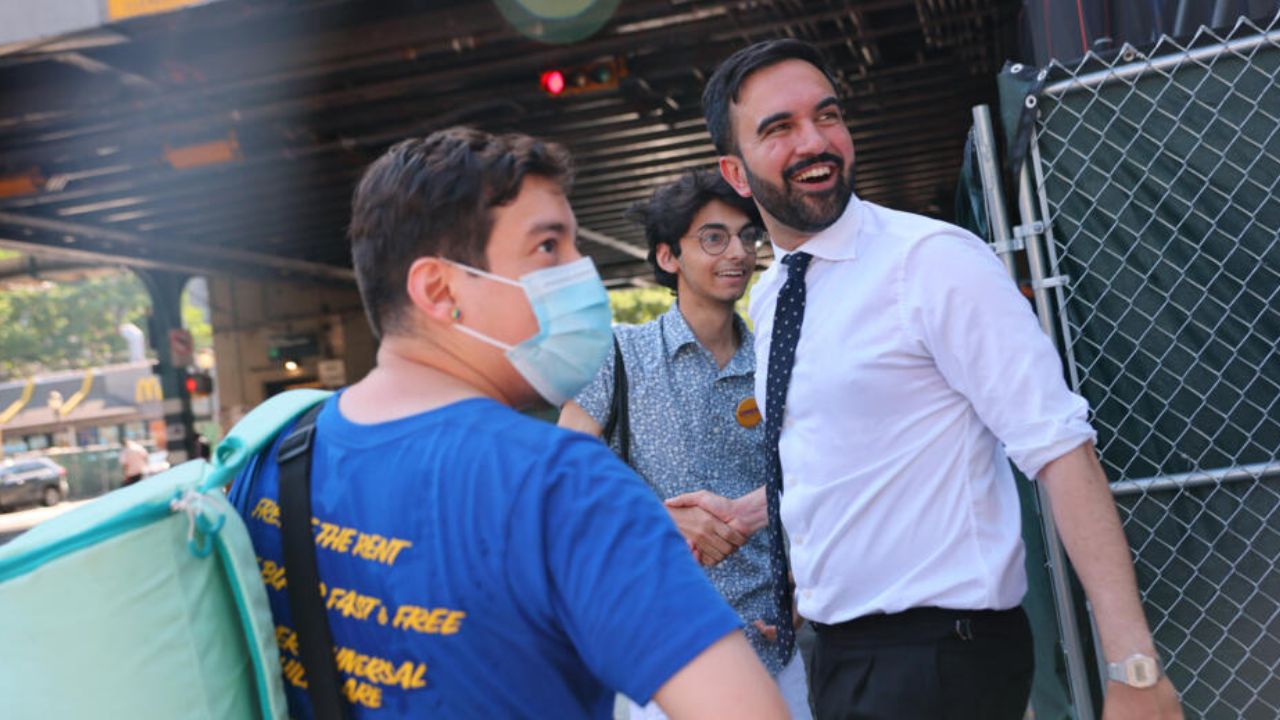
    New York City Democrats chose 33-year-old Muslim socialist Zohran Mamdani as their mayoral candidate in Tuesday’s elections, stunning his opponent, former New York governor Andrew Cuomo.

    “Tonight was not our night,” Cuomo, a political veteran who was vying to come back from a sexual harassment scandal, told supporters at an election night party.

    “I called him, I congratulated him… he won.”

    In what appears to be the left-leaning city’s rebuke of the Democratic party’s veteran moderates — and New York’s rarely claimed native son, Republican US President Donald Trump — Mamdani led with 43 percent of the vote with 95 percent of ballots counted, city officials reported.

    The party’s primary contest featured almost a dozen candidates seeking to become mayor of the biggest US city, where registered Democrats outnumber Republicans three to one.

    Voters cast ballots during a smothering heatwave before polls closed at 9:00 pm (0100 GMT Wednesday), but results may take time to finalize.

    The contest is ranked-choice, with voters asked to select five candidates in order of preference, and neither Cuomo nor Mamdani claimed the required majority Tuesday.

    If no candidate wins 50 percent of the vote, election officials begin eliminating lowest-ranking candidates and recounting, a process that can take days.

    With the Democrats reeling nationally from Trump’s presidential election last year, the high-profile city race has done little to calm party nerves.

    But Mamdani’s upbeat campaign, built with youthful social media savvy and campaign promises to improve the city’s affordability, appears to have resonated with voters.

    Cuomo stepped down as New York governor four years ago after multiple women accused him of sexual harassment. He was also accused of mismanaging the state’s response to the Covid pandemic.

    Staunchly pro-Israel Cuomo led in polls for most of the race, with massive name recognition as the son of another New York governor, as well as support from powerful centrist figures including former president Bill Clinton.

    Mamdani, meanwhile, is backed by the Democratic Socialists of America — the kind of niche, leftist affiliation that might work in the Big Apple but many analysts warn against.

    The fact that Mamdani speaks out for Palestinians and has accused Israel of “genocide” also makes him a prime target for Trump.

    His supporters include two favorite Trump foils — fiery leftist Senator Bernie Sanders and progressive congresswoman Alexandria Ocasio-Cortez, who both congratulated Mamdani on Tuesday.

    “Billionaires and lobbyists poured millions against you and our public finance system. And you won,” Ocasio-Cortez wrote on X.

    Sanders posted on X to say: “You took on the political, economic and media Establishment — and you beat them.”

    Curtis Sliwa, the Republican candidate, said Mamdani “is too extreme for a city already on edge.”

    He added on X: “This is not the time for radical politics. It is time for real leadership. I have fought for this city my whole life. Not for fame or power but because I believe in the people who live here… Let’s win this on November 4th!”

    Voters told AFP they saw the ballot as an opportunity to guide party politics.

    “I see it as a referendum of the Democratic Party, whether we lean more towards the centrist candidate, who’s maybe from a different generation of politicians and people in society, or a younger, left-leaning, more ambitious, idealistic party,” voter Nicholas Zantal, 31, said.

    – Big ideas, low experience –

    Currently a New York state assemblyman representing the borough of Queens, Mamdani stands out for his energetic campaigning style and eye-catching policy proposals that include freezing rent for many New Yorkers, providing free bus service, and universal childcare.

    And in a wildly expensive city, where a three-bedroom apartment can easily cost $6,000 a month, he has surged from behind.

    “Tomorrow is ours if we want it,” Mamdani, who was born in Uganda and is of Indian descent, said late Monday in a social media post. “We are on the cusp of toppling a political dynasty, and delivering a New York everyone can afford.”

    Voter Eamon Harkin, 48, said prices were his “number one issue.”


    “What’s at stake is primarily the affordability of New York,” he said.

    But Sheryl Stein, who works in tourism marketing, was skeptical.

    “I like youth,” she said. But Mamdani having “no experience and no proven track record to run the largest city in this country and one of the largest in the world, is pretty scary.”

    The confirmed winner of the Democratic Party nomination will face several contenders in November — including the current, scandal-plagued mayor, Eric Adams, who is a Democrat but has vowed to run again as an independent.