Tag: Apple

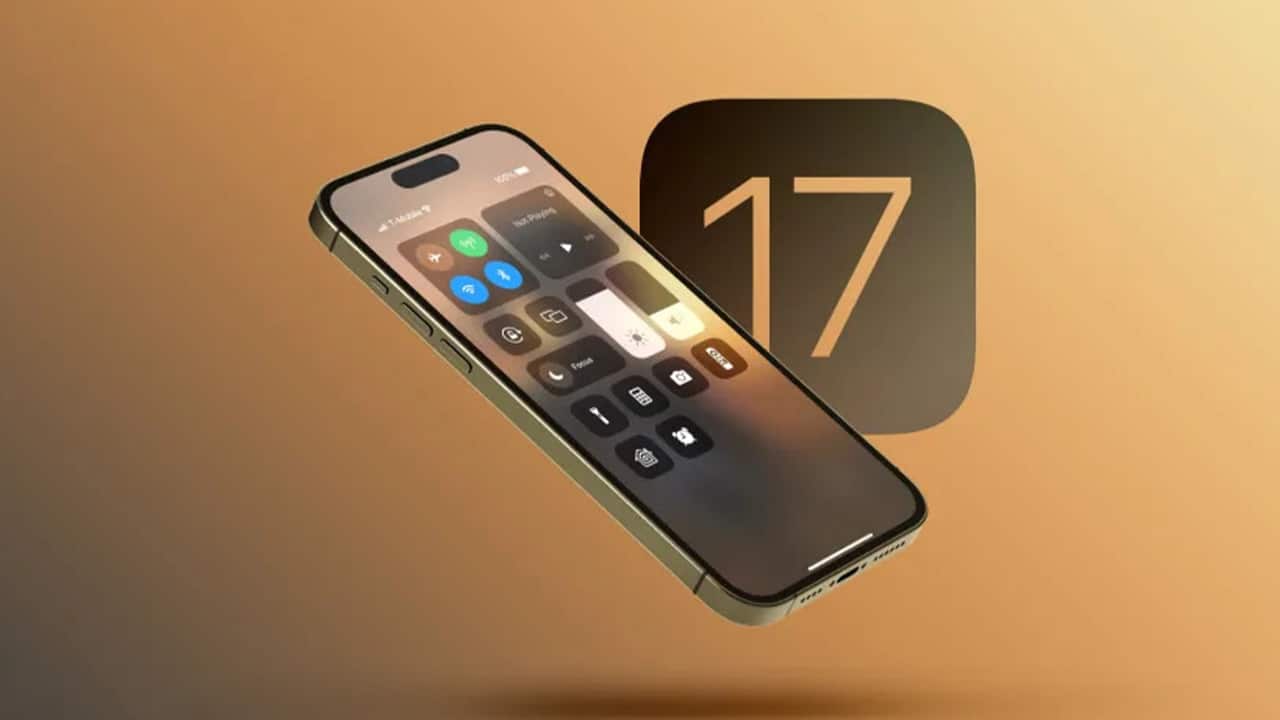
  • iOS 17 compatibility: Which iPhones will support the latest update?

    iOS 17 compatibility: Which iPhones will support the latest update?

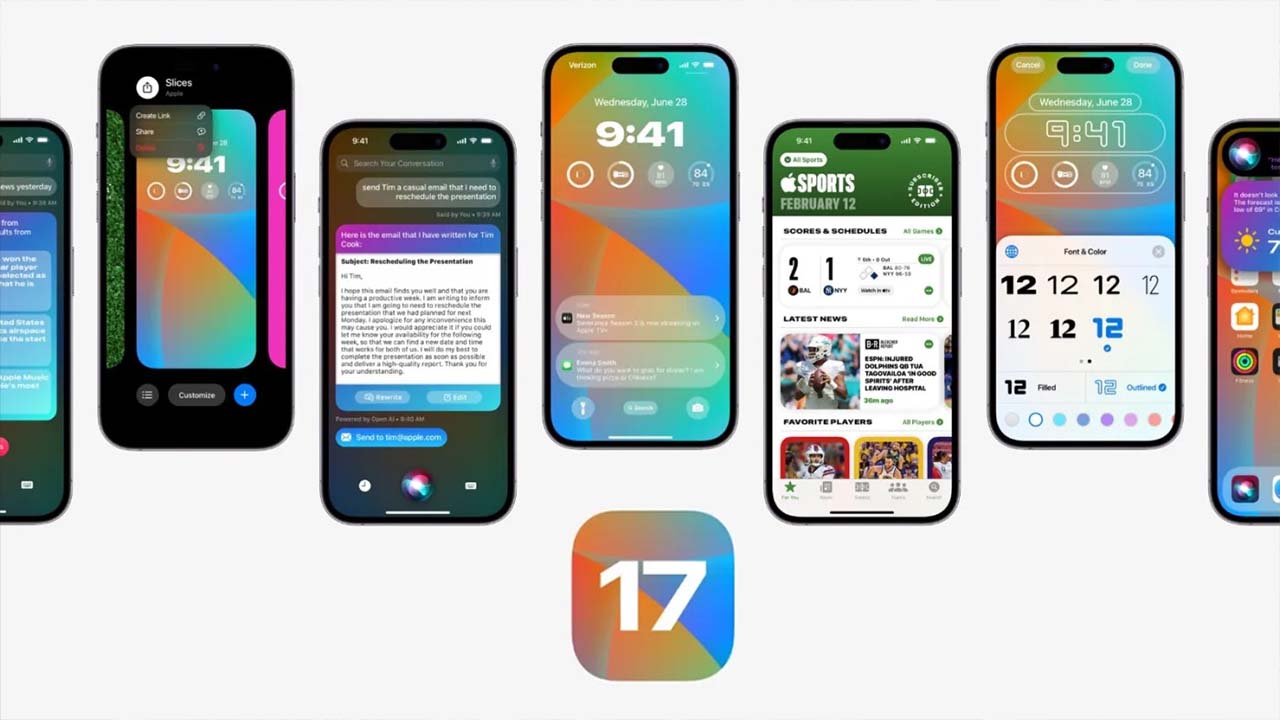
    Apple has gained a reputation for its commitment to providing software and security updates for its iPhones for at least five years. The company’s annual Worldwide Developers Conference (WWDC) serves as a platform for introducing the latest iPhone operating system, and this year is no exception. On June 5, Apple is set to showcase iOS 17, which is rumored to bring a range of exciting features and user interface (UI) changes.

    One highly anticipated addition to iOS 17 is app sideloading. This feature will allow users to install applications from sources other than the official App Store. While it offers more flexibility, it also raises concerns about security and app quality. However, Apple has likely taken steps to ensure that sideloading is implemented responsibly to maintain a safe user experience.

    Alongside app sideloading, iOS 17 is expected to introduce significant UI changes. The control center will become fully customizable, empowering users to tailor it to their preferences. Additionally, customizable widgets will enable users to personalise their home screens further. These UI changes aim to enhance user satisfaction and provide a more tailored and intuitive experience.

    Now, let’s take a closer look at the iPhones that are likely to be compatible with the iOS 17 update and what users can expect from this upcoming software release.

    iPhone XS/XS Max and iPhone XR

    The iPhone XS/XS Max and iPhone XR are expected to be compatible with iOS 17. However, due to hardware limitations, these devices might receive a limited set of features. Nonetheless, users can still enjoy the benefits of the latest software improvements.

    iPhone 11, 11 Pro, and 11 Pro Max

    All models in the iPhone 11 series are likely to be eligible for the iOS 17 update. Similar to the XS/XR series, these devices might not support all the new features brought by the latest iPhone OS. Nevertheless, users can still benefit from the performance enhancements and security updates.

    iPhone 12, 12 mini, iPhone 12 Pro, and 12 Pro Max

    Owners of the iPhone 12 series can rejoice as all four models are expected to be fully compatible with iOS 17. Despite being nearly three years old, these devices will likely receive most of the new features introduced in the latest software release, showcasing Apple’s commitment to long-term support.

    iPhone 13, 13 mini, iPhone 13 Pro, and 13 Pro Max

    Just like the iPhone 12 series, the iPhone 13 lineup will also be fully compatible with iOS 17. This means that users of these devices can enjoy all the new features, even on older hardware. It’s a testament to Apple’s dedication to delivering a consistent experience across its product line.

    iPhone SE (2022)

    The Apple iPhone SE (2022) stands out as the only iPhone with Touch ID that will support the iOS 17 update. Powered by the A15 Bionic processor, the iPhone SE 3rd Gen is expected to receive most of the new features alongside the iPhone 13 series, ensuring a modern and feature-rich experience for users who prefer Touch ID.

    iPhone 14 and iPhone 14 Plus

    As the latest models in Apple’s lineup, the iPhone 14 and iPhone 14 Plus will be fully compatible with the iOS 17 update. Being at the forefront of technological advancements, these devices are likely to take full advantage of the latest iOS release, offering users the most cutting-edge features and improvements.

    iPhone 14 Pro and iPhone 14 Pro Max

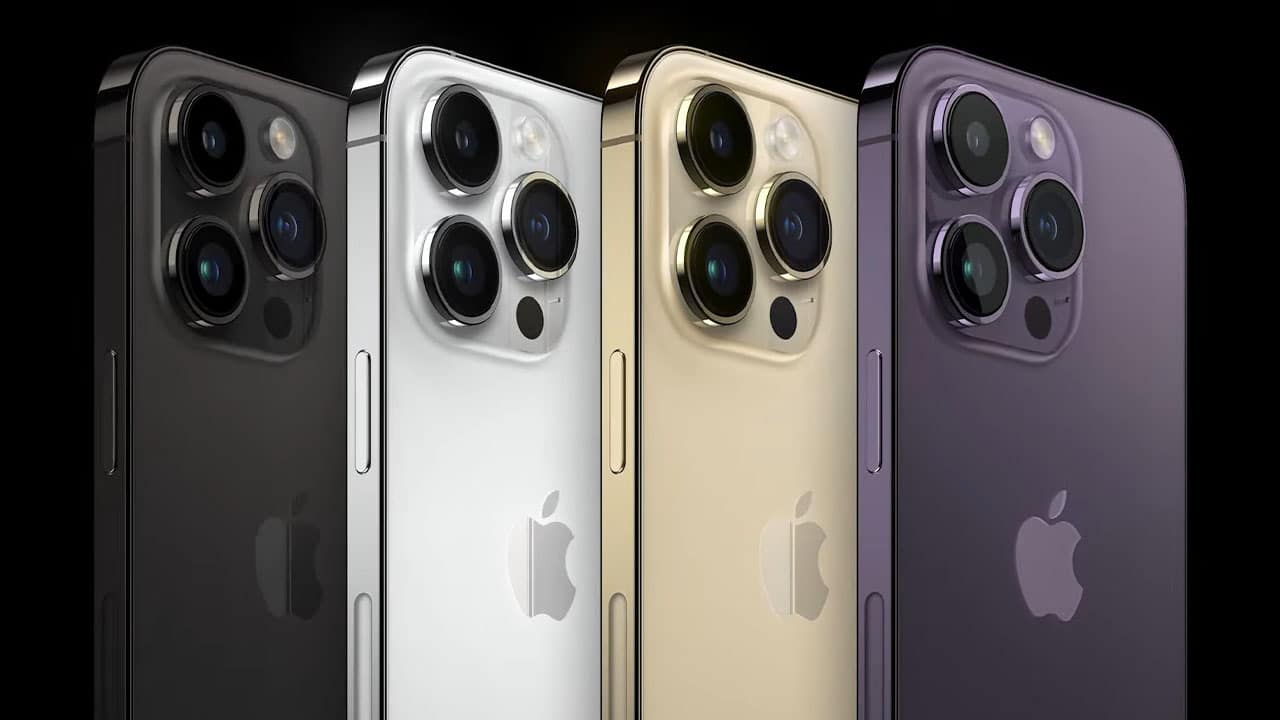
    The iPhone 14 Pro and iPhone 14 Pro Max are expected to have the highest percentage of compatibility with iOS 17. Equipped with Dynamic Island and more powerful processors.

  • Apple to launch its first 15-inch MacBook Air with M2 chip at WWDC next week

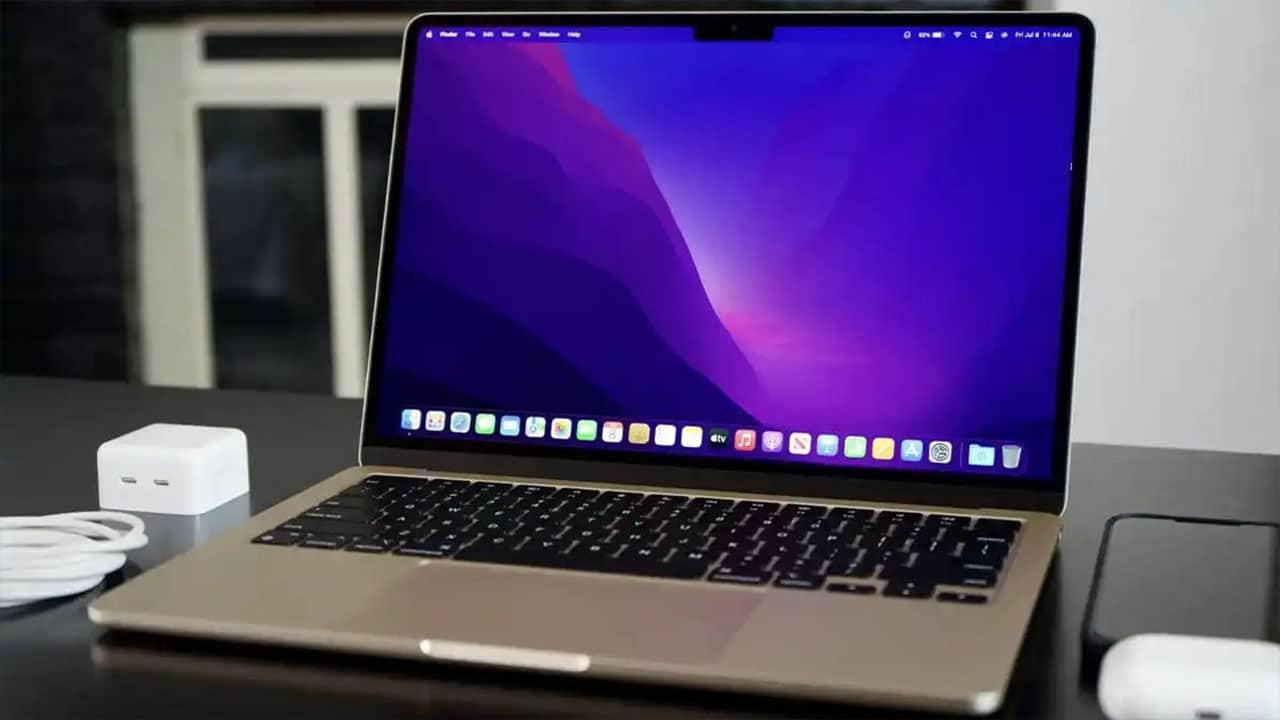
    Apple to launch its first 15-inch MacBook Air with M2 chip at WWDC next week

    Apple is set to make a major announcement at this year’s Worldwide Developers Conference (WWDC), as Bloomberg’s Mark Gurman reports that the tech giant plans to introduce a new MacBook Air model with a larger 15-inch display. The highly anticipated unveiling is scheduled to take place during Apple’s event on Monday, June 5 at 10 AM Pacific Time.

    The upcoming MacBook Air will mark a significant departure from its predecessors, as it is expected to feature a 15.5-inch display, as revealed by reliable display industry analyst Ross Young.

    This represents a notable increase in screen size compared to the current MacBook Air’s 13.6-inch display. While the laptop had previously been offered in an 11-inch variant, Apple appears to be shifting towards larger displays to cater to user preferences.

    What’s new?

    According to renowned Apple supply chain analyst Ming-Chi Kuo, the new MacBook Air will be equipped with the highly acclaimed M2 chip, which has been widely praised for its enhanced performance. The M2 chip boasts an 18 per cent faster CPU, a 35 per cent faster GPU, and a 40 per cent faster Neural Engine when compared to the previous M1 chip. These improvements make the new MacBook Air an enticing option for users considering an upgrade from the 2020 MacBook Air.

    In addition to the improved performance, the larger chassis of the 15-inch MacBook Air will accommodate a bigger battery, potentially offering users a longer battery life. Apple’s current 13-inch MacBook Air with the M2 chip can last up to an impressive 18 hours per charge. With the larger form factor, it is anticipated that the 15-inch model may even approach the 20-hour mark, reaffirming Apple’s commitment to providing industry-leading performance-per-watt.

    Another anticipated upgrade in the new MacBook Air is the inclusion of Wi-Fi 6E, as seen in other recent Apple releases. While the 13-inch MacBook Air is currently limited to Wi-Fi 6, the 15-inch model is likely to benefit from the faster speeds, lower latency, and reduced signal interference provided by Wi-Fi 6E. Users will need to connect their devices to a Wi-Fi 6E router from brands like TP-Link, Asus, or Netgear to fully harness these advantages.

    Moreover, the new MacBook Air could potentially support Bluetooth 5.3, following Apple’s recent integration of the technology into its latest devices. Bluetooth 5.3 brings improvements in reliability and power efficiency compared to its predecessor, Bluetooth 5.2, enhancing the overall wireless experience for users.

    With the upcoming announcement of the 15-inch MacBook Air, Apple aims to cater to the demands of its user base by offering a larger display, superior performance with the M2 chip, extended battery life, and cutting-edge wireless connectivity. The unveiling at WWDC is eagerly anticipated by Apple enthusiasts and tech enthusiasts alike, and it further solidifies Apple’s commitment to innovation and delivering exceptional products to its customers.

  • Kahaan baarish horehi hai? Apple, why are you doing this to us

    Kahaan baarish horehi hai? Apple, why are you doing this to us

    Despite a pleasant first week, this May is not being kind to Lahoris, with the temperature currently at 42°C which has left us without no option but to stay inside with ACs on 24/7.

    But, this is not the case as per the weather App on our iPhones. According to the application, while all of us are burning in this garmi, a thunderstorm is happening. We have just one question. Where are the rainy clouds?

    Social media users have also taken to Twitter to express their frustration.

    https://twitter.com/Xxrishrana/status/1660516708954828802?s=20

    According to a report, a searing heat wave that gripped parts of South Asia in April this year was made at least 30 times more likely by climate change.

    The climate change-fueled heat caused deaths, widespread hospitalizations, damaged roads, sparked fires and led to school closures in the region.

  • Your Future iPhone will clone your voice within 15 minutes

    If you have an iPhone or iPad, you will soon be able to hear it speak in your own voice, Apple announced earlier this week.

    The upcoming feature, “Personal Voice,” will give users randomized text prompts to generate 15 minutes of audio.
    There will be another new tool called “Live Speech” which lets users type in a phrase, and save commonly used ones, for the device to speak during phone and FaceTime calls or in-person conversations.


    Apple says it will use machine learning, a type of AI, to create the voice on the device itself rather than externally so the data can be more secure and private.


    It might sound like a quirky feature at first, but it is actually part of the company’s latest drive for accessibility. Apple pointed to conditions like ALS where people are at risk of losing their ability to speak.


    “At Apple, we have always believed that the best technology is technology built for everyone,” said Tim Cook, Apple’s CEO.
    The new “Personal Voice” feature, expected as part of iOS 17, will let iPhones and iPads generate digital reproductions of the voice of user for in-person conversations and on phone, FaceTime and audio calls.

    Apple said Personal Voice will create a synthesized voice that sounds like a user and can be used to connect with family and friends. The feature is aimed at users who have conditions that can affect their speaking ability over time.


    Users can create their Personal Voice by recording 15 minutes of audio on their device. Apple said the feature will use local machine-learning technology to maximize privacy.

    It’s part of a larger suite of accessibility improvements for iOS devices, including a new Assistive Access feature that helps users with cognitive disabilities, and their caretakers, more easily take advantage of iOS devices.

    Apple also announced another machine learning-backed technology, augmenting its existing Magnifier feature with a new point-and-speak-backed Detection Mode. The new functionality will combine Camera input, LiDAR input, and machine-learning technology to announce the text on the screen.

    Apple typically launches software at WWDC in beta, meaning that the features are first available to developers and to members of the public who want to opt in. Those features will typically remain in beta throughout the summer and launch to the public in the fall when new iPhones hit the market.

    Apple’s 2023 WWDC conference begins June 5. The company is expected to unveil its first virtual reality headset among other software and hardware announcements.

  • iOS 17 leak: Customisable Lock Screen and revamped Control Center to be featured in new update

    iOS 17 leak: Customisable Lock Screen and revamped Control Center to be featured in new update

    As the date for Apple’s WWDC23 event draws near, speculation about what to expect from the company’s upcoming software releases is growing. While little has been confirmed, it is widely anticipated that iOS will take centre stage once again, with iOS 17 making its debut alongside updates for iPadOS and macOS.

    Setsuna Digital, a source that has accurately leaked information in the past, has recently shared some early insights into iOS 17 via Weibo. It is important to note, however, that while the information may be accurate at present, software plans are fluid and subject to change.

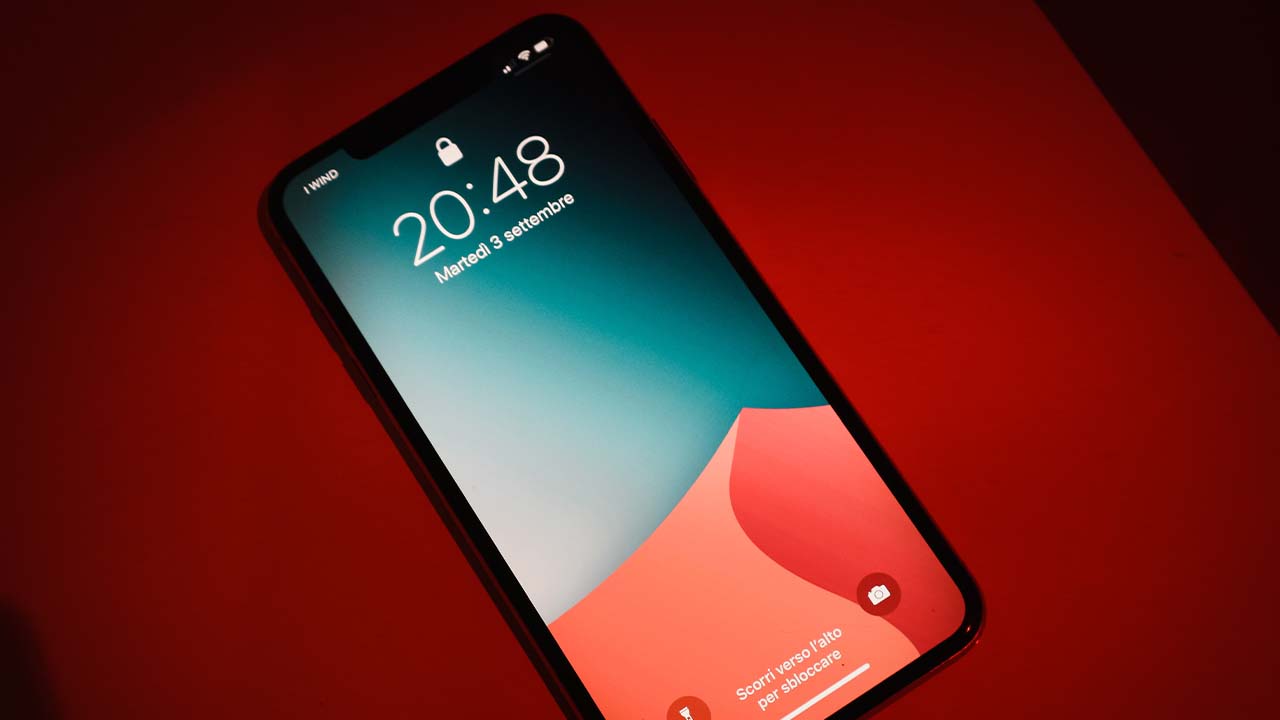
    According to Setsuna Digital, iOS 17 will feature some minor but interesting updates. For instance, there will be changes to the flashlight toggle, allowing for more granular control over brightness. Users will also enjoy more options for customising the Lock Screen, including font size and the use of emoji wallpaper, as well as the ability to share custom configurations.

    There will also be changes to Apple Music, with the app moving towards a more graphics-led interface and the possible addition of on-screen lyrics on the Lock Screen. Finally, it seems likely that users will be able to customise and organise the App Library.

    While some had predicted a major overhaul of the operating system, the company’s focus on developing a mixed-reality headset may mean that iOS 17 will instead focus on quality-of-life improvements. One such change could be the introduction of sideloading, which would allow users to install apps outside of the App Store.

    Another potential change is a revamped Control Center, which has been a staple feature for iPhone users for several years. While the details of any updates are unknown at present, even small changes such as the ability to customise shortcuts would be welcome.

    Until Apple officially announces its plans, however, it remains to be seen what iOS 17 will actually entail.

  • Apple may cut off iPhone X and older iPad models from iOS 17 compatibility list

    Apple may cut off iPhone X and older iPad models from iOS 17 compatibility list

    According to French tech website iPhoneSoft, Apple’s upcoming operating system iPadOS 17 will no longer support the first-generation 9.7-inch and 12.9-inch iPad Pro models, as well as the fifth-generation iPad. This news corroborates earlier reports from a source with a reliable track record for predicting upcoming software updates. If the information is accurate, only the following devices will be compatible with iPadOS 17 when it is released in the fall: iPad Pro (2017 and later), iPad Air (third generation and later), iPad (sixth generation and later), and iPad mini (fifth generation and later).

    It’s important to note, however, that being on Apple’s compatibility list doesn’t guarantee that the device will fully support all features of the software. For instance, iOS 15 is compatible with all devices that can run iOS 14, but not all features will be available on older iPhones.

    In terms of iPhone compatibility, there are conflicting reports. The same source that leaked information about the iPad models that will be dropped from iPadOS 17 claimed that iOS 17 will also drop support for the iPhone 8, iPhone 8 Plus, and iPhone X. However, another anonymous leaker, who has shared accurate information in the past, disputed this claim. According to this second source, all iPhones that support iOS 16 will also support iOS 17, including devices powered by A11 chipsets like the iPhone X and iPhone 8/8 Plus.

    Last year, iOS 16 and iPadOS 16 discontinued support for several devices, including the iPhone 6s, iPhone 6s Plus, iPhone 7, iPhone 7 Plus, original iPhone SE, final iPod touch, second-generation iPad Air, and fourth-generation iPad mini. Apple is expected to announce iOS 17 during its WWDC keynote on June 5th.

  • Major camera upgrade: Apple iPhone 15 Pro Max expected to debut with larger IMX903 sensor

    Major camera upgrade: Apple iPhone 15 Pro Max expected to debut with larger IMX903 sensor

    Apple has finally upgraded the main camera on its iPhone 14 Pro and iPhone 14 Pro Max models from a 12 MP to a 48 MP sensor. Reports suggest that Apple will continue this trend with the iPhone 15 Pro models, with the iPhone 15 Pro Max receiving an even bigger sensor.

    According to leaker Ice Universe, the iPhone 15 Pro Max is expected to debut later this year with a new 48 MP sensor, the IMX903, which is an improvement on the IMX803 used in the iPhone 14 Pro models. The IMX903 is predicted to be a 1/1.14-inch sensor, which is larger than the 1/1.28-inch IMX803.

    Additionally, leakers are promoting hardware-level 14-bit DNG RAW capture. However, it appears that Apple may revert to the days when the Pro Max model had a superior camera to the Pro one.

    All available information suggests that the IMX903 will be exclusive to the iPhone 15 Pro Max, while the iPhone 15 Pro will retain the IMX803 from its predecessors.

  • Apple CEO Tim Cook to meet India’s PM Modi during store opening

    Apple CEO Tim Cook to meet India’s PM Modi during store opening

    Tim Cook, the CEO of Apple, is scheduled to meet India’s Prime Minister, Narendra Modi, and the country’s deputy IT minister as part of his visit to inaugurate the tech giant’s first retail store in India.

    Cook’s visit to Mumbai and New Delhi to open the first official company-owned outlets in the country highlights Apple’s growing interest in India, despite only having a 3 per cent market share.

    The company has been expanding iPhone assembly through contract manufacturers and increasing its exports. Cook will meet Modi on Wednesday in New Delhi, and he is also expected to meet India’s deputy IT minister, Rajeev Chandrasekhar.

    Apple and the IT ministry did not immediately respond to requests for comment, while Modi’s office declined to comment. Cook’s meetings with Indian officials come as Apple focuses more on India, which is the world’s second-largest smartphone market.

    According to data from the India Cellular and Electronics Association, iPhones accounted for more than 50 per cent of the $9 billion worth of smartphones exported from India between April 2022 and February 2023.

    On Monday, Apple opened its first store in Mumbai, but only for a private event where bloggers and tech analysts reviewed the store layout and design. The Mumbai store is located in the Reliance Jio World Drive mall, which is home to luxury clothing and jewellery brands like Michael Kors, Kate Spade, and Swarovski. It is 20,800 square feet, far larger than the planned Delhi outlet, according to local registration documents.

    Apple has sold its products in India through resellers or e-commerce websites such as Amazon. The Mumbai store will open to the public from Tuesday, while a second store will be inaugurated inside a New Delhi mall on Thursday.

    In India, iPhones are assembled by three of Apple’s contract manufacturers – Foxconn, Wistron Corp, and Pegatron Corp. Apple plans to assemble iPads and AirPods in India as well.

  • iPhone 15 to feature A17 chip and rounded design, but with limited USB-C compatibility: Leaks

    iPhone 15 to feature A17 chip and rounded design, but with limited USB-C compatibility: Leaks

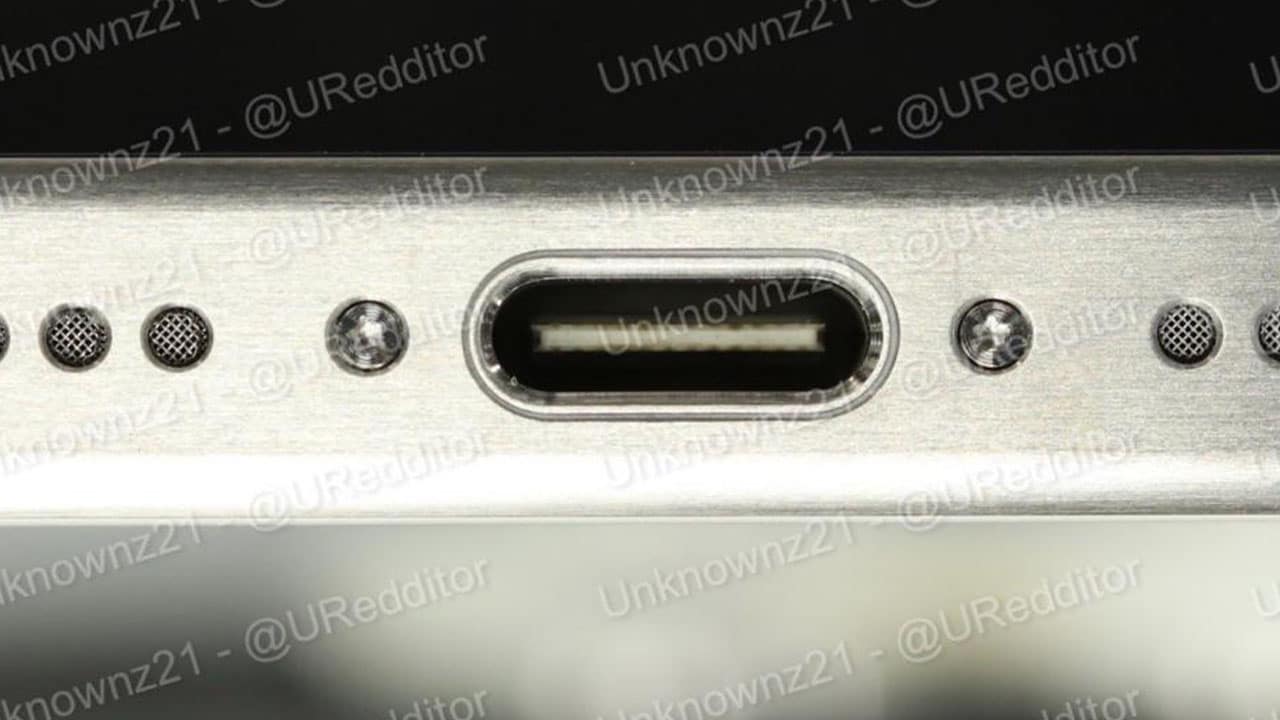
    An insider source known as ShrimpApplePro has revealed some information about Apple’s upcoming iPhone 15 models. The new phones will feature a faster performance, a more rounded design, and a higher price point. However, the most requested feature – USB-C compatibility – will come with a disappointing catch.

    Apple will be locking down the USB-C port on all iPhone 15 models, a move that contradicts their previous actions of introducing USB-C to iPads and MacBooks without limitations.

    USB-C is an open standard, and this news will be a surprise and disappointment to many Apple fans and industry experts. Apple’s official licensing program for accessories, MFi, requires manufacturers to comply with Apple’s standards by installing an authenticator chip on ports. This can limit or disable the accessory completely, and unlicensed accessories are often less expensive than those with MFi certification.

    Many people believe that profit is the primary reason why iPhones have not switched to USB-C. Despite an EU clampdown on proprietary ports, it seems that Apple has decided to manipulate the standard, which is a setback. USB-C would allow iPhones to have faster charging and data transfer speeds, and leaks suggest that iPhone 15 Pro models will deliver over 40x faster performance. However, it seems that these benefits will only be available through MFi-approved accessories, which is not ideal for those who already have a drawer full of USB-C cables.

    Foxconn has already started producing MFi-licensed accessories, including Apple’s own EarPods and cables, according to ShrimpApplePro. While iPhone enthusiasts may not view this news as a dealbreaker, it is likely not the way industry experts and EU lawmakers expected USB-C to be implemented by the world’s largest smartphone maker.

    Apple’s iPhone 15 range is expected to launch in September with a higher price point, a more rounded design, new chassis materials and colors, solid-state buttons, next-gen WiFi, and a 3nm A17 chipset.

  • Here’s how to pay PTA approval fees in installments with 0% markup

    Bank Alfalah’s e-marketplace, Alfa Mall, has recently launched a new service that offers interest-free installments for Pakistan Telecommunication Authority (PTA) approvals on some of the most popular and expensive smartphones. The smartphones that qualify for this service include the Samsung Galaxy S22, S22 Ultra, iPhone 13, and all iPhone 14 series phones.

    According to the Alfa Mall website, the total PTA charges for these phones range between Rs130,000 to Rs190,000, which can be paid in 3 to 6 monthly installments with 0 per cent markup. The process is simple: customers need to select an installment plan, enter their CNIC number, and also provide the IMEI code of their phone.

    It is important to note that the PTA approval process may take up to 3 to 5 working days, and customers will be notified of their approval through a confirmation call from the merchant.

    With this new service, Alfa Mall aims to provide customers with a more affordable and convenient way to purchase high-end smartphones without the burden of upfront payment for PTA approvals.

    You can visit this link for more details: How to pay PTA fees in installments