Tag: Apple

  • New iPhone 15 Pro design leaks unveiled: USB-C port and titanium chassis

    New iPhone 15 Pro design leaks unveiled: USB-C port and titanium chassis

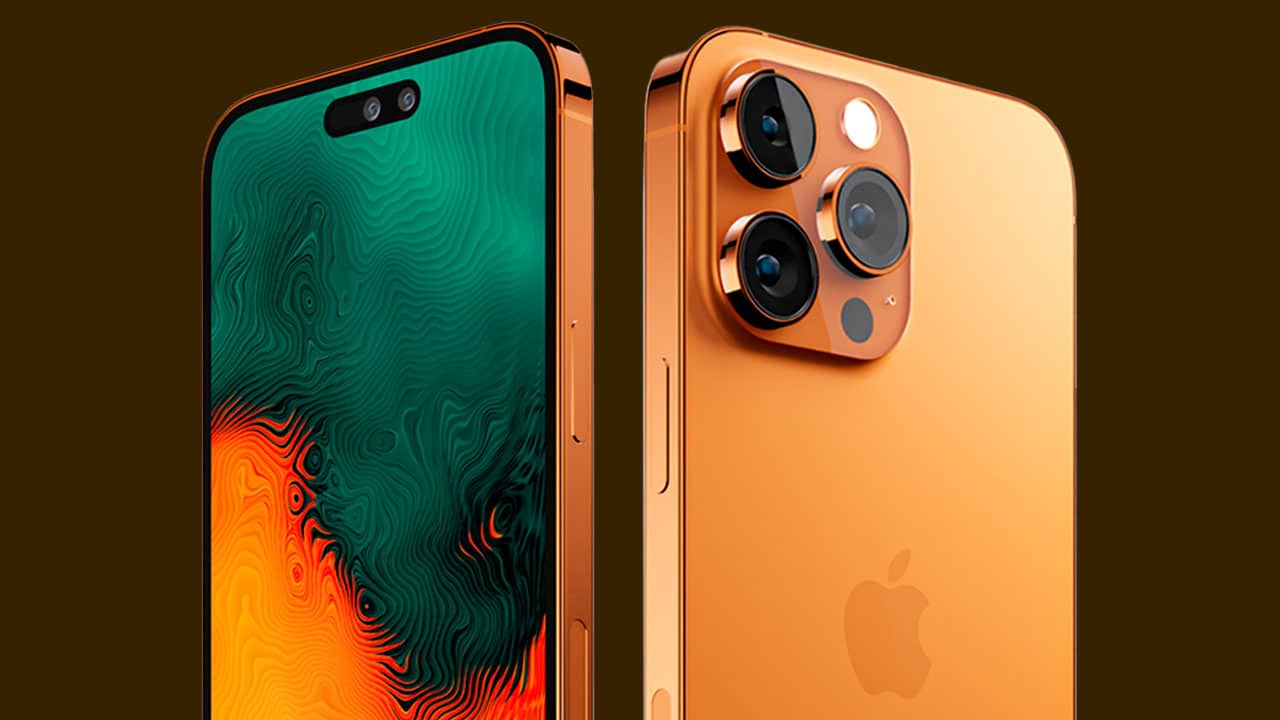
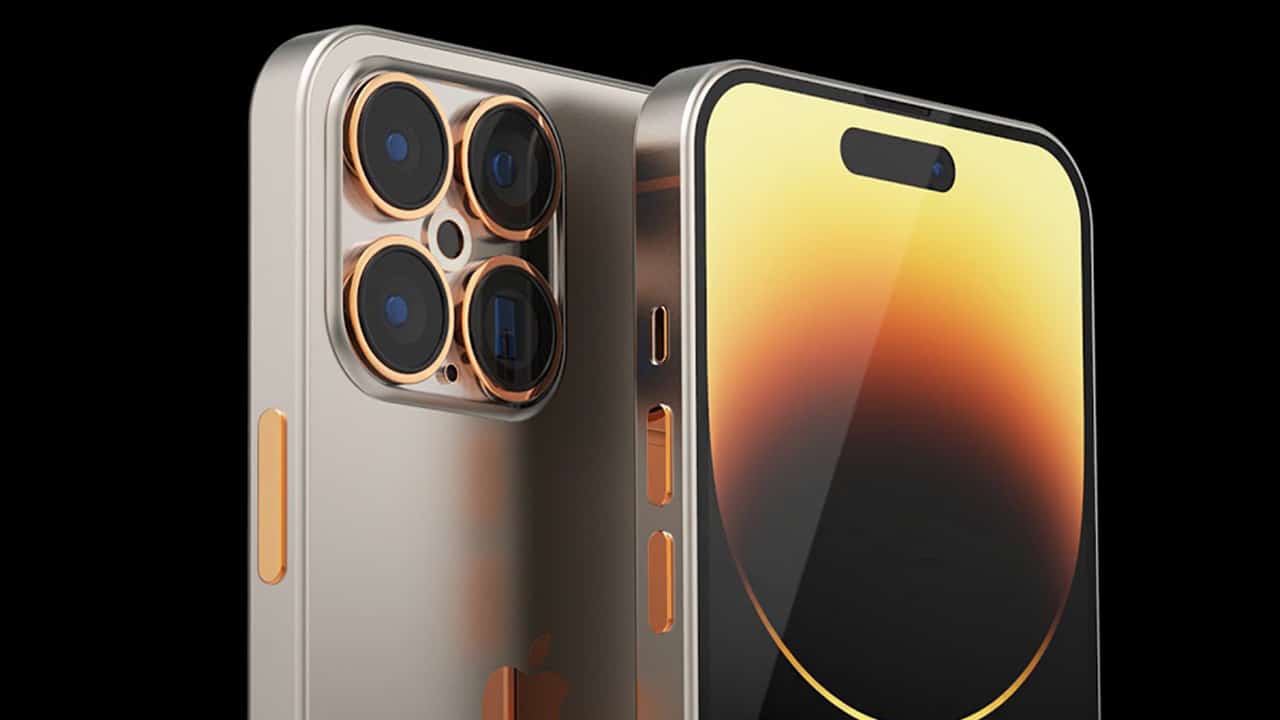
    Recent leaks of the New iPhone 15 Pro CAD have unveiled significant design changes from Apple’s previous generations. The most discussed upgrade has now been revealed through photographic evidence.

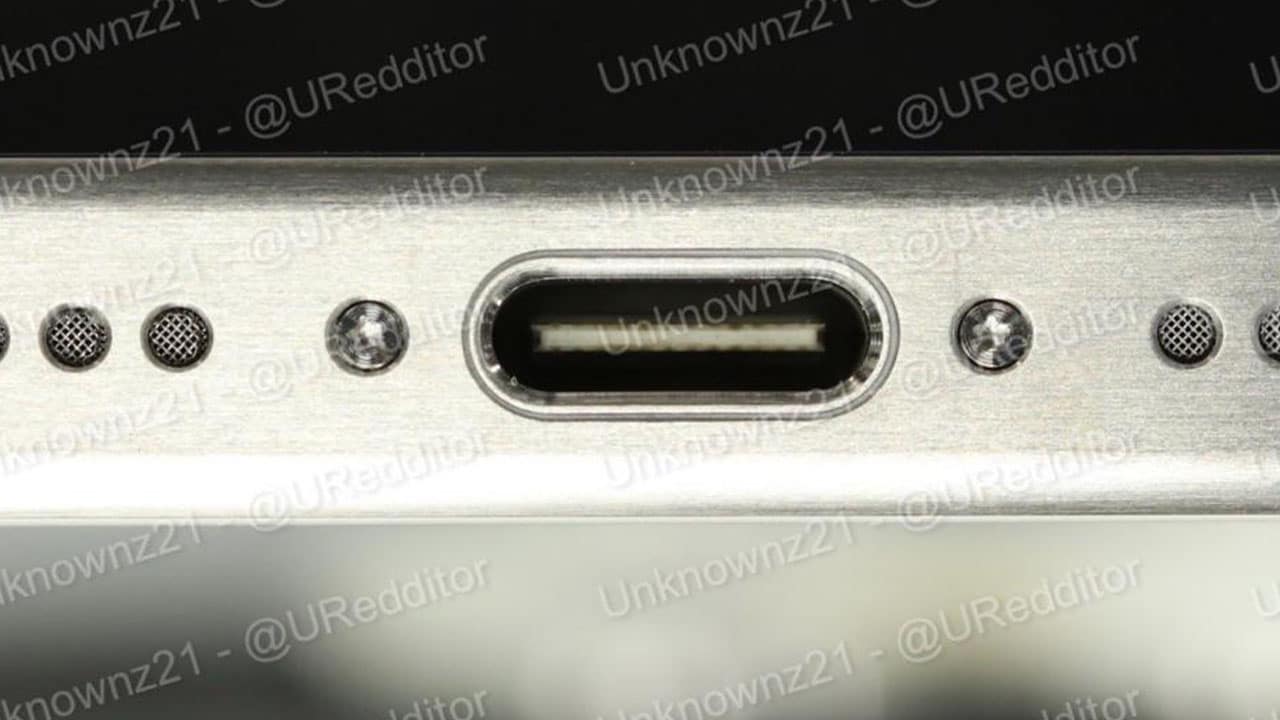
    Apple insider, Unknownz21, has shared a close-up image of what they claim to be the USB-C port on the iPhone 15 Pro, without the need for any imagination or rendering. Unknownz21 has a proven track record, having sourced an early version of iOS 14 months ahead of release.

    Aside from the USB-C port, the photo also reveals an unfinished brushed material on the phone that looks similar to titanium, indicating a possible replacement for the stainless steel chassis on the iPhone 15 Pro and Pro Max models. Additionally, the images display curvier edges, as previously leaked in recent iPhone 15 Pro renders.

    However, there is some bad news regarding the implementation of USB-C. It is expected that the performance of USB-C will differ significantly between the iPhone 15 Pro and standard models. Furthermore, Apple is rumored to include an authenticator chip that would control the use of USB-C ports. As seen with Lightning, this would require third-party cables and accessories to pass Apple’s MFi certification program, which could limit their performance or even prevent them from working altogether. This could result in additional costs for manufacturers and customers.

    Despite these potential drawbacks, 2023 is expected to be a significant year in the evolution of the iPhone. Apple is introducing changes to the chassis, display, ports, and buttons, as well as a new pricing structure that will differentiate between iPhone Pro and standard models. If you have been waiting to upgrade your iPhone, this could be the year to do so.
  • Next-generation Apple Watch may feature a built-in camera

    Next-generation Apple Watch may feature a built-in camera

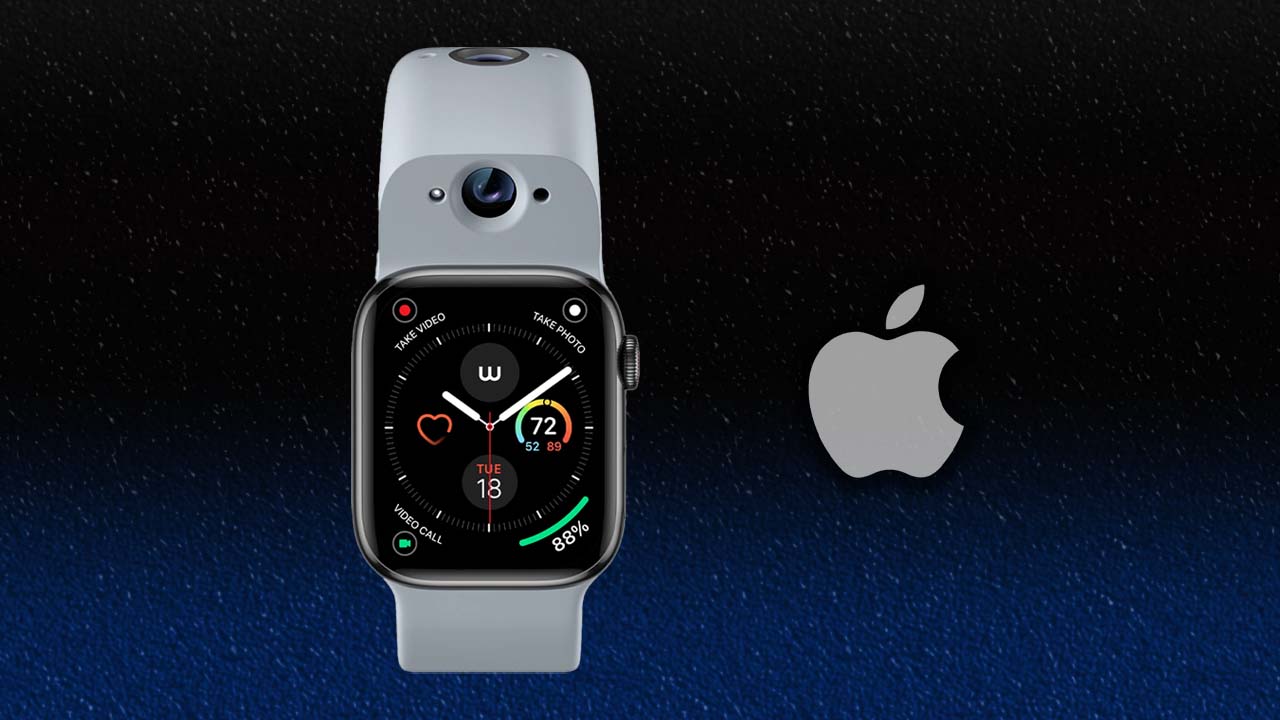
    Recently, information about Apple’s plans for its smartwatches has emerged from a leaked patent application. The patent reveals that Apple has given significant thought to incorporating a camera into its Apple Watch.

    The company has been granted a patent (US-11571048-B1) for a strap release mechanism for the Apple Watch, which could be used in conjunction with a built-in camera. This discovery, made by Patently Apple, describes a strap comprised of two segments and a “nest” section that facilitates the removal of the watch from the strap. This mechanism opens up new possibilities for the utilization of the Apple Watch, including the ability to capture photos with a built-in camera.

    The patent filing includes visual depictions of utilizing the camera feature on the strap-less Apple Watch, as well as a cross-section of the device that showcases a bottom-facing camera and its field of view. The user can take a picture by simply removing the watch, holding the camera section, and capturing the photo.

    Apple has a history of exploring camera-related patent designs for its Apple Watch. In the past, the company was granted a patent for a camera located within the digital crown and another patent from 2019 for a rotatable camera integrated into the end of a strap.

    Apple’s recent patent application is consistent with the company’s ongoing investigation into camera capabilities for the Apple Watch. There is already a similar product, known as the Wristcam, which can be utilized as a third-party accessory for the device.

    It is important to note that the filing of a patent by Apple does not necessarily imply the eventual release of an Apple Watch equipped with a camera. Rather, it serves as evidence of the company’s examination of various conceptual possibilities.

  • Apple reportedly plans to launch a pricier iPhone ‘Ultra’ next year

    Apple reportedly plans to launch a pricier iPhone ‘Ultra’ next year

    Apple has traditionally released four iPhone models annually — Mini, Standard, Pro, and Pro Max. However, last year the Mini was replaced with a Plus model and this lineup is expected to remain the same this year.

    According to a report from Mark Gurman at Bloomberg, Apple plans to revamp its lineup in 2024 and introduce an iPhone Ultra, which is said to be a top-of-the-line device more powerful than the Pro Max. This means that the iPhone 16 series will feature this new model from the Cupertino-based company.

    According to recent reports, the highly anticipated iPhone Ultra model will not replace the Pro Max in the current iPhone lineup. Instead, both the Pro Max and the new Ultra model are expected to be part of the next year’s iPhone offerings.

    The iPhone Ultra, rumored to feature a titanium build, offers a distinct selling point in a market dominated by devices built with alternative materials. While the use of titanium is expected to bring a premium feel to the device, it may also result in a higher price point.

    In addition to its superior build, the iPhone Ultra is expected to come equipped with several hardware upgrades, including improved camera capabilities, a faster processing chip, a larger display, and possibly a portless design, eliminating the need for a Lightning or USB-C port. These cutting-edge features position the iPhone Ultra as a standout device in a highly competitive market.

  • First-generation Apple iPhone 2G set to sell for Rs1.36 crore at auction

    First-generation Apple iPhone 2G set to sell for Rs1.36 crore at auction

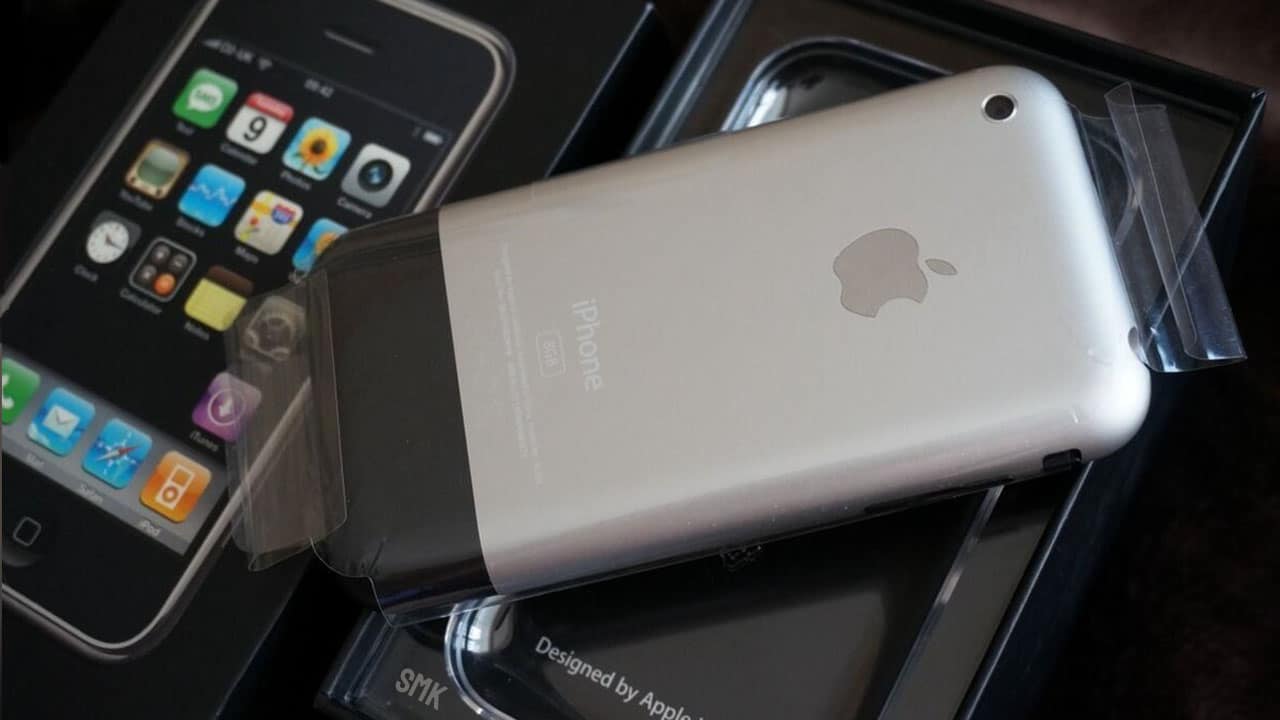
    Apple fans have the chance to own an original 2007 first-generation iPhone – if they are willing to pay the price.

    According to LCG Auctions, where the item is offered for sale, the original 2007 factory iPhone is likely to fetch an amazing $50,000 or more. It is still sealed and unopened in its factory packaging.

    The iPhone had a 3.5-inch screen, a 2-megapixel camera, and 4 or 8 GB of storage when it was originally manufactured. According to CNN, the initial phone was only offered by AT&T on a 2G network and did not have an app store. Time Magazine awarded it the Invention of the Year for 2007.

    The particular iPhone up for grabs is being consigned by its owner, Karen Green, who was gifted the Apple product when it was first released. In a 2019 appearance on “The Doctor & The Diva,” the proud owner said she was gifted the phone but never opened the package as she was happy with her current device.

    She said she held onto it hoping it would come in handy one day. On the air, her 8 GB phone was appraised at $5,000 by Ph.D. Antiques Appraiser Dr Lori.

  • Apple may launch a folding iPad in 2024: Apple analyst

    Apple may launch a folding iPad in 2024: Apple analyst

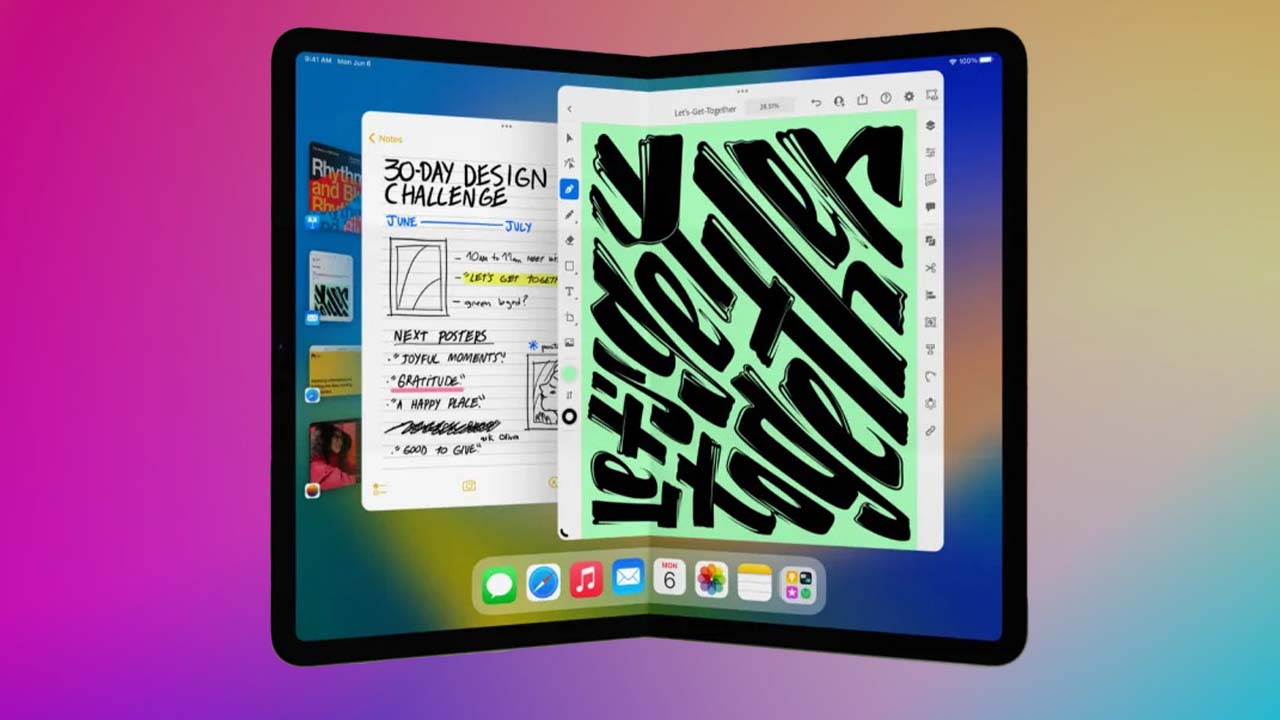
    According to a recent report by analyst Ming-Chi Kuo, Apple is expected to launch a foldable iPad in 2024. According to Kuo, the next iPad will not be released this year, and mass manufacturing of the new iPad Mini will start in Q1 of 2024.

    These iPads will be manufactured by Anjie Technology and will contain a carbon fiber kickstand at their back.

    Apple will “continue benefiting from the growing trends of foldable devices, equipped with kickstands in the future,” said Kuo.

    It’s likely that the kickstand Kuo mentioned will be fixed in the iPad case since foldables can easily stand without the need for a kickstand. On the other hand, the foldable iPad might not be as stable and need a kickstand at its back for support.

    While the tech giant is currently experiencing a 15 per cent decline in tablet shipments, analysts believe that the release of the first foldable iPad will be a big break for the company.

    The bigger displays and OLED panels of the new iPad Pro tablets, which were also introduced, are likely to make them broader for hand usage.

    A foldable tablet can significantly improve portability because it can be difficult to carry usual tablets because they often do not fit in pockets. Apple users will soon be able to carry their iPads with ease thanks to the folding iPad.

  • Apple CEO Tim Cook requests and receives a 40% salary cut

    Apple CEO Tim Cook requests and receives a 40% salary cut

    Apple chief executive Tim Cook will see his annual salary package trimmed by up to 40 per cent this year.

    According to reports, Cook asked for a reduction in pay after receiving criticism from shareholders.

    He received a total “target compensation” from Apple’s compensation committee of $49 million for 2023.

    According to details, a global economic slowdown and supply chain issues caused the iPhone manufacturer’s shares to drop precipitously in 2022.

    “The Compensation Committee balanced shareholder feedback, Apple’s exceptional performance, and a recommendation from Cook to adjust his compensation in light of the feedback received,” Apple said in a filing with a US financial watchdog.

    Still, Cook’s annual basic salary will remain unchanged at $3 million, as well as a bonus of up to $6 million.

    The biggest difference in his salary package is how he will be awarded shares in the company.

    The company granted him $75 million worth of shares in 2022, half of which were based on how well Apple performed on the stock market.

    For this year his stock award target has been slashed to $40 million, with three-quarters of that dependent on share performance.

    The target for Cook’s compensation for 2022 was $84 million, although his actual total pay for last year was $99.4 million. That figure included $630,600 in personal security costs and $712,500 for his use of a private jet.

    Earlier, Apple shareholders were asked by a top investor advisory group to vote against Cook’s pay package.

    In a letter to investors, Institutional Shareholder Services (ISS) said there are “significant concerns” over the “design and magnitude” of the package.

    According to reports, Cook’s pay was surprisingly 1,447 times more than the wage of an average Apple employee.

    Cook became Apple’s chief executive in August 2011, just weeks before the death of co-founder Steve Jobs.

    The 62-year-old’s personal wealth stands at around $1.7 billion, according to Forbes.

  • Apple may launch iPhone 15 Pro without physical lock and volume buttons

    Apple may launch iPhone 15 Pro without physical lock and volume buttons

    Ming-Chi Kuo, a renowned analyst and source of Apple-related rumours, predicted that the iPhone 15 Pro and iPhone 15 Pro Max may not include any physical, clickable, conventional buttons when they were first released in October of last year.

    And Kuo is back at it again, basically repeating the same facts. His most recent survey of Apple’s supply chain partners indicates that the iPhone 15 Pro and Pro Max are still expected to go on sale without clickable buttons in the second half of this year.

    https://twitter.com/9to5macPro/status/1613236746451386371

    Both phones will instead use solid-state buttons that will be assisted by extra taptic engines to mimic the sense of physical buttons when pressed.

    As the only provider of the controller IC for the Taptic Engine’s solid-state buttons, Cirrus Logic is the business that stands to gain the most from Apple’s decision.

    If customers like Apple’s fake buttons, according to Kuo, other firms may follow suit and add haptic buttons to their phones.

  • WhatsApp will stop working on older smartphones after December 31

    WhatsApp will stop working on older smartphones after December 31

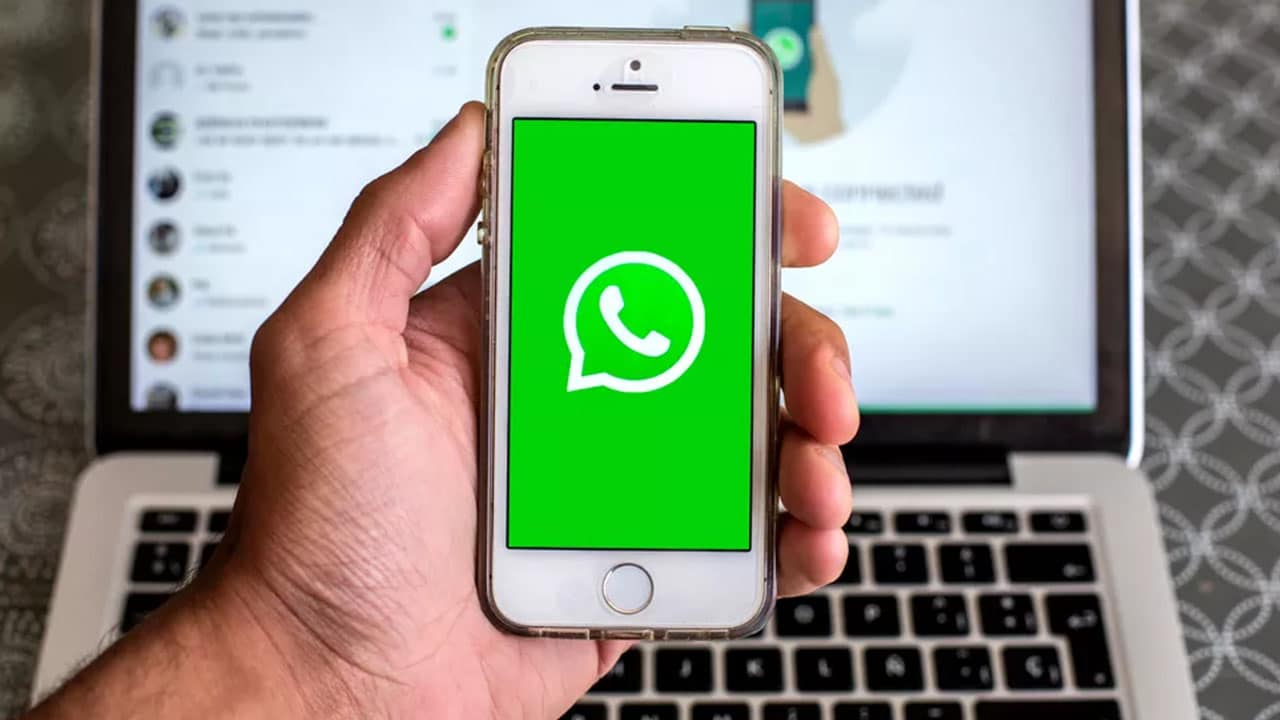
    Every year, WhatsApp discontinues support for specific devices that are considered obsolete. After December 31, the Meta-owned messaging platform will no longer be available on more than 40 smartphones, including two older iPhones.

    WhatsApp is discontinuing support for devices and operating systems that are rarely used and quite old. The messenger currently supports Android 4.1 and higher, iOS 12 and higher, and KaiOS 2.5.0 and higher.

    GizChina has compiled a list of 49 phones that will no longer be able to operate WhatsApp after December 31.

    Apple: iPhone 5, iPhone 5c

    Samsung: Galaxy Ace 2, Galaxy Core, Galaxy S2, Galaxy S3 mini, Galaxy Trend II, Galaxy Trend Lite, Galaxy Xcover 2

    LG: LG Enact, Lucid 2, Optimus 4X HD, Optimus F3, Optimus F3Q, Optimus F5, Optimus F6, Optimus F7, Optimus L2 II, Optimus L3 II, Optimus L3 II Dual, Optimus L4 II, Optimus L4 II Dual, Optimus L5, Optimus L5 Dual, Optimus L5 II, Optimus L7, Optimus L7 II, Optimus L7 II Dual, Optimus Nitro HD

    Sony: Xperia Arc S, Xperia miro, Xperia Neo L

    Huawei: Ascend D, Ascend D1, Ascend D2, Ascend G740, Ascend Mate, Ascend P1

    Given that the majority of individuals use the latest recent smartphones, very few people may be impacted by WhatsApp’s expiration. However, it’s time to upgrade if your phone is on the aforementioned list.

  • Apple may allow third-party app stores on iOS to make the iPhone more open

    Apple may allow third-party app stores on iOS to make the iPhone more open

    To meet EU standards outlined in the Digital Markets and Services Act, Apple intends significant improvements to iOS and other services.

    According to Mark Gurman from Bloomberg, Apple will redesign its platform to “open up key elements,” allowing users of the iPhone and iPad to download applications from third party app stores and websites.

    Only the 27 European Union member states are expected to experience the changes, which would pave the way for a potential expansion of the services to other areas.

    As corporations have time until 2024 to completely comply with the Digital Markets Act, plans for the changes are probably going to launch with iOS 17 in 2023. The implementation also includes adding new web browsing engines to iPhones and iPads as well as expanding access to the NFC chip, camera, Find My Network, and AirTag.

    Gurman noted that even if developers choose not to make their apps available through the App Store, Apple still intends to charge them.

    Both the Digital Markets Act and the Digital Services Act aim to enhance privacy protection, foster fair competition, and do away with some intrusive targeted advertising. The first act, which is meant to provide improved interoperability with less significant competing services, is where Apple’s activities mostly come under.

    Let’s say Cupertino chooses not to follow the regulation when it becomes effective on January 1, 2024. In that situation, regulators may impose a penalty equal to 10 per cent of the entire global turnover, up to 20 per cent for recurrent infractions.

  • Apple steps up iPhone 14 production shift from China to India

    Apple steps up iPhone 14 production shift from China to India

    In an attempt to expand its manufacturing base outside of China, Apple has recruited another assembly partner for the iPhone 14 production lineup in India, according to Bloomberg.

    Following Foxconn, which started making the iPhone 14 models in India in September, Taiwanese contract maker Pegatron will manufacture the model in the country.

    The iPhone 11, iPhone 12, iPhone 13, and most recently the iPhone 14 are all produced at Apple’s Taiwanese assembly partners Foxconn, Wistron, and Pegatron’s iPhone manufacturing facilities in India. The production of the most recent model has seen a significant reduction in the time between Chinese and Indian output from months to weeks.

    In the five months since April, Apple has exported $1 billion worth of iPhones from India. Despite being modest by Chinese standards, India’s rising iPhone production indicates Apple’s willingness to invest there as a rival to China’s dominance in electronics assembly, which has recently been weakened by the latter’s zero-COVID policy.

    Following an epidemic at the factory, which resulted in the metropolis of nearly 10 million people being shut down, Foxconn’s major Zhengzhou plant, which employs about 200,000 people, has been subject to the same limits. According to one report, when COVID-19 rules in China become more stringent, iPhone production might decrease by as much as 30 per cent the following month.

    Despite the coincidence of events, Apple’s long-term production development plans in India are unrelated to China’s lockdown issues, even though they do serve to emphasise the company’s utter reliance on only one nation.

    Apple is playing a long game by shifting its production lines away from China, one that won’t have a significant influence on its supply chain for many years. According to a recent Bloomberg article, it would take eight years to relocate just 10 per cent of Apple’s production capacity from China, where over 98 per cent of iPhones are still produced.