Tag: China

  • Chinese factory shreds wedding photos for fuel

    Chinese factory shreds wedding photos for fuel

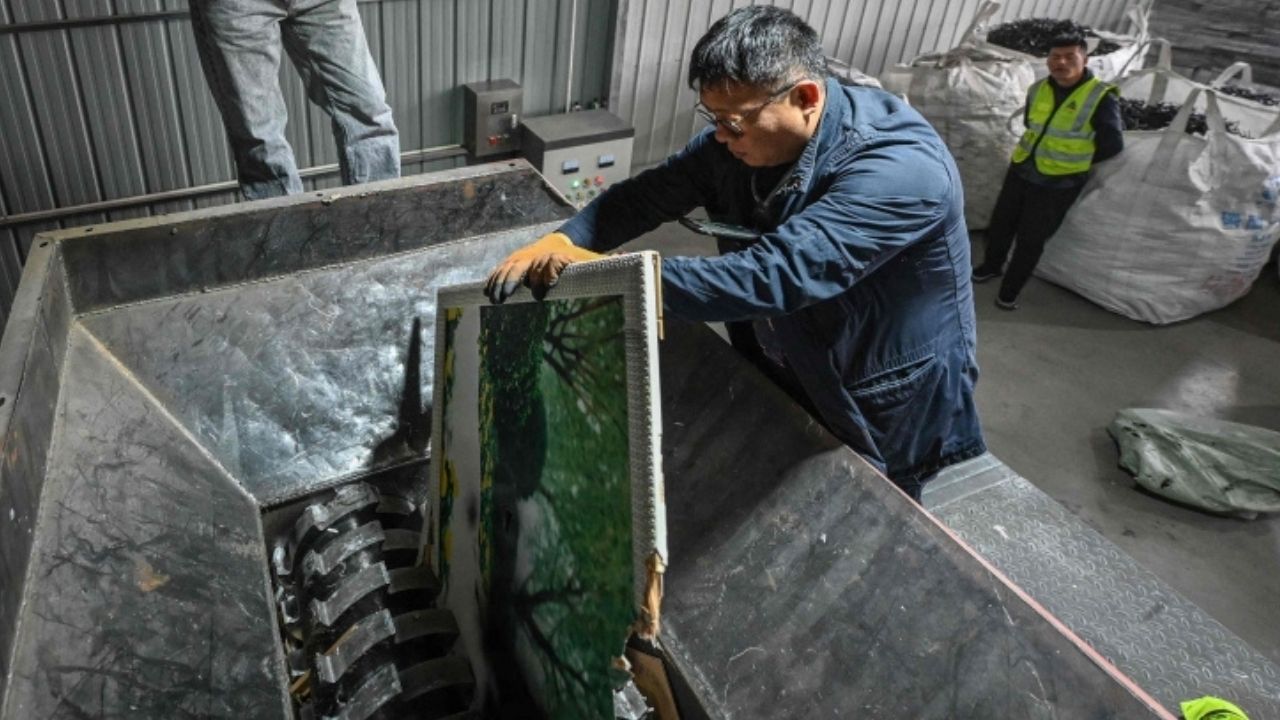
    At a dusty warehouse in northern China, Liu Wei feeds photos of beaming bridal couples into an industrial shredder — turning stories of heartbreak into a source of electricity.

    Wedding photos are big business in China, where parks, temples and historic sites often teem with newlyweds posing for elaborate shots capturing their supposedly unbreakable bond.

    But in a country where millions of divorces take place each year, many marital snaps end up shoved into the attic or tossed into the trash.

    Liu’s company offers an alternative: bereft ex-lovers can have their memories destroyed and recycled into fuel.

    “From our daily business exchanges, we found the destruction of personal belongings is a blank space nationwide,” the 42-year-old told AFP at his factory, 120 kilometres (75 miles) from Beijing.

    “People with less experience in the market probably wouldn’t have spotted this opportunity,” he added.

    Despite cultural taboos around destroying images of living people, Liu’s facility receives an average of five to 10 orders per day from across China.

    They include large wall photos and smaller decorative shots and albums, mostly cast from plastic, acrylic and glass.

    Workers heave the images onto a forklift truck and scatter them onto the warehouse floor for sorting.

    They then obscure every face with dark spray paint to protect client privacy and smash unshreddable glasswork with a sledgehammer.

    “These people are all trying to find closure,” said Liu. “They mainly want to unpick the knots in their hearts.”

    Complex motivations

    Sullied and broken, the pictures give glimpses of broken families in happier times.

    In one, a woman in a white bridal dress reclines on a bed of flowers, while another shows a lovestruck couple gazing into each other’s eyes.

    A sporty pair in matching kits pose with a football, while nearby, a smitten man presses his face tenderly to his pregnant wife’s belly.

    Brandishing his phone, Liu films the defaced photos and sends clips to customers for final confirmation.

    He estimates he has served about 1,100 clients — mostly under the age of 45, and around two-thirds women — since launching the service a year ago.

    They typically speak little about their separations, and several declined interview requests from AFP.

    Liu says the motivations for destroying wedding photos are often complex.

    “Few of them do this out of malice,” he told AFP.

    “It might be that this item brings on certain thoughts or feelings… or be a hurdle hard to overcome.”

    Some clients attend the destructions in person to give a sense of ceremony to a closing chapter in their lives, said Liu.

    Others keep their photos for years and only dispose of them when they remarry or finally come to terms with a former spouse’s death.

    Given the irreversible nature of the process, Liu says he gives clients a final chance to salvage their items in case they live to regret their decision.

    After getting the green light, he films his staff gently pushing the photos into the shredder’s gnashing teeth.

    The debris is taken to a nearby biofuel plant where it is processed with other household waste to generate electricity.

    ‘Respect others’ choices’

    Divorce rates soared in socially conservative China after marriage laws were relaxed in 2003.

    They have fallen dramatically since the government enacted a law in 2021 mandating a month-long “cooling-off” period before couples untie the knot.

    China registered 2.9 million divorces in 2022, down from over 4.3 million two years earlier.

    The number of marriages rose last year for the first time in nearly a decade, giving Beijing some relief as it seeks to reverse a steep fall in births.

    After annihilating the visual evidence of hundreds of unions, Liu says he has become numb to the emotions they stir up.

    “The deepest feeling I have in my heart towards my clients… is that you must respect others’ choices,” he said.

    “You must never persuade people one way or another,” he added. “It does no good.”
  • China to criminally try three minors for child murder

    China to criminally try three minors for child murder

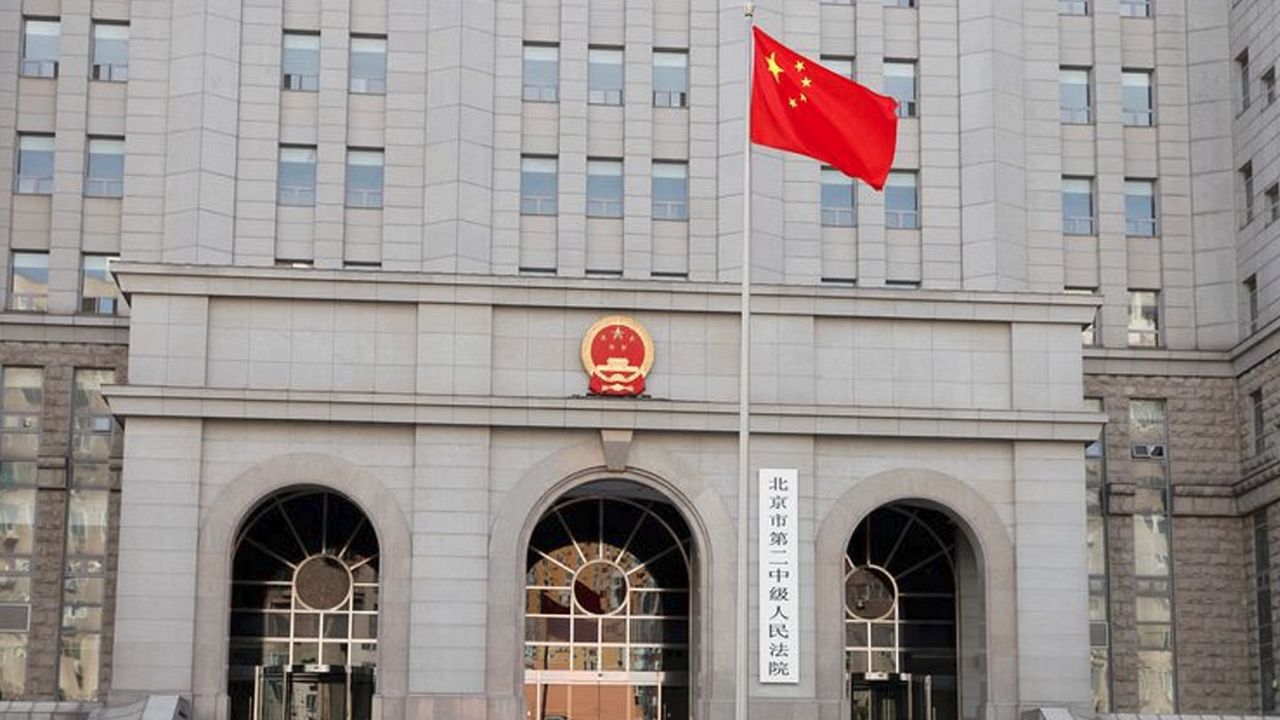
    China will put three minors on trial for allegedly murdering another child, a provincial prosecutor said Monday, in a case that has shocked the nation and sparked public debate over the treatment of juvenile offenders.

    The three suspects, all aged under 14 at the time of the murder, are accused of bullying a middle-school classmate surnamed Wang over a long period before killing him last month.

    The grim details of the case, in which the killers reportedly buried Wang’s body in an abandoned greenhouse, drew public attention to how the law deals with juveniles accused of serious crimes.

    In 2021, China lowered its age of criminal responsibility from 14 to 12 for “special cases” such as inflicting death by “extremely cruel means”.

    The Hebei case is thought to be one of the first to apply the lower age limit.

    The provincial prosecutor said Monday it had received a police request last month to criminally try the suspects, surnamed Zhang, Li and Ma.

    It said it had concluded that the three were between 12 and 14 when they “intentionally committed murder, causing the death of the victim Wang”.

    “The circumstances were serious and they should be held criminally responsible,” the provincial office said, adding that the country’s top public prosecutor had reviewed the decision.

    “While handling cases strictly in accordance with the law, the procuratorial organs will… further strengthen the prevention and treatment of juvenile crimes,” the provincial prosecutor continued.

    Under Chinese law, murder is punishable by imprisonment or the death penalty.

  • Pakistan PM orders police punished after Chinese dam worker attack

    Pakistan PM orders police punished after Chinese dam worker attack

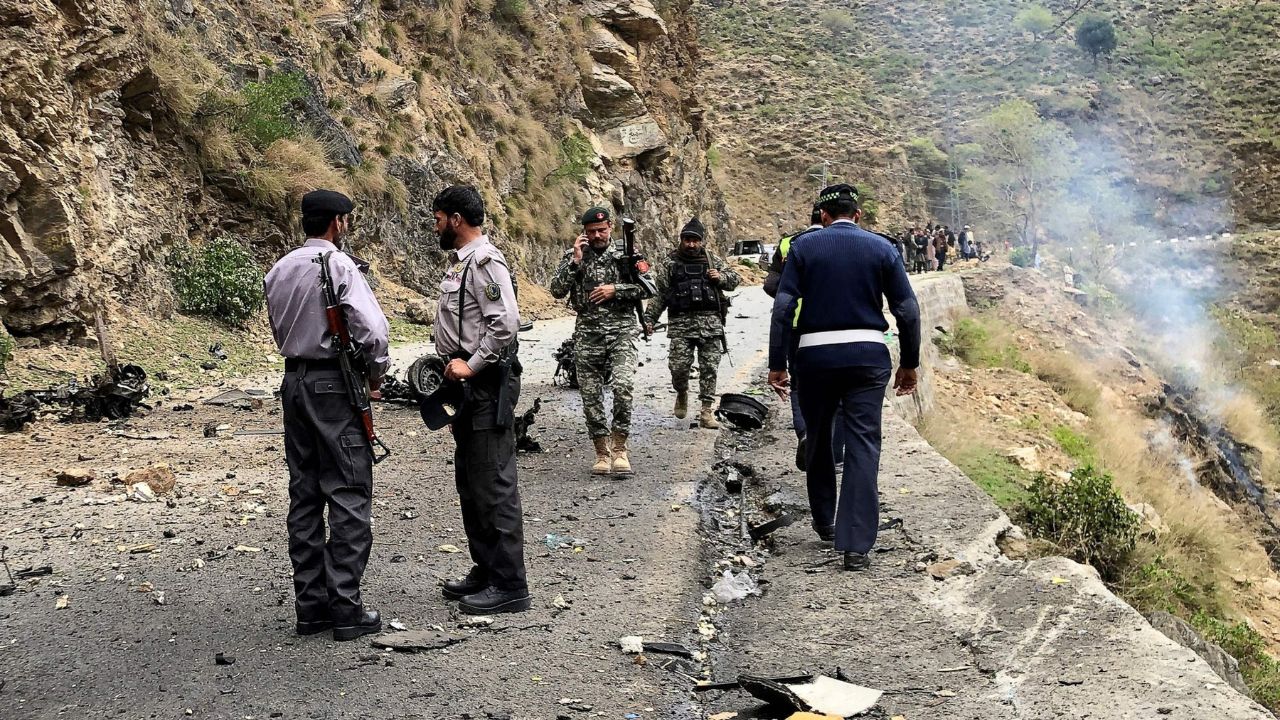
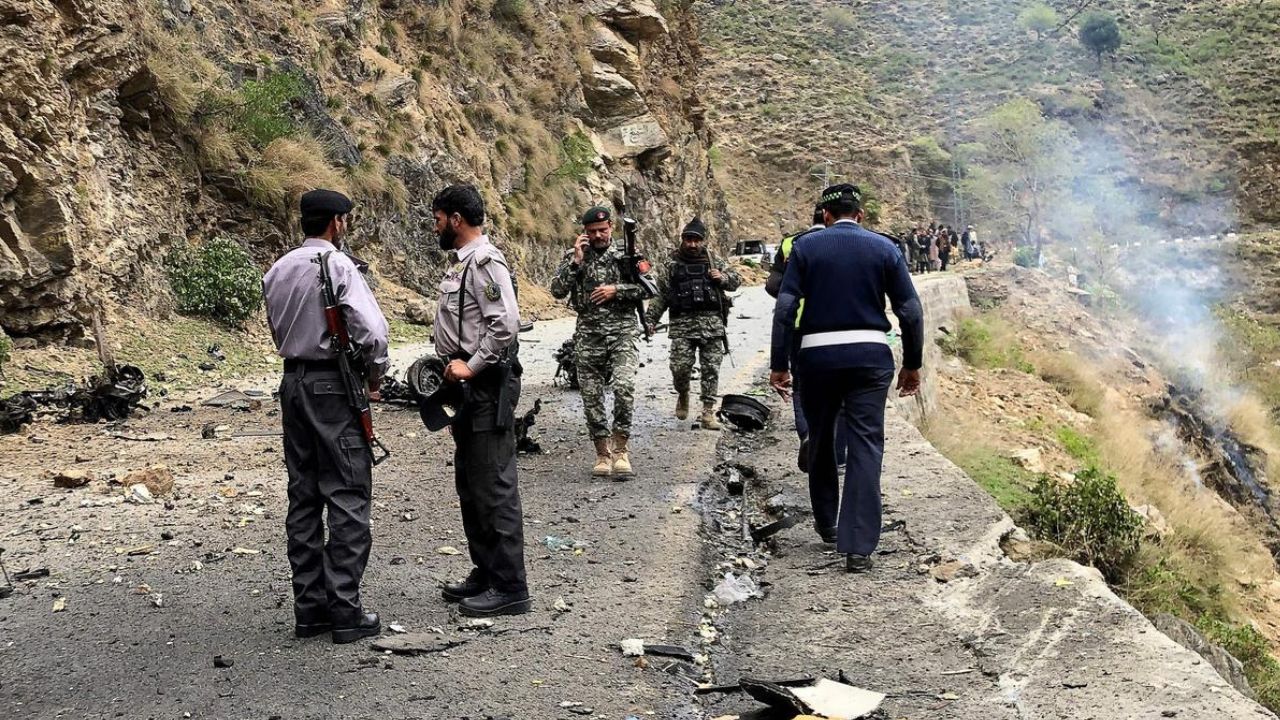
    Pakistan’s prime minister has ordered at least five senior police officials be punished for negligence after a suicide bomber killed five Chinese engineers at a major dam site last month, the country’s information minister said Saturday.

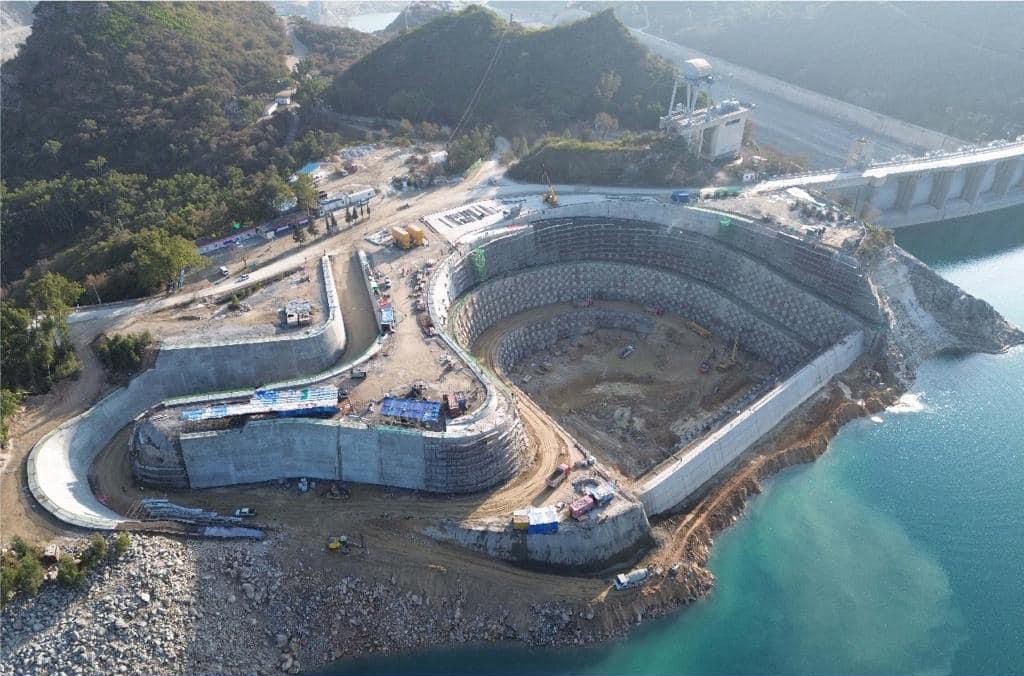
    The attack in northwestern Khyber Pakhtunkhwa province forced Power China and the China Gezhouba Company to suspend work on two dam projects after the bombing killed the five workers and a Pakistani driver, sending their van into a deep ravine.

    Hundreds of Chinese people are employed at the Dasu and Diamer Bhasha dam construction sites, located around 100 kilometres (62 miles) apart in the mountainous region.

    Minister of Information Attaullah Tarar said a committee appointed by Prime Minister Shehbaz Sharif identified a regional official, three district officials and the director of security at the Dasu dam project for their “negligence” in fulfilling their duties.

    “The prime minister has ordered immediate action against these officials,” Tarar told a press conference in the city of Lahore, without specifying what their punishment will be.

    “The prime minister himself will be monitoring the security of Chinese (nationals). Those individuals who have shown negligence will be set as an example.”

    Tarar said security matters regarding Chinese citizens would be “treated with utmost seriousness and any lapses will not be tolerated.”

    Operations by Power China have resumed at Diamer Bhasha while operations at China Gezhouba Group Company at Dasu remain closed.

    Pakistani police have detained more than 12 people, including Afghan nationals, in connection with the bombing.

    Beijing is Islamabad’s closest regional ally, frequently offering financial assistance to support its often-struggling neighbour and pouring more than $2 trillion into infrastructure projects.

    However, Pakistanis have long complained about not receiving a fair share of the jobs or wealth generated by the projects.

    The security of Chinese workers is a major concern to both countries, with nationals frequently targeted by militants hostile to outside influence.

    Last week’s attack came just days after militants attempted to storm offices of the Gwadar deepwater port in the southwest, considered a cornerstone of Chinese investment in Pakistan.

  • Who is the richest man on the planet?

    Who is the richest man on the planet?

    The American magazine Forbes has released its list of the richest people in the world for 2024.

    The list indicates that the number of billionaires around the world has reached an all-time high and their wealth has increased significantly over the past one year.

    141 more people became billionaires during the year and a total 2781 people are included in the list. The total wealth of these people is around fourteen thousand and two hundred billion dollars, which in comparison to 2023 is two thousand billion dollars higher. Two-thirds of billionaires got richer, with the world’s 20 richest people earning a combined total of $700 billion a year, according to Forbes. The highest number of billionaires in the world reside in the United States with 813, followed by China with 473, and India with 200.

    France’s Bernard Arnault has been named the world’s richest person in the 2024 list with assets worth $233 billion. This is the second year in a row that he has received the title, having topped last year’s list with $211 billion, his assets having increased by $22 billion in one year.

    Tesla and SpaceX owner Elon Musk is second on the list with $195 billion.


    Amazon founder Jeff Bezos came in third with a net worth of $195 billion, while Meta’s CEO Mark Zuckerberg came in fourth with $177 billion.
    India’s Mukesh Ambani was declared the 9th richest person in the world and the richest person in Asia with 116 billion dollars.

    The richest woman in the world is Francoise Bettencourt Meyers of France, who owns 99.5 billion dollars, while she is on the 15th place in the list of the richest people in the world.


    Alice Walton is the second richest woman in the world (21st overall) with $72.3 billion, while Julia Koch is the third (23rd overall) richest woman with $64.3 billion.

  • Chinese company lays off 2000 workers on Tarbela dam project

    Chinese company lays off 2000 workers on Tarbela dam project

    A Chinese company working on the Tarbela 5th Extension Hydropower Project has suspended work indefinitely after the Shangla attack which took the lives of five Chinese nationals on Tuesday.

    The company laid off 2000 Pakistani workers that were employed for the hydro-project. The suspension notice was issued by administration of Power Construction Corporation of China.

    The Chinese engineers were targeted by a suicide bomber while they were travelling in a bus on the Karakoram Highway in the Bisham area. As of now, no terrorist group has claimed responsibility for the attack.

    The notification cited “security reasons” for laying off the major workforce for an indefinite period of time.

    Dawn news contacted the general secretary of the Awami Labour Union at the Tarbela project Aslam Adil and he confirmed that under labour laws, the workers who lost their jobs would continue to receive half of their salaries until they are called back.

    He further stated that this event won’t cause a “long delay” in the project, expected to be completed by 2026.

  • Pakistan steps up security for Chinese workers after bombing

    Pakistan steps up security for Chinese workers after bombing

    Pakistan ramped up security guarding Chinese engineers building Beijing-linked projects in the nation’s northwest, an official said Wednesday, a day after five workers were killed in a suicide bombing.

    Beijing is Islamabad’s closest regional ally and Pakistan has benefitted from billions of dollars of investment in recent years, but has struggled to guarantee the safety of Chinese migrant workers.

    The five Chinese engineers — plus their Pakistani driver — were killed while travelling between Islamabad and a hydroelectric dam construction site in Dasu, in northwestern Khyber Pakhtunkhwa province.

    A high-ranking official from the provincial interior ministry told AFP on Wednesday that at the more than two-dozen sites hosting Chinese engineers in Khyber Pakhtunkhwa security was stepped up.

    “Directives have been issued to all law enforcement agencies to enhance security for Chinese nationals and all other foreigners,” he said on condition of anonymity.

    “Instructions have also been given to foreign nationals to restrict their movements.”

    Information minister Attaullah Tarar told a press conference in Islamabad that security procedures would be reviewed “with a focus on identifying and addressing any gaps”.

    Meanwhile, further details emerged about the attack, which has yet to be claimed by any militant group.

    Local police officer Bakht Zahir said the five engineers killed near the city of Besham included four men and a woman, and that the bomber targeted the middle vehicle in a convoy of 12.

    “The suicide bomber rammed his vehicle into the convoy in the middle, detonating himself, causing the Chinese engineers’ vehicle to fall into a 180-foot-deep (55-metre) ravine and catch fire,” he said.

    Pakistan’s domestic chapter of the Taliban is the most active militant threat in the region, but the group’s spokesman denied involvement in a statement late Tuesday.

    China has inked more than two trillion dollars in contracts around the world under its Belt and Road investment scheme, with billions pouring into neighbouring Pakistan and aiding its crumbling economy.

    Since 2015, power plants, ports and transport projects have been under construction by joint Pakistani-Chinese teams in remote parts of the South Asian nation.

    But Chinese workers have frequently been targeted by militants hostile to outside influence, with some complaining Pakistanis are not getting a fair share of wealth from the huge projects.

    Tuesday’s attack came just days after militants attempted to storm offices of the Gwadar deepwater port in the southwest, considered a cornerstone of Chinese investment in Pakistan.

    It sparked a flurry of diplomatic activity at the Chinese embassy in Islamabad, with Prime Minister Shehbaz Sharif and the foreign and interior ministers offering condolences in quick succession.

    China’s foreign ministry declared the countries “iron-clad friends” but asked Pakistan to “take effective measures to ensure the safety and security of Chinese nationals, projects, and institutions”.

  • AirCar technology purchased by Chinese company for exclusive use

    AirCar technology purchased by Chinese company for exclusive use

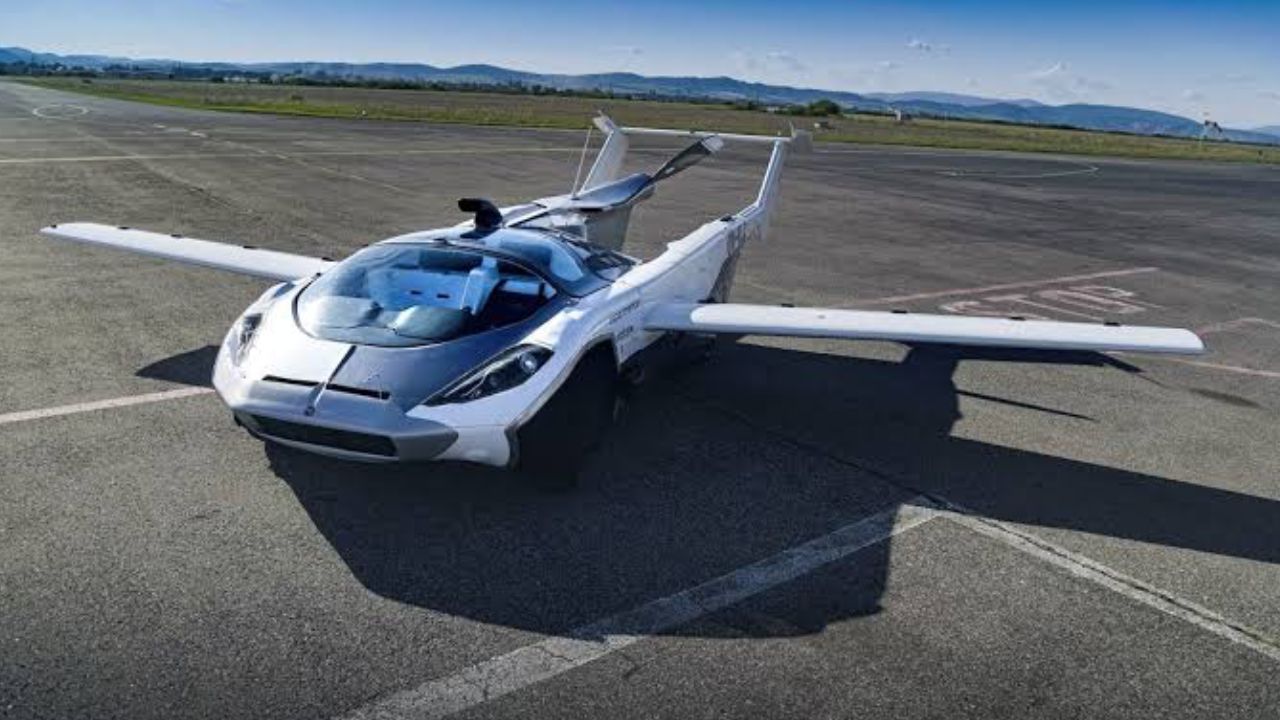
    A Chinese firm has acquired the technology behind a flying car, originally developed and tested in Europe. This AirCar, powered by a BMW engine and conventional fuel, completed a 35-minute flight between two Slovakian airports in 2021, utilising standard runways for take-off and landing. Its transformation from car to aircraft took just over two minutes.

    The Hebei Jianxin Flying Car Technology Company, based in Cangzhou, has obtained exclusive rights to manufacture and operate AirCar aircraft within a designated region in China. The company, after acquiring technology from a Slovak aircraft manufacturer, has established its own airport and flight school.

    China, known for spearheading the electric vehicle revolution, is now actively pursuing aerial transport solutions. Recently, Autoflight conducted a successful test flight of a passenger-carrying drone, drastically reducing travel time between Shenzhen and Zhuhai. Meanwhile, eHang, another Chinese firm, received safety certification for its electric flying taxi in 2023, with the UK government anticipating regular flying taxi operations by 2028.

    Unlike vertical take-off and landing drones, AirCar operates on traditional runways, presenting challenges in infrastructure, regulation, and public acceptance. While the sale details remain undisclosed, AirCar received airworthiness certification in 2022 and gained attention through a video by YouTuber Mr. Beast.

    Despite the excitement surrounding prototypes like AirCar, practical implementation may involve mundane aspects such as queues and security checks, according to experts. However, similar concerns once surrounded electric cars, which China has since dominated in the global market. The sale of AirCar raises speculation about China’s potential influence in the flying car industry.

  • Hamas welcomes China, Russia veto of US-backed Gaza resolution

    Hamas welcomes China, Russia veto of US-backed Gaza resolution

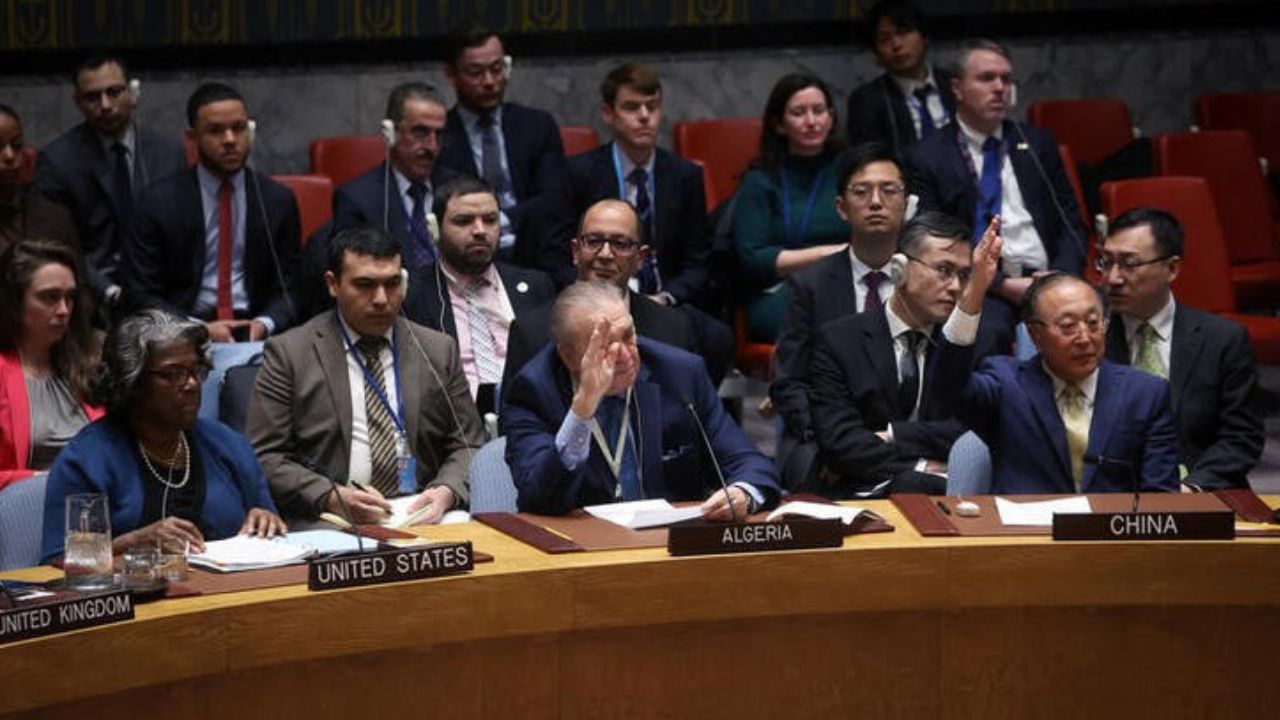
    Hamas has reportedly shown “appreciation” as Russia and China vetoed a US-led draft resolution on a Gaza ‘ceasefire’ at the UN Security Council on Friday.

    The United States proposed a resolution endorsing “the urgent need for an immediate and enduring ceasefire” and, notably, condemning the October 7 attack carried out by Hamas for the first time.

    “We express our appreciation for the position of Russia, China and Algeria who rejected the biased American resolution of aggression against our people,” the Hamas said in a statement.

    They added that the draft consists of “misleading wording that is complicit” with Israel and “grants it cover and legitimacy to commit a genocidal war against the Palestinian people in the Gaza Strip.”

    On the other hand, prior to the vote, Russia’s ambassador to the UN, Vassily Nebenzia, urged members against endorsing the resolution, deeming it as “excessively politicized” and implying it endorsed Israeli military operations in Rafah, Gaza, where more than half of its 2.3 million residents sought shelter in camps to escape the Israeli offensive in the northern regions.

    Nebenzia asserted that several non-permanent Security Council members had crafted an alternative resolution, which he portrayed as a fair proposal, calling on all members to support it.

  • Seven BLA militants killed storming Gwadar port: officials

    Seven BLA militants killed storming Gwadar port: officials

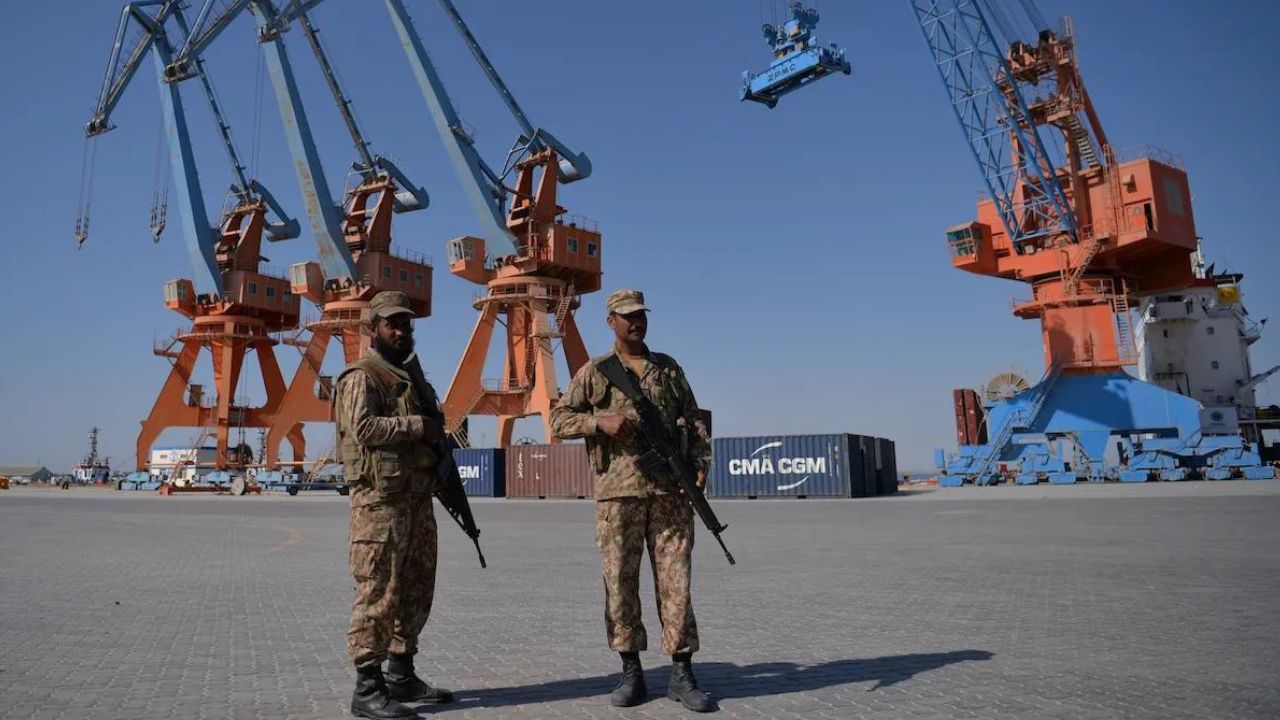
    Security forces killed at least seven militants on Wednesday as they tried to storm the offices of a Pakistan port considered a cornerstone of China’s investment in the nation, officials said.

    Pakistan has for decades battled a simmering insurgency in southwestern Balochistan province, where separatists hostile to Islamabad have often targeted foreign investment projects.

    Local official Saeed Ahmed Umrani told AFP seven militants had been killed in an attempt to “infiltrate” the compound of Balochistan’s Gwadar Port Authority.

    Gwadar Port, which sits on the Arabian Sea, is managed by a Chinese firm and considered the crown jewel of Beijing’s investment in Pakistan under its gargantuan Belt and Road infrastructure project.

    An army source who asked to remain anonymous also said seven militants had been killed, alongside four soldiers defending law-enforcement posts inside the compound.

    “The terrorists attacked with grenades, rocket launchers and Kalashnikovs,” he said. “The area is cleared now.”

    Chief minister of Balochistan province Sarfraz Bugti said on social media platform X that eight militants had been killed.

    The attack was claimed by separatist group the Baloch Liberation Army (BLA) in an email statement, and spokesman Jeeyand Baloch said military intelligence offices had been targeted.

    “The operation was launched at 3:30 pm (1030 GMT) and is still underway”, he said in a message sent early Wednesday evening.

    Last August, the BLA also claimed an attack on a convoy carrying Chinese engineers to the port.

    Ethnic Baloch separatists have long claimed their communities are not getting a fair share of wealth from the region, which sits atop huge reserves of natural resources.

    They have frequently targeted Pakistani security forces protecting foreign investment projects.

    China has inked over two trillion dollars in contracts around the world under its Belt and Road scheme, but projects in Pakistan have been plagued by security concerns.

    In 2022, a BLA suicide bomber killed four people, including three Chinese language teachers, in Karachi city.

    A year earlier, a bus carrying engineers to a construction site near a dam in northwestern Pakistan was hit by a bomb, killing 13 people including nine Chinese workers.

    Islamabad has been accused of committing abductions and extrajudicial murder of Baloch citizens in retaliation for their campaign of separatism.

    bur-jts/sco

    © Agence France-Presse

  • China says US has ‘no right’ to interfere in South China Sea

    China says US has ‘no right’ to interfere in South China Sea

    China said Tuesday the United States had “no right” to interfere in the South China Sea, after Secretary of State Antony Blinken said Washington stood by its commitments to defend the Philippines against armed attack in the disputed waterway.

    “The United States is not a party to the South China Sea issue and has no right to interfere in maritime issues that are between China and the Philippines,” foreign ministry spokesman Lin Jian told a regular press conference in Beijing.

    Blinken is in the Philippine capital Manila — his second visit since President Ferdinand Marcos took office in 2022 — as part of a brief Asia tour to reinforce US support for regional allies against China.

    “Military cooperation between the US and the Philippines must not harm China’s sovereignty and maritime rights and interests in the South China Sea, and still less be used to provide a platform for the Philippines’ illegal claims,” Lin said in a response to a question on Blinken’s earlier comments.

    “China will continue to take necessary measures to resolutely defend its territorial sovereignty and maritime rights and interests, and uphold peace and stability in the South China Sea,” he added.

    Beijing claims almost the entire South China Sea — a crucial route for global trade — brushing aside competing claims from several Southeast Asian nations, including the Philippines, and an international ruling that has declared its stance baseless.