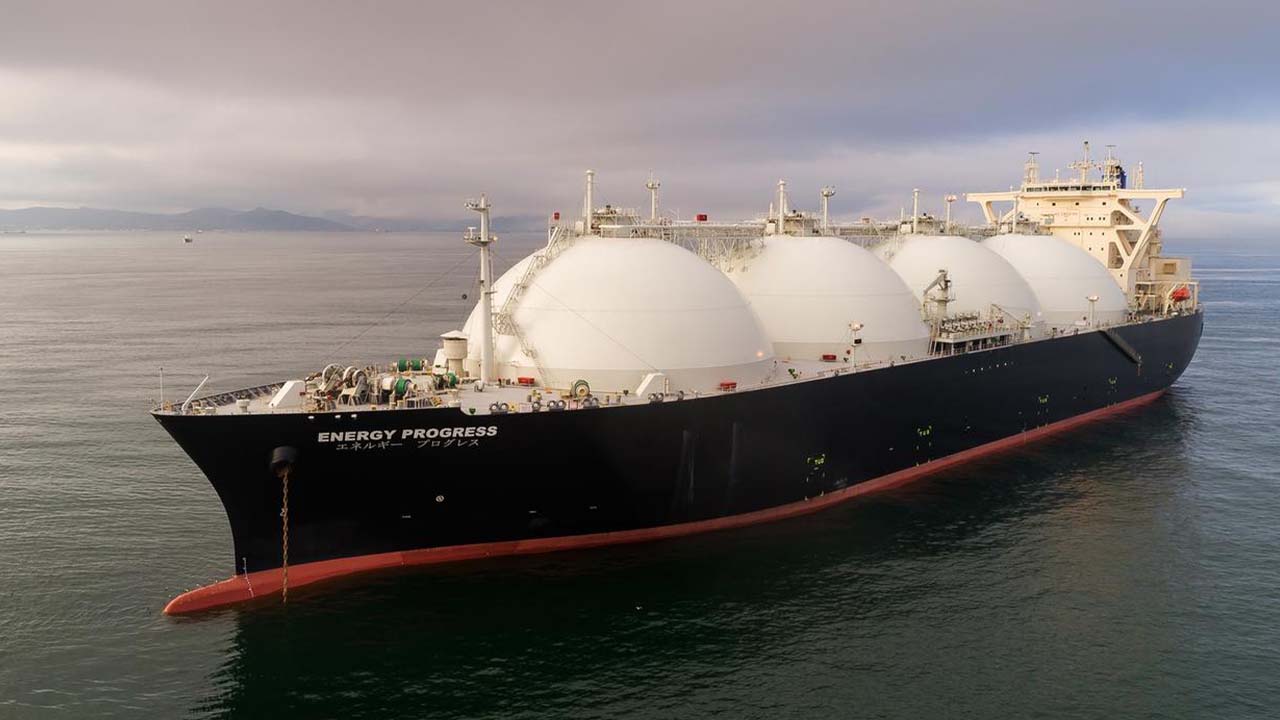
China and the United Arab Emirates (UAE) are considering investing $500 million in two liquefied natural gas (LNG) projects in Pakistan.
The China National Chemical Engineering Company (CNCEC) and LNGFlex, a subsidiary of Bison in the UAE, are expected to contribute to the development of LNG terminals and supply infrastructure.
Sources reveal that these companies have outlined plans for both virtual and non-virtual projects. The aim is to establish a virtual LNG project, which includes a receiving terminal and storage facility at Karachi port.
Earlier, Pakistan and the UAE inked several multi-billion-dollar Memoranda of Understanding (MoUs) to enhance economic and strategic cooperation between the two nations.
It’s worth noting that in June, Bloomberg reported that Pakistan faced challenges in securing liquefied natural gas (LNG) from the spot market.
The attempt to purchase six shipments for October to December through Pakistan LNG Limited (PLL) was unsuccessful, as no suppliers responded to the offer.
Overseas banks were reportedly unwilling to accept letters of credit from Pakistani counterparts, contributing to suppliers’ reluctance to provide LNG cargoes.
The failure to secure gas may worsen energy shortages in Pakistan, leading to more frequent blackouts and limiting fuel supply to industrial consumers.
Liu Jianming, Deputy Party Secretary and Deputy Political Commissar of the Xinjiang Production and Construction Corps, announced that China is set to extend support to Pakistan by providing top-quality, disease-resistant, high-yield hybrid seeds for cotton, canola, and wheat crops.
The objective is to achieve robust crop production while simultaneously addressing the escalating demands of the textile industry and earning essential foreign exchange. During his visit to the head office of Guard Agricultural Research and Services, he emphasised, “We aim for enhanced crop production through modern mechanised agricultural farming,” according to a news release.
Furthermore, Liu affirmed that China will collaborate with Pakistan in the production of cotton hybrid seeds, encompassing sunflower, maize, sesame, and other varieties. He also mentioned that China would share its successful experience with “Water Saving Technology.”
Expressing appreciation for the research activities of Guard Agriculture Research, Liu stated that all nine members of the delegation were keenly interested and extended an invitation to visit China for one-on-one interactions with stakeholders.
Liu asserted, “Together, we can leverage the power of innovation to address the challenges confronting the agricultural sector in Pakistan,” underscoring China’s readiness to provide technical expertise, research collaboration, and necessary resources for the development of cutting-edge hybrid seeds.
Highlighting the significance of the agriculture sector, he mentioned that China is eager to support Pakistan in hybrid seeds, with the shared goal of enhancing crop productivity and contributing to sustainable agricultural practices. Deputy Consul General Cao Ke was also present during the occasion.
According to APP, earlier in the event, Shahzad Ali Malik, CEO of Guard Agri, extended a warm welcome to the visiting delegation. He informed them, “We are pioneers in developing the first-ever Guard Hitech hybrid rice seed, which not only doubled production but also significantly increased farmers’ profitability in Pakistan.”
Malik mentioned that Guard Agri has been actively engaged in research since 1999 in collaboration with the Longping Chinese Company. He added that their rice is exported to 41 countries across Asia, Europe, the Middle East, and North America. The CEO emphasised ongoing research in rice, wheat, cotton, maize, oilseed, and vegetables in various stations across Punjab and Sindh provinces.
“Pakistan aims to enhance the production of all crops through modern technology and Chinese expertise,” Malik stated, expressing gratitude to the Chinese delegation for visiting Pioneer Company. He accepted their invitation to visit Xinjiang Province for further cooperation and collaboration in the agriculture sector.
Subsequently, Liu and Shahzad exchanged souvenirs to mark the occasion.
A thief entered a home late at night in China, however, in the midst of his heist, he fell asleep and was eventually caught by homeowners when they heard loud snoring.
The robber entered a house in Yunnan province in southwest China at around midnight on November 8, but became spooked when he heard people talking inside. So, he decided to wait in a separate room until the homeowners went to sleep.
The waiting criminal then smoked a cigarette and fell asleep, according to The Paper.
The homeowner, surnamed Tang, had gone to sleep with her young child when she was woken by loud snoring, which she initially ignored, assuming it was coming from a neighbor’s house.
When 40 minutes had passed, she got up to clean her child’s milk bottle and noticed that the snoring grew louder and realised it was coming from another room in her house.
She then decided to investigate further and found that the robber, surnamed Yang, sleeping soundly on the floor in another room.
Ms Tang immediately alerted her family and police, following which the man was arrested.
The cops revealed that the intruder had a criminal history, including being jailed for theft in 2022. He resumed his ‘old profession’ after being released in September, the cops said, adding that for now, his case remains under investigation.
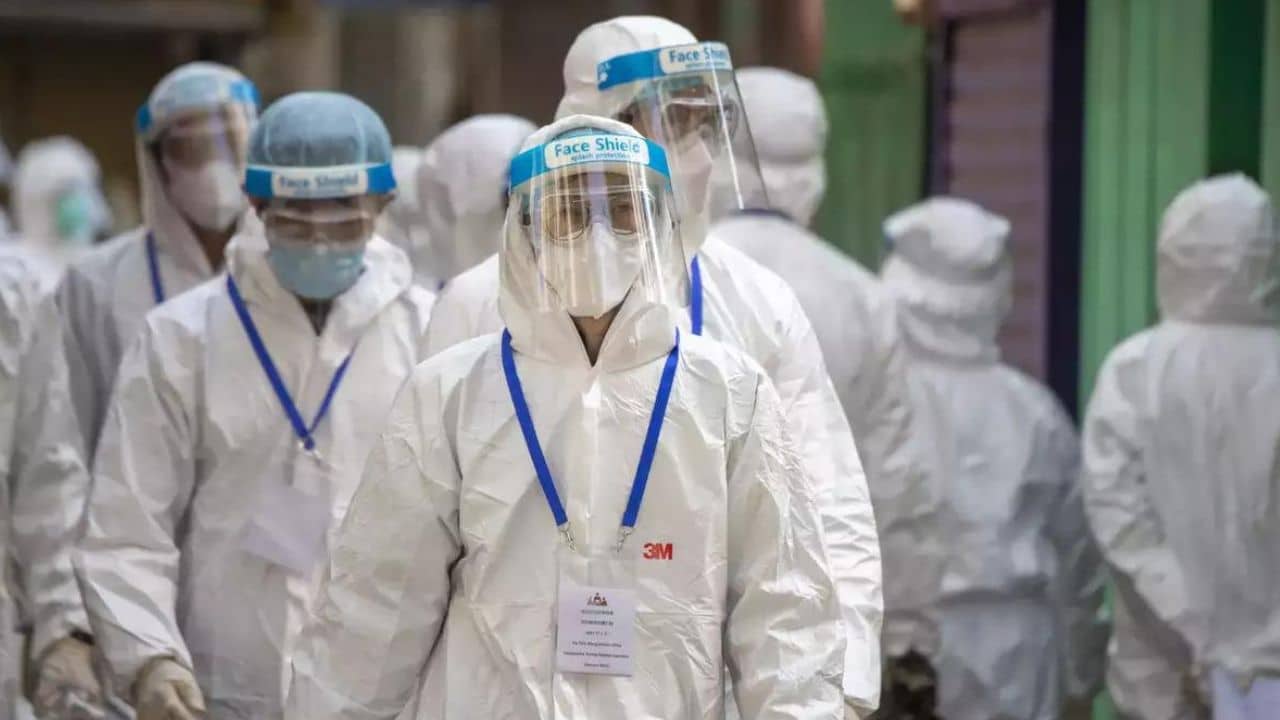
Beijing (AFP) – The World Health Organization has asked China for more data on a respiratory illness spreading in the north of the country, urging people to take steps to reduce the risk of infection.
Northern China has reported an increase in “influenza-like illness” since mid-October when compared to the same period in the previous three years, the WHO said.
“WHO has made an official request to China for detailed information on an increase in respiratory illnesses and reported clusters of pneumonia in children,” the UN health body said in a statement on Wednesday.
China’s National Health Commission told reporters last week that the respiratory illness spike was due to the lifting of Covid-19 restrictions and the circulation of known pathogens, namely influenza and common bacterial infections that affect children, including mycoplasma pneumonia.
The Chinese capital of Beijing, located in the north of the country, is currently experiencing a cold snap, with temperatures expected to plummet to well below zero by Friday, state media said.
Temperatures plummeted as the city “entered a high incidence season of respiratory infectious diseases”, Wang Quanyi, deputy director and chief epidemiological expert at the Beijing Center for Disease Control and Prevention, told state media on Wednesday.
Beijing “is currently showing a trend of multiple pathogens coexisting”, he added.
Calls for transparency
Over the course of the Covid-19 pandemic, the WHO repeatedly criticised Chinese authorities for their lack of transparency and cooperation.
More than three years after cases were first detected in Wuhan, heated debate still rages around the origins of Covid-19.
Scientists are divided between two main theories of the cause: an escape from a laboratory in the city where such viruses were being studied and an intermediate animal that infected people at a local market.
Earlier this year, WHO experts said they were sure that Beijing had far more data that could shed light on the origins of Covid, and called it a moral imperative for the information to be shared.
A team of specialists led by the WHO and accompanied by Chinese colleagues investigated China in early 2021, but there has not been a team able to return since and WHO officials have repeatedly asked for additional data.
WHO chief Tedros Adhanom Ghebreyesus has stressed that getting to the bottom of the mystery could help avert future pandemics.
Binance boss Changpeng Zhao has become the most powerful cryptocurrency figure to fall in a two-year period chaotic even by the standards of the notoriously volatile industry.
Zhao stepped down as CEO of Binance — the largest crypto exchange in the world — after he and the company pleaded guilty on Tuesday to sweeping US money laundering violations and agreed to fines of more than $4 billion.
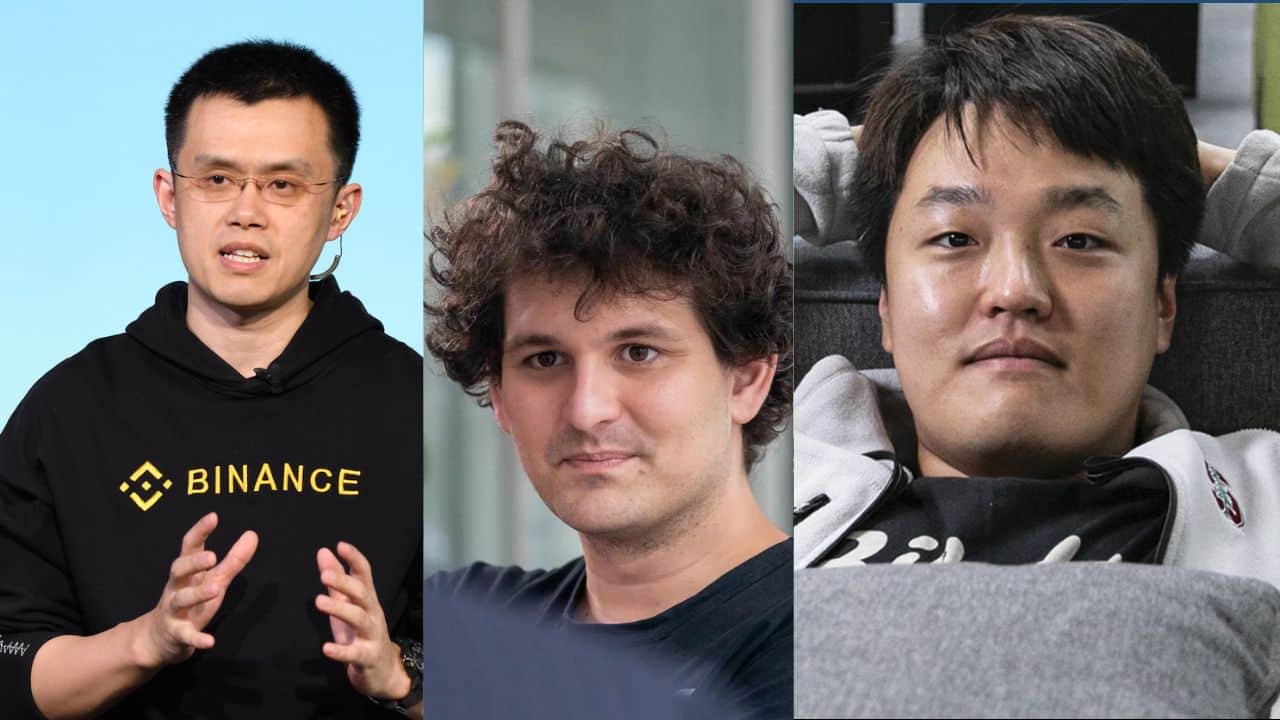
Here are three of the highest-profile crypto executives who have fallen foul of the law since last year:
Changpeng ‘CZ’ Zhao
Born in China in 1977, Zhao moved with his family to Canada in the 1980s and later got a degree in computer science from McGill University, according to his profile in the Bloomberg Billionaires Index.
Zhao Changpeng, chief executive officer of Binance, speaks during a Bloomberg Television interview in Tokyo, Japan, on Thursday, Jan. 11, 2018. The world’s biggest cryptocurrency exchange keeps getting bigger. Binance.com is adding “a couple of million” registered users every week, with 240,000 people signing up in just an hour on Wednesday, said Zhao. Photographer: Akio Kon/Bloomberg
He founded Binance in 2017 in Shanghai, and led the company’s explosive growth into the world’s biggest cryptocurrency exchange.
An outspoken celebrity in the crypto world with 8.7 million followers on X, Zhao became the richest known figure in the nascent industry. His net worth peaked at around $65 billion in 2022, according to a Forbes index.
With the prestige and wealth came increased scrutiny of Binance’s operations, as prominent crypto firms around the world began to buckle under a wave of criminal investigations.
The United States accused Zhao and Binance of multiple violations, including knowingly allowing transactions to militant groups such as the Islamic State and in barred jurisdictions such as North Korea and Iran.
On Tuesday, they pleaded guilty. The firm has agreed to total penalties of nearly $4.4 billion, while he will pay $50 million, according to court documents.
Zhao resigned as CEO of Binance and while he will reportedly retain his shares in the company, he has been banned from any involvement in its business. He is expected to face sentencing later.
Forbes listed his net worth as $10.2 billion as of Wednesday.
Sam Bankman-Fried
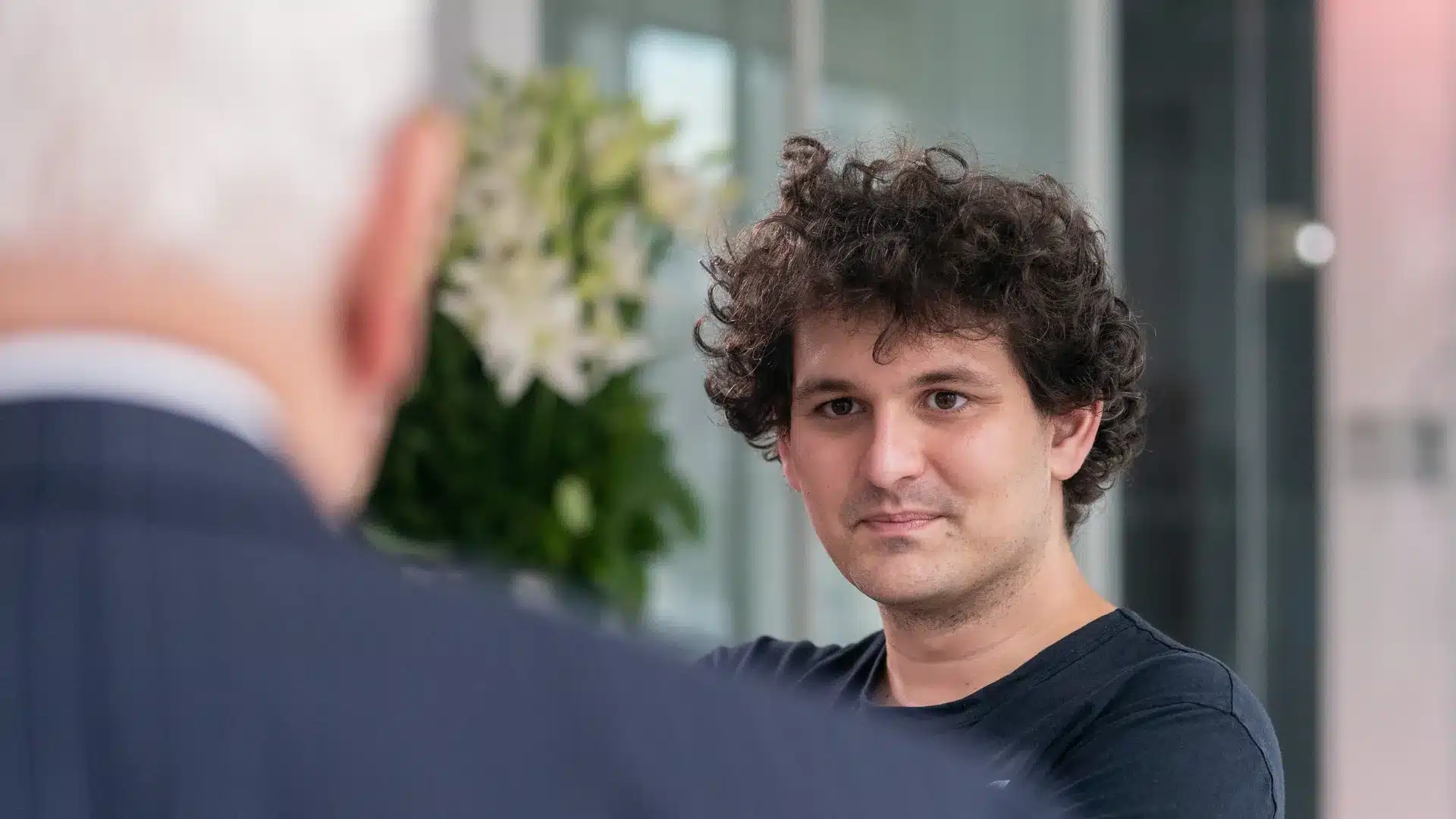
If Zhao was the richest and most powerful person in crypto, Sam Bankman-Fried was easily the most famous.
Born to Stanford University professors, Bankman-Fried graduated from MIT with a degree in physics.
In 2019, he founded FTX, which skyrocketed to become the world’s second-largest crypto exchange.
Along the way, Bankman-Fried built up his image as the unofficial ambassador for the cryptocurrency industry, with high-profile appearances in the media and even the US Congress.
At one point in 2022, he had a net worth of $24 billion, according to Forbes.
But he had been walking a dangerous path — his team used customers’ money for everything from buying posh real estate to covering risky moves by affiliate Alameda Research.
It all came crashing down when these moves were revealed in the media in November 2022. Within hours, rival CZ Zhao said Binance would sell all the FTX tokens it held.
It sparked a stunning collapse of FTX and Bankman-Fried’s empire, his fame turning to notoriety.
Arrested in the Bahamas in January, he was found guilty this month of what US prosecutors described as “one of the biggest financial frauds in American history”. He faces up to 110 years in prison.
During his trial, the 31-year-old admitted to making “mistakes” but denied trying to defraud anyone.
Do Kwon
South Korean entrepreneur Do Kwon co-founded Terraform Labs in 2018, developing the cryptocurrencies TerraUSD and Luna.
Do Kwon, co-founder and chief executive officer of Terraform Labs, poses in the company’s office in Seoul, South Korea, on Thursday, April 14, 2022. Kwon is counting on the oldest cryptocurrency as a backstop for his stablecoin, which some critics liken to a ginormous Ponzi scheme. Photographer: Woohae Cho/Bloomberg via Getty Images
The Stanford grad successfully marketed them as the next big thing in crypto, attracting billions in investments and global hype.
Media reports in South Korea described him as a “genius”.
But in May last year, the value of these currencies — marketed as “stablecoins” — plummeted, wiping out around $40 billion in investments and sending a shock wave through the rest of the industry.
It led to more than $500 billion in further losses on global crypto markets, industry data suggested.
Experts said Do Kwon — whose full name is Kwon Do-kyung — had marketed a glorified Ponzi scheme.
Brash and outspoken on social media, Do Kwon left South Korea before the collapse and spent months on the run.
He was arrested in Montenegro this year after being caught trying to catch a flight using fake Costa Rican travel documents.
He faces multiple criminal charges in the United States and South Korea.
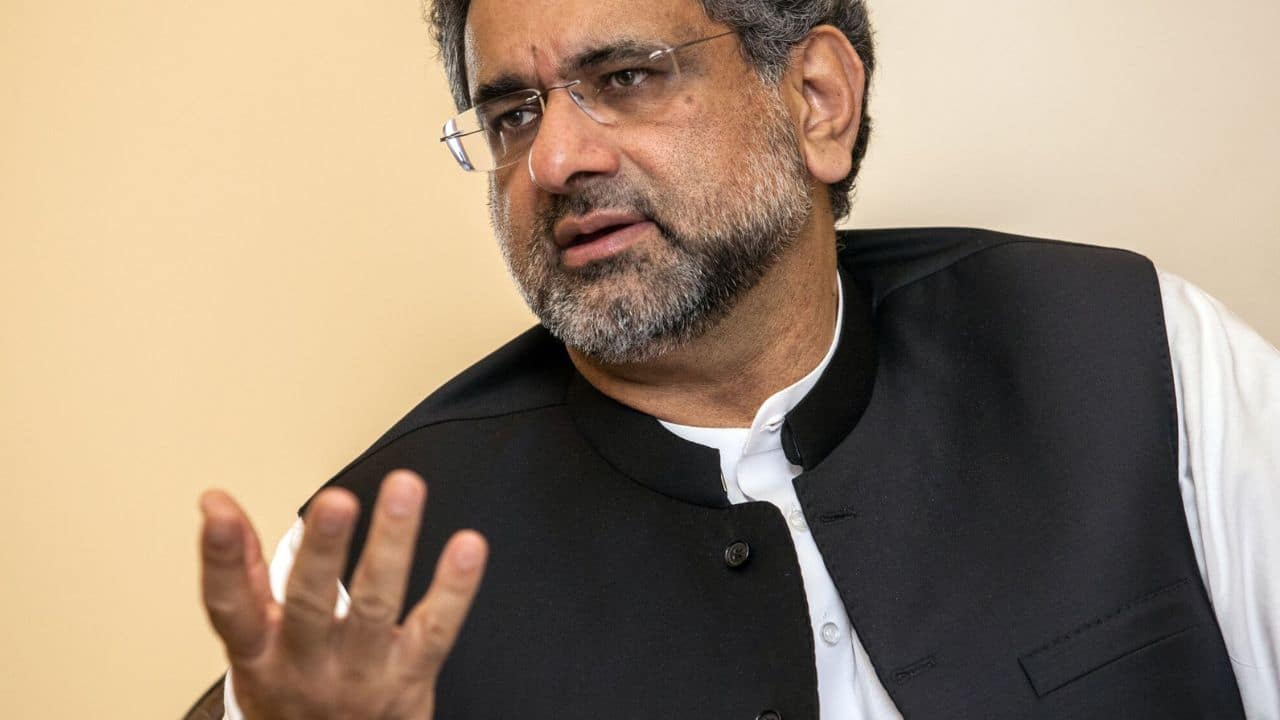
Former Pakistani Prime Minister Shahid Khaqan Abbasi faced a brief hiccup on Friday when he was initially stopped from flying abroad due to his name being on the no-fly list, as per Shahzad Ali of Samaa.
However, after clarification, he was allowed to proceed with his travel plans to China.
Mr. Abbasi and his wife were at Islamabad Airport to catch a flight to China when immigration authorities informed him that he was on the stop list based on orders of the Sindh court.
Consequently, he was told he couldn’t continue his journey and had to return from the airport lounge.
Eventually, the issue was resolved, and he was permitted to travel.
When reached for comment, Mr. Abbasi denied any disruption and stated that he had already departed for China.
Despite attempts to contact the Federal Investigation Agency (FIA) immigration authorities for clarification, no response was received.
Earlier last month, Shahid Khaqan Abbasi’s son Abdullah Khaqan Abbasi was prevented from leaving the nation at the Islamabad airport by immigration officials.
On a foreign carrier, flight EK-613, Abdullah Khaqan Abbasi was scheduled to travel for Dubai.
Due to the fact that Abdullah’s name was on the National Accountability Bureau’s (NAB) stop list, the FIA immigration officers stopped him.
Earlier, Shahid Khaqan Abbasi’s bail had been extended by the Sindh High Court in a case related to an unauthorized appointment at Pakistan State Oil (PSO).
The court also ordered that Abbasi’s name and those of the other defendants be added to the Exit Control List (ECL).
The case involved allegations against Abbasi, Arshad Mirza, Imranul Haque, and Yakoob Babar, with the former petroleum secretary also being present during the court hearing.
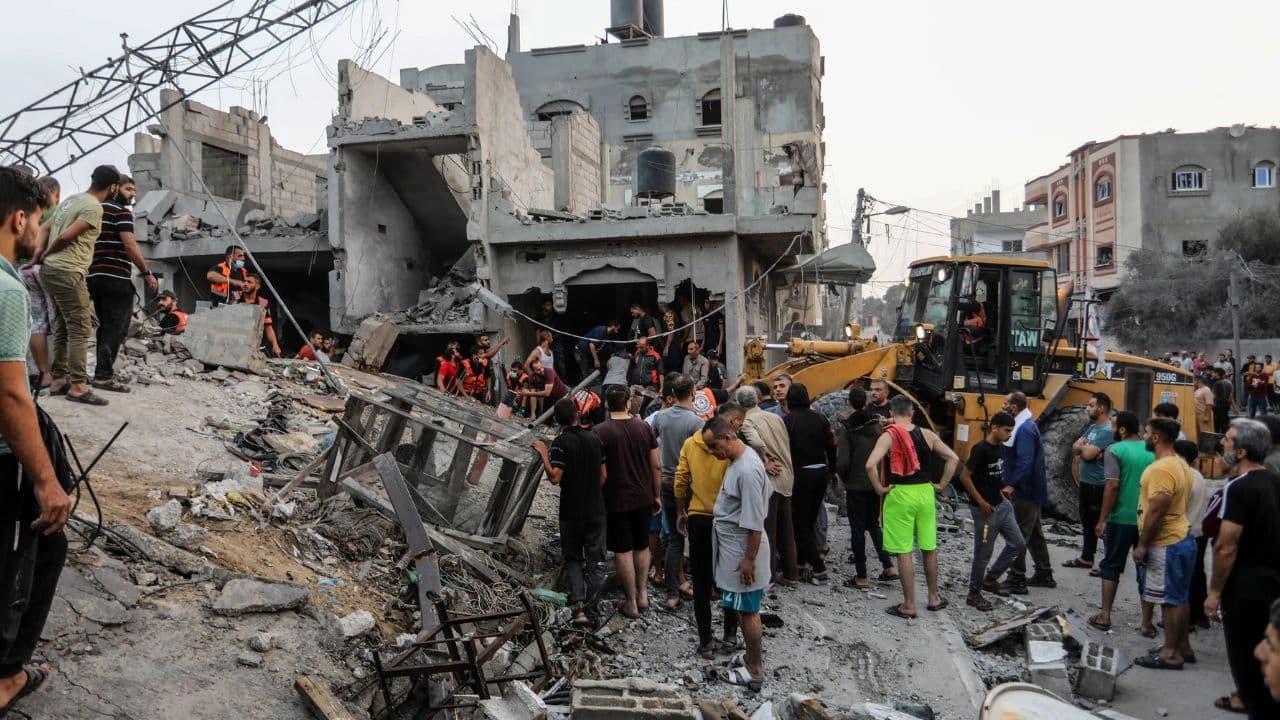
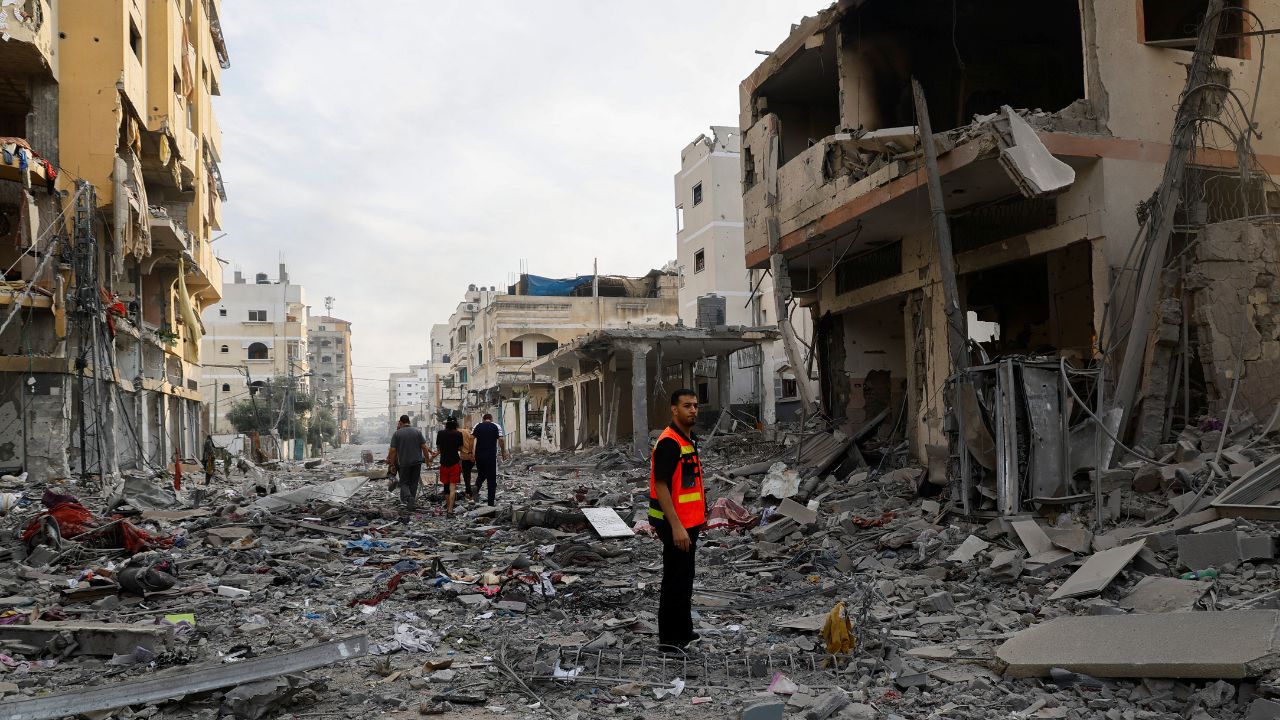
The number of Palestinians killed in the Israeli onslaught has reached at least 5,087, the Health Ministry has confirmed, whereas 15,273 have been wounded.
In the past 24 hours alone, at least 436 people, including 182 children, were killed.
Israeli airstrikes hit areas around Gaza’s Al-Shifa and Al-Quds hospitals. WAFA reports that a number of missiles hit the area surrounding Al-Shifa Medical Complex where currently the largest number of wounded are being treated as well as the largest number of medical staff working in the Gaza strip.
The vicinity of Al-Quds Hospital, on the other hand, has been attacked for the second time.
Al Jazeera reports that as per Palestinian officials, Israel has been directly threatening hospitals with evacuation, bombings, or bombing nearby areas, and creating uncertainty in the healthcare system.
October 22nd- a video showing Israeli airstrikes in the vicinity of Al_Quds hospital while a delegation from the ICRC was visiting. These bombardments caused fear and panic among internally displaced civilians and the medical staff at the hospital. #Gaza#NotATargetpic.twitter.com/AN6xu6YzMX
China’s Middle East special representative has asserted to do “whatever is conducive” to encourage a dialogue to lead to ceasefire and peace in the Middle East.
China’s state media reported that Zhai Jun deemed the situation in Gaza as “very serious” and raised concerns over a potential escalation of conflict into the neighbouring countries, calling it “worrisome”.
China attended the Cairo peace committee and has been in communication with foreign ministers including from Palestine, Israel, Egypt, Saudi Arabia, the United Arab Emirates and Norway, as well as representatives from the UN and EU.
Zhai also mentioned that China has been helping with emergency humanitarian assistance to Palestinians through the UN and via bilateral channels to help alleviate the humanitarian crisis.
Two Hezbollah cells in Lebanon attacksTwo alleged Hezbollah cells in Lebanon were targeted by Israeli forces on Monday.
123 Palestinians detained in occupied West Bank
Israeli forces in the occupied West Bank have detained 123 Palestininas in the ongoing Israeli raids.40 people are said to be workers from the Gaza Strip.Israel, on the other hand, claims that 37 of the arrested are “Hamas members”.
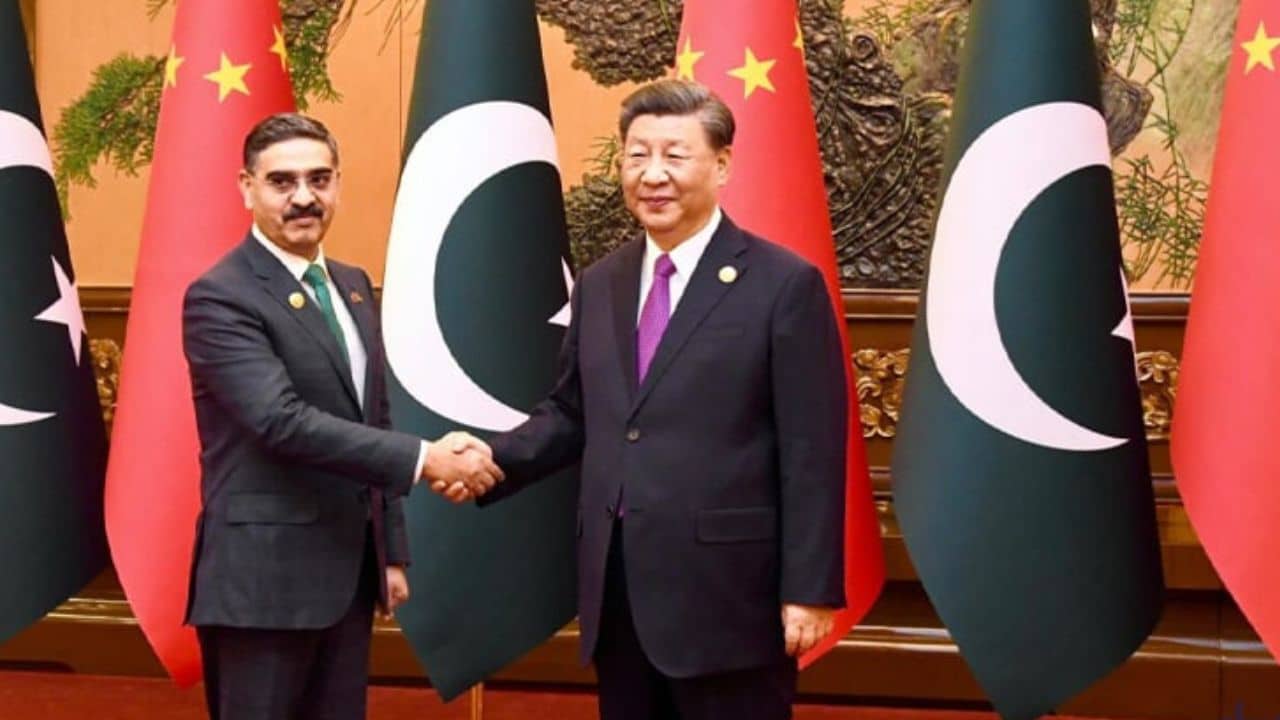
Caretaker Prime Minister Anwaar ul Haq Kakar is currently on a four day long visit to China, to attend the Third Belt and Road Forum for International Cooperation. This is the first Forum in four years as the last one was held in 2019. This time around there were delegations from 130 countries and ten heads of states mostly from the global south. The PM is there on the invitation of President Xi Jinping to celebrate ten years of CPEC, the flagship project of Belt and Road Initiative.
Caretaker Prime Minister arrives in China to attend 3rd Belt and Road Forum.
Prime Minister Anwaar-ul-Haq Kakar has arrived in China to participate in the ‘3rd Belt and Road Forum (BRF) for International Cooperation.’ He was received by Chinese Minister of Science & Technology,… pic.twitter.com/YYM1DdAsxV
The visit has been packed with attending the opening ceremony, addressing the high-level forum and conducting important meetings with head of states and entrepreneurs and presiding over the round tables about CPEC.
The activities started off with the two-day forum where Anwaar ul Haq Kakar addressed the opening ceremony of BRF at the Great Hall of the People in Beijing. He was welcomed by President Xi and the first lady. Both the countries agreed on growing CPEC as a project ensuring growth, employment and sustainability. Xi talked at length about the Chinese rejection of “economic coercion” and “bloc confrontation”.
Caretaker PM addressed the high-level forum titled ‘Connectivity in an Open Global Economy’ where he vowed to share responsibility and embrace the vision of working together because he believes by this “we can create a brighter, peaceful, and sustainable future for ourselves and for our generations,” He attended a roundtable on the decade-long progress of CPEC. Different MoUs were signed between the leadership of China and Pakistan during the PM’s meeting with his counterpart Li Qiang.
Caretaker Prime Minister Anwaar-ul-Haq Kakar and Chinese Premier Li Qiang witnessed the signing of MoUs between China and Pakistan to enhance cooperation in diverse fields in Beijing, today. #PMKakarinChina#3rdBRF#BRI10Yearspic.twitter.com/u41PHtAQXO
The United Energy Group of China and Pakistan Refinery Ltd signed an MoU for a $1.5 billion investment to boost the refinery’s production capacity.
The rail project, whose cost has been revised downwards from $9bn to $6.7bn, will span 1,733 kilometres, connecting Peshawar to Karachi. Besides, the number of trains travelling to and from both cities could potentially expand to 100.
Both the projects will help enhance the capacity of the respective department and create thousands of job opportunities.
Apart from the meetings with Chinese businesses and different ministers, Kakar also met Russian President Viladimir Putin, President of Kenya Dr. William Ruto and the President of Sri Lanka Ranil Wickremsinghe. With Russia, he discussed the areas of convergence like countering terrorism in Afghanistan, trade of energy, petroleum and promotion of bilateral ties. PM Kakar also talked about expediting the joint investigation report on the Arshad Sharif murder case in Kenya with William Ruto. In his meeting with Srilankan President he discussed about the mutual issues regarding economy and the crisis in Gaza calling for an immediate ceasefire. He represented Pakistan at the final Gala Dinner having all the attendees of the forum after his meeting with the President of China. He stated categorically of “Pakistan’s blind trust on China” and the pride Pakistan takes in “Chinese progress”. In the last leg of the visit, PM is now on his way to Ürümqi, Uyghur region of China to address the students at Xinjiag University after offering Jumma prayers in the Grand Mosque of Xinjiag.
آج جمعہ کی نماز چین کے صوبہ شنجیانگ کے شہر اُرمچی میں تاریخی مسجد میں ادا کرنے کا موقع ملا۔ pic.twitter.com/QryjZYnKAw
While many of its old allies still support Israel as it continues to bomb Gaza, a number of countries are now raising concerns over Israel’s breach of international laws.
Russia
President Vladimir Putin responded to the Israel-Palestine escalation by condemning the “catastrophic” deaths and criticised Washington’s involvement in the Middle East peace settlement.
During a meeting with Iraqi Prime Minister Muhammad Shia al-Sudani, he said “This is a vivid example of the failure of Middle East policies of the United States [as it] tried to monopolise the [peace] settlement”.
“But, unfortunately, [the US] was not concerned about the search for compromises for both sides and, vice versa, promoted their own conceptions about how it should be done, [and] pressured both sides,” he added.
Moscow has also refused to label Hamas as a terrorist organisation.
“We maintain contact with [both] sides of the conflict,” Kremlin spokesperson Dmitry Peskov said.
“Of course, Russia continues to analyse the situation and keeps its position as a nation that has the potential to participate in the settlement process.”
China
On Thursday, China’s top diplomat and foreign minister Wang Yi stated that the issue of Palestinian is central to the Middle East conflict, and that denial of “justice” to the Palestinian people was at its core.
Turkey
Turkish President Recep Tayyip Erdogan spoke to German Chancellor Olaf Scholz, asserting that a lasting solution to the conflict lies in the establishment of a sovereign Palestinian state with its capital in East Jerusalem within the 1967 borders .
Ireland
Irish Prime Minister Leo Varadkar has criticised Israel for violating international humanitarian law and halting water, food and electricity supply into the Gaza Strip.
“Israel is under threat. They do have a right to defend themselves, but they don’t have the right to breach international humanitarian law,” he said in an interview with TVE.
“To me, it amounts to collective punishment. Cutting off power, cutting off fuel supplies and water supplies, that’s not the way a respectable democratic state should conduct itself.”
He has, however, also urged Hamas to release all the Israeli captives, saying that Israel is “justified in attacking Hamas in Gaza and elsewhere.”
Former Irish President Mary Robinson has also commented on the escalation, deeming Israel’s response to Hamas attacks as collective punishment.
Robinson asserted that Ireland has been a “very good voice in acknowledging the suffering of occupation and the continual problems of Palestinians over decades.”
Richard Boyd Barrett, Irish MP, addressed the Dáil Éireann, the lower house of the Irish parliament, during a discussion on the Irish Government’s response to the situation in Gaza.
“The Israeli Government has brazenly, publicly and openly declared its intention to commit a war crime, and has commenced that war crime against the people of Gaza”, he said.
Richard Boyd Barrett, Irish MP, addressed the Dáil Éireann, the lower house of the Irish parliament, during a discussion on the Irish Government’s response to the situation in Gaza pic.twitter.com/3FLwX9RNDQ
Hamza Yousaf, the first minister of Scotland, has also spoken up against the Israeli attacks on Gaza.
He posted on X (formerly Twitter), quoting the latest UN statement that warns about the dire consequences of Israeli orders of evacuation of Gaza.
“The international community must step up and demand an end to collective punishment. Enough. There can be no justification for the death of innocent men, women & children.”
UN has said the order to move 1.1m people in 24 hours will lead to “devastating humanitarian consequences”
The international community must step up and demand an end to collective punishment. Enough. There can be no justification for the death of innocent men, women & children. https://t.co/b2IlGARfXT
He also shared a video of his mother-in-law, Elizabeth El-Nakla, calling for help.
She was visiting her relatives with her husband when Hamas attacked on Saturday.
This is Elizabeth El-Nakla. She is my mother-in-law. A retired nurse from Dundee, Scotland. She, like the vast majority of people in Gaza, has nothing to do with Hamas. She has been told to leave Gaza but, like the rest of the population, is trapped with nowhere to go. pic.twitter.com/D3ZUtnEmyO
The Norwegian foreign minister, Anniken Huitfeldt, has said on Thursday that while Israel has the right to defend itself against Hamas, a total blockade of Gaza cannot be supported.
“The establishment of a full blockade, including on access to electricity, water, food, and other goods that are indispensable for the survival of the civilian population in Gaza, is unacceptable,” she stated.
She further pointed out that self-defense measures must be taken within international law.
“The scale of destruction in Gaza is enormous. A large number of civilians have been killed. Given a full blockade by Israel, closed border crossings, and continued Israeli attacks, I fear that the civilian population in Gaza will face even greater hardship in the days to come,” Huitfeldt said.
She also warned that suspension or decrease in assistance to Gaza can worsen the matter.
“Functioning Palestinian institutions and the delivery of basic services are crucial to avoid further destabilisation and preserve the objective of the two-state solution.”
In a recent development, China’s state-owned Shanghai Electric Power (SEP) has reiterated its interest in acquiring the shares of Karachi’s sole power company, K-Electric, with a renewed offer of $1.77 billion.
According to Shan Abbas Ashari, the investment advisor of the Saudi group Al-Jomaih Power Limited, a major shareholder of K-Electric, the Saudi group has indicated the possibility of selling its shares at a price of $2 billion.
Ashari stated that a deal with Shanghai Electric, involving the acquisition of K-Electric shares, is set to be rekindled. He mentioned that SEP had initially proposed the $1.77 billion offer to acquire K-Electric several years ago, and this offer would now be revisited.
Ashari highlighted the growing electricity demand in Karachi, which should have already reached 5,000 MW. He emphasised that this demand could further increase if all industries were integrated into the company’s grid.
Moreover, Ashari emphasised that Pakistan stands as an ideal investment destination for Saudi Arabia and other Gulf countries due to its rapidly expanding population, distinguishing it from Europe.
However, he acknowledged that investors from Saudi Arabia and Kuwait faced challenges following the K-Electric deal. Stay tuned for further updates on this significant investment development.