Tag: China

  • No Chinese journalist left in India after last one expelled

    No Chinese journalist left in India after last one expelled

    Freedom of expression in India is shrinking as the last remaining Chinese reporter has been expelled from New Delhi. The visa extension of the last Chinese reporter, who was associated with the Chinese official News agency Xinhua, was denied by Indian authorities last month.

    The expulsion marks the first instance in history that not a single Chinese journalist is present in India since 1980.

    Critics say that the action reflects that there is no space for journalists in Modi’s government.

    Indian authorities have been accused of taking such steps to hide cruelty against minorities like Muslims, Kashmiris and Dalits.

  • ‘World’s hardest dish’; Chinese street food vendors selling stir-fried stones

    ‘World’s hardest dish’; Chinese street food vendors selling stir-fried stones

    Videos of customers sampling suodiu have appeared all over Chinese social media. Suodiu is a dish originating from the province Hubei, and it is made up of chilli oil, garlic, diced peppers, and – the main ingredient – river rocks. 

    Vendors pour chilli oil onto pebbles being grilled teppanyaki-style, sprinkle garlic sauce all over them, then stir-fry everything with a mix of garlic cloves and diced peppers. The way you’re meant to eat it is by sucking on the small rocks to relish the rich and spicy flavour before spitting out the rock.

    Hence the name suodiu, which means “suck and dispose”. The dish is believed to date back hundreds of years. It was passed down for generations by boatmen through their oral history.

    In a report by the Guardian when boatmen in the landlocked province of Hubei would run out of animals and vegetables while travelling along the Yangtze River, and would then turn to – you guessed it – the rocks beneath the river.

    Unsurprisingly, suodiu faded in popularity after Hubei developed economically, and motorised vessels appeared in the Yangtze, as it reduced the chances of boatmen being left stranded in the river. 

    The dish is also linked to the Tujia people, an ethnic minority who originate from the Wuling mountain range that straddles the borders of Hubei, Hunan and Guizhou.

    But what does it taste like?!

    According to one food blogger, these rocks acquire the taste of marine life over time and start tasting like fish. So when they’re cooked, they have a flavour similar to that of fish, oysters or clams. 

    Are you going to be trying suodiu on your next trip to China?

  • Blast in restaurant in China kills at least 31 people

    At least 31 people have been killed and seven injured on Wednesday as the result of a gas explosion at a restaurant in northwestern China. The blast was caused by a leaking liquefied petroleum gas tank.

    “A leak of liquefied petroleum gas … caused an explosion during the operation of a barbecue restaurant,” state news agency Xinhua said on Wednesday.
    The owner, shareholders, and staff of the restaurant were among the nine people who were detained by police after the explosion.

    According to media accounts, the BBQ restaurant in Yinchuan, the region’s capital, is very popular among locals. High school students and pensioners were among those killed in the explosion, which occurred during the busiest dining hours.

  • Beijing: US Secretary of State & Chinese officials hold ‘candid and constructive’ talks

    Beijing: US Secretary of State & Chinese officials hold ‘candid and constructive’ talks

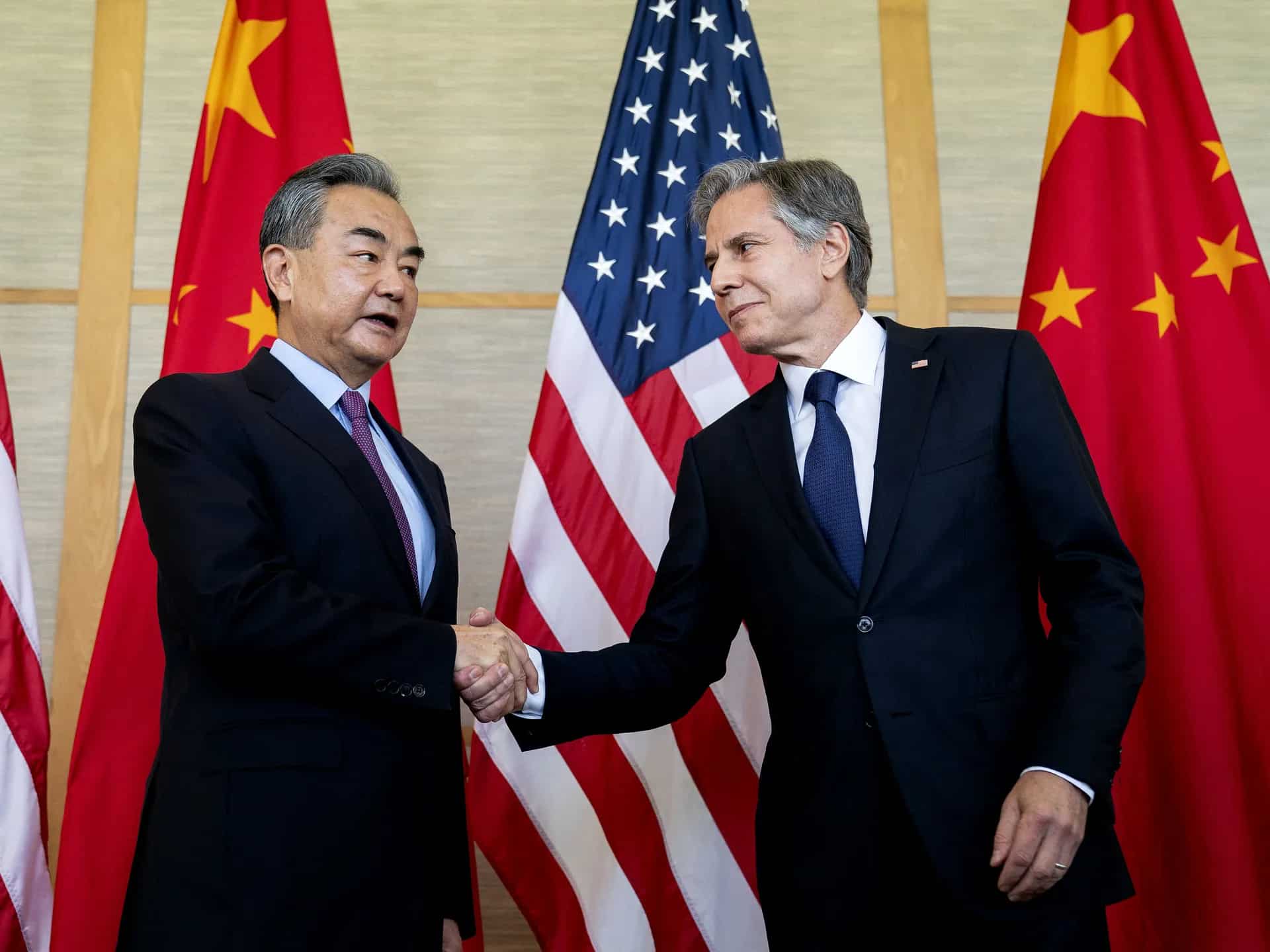
    US Secretary of State Anthony Blinken met with Chinese officials during a rare trip to Beijing, as relations between the two superpowers continue to deteriorate. Blinken is the first man of his post to meet Chinese leader, Xi Jinping, since 2018. Both Blinken and Chinese Foreign Minister Qin Gang described the talks, held on Sunday, as “candid and constructive”.  

    Representatives of the two states ‘seemed to agree on little beyond keeping the conversation [of diplomacy] going’ as reported by Reuters. They did not appear to make concrete progress on disputes that include Taiwan, trade, human rights and fentanyl. 

    According to the State Department, Blinken stressed the “need to reduce the risk of misperception and miscalculation,” thereby underscoring the importance of open communication channels to manage their competition.

    Describing the US-China relationship as being at its lowest point since diplomatic relations began, China’s top diplomat Wang Yi said the root cause was the United States’ incorrect perception of China.

    “We must take a responsible attitude toward the people, history and the world, and reverse the downward spiral of US-China relations,” Wang was reported to have said during the meeting, as released in a statement by China’s foreign ministry. 

    Xi Jinping hails ‘progress’

    On Monday, Blinken met with Chinese leader Xi Jinping. Their meeting could be instrumental in facilitating a summit between Xi and U.S. President Joe Biden later this year.

    The visit reflects attempts from both states in ensuring disputes between the economic superpowers do not develop into outright conflict. 

    Xi praised the talks as “progress” between the two superpowers. Biden said he hoped to meet the Chinese leader again after their lengthy meeting in November, during the G20 summit in Bali, Indonesia. 

    “I’m hoping that, over the next several months, I’ll be meeting with Xi again and talking about legitimate differences we have but also how there’s areas we can get along,” Biden said, as reported by The Guardian.  

    It is likely that the two leaders will be in attendance at the next G20 summit, which is to be held in New Delhi in September. Xi is also invited to travel to San Francisco in November, to attend the Asia-Pacific Economic Cooperation forum.

  • Pakistan’s foreign exchange reserves get a boost as China rolls over $1 billion loan

    Pakistan’s foreign exchange reserves get a boost as China rolls over $1 billion loan

    In a significant development, China has rolled over a $1 billion loan to Pakistan, bolstering the country’s foreign exchange reserves held by the State Bank of Pakistan (SBP). This move comes as a much-needed relief for cash-strapped Pakistan, which has been grappling with a severe liquidity crunch and the looming expiration of its International Monetary Fund (IMF) programme.

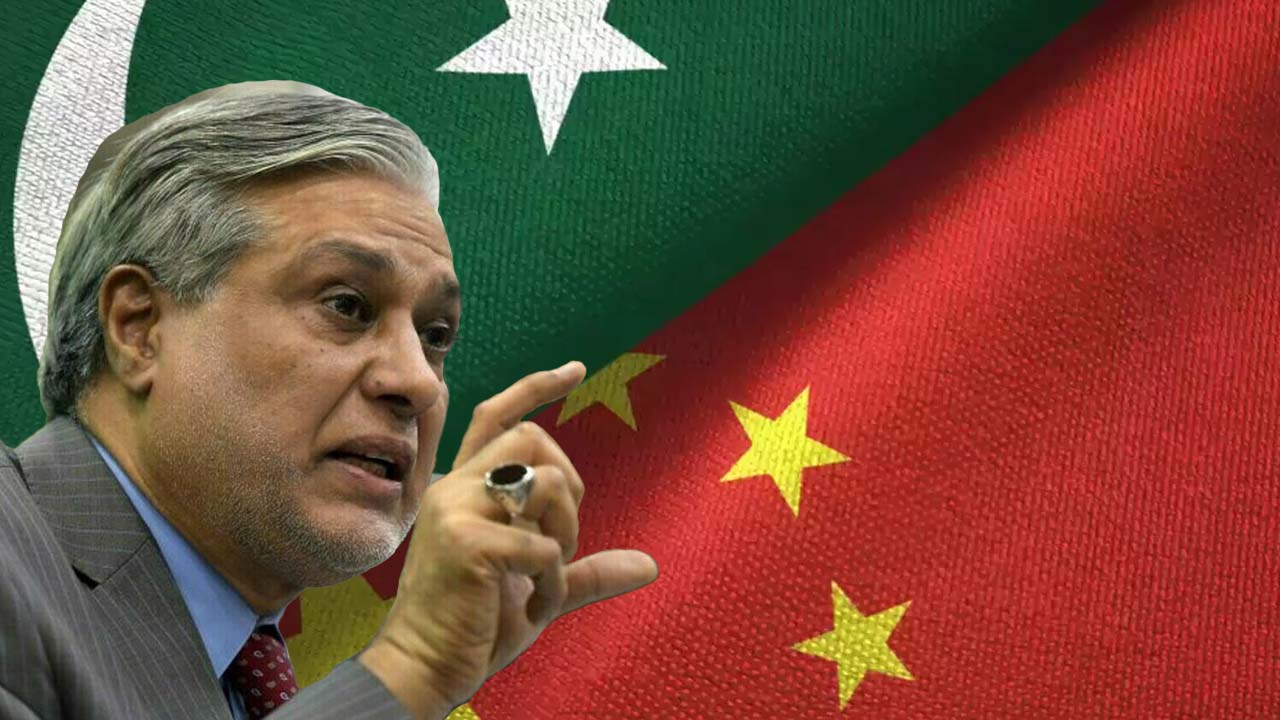
    Pakistan’s Finance Minister Ishaq Dar said that the $1 billion loan from China would be received on Monday. Additionally, negotiations are underway with the Bank of China for a loan amounting to $300 million. Pakistan is also set to benefit from the dollars obtained through its swap agreement with China.

    Prior to this infusion of funds, the SBP and commercial banks jointly held foreign exchange reserves amounting to $9.4 billion as of June 9. With the $1 billion loan, the reserves will rise to $10.4 billion, providing some stability to Pakistan’s economic situation.

    The IMF has made external financing a prerequisite for Pakistan, emphasising the importance of securing additional funds. In an effort to address its financial challenges, Pakistan had approached China to refinance commercial loans worth $1.3 billion. However, without the revival of the IMF programme, the SBP’s foreign exchange reserves were at risk of plummeting to less than $3 billion.

    Despite these positive developments with China, Pakistan is still struggling to secure external financing in a timely manner, primarily due to ongoing political instability. The country’s fragile economy, valued at $350 billion, continues to be in turmoil, with financial woes exacerbating the situation. The delayed agreement with the IMF has further compounded the need for crucial funding to avoid the risk of default.

    Negotiations between the Pakistani government and the IMF have been ongoing since the end of January to resume the $1.1 billion loan tranche that has been on hold since November. This loan is part of a larger $6.5 billion Extended Fund Facility agreed upon in 2019. The impending challenge lies in repaying $900 million to multilateral creditors, which includes both principal and mark-up repayments, by the end of June 2023.

    Pakistan remains hopeful that these recent developments with China will provide some respite in the face of its economic challenges. However, the government must continue its efforts to secure external financing and navigate through the political instability to ensure long-term stability and growth for the country’s economy.

  • Finance Minister Dar assures no global sanctions for Russian oil purchase

    Finance Minister Dar assures no global sanctions for Russian oil purchase

    Pakistan’s Finance Minister, Senator Ishaq Dar, has provided reassurances that Pakistan will not be subjected to global sanctions for its purchase of Russian oil. Dar made these remarks during a briefing to the Senate’s Standing Committee on Finance, highlighting that both India and China continue to purchase crude oil from Russia despite existing global sanctions.

    Dar emphasised that significant progress had been made in November of the previous year regarding the procurement of Russian oil, and the government had diligently completed all necessary preparations before proceeding with the purchase. He further explained that Pakistan adhered to an approved procedure established by a committee comprising G7 countries for oil production from Russia.

    Dar acknowledged the instrumental role played by Foreign Minister Bilawal Bhutto Zardari in consulting and obtaining approval from the G7 countries prior to the procurement of Russian oil.

    In terms of payment, the finance minister disclosed that the Chinese currency Yuan would be used for settling the payment for the Russian crude oil. He expressed Russia’s satisfaction with this arrangement, noting that it would not only reduce shipping costs but also lead to a decline in crude oil prices.

    When questioned about border trade with Iran, Dar confirmed that the government intended to enhance such trade but clarified that petroleum products were not included in these border trade activities.

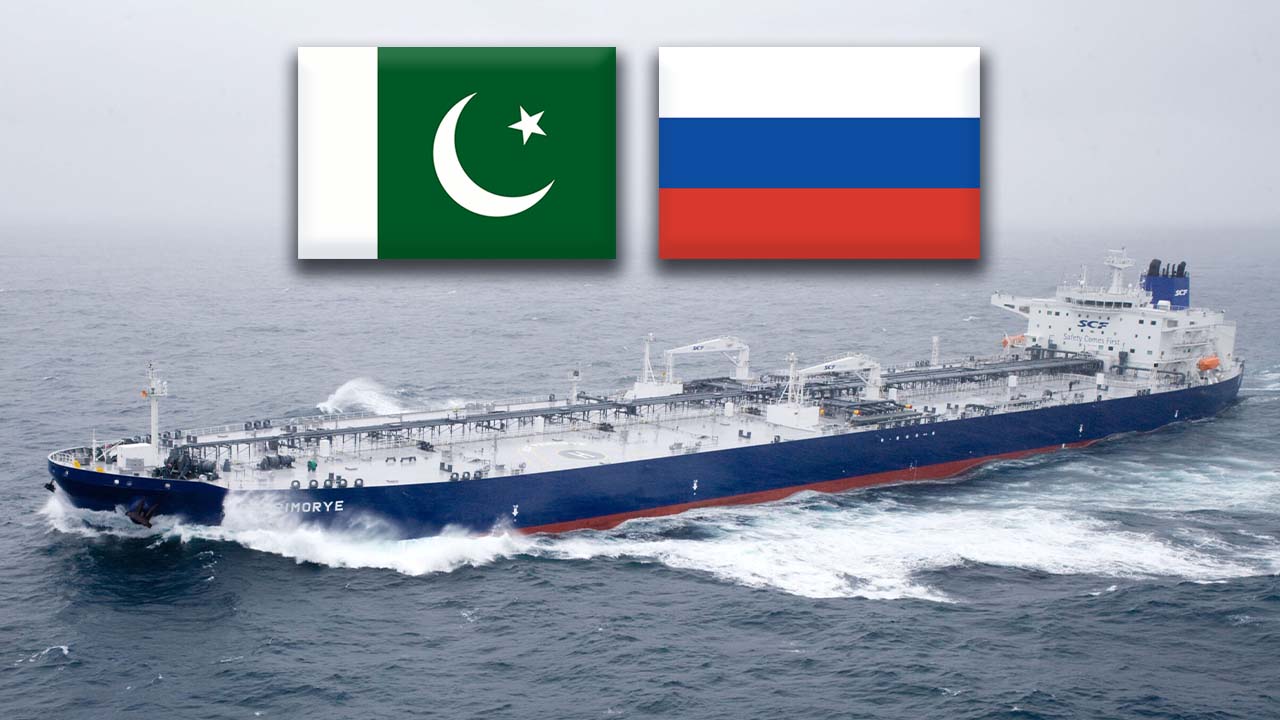
    On Sunday, Pakistan successfully unloaded over 45,000 metric tons of oil from a Russian vessel that arrived at the Karachi port. Another Russian oil carrier is expected to reach the port of Karachi in the coming week.

    It is worth mentioning that earlier this week, the first ship carrying Russian oil had already docked at the Karachi port.

    During a press briefing on June 15, US State Department spokesperson Matthew Miller highlighted that every country has the right to make decisions based on its energy requirements. He further acknowledged that Russian oil was being sold at significantly lower prices compared to global market rates.

    Miller attributed this decrease in price to the limitations imposed by the US and its allies, resulting in Russia losing an estimated $100 billion in revenue that could have been used in the Ukraine conflict. Miller clarified that the US had not imposed any restrictions on Russian oil exports.

  • China lifts ban on seafood product imports from Pakistan

    China lifts ban on seafood product imports from Pakistan

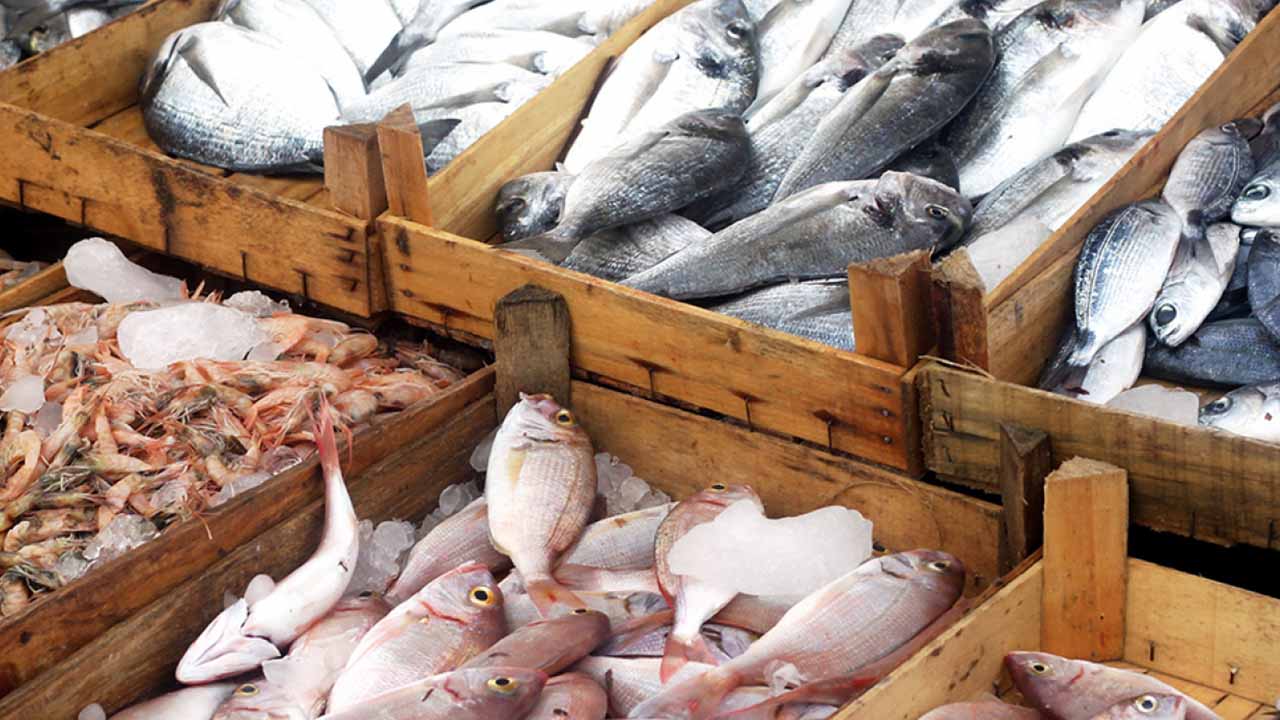
    China’s General Administration of Customs (GAC) has confirmed the resumption of aquatic product imports from Pakistan and several other countries, aiming to enrich the supply of domestic aquatic products and boost the stability of the seafood industry and supply chains. In a statement released on May 26, the GAC announced that imports from 20 overseas companies would be allowed.

    The GAC statement revealed that the 20 companies resuming exports to China are based in various countries, including Pakistan, Brazil, Malaysia, Spain, New Zealand, and Indonesia.

    This move comes after China suspended imports from eight overseas suppliers last year due to non-compliance with safety and hygiene controls, as well as inadequate adherence to COVID-19 control measures set by the United Nations Food and Agriculture Organization.

    Although industry experts told the Global Times that this recent change would not have a significant impact on overall supply in China, they acknowledged that the rise in seafood imports reflected a growing demand among Chinese consumers.

    Cui He, Director of the China Aquatic Products Processing and Marketing Alliance, stated that the increase in imports was driven by China’s expanding consumption patterns and its customers’ preference for quality aquatic products offered by some overseas companies.

    According to Geo, China’s seafood imports have been on the rise, primarily sourced from countries such as Russia, Australia, and Argentina, according to Cui. Last year, China experienced a 35 per cent surge in seafood imports, reaching a value of $19.13 billion, as reported by data from the International Trade Centre.

    The GAC emphasised its commitment to strengthening the management of imported food safety. While the resumption of imports from Pakistan and other countries is expected to contribute to the diversification of China’s aquatic product supply, the focus on ensuring the safety and quality of imported food remains a priority for Chinese authorities.

  • ‘When will Pakistan meltdown?’ Question shocks Pak minister, might approach China for help

    ‘When will Pakistan meltdown?’ Question shocks Pak minister, might approach China for help

    Pakistan is actively exploring alternative measures to prevent a full-fledged eruption of its balance of payment crisis, as the International Monetary Fund (IMF) continues to prolong the revival of the already-delayed $6.5 billion bailout programme.

    According to The News, Pakistan may have no choice but to turn to China to devise a mechanism for rescuing its ailing economy.

    “Amid the deepening political and economic crisis in the country, the IMF has adopted a wait-and-see policy, but this approach cannot be sustained indefinitely,” sources informed the publication. “Either the IMF programme must be revived through the completion of the ninth review, or the programme will be abandoned. We will not share any further data with the IMF until the ninth review is completed,” the sources asserted.

    Multiple reports indicate that Pakistan has already urged the Fund staff to conclude the review, warning that the budgetary framework for 2023-24 will not be shared otherwise.

    Sources recounted an incident where a diplomat from a Western capital questioned a minister about the expected economic meltdown in Pakistan. “This direct question from the dignitary shocked the minister, who assured the visiting diplomat that Pakistan would never default,” the sources narrated.

    It is noteworthy that the diplomatic community has also begun inquiring about “domestic political affairs.”

    Considering these developments, independent economists are now recommending that the government make last-ditch efforts to revive the IMF programme or turn to China for a potential bailout to support the struggling economy.

    Renowned economist Dr Hafiz A Pasha, a former finance minister, expressed that if the IMF fails to make progress, Pakistan would have no alternative but to request China’s assistance in devising a mechanism to avert a full-fledged crisis. He suggested utilizing the Asian Infrastructure Investment Bank (AIIB) as a potential instrument to aid Islamabad in navigating the balance of payment crisis, acknowledging that it falls outside the AIIB’s mandate but emphasizing the need for an institution to assume the role of an Asian IMF.

    When approached, Dr Khaqan Najeeb, a former finance ministry adviser, acknowledged the efforts taken by the country to achieve macro stabilization and pave the way for the completion of the ninth review. However, he pointed out the IMF’s cautious stance due to Pakistan’s weak State Bank reserves, which currently stand at just $4.38 billion, and the precarious balance of payment position. The IMF is taking extra care to ensure that financing needs are more than adequately met, despite efforts by authorities to convince the lender in this regard.

    Dr Najeeb also highlighted the relaxation of imports, with the IMF keen for Pakistan to build reserves and ease administrative restrictions. Notably, Pakistan’s imports in April (year-on-year) have been halved to $2.9 billion, as reported by the Pakistan Bureau of Statistics.

    “The advisable solution is for the IMF to show consideration, as a staff-level agreement can facilitate commercial and multilateral inflows,” Najeeb commented, adding that Pakistani authorities could do more to ensure a robust financing plan.

    He concluded that if an agreement is not reached, the country would have to persist with heightened import restrictions, a constrained economy, and borrowing and rollovers from friendly countries wherever possible. “This is not Pakistan’s preferred option to sustain a thriving economy,” he emphasised.

  • Pakistan buys Russian oil amid chronic energy shortages

    Pakistan, which is facing a severe economic crisis and chronic energy shortages, has turned to Russia for oil imports. However, Pakistan’s petroleum minister, Musadik Malik, believes that the future of energy lies in diversification, particularly towards green energy sources.

    During his visit to the United States, Malik confirmed that Pakistan had placed an initial order for Russian oil, which will arrive within a month, and based on the results, the country will assess how much to import in the future.

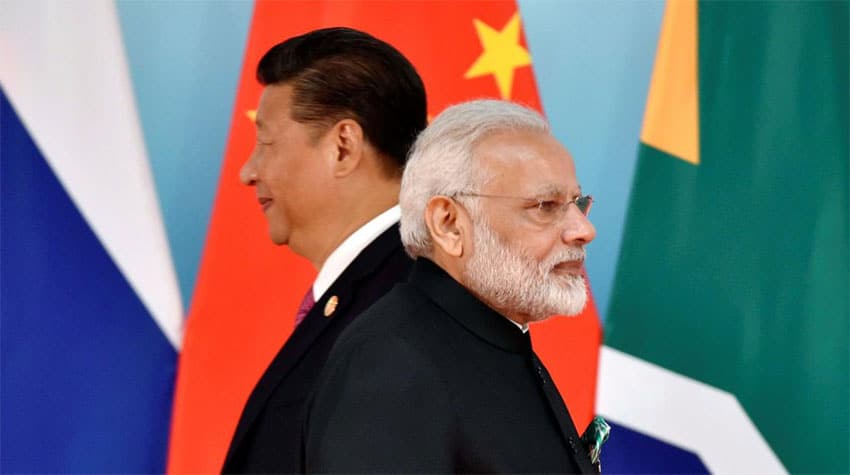
    Pakistan, which imports 84 per cent of its petroleum products, mainly from Gulf Arab allies Saudi Arabia and the United Arab Emirates, has been transparent about its dealings with Russia. Malik stated that their initial dealings with Moscow were far less than those of other countries, particularly China and India, whose enthusiastic buying of Russian oil has cast a shadow over India’s warming relationship with Washington.

    Malik spoke with US companies during his visit about buying shale liquified natural gas, upgrading Pakistani refineries and storage facilities, exploring offshore oil and gas and starting horizontal drilling, a method that Pakistan has not yet used.

    However, he emphasized that his talks with the United States also included support for green energy sources, in line with Pakistan’s goal of generating 30 per cent of its electricity from renewables by 2030, including a plan for widespread solar power on rooftops.

    Pakistan is one of the nations most vulnerable to climate change, with floods last year submerging one-third of the country. Geoffrey Pyatt, the assistant secretary of state for energy resources, has promised US backing for Pakistan’s renewable goals during his visit to the country.

    According to France24, Malik also believes that the future of energy security lies in green energy sources. Although Pakistan’s share of Russian oil imports is small, it helps, and the country is open to cheaper sources of energy.

  • Fitch warns of further depreciation of Pakistani rupee due to $6.7 billion debt payment

    Fitch warns of further depreciation of Pakistani rupee due to $6.7 billion debt payment

    Fitch, the world’s leading credit rating agency based in Hong Kong, said on Friday that Pakistan must pay a total of $6.7 billion in debt payments for the ongoing fiscal year of 2022-23.

    Of this amount, $3.7 billion must be paid by Islamabad this month, with another $3 billion due in June. Krisjanis Krustins, Fitch’s director, warned that these payments could cause the Pakistani rupee to depreciate further, exerting greater pressure on the country’s currency.

    Krustins also revealed that Pakistan expects a rollover of $2.4 billion from China to address its economic needs. However, he emphasised the need for Pakistan to revive its International Monetary Fund (IMF) loan programme.

    Pakistan has been working to restart the stalled loan programme with the IMF. Earlier this year, Saudi Arabia and the United Arab Emirates pledged external funds, but the IMF has demanded that Pakistan “do more” to unlock the loan programme.

    Finance Secretary Hamid Yakoob recently met with the IMF in the US, but the meeting remained unfruitful. The international lender has proposed that Pakistan arrange $1 billion from commercial banks to unlock the loan programme.