Tag: Donald Trump

  • Trump moves nuclear submarines after Russian ex-president’s statement

    Trump moves nuclear submarines after Russian ex-president’s statement

    United States (US) President Donald Trump ordered the deployment of two nuclear submarines Friday in an extraordinary escalation of what had been an online war of words with a Russian official over Ukraine and tariffs.

    Trump and Dmitry Medvedev, the deputy chairman of Russia’s security council, have been sparring on social media for days.

    Trump’s post on his Truth Social platform abruptly took that spat into the very real, and rarely publicised, sphere of nuclear forces.

    “Based on the highly provocative statements,” Trump said he had “ordered two Nuclear Submarines to be positioned in the appropriate regions, just in case these foolish and inflammatory statements are more than just that.”

    “Words are very important, and can often lead to unintended consequences, I hope this will not be one of those instances,” the 79-year-old Republican posted.

    Trump did not say in his post whether he meant nuclear-powered or nuclear-armed submarines. He also did not elaborate on the exact deployment locations, which are kept secret by the US military.

    But in an interview with Newsmax that aired Friday night, Trump said the submarines were “closer to Russia.”

    “We always want to be ready. And so I have sent to the region two nuclear submarines,” he said.

    “I just want to make sure that his words are only words and nothing more than that.”

    Trump’s remarks came hours after Russian President Vladimir Putin said Moscow had started mass producing its hypersonic nuclear-capable Oreshnik missile, and could deploy them to Belarus, a close Russian ally neighbouring Ukraine, by year-end.

    The nuclear sabre-rattling came against the backdrop of a deadline set by Trump for the end of next week for Russia to take steps to ending the Ukraine war or face unspecified new sanctions.

    Despite the pressure from Washington, Russia’s onslaught against its pro-Western neighbor continues to unfold at full bore.

    Russian attacks have killed hundreds of Ukrainian civilians since June. A combined missile and drone attack on the Ukrainian capital Kyiv early Thursday killed 31 people, rescuers said.

    Putin, who has consistently rejected calls for a ceasefire, said Friday that he wants peace but that his demands for ending his nearly three-and-a-half year invasion were “unchanged”.

    Those demands include that Ukraine abandon territory and end ambitions to join NATO.

    Putin, speaking alongside Belarusian President Alexander Lukashenko, said Belarusian and Russian specialists “have chosen a place for future positions” of the Oreshnik missiles.

    “Work is now underway to prepare these positions. So, most likely, we will close this issue by the end of the year,” he added.


    – Insults, nuclear rhetoric –

    The United States and Russia control the vast majority of the world’s nuclear weaponry, and Washington keeps nuclear-armed submarines on permanent patrol as part of its so-called nuclear triad of land, sea and air-launched weapons.

    Trump told Newsmax that Medvedev’s “nuclear” reference prompted him to reposition US nuclear submarines.

    “When you mention the word ‘nuclear’… my eyes light up. And I say, we better be careful, because it’s the ultimate threat,” Trump said in the interview.

    Medvedev had criticised Trump on his Telegram account Thursday and alluded to the “fabled ‘Dead Hand’” — a reference to a highly secret automated system put in place during the Cold War to control the country’s nuclear weapons.

    This came after Trump had lashed out at what he called the “dead economies” of Russia and India.

    Medvedev had also harshly criticized Trump’s threat of new sanctions against Russia over its war in Ukraine.

    Accusing Trump of “playing the ultimatum game,” he posted Monday on X that Trump “should remember” that Russia is a formidable force.

    Trump responded by calling Medvedev “the failed former President of Russia, who thinks he’s still President.”

    Medvedev should “watch his words,” Trump posted at midnight in Washington on Wednesday. “He’s entering very dangerous territory!”

    Medvedev is a vocal proponent of Russia’s war — and generally antagonistic to relations with the West.

    He served as president between 2008-2012, effectively acting as a placeholder for Putin, who was able to circumvent constitutional term limits and remain in de facto power.

    The one-time reformer has rebranded over the years as an avid online troller, touting often extreme versions of official Kremlin nationalist messaging.

    But his influence within the Russian political system remains limited.

    In Kyiv on Friday, residents held a day of mourning for the 31 people, including five children, killed the day before, most of whom were in a nine-storey apartment block torn open by a missile.

    Ukrainian President Volodymyr Zelensky said only Putin could end the war and renewed his call for a meeting between the two leaders.

    “The United States has proposed this. Ukraine has supported it. What is needed is Russia’s readiness,” he wrote on X.
  • FACT CHECK: Did Trump just call Modi out for not responding to his tweets?

    FACT CHECK: Did Trump just call Modi out for not responding to his tweets?

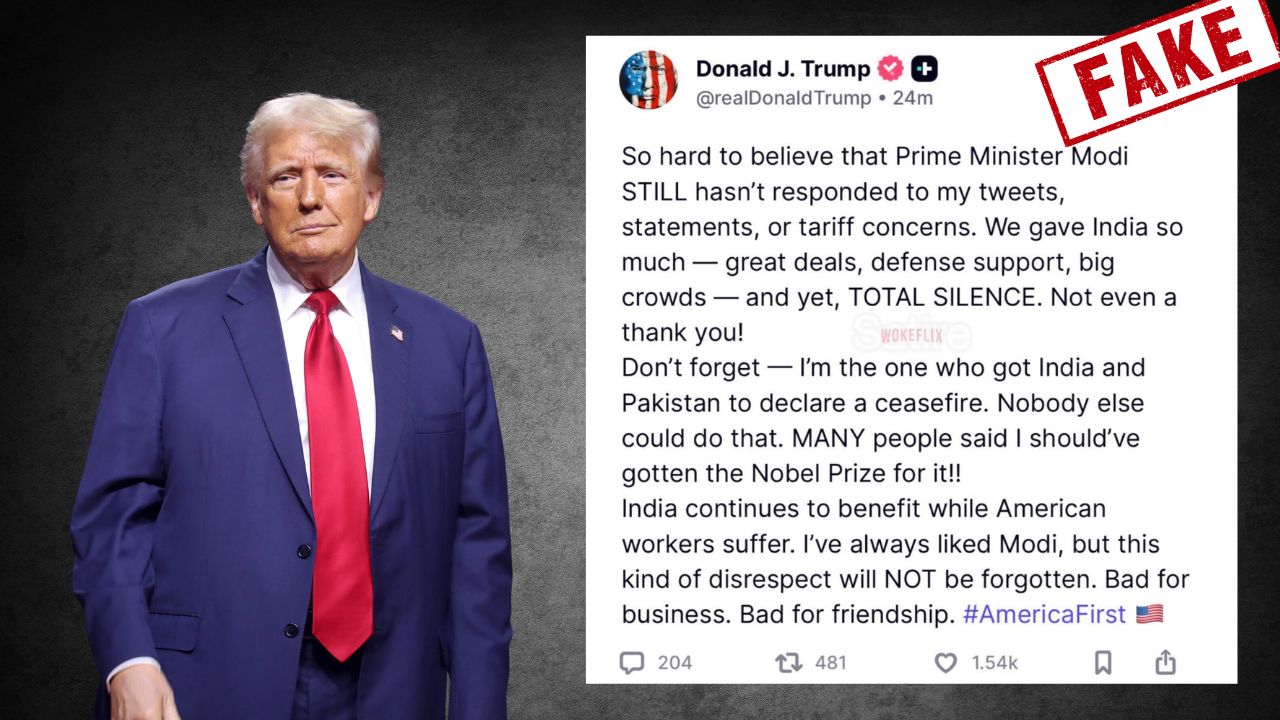
    A screenshot of United States (US) President Donald Trump’s Truth Social post that called Indian Prime Minister (PM) Narendra Modi out for not responding to the announcement of whopping 25 per cent reciprocal tariffs on New Delhi, has turned out to be fake.

    “So hard to believe that Prime Minister Modi STILL has not responded to my tweets, statements or tariffs concerns. We gave India so much, great deals, defense support, big crowds and yet, TOTAL SILENCE. Not even a thankyou [sic],” read the post, a screenshot of which went viral on social media on Friday.

    “Don’t forgot I am the one who got India and Pakistan to declare a ceasefire. Nobody else could do that. Many people said I should have gotten the Nobel Prize for it!!,” it read, adding that India “continued to benefit while American workers suffer”.

    “I have always liked Modi but this kind of disrespect will NOT be forgotten. Bad for business, bad for friendship #AmericaFirst,” the post said.

    With a screenshot of the post going viral and several social media users sharing it, particularly on X (formerly Twitter), here, here and here, The Current conducted a thorough investigation into the authenticity of the screenshot, reviewing all of President Trump’s posts on Truth Social over the past 24 hours.

    Going through all 40 posts shared by the US president on Truth Social over the past day, The Current was unable to find the one wherein he directly called out the Indian premier.

    While any cached records were also not found– used to verify authenticity in case of post deletion – The Current discovered that the screenshot being shared online originated from an account named Wokeflix, a digital outlet that falsely attributed the statement to President Trump.

  • Indian economy is dead, here’s why…

    Indian economy is dead, here’s why…

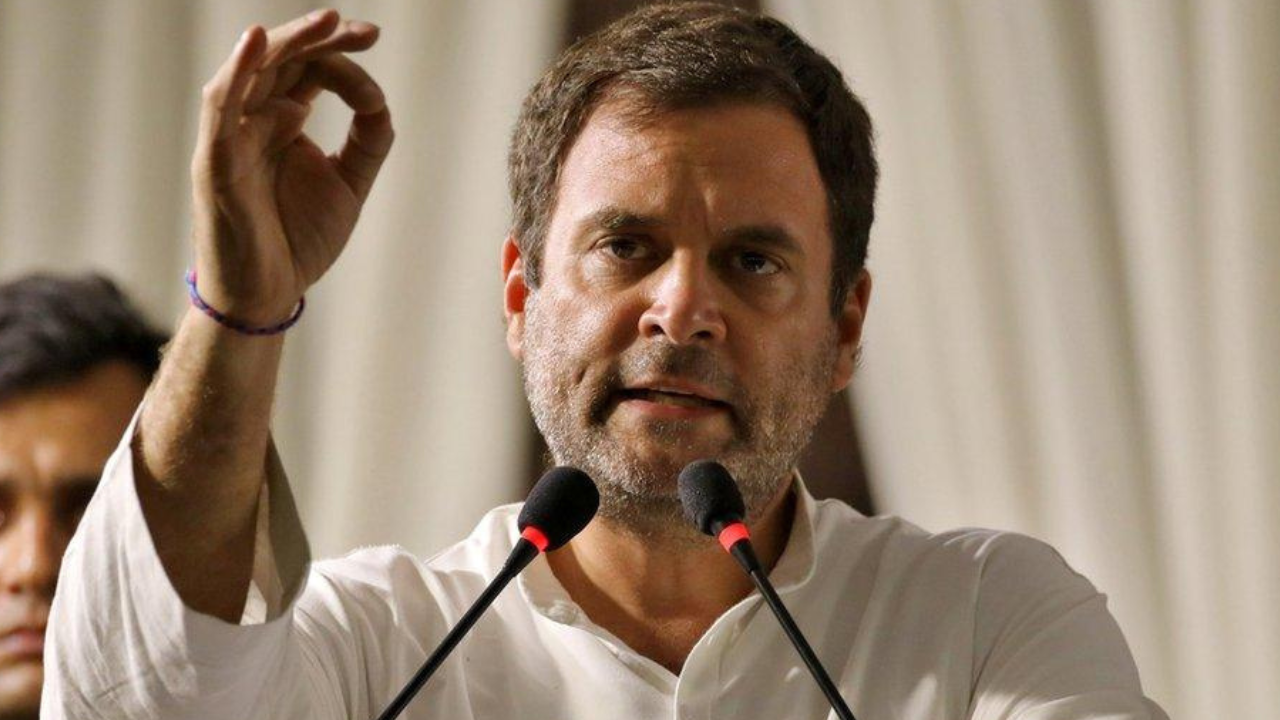
    India’s Leader of the Opposition Rahul Gandhi on Thursday reaffirmed US President Donald Trump’s assertion that the Indian economy is “dead”, sharply criticising the Narendra Modi administration’s approach to economic, defense, and foreign policies.

    While addressing reporters outside parliament, Gandhi stated, “He [Trump] is correct. Everyone understands that the Indian economy is a dead economy, apart from the Prime Minister and the Finance Minister.” He accused the BJP of undermining the nation’s economy “to assist Adani,” referencing businessman Gautam Adani. Gandhi further questioned India’s lack of action on US tariffs. “Trump has now announced that he will impose 25 percent tariffs (along with a penalty for purchasing Russian oil and weapons). Why can’t PM Modi provide a response? What is the true reason? Who holds power” he questioned. 

    Donald Trump imposed a 25 percent tariff on Indian imports, set to take effect from August 1. The US president associated his decision with India’s persistent trade ties with Russia and its defense collaboration. “I don’t mind what India does with Russia. They can suffer together with their dead economies, for all I care,” Trump remarked on Truth Social, signalling a marked departure from the usual cordial relations between the two countries. In response, the Modi administration stated it “will take all steps necessary to secure our national interest.”

    Later, Gandhi elaborated on his criticisms in a post on X (formerly Twitter), stating: “THE INDIAN ECONOMY IS DEAD. Modi killed it.” He outlined five reasons for his statement: the Adani-Modi alliance, demonetization, a problematic GST rollout, the failure of the “Assemble in India” initiative, and the ongoing crisis affecting farmers.

    Though the post did not elaborate on the points, they echo themes Gandhi has previously discussed. He has frequently accused the government of favoring Adani through policy choices. Regarding demonetization and GST, he has held the government responsible for destabilizing small enterprises. Gandhi has criticized Make in India as a failed strategy, claiming it resulted in greater reliance on imports. He has also underscored the effects of policy changes on MSMEs and farmers, citing unemployment and increasing debt levels.

    Meanwhile in Moscow, former Russian President Dmitry Medvedev dismissed Trump’s comments as a “nervous reaction,” asserting that Russia would maintain its current path despite US alerts.

  • Trump administration announces Pakistan tariffs; lowest for any South Asian country

    Trump administration announces Pakistan tariffs; lowest for any South Asian country

    The United States administration led by President Donald Trump has imposed a 19 percent tariff on Pakistani goods, revised from the previous 29 per cent, making this the lowest tariff rate of any South Asian country.

    According to an executive order detailing the tariffs issued on Thursday, it was announced that Pakistan is set to face a 19 percent tariff rate as the US president’s tariff deadline comes to an end on August 1.

    Islamabad’s trade surplus with the US was approximately $3 billion in 2024, primarily driven by textile exports. The US is Pakistan’s largest market for textiles, according to reports.

    The order listed higher import duty rates of 10 to 41 percent starting in seven days for 69 trading partners as the 12:01 am EDT (9:01 am PKT) deadline approached. Some of them had reached tariff-reducing deals, and some had no opportunity to negotiate with his administration.

    According to the order, goods from all other countries not listed would be subject to a 10 percent US import tax.

    Goods from India appeared to be headed for a 25 percent tariff after talks bogged down over access to India’s agriculture sector, drawing a higher-rate threat from Trump that also included an unspecified penalty for New Delhi’s purchase of Russian oil.

    Trump’s order stated that some trading partners, “despite having engaged in negotiations, have offered terms that, in my judgement, do not sufficiently address imbalances in our trading relationship or have failed to align sufficiently with the United States on economic and national-security matters.”

    Trump set rates, including a 35 percent duty on many goods from Canada, up from 25 per cent previously, and a steep 50 percent for Brazil, 20 percent for Taiwan, 39 percent for Switzerland, 15 percent for South Korea, and 20 percent for Bangladesh, according to a presidential executive order.

    Regarding the higher import tax on Canada, the second largest US trading partner after Mexico, media reports quoted an official as saying that Canadian officials “haven’t shown the same level of constructiveness that we’ve seen from the Mexican side.”

    Meanwhile, China faces an August 12 deadline to finalize a lasting tariff deal with the Trump administration, following preliminary agreements made in May and June this year aimed at halting the escalating tariff war and preventing a disruption in rare earth mineral supplies.

  • ‘Maybe Pakistan will be selling oil to India some day’: Trump announces deal with Islamabad

    ‘Maybe Pakistan will be selling oil to India some day’: Trump announces deal with Islamabad

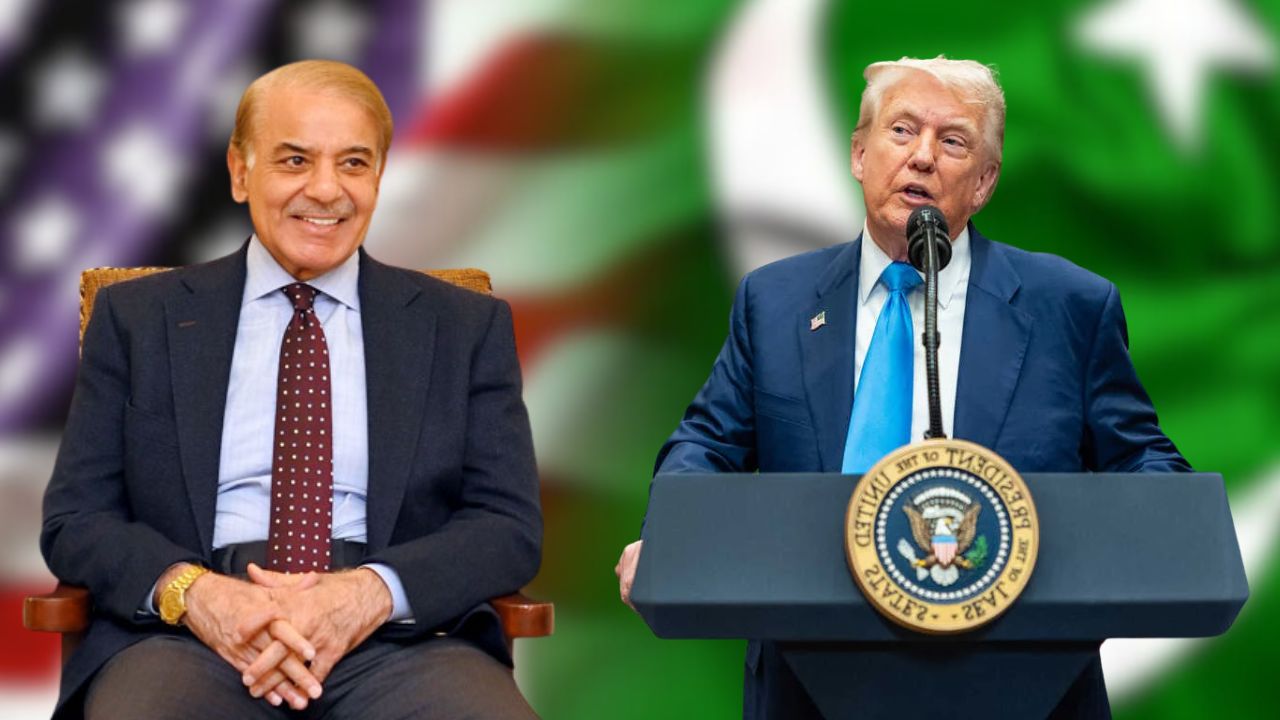
    United States (US) President Donald Trump on Wednesday night announced that the US has concluded a deal with Pakistan, allowing both countries to work together on developing Pakistan’s vast oil reserves.

    “We have just concluded a Deal with the country of Pakistan, whereby Pakistan and the United States will work together on developing their massive Oil Reserves,” President Trump wrote in a post on Truth Social.

    “We are in the process of choosing the Oil Company that will lead this Partnership. Who knows, maybe they’ll be selling Oil to India someday!” the post read.

    The announcement, however, does not make reference to a possible agreement on tariffs, taxes imposed on imported goods between Pakistan and the US.

    According to the Ministry of Finance, the breakthrough came during Finance Minister Muhammad Aurangzeb’s meeting with the US Secretary of Commerce and the US Trade Representative. Pakistan’s Ambassador to the US, Rizwan Saeed Sheikh, and Commerce Secretary Jawad Paul were also in attendance.

    The official statement said, “The purpose of the deal is to boost bilateral trade, improve market access, attract investment, and strengthen cooperation in areas of mutual interest.”

    “Under the agreement, there will be a reduction in tariffs, particularly on Pakistani exports to the US, and a fresh start in economic cooperation between the two countries.

    “The two sides will focus on energy, minerals, information technology, cryptocurrency, and other key areas,” the statement added.

    Trump punishes India with 25 per cent tariff

    Hours before announcing the deal with Pakistan, the US president said in a post on Truth Social that the US has done relatively “little business” with India over the years due to its extremely high tariffs, among the highest in the world. “They have the most strenuous and obnoxious non-monetary trade barriers of any country,” he added.

    The US president also criticised New Delhi’s continued reliance on Russian arms and energy purchases. “They have always bought a vast majority of their military equipment from Russia and are Russia’s largest buyer of ENERGY…” the post read.

    “India will therefore be paying a tariff of 25pc, plus a penalty for the above, starting on August 1,” the post concluded.

  • Trump holds fresh talks with Netanyahu to end Gaza ‘tragedy’

    Trump holds fresh talks with Netanyahu to end Gaza ‘tragedy’

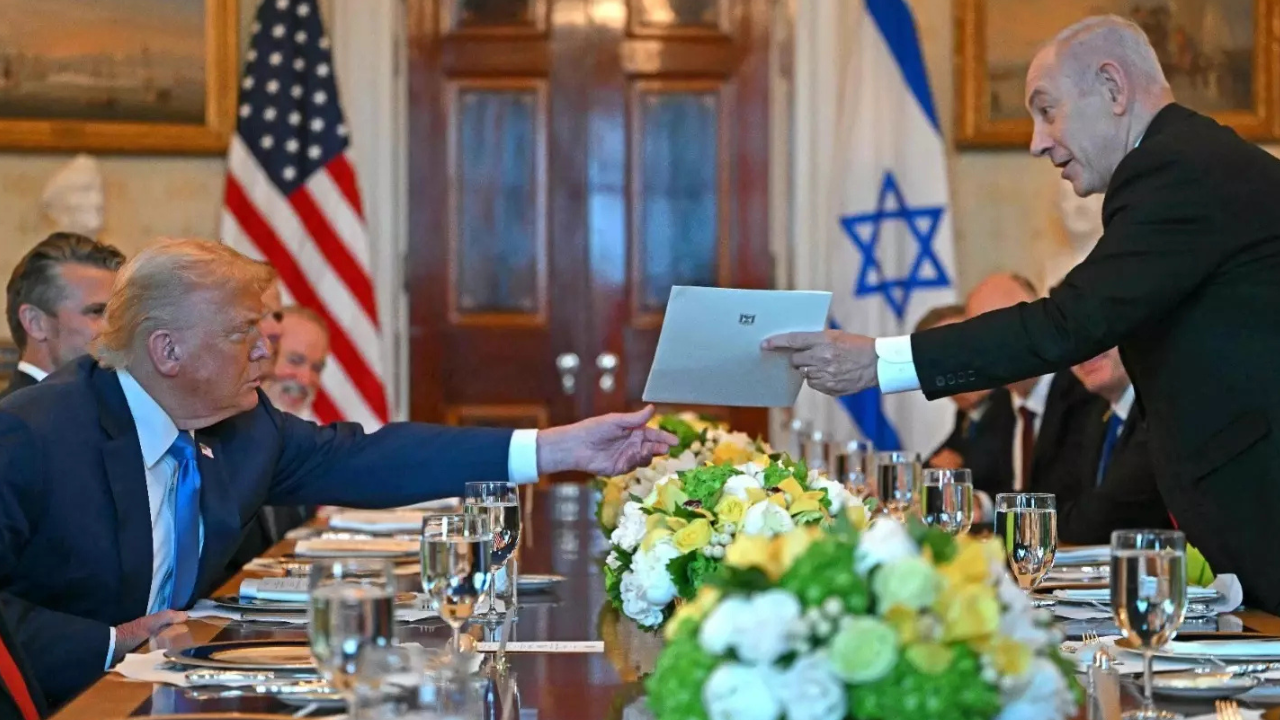
    Donald Trump and Benjamin Netanyahu met for the second time in 24 hours Tuesday as the US president intensified the pressure on the Israeli prime minister to reach a deal to end the “tragedy” of the genocide in Gaza.

    Netanyahu’s return to the White House for fresh talks came after Qatari mediators warned it would take time to seal an elusive ceasefire between Israeli and Hamas at talks in Doha.

    “It’s a tragedy, and he wants to get it solved, and I want to get it solved, and I think the other side wants to,” Trump told reporters as he announced that Netanyahu was coming back.

    Trump’s special envoy Steve Witkoff said he hoped for an agreement within days.

    “We are hopeful that by end of this week we will have an agreement that will bring us into a 60-day ceasefire,” Witkoff said.

    The deal would include the return of 10 live hostages held by Palestinian militant groups since Hamas’s October 2023 attack on Israel, and nine dead hostages, Witkoff added.

    The Israeli leader, who had dinner with Trump on Monday evening, arrived back at the White House for talks that were being held without any media access.

    Asked earlier as he met US House speaker Mike Johnson if a ceasefire announcement was imminent, Netanyahu replied: “We’re certainly working on it.”

    – ‘Need time’ –

    Trump has kept up strong US support for Israel, especially over the recent Iran-Israel war, but has also been stepping up the pressure to end what he calls the “hell” in Gaza.

    Qatar however said Tuesday more time was needed for negotiations for a breakthrough between Israel and Hamas, as indirect negotiations extended into a third day in Doha.

    “I don’t think that I can give any timeline at the moment, but I can say right now that we will need time for this,” Qatar’s foreign ministry spokesman Majed Al-Ansari said.

    Qatar, a mediator along with the United States and Egypt, said the meetings in Doha were focused on a framework for the talks, while a Palestinian official close to the negotiations said no breakthrough had been achieved so far.

    Hostilities meanwhile continued on the ground.

    Gaza’s civil defence reported 29 killed in Israeli strikes on Tuesday, including three children.

    Five Israeli soldiers were killed in combat in northern Gaza — one of the deadliest days this year for Israeli forces in the Palestinian territory.

    Netanyahu described the soldiers’ deaths as a “difficult morning.” They were reportedly killed by improvised explosive devices near Beit Hanun in northern Gaza.

    And Lebanon said three people were killed Tuesday in a strike near Tripoli that the Israeli military said targeted a Hamas soldier, the first in the area since a November ceasefire with Hezbollah.

    – ‘Torn to shreds’ –

    Trump has been trying to seize on the momentum from the recent ceasefire between Iran and Israel, which was precipitated by US airstrikes on Tehran’s nuclear program.

    France’s foreign intelligence chief said Tuesday that the program has been “very, very delayed” by US and Israeli strikes, wading into a contentious debate over just how hard it was hit.

    Israel and Hamas began the latest round of negotiations on Sunday, with representatives seated in separate rooms within the same building.

    An Israeli official accompanying Netanyahu to Washington said the proposal under discussion was “80-90 percent of what Israel wanted.”

    But far-right National Security Minister Itamar Ben Gvir opposed negotiations with Hamas, saying that “there is no need to negotiate with those who murder our fighters; they must be torn to shreds.”

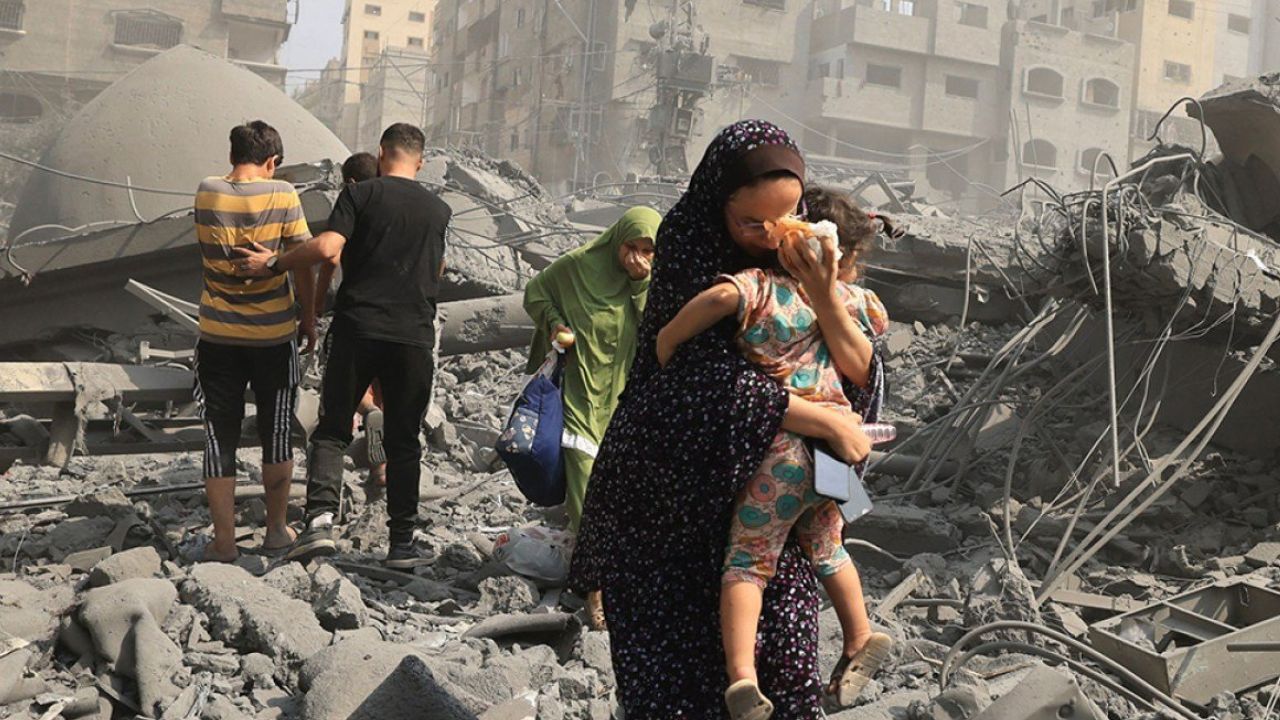
    The genocide has created dire humanitarian conditions for Gaza’s more than two million people.

    The genocide against Palestinians in Gaza worsened after October 7 2023 as Israel has killed at least 57,575 people in Gaza, also mostly civilians.

  • Trump thinks Gaza ceasefire possible within next week

    Trump thinks Gaza ceasefire possible within next week

    United States (US) President Donald Trump said on Friday he believes a ceasefire in the Gaza may be reached “within the next week”.

    Speaking to reporters during an event celebrating a Congo-Rwanda accord in the Oval Office, the US president stated that he believes a ceasefire is close, pointing out that he had just been talking to some of the people involved in attempting to reach a ceasefire between Israel and Hamas.

    President Trump said that there is a “terrible” situation going on in Gaza, adding, “We are supplying a lot of money, food, and aid to those areas.”

    “We are not involved in it; however, we are involved because so many people are dying,” he said, noting, “I look at those crowds of people that have no food, no anything.”

    By the end of May, the US president’s Middle East envoy, Steve Witkoff, proposed a 60-day ceasefire, noting that Hamas would release 10 living hostages and the remains of 18 dead hostages who were taken to Gaza. 

    Under the proposal, it was advised that Israel would release 125 “life sentence” prisoners, 1,111 Palestinian detainees and 180 killed Palestinians as part of the deal.

    Israel has carried out genocide in Gaza with at least 56,000 people dead, most of them women and children.

  • Trump declares Iran nuclear victory, Intel says otherwise

    Trump declares Iran nuclear victory, Intel says otherwise

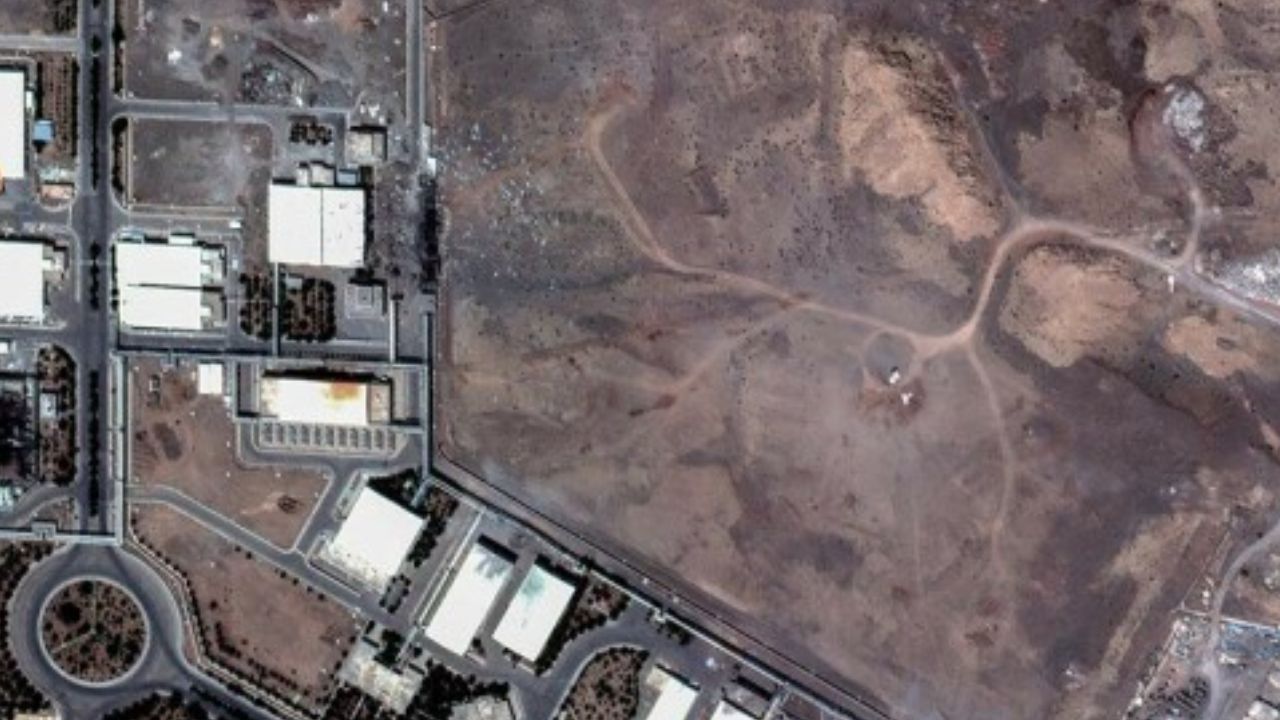
    A preliminary U.S. intelligence assessment has concluded that recent American airstrikes on Iran’s nuclear facilities have only delayed, but not destroyed, its nuclear program despite President Donald Trump’s claims as a fragile ceasefire took hold between Iran and Israel.


    According to the Defense Intelligence Agency report, underground facilities were mostly intact although the entrances to two uranium-enrichment sites were sealed.

    Three people familiar with the findings said that Iran’s enriched uranium stockpile was not destroyed and that some centrifuges were undamaged.


    The strikes, carried out over the weekend, marked the U.S entry into the 12-day Iran-Israel conflict. A ceasefire was declared by President Donald Trump at 0500 GMT on Tuesday, after days of escalating military exchanges.


    Trump had claimed that the U.S. use of 30,000-pound bombs had “obliterated” Iran’s nuclear program. 

    He reiterated the point in a Truth Social post on Tuesday morning:

    “FAKE NEWS CNN, TOGETHER WITH THE FAILING NEW YORK TIMES, HAVE TEAMED UP IN AN ATTEMPT TO DEMEAN ONE OF THE MOST SUCCESSFUL MILITARY STRIKES IN HISTORY. THE NUCLEAR SITES IN IRAN ARE COMPLETELY DESTROYED! BOTH THE TIMES AND CNN ARE GETTING SLAMMED BY THE PUBLIC!”

    U.S. officials told the United Nations Security Council, however, that the strikes had “degraded” Iran’s nuclear infrastructure.

     According to one source, because a large portion of the program is underground, it might have only been delayed the program by one or two months. 

    Iran maintains that the goal of its nuclear research is to produce energy for civilian use.

    Despite its fragility, the ceasefire prompted Israel and Iran to lift civilian restrictions on Tuesday. Israel resumed regular operations, including at Ben Gurion Airport, while Iran reopened its airspace. 

    Markets responded with a global rally as oil prices dropped, reflecting reduced fears of disruption in the Gulf.

    Israeli Prime Minister Benjamin Netanyahu declared: 

    “We have removed two immediate existential threats to us: the threat of nuclear annihilation and the threat of annihilation by 20,000 ballistic missiles.” 


    According to Iranian media, Iranian President Masoud Pezeshkian also claimed a “great victory” and assured Saudi Crown Prince Mohammed bin Salman that Tehran was ready to resolve tensions with the United States.


    The conflict began on June 13 when Israel launched a surprise offensive targeting Iranian nuclear facilities and top military commanders.

     Iran retaliated with a barrage of missiles on Israeli cities and military bases in the largest escalation since the 1980s Iran-Iraq war.

    Iran reported 610 deaths and over 4,764 injuries from Israeli airstrikes. Iran’s missile response killed 28 Israelis, the first time its air defenses were breached on this scale.

    Tensions lingered after the ceasefire announcement, as both nations accused each other of early violations.
     

    Trump, before departing for a NATO summit, expressed frustration:

    “I’ve got to get Israel to calm down now,” he said.

    “Iran and Israel had been fighting so long and so hard that they don’t know what the f*** they’re doing.”

     Israeli officials said that in response for Iranian missiles fired after the ceasefire began, a radar facility close to Tehran was hit. 

    Iran denied firing any missiles at that time and claimed Israel continued its strikes well beyond the agreed window.


    The administration continued talks with Iranian counterparts, and Trump personally brokered the ceasefire with Israeli Prime Minister Netanyahu, according to U.S. sources.

    Both countries said they would uphold the ceasefire as long as the other did not break it.

    Iran’s military command also warned Israel and the U.S. to learn from the “crushing blows” it delivered during the conflict. Israeli military chief Eyal Zamir said the current phase of the conflict had ended but added that operations against Iran-backed militants in Gaza would resume.

  • Trump plays deft hand with Iran-Israel ceasefire but doubts remain

    Trump plays deft hand with Iran-Israel ceasefire but doubts remain

    Israel, Iran and Trump himself all declared victory after 12 days of conflict that culminated Saturday in the United States bombing Iran’s key nuclear sites.

    After facing criticism — even within his base — for breaking his campaign promises against military intervention abroad, Trump was able to show a quick way out, and to portray himself, despite the bombing, as a peacemaker.

    “I don’t think the Israeli government was able to sustain a long-term war, but I think the main factor here was President Trump. He did not want to see a new war in the region break out under his watch,” said Will Todman, a senior fellow at the Middle East program at the Center for Strategic and International Studies.

    “That is what changed the calculation for Israel and for Iran as well.”

    Trump startled even close aides and allies by announcing the ceasefire on social media late Monday — the middle of the night in the Middle East — just after Iran fired missiles at a US base in Qatar, in what appeared to be a choreographed response as the rockets were easily shot down.

    Trump chose not to retaliate against Iran and on Tuesday, returned to his electronic bully pulpit to urge Israel to abort new attacks on Iran.

    Iran needed an off-ramp as it suffered its worst assault since the 1980-88 war with Iraq. Trump also appeared to offer incentives to sanctions-bound Iran by suggesting an easing of US pressure on China to stop buying Iranian oil.

    Israel’s military, while proving itself to be the region’s strongest, has been stretched by campaigns in Gaza, Syria and Lebanon, and with Iranian strikes this month, the Israeli population endured the most prolonged, deadly air attacks seen in decades.

    After Israeli Prime Minister Benjamin Netanyahu hailed Trump’s intervention, the president’s warning Tuesday likely also showed him the limits to US support, Todman said.


    What was achieved?

    Trump hailed his intervention as a monumental success, although critics have long warned that an attack could make Iran rush, more clandestinely, to a nuclear bomb.

    While Trump claimed Iran’s nuclear program was “obliterated,” a classified report found that the US bombing did not destroy the core parts of the three nuclear sites, according to CNN and The New York Times.

    Brian Katulis, a senior fellow at the Middle East Institute, said it’s too early to know if the ceasefire would hold, either.

    He said that Gulf Arab powers, led by well-connected Qatar, did the hard work of quiet diplomacy as they sought a return to calm in their region.

    “Trump vocally used his troll power to try to restrain the actions of Israel and Iran, but that matters less compared with the role that these countries continuously play,” Katulis said of Gulf Arab states.

    Katulis, who worked on the Middle East for former president Bill Clinton, said the Trump administration’s tactical military operations, combined with “a heavy dose of strategic communications” confused Americans and global actors alike “about what it is we’re actually trying to get done.”


    Showing heft at home

    One area where Trump’s diplomacy had clear — if short-term — benefits was at home.

    A prolonged US military campaign “had the potential to really fracture President Trump’s own base of support,” said Jonathan Panikoff, a senior fellow at the Atlantic Council.

    But now, “my guess is the majority of his MAGA and other Republican base will stay relatively unified, even if they were unthrilled in some quarters,” he said.

    While traditional hawks of Trump’s Republican Party largely cheered the Iran strikes, they were widely but not universally denounced by rival Democrats.

    Annelle Sheline, who resigned from the State Department to protest policies under former president Joe Biden and is now at the Quincy Institute for Responsible Statecraft, said it was critical for Trump to enforce the ceasefire.

    She noted Israel has bombed Lebanon and Gaza during truces, saying Netanyahu believed he enjoyed “America’s unconditional support.”

    “Trump demonstrated that he can rein in Israel when he chooses to do so. Now he must do the same to insist on a ceasefire in Gaza,” she said.

  • Indian TV host accuses Trump of accepting ‘crypto bribe’ from Pakistan

    Indian TV host accuses Trump of accepting ‘crypto bribe’ from Pakistan

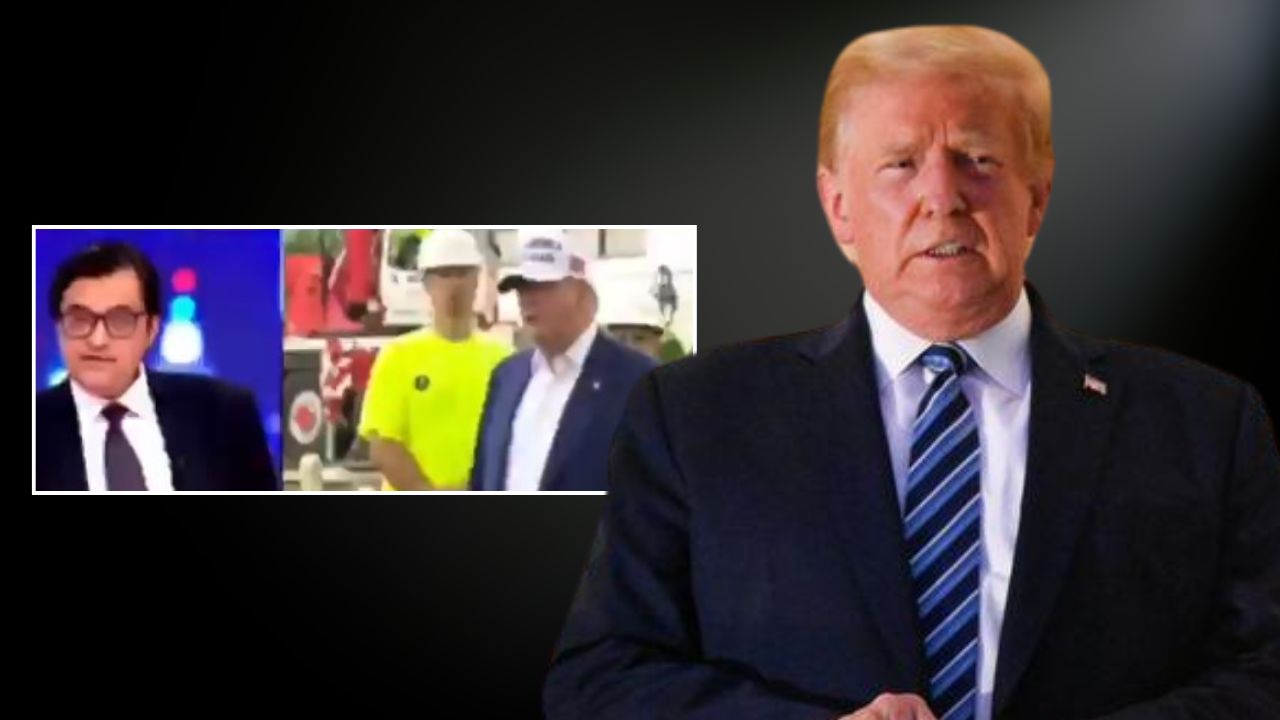
    Controversial Indian TV host Arnab Goswami has accused United States (US) President Donald Trump of taking a ‘crypto bribe’ from Pakistan after Trump said that he “loves Pakistan”.

    “Trump should be investigated along with his family, whether any of them are beneficiaries of any crypto deal with Pakistan,” Goswami said in a clip that went viral on social media.

    Speaking to reporters on Wednesday on the White House lawn, ahead of a luncheon with Field Marshal Chief of Army Staff (COAS) Asim Munir in Washington, DC, US President Donald Trump said, “I love Pakistan”.

    Referring to last month’s military standoff between Pakistan and India, the US President lauded Field Marshal Munir’s efforts towards protecting the country and de-escalation.

    “I stopped a war between Pakistan and India. This man [Field Marshal Asim Munir] was extremely influential in stopping it from the Pakistan side,” he stated.

    Following the meeting, Trump said that he was “honoured” to meet Field Marshal Munir for talks held at the White House’s Cabinet room.

    Commenting on Trump’s appreciative statement about Pakistan and its leadership, Goswami said, “Trump is for Pakistan. Trump is beginning to sound like a member of the Pakistan armed forces. The number of times he says, ‘I love Pakistan’ is embarrassing himself (sic).”

    ‘Pakistan knows Iran very well, better than most’: Trump following meeting with COAS Munir