Tag: education

  • Palestinian poet Dr. Refaat Alareer killed in Israeli strike in Gaza

    Palestinian poet Dr. Refaat Alareer killed in Israeli strike in Gaza

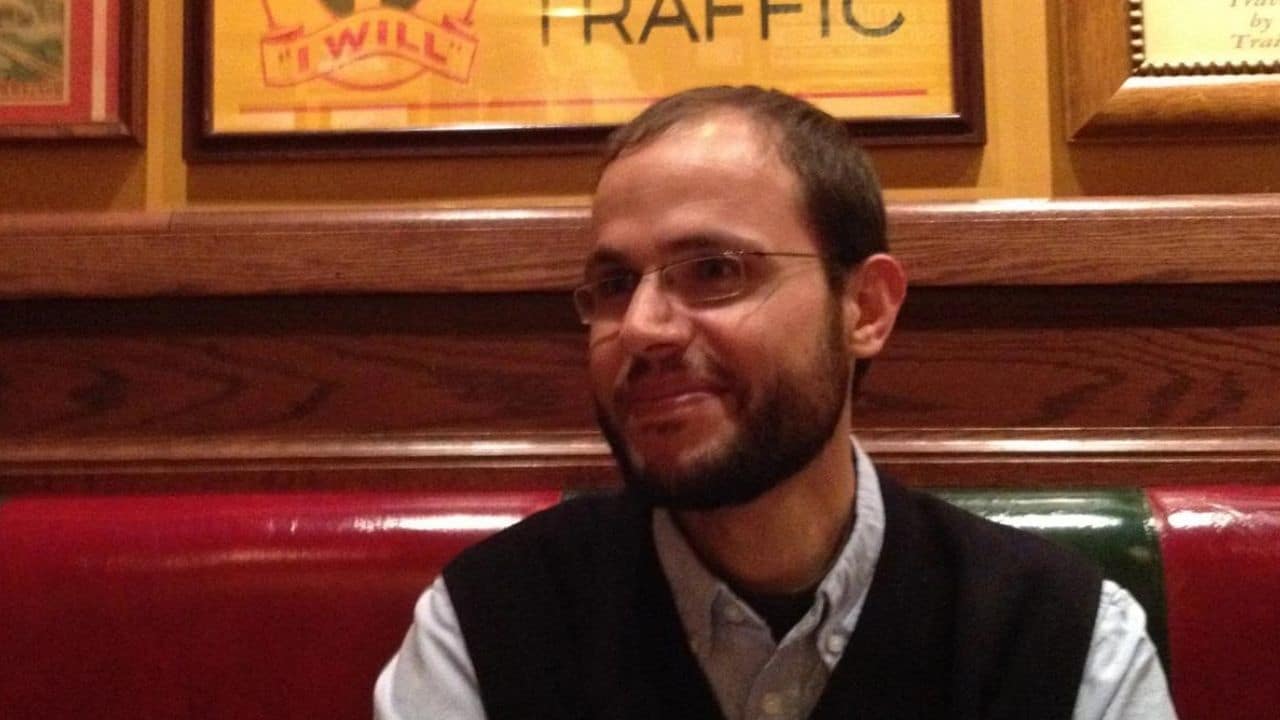
    Palestinian poet, writer, literature professor, and activist Dr. Refaat Alareer was killed in an Israeli airstrike, announced on Thursday evening.

    “My heart is broken, my friend and colleague Refaat Alareer was killed with his family a few minutes ago,” wrote his friend, the Gazan poet, Mosab Abu Toha.

    The Israeli airstrike also killed his brother, his sister, and four of her children. He is now survived by his wife, Nusayba, and their children.

    Dr. Alareer was one of the leading contemporary authors in Gaza who settled on writing in English to tell stories of the besieged strip. He was one of the most prominent voices conveying details of the atrocities Israel is committing to global audiences.

    He had been working as a professor of literature and creative writing at the Islamic University of Gaza since 2007.

    His other contributions included co-editing Gaza Unsilenced (2015) and being editor of Gaza Writes Back: Short Stories from Young Writers in Gaza, Palestine (2014).

    Dan Sheehan quotes in LitHub that in his contribution to the 2022 collection Light in Gaza: Writings Born of Fire, titled “Gaza Asks: When Shall this Pass?”, Refaat writes:

    “It shall pass, I keep hoping. It shall pass, I keep saying. Sometimes I mean it. Sometimes I don’t. And as Gaza keeps gasping for life, we struggle for it to pass, we have no choice but to fight back and to tell her stories. For Palestine.”

    He was also one of the founders of We Are Not Numbers, a nonprofit organisation founded in Gaza following the 2014 Israeli attack and devoted himself to establishing “a new generation of Palestinian writers and thinkers who can bring together a profound change to the Palestinian cause.”

    In November, Alareer published a poem on X entitled “If I must die” that was shared tens of thousands of times. It concludes with the words: “If I must die, let it bring hope, let it be a tale.”

    Via his X (formerly Twitter) account, “Refaat in Gaza“, Dr. Alareer also openly condemned Israeli atrocities being committed in Gaza and was also vocal against the US who has been supporting Israel in its operations.

    Remembering Refaat

    The announcement of Dr. Refaat Alareer’s death evoked a cascade of sorrow and anguish across social media, shared by his friends, colleagues, former students, and followers:

  • ‘No justification for attacking innocent people’: Malala calls for ceasefire in interview with Shahzeb Khanzada

    ‘No justification for attacking innocent people’: Malala calls for ceasefire in interview with Shahzeb Khanzada

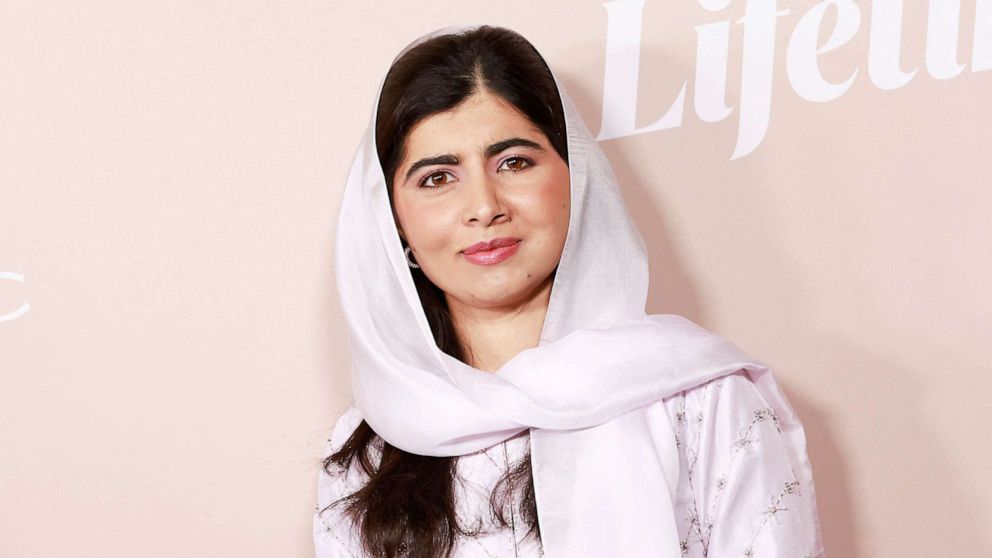
    Nobel Prize winner and activist Malala Yousafzai was a guest on GEO’s ‘Aaj Shahzeb Khanzada Kay Saath’ where she spoke at length about why she stressed on the need to address the gender apartheid in Afghanistan, adding that a ceasefire in Gaza should be demanded by everyone.

    Speaking to host Shahzeb Khanzada, Malala said she has consistently called for a ceasefire since the last month because targeting innocent people cannot be justified.

    “There is no explanation for attacking innocent people. So many children have been killed and families have become homeless because of the attack,” stressed the girls education activist. “I’m worried that there isn’t a lot of pressure right now to stop the war.”

    Malala urged audiences to pressurise their leaders to call for the UN to insert global pressure on Israel to stop the genocide.

    On Tuesday, Malala was the target of outrage when during a 15 minute speech at the Nelson Mandela Annual Lecture, she did not call out Israel for being an apartheid state because of the ongoing Gaza genocide which has now claimed more than 20,000 lives.

    READ MORE: Massive dissapointment’: Malala’s failure to mention genocide in Gaza during lecture has Twitter angry

    Malala also spoke on the show about the Nelson Mandela event where she was the key note speaker, discussing the gender apartheid in Afghanistan, where women and girls face oppression from the Taliban.

    “When I got the opportunity to speak at the Nelson Mandela event, it was important for me to speak about the gender apartheid we’re witnessing today in Afghanistan against women and girls. We can call this situation an apartheid because women and girls are being oppressed and are being deprived of their basic human rights. The state, which is responsible for protecting these women, is the one who is oppressing them.”

    Malala said her lecture addressed the world and the United Nations to urgently address this matter, and to reform the definition of apartheid to include gender in it, so the conversation keeps going forward. She said she will continue to push world leaders to reflect on how women in Afghanistan cannot study, go outside their homes or even visit a doctor without permission from a man.

    Malala also addressed the ongoing Afghan refugee crisis in Pakistan, calling it a “cruel decision” to send young Afghan girls back to a country where they would never be allowed to study again.

    “This is a difficult time for many Afghan families who are being forcefully sent back to Afghanistan. Several of them escaped in 2021 because of the threat of the Taliban’s rise, and among them are several feminist activists whose lives are under threat if they went back. Some of these families had stayed in Afghanistan for 20 to 30 years, and have girls who were studying in schools…I am extremely worried for these girls because she will never be able to see a school if she is sent back to Afghanistan.”

    Malala slammed the government decision as against our “human rights, culture and religion’. She pointed out that in Islam, Muslims are urged to take care of others. The activist urged Pakistani authorities to revoke the decision and give support to Afghan refugees, to prevent little girls from going back to a country which would rob them of their rights.

  • Fulbright scholarship: TOEFL replaced by Duolingo English Test for 2025

    Fulbright scholarship: TOEFL replaced by Duolingo English Test for 2025

    The United States Educational Foundation in Pakistan (USEFP) has announced an update in the language proficiency test for the Fulbright Scholarship Program for the year 2025.

    Applicants were previously required to pass TOEFL (Test of English as a Foreign Language), which will now be replaced by the Duolingo English Test.

    Fulbright scholarship program: Duolingo english test replaces TOEFL for 2025

    The eligibility criteria for the Fulbright Scholarship Program, however, is the same as before.

    A generously funded scholarship programme, Fulbright is open for all Pakistanis citizens with a strong academic background, who commit to return back and serve Pakistan.

    Preference is given to women, individuals with disabilities, and those hailing from specific regions such as Balochistan, Northern Sindh, Southern Punjab, KP, AJK, and GB.

    Application and documentation

    Prospective applicants are required to submit an application form along with three reference letters, a GRE score report, and scanned transcripts.

    Deadline and submission

    The deadline for applications for the 2025 Fulbright Scholarship Program is February 28, 2024, accessible through the USEFP’s website.

  • 65-year-old man goes to school in Dir

    65-year-old Dilawar Khan from Dir Upper has enrolled in the first grade of a local primary school to improve his reading and writing skills.

    Khan and his classmates have a stark age gap as the fellow students are younger than his grandchildren.

    While talking to The Express Tribune, a local resident of the area revealed that, “Dilawar Khan, hailing from a financially struggling family in Dir Upper district, had to forego the luxury of a formal education in his youth to support his family. Yet, his passion for learning endured.”

    Khan has now enrolled into the Government Primary School Khongai to learn to read and write.

    “As a devout Muslim, I believe it is our responsibility to seek knowledge, and I firmly believe that age is merely a number, not a formidable barrier in this pursuit,” Dilawar states.

    Despite his old age, he regularly attends school on time, ensuring punctuality as do his younger classmates.

  • Another exam, more cases of cheating

    Another exam, more cases of cheating

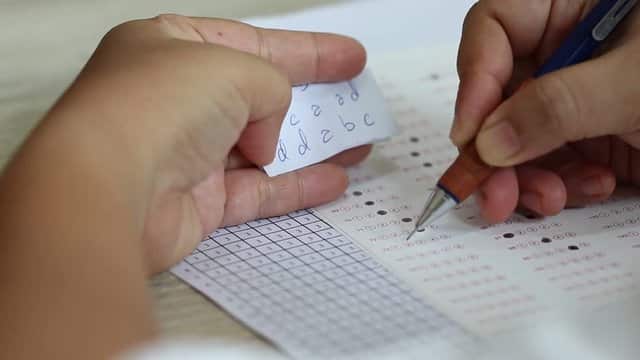
    After cases of cheating during MDCAT examination in Khyber Pakhtunkhwa in September, the Public Service Commission examination has also been infiltrated with cheating.

    According to the Khyber Pakhtunkhwa Public Service Commission, a test was held on June 24 for the recruitment of SDO in the Irrigation Department and CNW, during which 18 candidates were caught cheating.

    KP Public Service Commission officials also revealed that electronic devices, guides and other copy materials were recovered from the candidates during the examination.

    Examinations were cancelled and they have been banned from appearing for a period of one year to three years.

    The commission has issued a public notice for re-examination and the relevant test will be held again on December 23.

  • Asian Development Bank believes Pakistan is the “least ready” country for digital education

    Asian Development Bank believes Pakistan is the “least ready” country for digital education

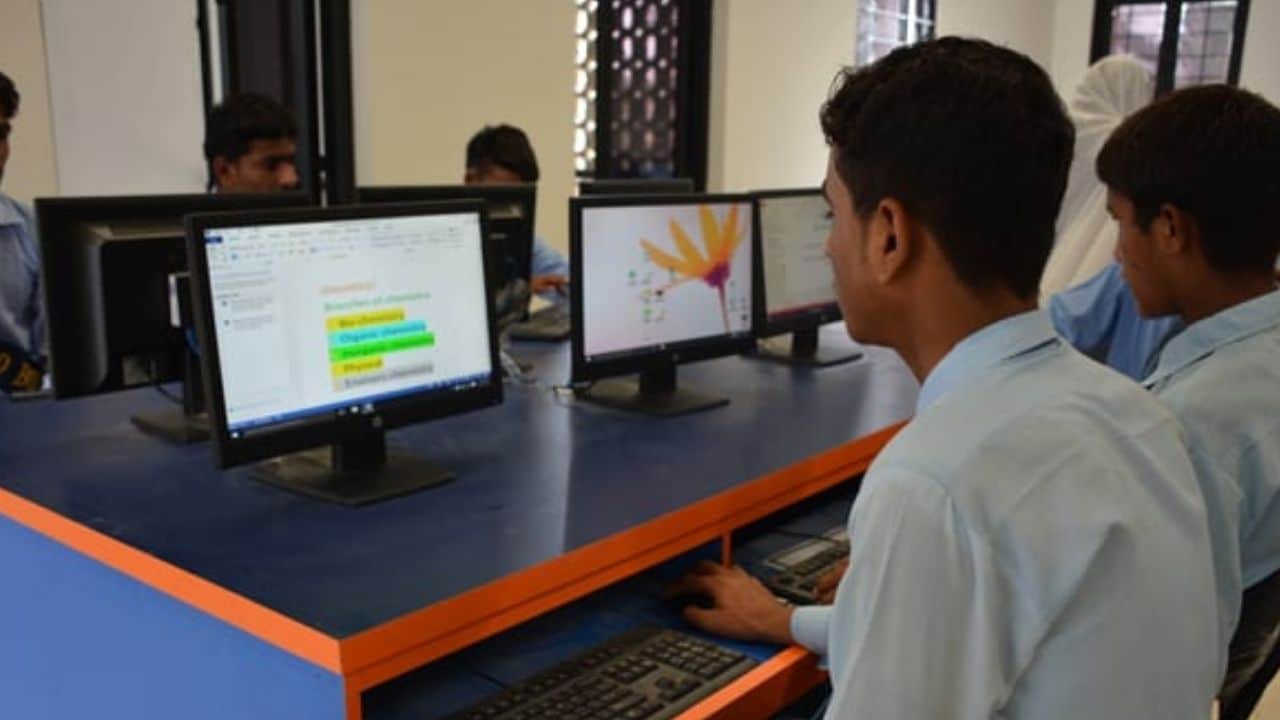
    The Asian Development Bank (ADB) in its report titled “Toward mature digital education ecosystems, the Digital Education Readiness Framework”, has stated that Pakistan is the least ready country for digital education among the developing member countries (DMC).

    The report has highlighted major areas of improvement in Pakistan, including low internet connectivity, low fixed broadband speeds, high fixed line broadband costs and low rural electricity supply. Only 34.1 percent of households are connected with an internet connection.

    There is an absence of teacher training in information and communication technology (ICT) skills with a special focus on delivering online education. Pakistan has also the lowest shares of ICT graduates from the total pool of tertiary education graduates-1.1 percent- standing at the lowest among all 10 ADB members.

    However, Pakistan has surpassed all countries in its cable TV subscriptions coverage with over 482 subscriptions per 1000 persons. The country’s household TV coverage rate is at 62.8 percent.

    Six of the ten DMCs are in the “initial category of readiness”. They are Cambodia, Bangladesh, the Kyrgyz Republic, Mongolia, Pakistan and Fiji in order.

    The other four countries in the “emerging category of readiness” are Indonesia, the Philippines, Vietnam and Uzbekistan.

    Fixed broadband prices play an important role in the ranking of these countries. While Cambodia, Indonesia and Pakistan are least affordable in broadband, Bangladesh, Mongolia and Uzbekistan are the most affordable.

    The difference between the model country’s normalized score and the highest-scoring country’s score is almost 45 points.

  • A school in India charges plastic bottles as fee

    A school in India charges plastic bottles as fee

    A school in India has adopted a unique means of educating underprivileged children while creating awareness about environmental concerns at the same time.

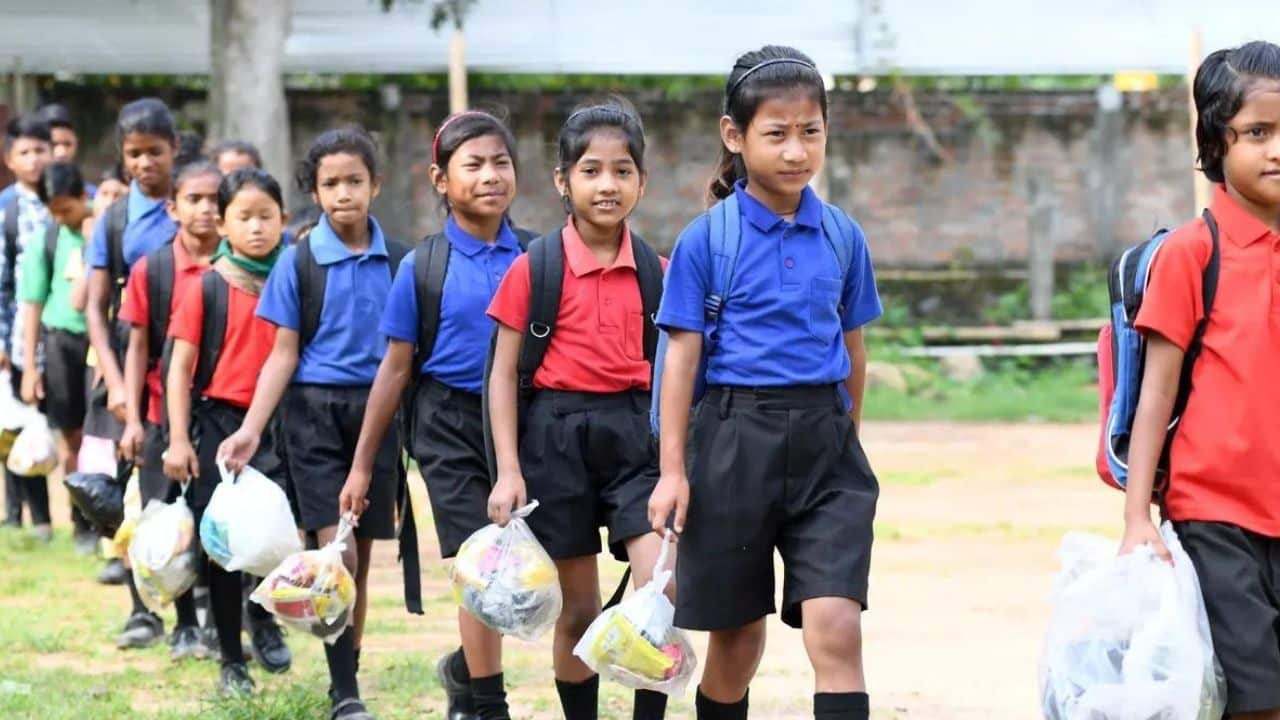
    In a remote village of the Indian state of Assam, plastic bottles are taken from children as fees.

    The school was started by a couple, Mazin Mukhtar and Parmita Sarma, in 2016 to reduce the growing pile of garbage in the village and to provide free quality education to the children.

    While no fee is taken from the students, they have to deposit 25 plastic bottles full of waste to the school every week.

    By recycling these plastic bottles and the waste they contain, roads, bricks and toilets are made.

    Older students earn a living by teaching the younger children.

    Apart from education, children are taught different languages, recycling of plastics, carpentry and gardening.

  • Passport delivery delayed due to shortage of ‘lamination paper’

    Passport delivery delayed due to shortage of ‘lamination paper’

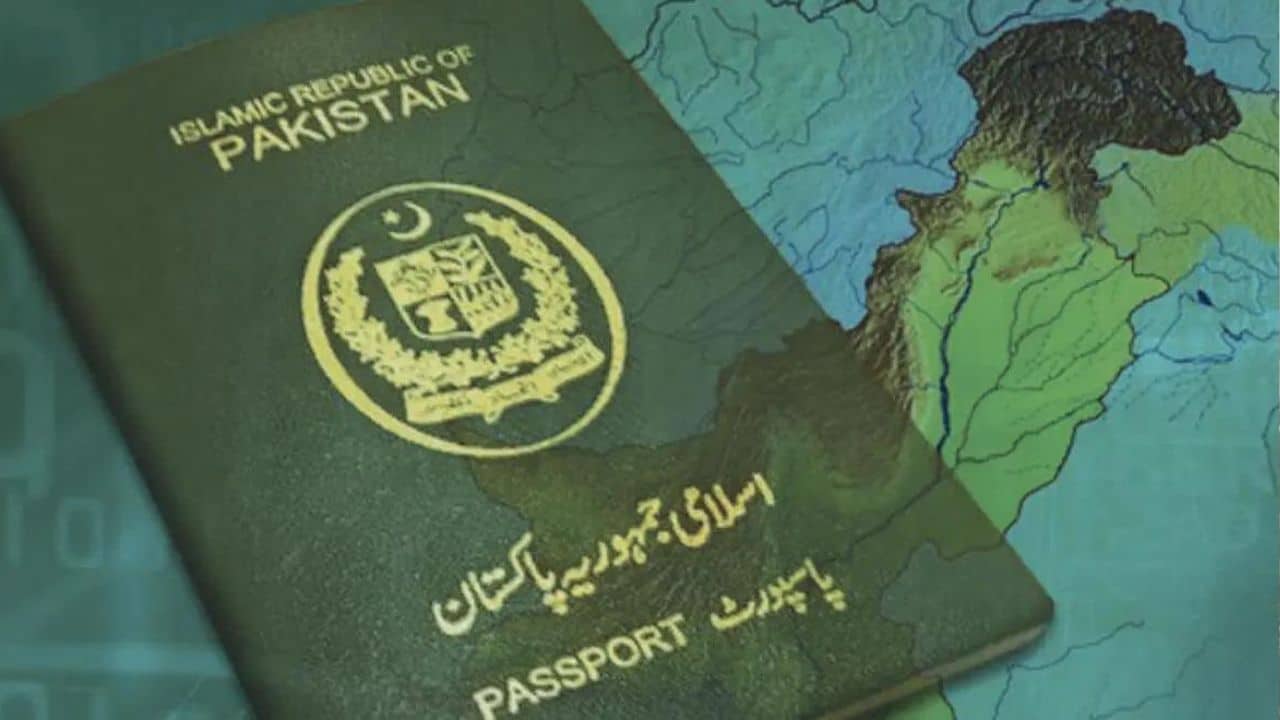
    People waiting for their new passports will have to wait a bit longer. The Directorate General of Immigration & Passport has reportedly run out of lamination papers for new passports.

    As per Samaa, sources have said that the relevant authorities did not take timely measures to ensure a sufficient supply of lamination paper. Last week, there was no improvement in the supply chain, and there is now a fear that the printing and delivery of new passports will be affected across the country.

    One of the immediate consequences of the lamination paper shortage is an expected increase in the duration of passport delivery. For instance, the delivery of passports with a normal fee will likely be extended to approximately one month. This delay poses significant challenges for applicants across the country, especially those with urgent travel plans.

    Despite the alleged non-availability of lamination paper, the passport department continues to accept new applications, further fueling concerns that the number of pending passports will surge due to printing problems.

    As of now, the passport department has not issued an official statement on the matter, leaving many in the dark about when the shortage of lamination paper will be resolved and how long the delays will persist.

    The shortage of lamination paper is causing substantial disruptions in passport issuance, and it is vital for the authorities to swiftly address this issue and keep the public informed about their efforts to resolve the problem. The impact of this situation on individuals urgently needing to travel for various reasons underscores the urgency of resolving the issue promptly to minimize inconvenience for applicants.

  • Malala will make history as the youngest speaker at Mandela Annual Lecture

    Malala will make history as the youngest speaker at Mandela Annual Lecture

    Youngest Nobel laureate and education activist Malala Yousafzai will be delivering the 21st Nelson Mandela Annual Lecture in Johannesburg, South Africa.

    The announcement was made by Nelson Mandela Foundation (NMF) on social media on Monday.

    The NMF acting Chief Executive Verne Harris posted on X (formerly Twitter): “Scheduled for 5 December 2023, this lecture holds special significance as it coincides with the tenth anniversary of Madiba’s passing.”

    The Nelson Mandela Annual Lecture Series consists of prominent people initiating debate on significant social issues and difficult subjects in order to address the challenges the world encounters.

    Nelson Mandela was the first Black president of South Africa (1994–99). He was jointly awarded the Nobel Prize with South African Pres. F.W. de Klerk for Peace in 1993 for their efforts towards the rights of Africans.

    “Malala embodies the type of leadership we believe the world needs across all levels of society. In the face of current global challenges, which can seem daunting, she stands as an inspiring symbol of hope for a just and equitable future,” said Harris.

    Some of the previous speakers include South Africa’s Chief Justice Mogoeng Mogoeng, former US president Barack Obama; Nobel laureate Wangari Maathai; former UN secretary-general Kofi Annan; Microsoft founder and philanthropist Bill Gates.

  • Great-grandmother, 92, goes to school in India

    Great-grandmother, 92, goes to school in India

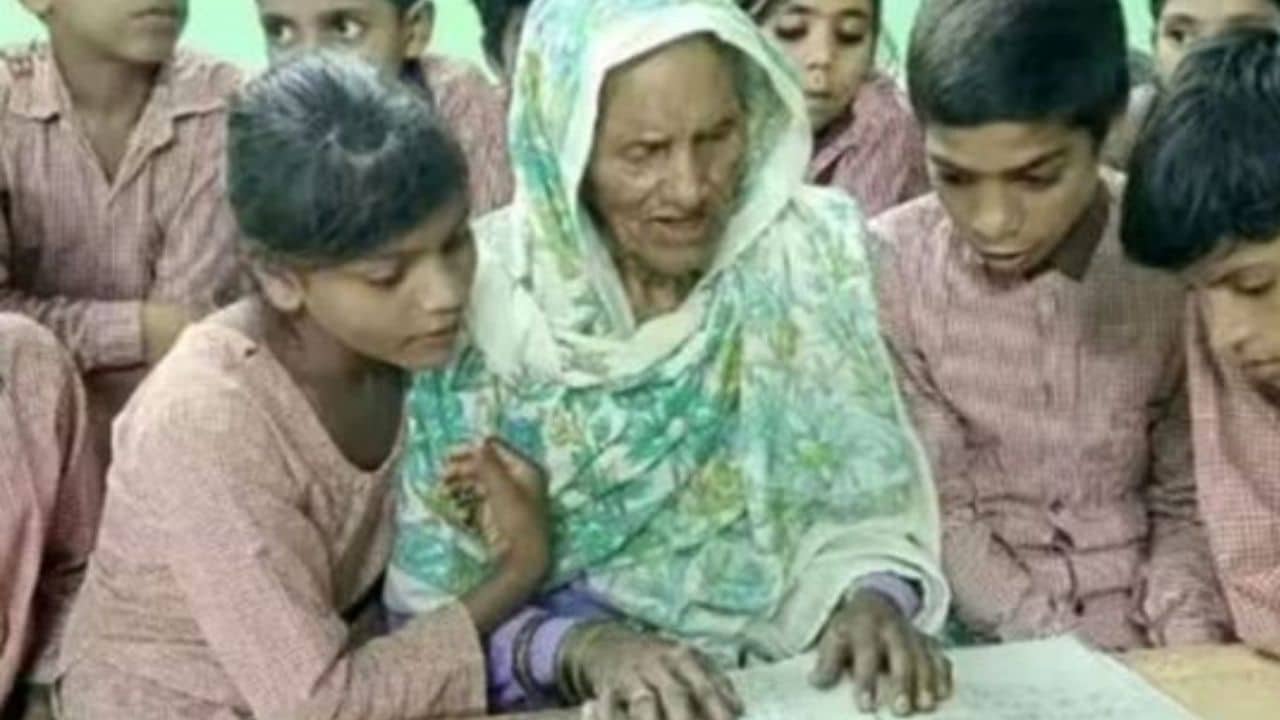
    A 92-year-old great-grandmother from India goes to school for the first time in her life.

    Salima Khan, a resident of Bulandshahr in the northern state of Uttar Pradesh, said that there were no schools in her village when she was a girl.

    Born around the year 1931, Khan got married at the age of 14.

    She always longed to read and write but her dream could not come true for the longest time.

    In 2023, six months ago, Salima Khan started school alongside classmates eight decades younger than her. Her grandson’s wife accompanies her to classes.

    Her story came to light when a video of her counting from one to 100 made rounds on social media.

    Speaking to Times of India, she said, “My grandchildren used to trick me into giving them extra money as I couldn’t count currency notes. Those days are gone.”

    School headmistress Pratibha Sharma stated that the teachers were initially “hesitant” but they realised how much “passion” the nonagenarian had for studying.

    “We didn’t have the heart to refuse her,”she said.

    According to Sharma, Khan’s story has inspired 25 women from her village to enroll in classes including two of her daughters-in-law.