Tag: FBR

  • Here are the latest income tax rates and slabs for salaried class

    Here are the latest income tax rates and slabs for salaried class

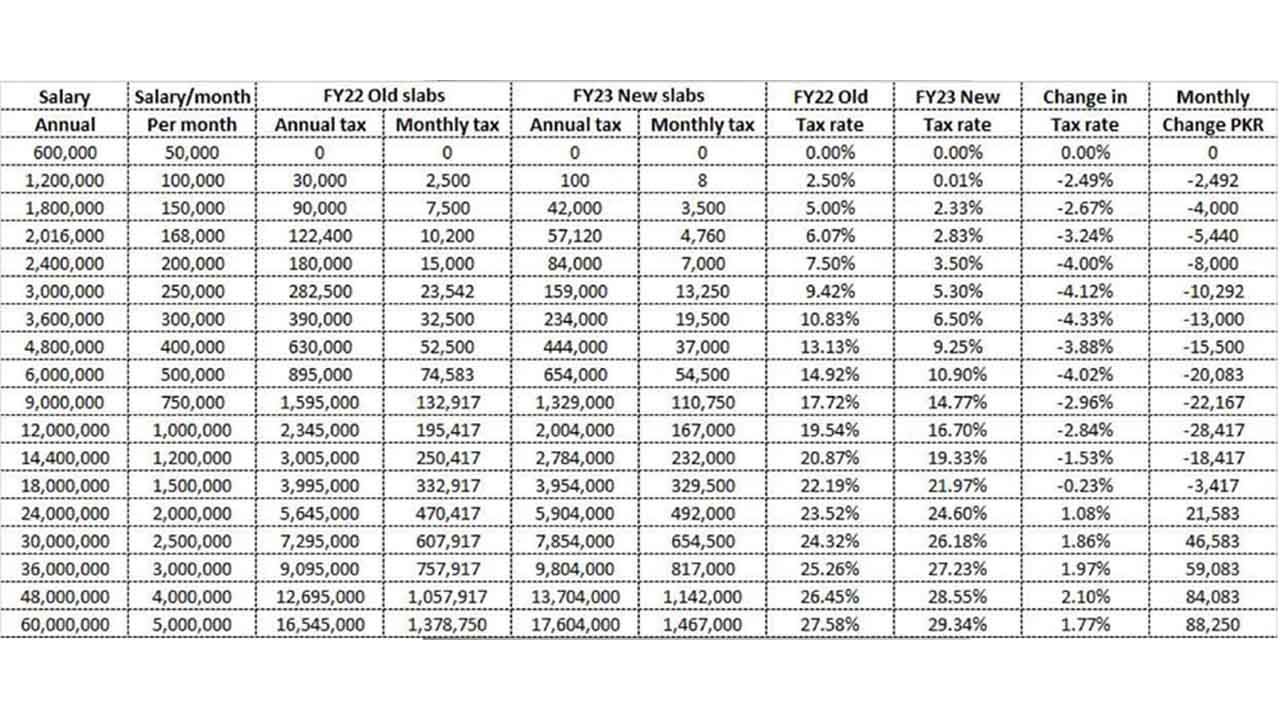
    In the budget for fiscal year 2022-23, the government has exempted those earning up to Rs100,000 per month from paying income tax, up from Rs50,000 last year.

    For the salaried income group, the latest budget is a mishmash as the government reduced tax rates and the number of slabs while eliminating available credit through the omission of deductible allowance for profit on debt and tax credit for investment in shares, health insurance, and pension funds.

    Moreover, the government has released a revamped list of income tax brackets for salaried employees. There were previously 12 slabs, which have now been shrunk to seven.

    Here are the new slabs:

    1. For annual incomes less than Rs600,000 (below Rs50,000 per month)
    2. For a yearly income of Rs600,000-Rs1.2 million (Rs50,000 to Rs100,00 per month).
    3. For annual earnings of Rs1.2m-2.4m (Rs100,000 to Rs200,000 per month)
    4. For annual earnings of Rs2.4m-3.6m (Rs200,000 to Rs300,000 per month)
    5. For earnings of Rs3.6m-6m (Rs300,000 to Rs500,000 per month)
    6. For annual earnings of Rs6m-12m (Rs500,000 to Rs10,00,000 per month)
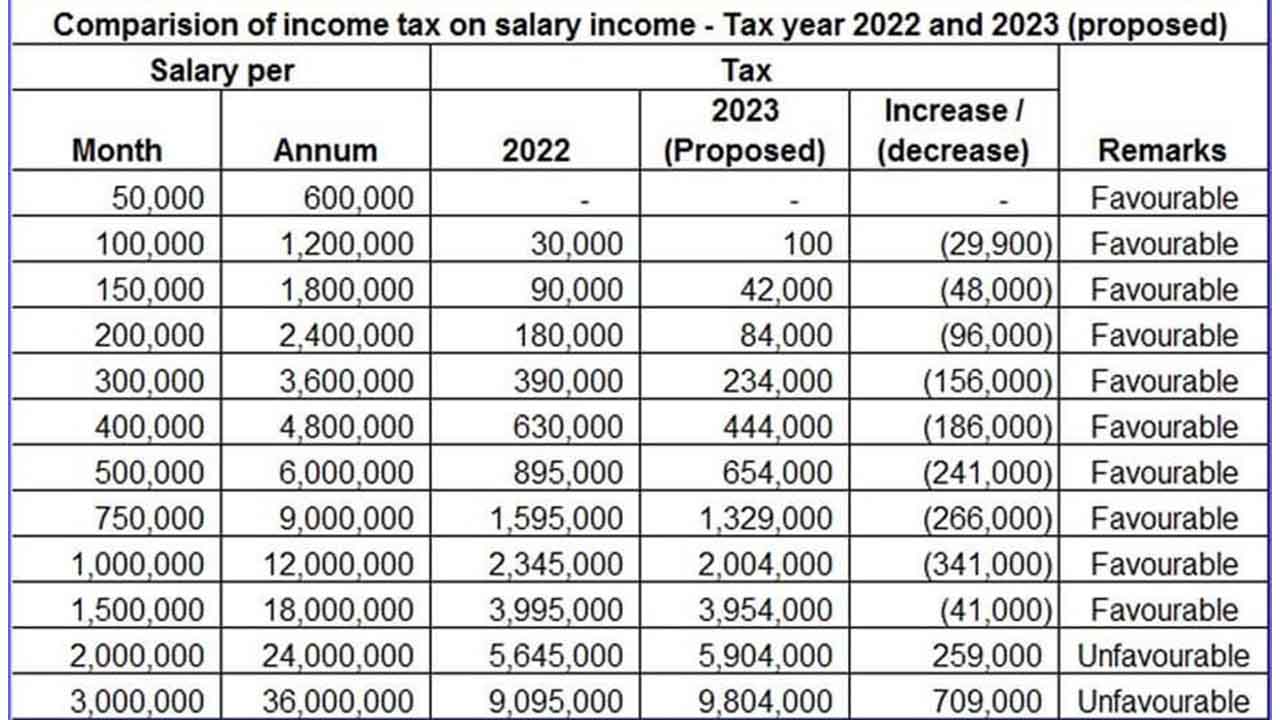
    For annual earnings of more than $12 million (more than $100,000 per month), income tax is not to be levied on people earning between 0 and Rs600,000 per year (where income from salary exceeds 75 per cent of taxable income). A nominal amount of Rs100 will be subtracted per year from those earning between Rs600,000 and Rs1.2 million.

    Employees getting paid more than Rs1.2 million but less than Rs2.4 million per year will be levied 7 per cent of the amount that exceeds Rs1,200,000 in the third slab.

    An employee getting paid Rs1,400,000 per year will be levied 7 per cent of Rs200,000 (Rs1,400,000 minus Rs1,200,000 since that is the amount exceeding Rs1,200,000).

    As per the latest budget resolution, the government recommended an income tax rate of 20 per cent on small business earnings, 42 per cent on banking, and 29 per cent on related companies.

  • Getting a new car? Check out the new advance tax imposed on your favourite vehicle

    Getting a new car? Check out the new advance tax imposed on your favourite vehicle

    The government has released the fiscal budget for 2022-23, which includes several changes, including a 200 per cent advance tax on the purchase of cars with engine displacements greater than 1600cc for non-filers.

    This decision is likely to possess a considerable effect on the sales of several cars in Pakistan, which have already witnessed multiple price hikes in previous months. The tax amount for non-filers has now been doubled, which will have an influence on new car sales, particularly those with larger engines.

    The advance tax will now be applicable to several famous vehicles that have dominated the auto industry for years now from well-known manufacturers, including old players like Honda and Toyota, as well as new players like Hyundai, Kia, DFSK and BAIC.

    Taxes for filer and non-filer

    Toyota Corolla Altis Grande, 1800cc, ranges from Rs4,499,000-4,859,000, Tax for filer: Rs150,000, Tax for non-filer: Rs300,000

    Hyundai Elantra GLS, 2000cc, priced at Rs4,949,000, Tax for filer: Rs200,000, Tax for non-filer: Rs400,000

    Hyundai Tucson, 2000cc, ranges from Rs5,799,000-6,299,000, Tax for filer: Rs200,000, Tax for non-filer: Rs400,000

    Hyundai Sonata 2.0, 2000cc, priced at Rs6,999,000, Tax for filer: Rs200,000, Tax for non-filer: Rs400,000

    DFSK Glory 1.8 CVT, 1800cc, priced at Rs5,159,000, Tax for filer: Rs150,000, Tax for non-filer: Rs300,000

    Kia Sportage, 2000cc, priced at Rs5,300,000-6,300,000, Tax for filer: Rs200,000, Tax for non-filer: Rs400,000

    BAIC BJ40, 2000cc, priced at Rs8,199,000, Tax for filer: Rs200,000, Tax for non-filer: Rs400,000

    Hyundai Sonata 2.5, 2500cc, priced at Rs7,849,000, Tax for filer: Rs300,000, Tax for non-filer: Rs600,000

    Kia Sorento, 2400cc, ranges from Rs6,836,000-7,499,000, Tax for filer: Rs300,000, Tax for non-filer: Rs600,000

    Toyota Fortuner, 2700-2800cc, ranges from Rs9,959,000-12,679,000, Tax for filer: Rs400,000, Tax for non-filer: Rs800,000

    Toyota Hilux, 2800cc, ranges from Rs7,359,000-9,729,000, Tax for filer: Rs400,000, Tax for non-filer: Rs800,000

    Isuzu D-Max V-Cross, 3000cc, ranges from Rs6,600,000-6,960,000, Tax for filer: Rs400,000, Tax for non-filer: Rs800,000

    Kia Sorento V6, 3500cc, ranges from Rs7,499,000, Tax for filer: Rs450,000, Tax for non-filer: Rs900,000

    Local vehicle assemblers are dissatisfied with the new budget, claiming that the government unilaterally raised advance tax on motor vehicles larger than 1,600cc because the industry did not propose it. They claim that the decision is also discriminatory and will reduce auto sales.

    Read more: Energy sector to get a massive portion of the Rs699 billion subsidy

    Advance tax on motor vehicles larger than 1600cc has been doubled, while electric vehicles costing Rs5 million or more will be subject to a 3 per cent tax.

  • Direct taxes target predicted at Rs2,560 billion for FY 22-23

    In an attempt to meet the Federal Board of Revenue’s (FBR) revenue collection target of Rs7,255 billion for the upcoming fiscal year, the direct taxes target has been predicted at Rs2,560 billion, up from Rs2,182 billion in 2021-22.

    According to Brecorder, the indirect taxes (net) estimates were predicted at Rs4,695 billion in the macroeconomic framework for 2022-23. Direct taxes forecasts included income tax and withholding taxes, whereas indirect taxes projections included sales tax, customs duty, and Federal Excise Duty (FED).

    The indirect tax goal for 2022-23 has been set at Rs4,695 billion, up from Rs3,647 billion in 2021-22, representing a Rs1,048 billion rise. The indirect tax revenue for the fiscal year 2021-22 was Rs3,440 billion.

    The entire collection of indirect taxes in 2020-21 was Rs3,008.2 billion. Direct taxes are expected to reach Rs2,560 billion in the next fiscal year, up from Rs2,182 billion in 2021-22, a Rs378 billion increase.

    Read more: PM Shehbaz directs to eliminate taxes on raw materials used by export industries

    During the first 11 months of the current fiscal, the FBR collected roughly Rs1.9 trillion in direct taxes. In the fiscal year 2020-21, direct tax collections totalled Rs1,726.0 billion. Withholding taxes account for 72 per cent of the total direct tax collection.

  • IMF urges FBR to collect Rs7.2 trillion in the upcoming budget

    IMF urges FBR to collect Rs7.2 trillion in the upcoming budget

    The International Monetary Fund (IMF) urged the Federal Board of Revenue (FBR) to collect Rs7.2 trillion in taxes in the upcoming budget, with personal income tax (PIT) and GST harmonisation being prioritised.

    “Discussions are ongoing as the FBR pitched up its tax collection target in the range of Rs6.9 trillion, but the IMF insists on stretching the FBR’s tax collection target in the range of Rs7.2 trillion in the coming budget for 2022-23,” top official sources confirmed on May 26.

    When contacted for comment, FBR Chairman Asim Ahmed stated that work in this area was still ongoing.

    Total tax collection would be expanded to Rs7.2 trillion in the upcoming budget, up from Rs5.9 to Rs6 trillion in the previous fiscal year, according to revised estimates. The government was also having difficulty meeting its non-tax revenue target for the current fiscal year because the State Bank of Pakistan (SBP) did not provide its estimated Rs200 billion quarterly profit to the Ministry of Finance following the passage of the new SBP Amendment Act 2022. This sum may be provided in the next fiscal year, but the SBP found it difficult to provide it before June 30, 2022.

    Personal income tax (PIT) would be markedly restructured, with the taxable cap likely to be raised from the present level of 0.6 million to Rs1-1.2 million, and the amount of slabs lowered from 13 to six. The IMF also suggested significantly raising tax rates.

    Former Finance Minister Dr. Hafiz A Pasha stated that the maximum tax rate was imposed on an annual income ceiling of Rs 5 million, which was 300 per cent higher than Pakistan’s per capita income. He proposed that those earning Rs20 million or more per year be subject to the full tax rate.

    He furthermore recommended that the duration and rate of capital gains on stock shares be assessed and modified in order to collect more taxes.

    Via: Islamabad Post

  • Pakistan Customs intensifies inspection at all international airports

    Pakistan Customs intensifies inspection at all international airports

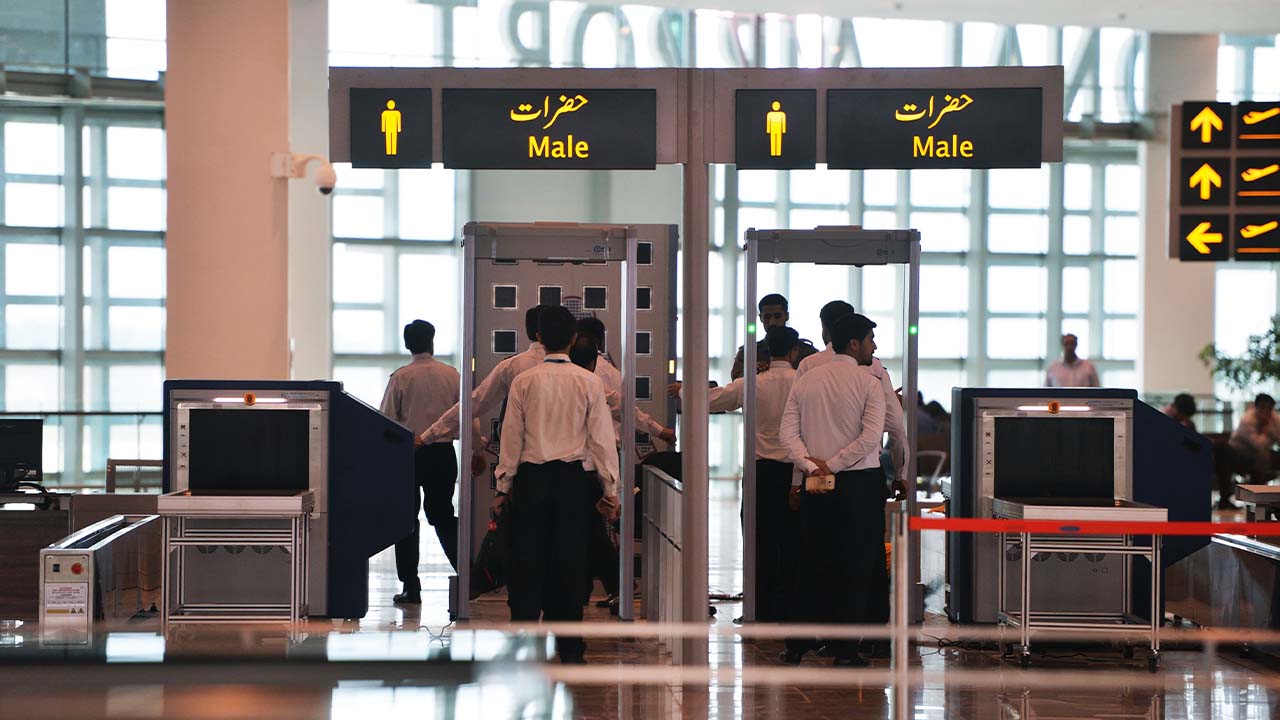
    Pakistan Customs has intensified goods inspection at all international airports to prohibit the smuggling of recently banned commodities. The federal government prohibited the items in SRO No. 598(I)/2022, issued May 19, 2022, by revising the Import Policy Order, 2022.

    This 24-hour monitoring at international terminals to prevent smuggling has already resulted in multiple confiscation of these items disguised as legitimate passenger baggage.

    Banned commodities like foodstuff, fruits, sanitary wares, used mobile phones, and branded shoes were found in commercial quantities during scanning and inspection at Jinnah International Airport in Karachi on May 23, 2022.

    The aforementioned items were detained/seized in accordance with Sector 168 of the Customs Act of 1969 for violating SRO No. 598(I)/2022 (Import Policy Order, 2022) and Sections 16 and 139 of the Customs Act of 1969.

    While applauding Pakistan Customs’ efforts, the Chairman of the Federal Board of Revenue (FBR) reaffirmed the FBR’s unwavering determination to strengthen policing strategies at all airports, seaports, and land border stations to ensure the avoidance of trafficking of goods, including newly banned items.

    Finance Minister Miftah Ismail and FBR Chairman, on the other hand, have issued instructions not to bother genuine passengers bringing in goods in non-commercial/small quantities for personal use, and to assist such passengers at airports to the greatest extent permitted by law.

    People in Pakistan were outraged by the Customs move, particularly those who had been thoroughly scanned and shared their side of the story on social media.

  • CNG prices pushed to Rs140 per kg for sales tax collection

    CNG prices pushed to Rs140 per kg for sales tax collection

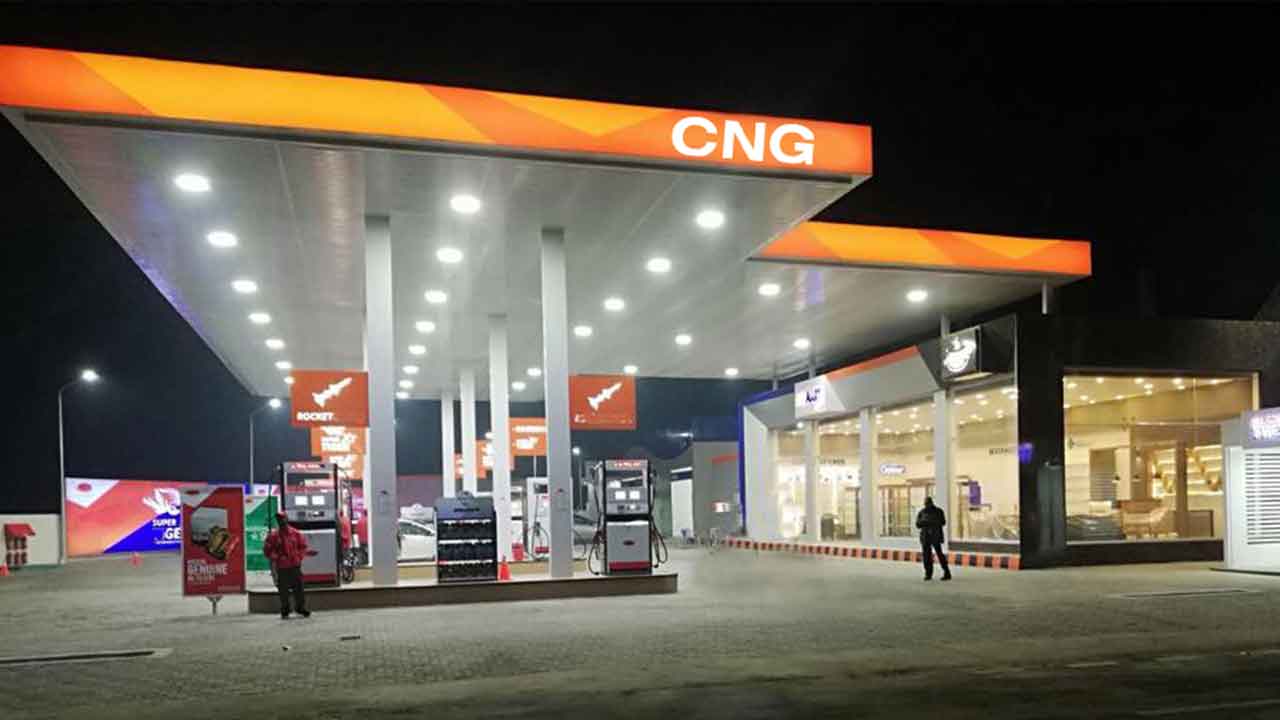
    The Federal Board of Revenue (FBR) has raised the sales tax rate on compressed natural gas (CNG) supplies to customers.

    On Tuesday, the FBR published S.R.O. 587(I)/2022 to replace S.R.O. 39(I)/2022, which was issued on January 8, 2022. It has amended the value of compressed natural gas (CNG) supply to consumers in order to charge sales tax from CNG stations.

    It has set the value of supply to CNG customers in order for gas generation and distribution businesses to charge sales tax from CNG stations.

    CNG rates

    The price of CNG in Region-I, which includes Khyber Pakhtunkhwa, Balochistan, and Potohar, has been raised from Rs134.57 per kg to Rs140 per kg (Rawalpindi, Islamabad, and Gujar Khan).

    Read more: Pakistani Rupee crashes to a record low against US dollar 

    Moreover, the cost of CNG has been raised from Rs128.11 per kg to Rs135 per kg in Region-II, which covers Sindh and Punjab except for the Potohar region.

  • FBR records 29.1% growth during July 2021 to March 2022, despite providing ‘massive tax relief’

    The provisional revenue collection data for the months of July 2021 to March 2022 of the current financial year 2021-22 have been announced by the Federal Board of Revenue (FBR).

    The net collection was Rs575 billion for the month of March 2022, up 20.5 per cent from Rs477 billion in March 2021.

    Conversely, the gross revenues, rose by 28.9 per cent in the current financial year, from Rs3,577 billion in July 2020 to March 2021 to Rs4,611 billion in July 2021 to March 2022. Furthermore, the amount of reimbursements granted in March 2022 was Rs31.9 billion, compared to Rs26.3 billion in March 2021, showing a 21.3 per cent upsurge.

    Then again, refunds of Rs229 billion were paid from July 2021 to March 2022, a 25 per cent increase over the Rs183 billion paid the previous year.

    Read more: Petrol, Diesel prices to remain unchanged till April 15

    It is worth noting that the continuous remarkable growth in revenue collection has been achieved despite the government providing ‘massive tax relief’ to the general public on a variety of vital commodities.

    For the first time in Pakistan’s history, the sales tax on all petroleum products was abolished, costing the FBR Rs45 billion in the past month.

  • FBR freezes all bank accounts of singer Aima Baig

    FBR freezes all bank accounts of singer Aima Baig

    The Federal Board of Revenue (FBR) has frozen all bank accounts related to Pakistani singer, Aima Baig over unpaid taxes on Wednesday. She has not paid her taxes from the years 2018, 2019, and 2020.

    She allegedly withdrew Rs 25 million from her bank accounts and emptied them before FBR attempted to recover money from the accounts.

    Now FBR is planning to seize all vehicles belonging to the singer.

    On January 14, 2022, Aima received a notice from the FBR for non-payment of taxes worth Rs 85 million.

    On the work front, the singer will feature in Pakistan Super Leagues’ (PSL) Anthem along with Atif Aslam. The music will be produced by Abdullah Siddiqui.

    She was recently in the news over a controversial video where she showed her middle finger to a person in the crowd during her concert.

    Aima clarified the reason for her actions, saying she did it because someone in the crowd did it first to her.

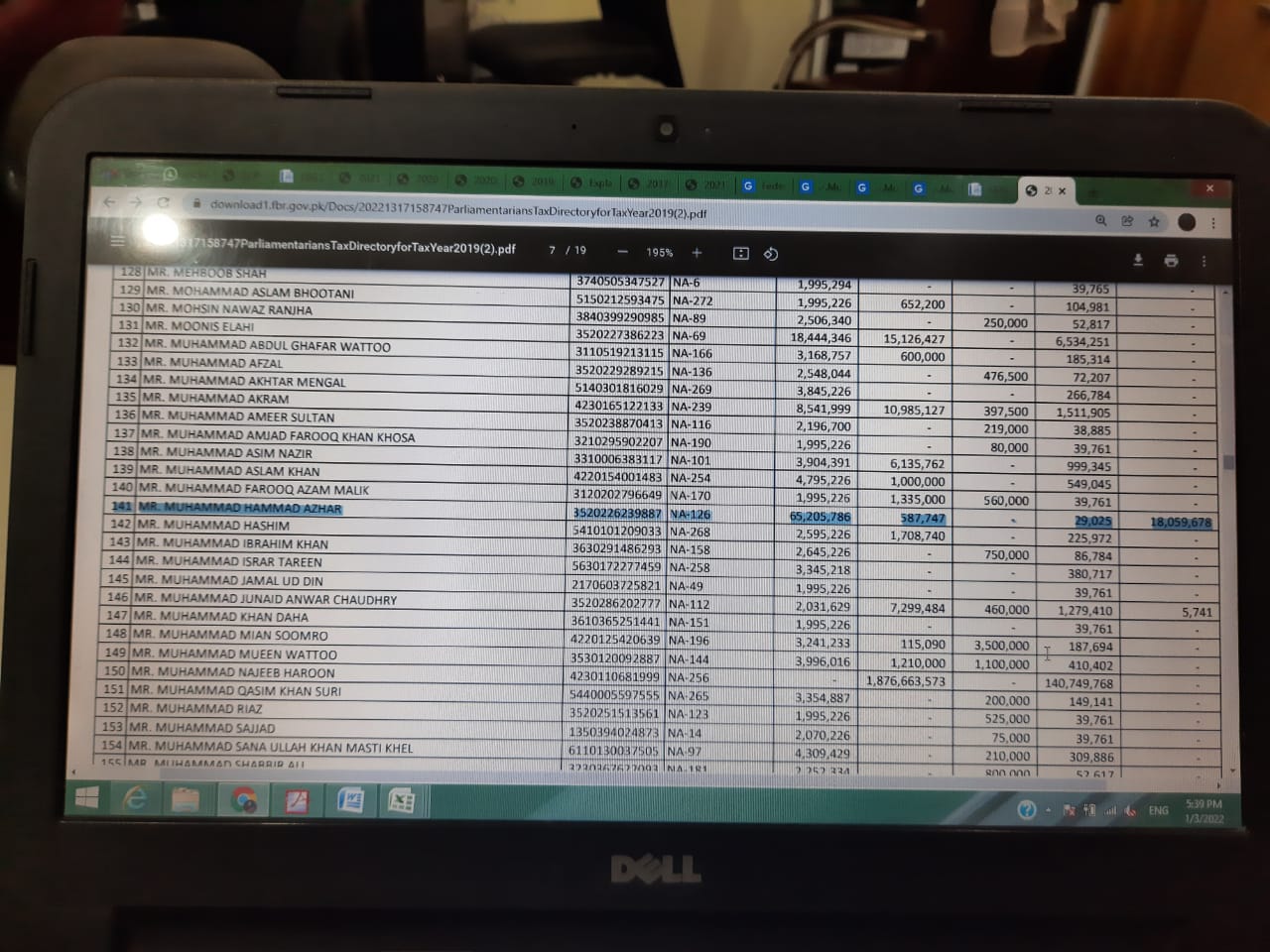
  • PTI’s Hammad Azhar gives tax details, confirms that he paid Rs18 million in taxes

    PTI’s Hammad Azhar gives tax details, confirms that he paid Rs18 million in taxes

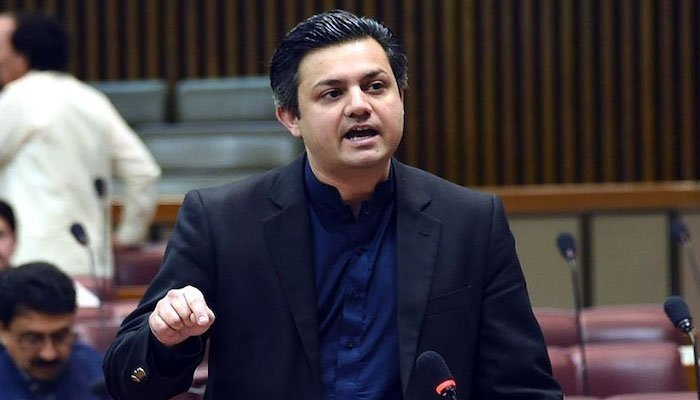
    Energy Minister Hammad Azhar has responded to The Current’s news report that stated he paid Rs29,025 in an individual capacity in 2019. However, the minister denied the report and clarified that he paid Rs18 million in 2019.

    Hammad Azhar said that, “My AOP pays my personal income tax on my behalf and it has paid Rs18 million on that count. They [Federal Board of Revenue] have listed clearly that my AoP has paid my share of income tax as Rs18 million.”

    The Federal Board of Revenue (FBR) released its 2019 tax directory for parliamentarians recently. According to the document, the directory complied tax returns filed manually and electronically till January 3, reports Dawn.

    According to the data, Prime Minister (PM) Imran Khan paid Rs98 lakh. Leader of the Opposition in the National Assembly (NA) Shehbaz Sharif paid Rs82 lakh while Pakistan People’s Party (PPP) Chairman Bilawal Bhutto-Zardari paid Rs5 lakhs 30 thousand.

  • Zardari corruption case: NAB references busted, not in accordance with law

    The Islamabad High Court (IHC) on Tuesday declared the National Accountability Bureau (NAB) reference against former president Asif Ali Zardari ‘ultra vires and not according to the law’, reports The News.

    IHC Chief Justice (CJ) Athar Minallah condemned NAB authorities and said that all its references got busted for not being prepared as per law. He said that the Bureau was just wasting its time by making pointless references, adding that NAB was not above the law.

    “How the bureau could declare null and void the Income Tax Order by itself,” the CJ observed, adding that NAB did not have any jurisdiction to nullify the Federal Board of Revenue (FBR) Assessment Order.

    Earlier, IHC had noticed that NAB challenged the acquittal request of Zardari, without obtaining the original record of the case.

    The court noted that it took NAB seven years to realise that the appeals were filed without possessing the original record.

    CJ Minallah said NAB should now admit it had made a mistake by filing these references since it did not have proof against the former president.

    “And if indeed, there were no proofs, then the court will also take action against the former bureau chairman in whose tenure these cases had been filed,” said the IHC CJ.