Tag: Iran

  • Huge dust storm sweeps into Iran, affecting millions

    Huge dust storm sweeps into Iran, affecting millions

    Iranian authorities ordered schools and offices closed in seven western provinces Tuesday as a dust storm swept in from neighbouring Iraq, with around 13 million people told to stay indoors.

    Khuzestan, Kermanshah, Ilam and Kurdistan provinces were all affected, and state television cited local officials as blaming the closures on high levels of accumulated dust.

    Government and private offices also shut in several provinces including Kermanshah and Ilam, as well as Khuzestan in the southwest.

    Zanjan in the northeast and Bushehr in the south were also hit.

    Bushehr, nearly 1,100 kilometres (680 miles) south of Tehran, was given an Air Quality Index of 108 on Tuesday, rated “poor for sensitive groups”.

    That figure is more than four times higher than the concentration of air microparticles deemed acceptable by the World Health Organization.

    Iran’s meteorological authorities said the conditions were caused by “the movement of a large mass of dust from Iraq towards western Iran”.

    State television reported low visibility in some areas and urged residents to remain inside and to wear face masks if they had to go out.

    Last month, a similar dust storm in Iraq grounded flights and sent thousands of people to hospital with breathing problems.

    On Monday, Iran’s IRNA state news agency reported that more than 240 people in Khuzestan province had been treated for respiratory issues because of the dust.

  • Trump says ‘real pain is yet to come’ for Houthis, Iran

    Trump says ‘real pain is yet to come’ for Houthis, Iran

    US President Donald Trump vowed Monday that strikes on Yemen’s Huthis will continue until they are no longer a threat to shipping, warning the rebels and their Iranian backers of “real pain” to come.

    “The choice for the Houthis is clear: Stop shooting at US ships, and we will stop shooting at you. Otherwise, we have only just begun, and the real pain is yet to come, for both the Huthis and their sponsors in Iran,” Trump said on his Truth Social platform.

    Shortly after Trump’s threat, Yemeni rebel media said two US strikes Monday hit the island of Kamaran, off the Hodeida coast.

    Huthi-held parts of Yemen have faced near daily attacks since the US launched a military offensive on March 15 to stop them threatening vessels in key maritime routes. The first day alone, US officials said they killed senior Huthi leaders, while the rebels’ health ministry said 53 people were killed.

    Since then, rebels have announced the continued targeting of US military ships and Israel.

    In his post Monday, Trump added that the Huthis had been “decimated” by “relentless” strikes since March 15, saying that US forces “hit them every day and night — Harder and harder.”

    Trump’s threat comes as his administration battles a scandal over the accidental leaking of a secret text chat by senior security officials on the Yemen strikes.

    It also comes amid a sharpening of Trump’s rhetoric towards Tehran, with the president threatening that “there will be bombing” if Iran does not reach a deal on its nuclear program.

    The Huthis began targeting shipping after the start of the Gaza war, claiming solidarity with Palestinians.

    Huthi attacks have prevented ships from passing through the Suez Canal, a vital route that normally carries about 12 percent of world shipping traffic. Ongoing attacks are forcing many companies into a costly detour around the tip of southern Africa.

    “Our attacks will continue until they are no longer a threat to Freedom of Navigation,” Trump said.

    The rising rhetoric from the Trump administration comes as it copes with the phone text scandal.

    The Atlantic magazine revealed last week that its editor — a well-known US journalist — was accidentally included in a chat on the commercially available Signal app where top officials were discussing the Yemen air strikes.

    The officials, including Trump’s National Security Advisor Mike Waltz and Defense Secretary Pete Hegseth, discussed details of air strike timings and intelligence — unaware that the highly sensitive information was being simultaneously read by a member of the media.

    Trump has rejected calls to sack Waltz or Hegseth and branded the scandal a “witch hunt.”

    “This case has been closed here at the White House as far as we are concerned,” White House Press Secretary Karoline Leavitt told reporters on Monday.

  • Trump says to reinstate ‘maximum pressure’ on Iran

    Trump says to reinstate ‘maximum pressure’ on Iran

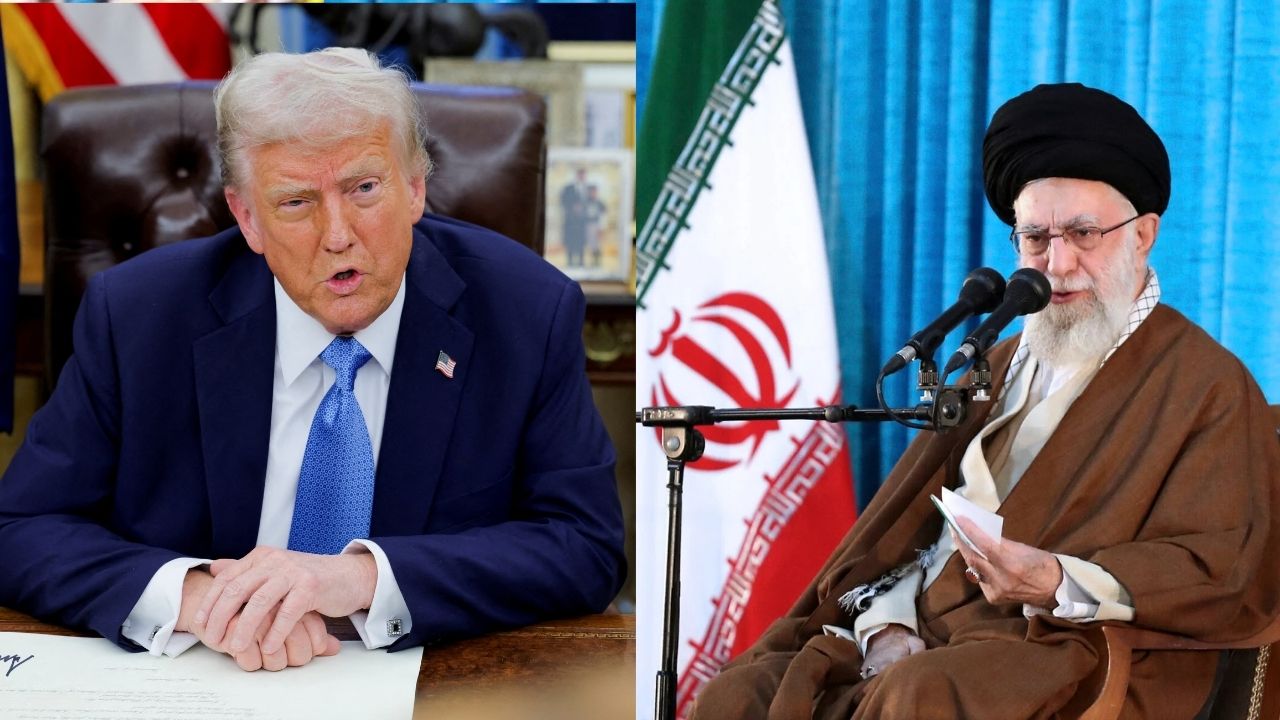
    US President Donald Trump on Tuesday said he was planning to reinstate what he called the “maximum pressure” policy against Iran over allegations that it is trying to develop nuclear weapons.

    However, Trump also said he hoped the policy will “hardly have to be used.”

    Trump made the comment as he signed a memorandum reimposing the tough policy of sanctions against Iran, similar to during his first term.

    The memorandum instructs every department in the US government to design sanctions on Iran, especially in relation to nuclear activities, a White House aide told Trump at the signing ceremony.

    This will give Trump “all of the possible tools” to prevent Iran from being a “malign actor,” the aide said.

    Trump expressed some regret for the severe measures, saying: “This is one that I’m torn about. Everybody wants me to sign it. I’ll do it. It’s very tough on Iran.”

    “Hopefully I’m not going to have to use it very much,” he said. “I’m unhappy to do it, but I really have not so much choice because we have to be strong.”

    “We will see whether or not we can arrange. We’ll work out a deal with Iran and everybody can live together,” he said.

    Trump also announced that if he were assassinated by Iran the country would be “obliterated.”

    “I’ve left instructions if they do it, they get obliterated, there won’t be anything left,” he said.

    Trump on Gaza

    US President Donald J. Trump has also set off an international diplomatic crisis by stating on Tuesday night that America will “take over” Gaza, suggesting that American troops might be deployed in the occupied Palestinian territory while Gazans are forced to leave. 

    “The US will take over the Gaza Strip and we will do a job with it too,” Trump said during a joint press conference alongside International Criminal Court’s wanted war criminal, Israeli Prime Minister Benjamin Netanyahu. He said he envisioned Gaza as a new Riviera. 

    His statement was in sharp contrast to the stance taken by Arab nations, most of whom have repeatedly rejected any plans involving the ethnic cleansing of Palestinians from their land. Egypt and Jordan, both strong allies of the US and Israel, publicly distanced themselves from Trump’s earlier statements that they will take in two million Gazans. 

    Saudi Arabia reacted with a fast rejection. Despite it being 4:00 am in Riyadh, the the Saudi Foreign Ministry released a statement stressing its long-held position that it will not commit to normalization of relations with Israel without guarantees of a Palestinian state.

  • US, Israel warn of response to Iranian missile attack

    US, Israel warn of response to Iranian missile attack

    The United States said it was discussing a joint response after Iran fired a barrage of missiles at Israel, warning Tehran of “severe consequences”.

    Israel vowed it would make Iran “pay” after the attack late Tuesday, with most of the missiles intercepted, and pledged to immediately strike “the Middle East powerfully”.

    Tehran, in turn, threatened to strike infrastructure across Israel if its territory was attacked.

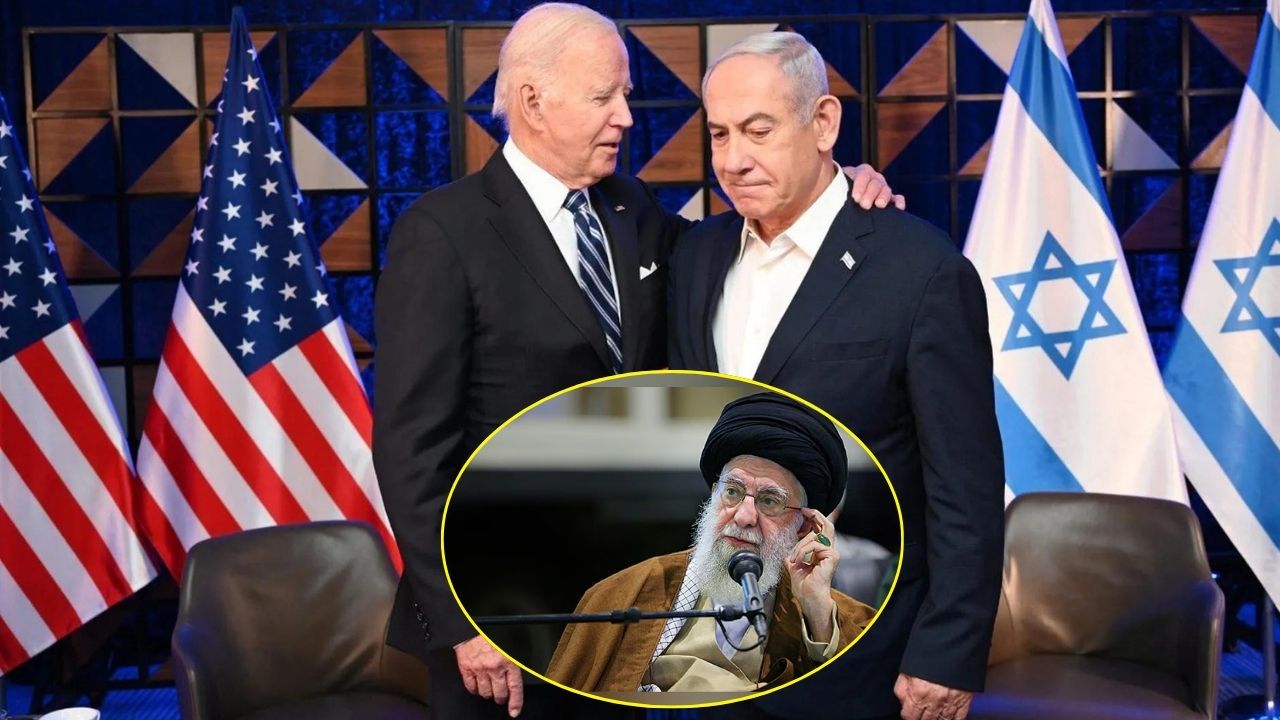
    President Joe Biden said the United States was “fully supportive” of Israel after the missile attack, adding that he would discuss a response with Israeli Prime Minister Benjamin Netanyahu.

    Asked by reporters what the response towards Iran would be, Biden replied: “That’s in active discussion right now.”

    Missiles shot down

    Sirens sounded across Israel after Iran unleashed the missiles, most of which were intercepted by Israeli air defences or by allied air forces.

    Iranian state media reported 200 missiles were fired at Israel, including hypersonic weapons for the first time, which the Revolutionary Guards said had targeted “three military bases” around Tel Aviv and others elsewhere.

    Iran’s Foreign Minister Abbas Araghchi posted on social media platform X that Tehran’s “action is concluded unless the Israeli regime decides to invite further retaliation”.

    The Revolutionary Guards earlier said the attack was in response to Israel’s killing of Hezbollah leader Hassan Nasrallah last week, as well as the death of Hamas leader Ismail Haniyeh in a Tehran bombing widely blamed on Israel.

    Israeli medics reported two people lightly injured by shrapnel. In the occupied West Bank, a Palestinian was killed in Jericho “when pieces of a rocket fell from the sky and hit him”, the city’s governor, Hussein Hamayel, told AFP.

    It was Iran’s second direct attack on Israel after a missile and drone attack in April in response to a deadly Israeli air strike on the Iranian consulate in Damascus.

    ‘Severe consequences’

    US Defense Secretary Lloyd Austin slammed an “outrageous act of aggression” by Iran, while Biden’s National Security Advisor Jake Sullivan told reporters there would be “severe consequences”.

    Netanyahu said, “Iran made a big mistake tonight and will pay for it.”

    Iran reacted by threatening to fire “with bigger intensity” if its territory is attacked, with Major General Mohammad Bagheri warning Tehran would target “all infrastructure” in Israel.

    Following the missile barrage, Israeli military spokesman Rear Admiral Daniel Hagari vowed the air force “will continue to strike (tonight) in the Middle East powerfully”.

    The military subsequently announced it was bombarding Hezbollah targets in Beirut, with a Lebanese security source telling AFP that Israel had hit the city’s southern suburbs at least five times overnight.

    UN chief Antonio Guterres led international calls to stem the “broadening conflict in the Middle East”, saying in a statement: “This must stop. We absolutely need a ceasefire.”

    While Iran-backed groups across the region had already been drawn into the Gaza genocide, sparked after October 7, Tehran had largely refrained from direct attacks on its regional enemy.

    Iranian President Masoud Pezeshkian said his country had exercised its “legitimate rights” and dealt “a decisive response… to the Zionist regime’s aggression”.

    Israel, Iraq and Jordan — which lie between Iran and Israel — closed their airspace, as did Lebanon before reopening.

    US boosts forces

    The escalation came after the Israeli military said early Tuesday that troops had started “targeted ground raids” in south Lebanon, across Israel’s northern border.

    The move came despite growing calls for de-escalation after a week of air strikes that killed hundreds in Lebanon.

    Lebanon’s health ministry said later that the latest Israeli strikes had killed a further 55 people on Tuesday.

    Lebanon’s disaster management agency said 1,873 people had been killed since Israel and Hezbollah began trading cross-border fire after the Gaza genocide started a year ago.

    Iran has said Nasrallah’s killing would bring about Israel’s “destruction”, though its foreign ministry said Monday that Tehran would not deploy any troops to confront Israel.

    The Pentagon said Washington was boosting its forces in the Middle East by a “few thousand” troops.

    Deadly strikes on Gaza

    In Lebanon, the UN peacekeeping mission said the Israeli offensive did not amount to a “ground incursion”, and Hezbollah denied that any troops had crossed the border.

    There was no way to immediately verify the claims, which came as Israel struck south Beirut, Damascus and Gaza.

    Israel says it seeks to dismantle Hezbollah’s military capabilities and restore security to northern Israel, where tens of thousands have been displaced by nearly a year of cross-border fire.

    Hezbollah, which suffered heavy losses in a spate of attacks last month, said it targeted Israeli military bases on Tuesday.

    In Gaza, the civil defence agency said Israeli bombings killed 19 people on Tuesday.

    The Israeli military said troops opened fire Tuesday on “dozens” of Palestinians in central Gaza they saw as an “immediate threat”. At least some were hit, it added.

    While the death toll in Israel stands at 1205, more than 41,638 people in Gaza have been killed so far since last year.

    ‘Lost my home’

    Hezbollah began low-intensity strikes on Israeli troops a day after October 7, which triggered Israel’s devastating assault on Gaza.

    The escalating violence in Lebanon has killed more than 1,000 people since September 17, Health Minister Firass Abiad said.

    Lebanese Prime Minister Najib Mikati said there could be as many as one million people displaced from their homes in the country, with authorities registering almost 240,000 crossings into Syria since September 23.

    In central Beirut, Youssef Amir, displaced from southern Lebanon, said: “I have lost my home and relatives in this war, but all of that is a sacrifice for Lebanon, for Hezbollah”.

    Beirut resident Elie Jabour, 27, told AFP that despite opposing Hezbollah “politically… I support them defending the border”.
  • 28 killed as bus carrying Pakistan pilgrims crashes in Iran: State media

    28 killed as bus carrying Pakistan pilgrims crashes in Iran: State media

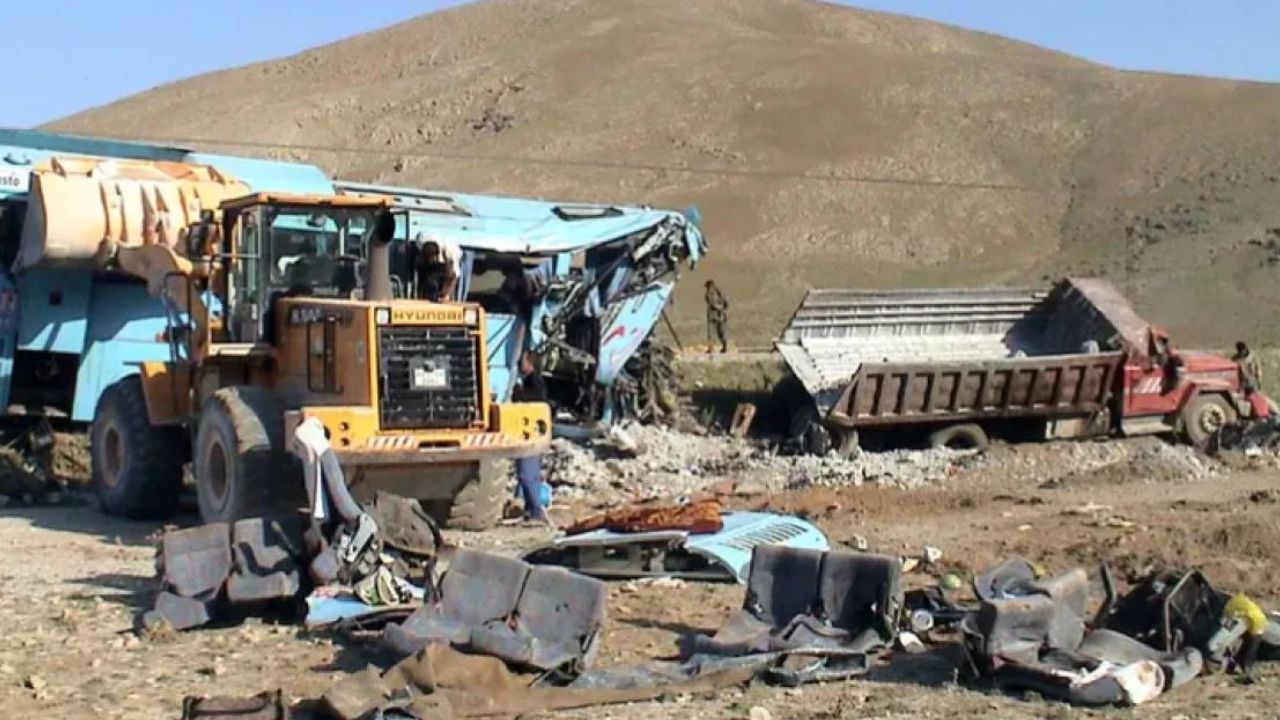
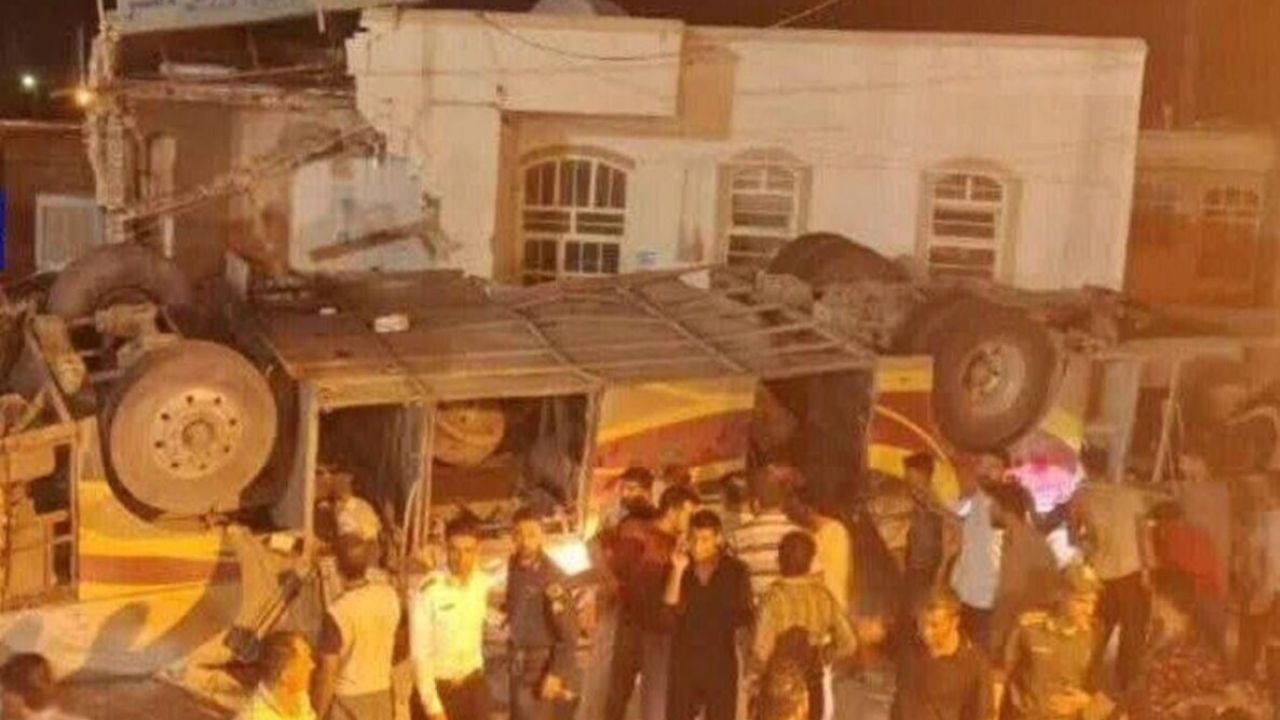
    At least 28 Pakistani pilgrims travelling to Iraq for a Shiite Muslim ritual were killed as their bus crashed in central Iran, state media reported early Wednesday.

    “A bus carrying 51 Pakistani pilgrims overturned and caught fire in front of Dehshir-Taft checkpoint in the central province of Yazd on Tuesday night,” state television reported.

    “28 people have been killed and 23 injured so far with the possibility of the death toll increasing,” it added.

    Yazd province crisis management chief Ali Malek-zadeh told the broadcaster that some of the injured were in critical condition.

    “Of the 23 injured, six have already been discharged from hospital, while the condition of seven others is critical,” Malek-zadeh said.

    “The dead consisted of 11 women and 17 men,” he added.

    The Pakistani pilgrims were headed through Iran to Iraq to attend the Arbaeen commemoration, one of the biggest events of the Shiite calendar which marks the 40th day of mourning for Imam Hussein, the grandson of the Prophet Mohammed.

    Last year, some 22 million pilgrims attended the commemoration in the Iraqi shrine city of Karbala, where Hussein and his brother Abbas are buried, according to official figures.

  • Iranian women shot, paralysed for defying hijab rules

    Iranian women shot, paralysed for defying hijab rules

    The Iranian police have shot Arezoo Badri over allegedly violating country’s hijab rules.

    ‘’She is paralysed from the waist down and doctors have said it will take months to determine whether she will be permanently paraplegic or not’’, said a BBC source

    Mother of two, Badri was heading home with her sister when the police stopped her car to check whether she was complying with the hijab law. When the car did not stop, the police first shot the tires and then opened fire, targeting the driver’s side, according to the state-run news agency in Iran.

    ‘’The bullet entered her lung and severely damaged her spinal cord and the bullet was only removed after 10 days’’, the source said

    Both police and BBC sources confirm that the car window was tinted.

  • Iran rejects accusations implicating it in plot to kill Trump

    Iran rejects accusations implicating it in plot to kill Trump

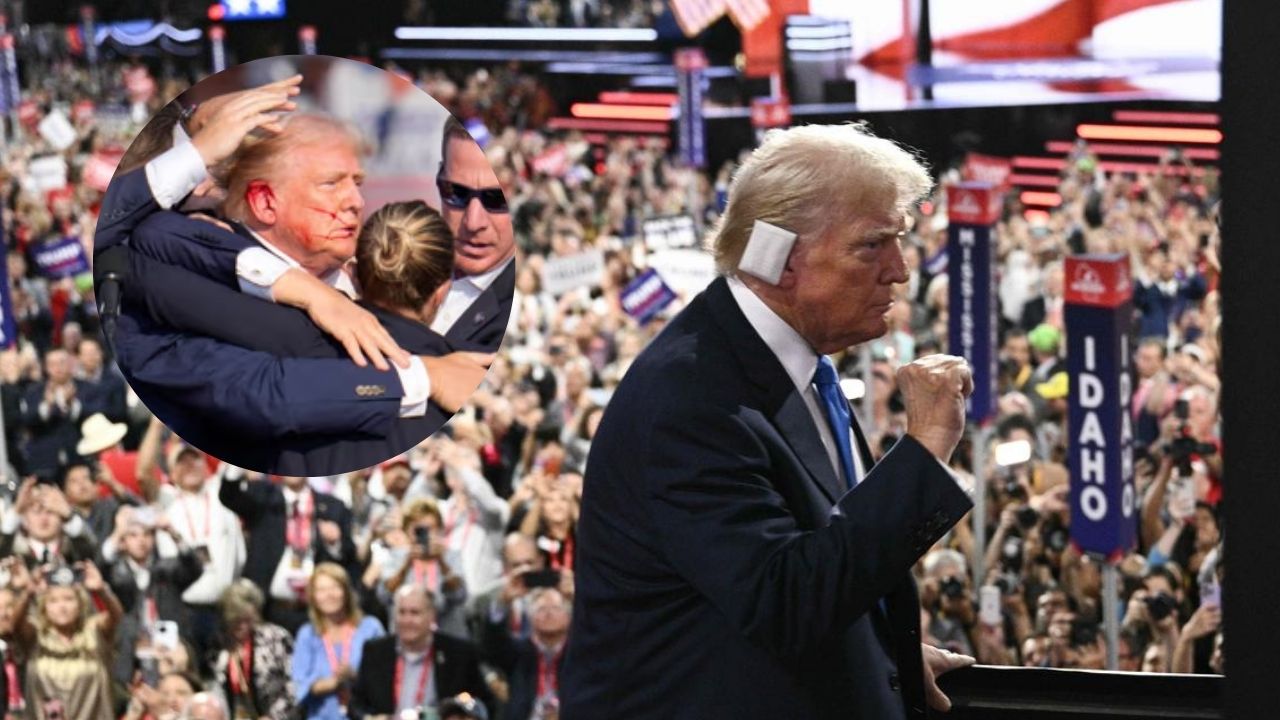
    Iran on Wednesday rejected what it called “malicious” accusations by US media implicating it in a plot to kill former US president Donald Trump.

    CNN reported Tuesday that US authorities received intelligence from a “human source” weeks ago on an alleged Iranian plot against the former president, prompting his protection to be boosted. Other US outlets also reported the alleged plot.

    CNN said the alleged plot was not linked to Saturday’s shooting at a Trump campaign rally in Pennsylvania, in which the former president was wounded and a supporter killed.

    The US National Security Council said it had been “tracking Iranian threats against former Trump administration officials for years” after Tehran threatened revenge for the 2020 killing of Revolutionary Guards commander Qasem Soleimani in a US drone strike in neighbouring Iraq.

    Iran’s mission to the United Nations called the accusations “unsubstantiated and malicious”.

    Foreign ministry spokesman Nasser Kanani said Iran “strongly rejects any involvement in the recent armed attack against Trump”.

    He added however that Iran remains “determined to prosecute Trump over his direct role in the assassination of General Qasem Soleimani”.

    Soleimani headed the foreign operations arm of Iran’s Revolutionary Guards, overseeing Iranian military operations across the Middle East.

    Trump ordered his killing in a drone strike just outside Baghdad airport.

  • Government to block passports of over 2,000 ‘beggars’

    Government to block passports of over 2,000 ‘beggars’

    The federal government has decided to block the passports of more than 2,000 Pakistani beggars operating in foreign countries.

    The Director General (DG) of Immigration and Passports has requested details from the Ministry of Foreign Affairs regarding these beggars. The Ministry will obtain lists of these beggars from its missions worldwide.

    Passports of Pakistanis engaged in begging in foreign countries will be blocked for seven years.

    The government has also decided to block the passports of agents who facilitate the movement of beggars abroad.

    Most beggars travel to Saudi Arabia, Iran, and Iraq for Umrah and pilgrimage purposes.

    Data on individuals travelling abroad for begging purposes has been compiled.

    The Ministry of Interior and the Ministry of Foreign Affairs are developing a coordinated policy.

  • Iran reformist Pezeshkian wins presidential election

    Iran reformist Pezeshkian wins presidential election

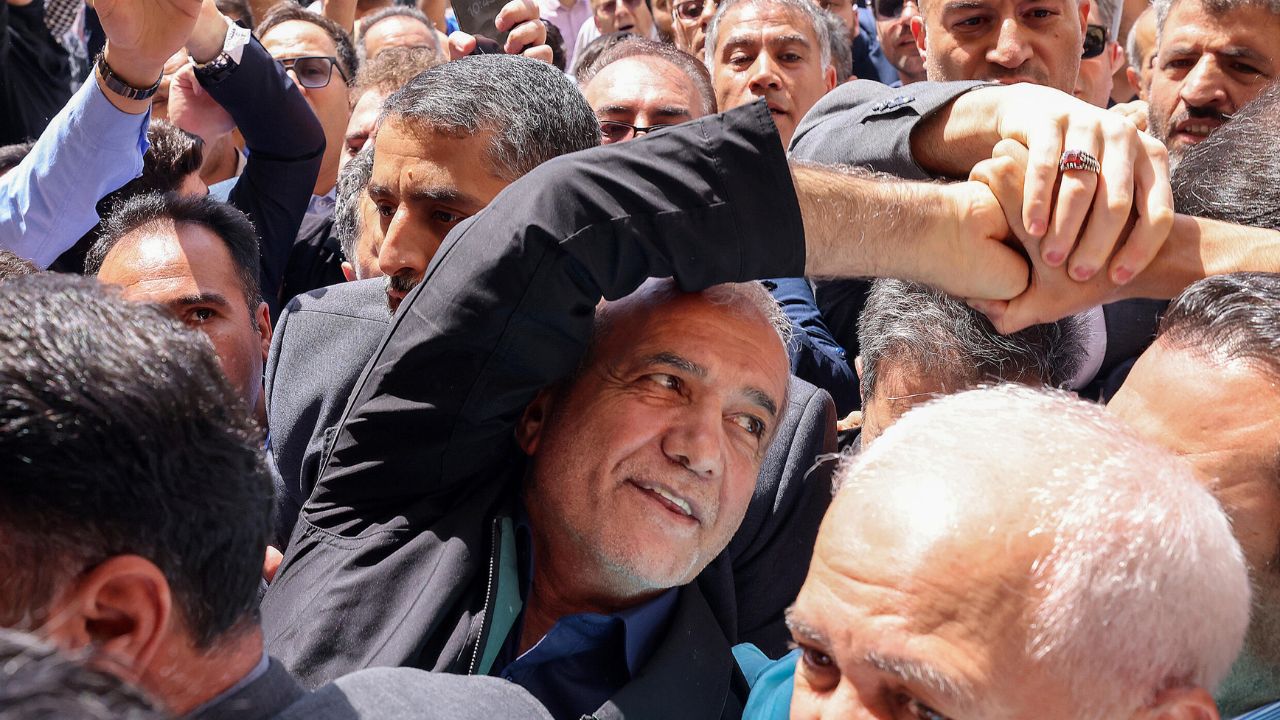
    Tehran (AFP) – Masoud Pezeshkian, Iran’s only reformist candidate in the latest presidential election, has risen from relative obscurity to become the ninth president of the Islamic republic.

    Pezeshkian, 69, won around 53.6 percent of the vote in a runoff election against the ultraconservative Saeed Jalili.

    In the first round of Iran’s snap elections on June 28, Pezeshkian led the polls against three other conservative figures, stunning supporters and rivals alike.

    Pezeshkian’s victory has raised the hopes of Iran’s reformists after years of dominance by the conservative and ultraconservative camps.

    He will replace late ultraconservative president Ebrahim Raisi who died in a May helicopter crash.

    “The difficult path ahead will not be smooth except with your companionship, empathy, and trust. I extend my hand to you,” Pezeshkian said in a post on X, after on Tuesday saying he would “extend the hand of friendship to everyone” if he won.

    In the lead-up to the elections, Iran’s main reformist coalition threw its weight behind Pezeshkian, with former presidents Mohammad Khatami and the moderate Hassan Rouhani declaring support for his bid.

    Pezeshkian takes over the presidency amid heightened regional tensions over the Gaza war, a dispute with the West over Iran’s nuclear programme and domestic discontent over the state of Iran’s sanctions-hit economy.

    ‘Out of isolation’

    The outspoken heart surgeon had publicly criticised the Raisi government over its handling of the death in custody of Iranian Kurd Mahsa Amini, who had been arrested for allegedly violating the Islamic republic’s strict dress code for women.

    In a post on Twitter, now known as X, at the time, he called on the authorities to “set up an investigation team” to look into the circumstances behind her death.

    In recent campaigning, he has maintained his stance, criticising the enforcement of mandatory hijab laws which require women to cover their head and neck in public since shortly after the 1979 Islamic revolution.

    “We oppose any violent and inhumane behaviour towards anyone, notably our sisters and daughters, and we will not allow these actions to happen,” he said.

    He also vowed to ease internet restrictions and to involve ethnic minorities in his government.

    Pezeshkian was born in 1954 to an Iranian father of Turkic origin and a Kurdish mother in the city of Mahabad in the northwestern province of West Azerbaijan.

    He has represented Tabriz in Iran’s parliament since 2008, served as health minister in Khatami’s government, and supervised sending medical teams to the war front during the Iran-Iraq conflict between 1980 and 1988.

    In 1993, Pezeshkian lost his wife and one of his children in a car accident. He never remarried and raised his remaining three children — two sons and a daughter — alone.

    Campaigning on behalf of Pezeshkian was Mohammad Javad Zarif, Iran’s combative former foreign minister who helped secure the landmark 2015 nuclear deal with world powers, which fell through three years later.

    Pezeshkian has called for reviving the accord — which sought to curb Tehran’s nuclear activity in return for sanctions relief — to get Iran “out of isolation”.

    “If we manage to lift the sanctions, people will have an easier life while the continuation of sanctions means making people’s lives miserable,” he said during a televised interview.

    Pezeshkian will be tasked with applying state policy outlined by the supreme leader Ayatollah Ali Khamenei, who wields ultimate authority in the country.

  • Slow art: the master illuminator of Tehran

    Slow art: the master illuminator of Tehran

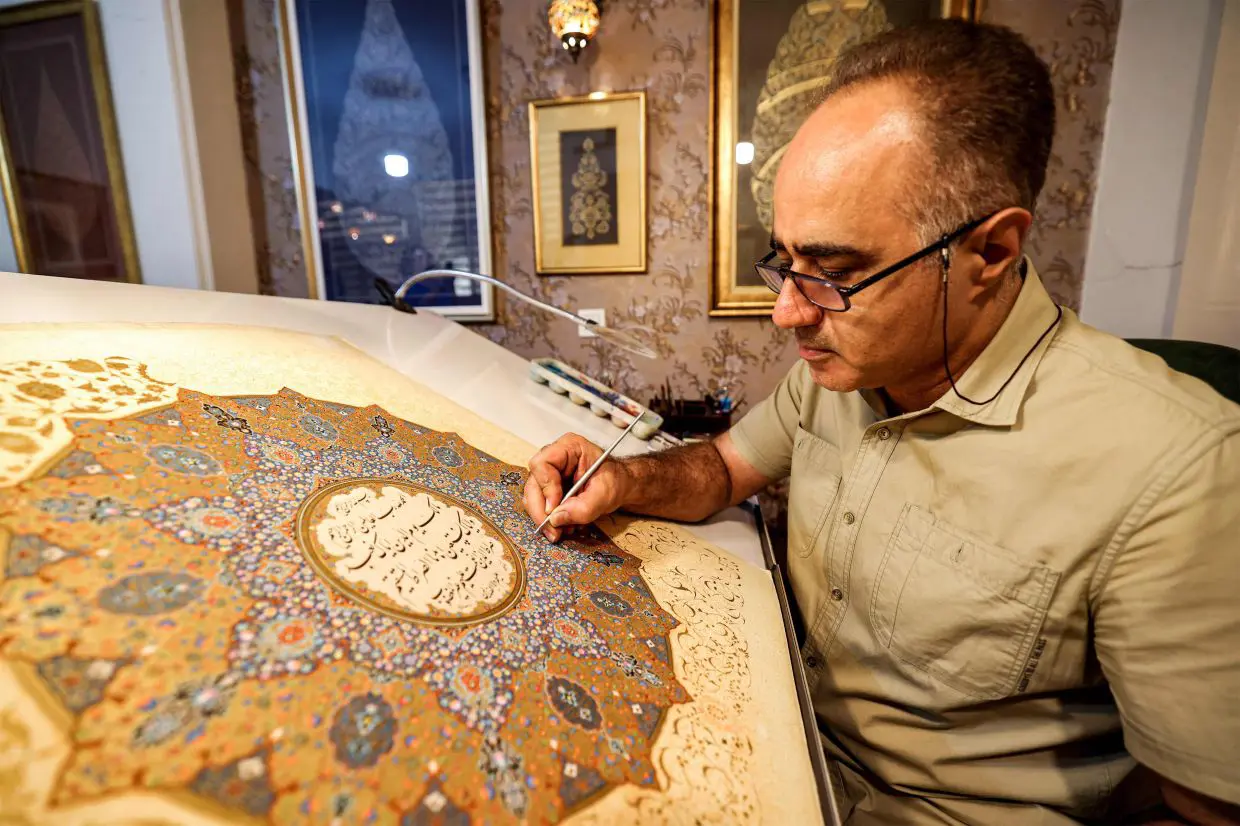
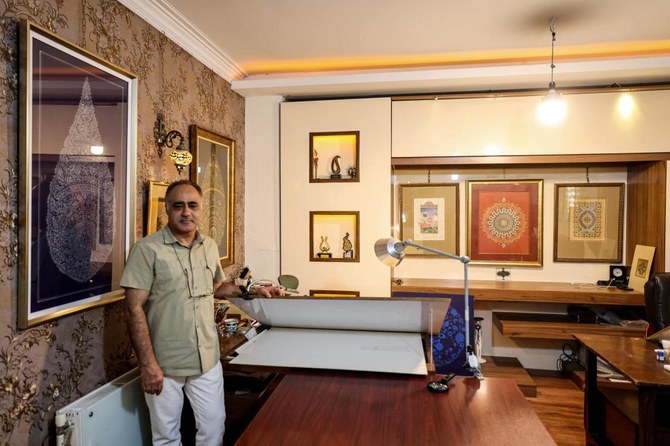
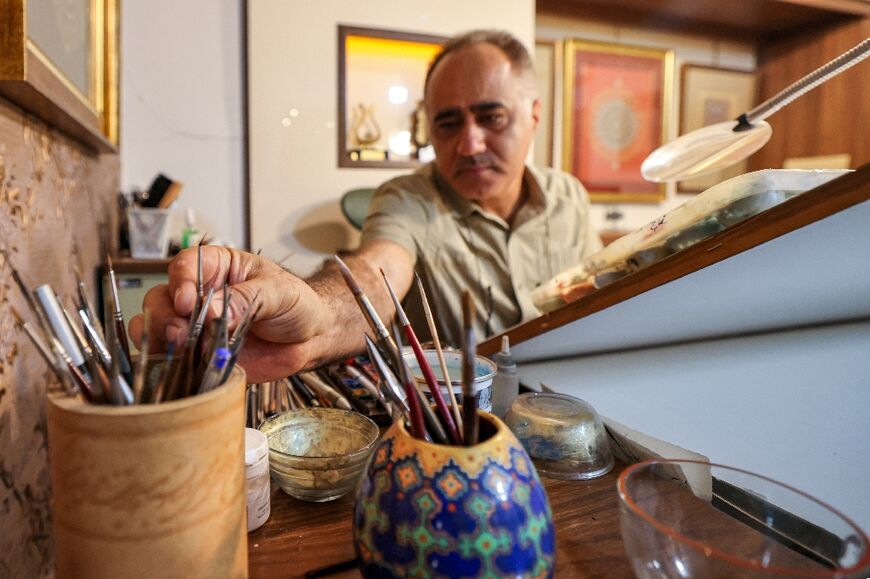
    Iranian artist Mohammad Hossein Aghamiri sometimes labours for six months on a single design, very carefully — he knows a single crooked line could ruin his entire artwork.

    In the age of AI-assisted graphic design on computer screens, the centuries-old tradition of Persian illumination offers an antidote to rushing the creative process.

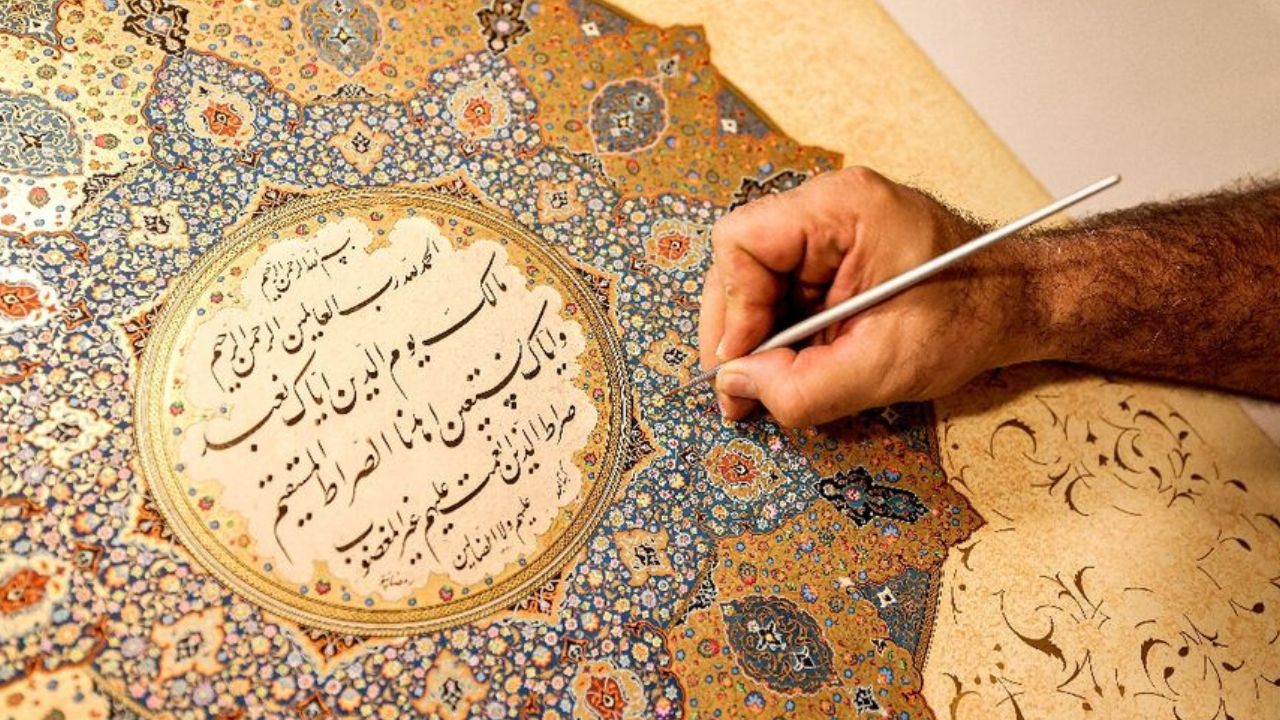
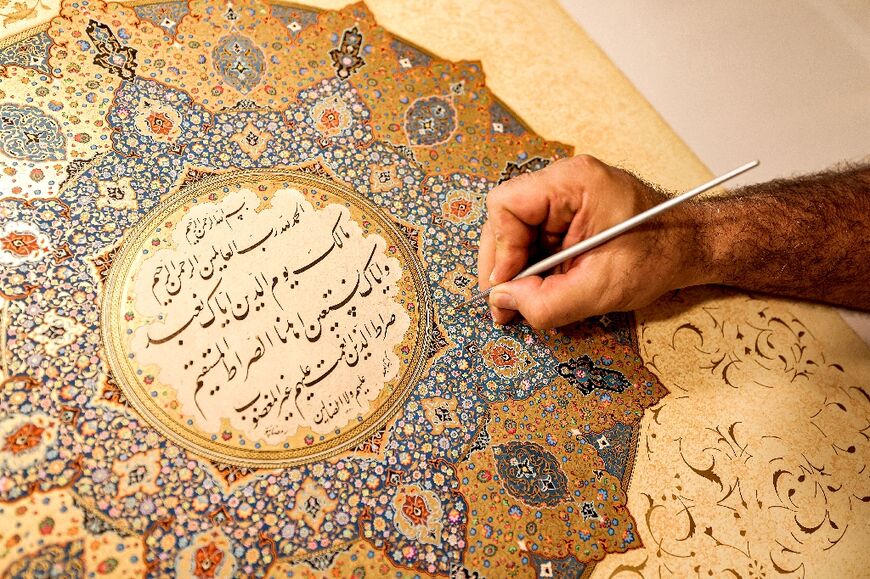
    Aghamiri’s fine brush moves natural pigments onto the paper with deliberate precision as he creates intricate floral patterns, religious motifs and elegantly flowing calligraphy.

    The exquisite artwork has for centuries embellished literary manuscripts, religious texts and royal edicts as well as many business contracts and marriage certificates.

    Aghamiri, 51, is one of Iran’s dozen or so remaining masters of the ancient illumination art of Tazhib, which was inscribed last year on UNESCO’s list of intangible heritage.

    “It is a very unique job that requires a lot of patience and precision,” Aghamiri, a veteran of the craft with over 30 years’ experience, told AFP in his downtown Tehran studio.

    “It’s not accessible to everyone.”

    Tazhib’s non-figurative and geometric flourishes have traditionally adorned the margins of holy books and epic poems.

    The artform dates back to the Sassanid era in pre-Islamic Iran but flourished after the seventh century advent of Islam, which banned human depictions.

    Aghamiri says it often takes him months to finish one design and that a single misplaced stroke that disrupts its symmetrical harmony can force him to start over.

    – Global workshops online –

    When AFP visited, he was working on a so-called shamsa design, a symbolic representation of the sun, about 50 centimetres across with intertwined abstract, geometric and floral patterns.

    He said he started the piece over four months ago and aimed to finish it within six weeks, using natural pigments such as lapis lazuli, saffron, gouache and pure gold, from China.

    “Gold has a very strong visual appeal,” said Aghamiri. “It’s expensive and it enhances the perceived value of the work.”

    Aghamiri hails from a family of artists and artisans with a rich history in Iranian craft traditions including calligraphy, miniature painting and carpet design.

    His work has been showcased in museums in Iran and in nearby Arab countries of the Gulf region where interest in Oriental and Islamic art continues to grow.

    “Eighty percent of my works are sold in the region, especially in the Emirates and Qatar” as well as in Turkey, he said.

    In recent years, Aghamiri garnered interest abroad and even began teaching the ancient art online to students from across the world, notably the United States.

    Soon, he also hopes to hold workshops in Britain for his craft, which he says is fundamentally different from European illumination art, which flourished in the Middle Ages.

    European designs, he said, are more figurative and can depict human faces, animals and landscapes, and often illustrate biblical scenes.

    UNESCO labelled the Persian art of illumination as part of the Intangible Cultural Heritage of Humanity in December 2023, at the request of Iran as well as Turkey, Azerbaijan and Uzbekistan.

    “Twenty years ago, I didn’t have much hope” for the future of Persian illumination, said Aghamiri. “But things have changed, and I see that this art is becoming more and more popular.”