Tag: Iran

  • Polls open in Iran for presidential election

    Polls open in Iran for presidential election

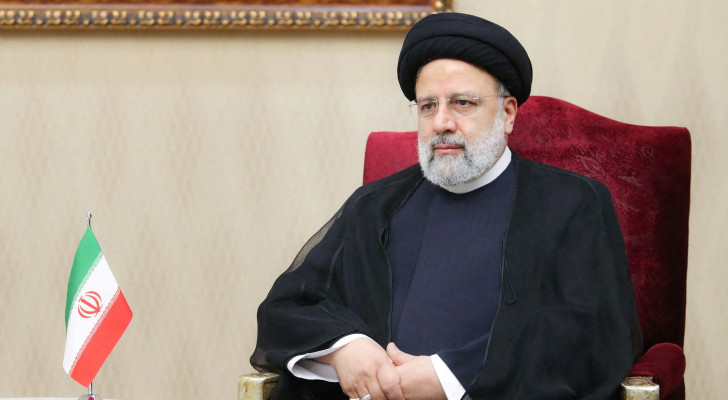
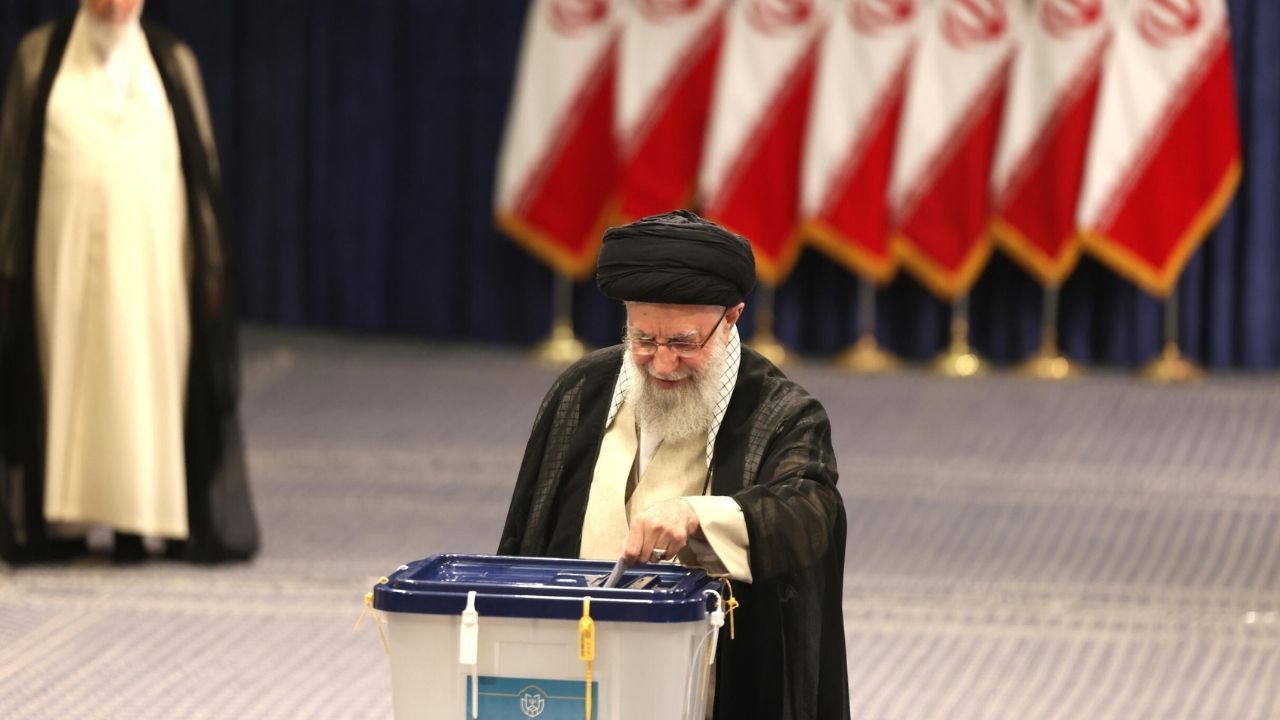
    Tehran (AFP) – Polls in Iran opened on Friday for a presidential election following the death of ultraconservative president Ebrahim Raisi in a helicopter crash last month.

    Ultimate political power in Iran is held by Khamenei, the supreme leader.

    Khamenei insisted this week that “the most qualified candidate” must be “the one who truly believes in the principles of the Islamic Revolution” of 1979 that overthrew the US-backed monarchy.

    The next president, he said, must allow Iran “to move forward without being dependent on foreign countries”.

    However, Khamenei also said that Iran should not “cut its relations with the world”.

    During campaign debates, Jalili criticised the moderates for having signed the 2015 nuclear accord which promised Iran sanctions relief in return for curbs on the programme.

    Jalili said the deal, which the United States withdrew from in 2018 under then-president Donald Trump, “did not benefit Iran at all”.

    Pezeshkian has urged efforts to salvage the agreement and lift crippling sanctions on the Iranian economy.

    “Are we supposed to be eternally hostile to America, or do we aspire to resolve our problems with this country?” he asked.

    The contentious issue of the compulsory head covering for women also emerged during the campaign, almost two years since a vast protest movement swept the country after the death in custody of Mahsa Amini, 22.

    An Iranian Kurd, Amini had been arrested for an alleged violation of the country’s strict dress code for women.

    In the televised debates, all candidates distanced themselves from the sometimes heavy-handed police arrests of women refusing to wear the hijab head covering in public.

    Pourmohammadi, the only clerical candidate, said that “under no circumstances should we treat Iranian women with such cruelty.”

  • After Raisi’s funeral, Iran’s focus turns to vote for successor

    After Raisi’s funeral, Iran’s focus turns to vote for successor

    After Iran mourned President Ebrahim Raisi, who died in a recent helicopter crash, the nation’s focus turns to an election next month for his successor, with the conservative camp seeking support from Ayatollah Ali Khamenei.

    The lead-up to the early vote on June 28 has opened up the field to a broad range of hopefuls from all political parties. The big question for them is how many candidacies will survive the vetting process in the Islamic republic.

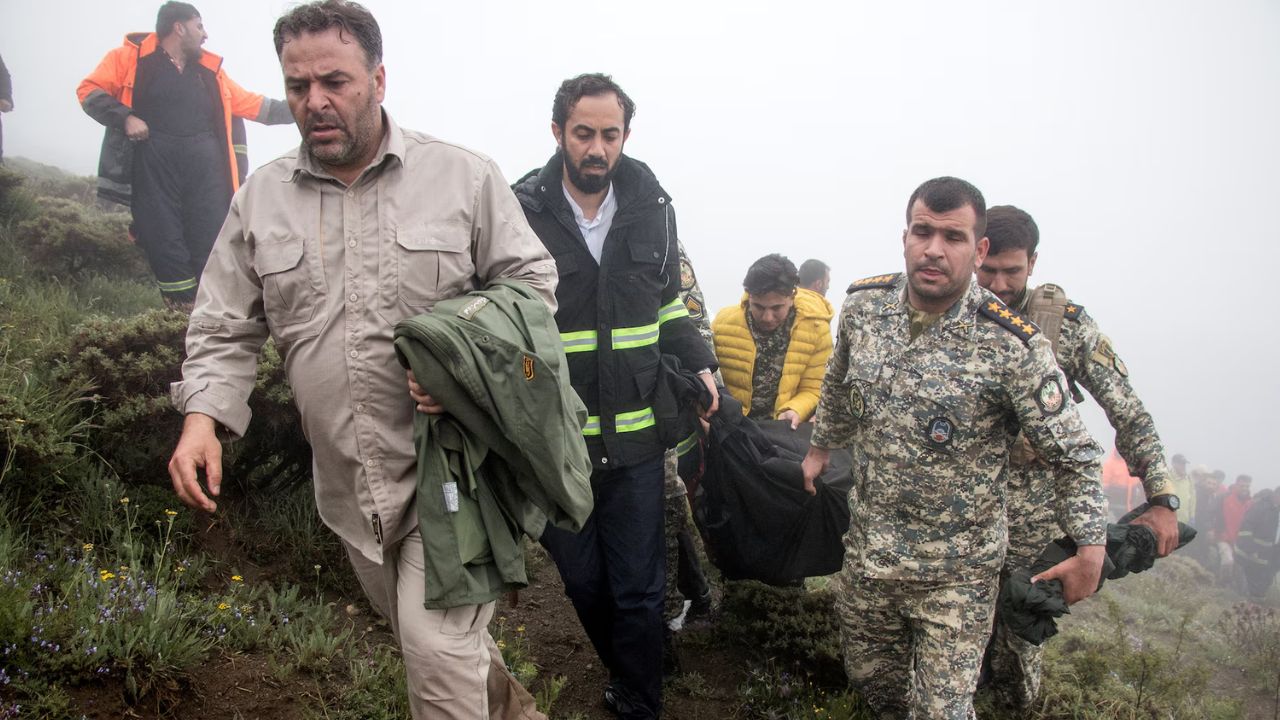
    President Raisi, who had more than a year left of his first term, died on May 19 alongside his foreign minister Hossein Amir-Abdollahian and six others when their helicopter crashed into a fog-shrouded mountainside.

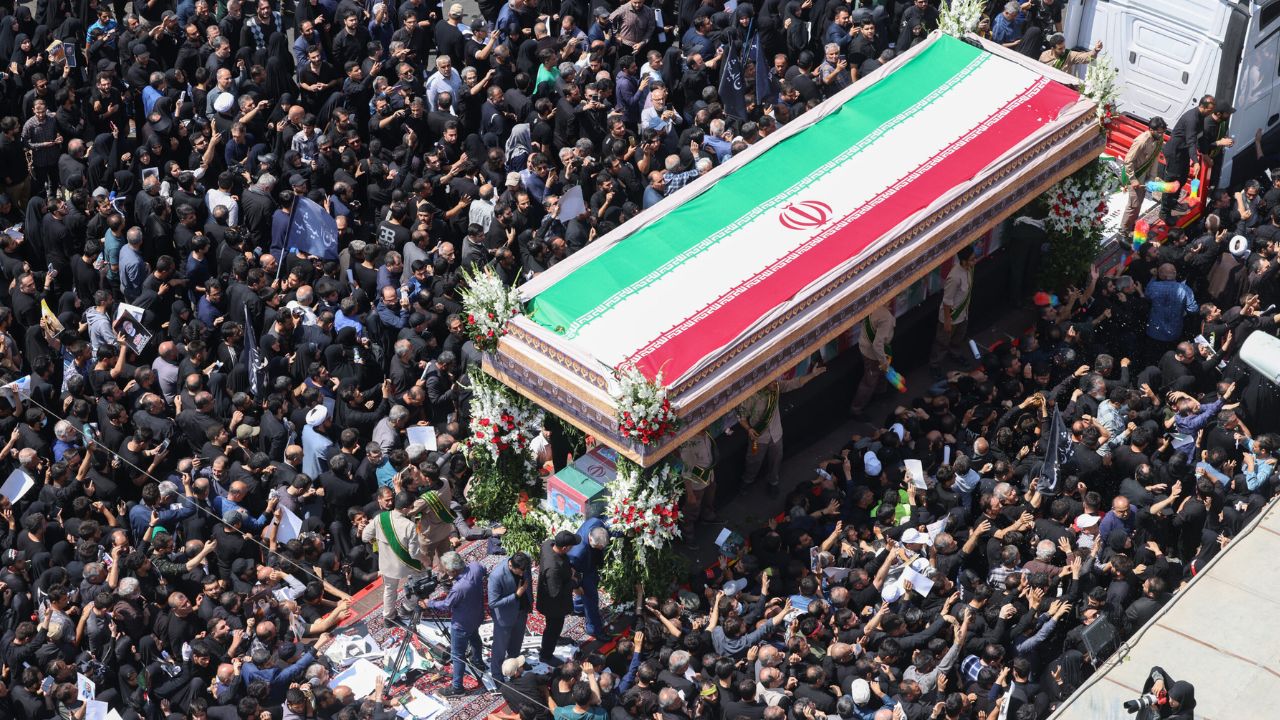
    They were laid to rest in multi-day funeral rites drawing mass crowds of mourners.

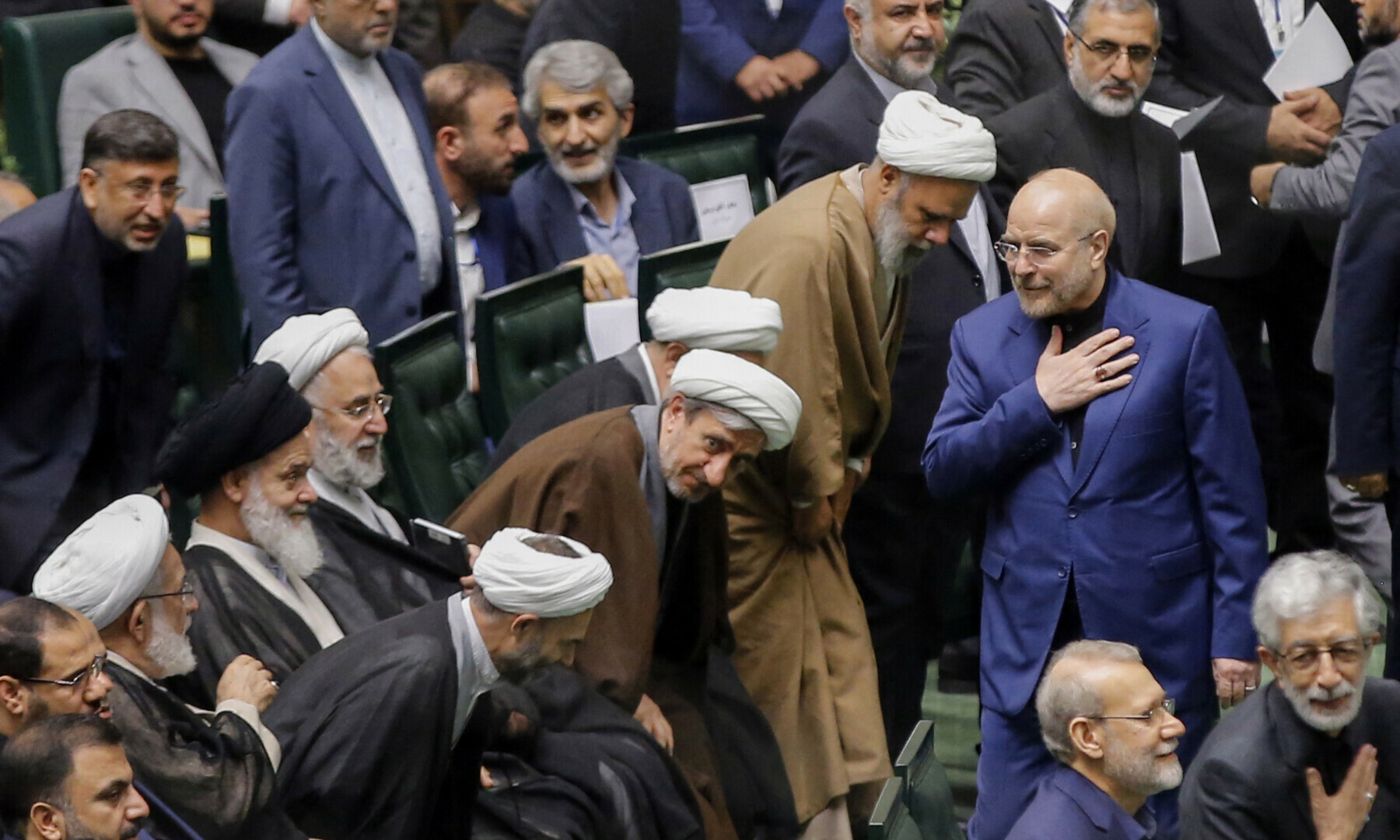
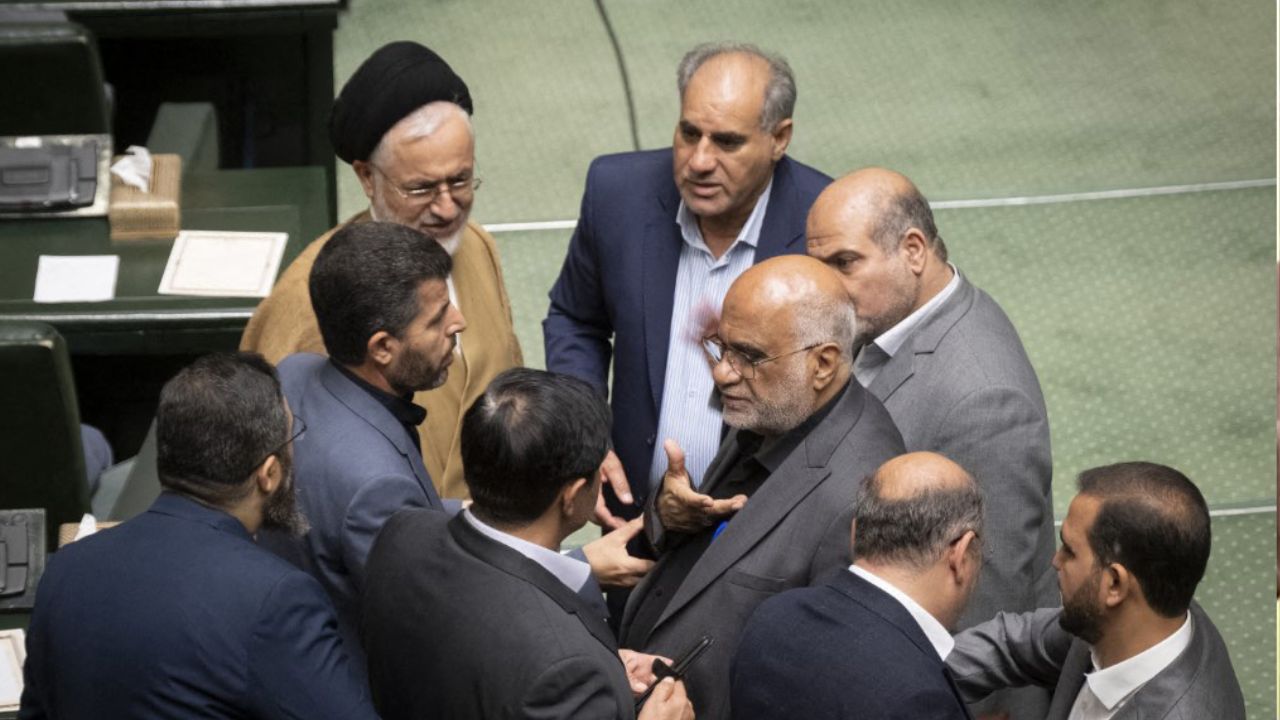
    Iran’s Parliament Speaker Mohammad Bagher Qalibaf (R) greets lawmakers during the inauguration session for the new Parliament in Tehran on May 27, 2024. — AFP

    The June vote will be held during a turbulent time, as the Gaza war rages between Israel and Hamas, and amid continued diplomatic tensions over Iran’s nuclear programme.

    Khamenei, who has the final say in all matters of state, has assigned Raisi’s vice president, Mohammad Mokhber, 68, to assume interim duties for the next few weeks and organise the June election.

    Among other hopefuls, former nuclear negotiator Saeed Jalili was one of the first to announce his candidacy.

    Other contenders include moderate former foreign minister Mohammad Javad Zarif, and centrist Ali Larijani, who served as the speaker in parliament.

    Ex-president Mahmoud Ahmadinejad has so far kept voters guessing and said he is “checking the conditions to decide whether to register”.

    Under Iran’s election process, candidates will have several days to formally register, starting on May 30.

    The final list, however, will depend on the outcome of the validation process by the conservative-dominated Guardian Council following a June 3 registration deadline.

  • Khodâhâfez Raisi – Remembering the Iranian President live on GCU’s stage

    Khodâhâfez Raisi – Remembering the Iranian President live on GCU’s stage

    Ebrahim Raisi is no more. Newspapers and various other outlets have published countless obituaries both coming from the tainted western lens and that of religiously coloured frame. I, on the other hand, want to present an account of listening to Raisi’s speech once and was inspired by the depth of his words and the resolution in his tone.

    “If Israel violates the sovereignty of the Iranian state again, the reaction will be different and who knows the Zionist regime will not exist,” the one who said these words is now buried in a freshly dug grave in Mashhad but certainly not forgotten.

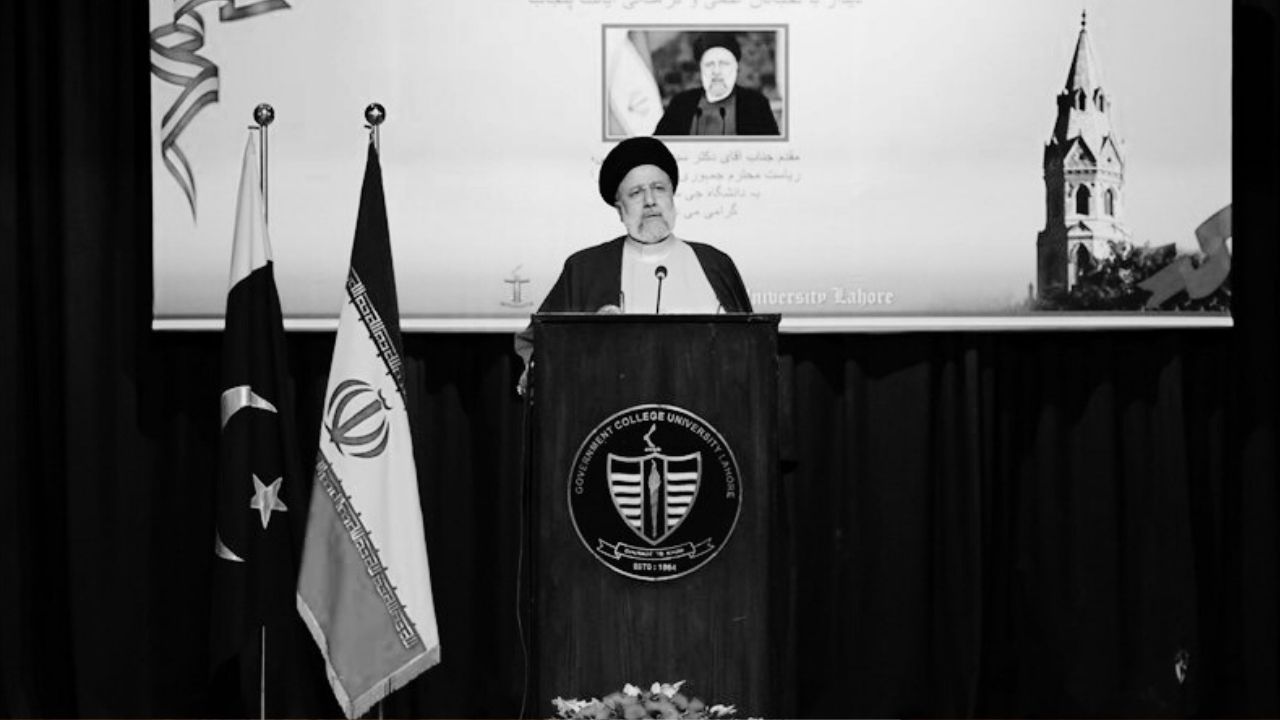
    Ebrahim Raisi (1960-2024) said these words in front of the students and teachers at Government College University Lahore, my alma mater. It was surreal, to witness a head-of-state speak in the prestigious Bukhari Auditorium. While the security and arrangements made it all very unapproachable, when he arrived it was warm and almost palpable.

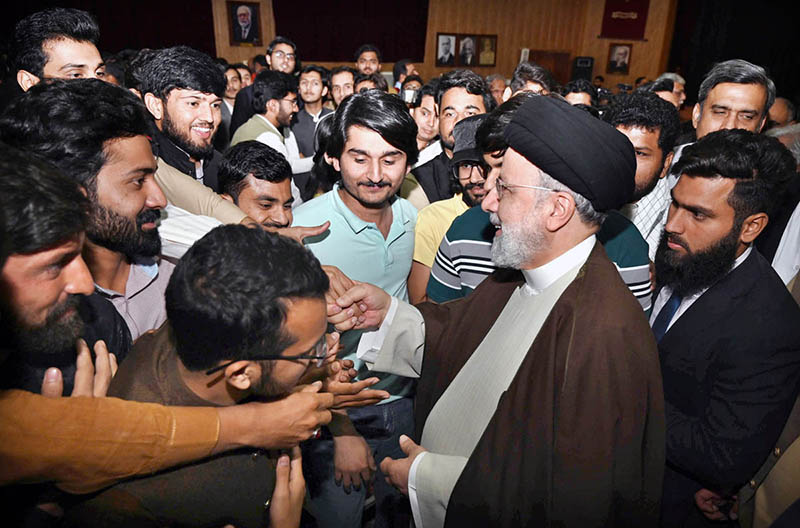
    APP41-230424 LAHORE: April 23 – President of the Islamic Republic of Iran Dr. Seyyed Ebrahim Raisi shaking hand with students during his visit the Government College University (GC) Lahore. APP/MTF/MAF/TZD

    April 23 was the day I went to the university after a long time, not just to attend an esteemed ceremony but also covering it for The Current. The day was bright and because it was a public holiday in the city, I reached GCU Lahore almost gliding through the air early in the day at 8:30 am.


    A crowd of selected people, all ready to bear witness to history in the making could be seen under the gothic lady.

    Although no gadget was allowed inside, I managed to grab a pen and paper and took notes of the speech which is a piece of literature in true sense of the word. References of Iqbal’s poetry with the messages of the reawakening of youth made it worth lending an ear to.

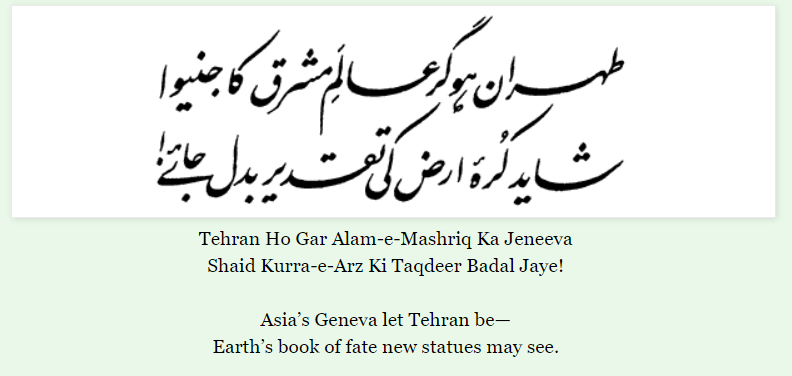
    The Vice Chancellor started her address paying tribute to the resilient power and the great potential held by the land of Persians. In Allama Iqbal’s words. “Tehran ho gar Alam e Mahriq ka Geneva, Shayed Kurra-e-Arz ki Taqdeer badal jaye.” The verse implies that if Tehran becomes the Geneva of the East, the fate of the world will surely change.

    It turned out that Iranian President Raisi was not just fully familiar with the work of our national poet but remembered him as Iqbal Lahori for his work in Persian. He was pleased to be present in the institution where Iqbal studied and taught; and to be in Lahore, the city from where the revolution against oppressive colonial rule started.

    While he stressed about the hybridization of knowledge and faith as the key to success in life, he stressed on Iqbal being the best example as someone who combined both excellently. As he moved on, like an expert orator, he felt the pulse of the audience and drew a comparison between the East and West. We believe the people of the East are higher than that of the West because of how they understand the “creation of knowledge”, Raisi quoted the Supreme Leader of Iran, Ayatollah Ali Khamenei.

    He laid out his vision by saying, “The West is somehow trying to have a monopoly in the field of knowledge and Science, but we the people of East can change that.” He emphasised the role of universities in imparting a deeper understanding of the current situation and the pivotal role of faith along with seeking knowledge.

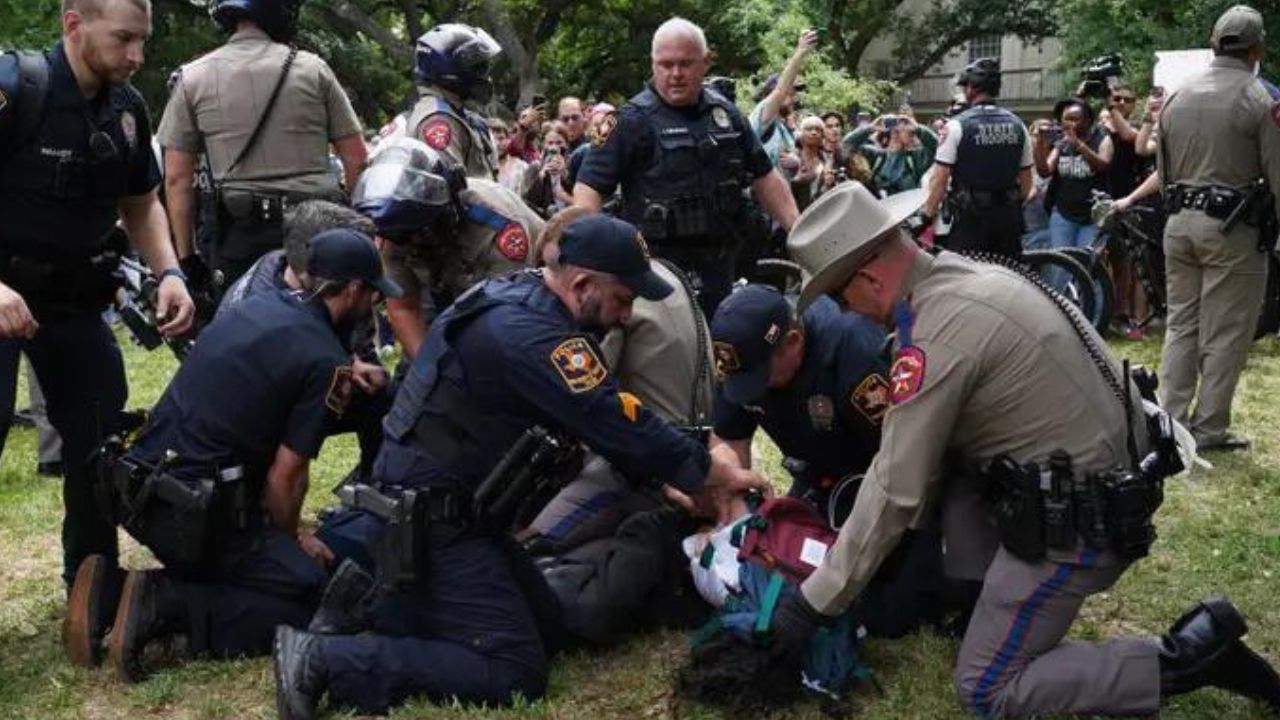
    He substantiated his argument by pointing out how the West claims to have championed freedom of speech and human rights but the brutal ways with which University students setting up protests and encampments in Europe and America against Israeli occupation of Gaza are dealt with is a testimony to the innate contradiction between the claim and the practice.

    “Today the liberation of Palestine is not just an issue of the Islamic world but of the world as well,” he said in a passionate tone and with this the audience was totally invested and they were applauding him even before the interpreter translated his words. Raisi predicted that hate is brewing in the hearts of people against United States and this Zionist regime in Palestinian territory and this will take revenge from them.

    We are usually so used to of seeing leaders just chanting out popular things and hardly something literary Raisi gave the audience a minor jolt as he quoted 12th-century Muslim philosopher Ibn Arabi precisely from the text Fusus ul Hikam where he brought up the killing of children by Pharaoh only to prevent the birth of Prophet Moses. However, Allah was with Moses. Meanwhile, the nation of Moses was being created. He said that the same will be translated with Israel killing Palestinian children relentlessly.

    He spoke like a warrior, someone who has stayed resilient in the worst of pressure. “If you stand against our nation, we will stand against yours”, Raisi said affirmatively. As he moved towards the end he put an emphasis on the support of Palestine as the common point of relation between Pakistan and Iran.

    Coming full circle, Raisi left his mark with his final words which I quoted in the beginning. There are problems and issues of governance in every state of the world but what stands out is the resilience and the will to face opposition with head held high. With his words, Raisi inspired students to stand tall in the worst of situations and stand on the right side of history. The memory will forever be etched in my mind.

  • Noor Bukhari pays tribute to late Iranian President Raisi

    Noor Bukhari pays tribute to late Iranian President Raisi


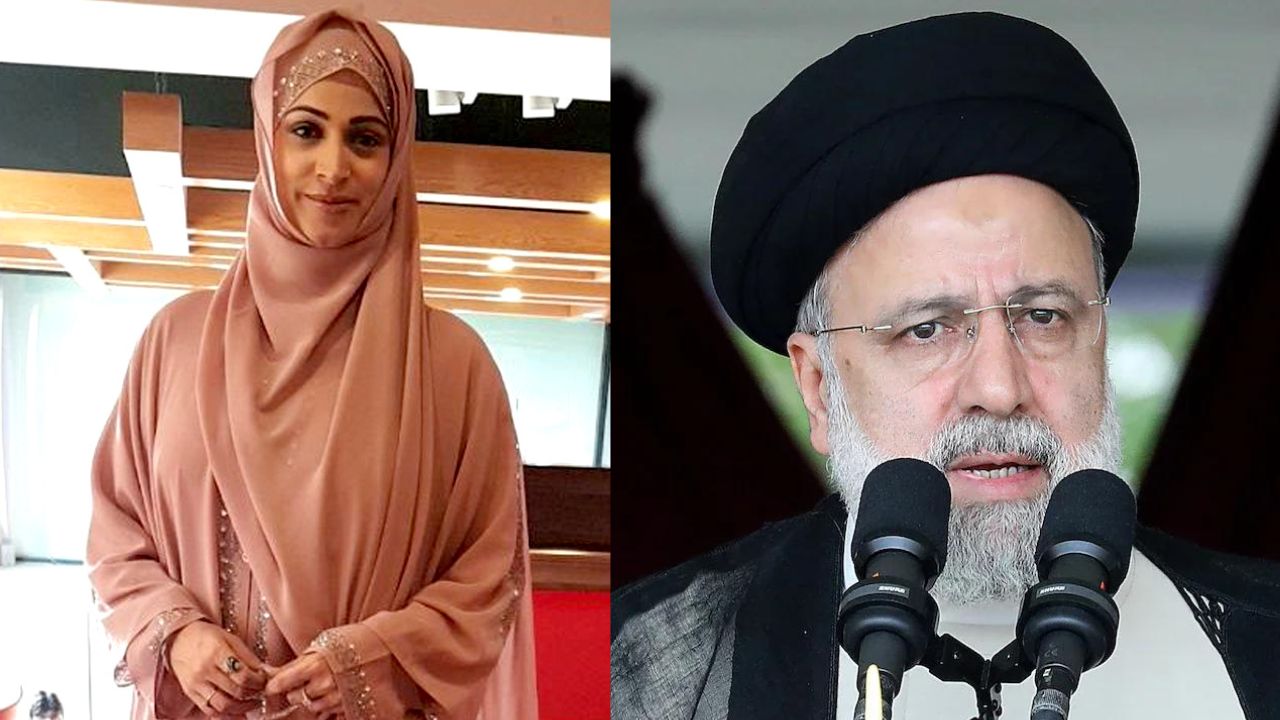
    Former actress Noor Bukhari has paid tribute to Iran’s President Seyyed Ebrahim Raisi who died in a helicopter crash this week.

    Noor Bukhari posted a photo of the late Iranian president on her Instagram account, writing in the caption, “Syed Qurbani de gaya hai … ab khair any waali hai ummah ke liye. Want ke yazeed countdown started”
    (A Syed has sacrificed himself; now good news is coming for the Muslim Ummah, and the countdown for Yazid has begun.)
    Raisi’s funeral was held today in his hometown after two days of processions attended by thousands of mourners.


    Raisi, 63, died on Sunday alongside his foreign minister and six others when their helicopter crashed in the country’s mountainous northwest while returning from a dam inauguration.
    His final resting place will be at the holy shrine of Imam Reza, a key Shiite mausoleum in the northeastern city of Mashhad, where the ultra-conservative president was born.

  • Iran’s Raisi to be laid to rest in home town

    Iran’s Raisi to be laid to rest in home town

    Iran’s president Ebrahim Raisi, who was killed in a helicopter crash, will be buried Thursday in his hometown after two days of funeral processions attended by thousands of mourners.

    Raisi, 63, died on Sunday alongside his foreign minister and six others when their helicopter crashed in the country’s mountainous northwest while returning from a dam inauguration.

    His final resting place will be at the holy shrine of Imam Reza, a key Shiite mausoleum in the northeastern city of Mashhad, where the ultra-conservative president was born.

    Images published by Iranian media on Wednesday showed officials in Mashhad preparing for the final day of funerary rites.

    Large photos of Raisi, black flags and Shiite symbols were erected throughout the streets of Iran’s second city, particularly around the Imam Reza shrine.

    Massive crowds had gathered for a funeral procession on Wednesday in the capital Tehran to pay their final respects to the president, whom officials and media dubbed a “martyr”.

    Supreme leader Ayatollah Ali Khamenei — whom Raisi had been widely expected to succeed — led prayers for the late president, kneeling before the coffins of the eight people killed in the crash.

    Among them was foreign minister Hossein Amir-Abdollahian, who will also be buried Thursday in the shrine of Shah Abdol-Azim in the town of Shahr-Rey south of the capital.

    – June 28 election –

    Tunisian President Kais Saied and Qatari Emir Tamim bin Hamad al-Thani attended an afternoon ceremony for Raisi on Wednesday in which around 60 countries took part, said state news agency IRNA.

    Member countries of the European Union were among the absentees of the ceremony, while some non-member countries, including Belarus and Serbia had their representatives.

    Khamenei, who wields ultimate authority in Iran, has declared five days of national mourning and assigned vice president Mohammad Mokhber, 68, as caretaker president until a June 28 election for Raisi’s successor.

    A presidential election in Iran had not been expected until next year, and Sunday’s crash has caused some uncertainty as to who will succeed Raisi, with some expressing concern about the upcoming president.

    “How do I find someone like him? I’m really worried about that,” said 31-year-old cleric Mohsen at Wednesday’s funeral in Tehran. “As far as I know, we don’t have anyone of his stature.”

    Raisi was elected president in 2021, succeeding the moderate Hassan Rouhani at a time when the economy was battered by US sanctions imposed over Iran’s nuclear activities.

    The ultra-conservative’s time in office saw mass protests, a deepening economic crisis and unprecedented armed exchanges with arch-enemy Israel.

    After his death, Russia and China sent their condolences, as did NATO, while the UN Security Council observed a minute’s silence.

    Messages of condolence also flooded in from Iran’s allies around the region, including the Syrian government as well as Hamas and Hezbollah.

  • Before Raisi, other leaders killed in aviation crashes

    Before Raisi, other leaders killed in aviation crashes

    Iranian President Ebrahim Raisi, whose death in a helicopter crash was announced Monday, is the latest major political leader to die in an aviation crash. Here are some of the best known among the others:

    2024: Former Chilean president Sebastian Pinera

    On 6 February 2024, former Chilean president Sebastian Pinera (in office from 2010-2014, and then 2018-2022), died in a helicopter crash at Lago Ranco, a vacation site 920 kilometres (570 miles) south of the capital Santiago.

    2010: Poland’s president Lech Kaczynski

    On 10 April 2010, a Tupolev 154 with 96 people aboard including Polish President Lech Kaczynski and senior political and military figures, crashed while trying to land in thick fog at an airport near Smolensk in western Russia.

    There were no survivors. The crash was attributed to bad weather as well as errors by the Polish pilots and Russian air traffic controllers.

    2005: Rebel leader turned Sudanese vice-president John Garang

    On 30 July 2005, John Garang, the former separatist rebel leader who became vice-president of Sudan, died when his helicopter crashed in Sudan on a flight back from Uganda.

    2004: Macedonian President Boris Trajkovski

    Macedonia’s president Boris Trajkovski was killed along with eight others when his plane crashed on February 26 2004, as it prepared to land in thick fog in the southern Bosnian town of Mostar.

    1994: Presidents Juvenal Habyarimana of Rwanda and Cyprien Ntaryamira of Burundi

    On 6 April 1994, a Falcon 50 transporting Rwandan president Juvenal Habyarimana and his Burundi counterpart Cyprien Ntaryamira was shot down over Kigali by at least one missile.

    The attack is considered the spark that unleashed the genocide of Tutsis that left at least 800,000 dead, according to the United Nations.

    1988: Pakistani President Zia ul-Haq

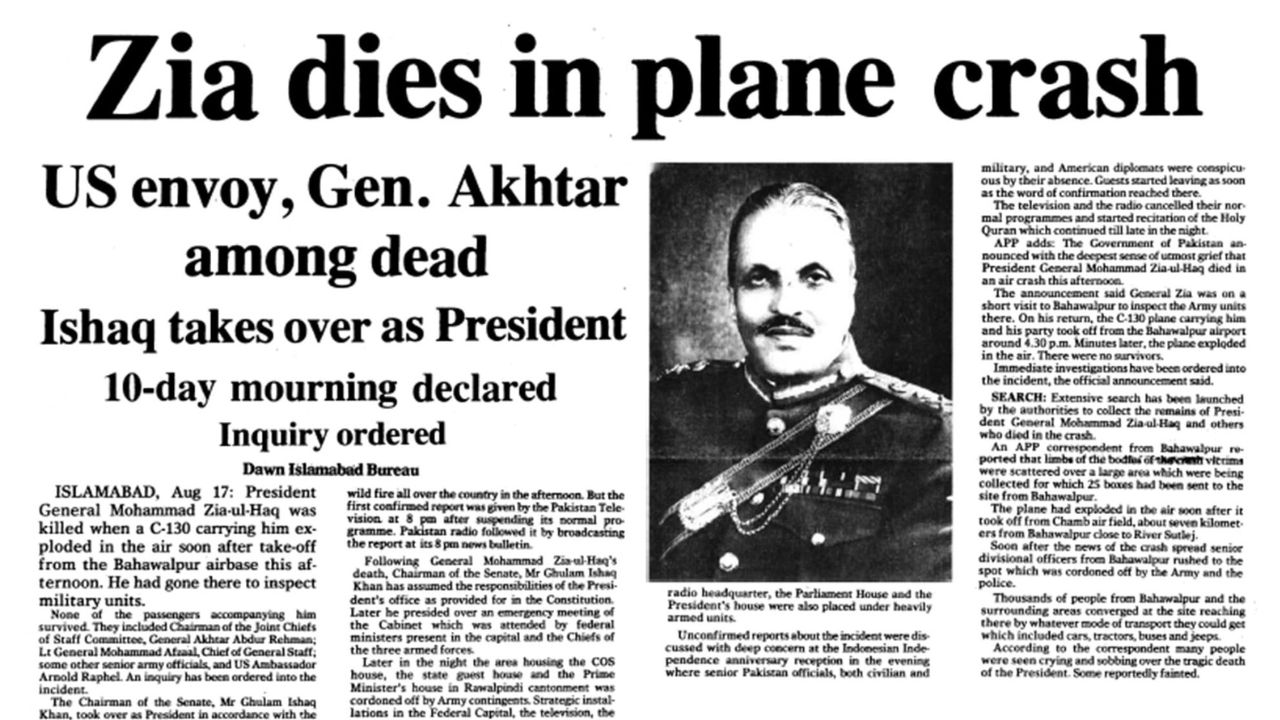
    Pakistan’s president Zia ul-Haq was among the victims of a 17 August 1988 plane crash near Bahawalpur, in the country’s east.

    1986: Mozambique President Samora Machel

    On 19 October 1986, Mozambique’s first president Samora Machel died when his Tupolev 134 went down in the north-east of South Africa.

    1961: UN Secretary General Dag Hammarskjold

    On September 17 or 18 of 1961, a plane carrying the UN Secretary General Dag Hammarskjold crashed in Northern Rhodesia, now Zambia, while attempting to negotiate a ceasefire between warring factions in the former Belgian Congo. The cause of the crash has never been established.

    doc-ang/lch/gv/rox/gv/db

    © Agence France-Presse

  • US says Iran sought help over president crash

    US says Iran sought help over president crash

    Washington (AFP) – The United States said Monday that arch-enemy Iran sought assistance over a helicopter crash that killed president Ebrahim Raisi, as Washington meanwhile offered condolences despite saying he had “blood on his hands.”

    The State Department said Iran, which has had no diplomatic relations with Washington since the aftermath of the 1979 Islamic revolution, reached out afer Raisi’s aging chopper crashed in foggy weather Sunday.

    “We were asked by the Iranian government for assistance,” State Department spokesman Matthew Miller told reporters.

    “We said that we would be willing to assist — something that we would do with respect to any government in this situation,” he said.

    “Ultimately, largely for logistical reasons, we were unable to provide that assistance.”

    He declined to go into detail or describe how the two countries communicated. But he indicated Iran was seeking help in the immediate aftermath to find the helicopter of Raisi, who died along with his foreign minister, Hossein Amir-Abdollahian, and seven others.

    The crash came after the United States and Iran reportedly held their latest quiet talks in Oman aimed at increasing stability following open clashes between Iran and Israel.

    The State Department in a statement offered “official condolences” over the deaths.

    “As Iran selects a new president, we reaffirm our support for the Iranian people and their struggle for human rights and fundamental freedoms,” it said.

    President Joe Biden’s administration described condolences as standard and not showing support for Raisi, who as a judge presided over mass executions of politicial prisoners and under whose presidency authorities have cracked down on mass protests led by women.

    “This was a man who had a lot of blood on his hands,” National Security Council spokesman John Kirby told reporters, saying Raisi was responsible for “atrocious” abuses.

    Kirby said, however, that “as in any other case, we certainly regret in general the loss of life and offered official condolences as appropriate.”

    The United States has often but not always offered condolences in the past to leaders it opposed with such messages sent over Joseph Stalin, Kim Il Sung and Fidel Castro.

    But the condolence message, along with similar words from European nations, brought anger to some opponents of the clerical state who saw Raisi’s death as reason to celebrate.

    Masih Alinejad, a women’s rights activist who US investigators say was the target of an assassination plot in New York engineered by Tehran, wrote on X, formerly known as Twitter, “Your condolences only pour salt on the wounds of the oppressed.”

    No ‘security impact’

    Defense Secretary Lloyd Austin indicated that US forces have not changed their posture after the crash in Iran, where decisions are ultimately made by the supreme leader, Ayatollah Ali Khamenei.

    “I don’t necessarily see any broader regional security impact,” Austin told reporters.

    He preemptively denied any US role and said there was no reason to think it was anything other than an accident.

    “The United States had no part to play in that crash. That’s a fact, plain and simple,” Austin said.

    “It could be a number of things — mechanical failure, pilot error, you name it,” he said.

    Iran’s military ordered an investigation. It has often in the past blamed security incidents on Israel and the United States, which both in recent years have struck Iranian targets.

    Former foreign minister Mohammad Javad Zarif blamed the crash on continued US sanctions which have impeded the sale of aviation parts.

    Asked about Zarif’s remark, Miller said: “Ultimately, it’s the Iranian government that is responsible for the decision to fly a 45-year-old helicopter in what was described as poor weather conditions, not any other actor.”
  • PM Shehbaz declares day of mourning after Iranian President’s death

    PM Shehbaz declares day of mourning after Iranian President’s death

    Pakistan’s Prime Minister Shehbaz Sharif declared a day of mourning after Iranian media reported that president Ebrahim Raisi had died in a helicopter crash.

    “Pakistan will observe a day of mourning and the flag will fly at half mast as a mark of respect for President Raisi and his companions and in solidarity with Brotherly Iran,” Shehbaz posted on X, formerly Twitter.

    “I along with the government and people of Pakistan extend our deepest condolences and sympathies to the Iranian nation on this terrible loss,” he added.

    “The great Iranian nation will overcome this tragedy with customary courage.”

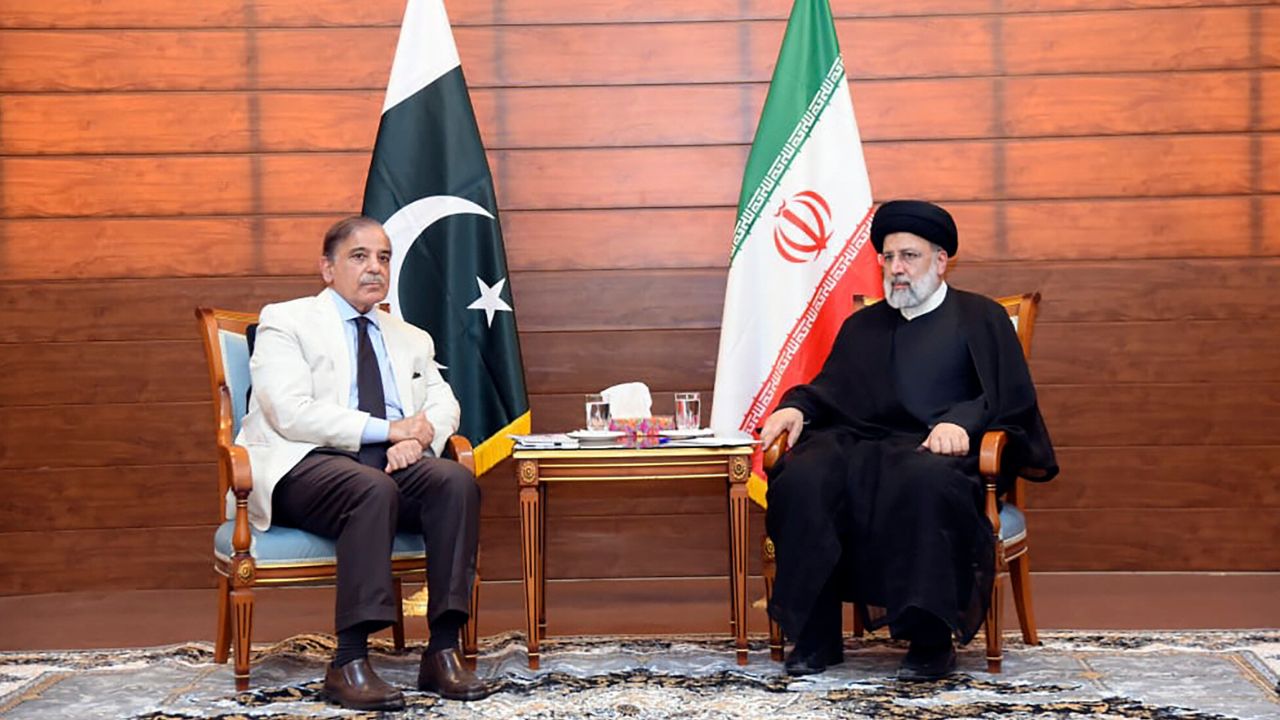
    The Pakistani leader hosted Raisi in Islamabad for a three-day visit in April in a bid to mend ties between the neighbours after they traded deadly strikes earlier this year.

  • Iranian President Raisi killed in helicopter crash

    Iranian President Raisi killed in helicopter crash

    Iran’s President Ebrahim Raisi, and his foreign minister Hossein Amr-Abdollahian, have been killed in a helicopter crash on Sunday night in the north of the country near the border with Azerbaijan, State Television has confirmed.

    Rescue teams finally reached the site of the helicopter crash where dense fog and adverse weather conditions impeded rescue and recovery efforts.

    “Upon finding the helicopter, there was no sign of the helicopter passengers being alive as of yet,” state TV reported. The helicopter carrying the head of the state crashed during President Raisi’s return flight to Tabriz after he and Azerbaijani President Ilham Aliyev inaugurated the Qiz Qalasi Dam on the border.

    Iran’s Supreme Leader Ayatollah Ali Khamenei urged calm and assured his people that there would be no disruption in the country’s governance.

    Vice President Mohammad Mokhbar is expected to become the new President now, Al Jazeera has reported.

    Raisi became president in 2021.

  • Iraqi court suspends Kurdistan election preparations

    Iraqi court suspends Kurdistan election preparations

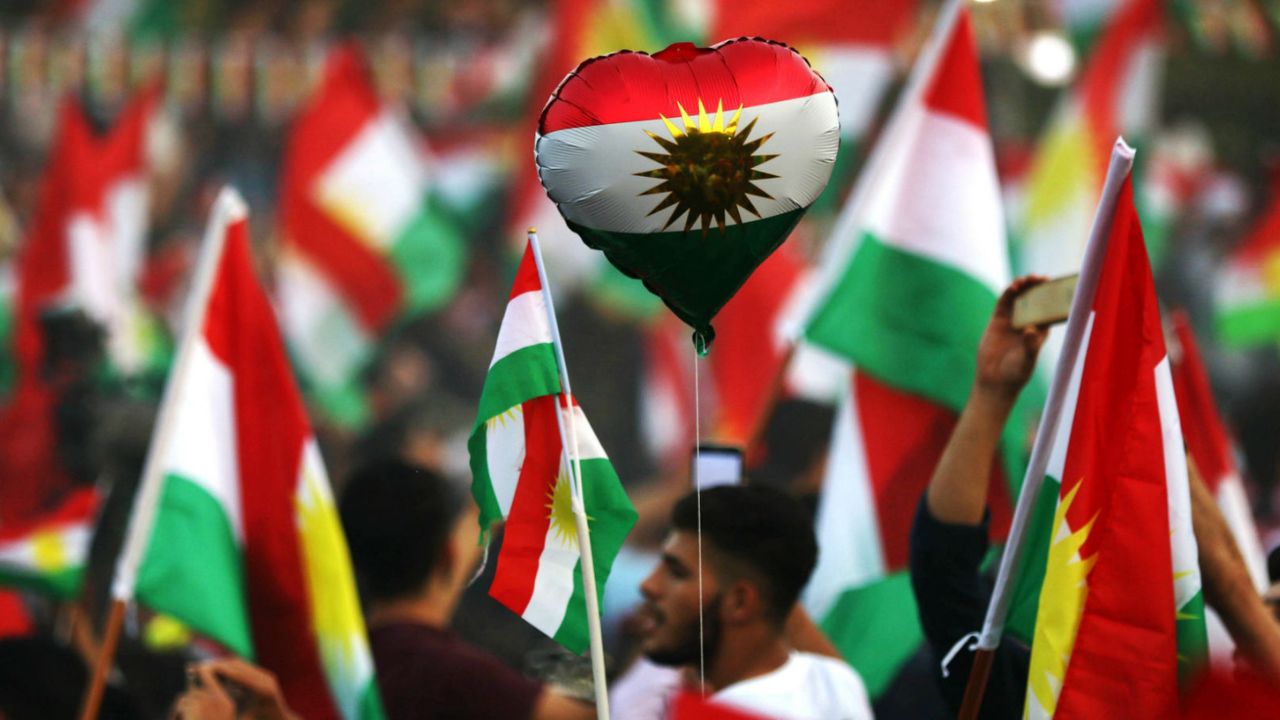
    Iraq’s highest court on Tuesday temporarily suspended preparations for June 10 parliamentary elections in the autonomous northern Kurdistan region, a source of tension between the two main Kurdish parties.

    The Federal Supreme Court suspended procedures related to “the registration of lists of candidates”, while it decides on another case linked to legislative elections in Kurdistan, a statement on the court’s website said.

    Kurdistan’s prime minister, Masrour Barzani, had filed an appeal to the supreme court arguing the “unconstitutionality” of the division of electoral constituencies planned for the vote.

    While awaiting a verdict, Barzani requested “a halt and suspension of the procedures of the electoral commission”.

    “The proceedings are suspended from today until the verdict,” an electoral commission source told AFP, speaking on condition of anonymity.

    The suspension comes amid a long-running conflict between the region’s two historic parties, the Kurdistan Democratic Party (KDP) and the Patriotic Union of Kurdistan (PUK).

    The court issued a ruling in February to reduce the number of seats in the Kurdish parliament from 111 to 100, effectively eliminating a quota reserved for Turkmen, Armenian and Christian minorities.

    In response, Barzani’s KDP said it would boycott legislative polls and did not register candidates.

    Since then the KDP pushed for postponement of the June 10 elections, which had initially been scheduled for October 2022, but were pushed back several times.

    The PUK has opposed any delay in holding the elections.

    Tuesday’s verdict comes as Kurdistan’s president, Nechirvan Barzani, is visiting Iranian leaders in Tehran, after meeting senior politicians in Baghdad.

    The KDP is the largest party in the outgoing parliament, with 45 seats against 21 for the PUK.

    The Kurdistan region has been autonomous since 1991, and presents itself as an oasis of stability favourable to foreign investment in Iraq.

    However, activists and opposition figures denounce what they say is corruption, repression of dissident voices and arbitrary arrests in the region.