Tag: NEPRA

  • NEPRA greenlights Rs1.52 per unit hike in power tariff for Karachi residents

    The National Electric Power Regulatory Authority (NEPRA) has granted approval for an increase in the electricity tariff by Rs1.52 per unit for consumers of K-Electric.

    In accordance with the directive from the Economic Coordination Committee (ECC) in June 2023, NEPRA has issued a notification officially declaring a rise of Rs1.52 per unit in electricity charges, according to a press release.

    These adjustments will be reflected in the monthly electricity bills spanning from December 2023 to November 2024.

    A spokesperson for K-Electric clarified that NEPRA’s notification aligns with a previous ECC decision related to charges from the preceding tenure.

    In a statement, the spokesperson mentioned, “The prolonged duration in finalising KE’s tariff has contributed to the current circumstances, resulting in lower charges from Karachi compared to other regions in the country. Operating within the regulated framework of Pakistan’s power sector, KE, like other DISCOS, adheres to decisions made by the government of Pakistan and NEPRA concerning power tariffs.”

    It is noteworthy that lifeline consumers are exempted from the recent increase in charges, providing relief to this specific consumer group, the statement added.

    In a previous development this month, the Economic Coordination Committee (ECC) made a decision regarding the uniform quarterly tariff adjustments for K-Electric consumers, approving a hike of Rs1.72 per unit.

    The decision entails that the tariff rationalization guidelines previously issued to the National Electric Power Regulatory Authority (NEPRA) shall be applicable to the consumption of July, August, and September 2023, to be recovered from K-Electric consumers in December 2023, January 2024, and February 2024, respectively.

    Subsequent to this decision, the electricity tariff for K-Electric consumers will experience an increase of Rs1.72 per unit.

    Sources indicate that there will be a hike of Rs1.25 per unit in terms of quarterly adjustment from January to March 2023, while Rs0.47 per unit will be increased in terms of quarterly adjustment from October to December 2023.

    These measures are taken to ensure uniform electricity tariffs across the country, as per sources familiar with the matter.
  • NEPRA announces increase in electricity tariff, impacting November bills 

    NEPRA announces increase in electricity tariff, impacting November bills 

    In yet another unsettling development for power consumers already burdened by rising costs, the National Electric Power Regulatory Authority (NEPRA) has announced an increase of Rs0.40 per unit in the electricity tariff.  

    This adjustment, approved by NEPRA in response to the monthly fuel adjustment for September, will result in higher charges on November bills for electricity consumers. 

    It’s important to note that this tariff hike will affect all consumer categories, except for those classified as lifeline consumers and K-Electric users.  

    In October, NEPRA had previously approved a separate increase of Rs1.71 per unit in the electricity tariff, which was attributed to fuel adjustment charges (FAC) for the month of August. This increase was reflected in the bills for October. 

    Additionally, on October 3rd, NEPRA sanctioned a per-unit price increase of Rs 3.28 as part of the quarterly adjustment.  

    This adjustment will entail a recovery of Rs3.28 per kilowatt-hour (kWh) from various consumer categories within power distribution companies (DISCOs) and K-Electric over a six-month period, spanning from October 2023 to March 2024. 

  • Electricity tariff for K-Electric consumers increased by Rs4.45 per unit 

    Electricity tariff for K-Electric consumers increased by Rs4.45 per unit 

     
    Residents of Karachi are set to see an increase in their electricity bills, as the National Electric Power Regulatory Authority (Nepra) has recently decided to raise the power tariff by Rs4.45 per unit for consumers of K-Electric (KE).  

    The decision to elevate electricity rates, as outlined in a notification from the Power Division, was made during the initial quarterly adjustment of the preceding fiscal year. 

    Moreover, additional charges from KE consumers will be applied to their October and November 2023 bills, as specified in the notification. 

    Simultaneously, in response to a request from KE, Nepra has granted approval for the inclusion of actual or prudent expenses associated with the temporary operation of Unit-3 of Bin Qasim Power Station (BQPS-I) from May 1 to August 15, 2021, in the cost calculations. 

    Consequently, prior determinations made by the Authority on September 15, 2021, and May 12, 2022, concerning this matter have been adjusted to accommodate this modification. 

    “In view of the foregoing, the Authority hereby decides to accede to the request of KEL [K-Electric Limited] and allows the actual/prudent cost relating to the interim operation of Unit-3 of BQPS-I (from May 1, 2021, to August 15, 2021). Accordingly, the earlier decisions of the Authority (dated September 15, 2021, and May 12, 2022) in this regard stand modified to this extent,” stated the power regulator. 

    However, a member of the authority, Mathar Niaz Rana, expressed in an additional note that under the Multi-Year Tariff (MYT) plan, KE was obligated to have both phases of BQPS-III operational by December 2019, a deadline they failed to meet. 

    Consequently, they resorted to utilising Unit 3 of BQPS-I, resulting in additional fuel expenses. The cost stemming from this inefficiency should not be passed on to consumers. 

    Nepra conducted a public hearing on January 25, 2023, during which KE was given an opportunity to present its case. 

    According to The News, in the hearing, the utility company asserted that they chose to temporarily utilise Unit-3 of BQPS-1 to meet Karachi’s peak summer demand instead of resorting to more costly power generation methods or implementing power outages, all in the best interest of consumers, as per Nepra Act Sections 31(2) and 32(3). 

  • Power company in Punjab wants to set power price at record-breaking high of Rs77.3 per unit

    Power company in Punjab wants to set power price at record-breaking high of Rs77.3 per unit

    In a noteworthy development that has captured significant attention and ignited considerable debate, the Kot Addu Power Company (KAPCO) has formally submitted an application to the National Electric Power Regulatory Authority (NEPRA) for the endorsement of what could potentially become the nation’s most costly electricity generation tariff. 

    This significant step has unfolded against the backdrop of ongoing deliberations concerning the escalating expenses associated with electricity production within Pakistan. 

    The Kot Addu Power Company has put forth a bold proposition, aiming to establish the electricity tariff at an unprecedented Rs77.31 per unit, attributing the primary rationale for this request to substantial hikes in production costs. 

    Notably, the present initial tariff offered by the independent power producer (IPP) company stands at a modest twenty-eight rupees per unit, underscoring the magnitude of the escalation should their proposal garner approval. 

    Adding a layer of complexity to this unfolding narrative, IPP Kot Addu Power, the entity responsible for electricity generation, has been granted a sixteen-month extension during the tenure of the Pakistan Tehreek-e-Insaf (PTI) administration.  

    However, this extension has not been without its share of controversy, with the Senate Power Committee recently deeming it unlawful, further intensifying the discourse surrounding this matter. 

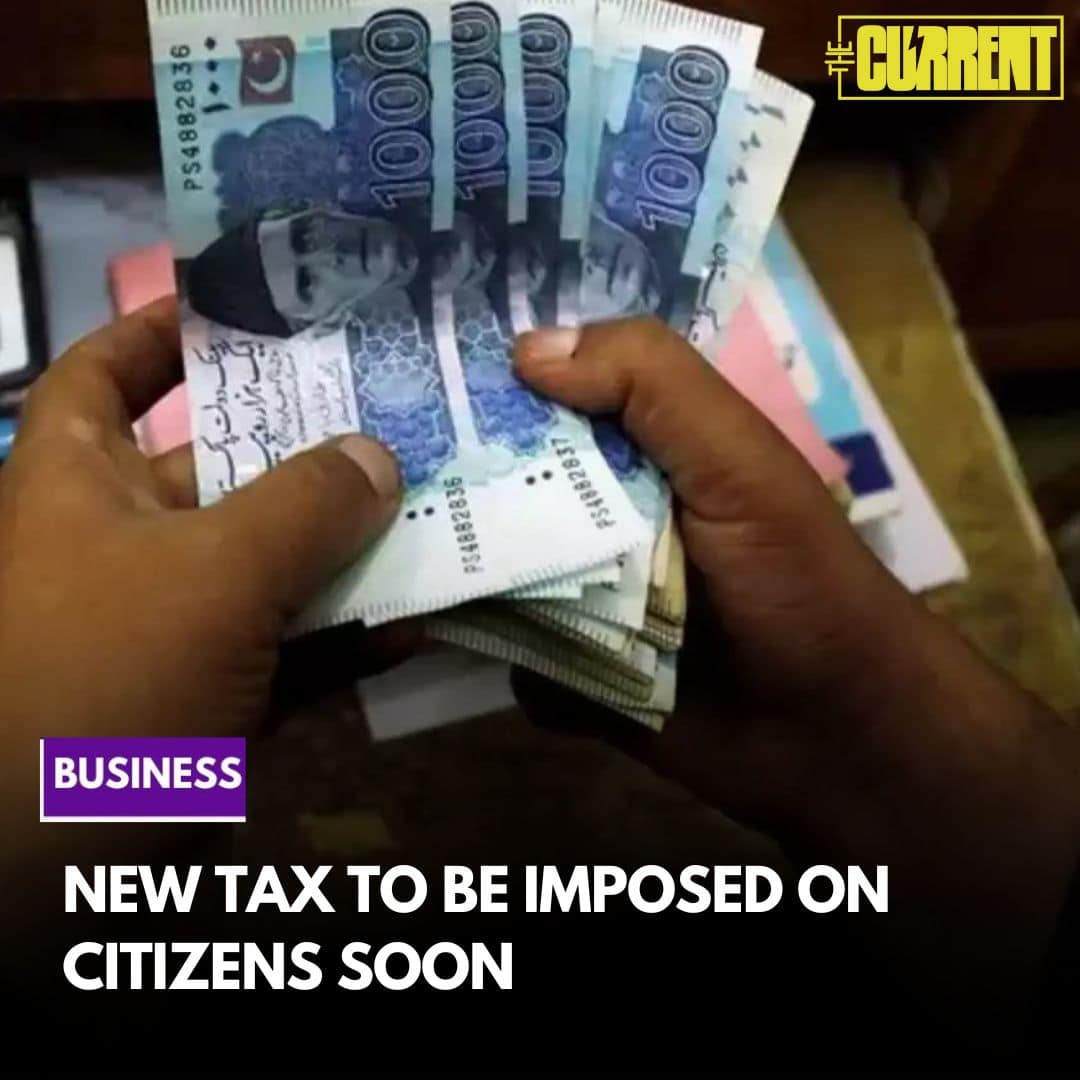
  • New tax to be imposed on citizens soon

    New tax to be imposed on citizens soon

    The local government has unveiled a new tax that has drawn mixed reactions from citizens. 

    This latest tax, to be imposed in lieu of garbage collection, will be collected from households, shops, petrol pumps, and industrial units on a monthly basis.

    Starting from October, Multan and its neighboring areas will see this sanitation tax in effect. The tax rates are set at Rs50 for houses, Rs200 for shops, Rs1,000 for petrol pumps, and Rs2,000 for industrial unit owners on a monthly basis. 

    The government anticipates an annual revenue boost of approximately Rs4.28 billion through this tax initiative. However, the move has not been met with unanimous approval among citizens, many of whom have criticised it. 

    Meanwhile, amid ongoing discussions concerning the surging costs of electricity production in Pakistan, the Kot Addu Power Company has submitted an application to the National Electric Power Regulatory Authority (Nepra), seeking approval for what could potentially become the country’s most expensive electricity generation tariff.

    The proposal suggests an electricity tariff of Rs77.31 per unit, a significant increase from the current rate of twenty-eight rupees per unit. The power company attributes this substantial hike to rising production costs.

    Notably, the Kot Addu Power Company recently secured a sixteen-month extension during the Pakistan Tehreek-e-Insaf (PTI) administration. However, this extension has not escaped controversy, as the Senate Power Committee has declared it illegal, further fueling the debate over electricity tariffs in the country.

  • NEPRA recommends electricity rate increase of Rs3.28 per unit

    NEPRA recommends electricity rate increase of Rs3.28 per unit

    The National Electric Power Regulatory Authority (NEPRA) has officially proposed to the government an increase in the electricity tariff of Rs3.28 per unit, citing the need for a quarterly adjustment.

    In this proposal, NEPRA is looking to impose an additional financial burden of approximately Rs160 billion on consumers of electricity. According to ARY News, this recommendation has been conveyed to the caretaker federal government through an official summary, outlining the suggested increment of Rs3.28 in electricity rates as part of the fourth-quarter adjustment for the fiscal year 2022–23. 

    The proposed increase, subject to approval by the federal government, would also apply to K-Electric consumers. As a result of this adjustment, power consumers would be required to make additional payments over the next six months, spanning from October 2023 to March 2024. 

    It is worth noting that the proposed surge in power tariffs has incited protests throughout the country, with citizens expressing their displeasure over the considerable rise in electricity costs and the imposition of excessive taxes on electricity bills. In some instances, individuals infuriated by inflated bills have resorted to burning them as a form of protest, while certain political factions have threatened to stage sit-in demonstrations outside K-Electric offices. 

    This unrest surrounding the increased electricity tariffs coincides with Pakistan’s ongoing economic struggles, characterised by financial constraints and an inflation rate hovering around 29 per cent. 

    Furthermore, it is important to highlight that the International Monetary Fund (IMF) has reportedly discouraged Pakistan from offering relief to consumers using over 200 units of electricity on a monthly basis. According to sources, the IMF argued that reducing electricity bills for such consumers would not address the issue of circular debt. 

    Consequently, relief in the form of deferred payments for electricity bills will be exclusively extended to consumers who consistently utilise less than 200 units for six consecutive months. This relief would be rescinded if a consumer’s bill exceeded 200 units within the same timeframe, as per the sources. 

    Caretaker Federal Minister for Energy, Power, and Petroleum, Muhammad Ali, has also announced that the revised electricity tariff will be introduced before October 31. During a press conference held alongside Sindh Governor Kamran Tessori, Minister Ali emphasised the government’s commitment to combating electricity and gas theft through indiscriminate measures. 

    He added that efforts are being made to regulate and potentially lower electricity tariffs, with a goal to supply cost-effective electricity to industries starting on October 31. Muhammad Ali attributed the surge in electricity bills to electricity theft and the increased price of the US dollar. 

    While acknowledging the challenges of amending previous agreements, the minister pledged that the government would explore solutions within the framework of existing arrangements. He also expressed the government’s commitment to promoting solar energy despite the lack of reductions in solar equipment prices, outlining plans to devise a strategy for the promotion of solarization. 

  • Nepra approves Rs1.46 per unit fuel charge adjustment

    Nepra approves Rs1.46 per unit fuel charge adjustment

    In the midst of widespread protests over surging electricity bills in Pakistan, the National Electric Power Regulatory Authority (Nepra) has taken a significant step.

    They have given the green light for power distribution companies to impose an additional charge of Rs1.46 per unit on consumers in the form of a fuel charge adjustment (FCA) for the month of July.

    This decision, rooted in the Regulation of Generation, Transmission, and Distribution of Electric Power Act of 1997, comes as an attempt to address financial challenges in the power sector.

    The FCA, however, excludes electric vehicle charging stations (EVCS) and lifeline consumers. This means that this adjustment will be itemised separately on consumers’ bills based on their electricity usage in July 2023. The billing for this adjustment is scheduled for September 2023.

    The background to this move involves costly imported coal inventory held by coal-based power plants, particularly the Sahiwal coal power plant, and limitations in the power transmission system. The latter includes issues such as the HVDC transmission line’s inability to efficiently transport cost-effective power from southern generators. These factors have placed a considerable financial burden on power consumers.

    This tariff increase compounds the woes of consumers, who are already grappling with record inflation, high fuel prices, and elevated electricity rates. As a result, consumers are expected to bear a cumulative burden of Rs24.76 billion in their September 2023 bills due to over 14 billion units sold in July.

    In response to public protests and growing dissatisfaction, the interim government, led by Prime Minister Anwaar-ul-Haq Kakar, has sought assistance from the International Monetary Fund (IMF) to provide immediate relief to electricity consumers.

    According to Geo News, Pakistan is under an IMF programme, making any relief or subsidy contingent upon IMF approval. Negotiations between the government and the IMF have been intense, resulting in some relief for consumers using up to 200 units, allowing them to pay electricity bills in installments.

    However, the IMF rejected the government’s plan to provide relief to those consuming up to 400 units of electricity per month, which could have benefited 32 million consumers. Instead, the IMF stressed the need to address electricity and gas theft and improve revenue collection.

    Furthermore, the IMF has proposed a 45 to 50 per cent increase in gas tariffs starting July 1, pending approval by the federal cabinet. These developments reflect a challenging situation in Pakistan’s energy sector as the government grapples with the need for reform amid rising consumer discontent.

  • NEPRA approves Rs5.40 per unit power tariff increase for quarterly adjustment

    NEPRA approves Rs5.40 per unit power tariff increase for quarterly adjustment

    The National Electric Power Regulatory Authority (NEPRA) has given its approval for a quarterly adjustment, resulting in an increase of Rs5.40 per unit in the power tariff.

    This adjustment comes as NEPRA recognises the limitations of the current structure of electricity distribution companies in providing relief to consumers. However, it’s important to note that this revised tariff won’t apply to Lifeline and K-Electric consumers.

    According to Samaa, NEPRA’s decision to revise the tariff comes after a thorough review of requests from distribution companies to raise the tariff by Rs5 per unit for the fourth quarter of the fiscal year 2022–23. Among these requests, FESCO, GEPCO, HESCO, and IESCO sought increases of Rs23.49 billion, Rs16.13 billion, Rs9 billion, and Rs9 billion, respectively.

    Additionally, LESCO requested a substantial increment exceeding Rs31 billion, while MEPCO, PESCO, QESCO, SEPCO, and TESCO collectively proposed tariff hikes totaling Rs27 billion, Rs9 billion, Rs7 billion, Rs5 billion, and Rs4 billion.

    Consumers should be aware that this tariff adjustment will be gradually recovered during September, October, and November, resulting in an added financial burden of Rs5.40 per unit.

    Distribution companies, in their submissions, highlighted revenue challenges stemming from decreased industrial demand. Particularly, LESCO faced a deficit of three billion units of electricity due to climate-related issues and industrial shutdowns. Both LESCO and HESCO faced higher capacity charges due to industry closures and reduced demand.

    Presently, there’s a backlog of approximately 350,000 pending connections with distribution companies. To recover revenue and address declining demand, the Central Power Purchasing Agency imposed surcharges amounting to Rs7.91.

  • Nepra approves Rs2.31 per unit tariff increase for K-Electric consumers

    The National Electric Power Regulatory Authority (Nepra) has approved a tariff increase of Rs2.31 per unit for K-Electric (KE) consumers due to June 2023’s monthly fuel charges adjustment. This is slightly below KE’s requested Rs2.34 per unit hike. The new tariff takes effect in August and excludes lifeline consumers and electric vehicle charging stations.

    A public hearing on July 26, 2023, discussed KE’s proposal to address higher fuel costs for electricity generation in June. KE generated electricity at Rs24.90 per unit internally, while government-supplied electricity cost Rs11.56 per unit during that period. Nepra’s analysis resulted in an upward revision of Rs2.31 per unit for June, compared to KE’s requested increase.

    Conversely, Nepra raised the power tariff by Rs1.81 per unit for ex-Wapda distribution companies (DISCOs) in June’s fuel charges adjustment, slightly less than the hike for KE consumers. The Central Power Purchasing Agency-Guarantee (CPPA-G) requested a tariff increase of Rs1.88 per unit on behalf of DISCOs.

    This tariff adjustment, effective in August, applies to all DISCOs customers except lifeline consumers and electric vehicle charging stations. It follows a public hearing held by Nepra on July 26. Earlier, DISCOs customers paid Rs1.90 per unit under May 2023’s fuel charges adjustment, making the new rate Rs0.09 per unit lower.

    While the tariff increase has raised concerns among consumers, it has also spotlighted the delay in approving renewable energy projects. During KE’s petition hearing, an industrial consumer, Rehan Javed, highlighted pending Requests for Proposals (RFPs) with Nepra, which could expedite affordable electricity production through renewables, benefiting Karachi’s businesses.

    Nepra member Rafique Ahmed Shaikh expressed disappointment in KE’s slow progress in embracing renewable energy. Delayed approval of RFPs has hindered renewable energy initiatives.

    The Ministry of Energy’s bid to raise the base tariff for the new fiscal year, potentially leading to record-high prices, underscores the urgency of integrating renewable energy into the national energy mix.

  • Load shedding and unbearable hike in electricity prices hit Pakistani homes and businesses

    Load shedding and unbearable hike in electricity prices hit Pakistani homes and businesses

    Pakistan is facing an ongoing and unbearable increase in electricity tariffs, causing hardships for the majority of the population. The government justifies these price hikes by claiming they are under pressure from the International Monetary Fund (IMF) to generate more revenue. However, the tariff increase is mainly due to fuel price adjustments and high taxes imposed by the government.

    Consumers, especially low- to middle-class households, are struggling to pay their electricity bills, which have more than doubled. The rise in fuel price adjustments and government taxes further exacerbates the burden on consumers. The government’s commitment to the IMF to implement a fifty per cent increase in the base tariff from July to October contributes to the escalating bills.

    Unfortunately, the increase in electricity prices is expected to continue, and there is no progress in essential power sector reforms to reduce system losses, corruption, power theft, and reliance on imported fuels. As a result, the National Electric Power Regulatory Authority (NEPRA) has raised the average tariff to ensure funds for loss-making power distribution companies, putting additional financial strain on consumers.

    The government claims that the tariff increase is necessary to meet the IMF’s requirements and support energy sector viability. However, the business community also suffers, fearing a loss of competitiveness and increased costs. Industries have cut down production due to high energy prices and inflation, affecting economic growth and job creation.

    Many argue that successive governments have failed to implement essential structural reforms, leading to Pakistan’s economic predicament. The solution proposed by economists involves fixing the energy sector’s deep-rooted issues, taxing sectors adequately, and implementing a credible privatization plan to reduce pressure on the budget.

    In conclusion, Pakistan’s never-ending increase in electricity tariffs has become a major burden for the population, and without significant reforms, the situation is unlikely to improve. The government’s need to meet IMF requirements clashes with the urgency of boosting industrial activity and economic growth, leaving the country in a challenging economic predicament.