Tag: Russia

  • Pakistan may be ‘one of the most dangerous nations in the world’, says US President

    Pakistan may be ‘one of the most dangerous nations in the world’, says US President

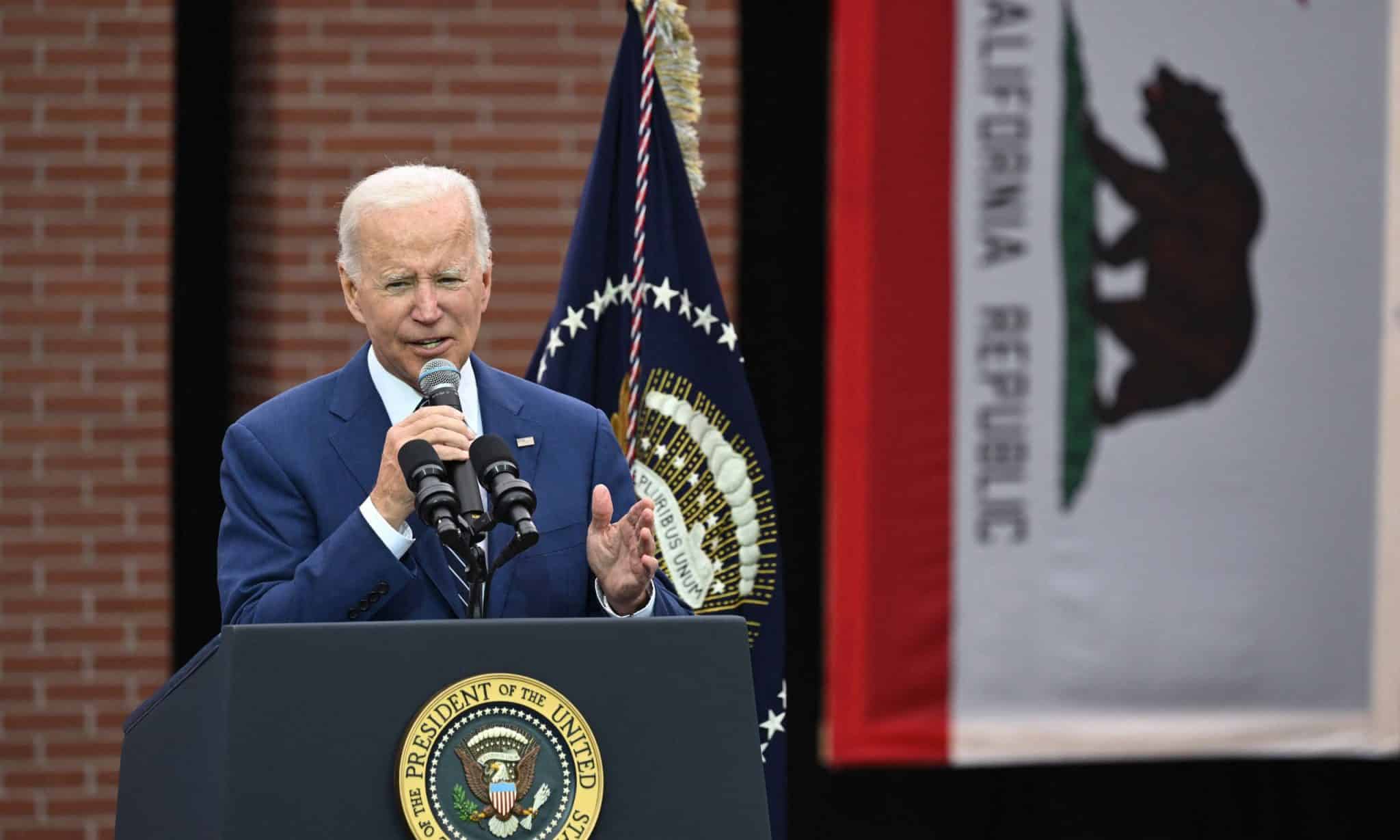
    President of the United States of America (USA), Joe Biden, has said that Pakistan may be “one of the most dangerous nations in the world” as the country has “nuclear weapons without any cohesion”.

    The remark came during the US president’s address at a democratic congressional campaign committee reception.

    What did the US President say?

    “Did anybody think we’d be in a situation where China is trying to figure out its role relative to Russia and relative to India and relative to Pakistan,” the American President asked during his speech at the reception.

    Talking about his Chinese counterpart Xi Jinping, the US president termed him as a man who knew what he wanted but had an “enormous” array of problems.

    “How do we handle that? How do we handle that relative to what’s going on in Russia? And what I think is maybe one of the most dangerous nations in the world: Pakistan. Nuclear weapons without any cohesion,” Biden said, adding that despite a lot going on, the US has a hunk of opportunities to change the dynamic in the second quarter of the 21st century.

    Reactions to the US President’s statement:

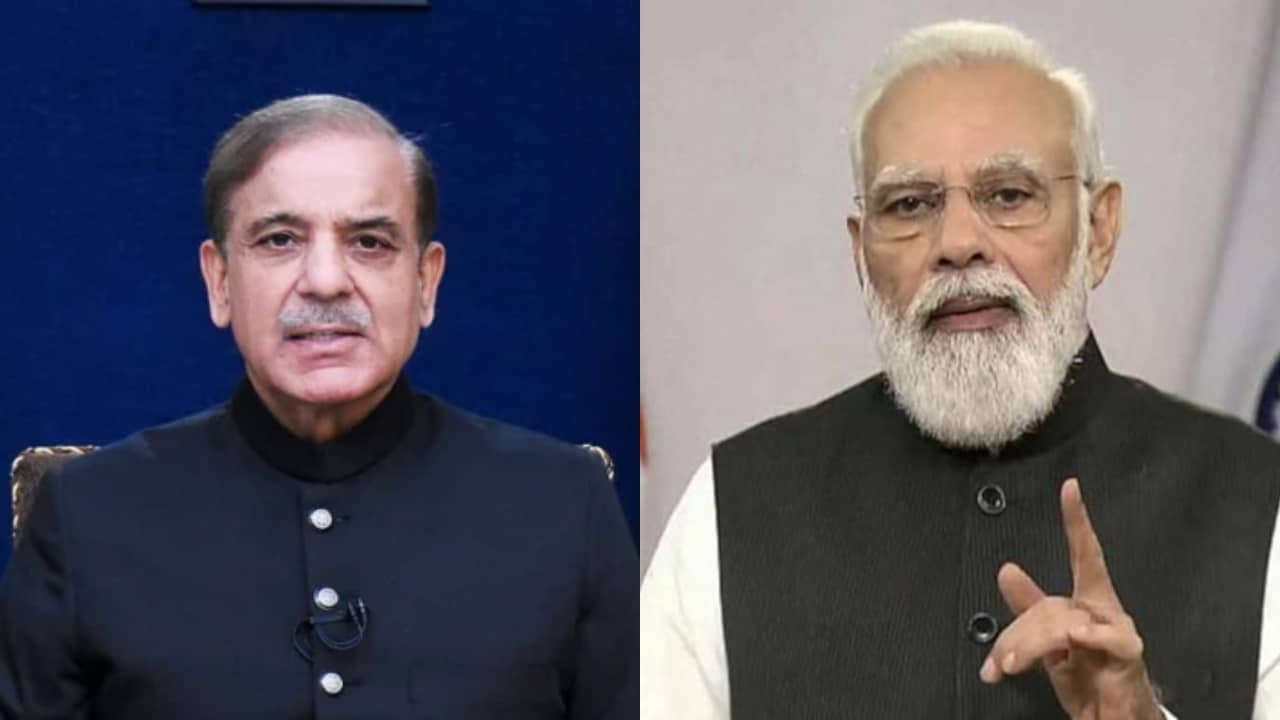
    Prime Minister (PM) Shehbaz Sharif reacting to US President’s statement said that Pakistan rejects the remarks reportedly made by the US President, which are factually incorrect and misleading.

    “Over the past decades, Pakistan has proven to be a most responsible nuclear state, wherein its nuclear programme is managed through a technically sound and foolproof command and control system,” read an official statement from the prime minister’s office.

    “The real threat to international peace and security is posed by ultra-nationalism, violation of human rights in regions that are struggling against illegal occupation, violation of global norms by some states, repeated nuclear security incidents, and arms race among leading nuclear weapon states and introduction of new security constructs that disturb the regional balance.”

    “Pakistan and the US have a long history of a friendly and mutually beneficial relationship. At a time, when the world is confronted by huge global challenges, it is critically important that genuine and durable efforts are made to recognize the real potential of the Pakistan-US relationship while avoiding unnecessary comments. It is our sincere desire to cooperate with the US to promote regional peace and security.”

    “Let no one have any doubts. Pakistan is a responsible nuclear state and we are proud that our nuclear assets have the best safeguards as per IAEA requirements,” tweeted the premier.

    “We take these safety measures with the utmost seriousness,” said the prime minister.

    Pakistan Muslim League-Nawaz (PML-N) supreme leader Nawaz Sharif said that Pakistan is a responsible nuclear state that is perfectly capable of safeguarding its national interest whilst respecting international law and practices.

    “Our nuclear program is in no way a threat to any country,” he said on Twitter. “Like all independent states, Pakistan reserves the right to protect its autonomy, sovereign statehood, and territorial integrity.”

    Pakistan Tehreek-e-Insaf (PTI) Chairman Imran Khan said he had two questions regarding the US president’s statement. “On what info has Biden reached this unwarranted conclusion on our nuclear capability when, having been PM, I know we have one of the most secure nuclear command & control systems?

    “Unlike the US which has been involved in wars across the world, when has Pakistan shown aggression esp post-nuclearisation,” he asked.

    Khan claimed that Biden’s statement showed the “total failure of the imported government’s foreign policy and its claims of a reset of relations with the US”.

    “Is this the ‘reset’? This government has broken all records for incompetence,” Imran tweeted, adding that he feared the incumbent government would end up compromising national security.

    The ruling PML-N has held PTI responsible for Biden’s statement, saying, the lobbying firm hired by the Imran Khan-led party is doing what it was paid to do.

    “Make no mistake about it, this is a direct attack on the national security of Pakistan.”

    Minister for Power Khurram Dastgir Khan — a senior member of Prime Minister Shehbaz Sharif’s cabinet — has termed the US president’s statement about Pakistan’s nuclear programme “baseless”.

    While answering a question about President Joe Biden’s comments regarding Pakistan during a press conference today, the former defence minister said, “Pakistan’s nuclear command and control system is absolutely safe which has been confirmed by international organisations many times”.

    He said that the US president’s doubts about Pakistan’s nukes are “completely wrong and the statement is baseless”.

    Meanwhile, ex-minister Fawad Chaudhry demanded that Biden should immediately retract his statement, asserting that Pakistan’s leadership may be weak but its people were not.
  • Putin grants Russian citizenship to Edward Snowden, who disclosed top secret US surveillance

    Putin grants Russian citizenship to Edward Snowden, who disclosed top secret US surveillance

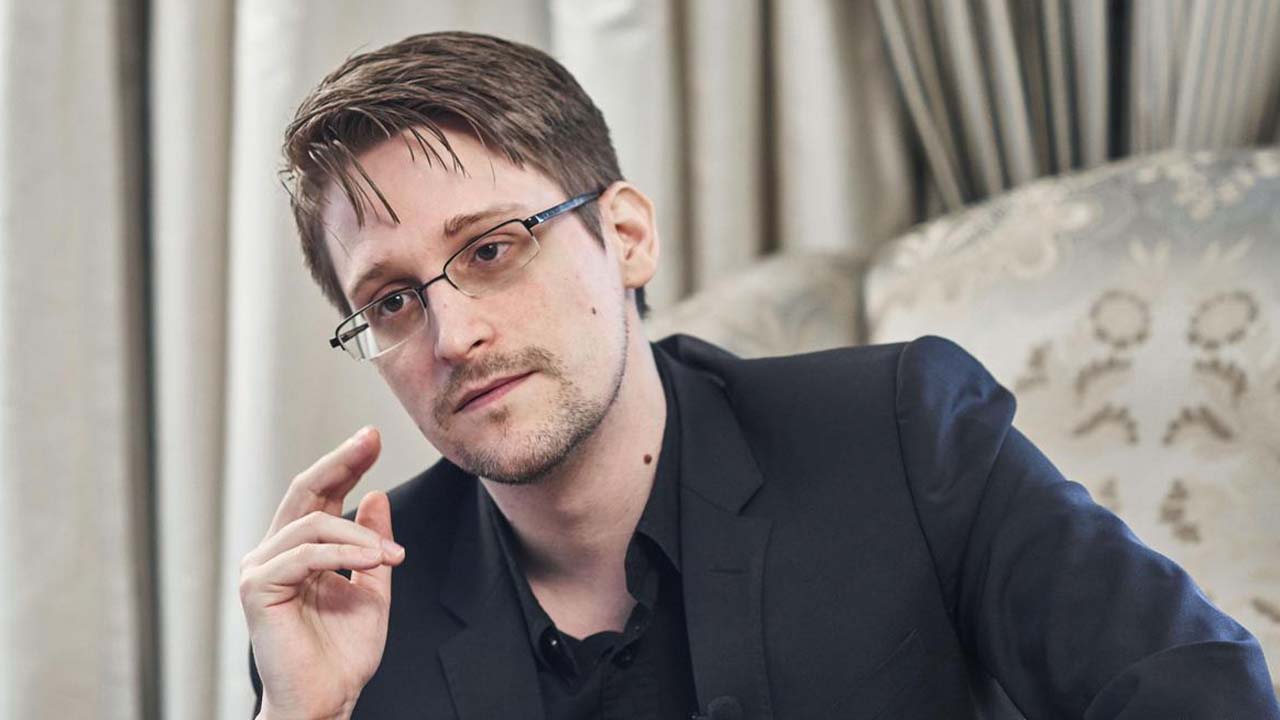
    Edward Snowden, a former security expert who exposed top-secret American surveillance programmes and is still wanted by Washington on espionage charges, was granted citizenship by Russian President Vladimir Putin on Monday.

    In order to avoid punishment, Snowden, who considers himself a whistleblower, left the United States and has been residing in Russia since that country gave him refuge in 2013.

    In a decree that Putin signed, Snowden, 39, was one of 72 foreigners who received citizenship.

    His attorneys stated at the time that he was filing for a Russian passport without renunciating his American citizenship when he was given permanent status in 2020.

    The state-run news agency RIA Novosti was informed on Monday by Snowden’s attorney, Anatoly Kucherena, that Snowden’s wife, Lindsay Mills, is also in the process of seeking for Russian citizenship. In 2014, Mills accompanied Snowden to Moscow. In 2017, they got married, and now they have a son together.

    Additionally, Kucherena stated that because of Snowden’s lack of combat experience, he would not be subject to the partial military mobilisation that Putin ordered last week to support Russia’s waning war in Ukraine. Putin claimed that only individuals with prior experience would be called up for partial mobilisation, but there have been several stories of other people receiving summonses, including those detained during anti-mobilization protests.

    According to CNN, White House press secretary Karine Jean-Pierre refused to comment on Snowden’s new passport, and instead referred questions to the prosecutors seeking his extradition. “Soc, since I believe there have been criminal charges brought against him, we would point you to the Department of Justice for any specifics on this,” Jean-Pierre said.

    Snowden’s revelations were the largest security breach in American history as it exposed the top-secret NSA programme PRISM’s use of surveillance and the collection of a wide spectrum of digital data.

    Putin stated in a documentary directed by American Oliver Stone in 2017 that he did not view Snowden as a “traitor” for disclosing official information.

    “As an ex-KGB agent, you must have hated what Snowden did with every fiber of your being,” Stone says in the clip.

    “Snowden is not a traitor,” Putin said. “He did not betray the interests of his country. Nor did he transfer any information to any other country which would have been pernicious to his own country or to his own people. The only thing Snowden does, he does publicly.”

    Snowden justified his decision to submit a dual citizenship application in 2020.

    “After years of separation from our parents, my wife and I have no desire to be separated from our son. That’s why, in this era of pandemics and closed borders, we’re applying for dual US-Russian citizenship,” Snowden wrote on Twitter at the time.

    “Lindsay and I will remain Americans, raising our son with all the values of America we love — including the freedom to speak his mind. And I look forward to the day I can return to the States, so the whole family can be reunited,” Snowden added.

  • Loadshedding in Paris? Symbol of love Eiffel tower will go dark early every night

    Loadshedding in Paris? Symbol of love Eiffel tower will go dark early every night

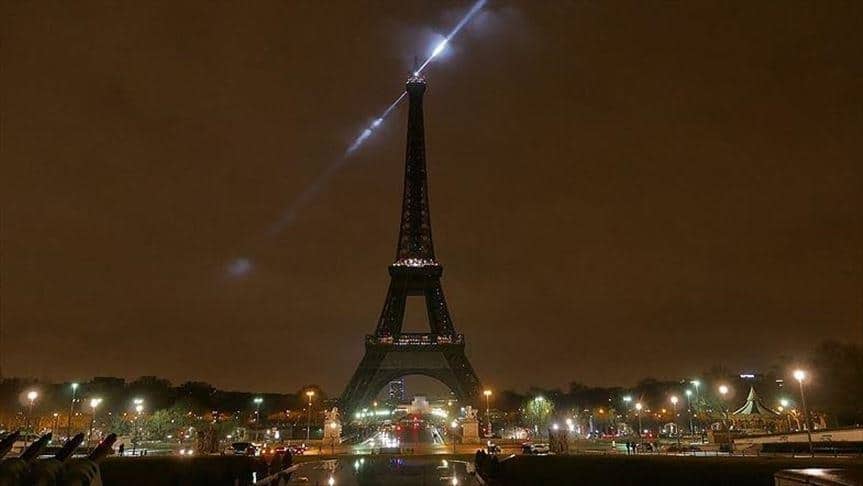
    One of the best-known and most imitated monuments in the world— the Eiffel Tower— will shut down its lights earlier than usual due to the ongoing energy crisis in Europe.

    The decision was announced by Paris Mayor Anne Hidalgo. The government’s plan includes aiming to save 10 per cent of Paris’ energy consumption during winters. Not just the famed tower but all of the city’s municipal buildings will turn off their lights starting at 10pm. However, public lighting will remain switched on in the city for the safety of its citizens.

    The earlier shutting off of the Eiffel Tower lights will begin on September 21. All lights will be switched off at 11:45pm when visiting time has ended.

    It is pertinent to mention that the tower makes up about 4 per cent of the monument’s annual energy expenses.

    Earlier, it was usually illuminated in golden hues within less than 10 minutes of nightfall and has an hourly 5-minute show of dazzling sparkles until 1am.

    Other actions in the mayor’s plan include lowering temperatures in public buildings, reducing water temperature in swimming pools, and axing hot water in administrative buildings and some public buildings.

    Europe’s energy crisis is one of the many setbacks of Russia’s ongoing invasion of Ukraine. When the war broke out in Ukraine, European nations overwhelmingly supported the young country in its defense against Russian forces. But, historical reliance on Russian energy exports has left the continent reeling under rising energy costs.

  • Indian PM Modi to attend regional summit along with PM Shehbaz

    Indian PM Modi to attend regional summit along with PM Shehbaz

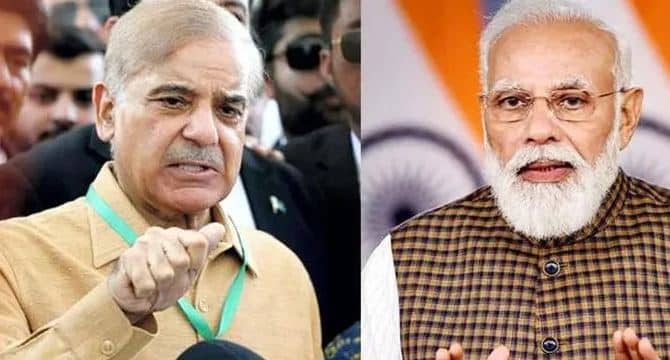
    Indian Prime Minister (PM) Narendra Modi and Pakistani Premier Shehbaz Sharif will take part in Shanghai Cooperation Organisation (SCO) summit which is due to take place on September 15 and 16 in Samarkand, Uzbekistan.

    New Delhi has not yet specified whether Modi would hold bilateral talks with his Pakistani counterpart, Russian President Vladimir Putin or Chinese President Xi Jinping.

    Earlier, in the SCO foreign ministers’ meeting, all of the ministers reiterated that the heads of SCO states would attend the summit.

    Foreign Minister (FM) Bilawal Bhutto, who had attended the meeting in Tashkent, said that a bilateral meeting between the Pakistani and Indian leaders is not scheduled.

    “There are no plans of any meetings between Indian and Pakistani prime ministers in September”, Bilawal revealed, adding that both India and Pakistan are part of the SCO and the two countries are only engaged in the context of the broad-based activities of the organisation.

    The foreign minister had said: “India is our neighbouring country. While one can decide on a lot of things, one cannot choose its neighbours, therefore, we should get used to living with them.”

    Other than this, it has been reported that Russian Putin and Chinese Xi would meet at the summit. China has refused to condemn Moscow’s invasion of Ukraine and has ramped up purchases of Russian oil.

  • ‘Everyone was fleeing the site’: At least six people killed in Kabul bombing

    ‘Everyone was fleeing the site’: At least six people killed in Kabul bombing

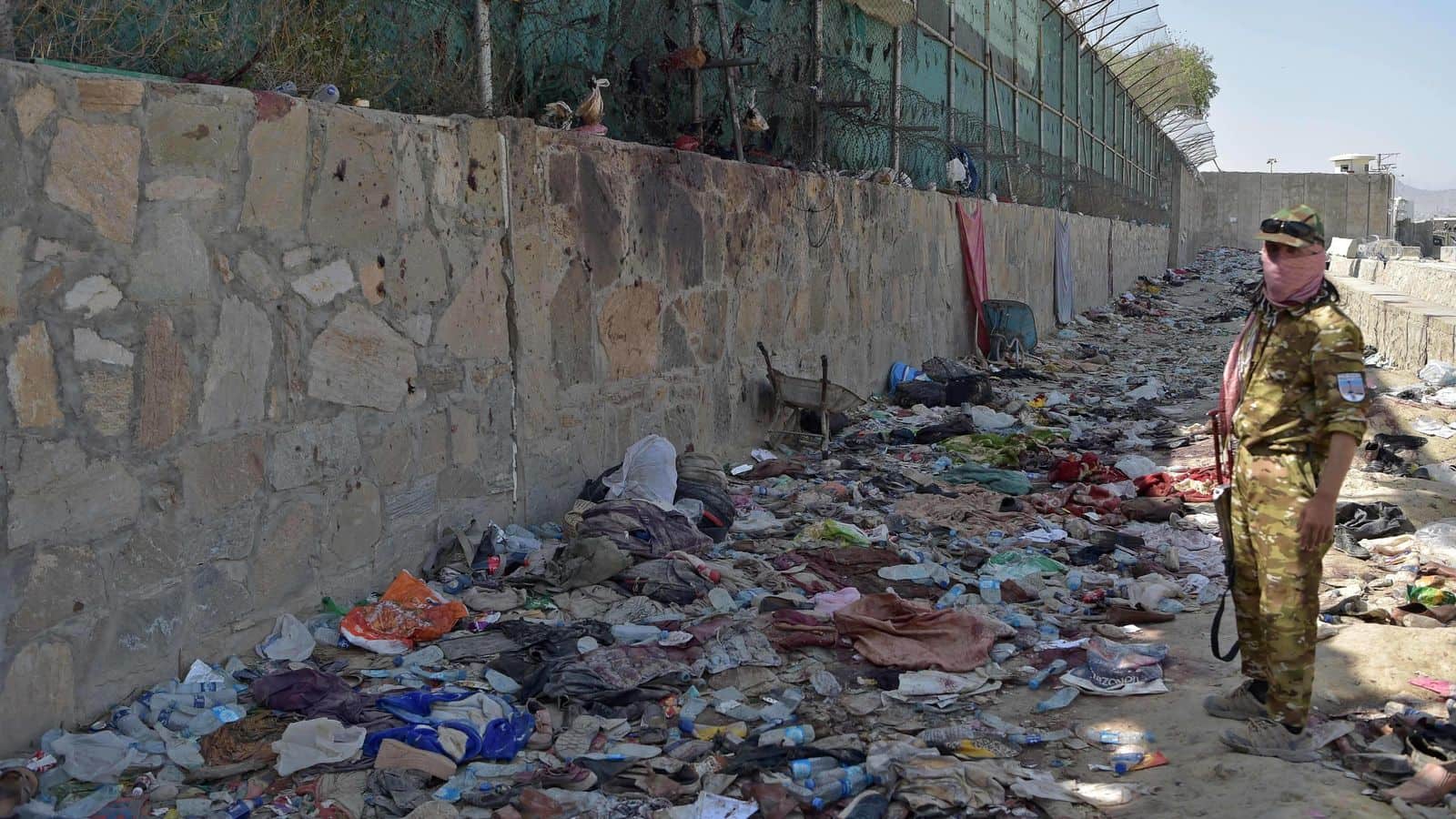
    The Russian Foreign Ministry and Afghan officials have confirmed that two Russian embassy staff members were among six people who were killed in a suicide bombing near the entrance of the Russian embassy in Kabul.

    The attack was claimed by the Islamic State militant group.

    “As a result of the attack, two employees of the diplomatic mission were killed and there are also victims among Afghan citizens,” the ministry said.

    “I went to the Russian embassy to get a visa. We were sitting outside. The consul came and we showed him our papers, he guided us towards the entrance door of the embassy. Suddenly the blast occurred and I fell to the ground, “a man called Faiz Mohammad told Reuters.

    Ahmad Samir, a boy who suffered head injuries in the blast, said “There were so many injured people around, everyone was fleeing the site”.

    According to the police, the attacker was recognised and he was shot. “The suicide attacker, before reaching the target, was recognised and shot by Russian embassy [Taliban] guards,” said Mawlawi Sabir, the head of the police district.

    Police said the attacker was shot dead by armed guards as he approached the embassy gate.

    The bombing appeared to be the first to target a foreign diplomatic mission in Kabul since the Taliban takeover in 2021.

    Russia is one of the few countries to have maintained an embassy in Kabul after the Taliban took over the country more than a year ago.

    It is pertinent to mention that Moscow does not officially recognise the Taliban’s government, however, they have been in talks with officials over an agreement to supply gasoline and other commodities.

  • Last USSR Leader Mikhail Gorbachev dies

    Mikhail Gorbachev, the last leader of the Soviet Union, died at the age of 91. He ended the Cold War without bloodshed but failed to prevent the collapse of the Soviet Union.

    “Gorbachev died this evening after a serious and long illness,” the Central Clinical Hospital in Moscow said late on Tuesday. He died after a long illness.

    Russian President Vladimir Putin has expressed “deep sympathies” over Gorbachev’s death.

    The official news agency of Russia reported Gorbachev will be buried at Moscow’s Novodevichy Cemetery next to his wife.

    United Nations (UN) chief Antonio Guterres in a statement praised Gorbachev as “a one-of-a-kind statesman who changed the course of history” and “did more than any other individual to bring about the peaceful end of the Cold War”.

    The spokesperson of the Russian government said that Putin had an ambiguous relationship with Gorbachev. Putin had referred to the end of the Soviet Union as “the greatest geopolitical catastrophe of the century”.

    Gorbachev led the USSR from 1985 until its collapse in 1991 and is seen as one of the most important figures of 20th century history. However, while he enjoys a positive reputation outside of the country, he is viewed differently inside Russia

    In a 2021 poll, more than 70 per cent of Russians said their country had moved in a negative direction during Gorbachev’s rule, while he was previously ranked as the most unpopular Russian leader of the past century, a state-run pollster said.

  • PM Shehbaz likely to meet Narendra Modi at SCO summit

    PM Shehbaz likely to meet Narendra Modi at SCO summit

    Prime Minister (PM) Shehbaz Sharif is expected to have a meeting with his Indian counterpart Narendra Modi at the Shanghai Cooperation Organisation (SCO) summit, reports The News.

    The summit is scheduled to be held on September 15 and 16 in Samarkand, Uzbekistan.

    PM Shehbaz is likely to meet the country heads of China, Russia and Iran as well.

    Foreign Minister (FM) Bilawal Bhutto-Zardari attended  a meeting of the SCO FMs on July 28.

  • Pakistan pushed into darkness due to Europe’s decision to cut off Russian fuel

    Pakistan pushed into darkness due to Europe’s decision to cut off Russian fuel

    The European attempt to abandon Russian oil is intended to punish Moscow for its invasion of Ukraine. It’s also wreaking havoc thousands of miles away, throwing Pakistan into darkness, destabilising one regime, and jeopardising the country’s new leadership’s stability.

    According to Bloomberg, Pakistan invested heavily in liquefied natural gas and inked long-term contracts with Italian and Qatari suppliers. Some of those suppliers have now defaulted, although continuing to sell into the more lucrative European market, putting Pakistan in the very situation it hoped to avoid.

    The country took particular precautions a decade ago to protect itself from the sorts of price increases that are currently shaking the market.

    Last month, the government spent about $100 million on a single LNG shipment from the spot market to avert outages during the Eid holiday, a record for the cash-strapped country.

    The country’s LNG costs could reach $5 billion in the fiscal year ending in July, more than double what they were a year ago. Even still, the government is powerless to protect its citizens: the IMF is in talks to bail out the country on the condition that it reduces fuel and energy subsidies.

    Outages lasting more than 12 hours

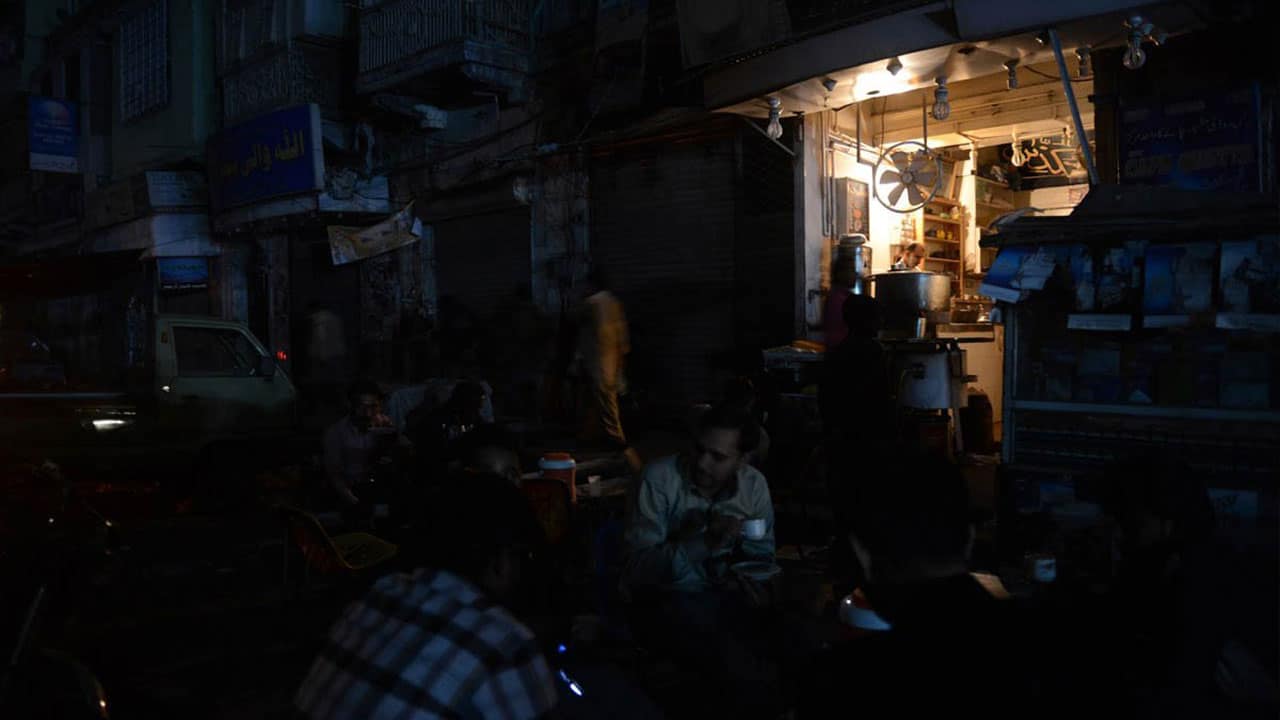
    Parts of Pakistan are currently suffering scheduled blackouts lasting more than 12 hours, reducing the ability of air conditioning to provide respite during the current heat wave. The former prime minister continues to gather enormous audiences to demonstrations and marches, exacerbating voters’ discontent with 13.8 per cent inflation. The hosts of prime-time talk shows frequently discuss how Pakistan will obtain the petroleum it requires and how much it would have to spend.

    The administration introduced a fresh set of energy-saving measures last week. Civil servants were relieved of their normal Saturday shifts, and the security budget was slashed by half.

    Prime Minister (PM) Shehbaz Sharif remarked in an April tweet before of the Eid holiday, “I am acutely aware of the sufferings people are facing”. That same week, he ordered his government to resume purchasing costly overseas natural gas shipments.

    He also warned earlier this month that they don’t have the money to keep importing gas from other countries.

    Rerouted supply to power plants

    There will be more than just outages as a result of the supply shortage. The government has rerouted existing natural gas supply to power plants, causing fertiliser manufacturers to be shortchanged. This approach could jeopardise the next harvest, resulting in even higher food prices the following year. Backup generators are being used by cellphone towers to keep service going during the blackouts, but they, too, are running out of fuel.

    There’s not much hope in the future. LNG prices have risen by over 1,000 per cent in the previous two years, first due to post-pandemic demand and subsequently due to Russia’s invasion of Ukraine. Russia is Europe’s largest natural gas supplier, and the possibility of supply disruptions pushed spot rates to an all-time high in March.

    Increasing LNG demand in Europe

    Meanwhile, Europe is increasing its need for LNG. Europe’s LNG imports have increased by 50 per cent so far this year compared to the same period last year, and show no signs of slowing down. As they cut ties with President Vladimir Putin’s regime over the crisis in Ukraine, European Union policymakers created a plan to considerably increase LNG deliveries as an alternative to Russian gas.

    Floating import terminals are being built at a breakneck pace in countries like Germany and the Netherlands, with the first ones set to open in the next six months.

    “Europe is draining LNG from the rest of the globe,” according to Steve Hill, executive vice president of Shell Plc, the world’s largest LNG trader. “However, this means that less LNG will be sent to developing markets”.

    Pakistan was formerly thought to be the LNG industry’s bright future. Demand for the fuel had peaked in developed markets by the mid-2010s. However, technological developments had reduced the costs and time it took to build import terminals, and new gas sources had reduced the cost of the fuel itself.

    Poor nations could finally contemplate the gasoline at the new, lower prices. Suppliers flocked to these new markets, and when Pakistan published a request for long-term LNG supply, over a dozen businesses competed for the contract.

    Pakistan chose Italy’s Gunvor Group Ltd to sell LNG to the country for the next decade in 2017. The terms were favourable at the time, and the prices were lower than those of a comparable arrangement struck with Qatar the previous year.

    Delay in supplies

    However, due to the rise in European gas prices, the two suppliers have postponed more than a dozen shipments slated for delivery between October 2021 and June 2022.

    According to Bruce Robertson, an expert at the Institute for Energy Economics and Financial Analysis, such defaults are nearly unheard of in the LNG market. Bloomberg spoke with traders and industry insiders who couldn’t recall the last time so many cargoes were rejected without being linked to a big outage at an export terminal.

    Eni and Gunvor stated they had to cancel because they were experiencing their own supply problems and didn’t have enough LNG to export to Pakistan. When exporters confront such difficulties, they typically replace deliveries by purchasing a consignment on the spot market, but Eni and Gunvor have not done so.

    Vendors are generally averse to cancelling orders. It harms the company connection and is often extremely costly. In established markets, fines for “failure to deliver” might be as high as 100 per cent.

    “It’s quite rare for LNG suppliers to renege on long-term contracts beyond force majeure occurrences,” says Valery Chow, an analyst at Wood Mackenzie Ltd.

    Pakistan’s contracts stipulated a lower cancellation penalty of 30 per cent, most probably in exchange for cheaper overall costs. The European spot market prices are currently high enough to more than compensate for the penalties.

    Pakistan’s $12 million LNG supply contract

    As per sources, an LNG supply to Pakistan for delivery in May under a long-term contract would cost $12 per million British thermal units. In comparison, spot cargoes to Europe for May delivery were trading for more than $30. Eni and Gunvor have kept their promises to customers in the region.

    As a result, Pakistan is back to square one, in a weaker negotiation position than before. After a dispute with Pakistan’s army over a variety of problems, including his management of energy supply and the greater economy, Prime Minister Imran Khan was deposed in April.

    Shehbaz Sharif, the new prime minister, has directed the state-owned importer to obtain the petroleum at any cost in order to end the debilitating blackouts. It’s also attempting to reach new long-term LNG purchase agreements, albeit the conditions will almost probably be harsher than six years ago.

    High risk of default

    The cost is having its own cascading repercussions. The government is now “at high risk of default,” according to a paper published last month by the Institute for Energy Economics and Financial Analysis. Moody’s Investors Service reduced Pakistan’s outlook from stable to negative, citing financial worries including a potential IMF bailout delay.

    Pakistan’s dependency on LNG, as well as its suppliers’ tendency to default, has exacerbated the country’s energy dilemma. Pakistan isn’t alone in this regard. Emerging economies all around the world are trying to meet their residents’ requirements while staying within their budget restrictions.

    It has also prompted them to purchase electricity from Russia, reducing the impact of Europe’s attempts to isolate them.

    Pakistan seeks LNG supply contract with Russian companies

    According to reports, Pakistan is also looking at long-term LNG supply agreements with Russian companies. India has already increased its purchases from Russia, and this trend is likely to continue. The government has directed power plants to purchase fuel from overseas in response to the scorching summer heat.

    Other cash-strapped importers, such as Bangladesh and Myanmar, are likely to suffer as a result of Pakistan’s problems. Bangladesh’s state-owned utility recently purchased the country’s most expensive LNG shipments on the spot market to keep the grids functioning and industry stocked, while Myanmar has stopped importing LNG for the past year owing to price increases.

    Other nations, such as India and Ghana, may be prompted to reconsider long-held plans to increase their reliance on super-chilled fuel as a result of Europe’s major change. Instead, governments would increase their reliance on polluting coal or oil, thwarting efforts to meet ambitious emission reduction objectives this decade.

  • Pakistani rupee falls to a new all-time low of Rs205 against the US dollar

    Pakistani rupee falls to a new all-time low of Rs205 against the US dollar

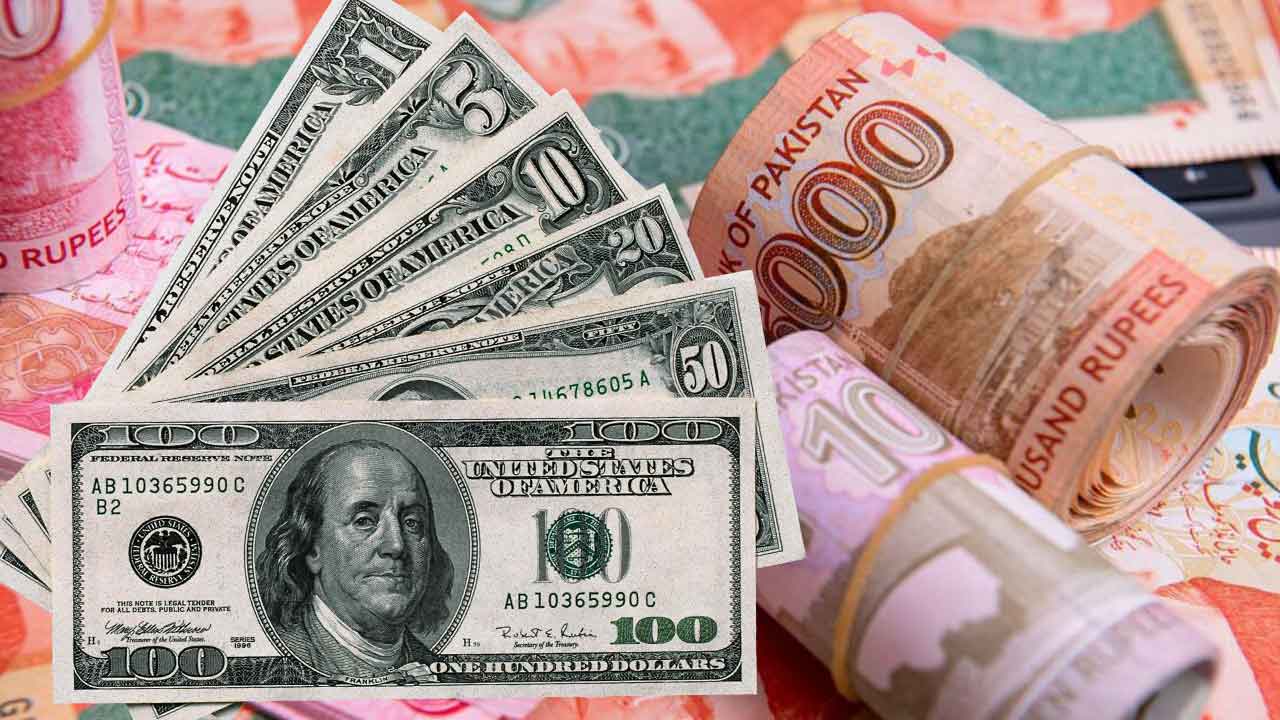
    In the interbank market today, the Pakistani Rupee (PKR) plummeted below its previous record low versus the US Dollar (USD).

    The local currency lost Rs1.30 in the interbank market today, depreciating by 0.63 per cent against the US dollar and closing at Rs205.16. During today’s open market session, the local currency reached an intraday high of Rs203.75 versus the US dollar.

    The PKR was trading between Rs206 to Rs208 against the US dollar in the evening. The rupee’s devaluation was in line with market expectations, with traders expecting the local currency to fall even lower if Pakistan fails to persuade the International Monetary Fund (IMF) on its fiscal year 2022-23 budget.

    The Financial Action Task Force (FATF) meeting in Berlin, which starts today, is another reason that is likely to have influenced the FX market. On the 15th and 16th of June, issues concerning Pakistan will be discussed.

    In today’s interbank market, the PKR reversed gains versus the majority of major currencies. It fell 22 paisas against the Canadian dollar (CAD), 34 paisas against the Saudi riyal (SAR), 35 paisas against the UAE dirham (AED), 62 paisas against the British pound sterling (GBP), and Rs1.25 versus the Euro (EUR).

  • McDonald’s re-opens in Russia with a different name

    McDonald’s re-opens in Russia with a different name

    McDonald’s restaurants in Russia have reopened under a new identity. The name of the restaurant is now Vkusno & tochka (“Tasty and that’s it”). The first 15 locations of the new Russian fast-food business that bought out McDonald’s opened in Moscow on Sunday.

    “Our goal is that our guests do not notice a difference either in quality or ambience,” said Oleg Paroev, chief executive of Vkusno & tochka.

    “We had to remove some products from the menu because they refer directly to McDonald’s, such as the McFlurry and Big Mac,” Paroyev said.

    Prices have risen “slightly” due to the inflation that has hit Russia hard after Western countries imposed sanctions, but they remain “reasonable”, he added.

    The menu items are similar to what McDonald’s sells – including chicken nuggets, fish burgers, and fruit pies, but with different packaging.

    McDonald’s in May announced that after more than 30 years of operations in the country, it will exit the Russian market. The decision was taken due to the humanitarian crisis caused by the war in Ukraine.