Author: AFP

  • McDonald’s to acquire franchised stores in Israel

    McDonald’s to acquire franchised stores in Israel

    McDonald’s Corporation said Thursday it will acquire Alonyal, which owns 225 McDonald’s restaurants in Israel which have been hit by calls for a boycott over Israeli genocide in Gaza.

    Terms of the transaction were not disclosed. McDonald’s said in a statement the deal was subject to conditions which it did not identify.

    Alonyal has operated McDonald’s restaurants in Israel for more than 30 years, today owning 225 franchised properties with more than 5,000 employees, who will be retained after the sale.

    In presenting its 2023 earnings report in February, McDonald’s said the war in Gaza that began in October with the Hamas attacks on Israel was weighing on its results.

    McDonald’s was targeted with boycott calls after the franchised restaurants in Israel offered thousands of free meals to Israeli soldiers.

    “We recognize that families in their communities in the region continue to be tragically impacted by the war and our thoughts are with them at this time,” Chief Executive Chris Kempczinski said in an analyst call.

    He said the impact of the boycott was “meaningful,” without elaborating.

    McDonald’s fourth quarter sales disappointed analysts. In franchised restaurants outside the United States, comparable sales fell 0.7 percent.

    “Obviously the place that we’re seeing the most pronounced impact is in the Middle East. We are seeing some impact in other Muslim countries like Malaysia, Indonesia,” said Kempczinski.

    This also happened in countries with large Muslim populations such as France, especially for restaurants in heavily Muslim neighborhoods, he said.

    McDonald’s shares were down nearly 2 percent in after-market trading Thursday.

  • Taliban government in Kabul urges Islamabad to show restraint over Afghan migrants

    Taliban government in Kabul urges Islamabad to show restraint over Afghan migrants

    Taliban authorities urged Pakistan on Thursday not to make a unilateral decision on repatriating Afghan migrants, saying they shouldn’t be “harassed,” after reports Islamabad would renew an eviction campaign.

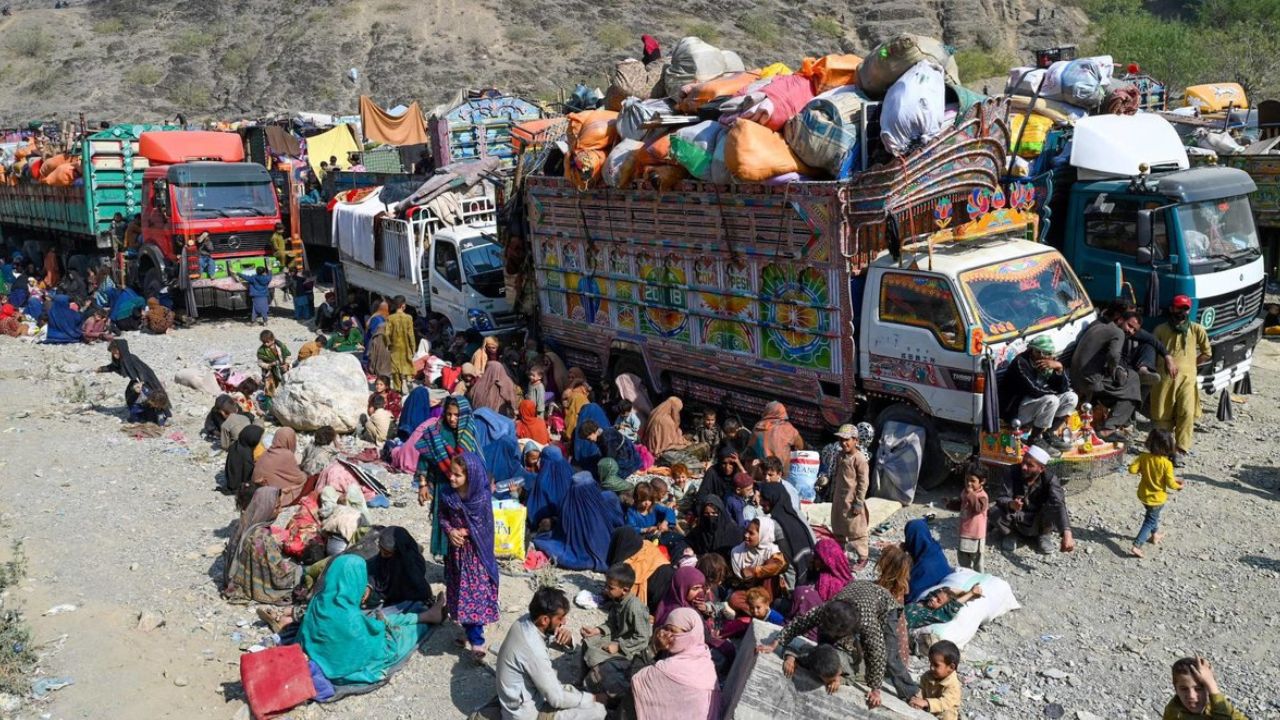
    More than half a million Afghans fled Pakistan last year after the former government ordered undocumented migrants to leave or face arrest as Islamabad-Kabul relations soured over security.

    Islamabad initially set a November 2023 deadline but official sources, who asked not to be identified, told AFP in March that Pakistan is gathering data on Afghan migrants – including those residing legally in the country – ahead of a renewed push slated to start after the Islamic holy month of Ramadan.

    A final decision has not been made on a repatriation push, according to Pakistan officials, but the Afghan deputy minister for refugees urged restraint in a meeting with a top Pakistani diplomat in Kabul.

    “The issue of refugees is bilateral and decisions regarding them should be made through an understanding between both countries,” said Abdul Rahman Rashed, according to a ministry statement on social media platform X on Thursday.

    “They shouldn’t be harassed until a joint mechanism is reached.”

    Taliban authorities have urged Afghans to return home since taking power in 2021 but they also have condemned Pakistan’s actions, saying nationals are being punished for tensions between Islamabad and Kabul, and have called for people to be given more time to leave.

    Millions of Afghans have poured into Pakistan over the decades, fleeing successive conflicts and political upheaval.

  • Apple explores making personal robots: report

    Apple explores making personal robots: report

    Apple engineers are working on making personal robots, a report said on Wednesday, just weeks after the iPhone-maker abandoned its efforts to develop an electric car.

    The tech titan has people working on a robot that would follow people around at home and be helpful, according to Bloomberg that cited unnamed people familiar with the situation.

    The project was in a nascent stage and it was unclear whether it would lead to a product sold by Apple, the report indicated.

    Apple did not reply to a request for comment.

    The California-based company has been looking for new ways to make money beyond its iPhones and the digital content and services it sells to users.

    Apple recently abandoned its ambitions to produce an electric car, according to US media reports, ending a struggling decade-long project.

    It has never publicly disclosed its EV plans, despite a steady drip of media leaks over the years.

    Apple is reported to have transferred employees from the shuttered car division to generative artificial intelligence projects.

    The robot project is being overseen by Apple’s hardware engineering division and its AI and machine learning group, Bloomberg reported.

    The report came as analysts are keen to hear what progress Apple is making with AI at the company’s annual WWDC developers gathering at its Silicon Valley campus in June.

    Around the world, major tech companies including Google, Microsoft, Meta and Amazon are rapidly pursuing the development and deployment of AI products.

  • ‘Shocking increase’ of children denied aid in conflicts: UN

    ‘Shocking increase’ of children denied aid in conflicts: UN

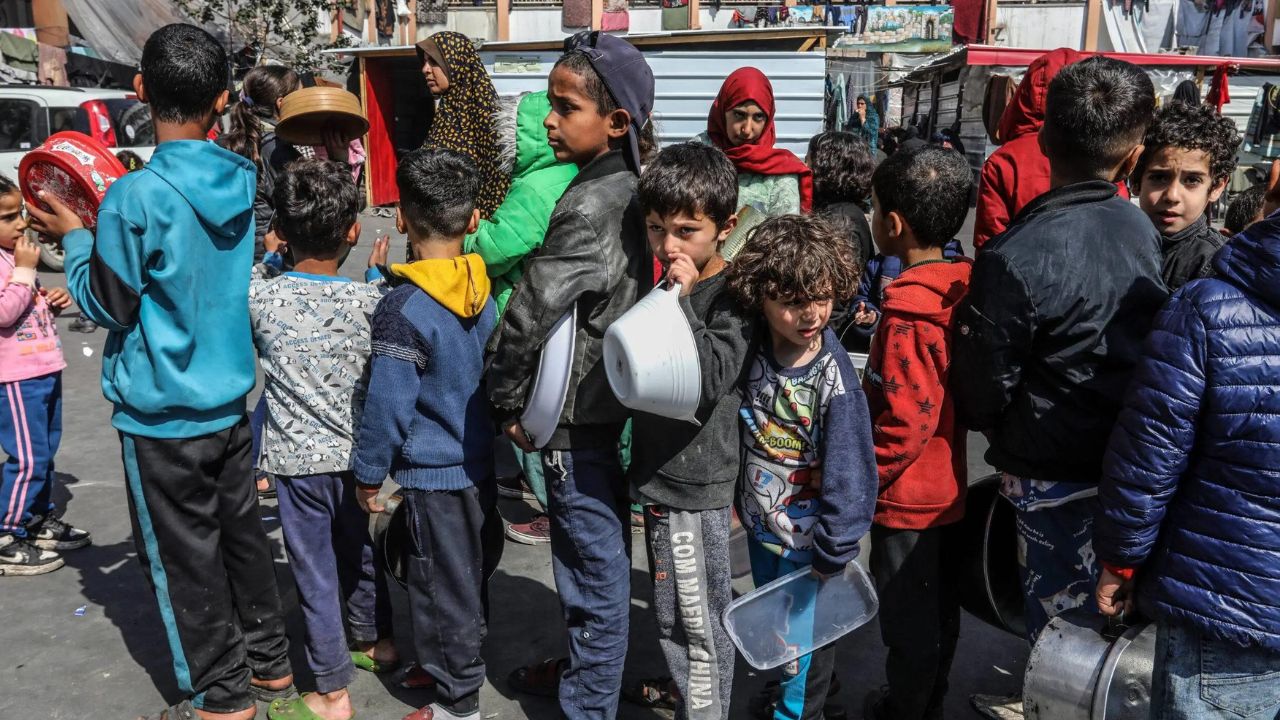
    A growing number of children caught up in armed conflicts around the globe are being denied access to critical humanitarian aid, a United Nations official warned Wednesday, as relief operations come under attack or are blocked by governments.

    The last report by the UN secretary-general on the rights of children in conflicts, published in June 2023, recorded nearly 4,000 confirmed cases of aid being denied to children, from Gaza to Yemen, Afghanistan and Mali.

    “Data gathered for our forthcoming 2024 report shows we are on target to witness a shocking increase of the incidents of the denial of humanitarian access globally,” Virginia Gamba, the secretary-general’s special representative for children and armed conflict, told the Security Council Wednesday.

    She said last year’s figure already represented an “exponential” increase since 2019.

    “Cases of denial of humanitarian access are linked to the restriction of humanitarian activities and movements; interference with humanitarian operations and discrimination of aid recipients; direct and indiscriminate attacks on civilian infrastructure; disinformation and detention, violence against, and killing of, humanitarian personnel; and looting,” Gamba said.

    She did not specify which countries would be singled out in the 2024 report, set to be released this summer.

    Nearly half of the cases in last year’s report — 1,861 — were of Israeli forces denying aid to children in Gaza.

    That report came before the October 7 attack by Hamas militants on southern Israel and the ensuing all-out war in Gaza.

    The UN has since repeatedly denounced restrictions Israel has put on aid entering the war-torn territory.

    “As a result of these constraints, children cannot access age-appropriate nutritious food or medical services and have less than two to three liters of water per day,” UNICEF deputy executive director Ted Chaiban told the Council.

    “The consequences have been clear,” Chaiban said, noting that one in three children in northern Gaza  under two years old suffer from acute malnutrition, “a figure that has more than doubled in the last two months.”

    Apart from Gaza, he also highlighted the threats to children’s access to humanitarian aid in Sudan and Burma.

    In addition to access to humanitarian aid, the UN’s report on children and armed conflict also lists the number of children killed and wounded, as well as attacks on hospitals and schools.

    From all the data points, the report draws up a “list of shame” of government forces and other armed groups responsible for the violations.

    Last year’s report listed Russia’s military over its attacks on Ukraine, but excluded Israel, angering several NGOs which have called for its inclusion for years.

  • Online hate sows Muslim fears as India votes

    Online hate sows Muslim fears as India votes

    Haldwani (India) (AFP) – After his brother was murdered in anti-Muslim riots, Pervez Qureshi watched the videos he believes incited the killers, part of a wave of hatred being fomented on social media ahead of India’s elections.

    India has a long and grim history of sectarian clashes between the Hindu majority and its biggest minority faith, but analysts warn increasingly available modern technology is being used to deliberately exploit divisions.

    “Videos and messages were shared on Facebook and WhatsApp which contained inflammatory language and incitement to violence,” Qureshi told AFP, recalling the attack on his brother Faheem in February in the northern city of Haldwani in Uttarakhand state.

    “It poisoned the atmosphere.”

    Nearly 550 million more Indians have access to the internet than when Prime Minister Narendra Modi came to power a decade ago, according to figures from the Internet and Mobile Association of India.

    Modi’s Hindu-nationalist Bharatiya Janata Party (BJP) is widely expected to win a third term in elections that begin on April 19.

    Part of his popularity can be attributed to his party’s masterful online campaign team, staffed by thousands of volunteers who champion his good deeds and achievements.

    Modi’s use of social media “awakens nationalism and patriotism among the youth in every corner of the country”, said Manish Saini, a youth leader of a BJP “IT Cell” in Uttarakhand state, who works online to reach voters.

    ‘Atmosphere of hatred’

    Critics however accuse the BJP’s sophisticated social media apparatus of also fanning the flames of division.

    Haldwani community leader Islam Hussain said tensions were already high before February’s violence, after months of incendiary social media posts calling Muslims “outsiders”.

    “It was said that due to the increasing population of Muslims, the social demography of Uttarakhand is changing”, Hussein said.

    “Right-wing social media cells have a big role in creating an atmosphere of hatred against Muslims.”

    Clashes erupted after the authorities said a mosque had been built illegally, and a Muslim group gathered to prevent its demolition.

    Some hurled stones at police officers, who beat them back with batons and tear gas.

    Hindu residents gathered to cheer on the police clampdown, chanting religious slogans and throwing rocks at the crowd.

    Footage of the riots spread swiftly on social media.

    Egged on by online calls to mobilise, Hindu mobs rampaged through the streets.

    “It’s time to teach them a lesson,” read the caption to one of dozens of inflammatory posts, many of which remain online.

    “The time has come to beat Muslims.”

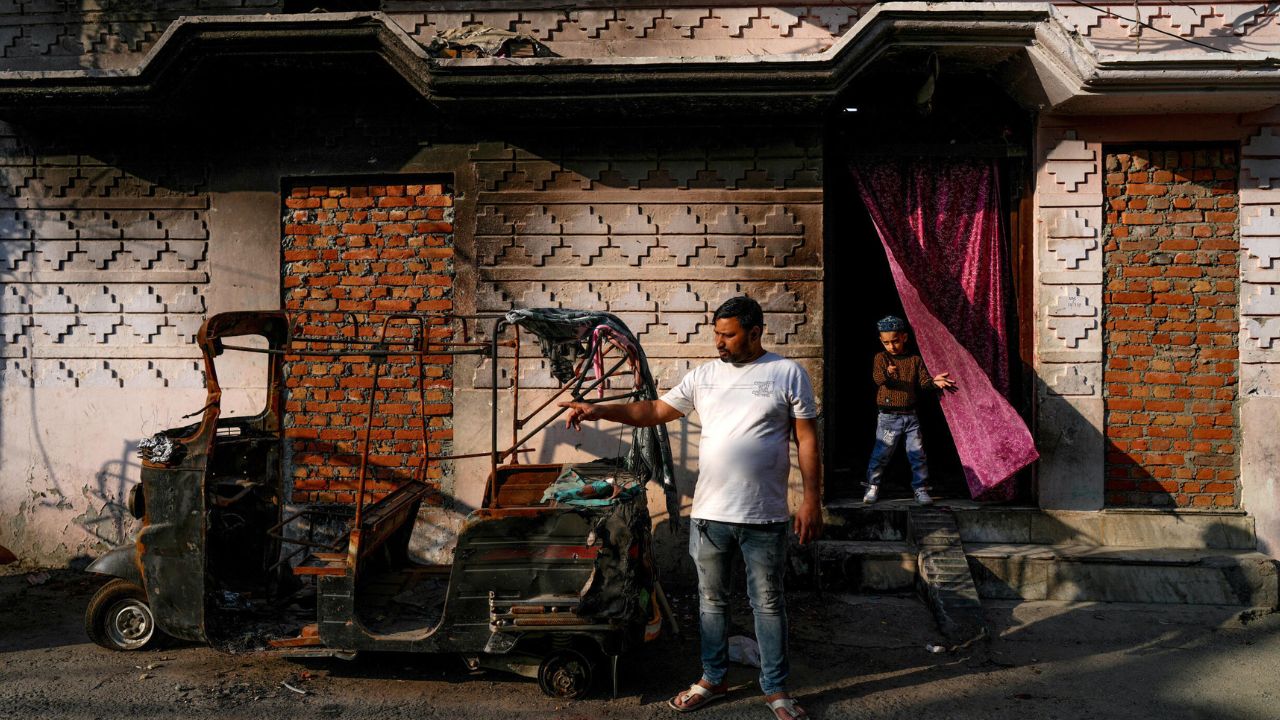
    Qureshi said his brother Faheem, 32, was killed by Hindu neighbours after they first torched his car.

    ‘Triggers an incident’

    But Saini, coordinator for the BJP’s youth wing, said the online team he leads does not encourage violence — and is under strict instruction not to “write anything against anyone’s religion”.

    He said his colleagues had mobilised quickly on the day riots broke out to provide information, not to stir up trouble.

    “When we got the news, we immediately started preparing graphics, videos and text messages to reach people with the correct and accurate information related to the incident,” he said.

    He said the initial violence was clashes between police and a Muslim group — and blamed Modi’s opponents for instigating riots to tarnish the government’s image.

    Critics disagree.

    Raqib Hameed Naik, from research group Hindutva Watch, said that the BJP’s IT Cell had generated anger towards minorities, by promoting the government’s Hindu-nationalist agenda.

    Naik, who documents hate speech against religious minorities, said the social media messages spreading during the Haldwani violence followed a pattern seen in previous riots.

    “First, hate speech against Muslims by a Hindu activist or politician creates an atmosphere… then the hate speech triggers an incident,” Naik said.

    Afterwards, online Hindu-nationalist campaigners “hold Muslims responsible” for the violence, he added.

  • Pakistan facing 30 percent water shortage for sowing season

    Pakistan facing 30 percent water shortage for sowing season

    Pakistan is facing a 30 percent water shortage at the start of the sowing season for cash crops such as rice and cotton, the country’s water regulator said.

    The Indus River System Authority (IRSA) said the gap is based on lower-than-normal winter snowfall in Pakistan’s northern glacier region, affecting catchment areas of the Indus and Jhelum Rivers that are used for irrigation.

    Kharif crops, or monsoon crops, including rice, maize, sugarcane and cotton are sown in April and require a wet and warm climate with high levels of rainfall.

    “There was less snow than normal as a result of climate change affecting the country’s glaciers,” Muhammad Azam Khan, assistant researcher with IRSA, which regulates the distribution of water resources along the Indus river, told AFP on Wednesday.

    “This will have a direct impact on the availability of water for kharif crops in the summer.”

    The water shortage gap is expected to narrow as the monsoon rains arrive later in the season.

    However, the country’s meteorological department has also forecast higher than normal temperatures during monsoon season, increasing uncertainty.

    Agriculture is the largest sector of Pakistan’s economy, contributing about 24 percent of its GDP.

    But it has been criticized for being water inefficient.

    “What this current water shortfall means for the crops is that authorities will have to better plan on how to utilize the water that is allotted to them,” said IRSA’s Khan.

    Pakistan, the world’s fifth-largest country with a population of more than 250 million, has recently been grappling with the profound impacts of climate change which includes shifting and unpredictable weather patterns.

    Devastating floods in 2022 — which scientists linked to climate change — that affected more than 30 million people also severely impacted Pakistan’s cotton crop that year.

  • Palestinian-US doctor walks out of Biden meeting in Gaza protest

    Palestinian-US doctor walks out of Biden meeting in Gaza protest

    Washington (AFP) – A Palestinian-American doctor said he walked out of a Ramadan event with President Joe Biden at the White House to show solidarity with the people of Gaza against Israel’s offensive.

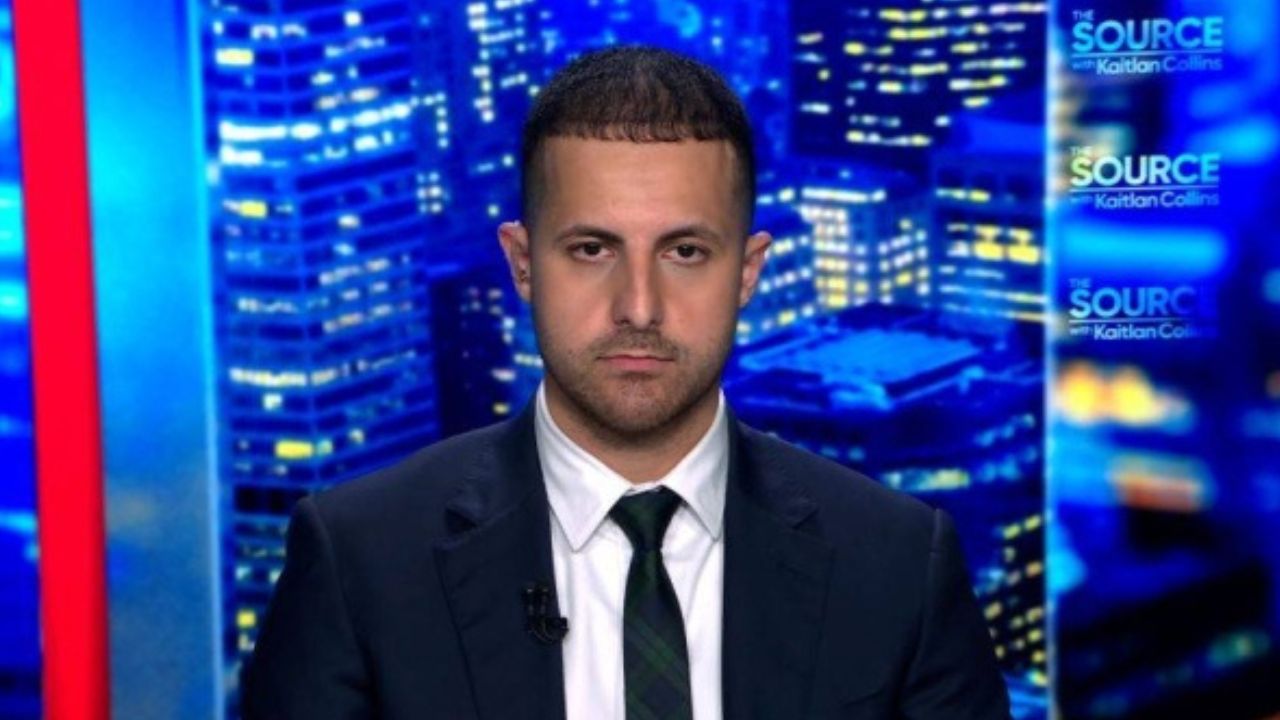
    Thaer Ahmad, who traveled to Gaza earlier this year, told CNN he left the meeting between Biden and members of the Muslim community on Tuesday in protest at US “rhetoric” supporting Israel.

    “I let him know that I am from a community that’s reeling. We are grieving. Our heart is broken for what’s been taking place over the last six months,” Ahmad, an emergency doctor from Chicago, said he told the president.

    He said he then “let him know that out of respect for my community, out of respect for all of the people who have suffered, who have been killed in the process, I need to walk out of the meeting.”

    Biden “actually said that he understood,” he added.

    The White House said on Wednesday that Biden respected the doctor’s stance.

    “The president respects any American’s right to peacefully protest,” Press Secretary Karine Jean-Pierre told a briefing. “He understands that this is a painful moment for many Americans.”

    Biden had downsized the traditional event to mark the Muslim holy month of Ramadan amid growing domestic anger over his support for Israel’s offensive in Gaza following October 7 attacks.

    Muslim leaders met the president but asked for there to be no fast-breaking dinner, with Biden holding only a small meal separately with Muslim White House staff.

    Tensions over Gaza soared further this week after an Israeli air strike killed seven employees of a US-based charity, World Central Kitchen, on Monday.

    Biden said on Tuesday he was “outraged” and accused Israel of not doing enough to protect aid workers or civilians, in one of his strongest statements since the war started.

    “I think you can sense the frustration in that statement yesterday,” US National Security Council spokesman John Kirby told reporters.

    But the White House said that Biden continued to support Israel’s “right to defend itself” and there were no plans to curb arms deliveries to the key US ally.

  • Israeli President apologises for deaths of Gaza aid workers

    Israeli President apologises for deaths of Gaza aid workers

    Israeli President Isaac Herzog apologised Tuesday for the air strike that killed seven aid workers in Gaza.

    Herzog said he spoke to Jose Andres, the US-based celebrity chef who heads the aid group World Central Kitchen, to express his “deep sorrow and sincere apologies over the tragic loss of life”.

    Prime Minister Benjamin Netanyahu had earlier stopped short of apologising for the deaths, which he described as a “tragic case” that would be investigated “right to the end”.

    “It happens in war… we will do everything so that this thing does not happen again,” he added.

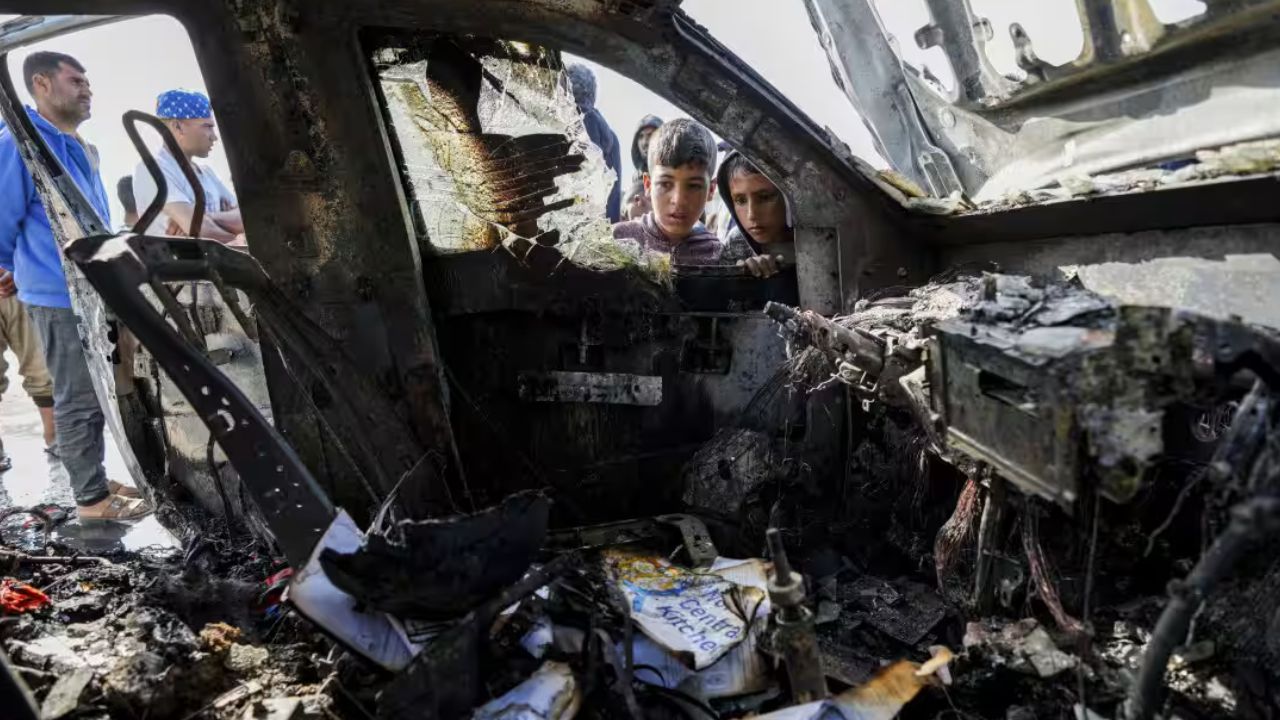
    AFPTV footage showed the roof of a white vehicle emblazoned with the group’s logo punctured with a blackened hole, alongside the mangled wreckage of other vehicles.

    World Central Kitchen had earlier said a “targeted attack” by Israeli forces on Monday had killed its staff, which included Australian, British, Palestinian, Polish and US-Canadian citizens.

    The charity, which has been delivering food aid to Gaza’s starving population, said its convoy was clearly marked and it had coordinated with the Israeli military to avoid any danger.

    Since October 7 attack, Gaza has been under a near-complete siege, with the United Nations accusing Israel of preventing deliveries of humanitarian assistance to the 2.4 million Palestinians in the devastated territory.

    UN agencies have repeatedly warned that northern Gaza is on the verge of famine, calling the situation a man-made crisis.

    But Herzog said Israel was committed to “delivering and upgrading humanitarian aid to the people of Gaza”.

    The Israeli military also said Tuesday they were looking at ways to coordinate safe aid deliveries.

    The bloodiest-ever Gaza war erupted with the October 7 attack, which resulted in about 1,160 deaths in Israel, mostly civilians, according to an AFP tally of Israeli official figures.

    Israeli genocide in Gaza since October 7, 2023, has killed at least 32,916 people, mostly women and children, according to the health ministry in Hamas-run Gaza.

  • Earthquake in Taiwan ‘strongest in 25 years’: Taipei seismology official

    Earthquake in Taiwan ‘strongest in 25 years’: Taipei seismology official

    Taipei, Taiwan – The earthquake that hit Taiwan’s east on Wednesday morning was “the strongest in 25 years”, said the director of Taipei’s Seismology Centre.

    “The earthquake is close to land and it’s shallow. It’s felt all over Taiwan and offshore islands… it’s the strongest in 25 years since the (1999) earthquake,” Wu Chien-fu told reporters, referring to a September 1999 quake with 7.6-magnitude that killed 2,400 people.

  • World’s most powerful MRI scans first images of human brain

    World’s most powerful MRI scans first images of human brain

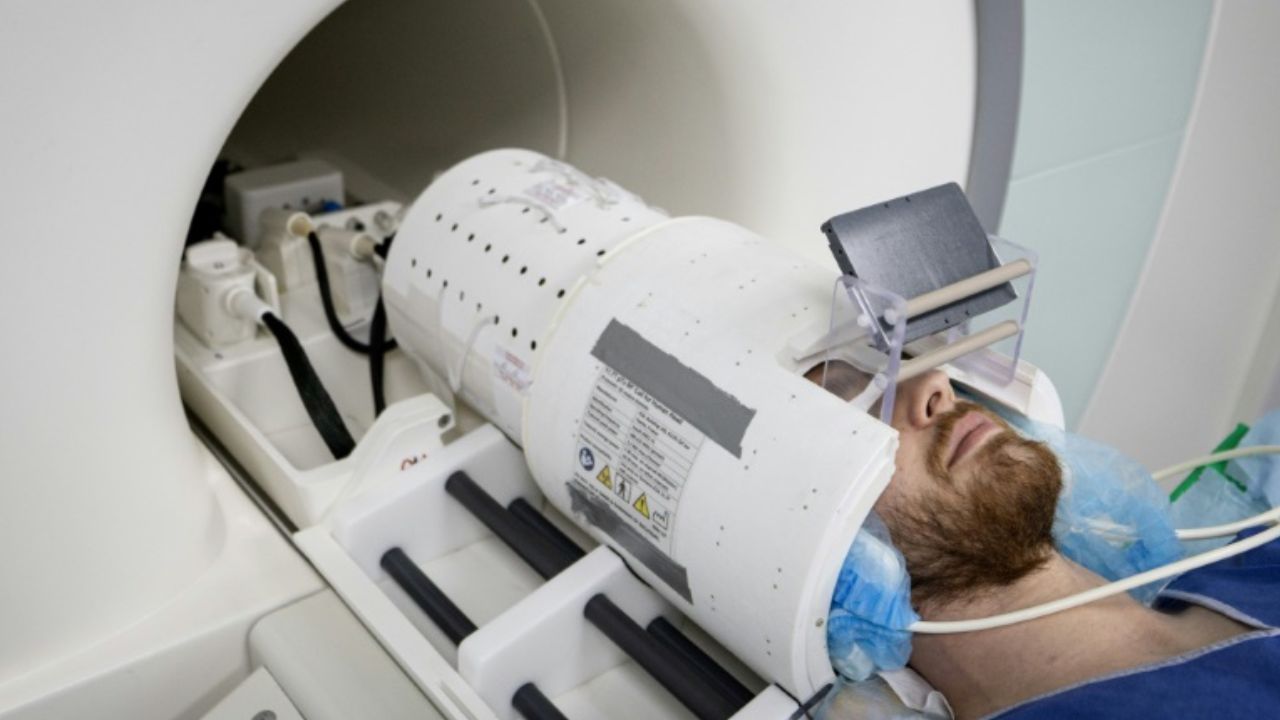
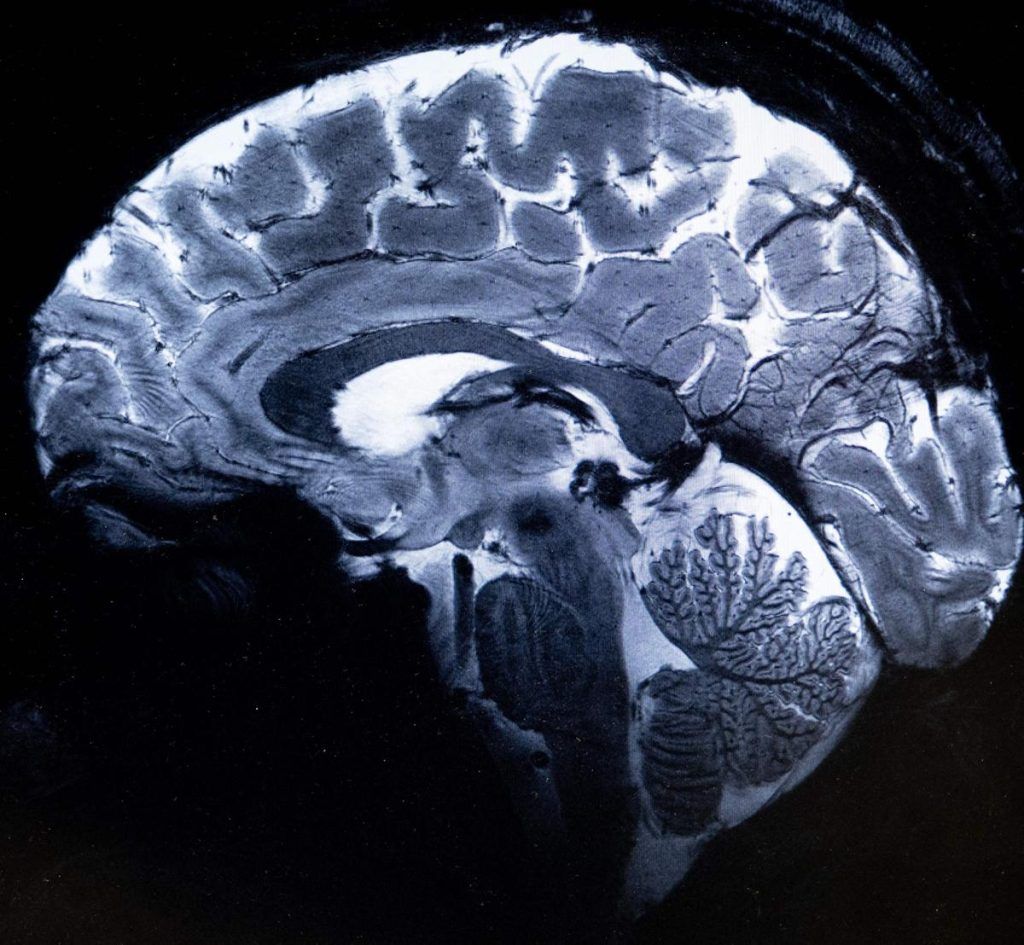
    The world’s most powerful MRI scanner has delivered its first images of human brains, reaching a new level of precision that is hoped will shed more light on our mysterious minds — and the illnesses that haunt them.

    Researchers at France’s Atomic Energy Commission (CEA) first used the machine to scan a pumpkin back in 2021. But health authorities recently gave them the green light to scan humans.

    Over the past few months, around 20 healthy volunteers have become the first to enter the maw of the magnetic resonance imaging (MRI) machine, which is located in the Plateau de Saclay area south of Paris, home to many technology companies and universities.

    “We have seen a level of precision never reached before at CEA,” said Alexandre Vignaud, a physicist working on the project.

    The magnetic field created by the scanner is a whopping 11.7 teslas, a unit of measurement named after inventor Nikola Tesla.

    This power allows the machine to scan images with 10 times more precision than the MRIs commonly used in hospitals, whose power does not normally exceed three teslas.

    On a computer screen, Vignaud compared images taken by this mighty scanner, dubbed Iseult, with those from a normal MRI.

    “With this machine, we can see the tiny vessels which feed the cerebral cortex, or details of the cerebellum which were almost invisible until now,” he said.

    France’s research minister Sylvie Retailleau, herself a physicist, said “the precision is hardly believable!”

    “This world-first will allow better detection and treatment for pathologies of the brain,” she said in a statement to AFP.

    Lighting up the brain’s regions

    Inside a cylinder that is fives metres (16 feet) long and tall, the machine houses a 132-tonne magnet powered by a coil carrying a current of 1,500 amps.

    There is a 90-centimetre (three-foot) opening for humans to slide into.

    The design is the result of two decades of research by a partnership between French and German engineers.

    The United States and South Korea are working on similarly powerful MRI machines, but have not yet started scanning images of humans.

    One of the main goals of such a powerful scanner is to refine our understanding of the anatomy of the brain and which areas are activated when it carries out particular tasks.

    Scientists have already used MRIs to show that when the brain recognises particular things — such as faces, places or words — distinct regions of the cerebral cortex kick into gear.

    Harnessing the power of 11.7 teslas will help Iseult to “better understand the relationship between the brain’s structure and cognitive functions, for example when we read a book or carry out a mental calculation,” said Nicolas Boulant, the project’s scientific director.

    On the trail of Alzheimer’s

    The researchers hope that the scanner’s power could also shed light on the elusive mechanisms behind neurodegenerative diseases such as Parkinson’s or Alzheimer’s — or psychological conditions like depression or schizophrenia.

    “For example, we know that a particular area of the brain — the hippocampus — is implicated in Alzheimer’s disease, so we hope to be able to find out how the cells work in this part of the cerebral cortex,” said CEA researcher Anne-Isabelle Etienvre.

    The scientists also hope to map out how certain drugs used to treat bipolar disorder, such as lithium, distribute through the brain.

    The strong magnetic field created by the MRI will give a clearer image of which parts of the brain are targeted by lithium. This could help identify which patients will respond better or worse to the drug.

    “If we can better understand these very harmful diseases, we should be able to diagnose them earlier — and therefore treat them better,” Etienvre said.

    For the foreseeable future, regular patients will not be able to use Iseult’s mighty power to see inside their own brains.

    Boulant said the machine “is not intended to become a clinical diagnostic tool, but we hope the knowledge learned can then be used in hospitals”.

    In the coming months, a new crop of healthy patients will be recruited to get their brains scanned.

    The machine will not be used on patients with conditions for several years.