Author: Ibraheem Sohail

  • Govt in talks with banks to restructure Rs1.25 trillion power sector debt

    Govt in talks with banks to restructure Rs1.25 trillion power sector debt

    In a bid to control circular debt in the power sector, Islamabad has begun discussions with commercial banks to negotiate more favourable terms. As per reports, the loans amount to a staggering 1.25 trillion rupees and restructuring this debt could alleviate fiscal pressure on the budget.

    Currently, Pakistan is part of a $7 billion International Monetary Fund (IMF), which mandates austerity measures to help the country escape its economic woes. Part of the fiscal tightening mandated by the IMF can be completed by securing more lenient terms on outstanding loans.

    While speaking to a reputable international organisation, Power Minister Awais Leghari revealed that the loan amount would be repaid in approximately five to seven years. According to reports, the term sheets, which contain the terms and conditions of the loan agreement, have not yet been inked as discussions continue.

    The government has accrued this debt as it is either the sole owner or largest shareholder of the majority of power companies. However, these state-owned power companies have been posting up large losses, which ultimately Islamabad has to cover.

    The aforementioned losses are caused by unpaid bills and subsidies to the power sector. Line losses and administrative inefficiencies have also significantly contributed to generating losses for power companies.

    The IMF has recommended several policy measures to counter rising debt levels in the power sector. Islamabad has already raised energy prices at the behest of the international creditor to raise revenues.

    However, the national exchequer cannot bear to clear the loans the sector has accumulated over the years. As such, the federal government has reached out to commercial banks to ascertain which banks are interested in helping Islamabad restructure its debt obligations.

    According to Leghari, the banking system has the liquidity and appetite to lend funds to the government. This claim holds merit as Pakistani banks have recently had abysmally low Advance Deposit Ratios (ADR). A low ADR means that banks are not issuing sizable amounts of credit to the private sector.

    Instead, domestic commercial banks have been lending money to the government or purchasing government bills and securities. Their appetite to issue credit to the government may facilitate ongoing negotiations.

    To ensure that the government does not run into similar issues further down the line, lawmakers and relevant authorities have reportedly decided to end ‘government-guaranteed debt’ and transition to a revenue-based system.

    Under the revenue model, loans are to be repaid with funds collected from electricity bills. Additional borrowing and requests for subsidies would need to be curbed to ensure the power sector’s financial independence.


  • Govt discusses reductions in solar net metering rates with IMF

    Govt discusses reductions in solar net metering rates with IMF

    In a bid to alleviate the financial burden of citizens purchasing electricity from the national grid, Islamabad continues its crackdown against individuals with solar panels and net meter installations. According to reports, the federal government has proposed a plan to the International Monetary Fund (IMF), which may significantly reduce the benefit net meter owners currently enjoy.

    Islamabad has suggested to the IMF that electricity tariffs surrounding net meter owners should be subjected to revision. Currently, on-grid solar users supply excess electricity to the grid for a respectable 27 rupees per unit.

    This has disproportionately benefitted households with large solar panel installations as they consistently provide more power to the grid compared to their consumption – resulting in zero or very low electricity bills.

    As per reports, this has resulted in a shift in costs for those who do not have solar installations. Documents released in January from the Power Division revealed that under the current policy, tariffs have increased for underprivileged consumers by over one rupee per unit.

    However, if the proposal is passed, it will reportedly result in on-grid solar users selling their electricity to the grid for a measly 10 rupees per unit. This spells terrible news for those who have invested in solar installations, especially those who have recently bought into the ‘solar hype’.

    The proposed pricing for the sale of excess electricity to the grid by solar users may significantly increase the time it takes to recoup the initial investment amount. For reference, the time frame to break even on solar investments under the current policy is just 18-24 months.

    However, if the IMF accepts Islamabad’s proposal, the time frame needed to break even on solar investments might creep up to approximately four years.

    Regular grid consumers of electricity may witness reductions in their electricity bills, however, as the monetary value of the financial burden that net metering has imposed on other consumers stands north of a staggering 103 billion rupees.

    The IMF may possibly expand the scope of the “crackdown” against solar panel owners to those who do not have a net meter installed. Reports suggest that the international creditor is concerned regarding Pakistan’s rapid ‘solarization’ since it could detrimentally impact the efficiency of the power sector in the near future.

    Authorities have warned that the financial burden on grid users could cross half a trillion rupees over the next decade if regulations are not passed. Islamabad’s proposal to the IMF could significantly deter individuals from installing solar panels – as the net return on investing in panels gets squeezed.

  • Analysts foresee yet another drop in interest rates: survey

    Analysts foresee yet another drop in interest rates: survey

    Pakistan’s inflation rate sits comfortably at its lowest level in nearly 10 years, causing analysts to predict yet another policy rate cut by the State Bank of Pakistan (SBP). According to reports, if passed, this would be the seventh consecutive cut in interest rates.

    The SBP was able to reduce inflation rates by raising interest rates to approximately 22 percent. This measure curbed demand for consumer and business loans. In the past six months, however, interest rates have plummeted by a staggering 1,000 basis points (bps) as the SBP enjoyed successes in its battle against inflation.

    The most recent cut over the six months was announced in January, which resulted in a 100 bps reduction. While this has significantly boosted commercial activity, independent investors and business owners have been calling for additional slashes in order to boost debt-fueled expansion.

    Currently, the official interest rate stands at 12 percent. Despite SBP’s policy rate cuts, inflation levels remain locked in their free fall. However, reports indicate that falling interest rates are associated with the ‘base effect’ of the inflation rate the economy experienced in the previous periods.

    The base effect in this context entails that subsequent increases in the prices of goods and services have been limited after inflation rates touched their peak of almost 38 percent in May 2023. However, the effect of inflation from the previous period reportedly continues to diminish the purchasing power of Pakistani citizens and businesses alike.

    A survey of 14 analysts from a reputable institution revealed the SBP could consider cutting rates again. However, it is uncertain what the final rate cut will be as experts do not have a unanimous answer.

    According to credible reports, the median cut in policy rates is 50 bps. This is because three analysts foresee a large 100 bps cut, while six believe that the SBP may reduce the rate by 50 bps.

    Only one analyst has predicted a cut of 75 bps with the other four analysts believing that interest rates will remain anchored with no changes at all.

    Experts believe that policy rates will continue to fall till they reach approximately 10.75 percent. This prediction is made on the belief that inflation rates could rise in the coming months. There is some merit to these claims, as a recent report from the Ministry of Finance (MoF) projected growing inflation levels starting in March.

    If interest rates fall yet again, many believe that Gross Domestic Product (GDP) may witness a boost because of a rise in investment levels in the economy.

  • Pakistan facing nearly triple the power costs as compared to China, India, US: report

    Pakistan facing nearly triple the power costs as compared to China, India, US: report

    Industrialists in Pakistan face higher electricity prices than their counterparts in the United States, European Union, China, and India. This is detrimentally affecting the competitiveness of Pakistani exporters in international markets. 

    The ‘Electricity 2025 — Analysis & Forecast to 2027’ report from the International Energy Agency (IEA) has revealed that the ‘energy-intensive industries’ in Pakistan had to bear an average electricity price of 13.5 cents per Kilowatt-hour (unit) in 2024.

    In contrast, average electricity prices in Norway remained low at 4.7 cents, while prices in India and the USA hovered around 6.3 cents per unit. China and the European Union have to face slightly higher power prices at 7.7 cents per unit and 11.5 cents per unit, respectively.

    Comparing Pakistan with neighbouring India, Pakistani industrialists are at a significant disadvantage as they face average electricity prices that are 187 percent higher. Since businesses have to pass on these input costs to their consumers, Pakistani goods are frequently neglected because of the higher price tag they come with.

    Moreover, frequent power cuts and the unreliability of the national grid often cause significant delays in production processes, making it tough for domestic industries to meet export orders in a timely manner.

    According to the IEA’s report, hikes in the price of electricity hamper industrial growth and reduce export volumes. This spells bad news for cash-strapped Pakistan, which has historically run large trade deficits against other countries.

    Given the EU’s high electricity costs, the report outlined how many business owners were relocating industrial operations off of European shores to benefit from cheaper electricity costs. However, it is unlikely that any industrialists considered setting up shop in Pakistan owing to the sky-high average electricity prices.

    As such, higher industrial electricity costs have effectively locked out a significant inflow of foreign direct investments (FDI). India might be an attractive destination for European industrialists as they stand to save over 144 percent on their electricity bills by relocating to the South Asian country.

    According to reports, domestic electricity power costs have surged by a colossal 155 percent since 2021 because of the government introducing extortionate hikes in electricity tariffs.

    Islamabad started levying the aforementioned taxes to help it secure the Extended Fund Facility (EFF) loan from the International Monetary Fund (IMF). Over the years, however, it has detrimentally affected many industries, especially Pakistan’s breadwinner industry: Textiles.

    The textile industry brings in over 50 percent of its export revenues for Pakistan and consumes a large amount of electricity. With Pakistani industrialists facing electricity prices almost three times as high as their competitors, many question whether Pakistan can grow export revenues without the government cutting power prices.

  • IMF projects Rs490 billion shortfall in tax collection

    IMF projects Rs490 billion shortfall in tax collection

    International Monetary Fund (IMF) calculations suggest that Islamabad might not be able to achieve its annual tax collection target, falling short by a staggering Rs490 billion.

    As per the details, earlier this week, a delegation from the IMF began the first biannual review of the $7 billion Extended Fund Facility (EFF) programme. Pakistan believed that talks would remain successful and that the country was on track to receive the $1.1 billion tranche from the international creditor within weeks.

    However, reports claim that the IMF’s assessment could strain Islamabad-IMF relations as the international creditor believes the government would fail to reach its tax target of Rs12.9 trillion. Moreover, analysts suggest that the IMF might lay out a slew of austerity measures in order for the economy to get back on the right track.

    Lawmakers and authorities may enact significant cuts in the government’s expenditure while simultaneously attempting to boost the tax base. If successfully implemented, these fiscal policy measures could help appease the IMF.

    According to reports, Islamabad’s discussions with the IMF could also result in lawmakers passing a mini-budget to correct the budget deficit. However, it will be up to the Ministry of Finance (MoF) to determine if tax hikes or budget cuts are to be used to balance the budget.

    While the Federal Board of Revenue (FBR) struggles to generate enough revenue, a delegation of representatives from the tobacco industry have requested for the Federal Excise Duty (FED) to be reduced by 25 percent.

    The representatives cited how the extortionate 254 percent hike in the FED was effectively wiping out the willingness of the tobacco industry to comply with domestic tax laws. Individuals involved in the manufacturing process of cigarettes have turned to supplying them illegally.

    Reportedly, illicit cigarette manufacturing operations are causing the national exchequer to lose approximately Rs300 billion to Rs1 trillion. If the FBR can even only get the tobacco industry to comply, the projected gap in the fiscal budget will be plugged, potentially even leaving enough funds for the revenue watchdog to post a surplus.

    However, key officials from the FBR have voiced their concerns regarding the request. This is because the FBR could lose out on a whopping Rs50 billion, exacerbating the budget deficit instead.

  • Cement sales witness growth amid rising domestic demand

    Cement sales witness growth amid rising domestic demand

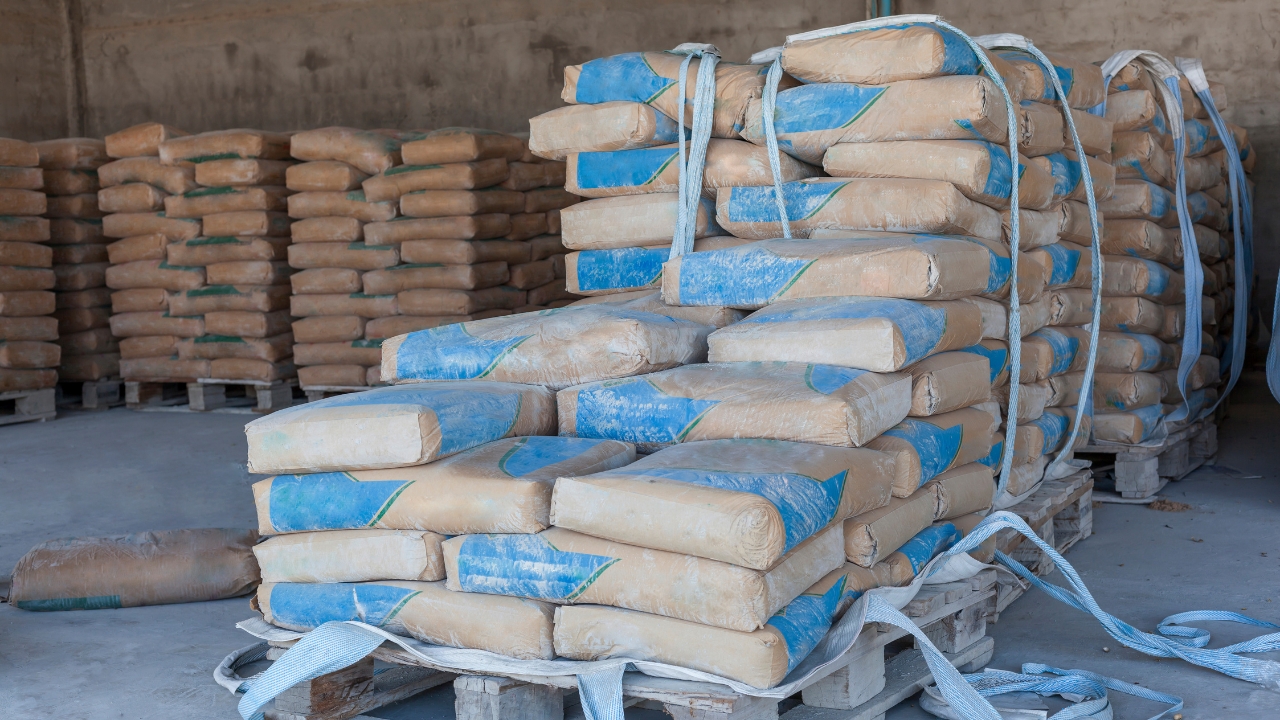
    Cement sales in February 2025 have displayed a year-on-year (YoY) improvement of approximately seven percent. Data from the All Pakistan Cement Manufacturers (APCM) revealed that domestic cement dispatches in February 2025 stood at a respectable 3.065 million tons – a stark improvement from the 2.869 million tons that were dispatched in the corresponding period last year.

    While cement dispatches have posted a YoY improvement, reports reveal that local cement dispatch figures are lower than initial estimates had pegged them to be. This is because, in January, cement sales recorded an impressive growth rate of 11.64 percent.

    A large volume of domestically produced cement is being exported, with analysts reporting a whopping 34.3 percent YoY growth in cement exports in February 2025. According to APCM’s data, cement exports were able to ship off 531,736 tons of the commodity to international destinations, which brought the total dispatch figures for February up to 3.596 million tons.

    According to credible reports, cement mills with operations based in the North have been able to sell 2.556 million tons, while mills based in the South lag far behind, churning out approximately one million tons of the commodity. This reveals a north-south disparity of over 145 percent in favour of cement mills based in the north of the country.

    In the event of a decline in domestic cement demand, as has been the case before January 2025, cement mills based closer to sea ports might be able to secure export orders more easily, owing to the relatively lower level of costs associated with shipping their cement out to international buyers.

    This might be a contributing factor in the growth of cement dispatches from South-based cement mills. As per data from reports, cement supply from mills in the south has displayed a 25 percent YoY growth rate.

    Moreover, South-based YoY exports in February skyrocketed by over 60 percent while their counterparts in the north lost out as they reportedly faced a 47.82 percent decline in export orders.

    A rise in local cement dispatches indicates growing domestic construction activities. This spells great news for the 42 ancillary industries that provide raw materials to construction businesses.

    With construction activities slated to rise, a slight drop in unemployment could be witnessed in the coming periods. However, the official unemployment rate, which sits at an uneasy 7.5 percent, may not shift noticeably as daily wage labourers are the ones who are expected to secure work – as it is unlikely that they will report a change in their employment status.

  • Govt expected to enact strict fiscal reforms to secure IMF loan tranche

    Govt expected to enact strict fiscal reforms to secure IMF loan tranche

    Islamabad may have to strictly follow a contractionary fiscal policy to appease the International Monetary Fund’s (IMF) delegation that is currently visiting Pakistan. As per reports, lawmakers and authorities alike are considering cutting back on government expenditures during the last quarter of fiscal year (FY) 2024-25 in an attempt to meet targets set by the international lender.

    The stakes are high for cash-strapped Pakistan as the delegation will decide if Islamabad’s efforts warrant the disbursement of the next tranche of the Extended Fund Facility (EFF) program. If authorities can convince the IMF of its efforts, the international creditor may release a loan amount of $1.1 billion to Pakistan, which is vital for the recovery of the economy.

    According to credible reports, Islamabad is planning to enact additional fiscal measures to boost revenue collection levels. These measures include a possible slashing of the Public Sector Development Program’s (PSDP) budget and boosting taxation revenues from real estate and retail sectors.

    Reports claim that the federal government may also attempt to cover revenue shortfalls experienced in the first half of FY 2024-25 by enacting special emergency measures – which were agreed upon under the previous EFF program meeting.

    Authorities have revealed the existence of a revenue gap which, in almost three-quarters of the current FY, has swelled to a staggering 600 billion rupees. While the government plans to plug this gap by boosting revenue, it may fall short as experts have already labelled the targets as ‘ambitious’ from their inception.

    However, Islamabad needs to mobilize resources to plug the aforementioned gap, as reports claim that if left unattended, the shortfall may grow to a whopping one trillion rupees by the end of the fourth quarter of FY 2024-25.

    As per reports, IMF officials expect Islamabad’s efforts to yield results at this stage of the loan program, which is realistically only possible by strictly following the road map the officials have laid out. However, many believe that revenue targets could be missed by even larger margins in the coming periods.

    This is because the State Bank of Pakistan’s (SBP) exceptional profit levels augmented the country’s budget in the first half of FY 2024-25. The SBP has to dedicate a portion of its profits to the federal government. Moreover, petroleum levies have allowed the government to augment its income to meet targets.

    While levies on petroleum are a stable source of income for the federal government, the same cannot be said for SBP profits – as interest rates have declined by 1000 basis points over the past seven months.

  • Pakistan’s trade deficit worsens by an alarming 33 percent in Feb

    Pakistan’s trade deficit worsens by an alarming 33 percent in Feb

    Pakistan’s current account is under pressure, as the trade deficit has grown by a staggering 33 percent in February. As per reports, the trade gap value now sits at an uneasy $2.3 billion despite Islamabad’s persistent attempts to improve its balance.

    The worsening of Pakistan’s international trade position has to do with a fall in exports. Concurrently, imports have reportedly posted double-digit growth rates, ringing alarm bells for lawmakers.

    In a trade summary released by the Pakistan Bureau of Statistics (PBS), the entity outlined how addressing the underlying factors contributing to the country’s subpar exports will take a significant amount of time. The summary also discussed the reliance Pakistan’s manufacturing sector has on imports to produce their final goods.

    PBS has revealed that the cash-strapped economy’s trade deficit ballooned by a whopping $576 million in February 2025 compared to the corresponding period last year. This spells trouble for the State Bank of Pakistan’s (SBP) reserves, which, as of 21 February 2025, stood at just $11.22 billion.

    Officially, Pakistan follows a market-based flexible exchange rate system; however, in practice, authorities follow a managed float exchange rate with the SBP intervening to stabilise the value of the rupee. SBP’s reserves could fall because of these interventions, as persistent trade deficits can cause a significant outflow of dollars from Pakistan – which causes the rupee to witness depreciation.

    According to reports, exports in February fell below historical averages. In a bid to boost export revenues for Pakistan, the federal government has now allowed sugar exports, especially to Afghanistan. Analysts believe that there is a surplus of the commodity in the domestic economy, which could serve to plug the growing gap in Pakistan’s trade deficit.

    On the other hand, imports in February 2025 have grown by 10 percent compared to February 2024. This translates into a $432 million rise in Pakistan’s import bill, bringing the total import value to a staggering $4.74 billion for February.

    Previously, Pakistan’s imports exceeded $5 billion for two months in a row, resulting in a significant worsening of Pakistan’s current account deficit. According to credible reports, Islamabad was unable to continue to run deficits of such magnitude as they could jeopardize ‘external sector’ stability.

    The federal government implemented various import controls approximately three years ago to curb imports. Islamabad might need to consider tightening the existing import controls to protect the economy from large foreign currency outflows once again.

  • Inflation eases to 1.5 percent in February, lowest in nearly a decade

    Inflation eases to 1.5 percent in February, lowest in nearly a decade

    Inflation continues its free fall in Pakistan as annual inflation reportedly fell to just 1.5 percent — its lowest level in almost a decade. According to reports, the decline in inflation can be attributed to the drop in the prices of wheat flour and other perishable food products.

    Initially, the Ministry of Finance (MoF) projected inflation to sit within the ballpark of two to three percent. Contrary to their calculations, inflation fell short of their earlier projections by approximately 66 percent.

    Moreover, the MoF expected March 2025’s inflation rate to grow to three to four percent. However, with their calculations for the current period being so far off, many are unsure if the estimates for March are accurate or need to be revised.

    As per reports, the prices of foodstuffs such as pulses, wheat and onions have been the key driving force behind the fall in inflation rates. Electricity prices have seen conservative cuts, too, easing inflationary pressures.

    Credible reports reveal that the aforementioned goods hold sizable weights during inflation rate calculations, which can help explain why inflation levels are dropping while the prices of some goods and services rise. Edible oil and sugar are notable examples of products whose prices are witnessing a hike across Pakistan.

    Sugar prices might continue to rise, nonetheless, as the government has now allowed sugar to be exported. Analysts believe that there is a surplus of the commodity in the domestic economy. Recent reports revealed that sugar prices could creep up to 200 rupees per kilogram during Ramzan if government officials turn a blind eye to the issue.

    Data from the Pakistan Bureau of Statistics showed that the country’s month-on-month (MoM) Consumer Price Index (CPI) fell by approximately one percent in February.

    The State Bank of Pakistan (SBP) was able to reduce inflation rates by raising interest rates to approximately 22 percent when inflation rose uncontrollably in 2023. This measure curbed demand for consumer and business loans.

    According to reports, CPI inflation stayed in double digits for a staggering 33 months (November 2021 to July 2024). Sky-high interest rates coupled with inflation were detrimentally affecting commercial activity.

    In the past seven months, however, interest rates have plummeted by a staggering 1,000 basis points as the SBP has succeeded in its battle against inflation. Businesses, previously reeling from the inflation-based instability, have been able to recover and resume operations.

  • Govt hopeful for IMF’s $1.1 billion tranche amid review

    Govt hopeful for IMF’s $1.1 billion tranche amid review

    A delegation from the International Monetary Fund (IMF) has begun the first biannual review of the $7 billion Extended Fund Facility (EFF) program. According to reports, Islamabad believes that talks will remain successful and that Pakistan is on track to receive a whopping $1.1 billion from the international creditor within weeks.

    The global lender’s mission is comprised of nine members and is headed by senior IMF economist Nathan Porter. As per credible reports, the IMF team will meet with Pakistani lawmakers and officials over the course of 10 days (March 3 to 14) to ascertain whether certain conditions have been met.

    These conditions pertain to Pakistan’s compliance with quantitative targets, performance criteria and structural benchmarks set by the IMF as per the 37-month EFF program. Earlier, reports had revealed that there had been difficulties regarding the following of certain deadlines; however, Islamabad had successfully met these deadlines, albeit with some minor delays.

    Reportedly, a high-ranking public official commented that the review was based on the first half of fiscal year (FY) 2024-25, which some believe could be a cause for concern. This is because some targets remained unmet at that point in time, and since the disbursement of the $1.1 billion tranche is subject to IMF’s review, the EFF program seemed to fall under threat.

    However, the senior official was quick to outline that measures had been taken to ensure that targets were met, which may earn Pakistan IMF’s grace. According to reports, the greatest shortfall from the targeted amount was that of revenue, which highlights the failure of the Federal Board of Revenue (FBR).

    At the end of the first half of FY 2024-25, the FBR reportedly missed its revenue target by a staggering 386 billion rupees. However, Islamabad has balanced this shortcoming by utilizing its above-par primary budget surplus and revenue-to-GDP ratios.

    Islamabad achieved its budget surplus largely in part because of the State Bank of Pakistan’s (SBP) exceptional profit levels. The SBP has to dedicate a portion of its profits to the federal government. Moreover, petroleum levies have allowed the government to augment its income to meet targets.

    Many worry about the sustainability of holding the aforementioned budget surplus. While levies on petroleum are a stable source of income for the federal government, the same cannot be said for SBP profits.

    One of the major reasons why the SBP managed to generate abnormal profits was the hike in interest rates, which was witnessed in 2023-24. However, with interest rates normalising again, many expect SBP’s contributions to the budget to shrink.

    Hence, while authorities have utilised SBP profits to meet targets, this may not be possible further down the line if targets remain unmet at the next biannual review.