Author: Ibraheem Sohail

  • Crypto on bull run as Trump announces reserve tokens

    Crypto on bull run as Trump announces reserve tokens

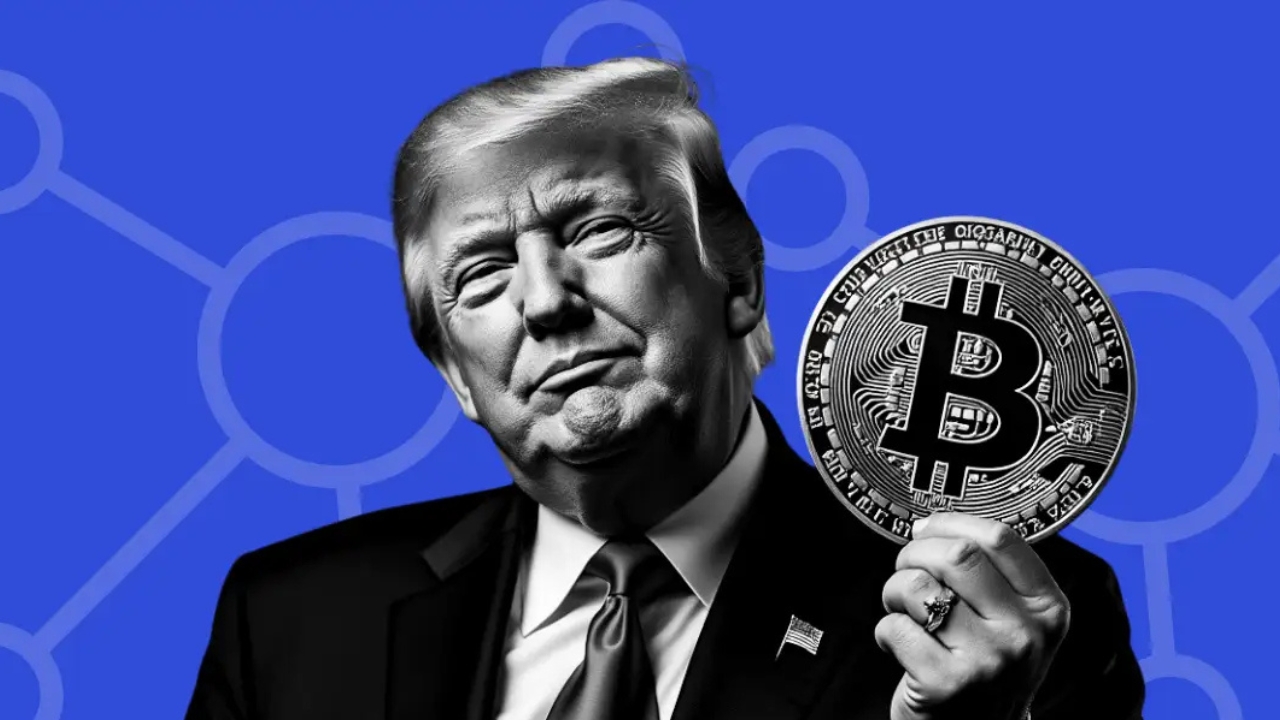
    In a bid to reshape the United States (US) crypto policy, US President Donald Trump released the names of popular cryptocurrencies, which he intends to add to a newly created ‘crypto strategic reserve’. As per reports, Donald Trump wants to add five cryptocurrencies to the reserve, which has resulted in a sharp increase in their values.

    Taking to social media, Trump announced that under one of his executive orders, the US would form a portfolio of digital assets, including Bitcoin (BTC), Ethereum (ETH), Solana (SOL), Ripple (XRP) and Cardano (ADA). After the announcement, reports revealed that the market capitalisation of the top 100 crypto projects rose by a staggering 7.41 percent because of the ‘hype’ surrounding these assets. 

    In mere hours, the Fear and Greed Index value skyrocketed from just 22 to an improved value of 39. The alleviation of fear and, subsequently, the rise in market cap because of Trump’s statement could signal the end of the bear run which cryptocurrencies have been on.

    In his own words, Trump intends to “make sure the US is the Crypto Capital of the World,” and reports indicate that he is relying on the Presidential Working Group to achieve this feat. Initially, he only mentioned ADA, SOL, and XRP to be part of the reserve; however, in a subsequent post, BTC and ETH were named as key assets that would be placed “at the heart of the reserve.”

    As of publishing, Bitcoin was in the green, growing by approximately 7 percent in 24 hours and exceeding $92,250. Ethereum (priced at $2389), the second largest cryptocurrency by market cap, surpassed the growth rate experienced by Bitcoin as its growth sat close to 7.5 percent.

    Interestingly, Official Trump ($Trump) and Official Melania Meme (Melania) coins were not referenced in Trump’s post. Nonetheless, $Trump witnessed a massive boost as its price surged by a staggering 10.04 percent. However, Melania did not witness any significant gains.

    Under the Joe Biden administration, US regulators led a crusade against crypto traders, believing the medium was being used to perpetuate fraud on Americans and launder money. Donald Trump, a Republican, however, had the support of the crypto world during his election campaign in 2024 and, as such, is backing policies that may support crypto trading. 

    According to credible reports, Trump’s crypto team intended to form the reserve using digital assets confiscated in law enforcement operations. However, given the decentralized nature of crypto, recovery is unlikely unless the suspect chooses to cooperate.
  • Hong Kong based company considering investing in Pakistan’s ports

    Hong Kong based company considering investing in Pakistan’s ports

    A Hong Kong-based conglomerate is interested in investing up to $1 billion in the Pakistani economy. According to the Ministry of Finance (MoF), CK Hutchison Holdings Limited might expand the scope of its operations through large investments.

    Hutchison Ports announced its intentions after top officials from the conglomerate met with Finance Minister Muhammad Aurangzeb. Reports reveal that the company was contracted to operate major terminals in Pakistan, spanning 25 years, successfully generating over $805 million in revenue for the government.

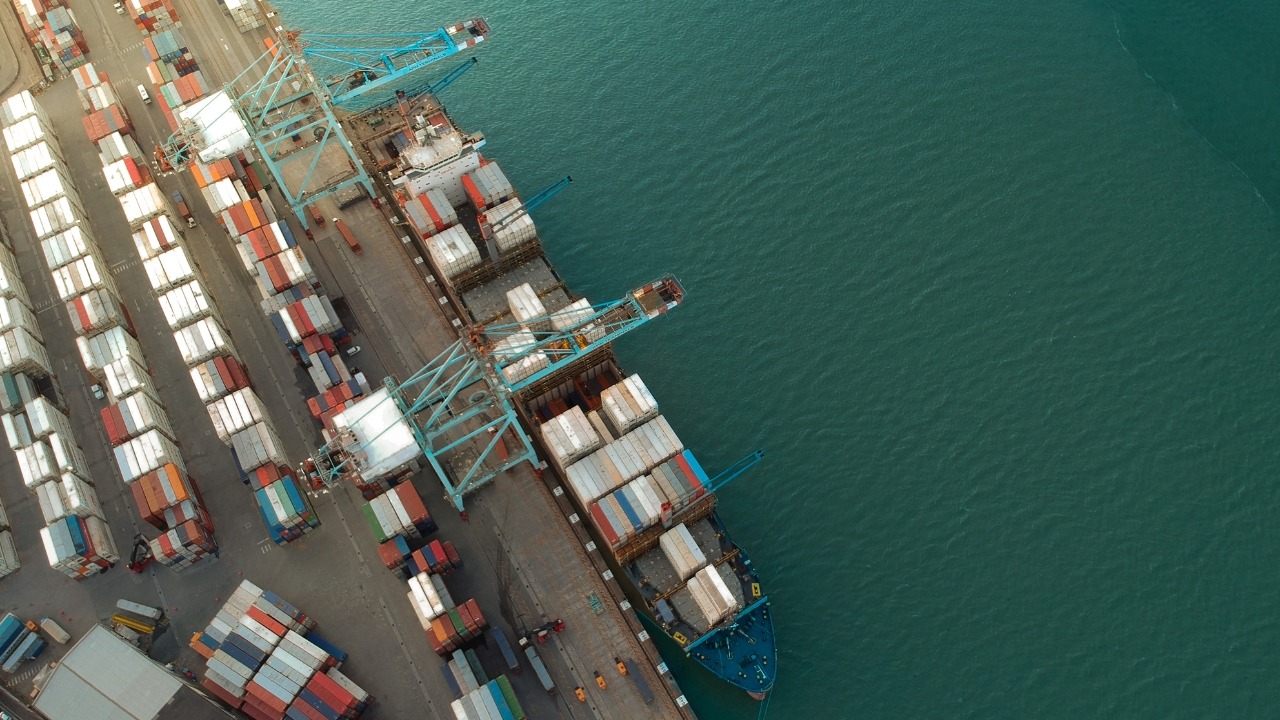
    The company plans to boost operational efficiency and logistical connectivity by improving the port terminals they control. Currently, Hutchison Ports manages one of the deep-water container terminals in Karachi, and if the proposal leaves the drawing board, the company will automate port operations on this site.

    Moreover, the proposal suggests changes to the transportation infrastructure, which is reportedly causing congestion. Upgrades to roads could alleviate congestion issues, allowing traffic to flow freely.

    This spells great news for Pakistani importers and importers alike, as various ports in Karachi have been witnessing backlogs. According to data from reports, over 1000 containers remained stuck at terminals recently, causing commercial activity to lose steam.

    However, reports have outlined how a concrete timeframe has not yet been provided for the investment, leaving many to wonder when these funds will be funnelled into the cash-strapped country.

    Regardless of uncertainty surrounding the timeframe of the proposed investment, analysts have commented on the possible benefits that could arise from the company’s expansion. According to reports, a Hutchison Ports team is expected to generate a staggering $4 billion in revenue in just 25 years.

    The company intends to use revenue streams generated from rent and royalties to recoup its investment. If the company’s estimates are correct, it can break even on its investment in under seven years.

    Pakistan, cash-strapped as usual, has been attempting to attract foreign direct investments into the country. While investments from bilateral sources are important, it is also necessary for Pakistan to focus on making the business climate friendlier to allow private firms to consider the economy a safe prospect for their investments.

    Earlier this month, the World Bank’s investment arm outlined the need to develop ports to attract funds to the country. Many consider the timing of the proposed developments fitting, as work on the transnational Uzbekistan-Afghanistan-Pakistan Railway Line Project is underway.

    With Hutchison ports contemplating expanding their infrastructure, the landlocked countries of Uzbekistan and Afganistan could be catered to once the transnational railway line causes cargo activity to rise upon completion.

  • Govt slashes prices of petroleum products

    Govt slashes prices of petroleum products

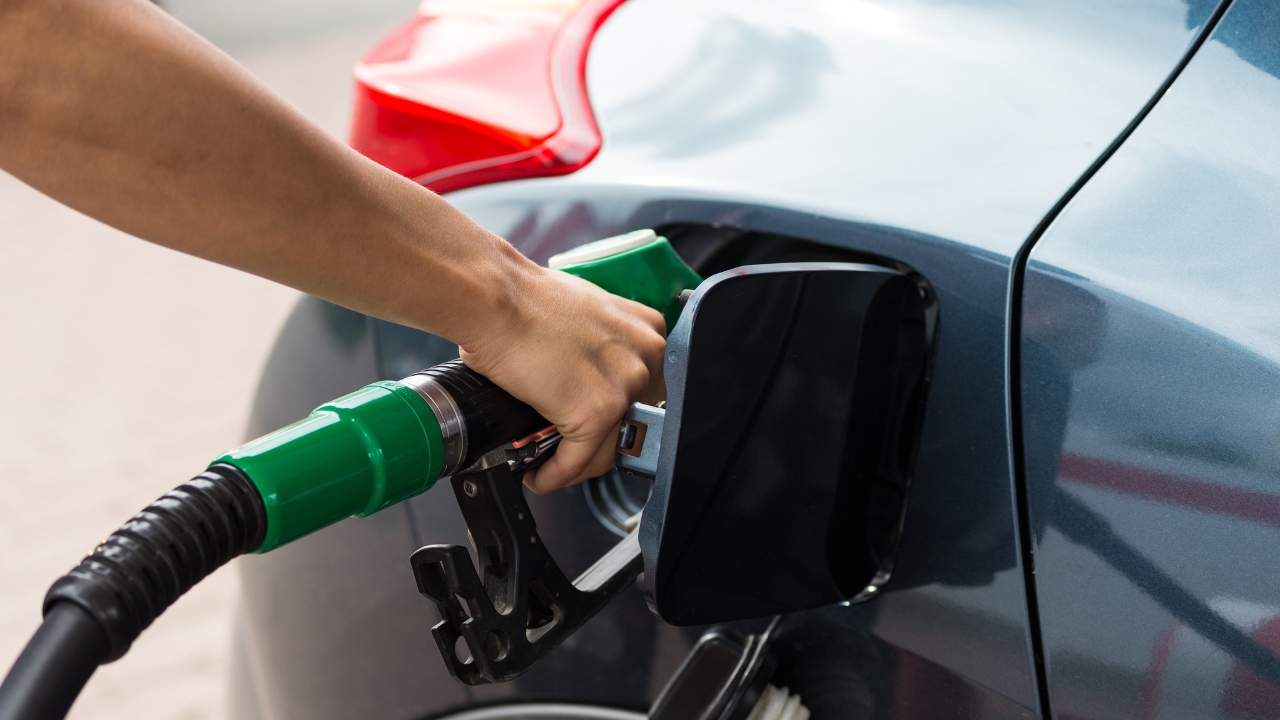
    Islamabad announced a reduction in the prices of all petroleum products by up to 5.31 rupees per liter for the next fortnight. Moreover, revisions by the Oil and Gas Regulatory Authority (OGRA) reportedly lead to a drop in liquefied petroleum gas (LPG) prices by a whopping 6.15 rupees per liter.

    As per the Ministry of Finance (MoF), OGRA changed the prices after considering rapid fluctuations which the international market has witnessed recently. Data from the Brent Crude Oil Futures revealed that prices have plunged by 5.22 percent to sit at $73.08 per barrel (as of publishing).

    Petrol prices have fallen by half a rupee to rest at 255.63 rupees per liter. The revision was more conservative than earlier estimates had pegged it to be. Prior to the adjustment, analysts were projecting a fall of 4.5 rupees per liter in the price of petrol.

    The slashing of petrol prices spells great news for car and motorcycle owners as the drop will increase their purchasing power. Fuel expenses make up a large chunk of household expenditures causing many to welcome the lower prices.

    However, the price of High Speed Diesel (HSD) fell liberally, recording a drop of 5.31 rupees. The ex-depot price of the commodity has fallen to 258.64 rupees per liter from its previous price of 263.95 rupees per liter.

    This could significantly benefit the transport sector given the sector’s reliance upon HSD. The fall in HSD prices is likely to spur economic activity across various sectors.

    For instance, the transportation sector has diesel as a primary input and thus requires vast quantities of the commodity. With a fall in HSD prices, these businesses could witness a drop in operational costs, and ultimately, a rise in profit margins.

    As per analysts, bus fares tend to be sticky when diesel rates drop. As such, drops in the price of diesel might not benefit commuters and rather, could funnel funds in the pockets of the owners of transport companies.

    Islamabad charges a tax of approximately 76 rupees per liter on both HSD and petrol. The bulk of this tax, a staggering 60 rupees per liter, is charged under the category of petroleum development levy, whereas the other charge of 16 rupees goes towards Customs duty.

    Pakistan does not charge consumers any general sales tax (GST) on petroleum products. However, fuel suppliers and distributors tack on an additional Rs17 per liter as markup.

  • Multiple agreements inked between Pakistan, UAE

    Multiple agreements inked between Pakistan, UAE

    Pakistan has managed to ink multiple memorandums of understanding (MoUs) with the United Arab Emirates (UAE), which is expected to boost the domestic economy. According to reports, the aforementioned agreements are slated to strengthen cooperation in the banking, infrastructure, railway, and mining sectors.

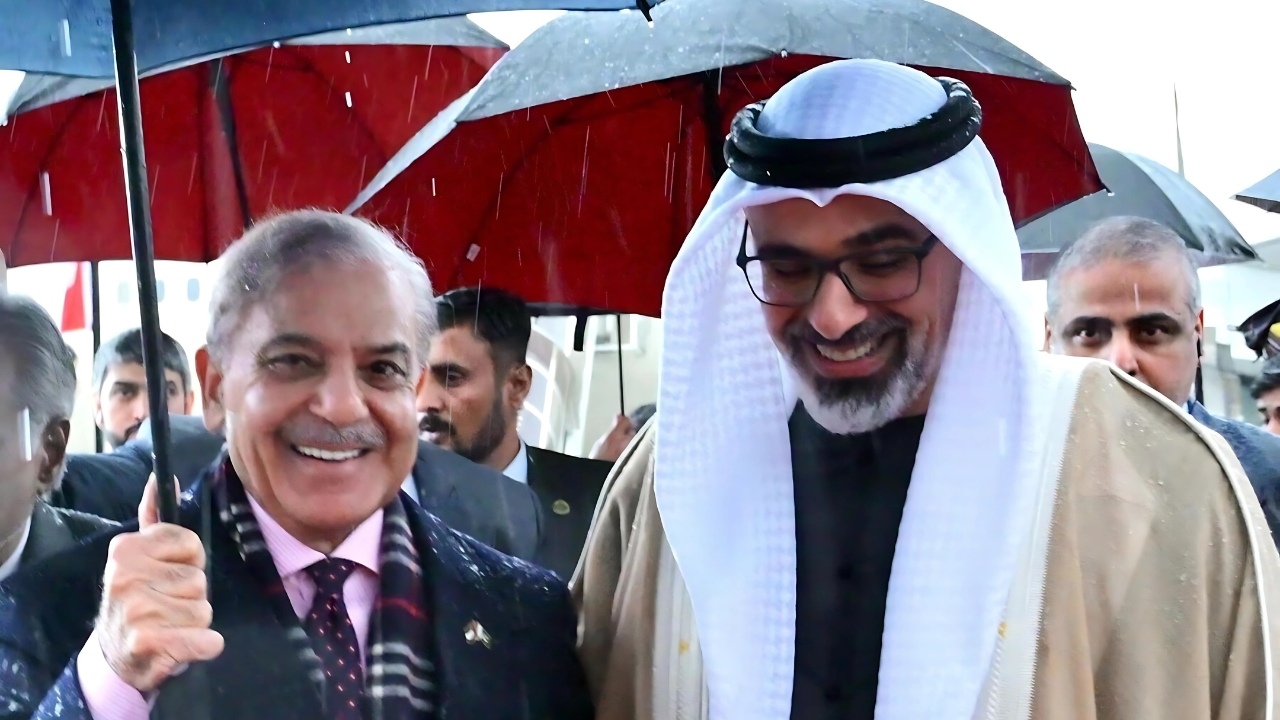
    UAE’s Crown Prince Sheikh Khaled Bin Mohamed Bin Zayed Al Nahyan oversaw documents pertaining to the agreements, which were pre-signed. Prime Minister (PM) Shehbaz Sharif also attended the meeting in a similar observational capacity.

    Aside from the UAE’s delegation, notable figures such as the Chief of Army Staff General Asim Munir and various members of the federal cabinet were present at the event. As per credible reports, influential business persons and high-ranking officials accompanied Sheikh Khaled.

    Initially, private discussions were held between the Crown Prince and the PM, after which ‘delegation-level’ talks began. Reports claim that matters pertaining to security might have been a focal topic of discussion as top security officials attended the talks.

    Both reportedly explored avenues to utilise the political relations between the two countries to strengthen bilateral economic ties. In the meeting, Sharif outlined the importance of the transnational Uzbekistan-Afghanistan-Pakistan Railway Line Project.

    The reason behind doing so was to convey to Sheikh Khaled how the completion of the aforementioned project would boost connectivity, allowing for Gwadar and Abu Dhabi’s ports to benefit immensely.

    Islamabad has taken an interest in reviving Gwadar’s port, which seems to be processing subpar levels of cargo. Recently, federal authorities attempted to tackle the issue of low freight traffic through the port by deciding to route 60 percent of all public sector cargoes through Gwadar.

    Shahbaz Sharif invited the UAE to invest in Pakistan’s economy while outlining the plethora of outstanding investment initiatives which have proven to be mutually beneficial. If his words can sway Emirati investors, Pakistan’s cash-strapped economy could soon witness an influx of foreign direct investment (FDI).

    Reports affirm that Sheikh Khaled reaffirmed his support for the development of Pakistan’s economy. According to a social media post by PM Sharif on X, dignitaries from both countries ‘resolved to further strengthen our excellent bilateral ties through enhanced trade, investment & energy cooperation.’

    In a conversation with President Asif Ali Zardari, Sheikh Khaled also spoke about improving business-related ties between both countries. The expansion of bilateral trade and investment initiatives could allow Pakistan to speed up its economic recovery and potentially meet Project Uraan Pakistan’s ambitious target of boosting Gross Domestic Product (GDP) to a whopping one trillion dollars by 2035.

  • Inflation expected to rise in March 2025

    Inflation expected to rise in March 2025

    Amid falling industrial production and persistent revenue target shortfalls for the first half of fiscal year (FY) 2024-25, Islamabad has revealed that the consumer price index (CPI) may rise in March. The Ministry of Finance (MoF) revealed that inflation is expected to rise three to four percent next mon

    The rise in CPI-based inflation for March marks a 40 percent rise from February’s projected inflation rate, which sits at a conservative two to three percent. The aforementioned information was included in the MoF’s Monthly Economic Update and Outlook.

    While rising inflation levels are cause for concern, especially in Pakistan, where inflation often runs rampant, the MoF has assured that the domestic economy has shown signs of revival during the first seven months of FY 2024-25. The ministry has claimed that economic indicators are moving in the right direction, outlining the success of export-based industries.

    Reports highlight that Pakistan’s Large Scale Manufacturing (LSM) sector has not rebounded fully and is struggling to pull itself out of the quagmire it recently found itself in. During the first half of FY 2024-25, LSM industries displayed negative growth, contracting by 1.87 percent.

    However, multiple sectors in the LSM industry posted robust growth rates. For instance, the automobile industry reportedly experienced a 50.16 percent rise, with the tobacco industry lagging behind but still growing by a respectable 19.21 percent in just six months.

    According to the MoF, Year on Year (YoY) CPI inflation stood at a controlled 2.4 percent in January 2025. For reference, the inflation rate in the corresponding period last year exceeded a staggering 28 percent. The State Bank of Pakistan (SBP) played an incredible role over the past year in bringing inflation rates back down to manageable levels.

    The SBP was able to reduce inflation rates by raising interest rates to approximately 22 percent. This measure curbed demand for consumer and business loans. In the past seven months, interest rates have plummeted by a staggering 1,000 basis points as the SBP enjoyed successes in its battle against inflation.

    Reports indicate that the largest contributors to the YoY rise in CPI-based inflation are healthcare (14.1 percent), footwear (14.1 percent), education (10.4 percent), hotels and restaurants (7.6 percent), alcoholic beverages and tobacco (5.6 percent) and household furnishings (5.1 percent).

    The sensitive price index (SPI) indicator posted a 0.27 percent rise against the previous week’s value. According to reports, prices of 16 goods fell, 11 goods rose while 24 remained unchanged.

  • Thar-Port Qasim railway to be completed by December 2025

    Thar-Port Qasim railway to be completed by December 2025

    Islamabad is looking to upgrade its energy infrastructure by connecting Port Qasim to Thar’s coal mines via railway by the end of 2025. As per news reports, government authorities are expanding transportation infrastructure to aid the development of Pakistan’s weak energy sector.

    Reports revealed that authorities have authorized the construction of a 1000 Mega Watt (MW) battery storage facility to support the national grid. This facility, which will utilize wind energy, is expected to cost the national exchequer upwards of half a billion dollars.

    Pakistan, cash strapped as usual, is engaging with international creditors to discuss potential avenues of funding. If funds for the project are secured, it would spell great news for the country’s economy.

    Islamabad has reportedly discussed the aforementioned battery project with large global lenders including the Asian Development Bank (ADB), Islamic Development Bank and, the World Bank (WB). Pakistan recently received a $20 billion loan package from the WB indicating the creditors willingness to work with the country.

    The terms of the WB loan are fairly advantageous to Pakistan as well. A staggering 14 billion dollars of the amount will be in the form of concessional loans. This means that the economy can significantly benefit from the lax terms of the loan if authorities can leverage the loan amount to build sustainable solutions to the issues that are currently plaguing the economy.

    If the initiative receives funding, the national grid could witness noticeable improvements. Furthermore, it could also maximize the utilization of renewable energy, potentially allowing solar panel owners to not face higher tariff rates.

    It might be worthwhile to consider utilizing the Special Investment Facilitation Council (SIFC) to rake in investments from bilateral and independent sources. However, given the country’s subpar experience with Independent Power Producers, lawmakers from Islamabad might not want to explore this avenue fully.

    According to reports, Secretary Power Division Fakhar Alam Irfan informed a parliamentary panel regarding developments surrounding the new railway extension project. On ground teams have begun operations already and the project is projected to reach completion around December.

    Project details reveal that the rail network will span 105 kilometers and could effectively reduce Pakistan’s reliance on imported fuels. Historically, cash-strapped Pakistan has been a net importer of fuel. Data from recent years revealed that the country’s largest coal based imports were coal briquettes ($647 million) and Coal Tar Oil ($47 million).

    Coal production might witness a boost if infrastructure linked to its extraction and transportation gets upgraded. If domestic coal mines extract enough coal to become self-sufficient, the trade deficit would narrow, significantly allowing Pakistan’s trade balance to improve.

  • Sugar prices climb ahead of Ramzan

    Sugar prices climb ahead of Ramzan

    Islamabad and the Pakistan Sugar Mills Association (PSMA) recently collaborated to reduce the price of sugar to 130 rupees across Pakistan for the holy month of Ramzan. However, with the sacred month looming, wholesale prices continue to rise uncontrollably.

    As per credible reports, sellers in Karachi are charging an extortionate 160 rupees per kg for the sweetener. Moreover, retailers claim it might not be possible to sustain frequent rises in sugar rates since the price of a 50kg bag of sugar has skyrocketed by up to 200 rupees per bag in just a few days.

    Chairman of the Karachi Wholesalers Grocers Association (KWGA), Rauf Ibrahim, announced that the wholesale rate of sugar per kg has increased by approximately 13 rupees within four days. According to Rauf Ibrahim, opportunists are attempting to rake in large profits during Ramzan, when sugar demand doubles from 550,000 tons to about 1.1 million tons.

    Reports claim that sugar prices could creep up to 200 rupees during Ramzan if government officials turn a blind eye to the issue. Stakeholders have called upon federal and municipal authorities to take notice and expand the scope of the crackdown against individuals hoarding sugar.

    Recently, the sugar industry pledged to aid federal and municipal authorities in ensuring economical sugar prices for the public during the holy month of Ramadan. According to a spokesperson from PSMA, sugar prices are determined by market forces such as supply and demand. However, a handful of speculators spread false information to distort the market and artificially inflate prices for personal monetary gain.

    If authorities can discourage the hoarding of sugar, prices might not surge as high as analysts claim they will. This can be done by enacting an action plan under which the government will collect production and sales data from sugar millers.

    Hoarding causes financial harm to consumers, farmers and the wider economy. In many cases, sugar is not a final good, as other industries use the commodity as an input in their production processes. The confectionery industry can serve as an example of this phenomenon, and it faces rising input costs when sugar suppliers manipulate the prices, causing profit margins to drop considerably.

    Reports reveal that authorities captured 550,000 kg of sugar in a raid in Bhens Colony. Speaking to relevant stakeholders, Rauf Ibrahim implored authorities to survey the depots of millers to ensure they are not partaking in hoarding sugar.

    According to data from the Sensitive Price Index (SPI), sugar prices have climbed from 145-160 rupees per kg to 150-165 rupees in approximately one month. For reference, sugar rates sat at a conservative 130-150 rupees in early January.

  • PIA privatisation attempt costs national exchequer $4.3 million in advisory fees

    PIA privatisation attempt costs national exchequer $4.3 million in advisory fees

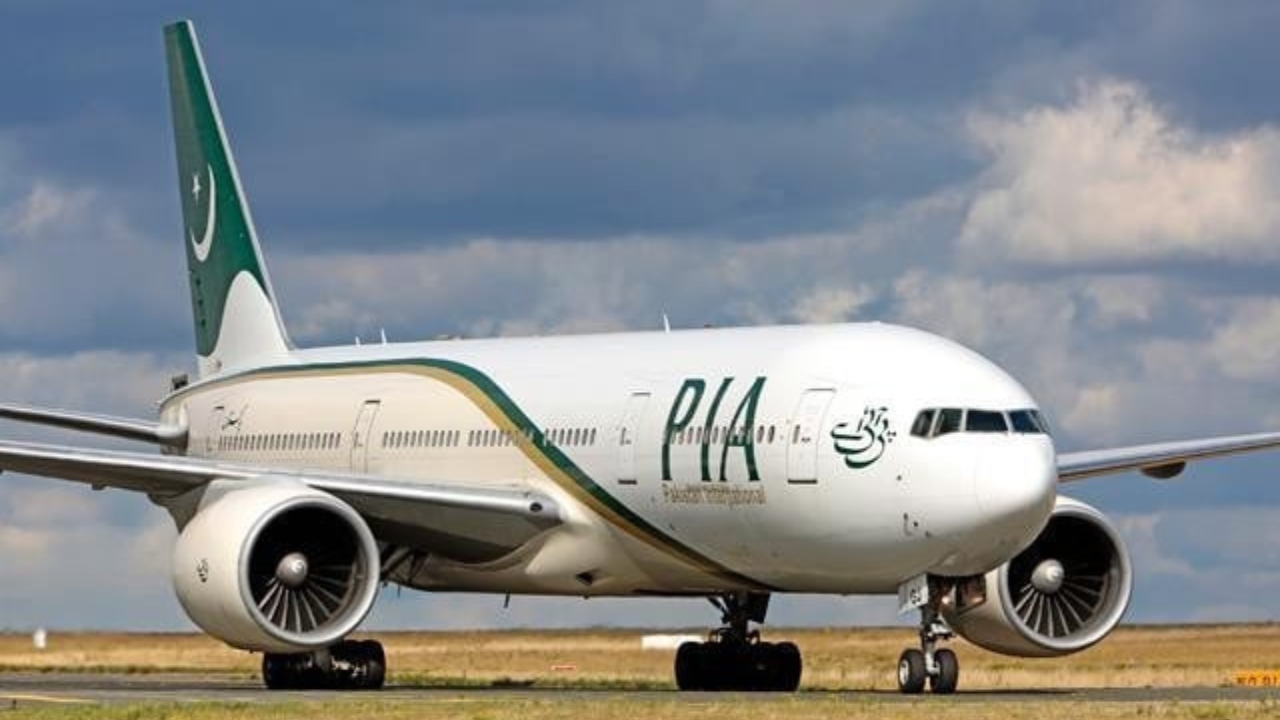
    Pakistan International Airlines Corporation Ltd (PIAC) has caused the national exchequer to take a hit once again. According to reports, the federal government’s attempt to privatise the national carrier resulted in a colossal outflow of $4.3 million to a financial advisory firm.

    As per reports, Privatisation Secretary Jawad Paul notified the National Assembly’s Standing Committee on Privatisation regarding the reason and details of the payment. Ernst & Young, a financial advising firm, was expecting to receive a total amount of $6.8 million.

    However, authorities only disbursed 63 percent of the total agreed-upon payment amount, retaining $2.5 million until the advisory firm oversees the completion of transactions related to the privatisation of PIAC.

    Jawad Paul told committee members about the Privatisation Commission’s efforts to successfully complete the valuation of properties that PIACL would retain. Moreover, he revealed that new valuations were used in the company’s financial statements – dated until the end of April 2024.

    According to credible reports, committee members asked Jawad to let them know about the details of properties which have already been passed on to holding companies. The committee also engaged in discussions surrounding the losses the national exchequer incurred while unsuccessfully attempting to privatise the airline.

    The privatisation attempt was nationally televised and did not even manage to secure the minimum set price of 85 billion rupees. The national carrier received an abysmally low bid of 10 billion rupees from a real estate developer.

    However, new developments might allow PIA’s perceived value to rise in the minds of potential investors. After four and a half years, the airline has regained the rights to fly to Europe and now operates flights to Paris.

    The moratorium on PIA’s services to Europe came about as a direct consequence of a post-crash speech by then-minister Ghulam Sarwar, who had claimed without any evidence that 40 percent of PIA’s pilots were flying with fraudulent licenses. Sarwar’s speech detrimentally impacted the airline’s credibility, and the airline lost its goodwill with customers, which it had earned over the years. 

    Nevertheless, after PIA flight 8303 crashed in Karachi, the company lost the right to fly to various high-traffic destinations such as the United States, Canada, European Union (EU) and United Kingdom (UK).

    Moreover, PIA is reportedly set to receive the greenlight to resume flight operations, the official decision is still in the pipeline and will become official once UK regulators clear PIA’s status. 

    If approved to fly to the UK, PIA’s chances of getting privatised might rise significantly. This is because bidders previously did not see the airline making significant revenues. However, Pakistan-UK routes are extremely lucrative given the size of the Pakistani diaspora residing within the UK. This could boost the profitability of the company, making it seem more attractive to potential buyers.

  • Petrol prices likely to go up, diesel expected to drop

    Petrol prices likely to go up, diesel expected to drop

    Petrol prices for the next fortnight are projected to spike once again by about Rs4 per litre. However, the price of diesel is expected to drop because of unstable exchange rates and international market conditions.

    According to reports, petrol prices could rise by Rs4.5 rupees per litre. On the contrary, high-speed diesel (HSD) and kerosene prices might witness a drop – under Rs1 per litre. These, however, are only preliminary estimates and are subject to change as per the final calculations by federal authorities, which is due by February 28.

    Currently, HSD prices sit at a sky-high of Rs263.95 per litre while petrol prices stand at an uneasy Rs256.13 per litre. The sale price of kerosene is officially listed at Rs171.65 rupees per litre but reports claim it is being sold for an extortionate Rs350 per litre.

    The aforementioned fuel rates are subject to change after authorities review existing prices. According to reports, the jump in petrol prices is being linked to a rise in international rates. Concurrently, exchange rate losses were recorded against the dollar, which can partially explain why prices are projected to rise.

    As of publishing, Brent Crude Oil prices have remained fairly stable dropping just $2.38 per barrel over the past 14 days.

    The expected rise in petrol prices could hurt the economy as pressures on the import bill are likely to rise. Historically, cash-strapped Pakistan has been a net importer of petroleum-based products. Data from recent years revealed that the country’s largest imports were petroleum gas ($7.56 billion), refined petroleum ($6.47 billion) and crude petroleum (4.78 billion).

    However, the projected fall in diesel prices is likely to spur economic activity across various sectors. For instance, the transportation sector has diesel as a primary input and thus requires vast quantities of the commodity. With prices projected to fall, these businesses could witness a decline in operational costs, and ultimately, a rise in profit margins.

    Islamabad charges a tax of approximately Rs76 per litre on both HSD and petrol. The bulk of this tax, a staggering Rs60 per litre, is charged under the category of petroleum development levy, whereas the other charge of Rs16 goes towards Customs duty.

    Pakistan does not charge consumers any general sales tax (GST) on petroleum products. However, fuel suppliers and distributors tack on an additional Rs17 per litre as markup.

  • New York’s mayor terminates $220 million lease for Roosevelt hotel

    New York’s mayor terminates $220 million lease for Roosevelt hotel

    Pakistan International Airlines (PIA) has again come into the spotlight; however, this time, the national carrier has nothing to do with the developments in question. As per reports, the mayor of New York City (NYC) decided to terminate a $220 million lease with Pakistani authorities.

    The lease agreement was for the Roosevelt Hotel in NYC, which is owned by PIA. However, because of rising domestic anti-asylum sentiments, the mayor binned the deal to avoid criticisms of wasting taxpayer funds to support asylum seekers.

    This spells bad news for PIA, which will now have to find thousands of guests for the soon-to-be vacant Roosevelt Hotel. The hotel ceased operations in 2020 after sustaining large financial losses during the COVID-19 pandemic. It was only able to remain financially buoyant because Texas’ conservative governor reportedly expelled asylum seekers from his state to other liberal states around 2023.

    According to reports, the hotel has a staggering 1025 rooms, which were housing over ten thousand immigrants at an estimated cost of $200 per night. At the time the lease was inked, it appeared as a mutually beneficial deal for both PIA and NYC.

    However, a fall in the influx of migrants has been witnessed since 2023, when a colossal 4,000 immigrants were coming into the city every week. This number has now fallen to just 350 immigrants per week. Reports reveal that PIA’s Roosevelt Hotel was a major immigrant processing centre catering to and housing approximately three-quarters of immigrants coming into NYC.

    With migration levels under control and US President Donald Trump’s hardline stance against immigrants, it did not seem like a beneficial deal to continue the lease agreement. Eric Adams, the mayor of NYC, had been facing rising criticisms from both the right wing and the government. The pressure resulted in convincing him to shut the facility down, causing PIA to lose its sole client for the hotel.

    The lease had been signed with the NYC administration for an annual amount of approximately $73 million, and it was agreed that the deal would last for three years, allowing for PIA to rake in a total of $220 million. With the hotel out of business, many wonder how this will affect the privatisation prospects of the airline.

    Since the national carrier has lost a steady source of revenue, its profitability figures may take a hit, causing it to not seem as attractive as before. NYC administration’s decision could prove to be costly for PIA.