Author: Ibraheem Sohail

  • Gwadar International Airport officially inaugurated with first flight

    Gwadar International Airport officially inaugurated with first flight

    The new Gwadar International Airport has received its first inaugural flight at 11:14 AM. Pakistan International Airlines (PIA) flight PK-503 touched down on the only runway available at the airport.

    In true PIA fashion, the flight departed late after it was delayed by 46 minutes at Karachi’s airport. The aircraft, an ATR, received a water salute upon landing to celebrate the inauguration of the airport.

    The operationalization of the airport marks a key moment in the development of the China-Pakistan Economic Corridor (CPEC). Spanning an impressive 4,300 acres, the airport is the largest in terms of size in the entire country.

    According to reports, the airport cost an estimated $230 million. Its construction was funded by the Chinese government in the form of a grant to Pakistan. The project employed 3,000 people during the time of its construction.

    Analysts have been quick to question as to why the largest airport was not constructed in a larger city. At first glance, the claims seemingly have merit as the city of approximately 100 thousand residents might not require such a large airport. However, Gwadar is the crown jewel of the CPEC project and as such, justifies the need for the airport.

    The airport’s location sparks security concerns as well as Balochistan has historically been the victim of terrorist operatives. In March 2024, eight armed terrorists associated with the Balochistan Liberation Army (BLA) attacked the Gwadar Port Authority Complex.

    Gwadar has not been able to leverage its strategic location for economic gains yet. Reports on January 9 suggested that the flow of trade has remained at suboptimal levels. However, despite the challenges, Islamabad seems to be fully invested in making the city a trade hub.

    Lawmakers have committed to improving the low levels of cargo shipments currently flowing through Gwadar port. This is evident by the government’s decision to route 60 percent of all public sector cargoes through Gwadar.

    Moreover, the flight to Gwadar was not a passenger flight as it carried key government officials only. However, flight operations will continue to and from the airport today.

    Both national and international airlines have expressed great interest in serving the airport as per reports. The airport is expected to serve approximately 50 airlines for passenger, cargo and refueling operations.

    Analysts have commented on how this spells great news for the tourism industry in Gwadar as the airport will bring in a greater number of people to the small city.
  • Trump’s cryptocurrency surges 164% amid market buzz

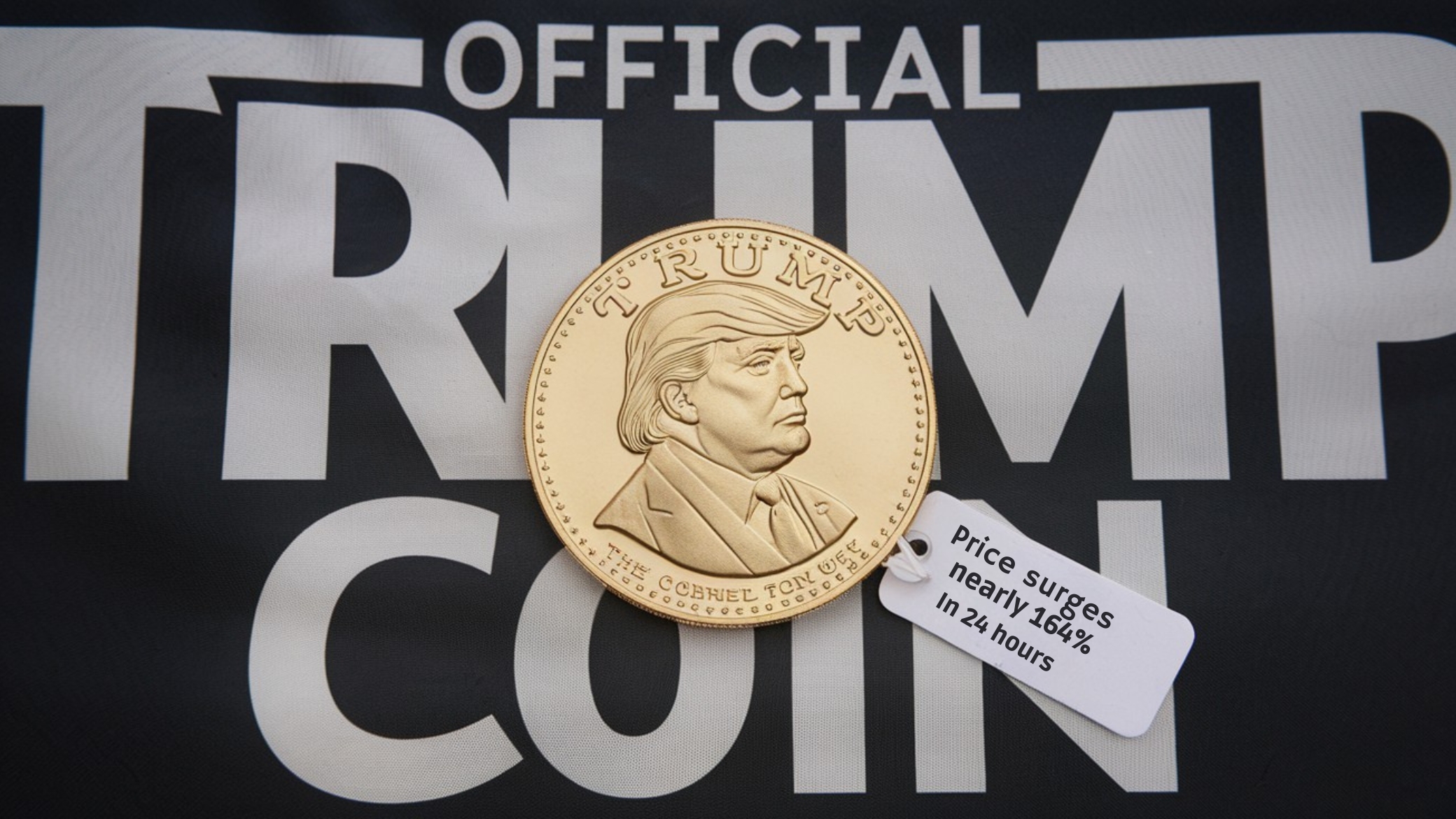
    Trump’s cryptocurrency surges 164% amid market buzz

    Crypto traders and speculators alike were startled as US President-elect Donald Trump’s cryptocurrency, $Trump, took the market by storm. The Alternate Coin (Altcoin), launched on Saturday night, witnessing a 164 percent surge in value mere hours into its launch.

    The altcoin’s market capitalization (cap) value surged to several billion dollars. According to data from Binance, a renowned cryptocurrency exchange platform, the market cap sat at a high $14.16 billion.

    While this may seem low at first glance, reports are suggesting that the altcoin already ranks among the top 15 in terms of market cap. This places it firmly ahead of Shiba Inu (SHIB) and Hedera (HBAR).

    Market analysts are noting how the release of his altcoin comes right before Trump takes office on Monday as the 47th President of the United States. In an interview, a Pakistani investor who preferred to remain anonymous, told TheCurrent that he had bullish sentiments regarding the altcoin.

    However, financial experts are suggesting that speculators remain cautious if they do prefer to invest their money into the altcoin. There is some merit to this warning as critics of Trump are claiming that he holds a large volume of the currency.

    In a social media post, Nick Tomanio, a crypto venture capitalist highlighted the fact that Trump owned a staggering 80 percent of the altcoin. Based off of this fact, it makes intuitive sense as to how volatile the market is currently.

    Since only 20 percent of the altcoin is being traded, there is little liquidity in the market. Low liquidity is often associated with a higher level of volatility as even small trades can cause large swings in prices.

    This is precisely what the market has been witnessing with Binance and other platforms even issuing high volatility warnings. However, this has allowed some of the early buyers to make vast profits with their only regret being how they didn’t buy ‘enough’. 

    The project was organized by CIC Digital LLC which is closely associated with the Trump organization. The company has sold Trump branded fragrances and shoes as per reports.

    The coin’s website has revealed that just 200 million digital tokens have been issued with the remaining 800 million to be released within the next three years. Aside from its value skyrocketing, the coin has also boosted the price of Solana’s (SOL) token by 12 percent as it was issued on the Solana blockchain.

    While the future of the coin is uncertain, many speculators are pouring their funds into it as they foresee great gains to be made around the time of Trump’s inauguration. However, only time will tell the direction in which the altcoin is headed.

  • Power distribution companies might issue Rs 3.9 billion in refunds

    Power distribution companies might issue Rs 3.9 billion in refunds

    Public sector power companies are seeking a downward revision in the fuel price adjustment (FCA) by approximately one rupee per unit for all electricity consumed in December 2024.

    According to reports, if the revision is approved, power distribution companies (Disco) would be liable to pay back almost four billion rupees to consumers in February. Financial experts are outlining how this may negatively impact the cash flows of Discos.

    The silver lining for Discos is that electricity demand has grown by 1.3 percent over the past year. Analysts suggest that this higher demand mitigates the financial setback from the refunds.

    Fuel costs were 1.42 rupees lower per unit in the same period in 2024 compared to December 2023. This could be attributed to the fact that approximately 78 percent of the total power supply in December came from local fuel sources, with half of this energy coming from either hydropower or nuclear energy.

    Hydropower energy is considered to be procured at ‘Zero fuel cost’, and despite the share of hydropower energy dropping in the past month, FCA’s have remained negative for the past six months. The share of hydropower in national electricity has dropped from 35.61 percent to 22.8 percent as per reports.

    Power generation from renewable sources has seen a boost in recent years. Sources such as wind and solar have contributed a five percent share of the national grid. Since these sources, coupled with hydropower, have no cost, it makes sense why FCAs have been dropping.

    The refunds may spell great news for businesses, especially those that utilise a lot of electricity for daily operations. The primary beneficiary will be the textile sector, as industrialists are likely to notice a drop in operating costs, which will directly translate into higher profit margins.

    Additionally, for consumers reliant on the national grid, the refunds will increase the general public’s purchasing power. This could allow businesses to increase sales volumes, which would boost revenue levels.

    Analysts are also outlining how a rising reliance on nuclear power generation may benefit the economy by shifting away from higher-priced imported fuels. Nuclear power contributed 26.5 percent to the national grid in December, up by five percent compared to November 2024.

    If this trend continues, efforts to explore and extract uranium might pick up pace. Uranium is found in central and southern Pakistan, where mining operations could take place.

  • Pakistan’s IT exports soar despite challenges

    Pakistan’s IT exports soar despite challenges

    The IT export sector has experienced robust growth as it closed 2024 strong by displaying a remarkable 12 percent Month on Month (MoM) growth in December. According to reports, this marks the 15th consecutive month of Year on Year (YoY) IT export growth, with exports surging to an all-time monthly high of $348 million.

    The news surfaced as analysts suggested that the government’s directives to set up firewalls and internet slowdowns were significantly hurting IT exporters. However, in a remarkable show of resilience, IT exports reached a staggering $1.86 billion in the third quarter of Fiscal Year (FY) 2024-25, according to a senior research analyst at Top Line Securities.

    The remarkable growth can be attributed to Pakistani firms securing more international contracts. Reports have revealed that the bulk of these contracts have been signed with entities in the Gulf countries.

    The State Bank of Pakistan (SBP) has launched a category of Equity Investment Abroad (EIA) for IT companies that have a specialised foreign currency account. This development will allow IT exporters to purchase equity in foreign companies using 50 percent of their revenues. This spells great news for local IT companies as they will soon receive dividends on their shares.

    This is expected to boost Pakistan’s Gross National Income (GNI), which has been rising with the increasing levels of immigration in the country. In 2023-24 alone, an alarming 1.589 million Pakistanis left what they call ‘home’ in search of better financial prospects abroad. According to reports, a respectable percentage of these immigrants were IT experts.

    With the IT export sector growing even in the face of rising immigration of experts, it is apparent that the country has no shortage of professionals in the field. Furthermore, some analysts are dubbing the rising immigration levels of IT experts as a boost in exports by highlighting how this effectively raises the GNI.

    If the sector continues on this trajectory of growth, experts are predicting that Shehbaz Sharif’s economic plan ‘Uraan Pakistan’ may not be as farfetched as analysts initially pegged it to be. Under the plan, Shehbaz Sharif has set an ambitious IT export target of $10 billion, which is to be met by FY 29.

    Local businesses will also benefit from the growing exports as a higher national income boosts aggregate demand in the economy. Essentially, business owners may soon witness a growth in the demand for their goods, which may translate into higher revenues and, ultimately, higher profit margins.

  • PM Shehbaz Sharif directs FBR to expedite resolution of weak revenue cases

    PM Shehbaz Sharif directs FBR to expedite resolution of weak revenue cases

    Prime Minister (PM) Shehbaz Sharif directed the Federal Board of Revenue (FBR) on Thursday to identify ‘weak cases’ to expedite the resolution of pending revenue-related cases and to appoint qualified experts to a panel for identification.

    The PM issued this instruction to both the FBR and Law Division officials in a meeting to resolve legal cases that have been pending for extended periods. Analysts predict that this directive will be beneficial as the authorities will finally oversee longstanding cases.

    According to reports, over 33,000 cases currently remain unsolved, with a financial value of approximately 4.7 trillion rupees. These pending cases are not to be considered by a singular executive body but rather fall under the jurisdiction of various courts and tribunals.

    Shehbaz Sharif’s directives allow for the FBR panel to recommend an immediate withdrawal of weak cases once the panel has reviewed them.

    The creation of the panel may result in business owners facing higher taxes in the future, as the department can suggest “high-potential cases” where taxes can be raised.

    FBR’s officials have adopted three main decisions to handle the pending cases as per reports. Digital guidelines are to be utilised to assess officers and cater to them so that they can make efficient decisions.

    However, analysts have highlighted how this panel should be free from corruption, as officials could unfairly withdraw cases. The concerns are genuine, as any cases unfairly dismissed will significantly hurt the national exchequer, which the cash-strapped nation cannot afford.

    However, the meeting also outlined important procedures for vetting competent and impartial officers before adding them to the panel. It was reported that the original assessing officers would defend their cases at tribunals instead of the panel members.

    To further curb the possibility of officials corrupting the process, authorities present in the meeting decided that four to five individuals with good reputations would be appointed to defend their cases at the tribunals. The appointment of these individuals will require them to clear a set of ‘competitive examinations’.

    Shehbaz Sharif also highlighted that officers who perform their duties with diligence and honesty will be rewarded, while dishonest practices will result in severe consequences.

    Analysts are speculative about the economic gains which could be realised if the FBR were to receive the outstanding value of 4.7 trillion rupees. If the FBR can extract this amount from the pending cases, it would be enough to finance approximately 25 percent of the federal budget for the Fiscal Year (FY) 2024-25.

  • Experts predict new highs for economy amid rising remittances

    Experts predict new highs for economy amid rising remittances

    The flow of remittances into the country remained strong during the third quarter of FY 2024-25. According to Dawn, a whopping two billion dollars have been sold to banks, with an additional two billion sold in the open market.

    Experts predict that remittance inflows through banks alone may reach $35 billion by the end of FY 25. Compared to the same quarter last year, these inflows increased 33 percent in Q3 2024-25.

    Analysts are attributing the increase to Islamabad’s crusade against illegal currency exchange activities and an attempt to control the flow of funds through the ‘Hawala/Hundi’ system. This has allowed banks and exchange companies to benefit immensely as an increased number of people have turned towards official channels to transfer and exchange their funds.

    Rising remittance inflows strengthen the rupee. However, since Pakistan has historically run a trade deficit, these inflows serve to plug the gap between the overall outflows and inflows of foreign exchange.

    Exports have increased considerably in the current fiscal year, largely as a result of Commerce Minister Jam Kemal Khan’s tireless efforts. However, according to Dawn, exports are projected to lag significantly behind remittances this year.

    For Islamabad, rising remittances serve to improve economic figures as the impact of the trade deficit is not as pronounced. This is one of the primary reasons why the exchange rate has remained relatively stable in the past few months.

    This has allowed the business community to benefit, with importers being the primary beneficiaries. The reason behind this phenomenon is that a depreciating rupee erodes the profit margins of importers, who find it more expensive to import goods into the economy.

    Remittances are also beneficial for local businesses that have no ties with the importation of goods. This is because remittances augment household incomes, significantly boosting consumer purchasing power.

    For businesses, the outcome is an increase in revenues as they are able to attract more consumers who can purchase their goods and services. Business owners will be pleased to know that Zafar Paracha, the General Secretary of the Exchange Companies Association of Pakistan (ECAP), has predicted that inflows will rise once the State Bank provides more incentives to exchange companies to attract remittances.

    Currently, banks are enjoying preferential treatment over exchange companies in attracting remittances. Exchange companies earn just one rupee per dollar, while banks earn double the amount. With a possible parity in incentives on the table, remittances might witness a significant boost.

  • Pakistan’s future secured? $20 billion World Bank loan could change everything

    Pakistan’s future secured? $20 billion World Bank loan could change everything

    Business owners and citizens alike are delighted after the World Bank (WB) approved a 20-billion-dollar loan package for Pakistan. The aims of the WB for providing the loan package aligns closely with Prime Minister Shehbaz Sharif’s economic plan Uraan Pakistan.

    Experts are predicting that the loan package will significantly bolster the health of Pakistan’s economy and increase the standard of living. The loan package aims to eradicate gaps in education, improve access to healthcare facilities and protect vulnerable segments of Pakistani society from climate change risks.

    The terms of the loan are fairly advantageous to Pakistan as well. A staggering 14 billion dollars of the amount will be in the form of concessional loans. This means that the economy can significantly benefit from the lax terms of the loan if authorities can leverage the loan amount to build sustainable solutions to the issues that are currently plaguing the economy.

    The primary issue to be addressed is that of creating a financially sustainable energy sector. Currently, power producers and distributors are causing the economy to tank as they are heavily contributing to the rapid growth of circular debt.

    Najy Benhassine, WB’s country director for Pakistan, highlighted issues pertaining to the energy sector and the paramount importance of tackling said issues. If Pakistan can use the loan amount to set up an efficient system of power distribution, free from theft and defaulters, users of the national electricity grid may witness a drop in electricity bills.

    This spells great news for businesses, especially industrialists in the textile sector as they utilize a large amount of electricity. A drop in electricity costs will result in greater revenues for the textile sector – which accounts for 60 percent of Pakistan’s export revenues.

    The loan amount will also be allocated to educational and healthcare ventures. According to the Ministry of Federal Education and Professional Training, the current literacy rate sits below 63 percent.

    This means that 37.7 percent of Pakistan’s population is illiterate which translates into a staggering 60 million people. This is enough to reveal the reality of the education gap Pakistan possesses when compared to the rest of the world.

    It does not help that the people who do receive formal education are more likely to leave the country in favor of foreign countries where wages are higher. This exacerbates the gap in education Pakistan has with the rest of the world.

    Having an educated workforce is known to have positive effects on both an individual’s financial outcomes and on the growth of the economy. According to ResearchGate, various studies have revealed that a 7-8 percent increase in earnings can be witnessed with an additional year of schooling.

    With the WB interested in improving educational outcomes, Pakistan may witness a growth in the national average income in the coming years. This could help the economy retain skilled workers for local businesses.

  • Fuel price hike hits Pakistan: Global factors and domestic implications

    Fuel price hike hits Pakistan: Global factors and domestic implications

    Islamabad has raised fuel prices for the next fortnight, effective January 16, in light of global fluctuations in petroleum prices.

    According to a press release, the Oil and Gas Regulatory Authority (OGRA) increased the price of High-Speed Diesel (HSD) and Petrol by 2.61 and 3.47 rupees, respectively. This hike is much lower than earlier estimates, which predicted that fuel prices would rise by six to seven rupees.

    The price of petrol for the next fortnight is 256.13 rupees, while HSD’s price now rests at 260.95 rupees. This is not a result of an increase in petroleum levies as they have remained unchanged at 76 rupees per litre on both petrol and HSD.

    While the government does not charge its standard general sales tax of 18 percent on petroleum sales, there exists a flat 60 rupees per litre petroleum development levy. Furthermore, Islamabad also charges a customs duty of 16 rupees per litre on petrol and HSD.

    Customers have started growing weary of frequent price hikes as their spending power erodes with each hike. This is because a rise in the price of fuel has an inflationary impact on the economy. Since businesses also use fuel to transport their goods, they have to pass on the extra cost to consumers to protect their profit margins.

    However, since Pakistan is a net importer of Petroleum, there is little Islamabad can do to protect the economy from a potential rise in inflation with an increase in fuel prices. The hike in petrol prices can be partially attributed to United States President-elect Donald Trump, who has threatened to strangle Russia’s petroleum exports by sanctioning the country.

    According to Reuters, these sanctions have caused Russia to face higher costs on sea-borne oil exports. Experts claim that a fall in supply from the third-largest oil producer, Russia, is bound to result in an explosion of the commodity’s prices. The Russian oil industry currently makes up 12 percent of global crude oil production.

    Since Pakistan does not produce enough petroleum to become self-sustainable, the economy is often left at the whim of fluctuations in global oil prices. In the past five years, Brent prices have skyrocketed by approximately 37 percent to settle near $82. However, with Trump’s threat against Russia and other global factors, Brent prices have surged by about 6 percent in the last five days alone.

  • Govt hits Rs1.4 trillion jackpot with revised IPP deals

    Govt hits Rs1.4 trillion jackpot with revised IPP deals

    In a bid to reduce electricity costs, Islamabad has approved the power division’s recommendation to alter settlement agreements with 14 independent power producers (IPPs). According to Dawn, this move will save the national exchequer a staggering 1.4 trillion rupees.

    Islamabad has been actively working to fiscally free itself from the suboptimal conditions of the agreements it signed with IPPs in the past. In October 2024, the federal government decided to end power purchase agreements with five of its oldest IPPs, which allowed Pakistan to save a whopping 411 billion rupees.

    Staying true to its crusade against IPPs, Islamabad reached settlement agreements with eight more IPPs in December 2024 in the hopes of reducing electricity tariffs and sparing the national exchequer from an outflow of 240 billion rupees.

    Analysts have commended the government for these power sector reforms, which indicate its willingness to stick to financially sustainable power generation agreements. The government has also agreed to strangle the supply of gas to captive power plants (CPP) on the directives of the International Monetary Fund (IMF).

    The goal behind the reforms is to boost the revenues earned by power distributors, thus reducing the growth of circular debt in the power sector. Industrialists and business owners will be pleased to know that the reduction of this debt may translate into lower electricity costs in the long run.

    After discussing the 14 IPPs under the revised agreements, the federal cabinet approved the recommendation, which would reduce profit and costs by 802 billion rupees, as per Dawn. Furthermore, it was noted that the IPPs earned excess profits of 35 billion rupees, which will be deducted now as per the new agreement.

    The reason behind these IPPs racking up such large amounts of excess profits is that they have been operating in Pakistan for the better part of three decades. Of the 14 IPPs, four had been established as per the 1994 Power Policy, while an additional 10 started operating under the 2002 Power Policy. Members of the cabinet were informed that an agreement with one of the IPPs had already been nullified before the recent revision.

    Prime Minister Shehbaz Sharif outlined how the revised agreements will allow the cash-strapped nations to reduce their circular debt, allowing for a greater level of national savings.

    There is merit to Shehbaz Sharif’s claim as the revisions will allow the national exchequer to witness annual savings of 137 billion rupees. The combined value of the savings over their applicable duration translates into the government being fiscally spared from a 1.4 trillion-rupee outflow.

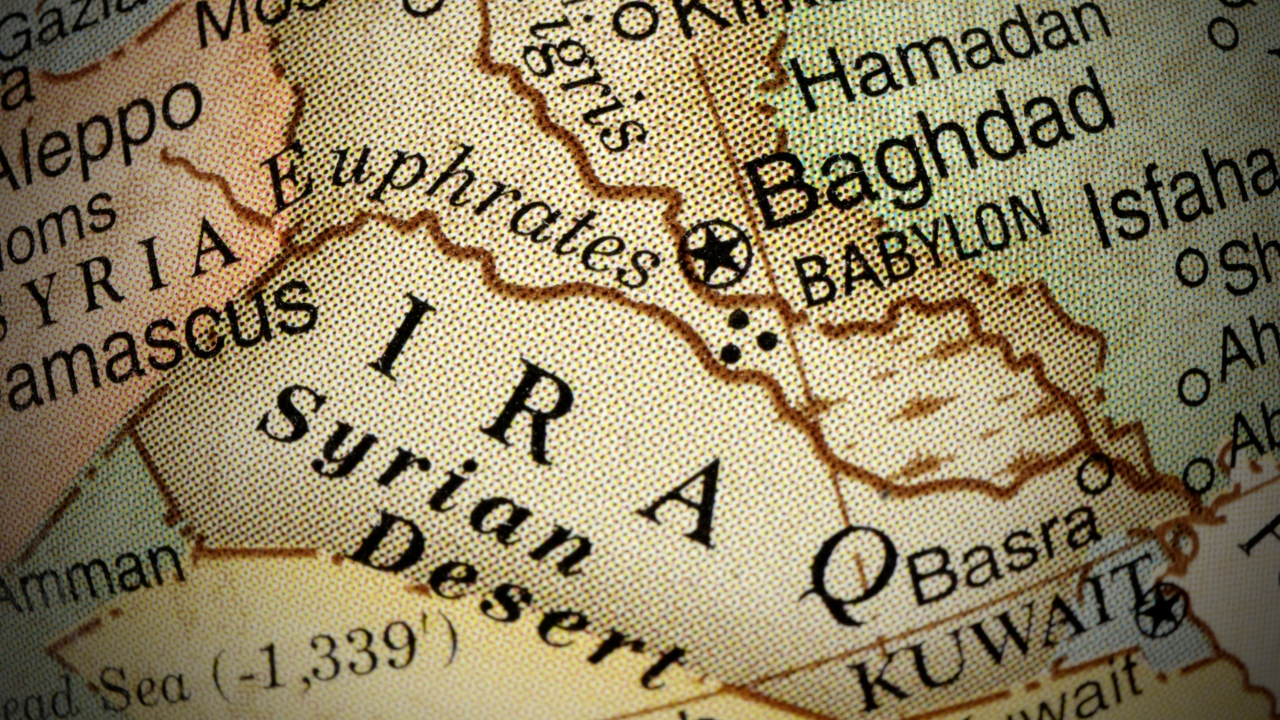
  • Pakistan, Iraq eye stronger economic ties

    Pakistan, Iraq eye stronger economic ties

    Commerce Minister Jam Kamal Khan is attempting to boost economic ties with Iraq after signing a protocol to increase cooperation, highlighting its significance to the relationship between both countries.

    Pakistan and Iraq have displayed their commitment to strengthen their partnership by following an agreement to collaborate in a diverse set of fields, including tourism, health, education, and trade.

    One of the goals is to expand religious tourism, as large throngs of pilgrims flock to Iraq seasonally. The Middle Eastern country will consequently benefit from the increased inflow of Pakistani citizens, bringing with them funds to purchase Iraqi goods and services.

    However, analysts predict that true trade gains can only be achieved through the exchange of goods. According to the Observatory of Economic Complexity, Iraq’s export revenues stood at a staggering $123 billion in 2022, with recent figures hovering close to $100 billion.

    Iraq’s primary export is petroleum, constituting 97 percent of the country’s exports. It already exports its petroleum to Pakistan’s neighbours, with India and China accounting for 33.5 percent and 30.6 percent of Iraq’s crude oil exports, respectively.

    Given that Pakistan is closer to Iraq than its other trade partners in the region, experts argue that it will be cheaper for Pakistan to import Iraqi petroleum. With Brent prices up by approximately 3.5 percent in the past five days and an upward trend predicted under Donald Trump’s threat to sanction Russia, it will be in Pakistan’s best interest to secure a source of petroleum that can be transported cost-effectively.

    The commerce minister, however, is more interested in boosting export revenues for Pakistan and is already urging Iraqi authorities to ease visa restrictions for Pakistani businesspersons, as per Dawn.

    Iraq imports approximately one billion dollars worth of rice and textiles each. Currently, Iraq imports approximately 60 and 32 percent of its rice from Thailand and India, respectively. It also imports a little under one percent of its rice from Pakistan, which reflects Pakistan’s huge potential to enter the market.

    The figures for Iraqi textile imports are similar to China, catering to the Middle Eastern countries’ textile consumption. However, Pakistan could leverage its cost-effective labour to secure contracts from Iraqi importers with a lower per capita income on average as opposed to other countries that export their goods to Iraq.